...

FAQs On Chhatimtala

Shantiniketan, West Bengal, India
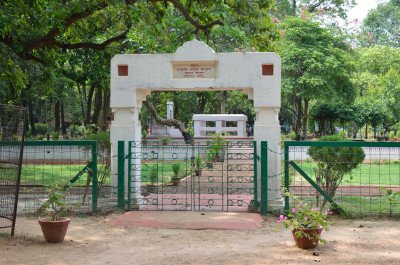
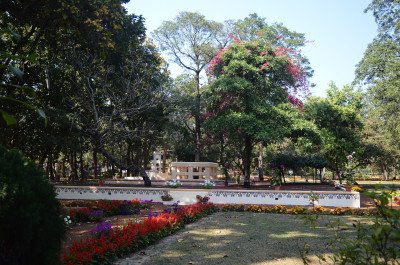
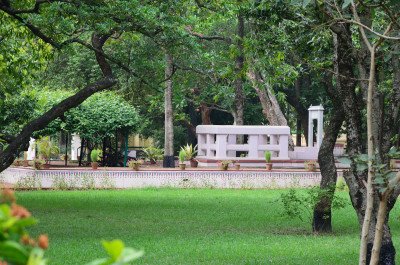
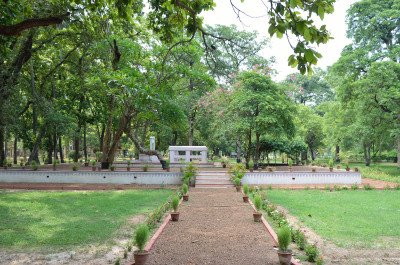
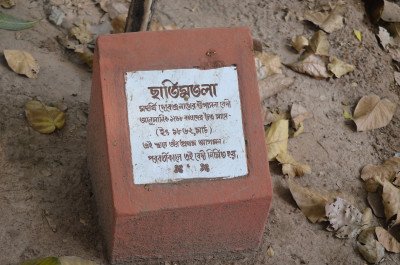
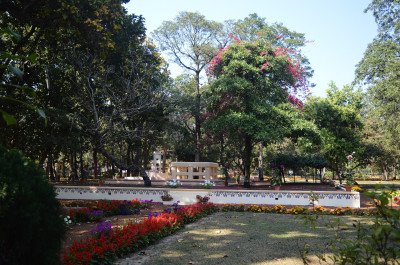
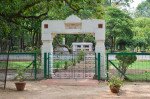
Chhatimtala is not just a spot; it is the spiritual and ideological core of Shantiniketan. The name literally translates to 'the base of the Chhatim tree' (Alstonia scholaris). This serene location holds immense historical and cultural significance as the very spot where Maharshi Debendranath Tagore , the father of Rabindranath Tagore, first found a deep sense of peace and divine presence in 1862. The Maharshi acquired the land and established an 'Ashram' (hermitage) here, initially naming it 'Shantiniketan' (Abode of Peace). It was here, under the shade of a single Chhatim tree (though the original tree is no longer present, a new one stands in its place), that he dedicated himself to meditation and prayer, laying the philosophical groundwork for the later educational institution. The spot is marked by a marble plaque and is often used for the university's foundational ceremonies. It embodies the essence of open-air education and a deep connection with nature, which became the cornerstone of Rabindranath Tagore's educational philosophy for Visva-Bharati University. Its a quiet, contemplative space, representing the transition from a solitary spiritual retreat to a globally recognised center for culture and learning. The atmosphere here is deeply tranquil, fostering introspection.

Ans:- Early morning or late afternoon is the best time to visit Chhatimtala. The soft light filtering through the trees and the naturally quiet atmosphere during these times enhance the spiritual experience. It is also less crowded than the middle of the day.

Ans:- Entrance into the immediate prayer enclosure is generally restricted to maintain the sanctity and peace of the site. However, visitors can clearly see the prayer spot and the iconic Chhatim trees from the perimeter fence. It remains a place of quiet reflection for all who visit.

Ans:- It is the soul of the town because it was here that the vision for Shantiniketan was first conceived. Maharshi Debendranath was so moved by the peace he found under these trees that he decided to establish an Ashram here in 1863, which eventually grew into the world-famous university.

Ans:- No, there is no entry fee to visit Chhatimtala. It is part of the Ashram complex which is open to the public. Most visitors include it as their first stop when exploring the historical "Ashram" area of the Visva-Bharati campus.

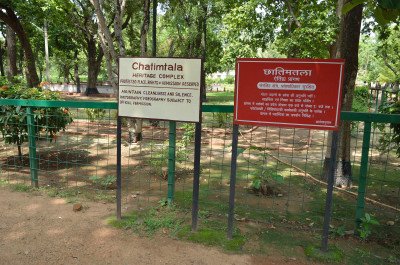
Ans:- Photography is generally permitted from outside the fence. However, taking photos of people meditating or using professional equipment might require prior permission. It is best to take a quick photo and then put the camera away to truly soak in the peaceful atmosphere.

Ans:- Visitors are expected to maintain absolute silence and dress modestly. Since it is a place of meditation and spiritual importance, loud talking, running, or any disruptive behavior is strictly discouraged. It is meant to be a place where one can experience the same tranquility the Maharshi felt.

Ans:- While many festivals involve the site, the "Poush Utsav" (held in late December) involves significant prayer services at Chhatimtala. It marks the foundation day of the Ashram and is a deeply moving experience involving devotional songs and community prayers in the early morning.

Ans:- Yes, in the early days of the Patha Bhavana school, classes were often held in the open air near Chhatimtala. This was central to Tagore’s philosophy of "education in nature," where students were not confined by four walls but learned under the shade of trees.

Ans:- Yes, it is located within the same general Ashram complex, just a short walk away from the Rabindra Bhavana (museum) and the Uttarayan buildings. Most tourists explore these sites together as they represent the historical core of Shantiniketan.

Ans:- Yes, the area is relatively flat and easy to walk around. Since it is located in the central part of the Ashram, it is quite accessible. There are benches nearby where elderly visitors can sit and enjoy the serenity without having to stand for long periods.

Ans:- You can take a Toto or auto-rickshaw from Bolpur station and ask for the "Ashram" or "Visva-Bharati main campus." The ride takes about 10-15 minutes. Once you enter the university area, any local person or student can guide you to the Chhatimtala spot.
Information about New and Updated Locations(575+) of West Bengal Has Been Added :-
Card subtitle

Note:-

Information provided here in good Faith and for reference only.

All information and pictures will be updated soon, please keep visiting.

Near Places
...
Amar Kutir

Some quick example text to build on the card title and make up the bulk of the card's content.

Go somewhere
...
Amrakunja

Some quick example text to build on the card title and make up the bulk of the card's content.

Go somewhere

...
Ballavpur Deer Park

Some quick example text to build on the card title and make up the bulk of the card's content.

Go somewhere

...
Ballavpur Wildlife Sanctuary

Some quick example text to build on the card title and make up the bulk of the card's content.

Go somewhere
...
Bhubandanga Cultural Centre

Some quick example text to build on the card title and make up the bulk of the card's content.

Go somewhere
...
Bonerpukur Adivasi Village

Some quick example text to build on the card title and make up the bulk of the card's content.

Go somewhere
...
Cheena Bhavana

Some quick example text to build on the card title and make up the bulk of the card's content.

Go somewhere
...
Chhatimtala

Some quick example text to build on the card title and make up the bulk of the card's content.

Go somewhere
...
Chhinnamasta Temple

Some quick example text to build on the card title and make up the bulk of the card's content.

Go somewhere
...
Geetanjali Rail Museum

Some quick example text to build on the card title and make up the bulk of the card's content.

Go somewhere
in Other Cities