

Neermahal
General information
-
Ideal Duration:
Duration: 2 to 3 hours.Place Type:
Category: Palace & Landmark.Entry Fees:
For Indian nationals, the entry fee is approximately 20 for adults. Foreign tourists may be charged around 100 to 150 for access.
Boat Charges: Shared boats cost 30 to 50 per person, while private hires cost between 500 and 800. These rates are regulated by the l...For Indian nationals, the entry fee is approximately 20 for adults. Foreign tourists may be charged around 100 to 150 for access.
Boat Charges: Shared boats cost 30 to 50 per person, while private hires cost between 500 and 800. These rates are regulated by the local boatman association.Timing:
Regular Timings: The palace is open to visitors from 9:00 AM to 5:00 PM daily. The light and sound show usually begins after 6:00 PM during the winter months.
Ideal Visit Time: Arrive at 3:30 PM to explore the palace in daylight and stay fo...Regular Timings: The palace is open to visitors from 9:00 AM to 5:00 PM daily. The light and sound show usually begins after 6:00 PM during the winter months.
Ideal Visit Time: Arrive at 3:30 PM to explore the palace in daylight and stay for the sunset. The transition from day to night at the palace is an unforgettable experience.Special Events:
Neermahal Water Festival: Celebrated in August, this is the most famous event featuring a grand boat race. The festival includes cultural nights with traditional tribal and Bengali folk music.
Winter Festival: A three-day event in December ...Neermahal Water Festival: Celebrated in August, this is the most famous event featuring a grand boat race. The festival includes cultural nights with traditional tribal and Bengali folk music.
Winter Festival: A three-day event in December focuses on the migratory birds and local handicrafts. It is a more peaceful alternative to the high-energy August festival.Best Photo Spots:
The Central Dome: Photograph the main dome from the boat as you approach the palace. The symmetry against the blue sky and water creates a classic travel postcard shot.
Spiral Staircases: The internal stairways leading to the towers offer u...The Central Dome: Photograph the main dome from the boat as you approach the palace. The symmetry against the blue sky and water creates a classic travel postcard shot.
Spiral Staircases: The internal stairways leading to the towers offer unique geometric perspectives. Use them for creative, high-contrast black and white photography.Photo Gallery
Things To Do
 @@Detailed Overview: Bashgram Bamboo Resort is an extraordinary ecological sanctuary located in the West Tripura district of India. The name itself is derived from the local words "Bash" meaning bamboo and "Gram" meaning village, perfectly capturing the essence of this 10-hectare sustainable haven. Founded by visionary Manna Roy, the resort is a living testament to the versatile utility of bamboo, which is used for everything from the structural foundations of the cottages to the cutlery served in the restaurant. This destination is not merely a hotel but a cultural hub where the traditions of the Bengali, Tripuri, and Santhal communities intersect beautifully. Visitors are greeted by lush groves of various bamboo species, including rare varieties that are native to the North Eastern hills. The resort promotes rural tourism by involving local artisans who have mastered the craft of bamboo weaving over generations. Staying here offers a deep immersion into a lifestyle that prioritizes environmental harmony without sacrificing basic comfort. The surrounding tea plantations and the proximity to the Bangladesh border add a layer of geographical intrigue to the peaceful atmosphere. It is a place where the rhythmic sounds of nature replace the urban din, making it a premier choice for those seeking a soul-cleansing retreat. The hospitality is rooted in traditional values, ensuring every guest feels like part of the village family.
@@Place Details: Kalapania Nature Park is a breathtaking ecological destination located in the South Tripura district, near the town of Sabroom. Established in 2004, this park spans over 21 hectares of undulating hilly terrain and is a prime example of successful ecotourism development by the Tripura Forest Department. The park's centerpiece is a large, crystal-clear lake surrounded by lush green mounds and dense forests. It was created to preserve the local biodiversity while providing a sanctuary for nature lovers. The park is home to various species of indigenous trees, medicinal plants, and a vibrant population of butterflies and birds. One of its unique features is the integration of tribal culture with nature, featuring accommodation styled after traditional Mog and Reang "Tanghars" (huts built on stilts). These huts allow visitors to stay overnight right over the water, offering a truly immersive experience. The park is meticulously maintained, with clean walking paths, bamboo bridges, and resting sheds that blend into the landscape. It serves as a vital recreational hub for the people of South Tripura and a must-visit for travelers exploring the southern circuit of the state. The tranquil environment, far removed from any industrial noise, makes it a perfect place for spiritual rejuvenation and family bonding.
@@Historical Context: The Boxanagar Buddhist Stupa ruins in the Sipahijala district represent one of the most significant archaeological discoveries in Northeast India. Unearthed by the Archaeological Survey of India (ASI) in the early 2000s, this site dates back to the 6th to 9th centuries CE, revealing a flourishing Buddhist civilization that was previously unknown in this part of Tripura. The site consists of a massive brick stupa, a "Chaityagriha" (prayer hall), and a sprawling monastery complex. These ruins provide a vital link to the ancient Buddhist centers of Mainamati in present-day Bangladesh. Legend has it that the locals once believed the mound housed a temple of the snake goddess Manasa, but excavations revealed bronze idols of Lord Buddha instead. The discovery has effectively rewritten the religious history of the region, proving that Buddhism and Hinduism coexisted peacefully during the reign of the Kharga and Deva dynasties. The site is situated on a scenic hillock overlooking the fertile plains near the border, offering a serene atmosphere for reflection. The meticulously excavated structures show advanced engineering skills, including complex drainage systems and decorative brickwork. Today, it stands as a protected monument of national importance, attracting scholars and pilgrims from across the globe.
@@Detailed History: The Mahamuni Pagoda is a revered Buddhist temple located in the Manubankul village of South Tripura. It is one of the most sacred pilgrimage sites for the Buddhist community in India, drawing devotees from Myanmar, Thailand, and Sri Lanka. The temple houses a magnificent idol of Lord Buddha, which is a replica of the famous Mahamuni image in Mandalay, Myanmar. According to local history, the original shrine was established several centuries ago, but the current structure was significantly developed under the leadership of Mathu Mog and the patronage of the Tripura Royal Family. The temple serves as a cultural beacon for the Mog, Chakma, and Barua tribes who have traditionally practiced Buddhism in this region. The atmosphere is one of profound peace, with the scent of incense and the sound of spinning prayer wheels filling the air. The pagoda is not just a place of worship but a center for community gathering and traditional learning. Over the years, it has been visited by many high-ranking monks and spiritual leaders, including the Dalai Lama, which has added to its global prestige. The site is beautifully landscaped with gardens and features a large prayer hall where monks perform daily rituals. It stands as a symbol of the long-standing Buddhist heritage of Tripura, coexisting with the state's dominant Hindu culture for generations.Show All
@@Detailed Overview: Bashgram Bamboo Resort is an extraordinary ecological sanctuary located in the West Tripura district of India. The name itself is derived from the local words "Bash" meaning bamboo and "Gram" meaning village, perfectly capturing the essence of this 10-hectare sustainable haven. Founded by visionary Manna Roy, the resort is a living testament to the versatile utility of bamboo, which is used for everything from the structural foundations of the cottages to the cutlery served in the restaurant. This destination is not merely a hotel but a cultural hub where the traditions of the Bengali, Tripuri, and Santhal communities intersect beautifully. Visitors are greeted by lush groves of various bamboo species, including rare varieties that are native to the North Eastern hills. The resort promotes rural tourism by involving local artisans who have mastered the craft of bamboo weaving over generations. Staying here offers a deep immersion into a lifestyle that prioritizes environmental harmony without sacrificing basic comfort. The surrounding tea plantations and the proximity to the Bangladesh border add a layer of geographical intrigue to the peaceful atmosphere. It is a place where the rhythmic sounds of nature replace the urban din, making it a premier choice for those seeking a soul-cleansing retreat. The hospitality is rooted in traditional values, ensuring every guest feels like part of the village family.
@@Place Details: Kalapania Nature Park is a breathtaking ecological destination located in the South Tripura district, near the town of Sabroom. Established in 2004, this park spans over 21 hectares of undulating hilly terrain and is a prime example of successful ecotourism development by the Tripura Forest Department. The park's centerpiece is a large, crystal-clear lake surrounded by lush green mounds and dense forests. It was created to preserve the local biodiversity while providing a sanctuary for nature lovers. The park is home to various species of indigenous trees, medicinal plants, and a vibrant population of butterflies and birds. One of its unique features is the integration of tribal culture with nature, featuring accommodation styled after traditional Mog and Reang "Tanghars" (huts built on stilts). These huts allow visitors to stay overnight right over the water, offering a truly immersive experience. The park is meticulously maintained, with clean walking paths, bamboo bridges, and resting sheds that blend into the landscape. It serves as a vital recreational hub for the people of South Tripura and a must-visit for travelers exploring the southern circuit of the state. The tranquil environment, far removed from any industrial noise, makes it a perfect place for spiritual rejuvenation and family bonding.
@@Historical Context: The Boxanagar Buddhist Stupa ruins in the Sipahijala district represent one of the most significant archaeological discoveries in Northeast India. Unearthed by the Archaeological Survey of India (ASI) in the early 2000s, this site dates back to the 6th to 9th centuries CE, revealing a flourishing Buddhist civilization that was previously unknown in this part of Tripura. The site consists of a massive brick stupa, a "Chaityagriha" (prayer hall), and a sprawling monastery complex. These ruins provide a vital link to the ancient Buddhist centers of Mainamati in present-day Bangladesh. Legend has it that the locals once believed the mound housed a temple of the snake goddess Manasa, but excavations revealed bronze idols of Lord Buddha instead. The discovery has effectively rewritten the religious history of the region, proving that Buddhism and Hinduism coexisted peacefully during the reign of the Kharga and Deva dynasties. The site is situated on a scenic hillock overlooking the fertile plains near the border, offering a serene atmosphere for reflection. The meticulously excavated structures show advanced engineering skills, including complex drainage systems and decorative brickwork. Today, it stands as a protected monument of national importance, attracting scholars and pilgrims from across the globe.
@@Detailed History: The Mahamuni Pagoda is a revered Buddhist temple located in the Manubankul village of South Tripura. It is one of the most sacred pilgrimage sites for the Buddhist community in India, drawing devotees from Myanmar, Thailand, and Sri Lanka. The temple houses a magnificent idol of Lord Buddha, which is a replica of the famous Mahamuni image in Mandalay, Myanmar. According to local history, the original shrine was established several centuries ago, but the current structure was significantly developed under the leadership of Mathu Mog and the patronage of the Tripura Royal Family. The temple serves as a cultural beacon for the Mog, Chakma, and Barua tribes who have traditionally practiced Buddhism in this region. The atmosphere is one of profound peace, with the scent of incense and the sound of spinning prayer wheels filling the air. The pagoda is not just a place of worship but a center for community gathering and traditional learning. Over the years, it has been visited by many high-ranking monks and spiritual leaders, including the Dalai Lama, which has added to its global prestige. The site is beautifully landscaped with gardens and features a large prayer hall where monks perform daily rituals. It stands as a symbol of the long-standing Buddhist heritage of Tripura, coexisting with the state's dominant Hindu culture for generations.Show All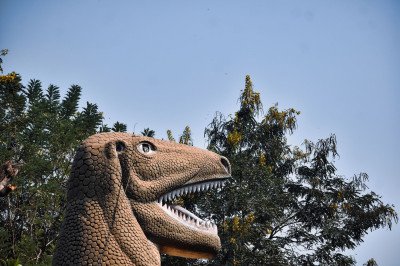 @@Detailed Description: Ganganagar Eco Park is a serene green belt situated very close to the iconic Neermahal palace in the Sipahijala district. Developed by the Forest Department of Tripura, this park serves as a vital recreational space for both locals and tourists visiting the Rudrasagar Lake. The park is characterized by its rolling green lawns, diverse species of tropical trees, and beautifully maintained flower beds that bloom vibrantly during the winter. It was designed to provide a natural buffer and a leisure spot for visitors who spend their day exploring the water palace. The park features paved walking tracks that wind through the woods, providing a cool canopy even during the summer months. For families, there are dedicated children’s play areas with swings and slides. The park also plays a role in environmental education, with various tree species labeled to help visitors identify the local flora. Its proximity to the lake means that one can often feel the cool breeze coming off the water. The atmosphere is significantly quieter than the bustling boat ghats nearby, making it an ideal spot for those who want to relax after a long boat ride. The park is a testament to the state's efforts to combine tourism with ecological preservation, ensuring that the area around Neermahal remains green and sustainable for future generations.
Information
-
Why Famous:
Water Palace: It is famous as the largest water palace in India. Its location in the middle of a vast lake makes it a unique architectural marvel globally.
Light and Sound Show: The evening show narrating the history of Tripura is a major d...Water Palace: It is famous as the largest water palace in India. Its location in the middle of a vast lake makes it a unique architectural marvel globally.
Light and Sound Show: The evening show narrating the history of Tripura is a major draw for tourists. It uses the palace walls as a canvas for lights and storytelling. -
Architecture:
Fusion Style: The architecture is a brilliant blend of Hindu and Mughal styles. The domes and minarets reflect Mughal influence, while the inner courtyards and woodwork are traditionally Hindu.
Dimensions: The palace features 24 rooms in to...Fusion Style: The architecture is a brilliant blend of Hindu and Mughal styles. The domes and minarets reflect Mughal influence, while the inner courtyards and woodwork are traditionally Hindu.
Dimensions: The palace features 24 rooms in total and spans a large area on the lake. The high minars (towers) give it a fort-like appearance from a distance.
Stairways: Two unique stairways lead directly from the palace floors down into the lake water. These were used by the royal family to board their hand-pushed boats (Bajras). -
How To Reach:
By Air: Fly to Agartala and hire a taxi; it takes about 1. 5 hours to reach the Melaghar jetty.
By Train: Reach Agartala Railway Station and take a direct bus or taxi to Melaghar.
By Road: Excellent road co...By Air: Fly to Agartala and hire a taxi; it takes about 1. 5 hours to reach the Melaghar jetty.
By Train: Reach Agartala Railway Station and take a direct bus or taxi to Melaghar.
By Road: Excellent road connectivity via NH8; local buses from Agartala run every 30 minutes.
Local Transport: Use the boat services from the Rajghat jetty in Melaghar to reach the palace. -
Weather and Best Time to Visit:
Winter Season: November to February is the absolute best time due to the arrival of migratory birds.
Monsoon Season: August is great for the Water Festival, though the weather can be rainy and humid.
Sunset Hour...Winter Season: November to February is the absolute best time due to the arrival of migratory birds.
Monsoon Season: August is great for the Water Festival, though the weather can be rainy and humid.
Sunset Hour: The "Golden Hour" (4:30 PM to 5:30 PM) offers the most beautiful light for the palace. -
Near Tourist Places:
1. Melaghar Town (2 km), 2. Sepahijala Sanctuary (20 km), 3. Udaipur Temples (22 km), 4. Boxanagar Ruins (18 km), 5. Tripurasundari Temple (24 km), 6. Bhubaneswari Temple (23 km), 7. Tepania Park (25 km), 8. Agartala (53 km), 9. Kamalasagar (35 km), 10. Pilak (65 km).
Tourism Tips
-
Health & Safety: Always wear the provided life jacket during the boat crossing for safety. Be careful on the palace stairways as they can be slippery due to moss and moisture.
Packing: Carry a good camera with a zoom lens for bird watching ...Health & Safety: Always wear the provided life jacket during the boat crossing for safety. Be careful on the palace stairways as they can be slippery due to moss and moisture.
Packing: Carry a good camera with a zoom lens for bird watching and distant palace shots. Wear light cotton clothes as the lake area can get quite humid during the day.
Reviews
FAQs
Neermahal Itineray And Cost:-
Other Places In Tripura :-
Other States In India :-
Information about New and Updated Locations() of Tripura Has Been Added :-
Card subtitle
Note:-
Information provided here in good Faith and for reference only.
Near Places
Agartala
Some quick example text to build on the card title and make up the bulk of the card's content.
Go somewhere
Amarpur
Some quick example text to build on the card title and make up the bulk of the card's content.
Go somewhere
Ambassa
Some quick example text to build on the card title and make up the bulk of the card's content.
Go somewhere
Belonia
Some quick example text to build on the card title and make up the bulk of the card's content.
Go somewhere
Bishalgarh
Some quick example text to build on the card title and make up the bulk of the card's content.
Go somewhere
Chabimura
Some quick example text to build on the card title and make up the bulk of the card's content.
Go somewhere
Chailengta
Some quick example text to build on the card title and make up the bulk of the card's content.
Go somewhere
Champaknagar
Some quick example text to build on the card title and make up the bulk of the card's content.
Go somewhere
Devtamura
Some quick example text to build on the card title and make up the bulk of the card's content.
Go somewhere
Dharmanagar
Some quick example text to build on the card title and make up the bulk of the card's content.
Go somewhere
Gandacharra
Some quick example text to build on the card title and make up the bulk of the card's content.
Go somewhere
Gomati
Some quick example text to build on the card title and make up the bulk of the card's content.
Go somewhere
Jirania
Some quick example text to build on the card title and make up the bulk of the card's content.
Go somewhere
Jolaibari
Some quick example text to build on the card title and make up the bulk of the card's content.
Go somewhere
Kailashahar
Some quick example text to build on the card title and make up the bulk of the card's content.
Go somewhere
Kamalasagar
Some quick example text to build on the card title and make up the bulk of the card's content.
Go somewherein Other Cities