

Shahi Qila
General information
-
Ideal Duration:
1. 5 to 2. 5 HoursPlace Type:
Historical Monument / Fort / PalaceEntry Fees:
Low Entry Fee: The Shahi Qila is managed by the Archaeological Survey of India (ASI) and requires a low entry fee, which is typically nominal (e. g. , Rs.20-30 for Indian citizens, slightly higher for foreign nationals) to support the maintenance of the historical monument.Low Entry Fee: The Shahi Qila is managed by the Archaeological Survey of India (ASI) and requires a low entry fee, which is typically nominal (e. g. , Rs.20-30 for Indian citizens, slightly higher for foreign nationals) to support the maintenance of the historical monument.
Photography/Video Fees: A separate, sometimes nominal fee may be charged for carrying a video camera (camcorder) inside the premises, but personal mobile phone and still camera photography is usually included in the main ticket price.
Guide Charges: Hiring a local ASI-approved guide will incur an additional, negotiated fee, which is highly recommended for fully appreciating the history of the ruins and the details of the Hammam frescoes.
:Timing:
Regular Timings: Open Daily from approximately 9:00 AM to 5:00 PM (confirm with local tourism notices); it is closed after sunset for security reasons, as it is a large, partially ruined site.
Ideal Visit Time: The best time to visit is dur...Regular Timings: Open Daily from approximately 9:00 AM to 5:00 PM (confirm with local tourism notices); it is closed after sunset for security reasons, as it is a large, partially ruined site.
Ideal Visit Time: The best time to visit is during the early morning (9:00 AM to 11:00 AM) when the temperature is pleasant, and the light is ideal for photographing the frescoes and the river views. The late afternoon (after 3:00 PM) is also a good option for a beautiful sunset over the Tapti.
Avoid Mid-Day: Avoid the harsh light and intense heat of the mid-day (11:00 AM to 3:00 PM), as the fort is largely open-air ruins with limited shade, making the exploration physically demanding, especially in the summer.
:Special Events:
Mughal Court Re-enactments: Although rare now, the fort was historically the site of grand Mughal court ceremonies, imperial processions, and military reviews, especially during the long periods when Shah Jahan was in residence, marking significant political and social event...Mughal Court Re-enactments: Although rare now, the fort was historically the site of grand Mughal court ceremonies, imperial processions, and military reviews, especially during the long periods when Shah Jahan was in residence, marking significant political and social events of the empire.
Cultural Heritage Days: The Archaeological Survey of India (ASI) or local government may occasionally host Heritage Awareness Events or guided tours at the Shahi Qila on World Heritage Day (April 18th) or other national heritage days, promoting its preservation and history to the public.
Tapti River Festival: The fort grounds sometimes serve as a backdrop for the local Tapti River Festival or other community gatherings, offering a blend of historical setting with contemporary local culture and festivities.
:Best Photo Spots:
Zenana Hammam Ceiling: The best photo spot is inside the Zenana Hammam, focusing on the surviving, beautifully painted frescoes on the ceiling and the intricate arches, using the natural light filtering in to highlight the colors and details of the artwork.Zenana Hammam Ceiling: The best photo spot is inside the Zenana Hammam, focusing on the surviving, beautifully painted frescoes on the ceiling and the intricate arches, using the natural light filtering in to highlight the colors and details of the artwork.
The Fort Profile from the Tapti: Capture a wide-angle shot of the fort's imposing profile from the opposite bank of the Tapti River (or from a boat on the river) to highlight its strategic location and massive scale, as it would have appeared to visitors in the Mughal era.
Framed Views: Use the surviving arches or window openings of the ruins to frame the scenic view of the Tapti River and the surrounding landscape, providing a sense of depth and contrast between the ancient structure and the natural environment.
Ruins and Sky: Photograph the dramatic look of the ruined walls and ramparts against the backdrop of a clear blue sky or a dramatic sunset, emphasizing the weathered stone and the architectural majesty that remains.
:Photo Gallery
Things To Do
-
Explore the Zenana Hammam: Dedicate significant time to meticulously exploring the Zenana Hammam (Royal Bath), carefully studying the surviving fresco paintings on the ceiling and the intricate design of the bath channels, as this is the best-preserved and most architecturally significant part of the entire complex.
Climb the Ramparts: Walk along the surviving fort walls and ramparts to get a sense of the fort’s vast size and its strategic importance, enjoying the panoramic views of the Tapti River and the modern city skyline, perfect for capturing sunset views.
Imagine the Court: Spend time in the vast, open space of the Diwan-i-Aam (Hall of Public Audience) ruins, using your imagination to picture Shah Jahan holding court, receiving dignitaries, and issuing royal decrees in this powerful Decc...Explore the Zenana Hammam: Dedicate significant time to meticulously exploring the Zenana Hammam (Royal Bath), carefully studying the surviving fresco paintings on the ceiling and the intricate design of the bath channels, as this is the best-preserved and most architecturally significant part of the entire complex.
Climb the Ramparts: Walk along the surviving fort walls and ramparts to get a sense of the fort’s vast size and its strategic importance, enjoying the panoramic views of the Tapti River and the modern city skyline, perfect for capturing sunset views.
Imagine the Court: Spend time in the vast, open space of the Diwan-i-Aam (Hall of Public Audience) ruins, using your imagination to picture Shah Jahan holding court, receiving dignitaries, and issuing royal decrees in this powerful Deccan outpost.
The Mumtaz Mahal Story: Walk towards the spot overlooking the Tapti and reflect on the historical context of Mumtaz Mahal’s passing and her temporary burial in Burhanpur at the Ahukhana, connecting the fort to the great tragedy and the origin of the Taj Mahal.
Archeological Observation: Observe the different types of stone and construction techniques visible in the fort’s walls, distinguishing the older Faruqi sections from the later Mughal additions, which is excellent for architecture enthusiasts.
Local Guide Insight: Hire a local guide (highly recommended) to provide detailed historical accounts of the life in the Mughal court here and to point out the subtle details in the ruined structures that might otherwise be missed.
Combine with Ghat Visit: Combine your fort visit with a walk down to the Tapti River Ghats located nearby to experience the religious and social life of the city along the river, which the Qila once dominated.
:
Information
-
Why Famous:
Mumtaz Mahal's Final Days: The Shahi Qila is most famously known as the place where Mumtaz Mahal passed away in 1631 CE, linking it tragically and intimately to the history of the Taj Mahal, which was commissioned by Shah Jahan in her memory, giving the fort an enduring, poi...Mumtaz Mahal's Final Days: The Shahi Qila is most famously known as the place where Mumtaz Mahal passed away in 1631 CE, linking it tragically and intimately to the history of the Taj Mahal, which was commissioned by Shah Jahan in her memory, giving the fort an enduring, poignant global connection.
Architectural Survival: It is celebrated for preserving the exquisitely decorated Zenana Hammam (Royal Bath), which is one of the best-preserved royal bathhouses from the Mughal period outside of the main imperial capitals, showcasing advanced Mughal engineering and artistic flair.
Mughal Power in the Deccan: The fort was the Mughal imperial seat for controlling the Deccan, serving as Shah Jahan’s residence and the center of courtly life for an extended period, cementing its historical importance as a strategic "Gateway" fort of the empire.
: -
Architecture:
Imperial Mughal and Faruqi Blend: The Shahi Qila represents an essential blend of Faruqi dynasty foundational solidity and later Mughal refinement, characterized by robust stone fortifications, bastions, and large courtyards, all constructed primarily from local stone and br...Imperial Mughal and Faruqi Blend: The Shahi Qila represents an essential blend of Faruqi dynasty foundational solidity and later Mughal refinement, characterized by robust stone fortifications, bastions, and large courtyards, all constructed primarily from local stone and brick, reflecting a militaristic-palatial design.
The Zenana Hammam (Royal Bath): The absolute highlight is the Zenana Hammam (Royal Bath) built for Mumtaz Mahal, which is an architectural masterpiece featuring a complex system of steam and water channels, richly decorated with surviving portions of the original, intricate fresco paintings on its ceiling, depicting landscapes and floral motifs, and is a perfect example of sophisticated Mughal-Persian bathing culture.
Dimensions: The fort complex is expansive, originally covering a large area on the riverbank, with walls of significant thickness (estimated 3-5 meters). The Diwan-i-Aam and Diwan-i-Khas (the public and private halls) were built on an elevated terrace to maximize the Tapti River views, providing a massive, open space for the emperor's court and public address. The surviving portions offer a vast, open, and atmospheric ruin to explore.
: -
How To Reach:
By Air: The nearest major airport is Devi Ahilya Bai Holkar Airport (IDR) in Indore (~180 KM). From Indore, one can easily hire a direct taxi or take a comfortable state-run bus to the Burhanpur Bus Stand, a journey of about 4-5 hours.
By Train...By Air: The nearest major airport is Devi Ahilya Bai Holkar Airport (IDR) in Indore (~180 KM). From Indore, one can easily hire a direct taxi or take a comfortable state-run bus to the Burhanpur Bus Stand, a journey of about 4-5 hours.
By Train: Arrive at Burhanpur Railway Station (BAU). The Shahi Qila is just a short 5-10 minute drive or a manageable 1. 5-2 KM ride from the station, easily accessible by a dedicated auto-rickshaw or a quick shared ride, making it a highly convenient point of interest.
By Road: Burhanpur is linked to all major regional cities via good quality state and national highways, allowing easy access by car or MPSRTC bus. Once in the city, follow the signs towards the Tapti River bank in the Monin Pura area.
By Local Transport: The fort is located very close to the central city, making it easily accessible by a short auto-rickshaw ride (shared or private) from Gandhi Chowk or the railway station; it is a well-known, unmissable landmark for any local driver.
: -
Weather and Best Time to Visit:
Different Seasons: The Winter Season (October to March) is the optimal period for a comfortable visit, as the cool and dry weather is perfect for extensive walking around the large, open-air fort ruins and enjoying the views from the ramparts. The Monsoon Season (July to Se...Different Seasons: The Winter Season (October to March) is the optimal period for a comfortable visit, as the cool and dry weather is perfect for extensive walking around the large, open-air fort ruins and enjoying the views from the ramparts. The Monsoon Season (July to September) makes the ruins and the frescoes vulnerable but offers the most stunning and full views of the Tapti River in flood. Summer (April to June) should be avoided for the severe heat.
Different Parts of the Day: Early Morning (right at opening time, 9:00 AM) is perfect for the best light on the Hammam frescoes and the coolest temperature for exploring the vast ruins before the crowds and the heat arrive. Late Afternoon (4:00 PM to 5:00 PM) offers a beautiful vantage point for the sunset over the Tapti River.
: -
Near Tourist Places:
Jama Masjid (2 KM), Shahi Hamam (0 KM - inside), Jai Stambh (2 KM), Kundi Bhandara (4 KM), Black Taj (Shah Nawaz Khan's Tomb) (4 KM), Dargah-E-Hakimi (5 KM), Raja Ki Chhatri (11 KM), Ahukhana (14 KM), Asirgarh Fort (22 KM), Tapti Ghats (0. 5 KM).
Tourism Tips
-
Health & Safety: Wear comfortable, sturdy shoes for walking on uneven, ruined, and stony surfaces throughout the fort complex, as it is not fully restored and requires careful movement.
Packing Essentials: Carry plenty of water, especially f...Health & Safety: Wear comfortable, sturdy shoes for walking on uneven, ruined, and stony surfaces throughout the fort complex, as it is not fully restored and requires careful movement.
Packing Essentials: Carry plenty of water, especially for the exposed, open-air parts of the fort; a sun hat or cap and sunglasses are essential, and a good zoom lens is helpful for photographing the high-up Hammam frescoes.
Accommodation Advice: Stay in a central hotel, preferably one offering a view of the Tapti River, as the fort is easily accessible from all central areas, making morning and evening visits easier.
Other Tips: Hire a guide to fully appreciate the Mumtaz Mahal story and the historical significance of the Hammam; treat the ruins with respect and do not touch the frescoes to aid in their preservation; combine your visit with a trip to the nearby Jama Masjid and a walk along the Tapti Ghats.
:
Reviews
FAQs
Burhanpur Itineray And Cost:-
Other Places In Burhanpur :-
Other States In India :-
Information about New and Updated Locations() of Madhya Pradesh Has Been Added :-
Card subtitle
Note:-
Information provided here in good Faith and for reference only.
Near Places

Ahukhana
Some quick example text to build on the card title and make up the bulk of the card's content.
Go somewhere
Akbari Saray
Some quick example text to build on the card title and make up the bulk of the card's content.
Go somewhere
Anant Trek Spot
Some quick example text to build on the card title and make up the bulk of the card's content.
Go somewhere
Asirgarh Fort
Some quick example text to build on the card title and make up the bulk of the card's content.
Go somewhere
Barah Dari
Some quick example text to build on the card title and make up the bulk of the card's content.
Go somewhere
Basali Waterfall
Some quick example text to build on the card title and make up the bulk of the card's content.
Go somewhere
Black Taj Mahal
Some quick example text to build on the card title and make up the bulk of the card's content.
Go somewhere
Blue Water Park
Some quick example text to build on the card title and make up the bulk of the card's content.
Go somewhere
Burhanpur Black Tajmahal
Some quick example text to build on the card title and make up the bulk of the card's content.
Go somewhere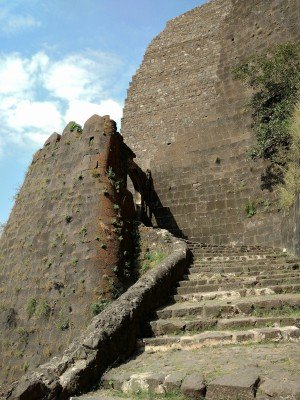
Burhanpur Fort Wall
Some quick example text to build on the card title and make up the bulk of the card's content.
Go somewhere
Chinta Haran Bhandara
Some quick example text to build on the card title and make up the bulk of the card's content.
Go somewhere
Chinta – Haran Bhandara
Some quick example text to build on the card title and make up the bulk of the card's content.
Go somewhere
Dargah-e-Hakimi
Some quick example text to build on the card title and make up the bulk of the card's content.
Go somewhere
Gurudwara
Some quick example text to build on the card title and make up the bulk of the card's content.
Go somewhere
Ichhadevi Temple
Some quick example text to build on the card title and make up the bulk of the card's content.
Go somewhere
Jai Stambh
Some quick example text to build on the card title and make up the bulk of the card's content.
Go somewherein Other Cities