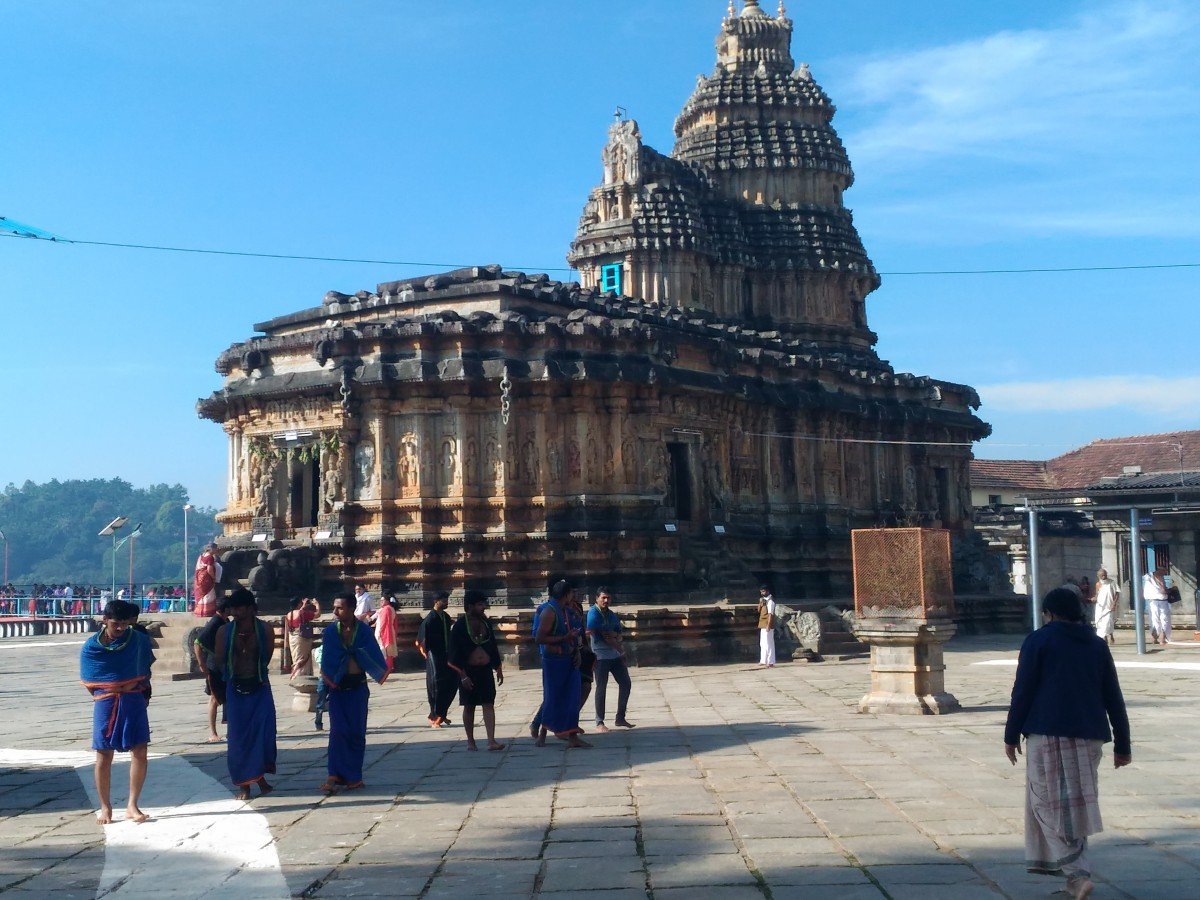

Sri Parswanatha Tirthankara Temple
General information
-
Ideal Duration:
30 minutes - 1 hourPlace Type:
Ancient Jain Heritage Site:
Temple:Entry Fees:
No Entry Fee: There is No Entry Fee to visit the Sri Parswanatha Tirthankara Temple. It is a place of worship and historical preservation that is open to all.
Donations and Voluntary Contributions: Being maintained by the local Jain communit...No Entry Fee: There is No Entry Fee to visit the Sri Parswanatha Tirthankara Temple. It is a place of worship and historical preservation that is open to all.
Donations and Voluntary Contributions: Being maintained by the local Jain community, the temple relies on voluntary donations and contributions for its upkeep. Visitors can make an optional donation.
Seva Fees: Fees are applicable only for specific poojas or offerings a devotee may wish to perform, such as an Abhishekam for the idol. These are nominal and entirely at the visitor's discretion. The cost of a general visit remains free.Timing:
Regular Timings: The temple's operating hours are generally shorter and more focused on the local community's ritual times, typically from 8:00 AM to 12:00 PM and from 4:00 PM to 6:00 PM. It is advised to check the timing with a local before visiting, as it can sometimes be...Regular Timings: The temple's operating hours are generally shorter and more focused on the local community's ritual times, typically from 8:00 AM to 12:00 PM and from 4:00 PM to 6:00 PM. It is advised to check the timing with a local before visiting, as it can sometimes be closed outside of pooja hours.
Ideal Visit Time: The ideal time is in the morning, around 8:30 AM to 10:00 AM, for a quiet visit and to avoid the afternoon closure. Late Afternoon is also pleasant for a reflective experience.
Avoiding Closure: Note that the temple often remains closed between 12:00 PM and 4:00 PM.Special Events:
Mahamastakabhisheka: Though performed in a major way only at places like Shravanabelagola, smaller, local-level Abhishekams and special Poojas are held here, especially on the birth or liberation anniversaries of Lord Parswanatha (which can fall at any time of the year accor...Mahamastakabhisheka: Though performed in a major way only at places like Shravanabelagola, smaller, local-level Abhishekams and special Poojas are held here, especially on the birth or liberation anniversaries of Lord Parswanatha (which can fall at any time of the year according to the Jain calendar). These local ceremonies are deeply traditional.
Paryushana Parva: The most important Jain festival, Paryushana (usually in August or September), is celebrated here with ten days of fasting, prayers, and public discourses, drawing the local Jain community for intense spiritual practice and collective worship.Best Photo Spots:
The Stone Roof and Temple Exterior: The best photograph is an exterior shot that captures the unique, ancient stone roof construction, emphasizing the temple's antiquity and simple beauty against the backdrop of the Malnad sky.
The Carved Pillars...The Stone Roof and Temple Exterior: The best photograph is an exterior shot that captures the unique, ancient stone roof construction, emphasizing the temple's antiquity and simple beauty against the backdrop of the Malnad sky.
The Carved Pillars: Close-up photography of the ancient, intricately carved pillars inside the Mandapa is excellent for highlighting the craftsmanship and the historical details of the structure.
The Serene Setting: A wide-angle shot that captures the temple's quiet, picturesque setting on the main street, contrasting its simple grandeur with the surrounding modern buildings. Capturing the tranquil ambiance is key.Photo Gallery
Things To Do
-
Quiet Meditation and Prayer: The primary activity is to use the temple's serene and quiet atmosphere for meditation and offering prayers to Lord Parswanatha for peace and non-violence.
Observing the Ancient Architecture: Spending time studying the unique stone roof construction and the intricate, ancient carvings on the pillars inside the Mandapa for their historical and artistic value.
Engaging with the Priest (Pujari): If possible, engaging with the resident priest to learn more about the temple's history, the details of the Jain practices, and the local legends is highly recommended for a cultural deep-dive.
Taking a Historical Walk: The temple is located on the main Bharti Street. A walk along this street offers a view of the local commerce and historical build...Quiet Meditation and Prayer: The primary activity is to use the temple's serene and quiet atmosphere for meditation and offering prayers to Lord Parswanatha for peace and non-violence.
Observing the Ancient Architecture: Spending time studying the unique stone roof construction and the intricate, ancient carvings on the pillars inside the Mandapa for their historical and artistic value.
Engaging with the Priest (Pujari): If possible, engaging with the resident priest to learn more about the temple's history, the details of the Jain practices, and the local legends is highly recommended for a cultural deep-dive.
Taking a Historical Walk: The temple is located on the main Bharti Street. A walk along this street offers a view of the local commerce and historical buildings of old Sringeri town.
Reading the Scriptures: If one has knowledge of the language, studying the ancient scriptures or texts found in the temple (with permission).
Attending the Morning Rituals: Observing the simple, traditional Jain rituals performed in the early morning is a rare cultural experience.
Information
-
Why Famous:
Witness to Religious Harmony: The temple is famous for being a powerful symbol of the long-standing religious harmony in Sringeri, standing near the heart of a major Hindu center. Its antiquity (over 1000 years old) testifies to the peaceful co-existence of Jainism and Hind...Witness to Religious Harmony: The temple is famous for being a powerful symbol of the long-standing religious harmony in Sringeri, standing near the heart of a major Hindu center. Its antiquity (over 1000 years old) testifies to the peaceful co-existence of Jainism and Hinduism in the Malnad region for centuries. This historical context is a major draw for scholars and those interested in cultural studies.
Ancient Stone Roof and Pillars: Its architectural uniqueness, particularly the ancient stone roof and the exquisitely carved ancient pillars and scriptures inside the complex, makes it a significant historical landmark. It offers a rare glimpse into a specific, ancient style of Jain architecture in Karnataka that is not easily found elsewhere. -
Architecture:
Traditional Jain Architectural Style: The temple follows a traditional Jain Basadi style, which is often simpler than grand Hindu temples but focuses on geometric purity and internal peace. A highly distinguishing feature is the stone roof, an ancient technique rarely seen ...Traditional Jain Architectural Style: The temple follows a traditional Jain Basadi style, which is often simpler than grand Hindu temples but focuses on geometric purity and internal peace. A highly distinguishing feature is the stone roof, an ancient technique rarely seen today, showcasing the temple's antiquity.
Dimension and Material Focus: The structure is small-scale, designed for quiet contemplation. It is built primarily of local granite and laterite stone, known for their durability. The interior features ancient, intricately carved stone pillars and Shilashasanas (inscriptions), which are the main architectural highlights. The sanctum (Garbhagriha) is designed to house the main idol of Lord Parswanatha in a meditative posture. The simplicity of the exterior stands in contrast to the historical richness of the internal elements. -
How To Reach:
By Air: Nearest airport is Mangaluru International Airport (IXE) (111 KMS). From the airport, take a taxi or bus to Sringeri.
By Train: Nearest major railway stations are Shivamogga (SMET) (90 KMS) and Udupi (UD) (96 KMS). From the station,...By Air: Nearest airport is Mangaluru International Airport (IXE) (111 KMS). From the airport, take a taxi or bus to Sringeri.
By Train: Nearest major railway stations are Shivamogga (SMET) (90 KMS) and Udupi (UD) (96 KMS). From the station, take a bus or cab to Sringeri.
By Road: It is located on the main Bharti Street in Sringeri town, making it very easy to reach. State transport buses from cities like Bengaluru and Mangaluru stop at the main Sringeri bus stand, a short walk away.
By Local Transport: The temple is within walking distance of the main Sringeri Sharadamba Temple complex and easily accessible by local auto-rickshaws. It's often included as part of a walking tour of the town center's historical sites. -
Weather and Best Time to Visit:
The Seasons: Winter (October to March) is the most comfortable season for a walking tour of the town. Monsoon brings heavy rain, but the temple is fully covered and accessible. Summer can be hot; visit in the early morning.
Different Parts of ...The Seasons: Winter (October to March) is the most comfortable season for a walking tour of the town. Monsoon brings heavy rain, but the temple is fully covered and accessible. Summer can be hot; visit in the early morning.
Different Parts of the Day: Morning (8:00 AM to 11:00 AM) is the most ideal time, offering a cool and quiet environment before the general town bustle. Late Afternoon is also great for a peaceful visit. -
Near Tourist Places:
Sri Vidyashankara Temple (0. 5 KMS), Sri Sharadamba Temple (1 KMS), Torana Ganapati Temple (1 KMS), Adi Shankara Temple (1 KMS), Kere Anjaneya Temple (2 KMS), Narasimhavanam (3 KMS), Kigga (Rishyasringeshwara Temple) (10 KMS), Sirimane Falls (16 KMS), Kundadri Hill (28 KMS - a significant Jain heritage site), Agumbe (31 KMS).
Tourism Tips
-
Health & Safety: The old stone steps and floors can be uneven; watch your step. Be respectful of the quiet, contemplative atmosphere of the Jain temple.
Packing: Dress modestly. Since it's a short visit, a small bag is sufficient. Carry w...Health & Safety: The old stone steps and floors can be uneven; watch your step. Be respectful of the quiet, contemplative atmosphere of the Jain temple.
Packing: Dress modestly. Since it's a short visit, a small bag is sufficient. Carry water, as there are fewer vendor options right outside this shrine.
Accommodation: Stay in Sringeri town. The temple is a small, day-time attraction.
Other Topics: Be aware of the history of religious co-existence here. Engage with the local community or priest to understand the difference between Hindu and Jain temple practices. This temple requires special effort to preserve; consider a small contribution.
Reviews
FAQs
Sringeri Itineray And Cost:-
Sri Parswanatha Tirthankara Temple Tourism:-
Other Places In Sringeri :-
Other States In India :-
Information about New and Updated Locations() of Karnataka Has Been Added :-
Card subtitle
Note:-
Information provided here in good Faith and for reference only.
Near Places

Adi Shankara Temple
Some quick example text to build on the card title and make up the bulk of the card's content.
Go somewhere
Agumbe Rainforest Research Station
Some quick example text to build on the card title and make up the bulk of the card's content.
Go somewhere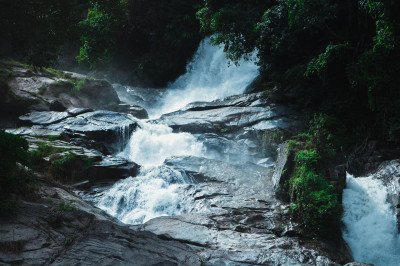
Barkana Falls
Some quick example text to build on the card title and make up the bulk of the card's content.
Go somewhere
Bhadra River Lakya Confluence Point
Some quick example text to build on the card title and make up the bulk of the card's content.
Go somewhere
Hanumana Gundi Falls
Some quick example text to build on the card title and make up the bulk of the card's content.
Go somewhere
Horanadu Annapoorneshwari Temple
Some quick example text to build on the card title and make up the bulk of the card's content.
Go somewhere
Kadambi Falls
Some quick example text to build on the card title and make up the bulk of the card's content.
Go somewhere
Kere Anjaneya Temple
Some quick example text to build on the card title and make up the bulk of the card's content.
Go somewhere
Kigga
Some quick example text to build on the card title and make up the bulk of the card's content.
Go somewhere
Koppa
Some quick example text to build on the card title and make up the bulk of the card's content.
Go somewhere
Kudremukh National Park
Some quick example text to build on the card title and make up the bulk of the card's content.
Go somewhere
Lakya Dam
Some quick example text to build on the card title and make up the bulk of the card's content.
Go somewhere
Mallikarjuna Temple
Some quick example text to build on the card title and make up the bulk of the card's content.
Go somewhere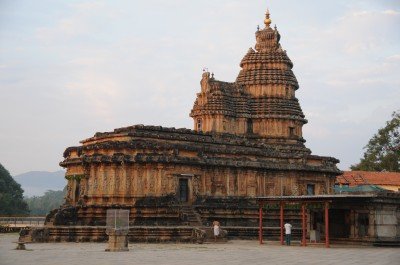
Narasimhavanam
Some quick example text to build on the card title and make up the bulk of the card's content.
Go somewhere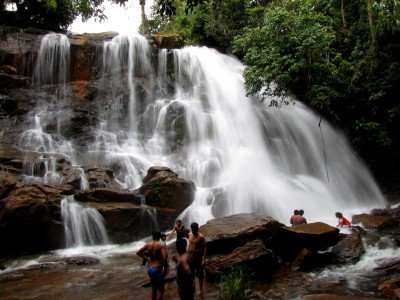
Sirimane Falls
Some quick example text to build on the card title and make up the bulk of the card's content.
Go somewhere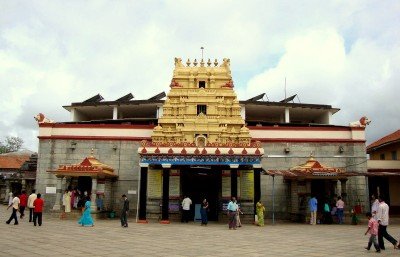
Sri Malayala Brahma Temple
Some quick example text to build on the card title and make up the bulk of the card's content.
Go somewherein Other Cities