
24 Avatars Group of Temples
General information
-
Ideal Duration:
1-2 Hours:Place Type:
Pilgrimage, HistoricalEntry Fees:
Historical Site Access:
No General Fee: There is typically no general entry fee for the complex of temples; they are working places of worship.
Donation Policy:
Voluntary Donatio...Historical Site Access:
No General Fee: There is typically no general entry fee for the complex of temples; they are working places of worship.
Donation Policy:
Voluntary Donations: Donations are entirely voluntary and used for the temple's maintenance and daily rituals; a donation box is usually placed near the entrance.
Camera/Photography Fee:
No Fee for Photography: Usually, there is no separate fee for photography, but it is important to be respectful and ask before taking photos inside the inner sanctums.
Priest Services Fee:
Ritual Fees: Fees apply only if a devotee wishes to book a special Puja (ritual) or service from the temple priest (e. g. , Abhishek), which varies based on the type and complexity of the service requested.Timing:
Regular Timings: 6:00 AM to 6:
00 PM: The temples are generally open from early morning to evening, allowing devotees to perform morning and evening prayers. However, individual shrine timings may vary.
Ideal Vis...Regular Timings: 6:00 AM to 6:
00 PM: The temples are generally open from early morning to evening, allowing devotees to perform morning and evening prayers. However, individual shrine timings may vary.
Ideal Visit Time:
Early Morning or Late Afternoon: The best time to visit is during the early morning (6:00 AM to 9:00 AM) for a peaceful and spiritual experience before the crowds arrive, or in the late afternoon (4:00 PM to 6:00 PM) to enjoy the cooler air and beautiful sunset light.
Peak Hours:
Mid-Day Rush: Expect larger crowds between 10:00 AM and 2:00 PM, especially on holidays, Mondays, and during festivals.Special Events:
Maha Shivaratri Celebrations: As the temples are close to the main Jyotirlinga, they participate in the grand processions and festive atmosphere of Maha Shivaratri, with special all-night prayers and decorated shrines.
Jain Festivals: During...Maha Shivaratri Celebrations: As the temples are close to the main Jyotirlinga, they participate in the grand processions and festive atmosphere of Maha Shivaratri, with special all-night prayers and decorated shrines.
Jain Festivals: During festivals like Mahavir Jayanti and Paryushan Parva, the Jain section of the complex lights up with special prayers, fasting rituals, and cultural programs, showcasing Jain traditions.
Navaratri Festivities: The Hindu shrines hold special Navaratri observances, with dedicated prayers to Goddess Durga's different forms, involving local music and dance.Best Photo Spots:
Architectural Details:
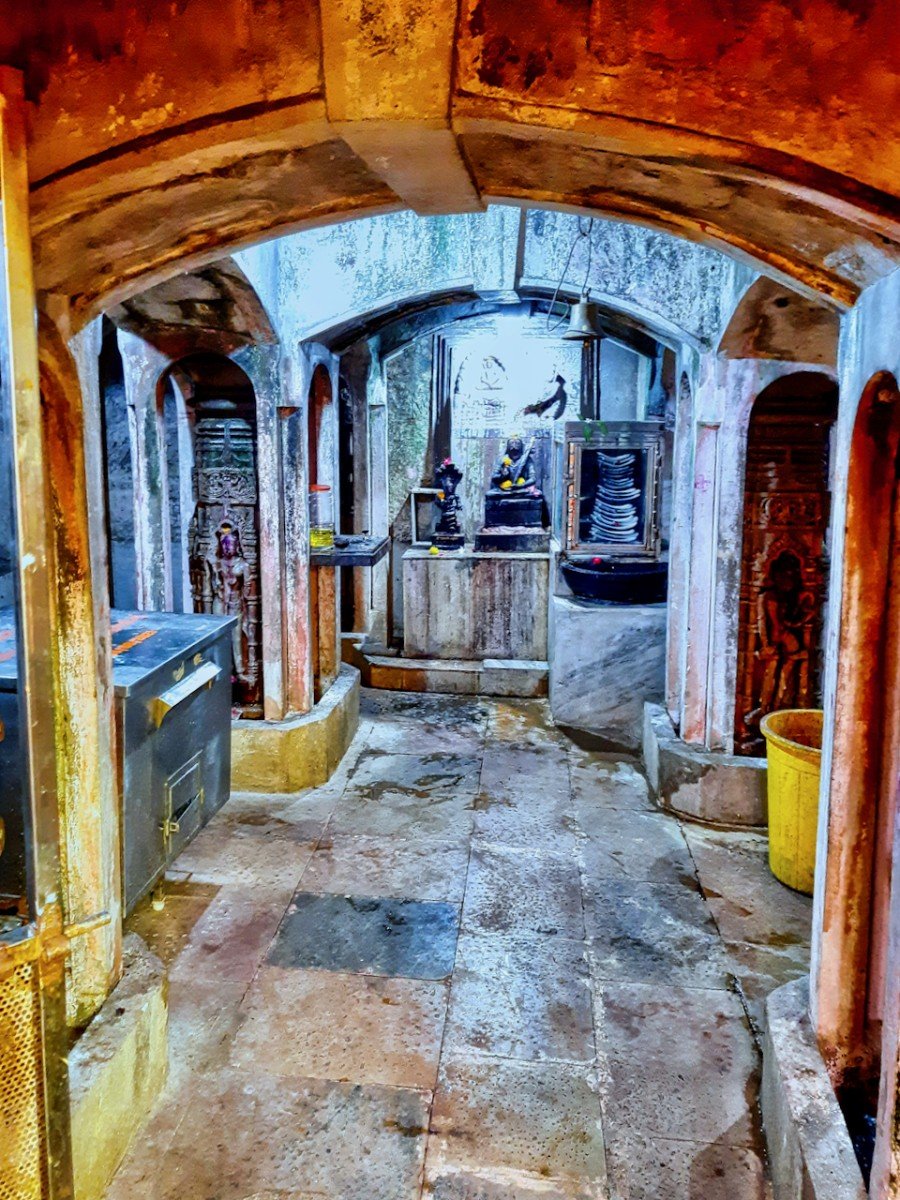
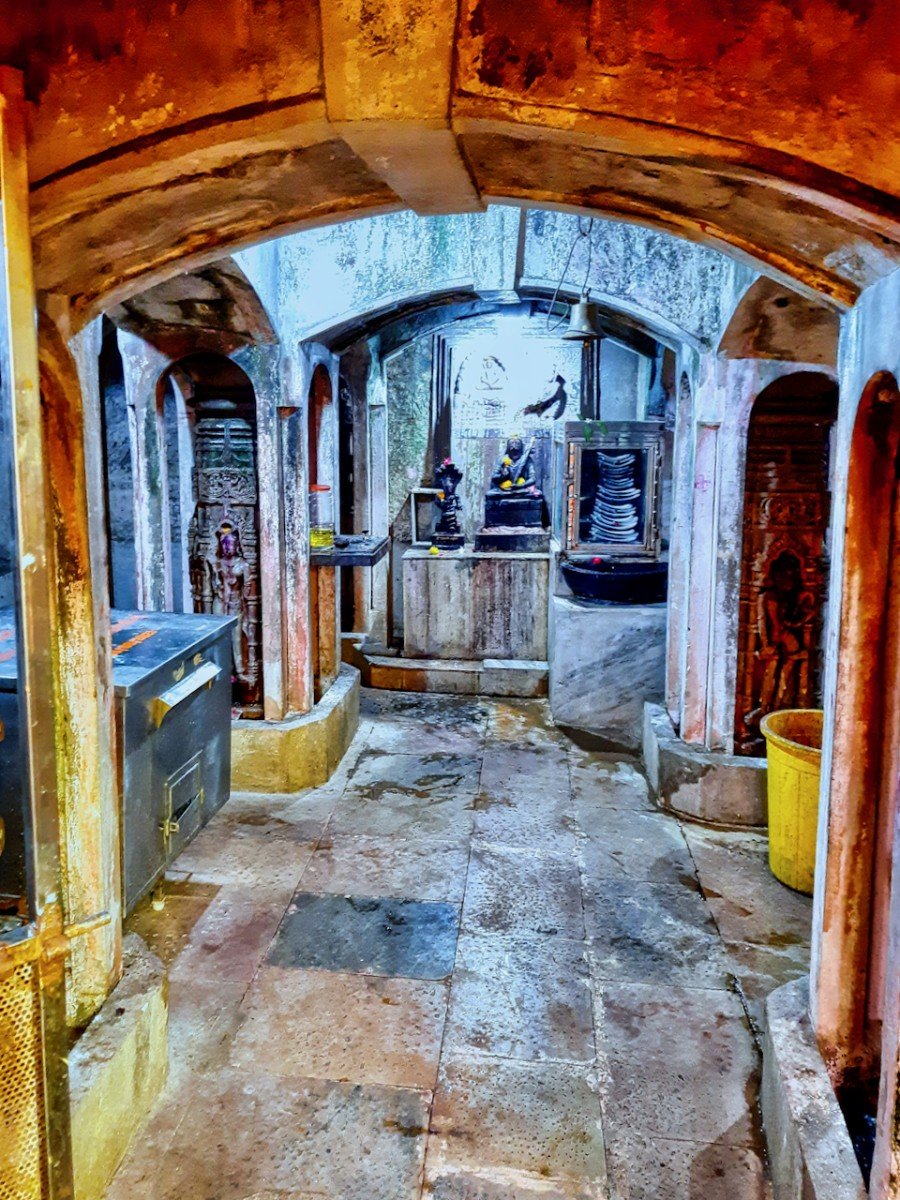
The Pillars and Statues: Focus on the intricate carvings on the stone pillars and the beautifully weathered statues; the early morning light is best for this.
Panoramic Views:
<...Architectural Details:
The Pillars and Statues: Focus on the intricate carvings on the stone pillars and the beautifully weathered statues; the early morning light is best for this.
Panoramic Views:
View from Above: Climb to a slightly elevated point nearby to capture the entire group of temples nestled within the town, offering a view of the complex against the backdrop of the Narmada River.
Iconography:
Close-ups of Deities: Capture the detailed iconography of the individual deities and Avatars, ensuring you get the subtle facial expressions and ornaments.
The Temple Cluster:
Wide Shot: A wide-angle shot that captures the density and variety of the temple cluster is essential for showing the historical and architectural significance.Photo Gallery


Things To Do
-
Spiritual Immersion:
Omkar Parikrama: The temples are part of the sacred 7 km circumambulation, or Parikrama, of the Omkar hill. Walking this path is a major spiritual activity.
Temple Exploration:
Detailed Study of Carvings: Spend time observing the intricate stone carvings on the walls and pillars, comparing the styles between the Hindu and Jain shrines. This can be an educational and artistic pursuit.
Worship and Rituals:
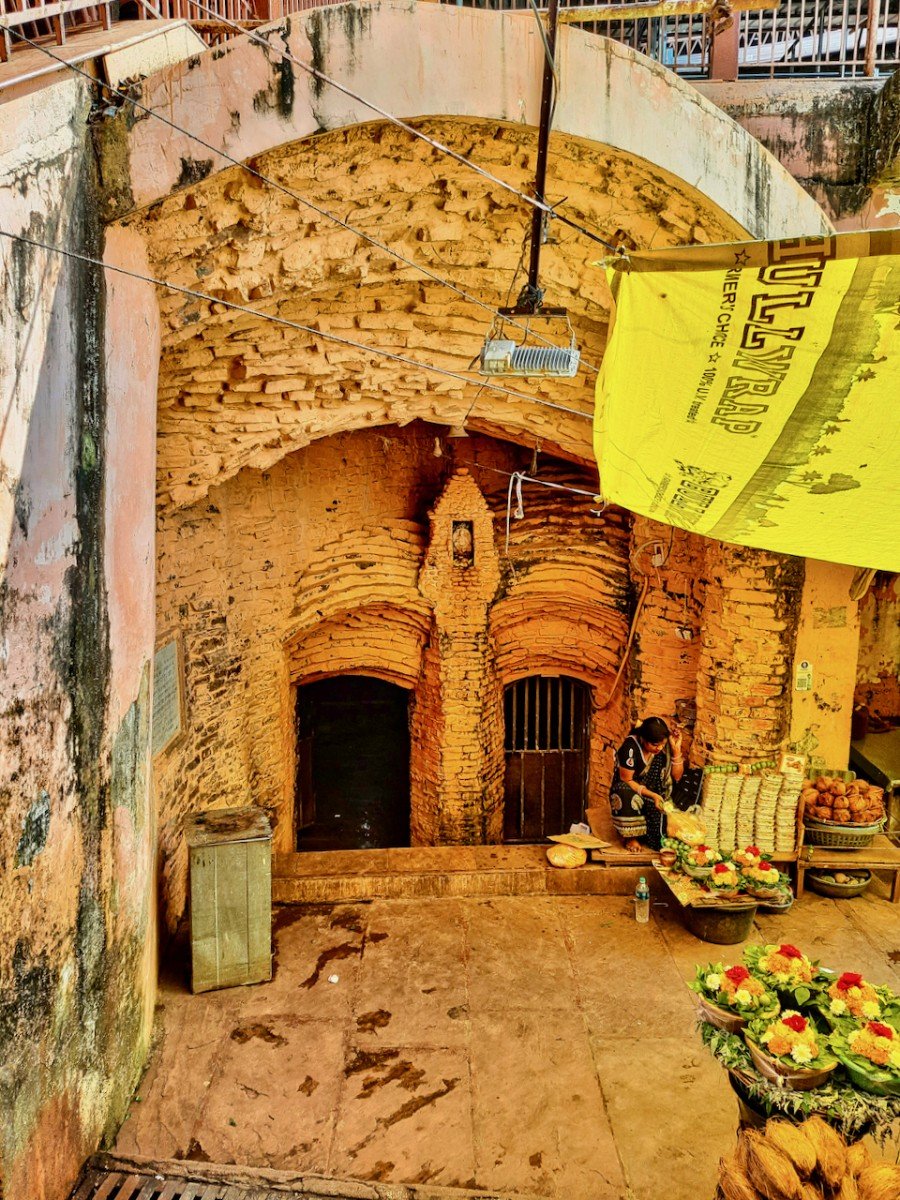
Offering Prayer: Participate in the local rituals and offer prayers at the various shrines dedicated to different deities. Purchase flowers and offerings from local vendors.
Photography:
Capturing Ancient Art:...Spiritual Immersion:
Omkar Parikrama: The temples are part of the sacred 7 km circumambulation, or Parikrama, of the Omkar hill. Walking this path is a major spiritual activity.
Temple Exploration:
Detailed Study of Carvings: Spend time observing the intricate stone carvings on the walls and pillars, comparing the styles between the Hindu and Jain shrines. This can be an educational and artistic pursuit.
Worship and Rituals:
Offering Prayer: Participate in the local rituals and offer prayers at the various shrines dedicated to different deities. Purchase flowers and offerings from local vendors.
Photography:
Capturing Ancient Art: The unique blend of architectural styles and the play of light on the ancient stone offer excellent opportunities for cultural and architectural photography.
Local Interaction:
Conversing with Priests: Engage with the temple priests or local scholars to learn the specific legends and stories associated with each of the 24 Avatars and the Jain Tirthankaras; this enhances the visit.
Meditation:
Quiet Contemplation: Find a peaceful corner, perhaps in one of the courtyards, for quiet meditation and reflection, absorbing the ancient, serene energy of the complex.
Souvenir Shopping:
Local Artefacts: Browse the small local shops outside for religious souvenirs, small idols, and local handicrafts unique to Omkareshwar.
Information
-
Why Famous:
Architectural Diversity: Famous for the presence of both Hindu and Jain temples in one complex, showcasing a rare architectural and religious harmony. This co-existence is a significant draw for devotees and historians alike, symbolizing unity in diversity.Architectural Diversity: Famous for the presence of both Hindu and Jain temples in one complex, showcasing a rare architectural and religious harmony. This co-existence is a significant draw for devotees and historians alike, symbolizing unity in diversity.
The 24 Avatars: The main fame comes from the dedication to the 24 Avatars of Lord Vishnu, making it a vital place for Vaishnavite pilgrims. The religious storytelling through the sculptures is an ancient art form preserved here, attracting those interested in iconography.
Historical Resilience: It is one of the few places that survived the invasions, giving it a status of historical importance and resilience. -
Architecture:
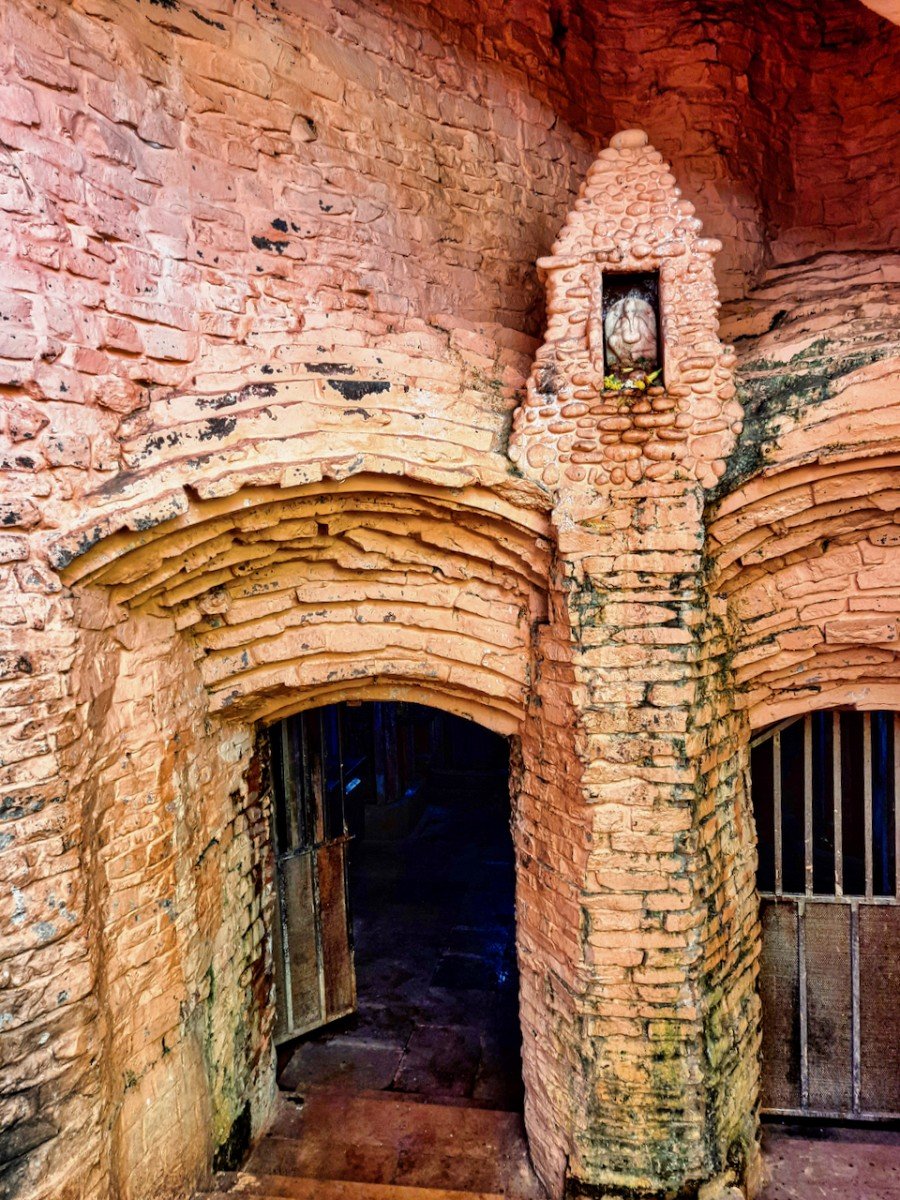
Architectural Style: The temples exhibit a blend of architectural styles, including the classical Brahminic architecture, with some structures resembling the exquisite carvings found in Khajuraho temples. The primary material used is locally sourced stone, featuring intrica...Architectural Style: The temples exhibit a blend of architectural styles, including the classical Brahminic architecture, with some structures resembling the exquisite carvings found in Khajuraho temples. The primary material used is locally sourced stone, featuring intricate carvings on the walls and pillars, depicting mythological scenes, various deities, and geometric patterns.
Dimension and Design: Each temple is relatively small but highly detailed. The typical design includes a small Garbhagriha (sanctum sanctorum) and an open or closed Mandapa (hall). Notable carvings include frescoes of elephants and ornate decorative motifs. The variety in design across the group highlights different regional building techniques over time, making it an architectural study. -
How To Reach:
By Air:
Nearest Airport: Devi Ahilya Bai Holkar Airport, Indore (IDR) (approx. 77 KMS away). From the airport, one can hire a taxi or take a bus to Omkareshwar.
By Train:
Neares...By Air:
Nearest Airport: Devi Ahilya Bai Holkar Airport, Indore (IDR) (approx. 77 KMS away). From the airport, one can hire a taxi or take a bus to Omkareshwar.
By Train:
Nearest Railway Station: Omkareshwar Road Station (OM) (approx. 12 KMS away) is a small station; however, the major railhead is Khandwa Railway Station (KNW) (approx. 70 KMS away). From the stations, local taxis or buses are available.
By Road:
Good Connectivity: Omkareshwar is well-connected by road to major cities like Indore, Khandwa, and Ujjain via State Highways. Both government and private buses frequently run to the town.
By Local Transport:
Walking and Taxis: The temple complex is close to the city center, accessible by foot or a short ride on a cycle-rickshaw or local auto-taxi. It is located on the Mandhata island, often reached via a footbridge or boat ride. -
Weather and Best Time to Visit:
Seasonal Preferences:
Winter (October to March): The Best Time to Visit is during the winter months when the weather is cool and pleasant, ideal for the Parikrama and temple hopping. Summer (April to June) is extremely hot and best avoided. ...Seasonal Preferences:
Winter (October to March): The Best Time to Visit is during the winter months when the weather is cool and pleasant, ideal for the Parikrama and temple hopping. Summer (April to June) is extremely hot and best avoided. Monsoon (July to September) offers lush greenery but can cause travel disruptions.
Part of the Day:
Sunrise Hours: Early morning is the most serene and spiritually charged time, perfect for photography and quiet worship. The late afternoon offers cooler temperatures. -
Near Tourist Places:
Siddhanath Temple (0. 2 KMS), Satmatrika Temples (0. 3 KMS), Mamleshwar Temple (1. 1 KMS), Kedareshwar Temple (1. 8 KMS), Gauri Somnath Temple (3. 5 KMS), Kajal Rani Cave (10. 2 KMS), Mandleshwar (58. 2 KMS), Maheshwar (67. 2 KMS), Tincha Falls (67. 1 KMS), Omkareshwar Jyotirlinga Temple (0. 7 KMS).
Tourism Tips
-
Health & Safety:
Footwear and Heat: Wear sturdy, comfortable shoes for walking between temples. Carry water and wear a hat during the summer months due to the heat. Be cautious of uneven temple paths.
Packing E...Health & Safety:
Footwear and Heat: Wear sturdy, comfortable shoes for walking between temples. Carry water and wear a hat during the summer months due to the heat. Be cautious of uneven temple paths.
Packing Essentials:
Modest Attire: Dress modestly to show respect for the religious site (covering shoulders and knees is recommended). Carry a light shawl. Have small change (Rupees) for donations.
Accommodation:
Wide Range: Options include budget guesthouses, mid-range hotels, and Ashrams. Booking in advance, especially during the peak season (October to March), is advised.
Other Tips:
Respect Rituals: Observe the ongoing rituals quietly and respectfully. Do not litter. Do not touch or climb on the ancient structures. Photography is generally allowed but be mindful of areas marked as restricted.
Reviews
FAQs
Omkareshwar Itineray And Cost:-
24 Avatars Group of Temples Tourism:-
Other Places In Omkareshwar :-
Other States In India :-
Information about New and Updated Locations() of Madhya Pradesh Has Been Added :-
Card subtitle
Note:-
Information provided here in good Faith and for reference only.
Near Places
24 Avatars Group of Temples
Some quick example text to build on the card title and make up the bulk of the card's content.
Go somewhere
Abhay Ghat
Some quick example text to build on the card title and make up the bulk of the card's content.
Go somewhere
Adi Shankaracharya Statue Site
Some quick example text to build on the card title and make up the bulk of the card's content.
Go somewhere
Ahilya Ghat
Some quick example text to build on the card title and make up the bulk of the card's content.
Go somewhere
Bapeshwar Temple
Some quick example text to build on the card title and make up the bulk of the card's content.
Go somewhere
Bhagwatpada Mandapam
Some quick example text to build on the card title and make up the bulk of the card's content.
Go somewhere
Brahmapuri
Some quick example text to build on the card title and make up the bulk of the card's content.
Go somewhere
Fanase Ghat
Some quick example text to build on the card title and make up the bulk of the card's content.
Go somewhere
Gauri Somnath Temple
Some quick example text to build on the card title and make up the bulk of the card's content.
Go somewhere
Gomukh Ghat
Some quick example text to build on the card title and make up the bulk of the card's content.
Go somewhere
Katar Baba Aasram
Some quick example text to build on the card title and make up the bulk of the card's content.
Go somewhere
Kedareshwar Temple
Some quick example text to build on the card title and make up the bulk of the card's content.
Go somewhere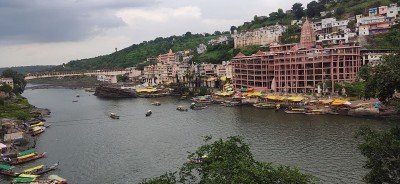
Kotitirtha Ghat
Some quick example text to build on the card title and make up the bulk of the card's content.
Go somewhere
Mamleshwar Temple
Some quick example text to build on the card title and make up the bulk of the card's content.
Go somewhere
Mandhata Palace Ruins
Some quick example text to build on the card title and make up the bulk of the card's content.
Go somewhere
Narmada Kaveri Sangam
Some quick example text to build on the card title and make up the bulk of the card's content.
Go somewherein Other Cities