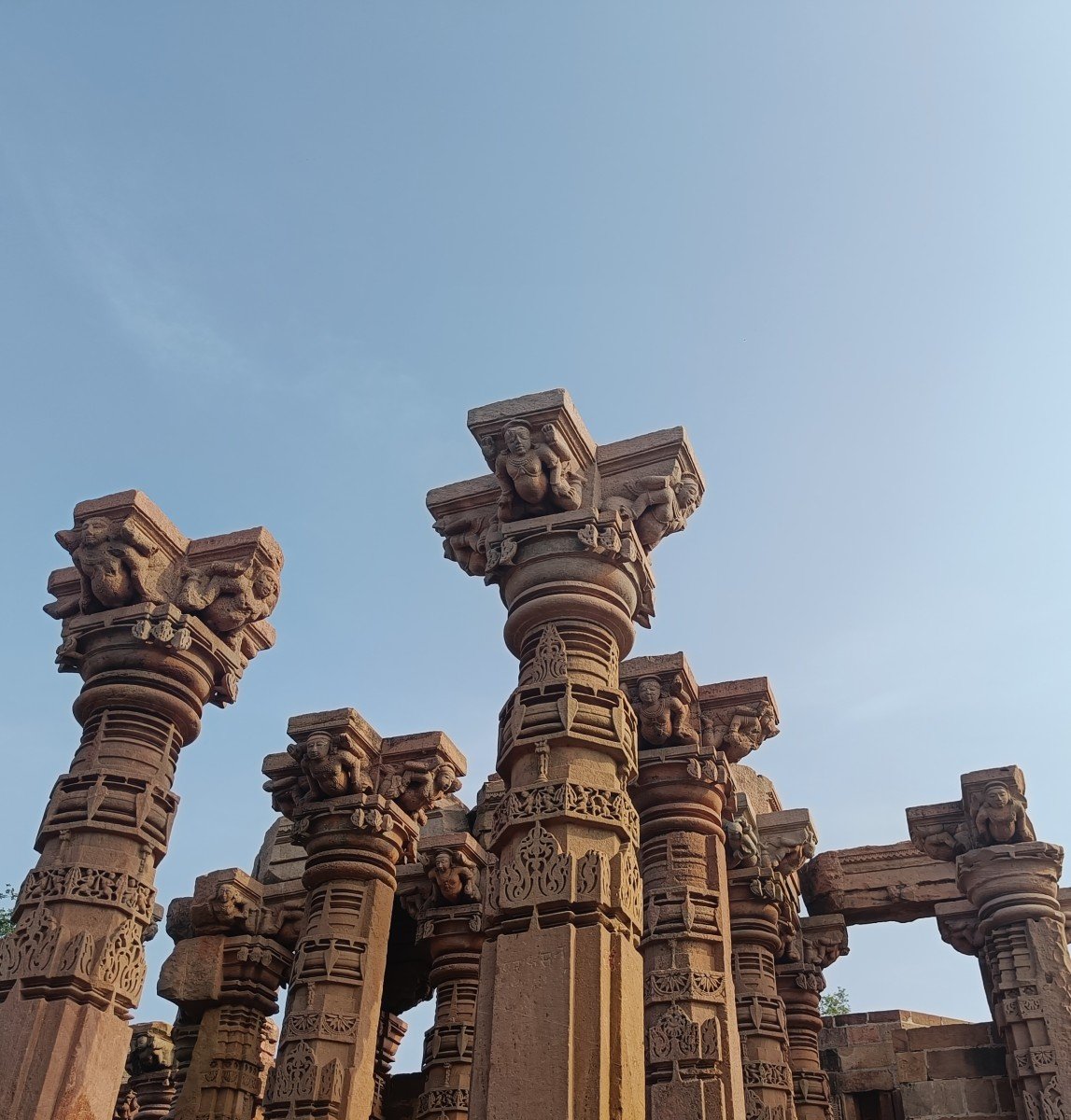

Siddhanath Temple
General information
-
Ideal Duration:
1 Hour to 2 Hours:Place Type:
Pilgrimage, Architectural, Historical:Entry Fees:
No Entry Fee: Access to the Siddhanath Temple is completely free of cost. It is an open, non-ticketed Hindu pilgrimage site.
No Mandatory Fee: There are no mandatory charges for darshan, exploration, or photography. The tradition of pilgri...No Entry Fee: Access to the Siddhanath Temple is completely free of cost. It is an open, non-ticketed Hindu pilgrimage site.
No Mandatory Fee: There are no mandatory charges for darshan, exploration, or photography. The tradition of pilgrimage is maintained as an open, free spiritual practice.
Pooja/Offering Cost: Any expense is voluntary, for the purchase of flowers, milk, or bilva leaves for the Abhishekam ritual, which is a small personal expense.
Local Guide Fees: If you choose to hire a local guide to explain the historical and architectural details of the carvings, a fee will apply, which should be negotiated beforehand.
Total Cost: The visit is extremely affordable, with the primary costs being transport to the island and personal pooja expenses. The focus is entirely on the spiritual and historical experience. :Timing:
Regular Timings: The temple is generally open from 6:00 AM to 8:00 PM daily, allowing devotees and tourists to visit during all key parts of the day.
Ideal Visit Time: The early morning (7:00 AM to 9:00 AM) is perfect for combining the cool ...Regular Timings: The temple is generally open from 6:00 AM to 8:00 PM daily, allowing devotees and tourists to visit during all key parts of the day.
Ideal Visit Time: The early morning (7:00 AM to 9:00 AM) is perfect for combining the cool weather for the walk up with the soft light for excellent photography of the elephant frieze.
Late Afternoon Light: Visiting between 4:00 PM and 6:00 PM provides excellent light for the panoramic sunset view and a cooler temperature for the climb.
Avoid Midday: The stone plateau becomes very hot during the midday hours (11:00 AM to 3:00 PM), especially in summer, making the ascent uncomfortable.
Aarti Timing: The daily Aarti (worship) takes place in the morning and evening, offering a spiritually vibrant experience for those who time their visit accordingly. :Special Events:
Maha Shivaratri: As a dedicated Shiva temple, Maha Shivaratri (February/March) is the biggest event, with special Pujas, night-long vigil (jagaran), and a grand procession that includes the temple.
Shravan Month Festivities: The entire holy ...Maha Shivaratri: As a dedicated Shiva temple, Maha Shivaratri (February/March) is the biggest event, with special Pujas, night-long vigil (jagaran), and a grand procession that includes the temple.
Shravan Month Festivities: The entire holy month of Shravan (usually July/August) is a special event, with daily Abhishekam and crowds of pilgrims walking the Parikrama and visiting the temple to seek Shiva's blessings.
The Parikrama Festivals: Certain Purnima (full moon) and Amavasya (new moon) days bring large numbers of pilgrims completing the island circuit, making the temple a hive of devotional activity. These events are deeply rooted in Shiva worship and the regional pilgrimage tradition, making them vibrant and spiritually intense. :Best Photo Spots:
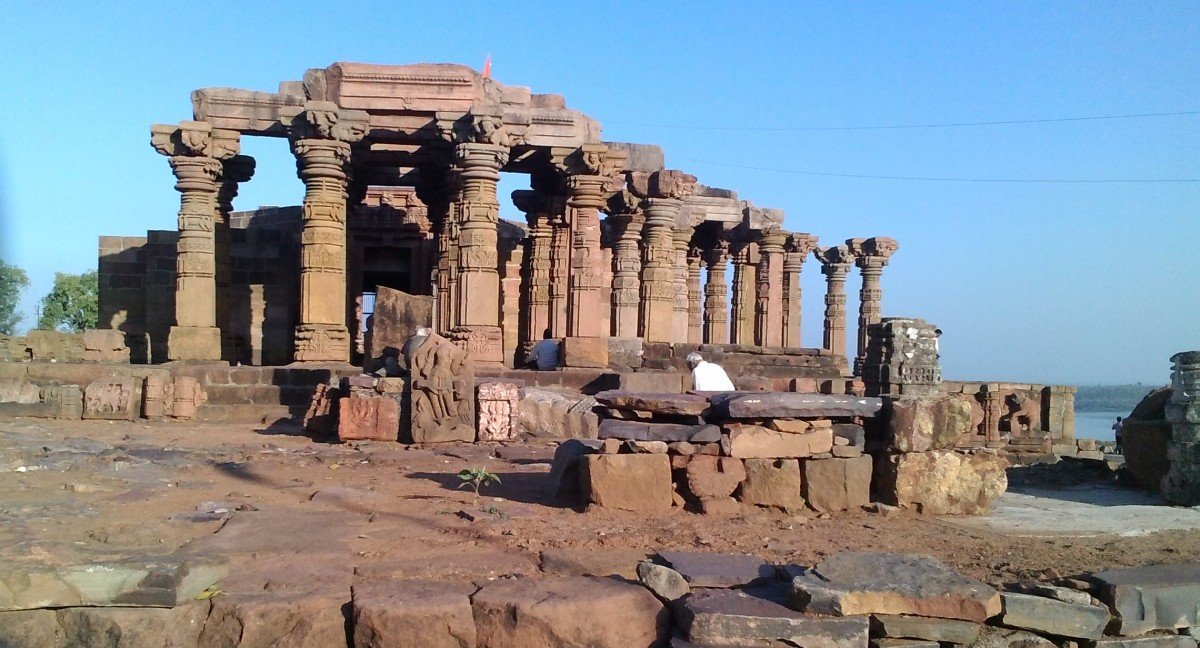
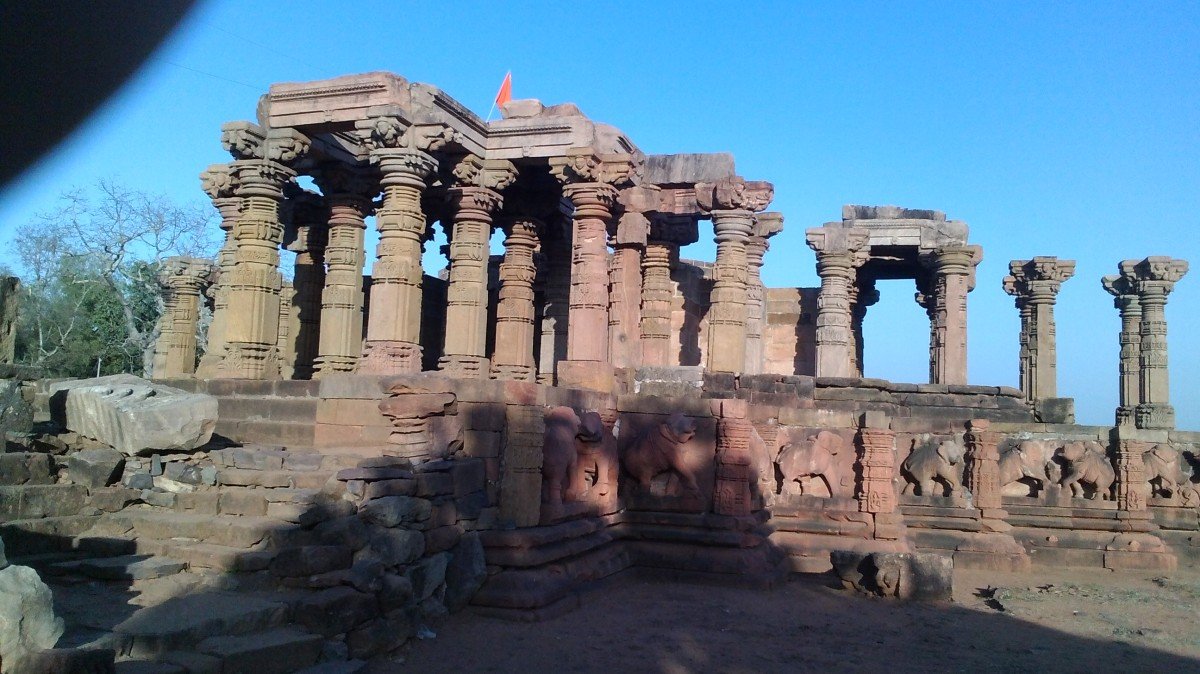
The Elephant Frieze Close-up: The essential shot is a close-up, low-angle photo of the continuous, intricately carved elephant frieze along the base of the Mandap, capturing its unique architectural splendor.
Panoramic River View: Capture th...The Elephant Frieze Close-up: The essential shot is a close-up, low-angle photo of the continuous, intricately carved elephant frieze along the base of the Mandap, capturing its unique architectural splendor.
Panoramic River View: Capture the wide, stunning view of the Narmada River, the bridge, and the Omkareshwar Jyotirlinga Temple complex from the elevated plateau, especially beautiful at sunset.
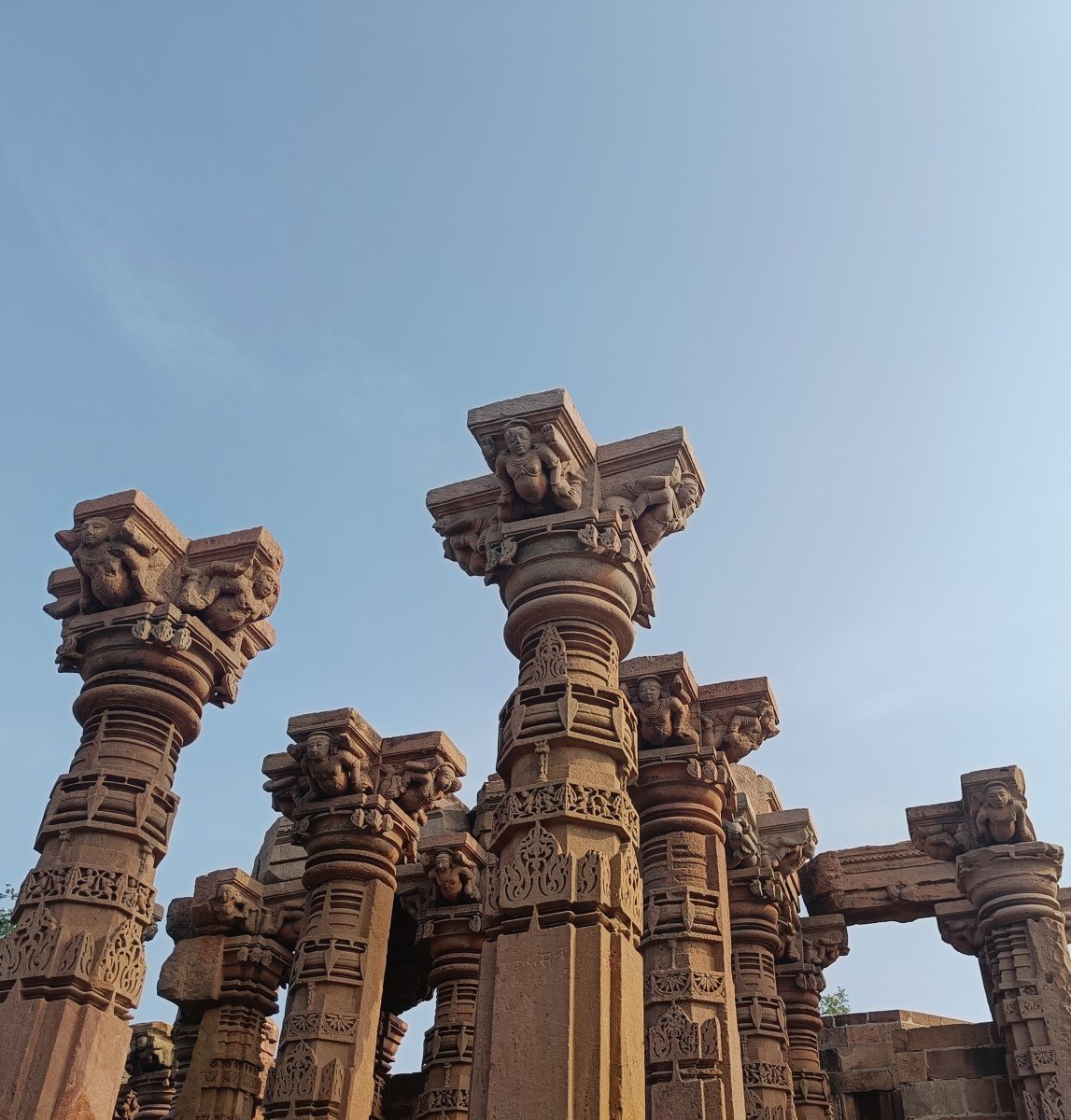
Carved Pillars Interior: If allowed, a respectful shot of the beautifully carved pillars inside the Mandap, highlighting the detail of the celestial beings and deities.
The Grand Stairs: A photograph capturing the ancient, wide stone steps leading up to the temple complex, providing a sense of scale and the pilgrim's journey to the high plateau.
The Shikhara Against the Sky: A high-angle shot of the temple's Shikhara against the clear blue or twilight sky, showcasing the Nagara architectural form. The location provides excellent light throughout the day for detailed photography. :Photo Gallery
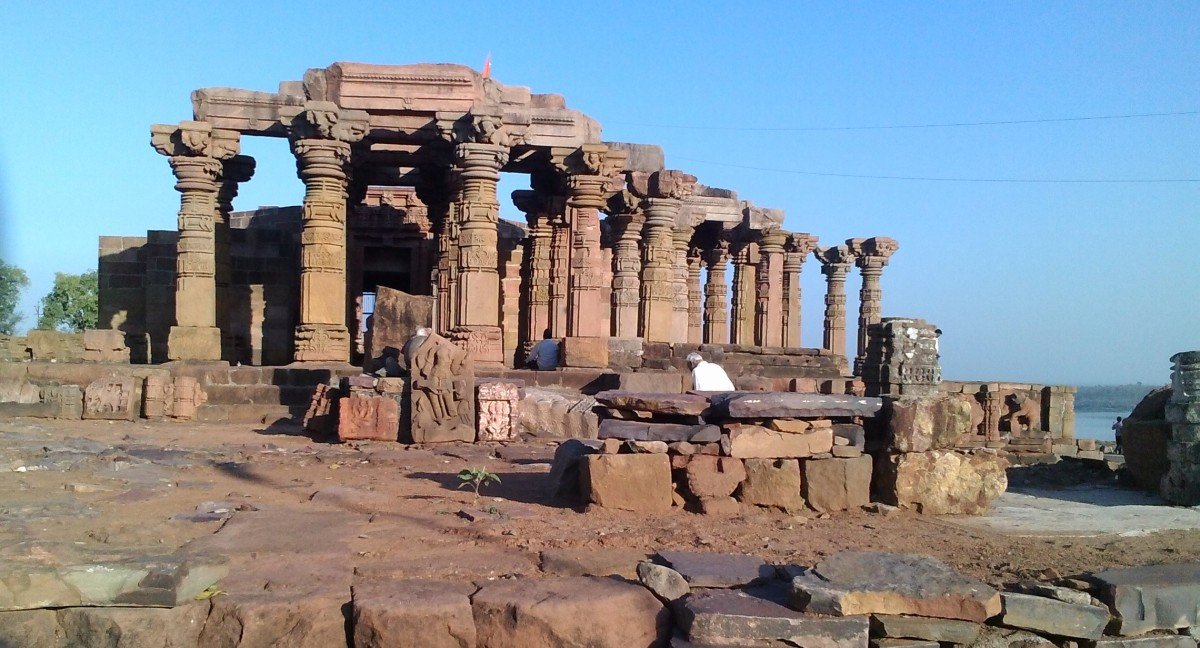


Things To Do
-
Study the Elephant Frieze: Spend ample time closely examining and photographing (respectfully) the intricate elephant frieze for which the temple is famous, appreciating the skill and detail of the 13th-century craftsmen.
Enjoy the Panoramic View: The view from the plateau is a must-experience. Spend time gazing at the Narmada River, the footbridge, and the layout of the Omkareshwar town from this elevated perspective.
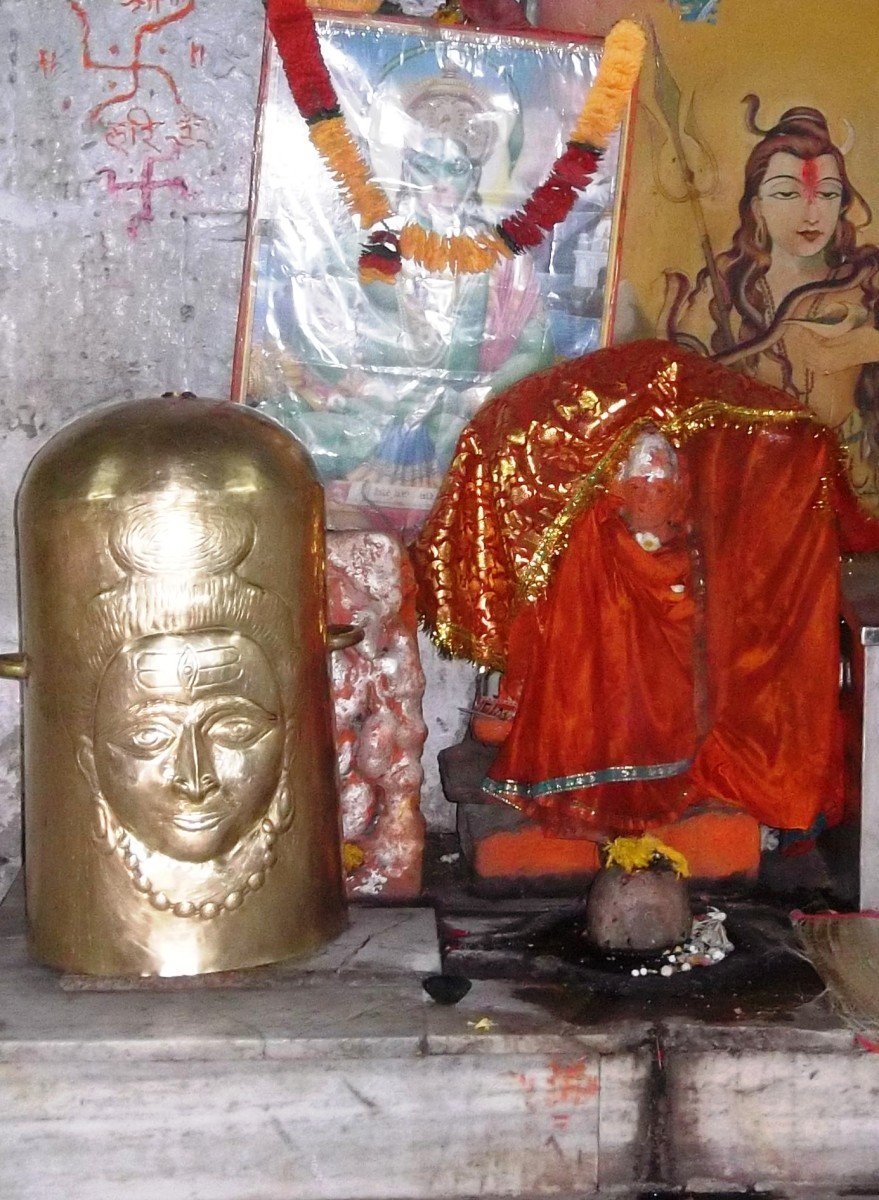
Perform Shiva Pooja: Offer water (Abhishekam) and flowers to the Shivalingam in the Garbhagriha, seeking the blessings of Siddhanath for siddhis (powers) and spiritual progress.
Walk the Parikrama Segment: Integrate your visit with a walk along the surrounding segment of the Omkareshwar Parikrama path, which adds spiritual merit to the visit.
...Study the Elephant Frieze: Spend ample time closely examining and photographing (respectfully) the intricate elephant frieze for which the temple is famous, appreciating the skill and detail of the 13th-century craftsmen.
Enjoy the Panoramic View: The view from the plateau is a must-experience. Spend time gazing at the Narmada River, the footbridge, and the layout of the Omkareshwar town from this elevated perspective.
Perform Shiva Pooja: Offer water (Abhishekam) and flowers to the Shivalingam in the Garbhagriha, seeking the blessings of Siddhanath for siddhis (powers) and spiritual progress.
Walk the Parikrama Segment: Integrate your visit with a walk along the surrounding segment of the Omkareshwar Parikrama path, which adds spiritual merit to the visit.
Observe Temple Architecture: Study the blend of Brahminic and Indo-Nagara architectural elements, comparing its style and scale to the main Omkareshwar Jyotirlinga Temple nearby.
Rest and Reflect: Use the spacious plateau area to sit and rest quietly, soaking in the serene atmosphere and the history of the resilient structure.
Photograph the Carvings: Focus your photography on the details of the beautifully carved pillars, mythological figures, and deity panels, besides the main frieze, capturing the depth of the art. :
Information
-
Why Famous:
The Elephant Frieze: It is primarily famous for its breathtaking architectural feature—the unique and exquisitely detailed elephant frieze or the "hanging balconies," which is considered a masterpiece of the 13th-century stone carving art in Central India.The Elephant Frieze: It is primarily famous for its breathtaking architectural feature—the unique and exquisitely detailed elephant frieze or the "hanging balconies," which is considered a masterpiece of the 13th-century stone carving art in Central India.
Siddhis and Blessings: Devotees revere it as the temple of Siddhanath (Lord of Siddhis or powers), a form of Lord Shiva who is believed to grant spiritual and temporal powers to sincere devotees.
Historical Survival: Its fame is also rooted in its resilience, having famously survived the destructive attacks of Mahmud of Ghazni, making it a symbol of the enduring nature of Hindu faith and architecture.
Panoramic View: The temple's elevated position on the plateau offers the best panoramic views of the Narmada River, the bridge, and the entire Omkareshwar town, making it a favorite spot for sightseeing. The combination of its architectural uniqueness, powerful spiritual belief, and stunning location makes it a must-visit, cementing its place as a cornerstone of Mandhata Island's spiritual and visual landscape. : -
Architecture:
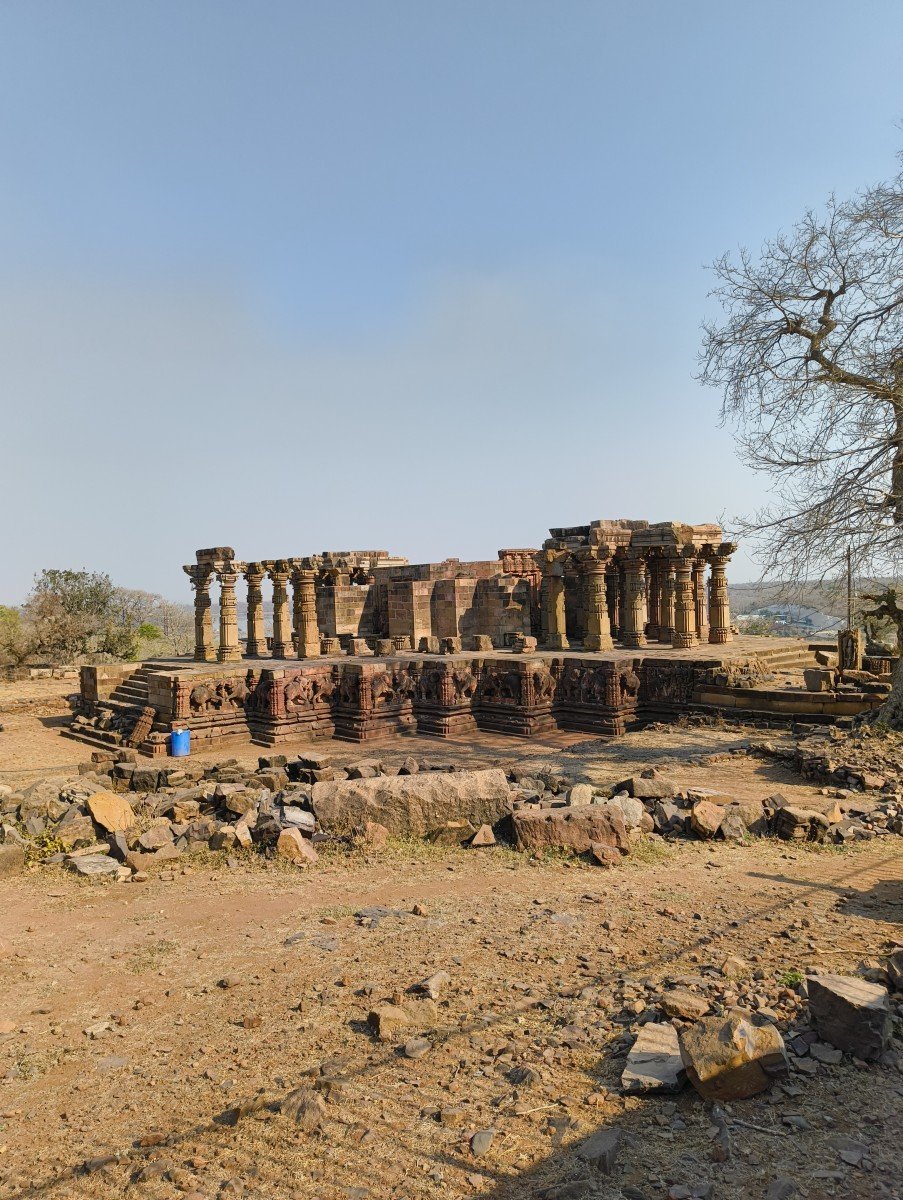
Indo-Nagara and Brahminic Style: The temple is an outstanding example of the Indo-Nagara style, with significant Brahminic influences, a fusion common in the 13th century.
The Elephant Frieze (Hanging Balconies): The most distinctive archite...Indo-Nagara and Brahminic Style: The temple is an outstanding example of the Indo-Nagara style, with significant Brahminic influences, a fusion common in the 13th century.
The Elephant Frieze (Hanging Balconies): The most distinctive architectural feature is the intricately carved stone frieze, featuring a continuous row of elephants that appear to hold up the Mandap (hall). These unique carvings create the illusion of hanging balconies and are considered a masterful display of medieval art and structural support.
Material and Structure: Built entirely of durable stone masonry—local sandstone—it features a modest Shikhara and a Mandap supported by elaborately carved pillars. The resilience of the stone is a testament to the quality of the ancient craftsmanship.
Carved Pillars and Walls: The pillars and walls are adorned with detailed sculptures of deities, celestial beings, and mythological scenes, providing a rich tapestry of Hindu iconography. The temple's elevated position is also a structural feature, maximizing its visibility and defensive strength. The structure covers a significant footprint on the plateau, offering a sense of openness compared to the island's densely packed main temples. The overall design conveys a sense of stability and divine power. : -
How To Reach:
By Air: The nearest major airport is Devi Ahilya Bai Holkar Airport (IDR) in Indore (77 KMS). Hire a direct taxi or take a bus from the airport to Omkareshwar town. The drive takes about 2-3 hours.
By Train: The closest convenient railhead...By Air: The nearest major airport is Devi Ahilya Bai Holkar Airport (IDR) in Indore (77 KMS). Hire a direct taxi or take a bus from the airport to Omkareshwar town. The drive takes about 2-3 hours.
By Train: The closest convenient railhead is Khandwa Junction (KNW, 70 KMS), which has good connectivity. From there, take a local bus or taxi to Omkareshwar. The minor station Omkareshwar Road (OM) is 12 KMS away.
By Road: Omkareshwar is well-connected by road, with regular buses and taxis from Indore, Khandwa, and Ujjain. The main road is National Highway 347C.
By Local Transport: The temple is located on Mandhata Island. You must cross the Narmada River via the footbridge or boat. From the main temple complex, it is a well-paved uphill walk with steps to the plateau, easily accessible by foot from the central area of the island. : -
Weather and Best Time to Visit:
Winter Season (October to March): The Best Time to Visit. The cool, pleasant weather is ideal for the uphill walk to the plateau and for spending time outdoors appreciating the architecture and view. November through February are highly recommended.
Read MoreWinter Season (October to March): The Best Time to Visit. The cool, pleasant weather is ideal for the uphill walk to the plateau and for spending time outdoors appreciating the architecture and view. November through February are highly recommended.
Summer Season (April to June): The scorching heat makes the midday climb very challenging. Visits should be restricted to the early morning to avoid heatstroke and discomfort on the sun-exposed plateau.
Monsoon Season (July to September): The surrounding greenery is beautiful, but the stone steps can be slippery. Exercise caution while climbing, and carry rain gear. The views of the full river are spectacular.
Different Parts of the Day: Morning is preferred for the climb and viewing the frieze in soft light. Late Afternoon is recommended for the panoramic sunset view. :Near Tourist Places:
Omkareshwar Jyotirlinga Temple (0.
5 KMS): Ranmukteshwar Temple (0.
2 KMS): Shri Govinda Bhagavatpada Cave (0.
5 KMS): Mamleshwar Temple (1.
5 KMS): Gauri Somnath Temple (1 KM) Kedareshwar Temple (1 KMS):
Ahilya Ghat (
2 KMS):
Triveni Sangam Temple (3 KMS):
Kajal Rani Cave (9 KMS):
Sailani Island (7 KMS):Tourism Tips
-
Health & Safety: The walk to the plateau requires a moderate level of fitness. Wear sturdy, non-slip footwear. Carry a hat and plenty of water for the uphill climb. Be mindful of monkeys, especially near food items.
Packing: Bring a good ...Health & Safety: The walk to the plateau requires a moderate level of fitness. Wear sturdy, non-slip footwear. Carry a hat and plenty of water for the uphill climb. Be mindful of monkeys, especially near food items.
Packing: Bring a good camera with a zoom lens to capture the detail of the high-up frieze carvings. Pack light and wear modest clothes appropriate for temple visits.
Accommodation: Stay in the main Omkareshwar town, which offers various lodging options from budget to mid-range hotels.
Other Topics:
Respect the History: This is a major archaeological site. Refrain from touching or climbing on the ancient carvings.
Combine the Visit: Plan to visit the temple as part of the Omkareshwar Parikrama for a full spiritual experience of the island. :
Reviews
FAQs
Omkareshwar Itineray And Cost:-
Siddhanath Temple Tourism:-
Other Places In Omkareshwar :-
Other States In India :-
Information about New and Updated Locations() of Madhya Pradesh Has Been Added :-
Card subtitle
Note:-
Information provided here in good Faith and for reference only.
Near Places
24 Avatars Group of Temples
Some quick example text to build on the card title and make up the bulk of the card's content.
Go somewhere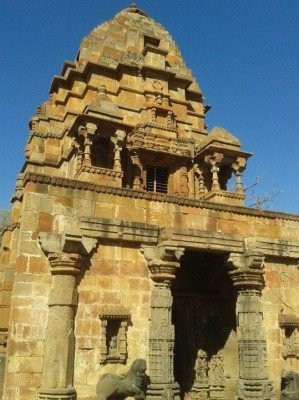
Abhay Ghat
Some quick example text to build on the card title and make up the bulk of the card's content.
Go somewhere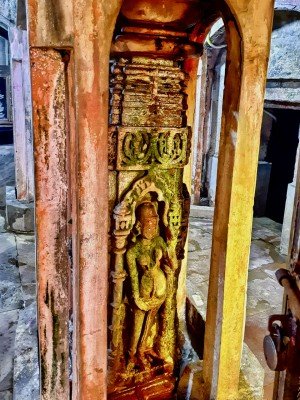
Adi Shankaracharya Statue Site
Some quick example text to build on the card title and make up the bulk of the card's content.
Go somewhere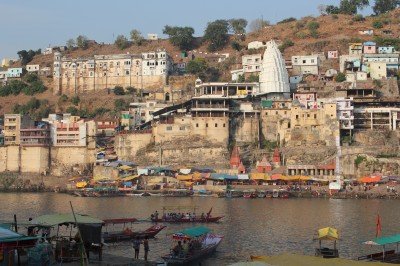
Ahilya Ghat
Some quick example text to build on the card title and make up the bulk of the card's content.
Go somewhere
Bapeshwar Temple
Some quick example text to build on the card title and make up the bulk of the card's content.
Go somewhere
Bhagwatpada Mandapam
Some quick example text to build on the card title and make up the bulk of the card's content.
Go somewhere
Brahmapuri
Some quick example text to build on the card title and make up the bulk of the card's content.
Go somewhere
Fanase Ghat
Some quick example text to build on the card title and make up the bulk of the card's content.
Go somewhere
Gauri Somnath Temple
Some quick example text to build on the card title and make up the bulk of the card's content.
Go somewhere
Gomukh Ghat
Some quick example text to build on the card title and make up the bulk of the card's content.
Go somewhere
Katar Baba Aasram
Some quick example text to build on the card title and make up the bulk of the card's content.
Go somewhere
Kedareshwar Temple
Some quick example text to build on the card title and make up the bulk of the card's content.
Go somewhere
Kotitirtha Ghat
Some quick example text to build on the card title and make up the bulk of the card's content.
Go somewhere
Mamleshwar Temple
Some quick example text to build on the card title and make up the bulk of the card's content.
Go somewhere
Mandhata Palace Ruins
Some quick example text to build on the card title and make up the bulk of the card's content.
Go somewhere
Narmada Kaveri Sangam
Some quick example text to build on the card title and make up the bulk of the card's content.
Go somewherein Other Cities