
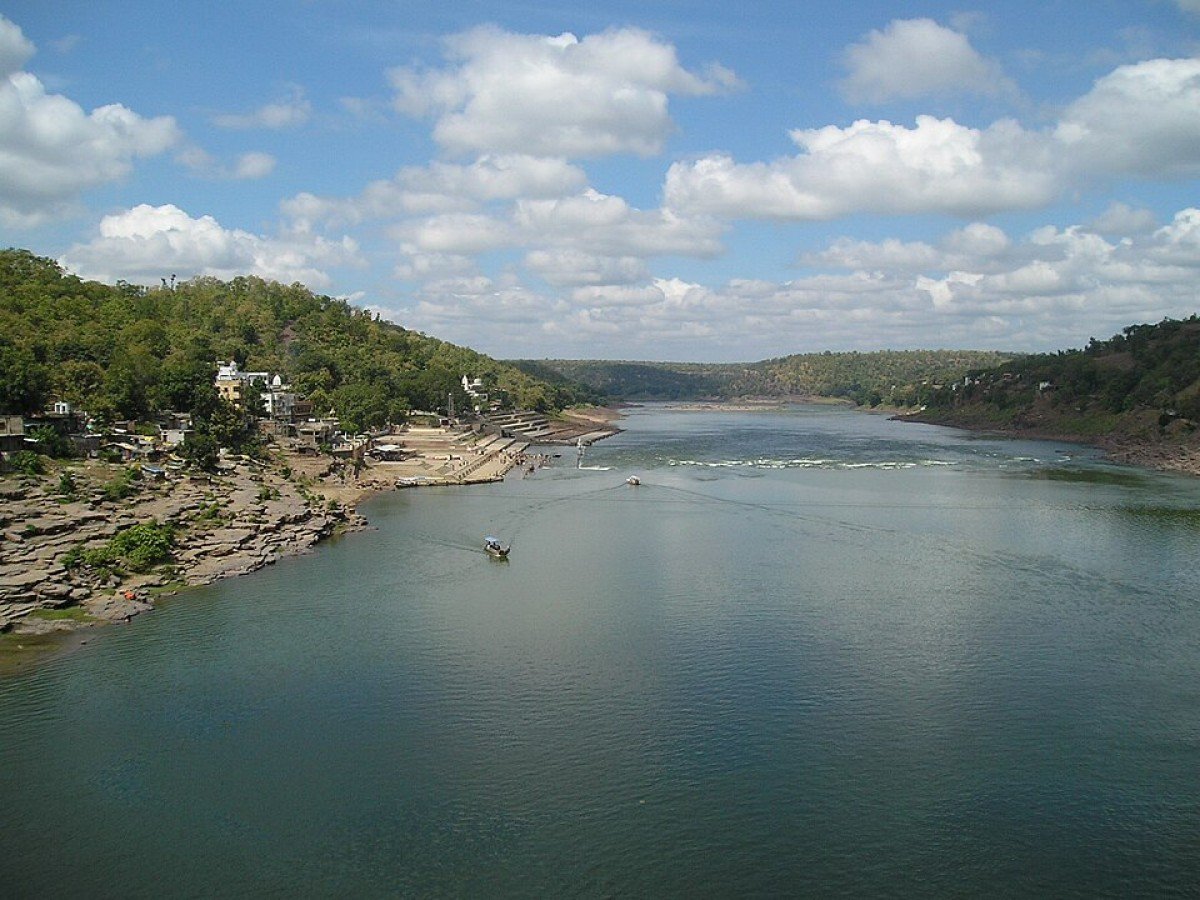
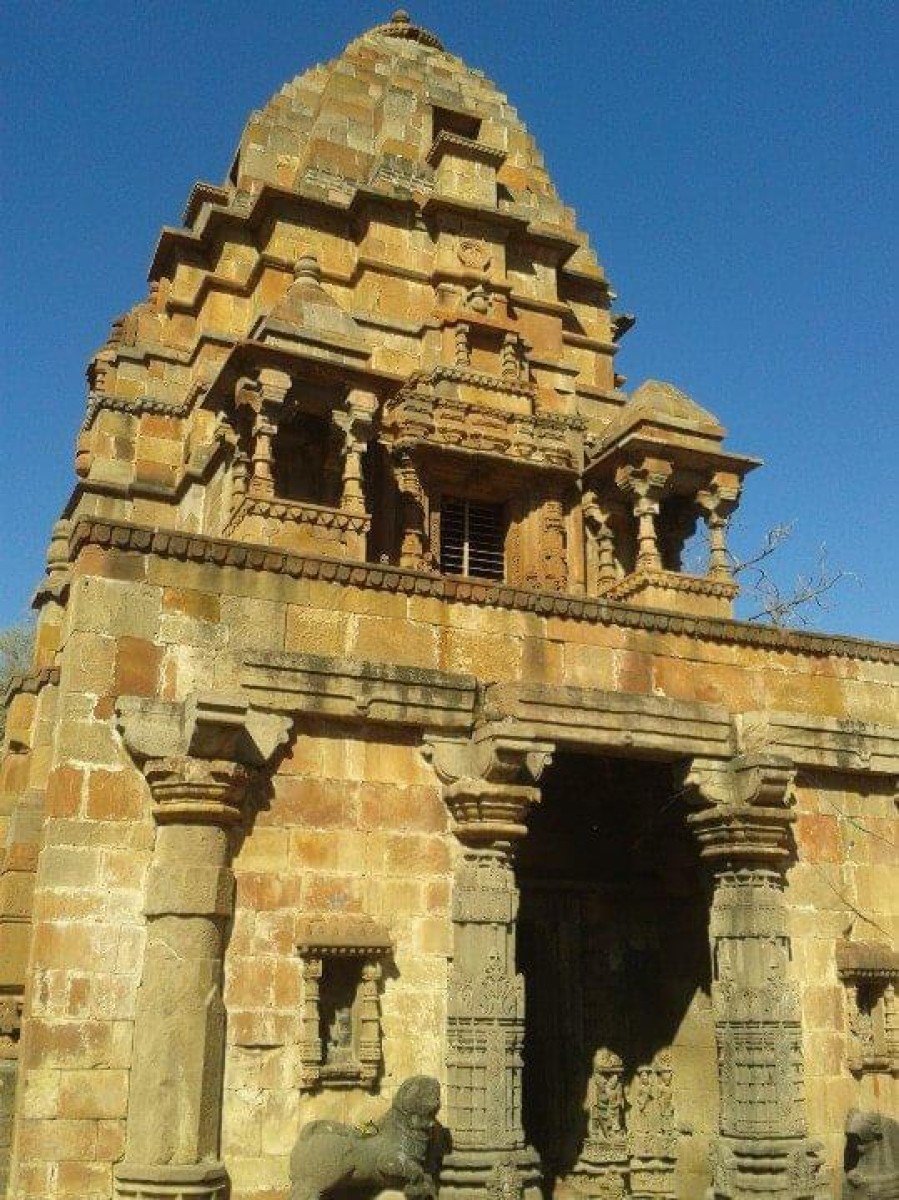
Satmatrika Temples
General information
-
Ideal Duration:
1 Hour to 1.
5 Hours:Place Type:
Archaeological, Historical, Goddess Worship:Entry Fees:
No Entry Fee: There is no mandatory entry fee to visit the Satmatrika Temples, as it is an open, ancient Hindu temple site. Access is free to all.
No Mandatory Fee: Being a place of historical and religious importance, the tradition of free...No Entry Fee: There is no mandatory entry fee to visit the Satmatrika Temples, as it is an open, ancient Hindu temple site. Access is free to all.
No Mandatory Fee: Being a place of historical and religious importance, the tradition of free public access is maintained, so there are no fixed charges for darshan.
Pooja/Offering Cost: The expense is limited to the voluntary purchase of pooja materials (flowers, coconut, incense) from local vendors, which is an offering and not a fee. This is a small, personal expense.
Photography Fee: There are typically no fees for photography, though professional or commercial shoots may require local permits. Visitors should be respectful of the deities and avoid flash.
Archaeological Value: As a protected archaeological site (though perhaps locally managed), the emphasis is on preservation and free access for both religious and historical appreciation, keeping the visit very low-cost. :Timing:
Regular Timings: The temples are generally accessible from 6:00 AM to 7:00 PM daily, allowing visitors to explore the area during daylight hours, though the surrounding compound may be open earlier or later.
Ideal Visit Time: The early morni...Regular Timings: The temples are generally accessible from 6:00 AM to 7:00 PM daily, allowing visitors to explore the area during daylight hours, though the surrounding compound may be open earlier or later.
Ideal Visit Time: The early morning (7:00 AM to 9:00 AM) or late afternoon (4:00 PM to 6:00 PM) is the best time. The light is soft for photography, the heat is low, and the quiet environment is ideal for appreciating the ancient art.
Midday Avoidance: The period between 10:30 AM and 3:30 PM can be very hot, especially in summer, and is best avoided, as the stone complex provides little shade.
Festival Timings: During Navaratri, the temples may have extended hours for special Pujas and ceremonies, which are often held in the evening. :Special Events:
Navaratri Festival: The nine-night festival of Navaratri (usually in September/October or March/April) is the most significant special event, where the temple sees heightened ritualistic activity, special Pujas, and recitation of the Devi Mahatmyam, celebrating the power of ...Navaratri Festival: The nine-night festival of Navaratri (usually in September/October or March/April) is the most significant special event, where the temple sees heightened ritualistic activity, special Pujas, and recitation of the Devi Mahatmyam, celebrating the power of the Mother Goddesses.
Narmada Jayanti: While focused on the river, the temple participates in the energy of Narmada Jayanti (January/February), honoring the river, which is viewed as a form of the Divine Mother.
Matrika Purnima: The full moon days, particularly those associated with powerful goddesses, are marked by special Pujas and havans (fire rituals) to appease and seek blessings from the Matrikas. These events emphasize the temple's core identity as a center of Shakti worship. :Best Photo Spots:
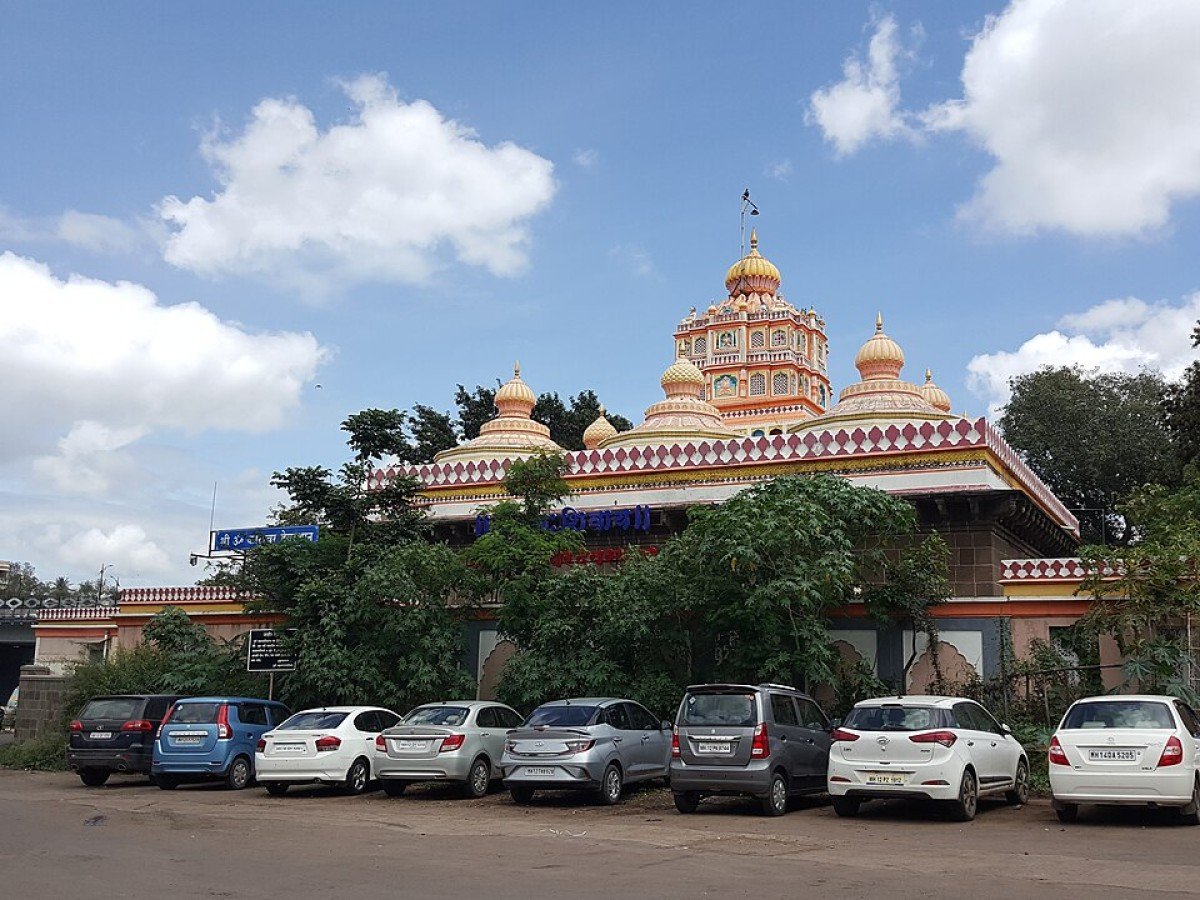
Close-ups of the Carvings: Detailed, focused shots of the ancient, intricately carved stone panels of the Matrikas are the best photos, highlighting the artistic and iconographic value of the site.
The Ancient Stone Texture: Shots that captu...Close-ups of the Carvings: Detailed, focused shots of the ancient, intricately carved stone panels of the Matrikas are the best photos, highlighting the artistic and iconographic value of the site.
The Ancient Stone Texture: Shots that capture the moss, lichen, and natural wear of the ancient stone blocks, contrasting with the vibrant colors of fresh offerings, make for compelling, textured images.
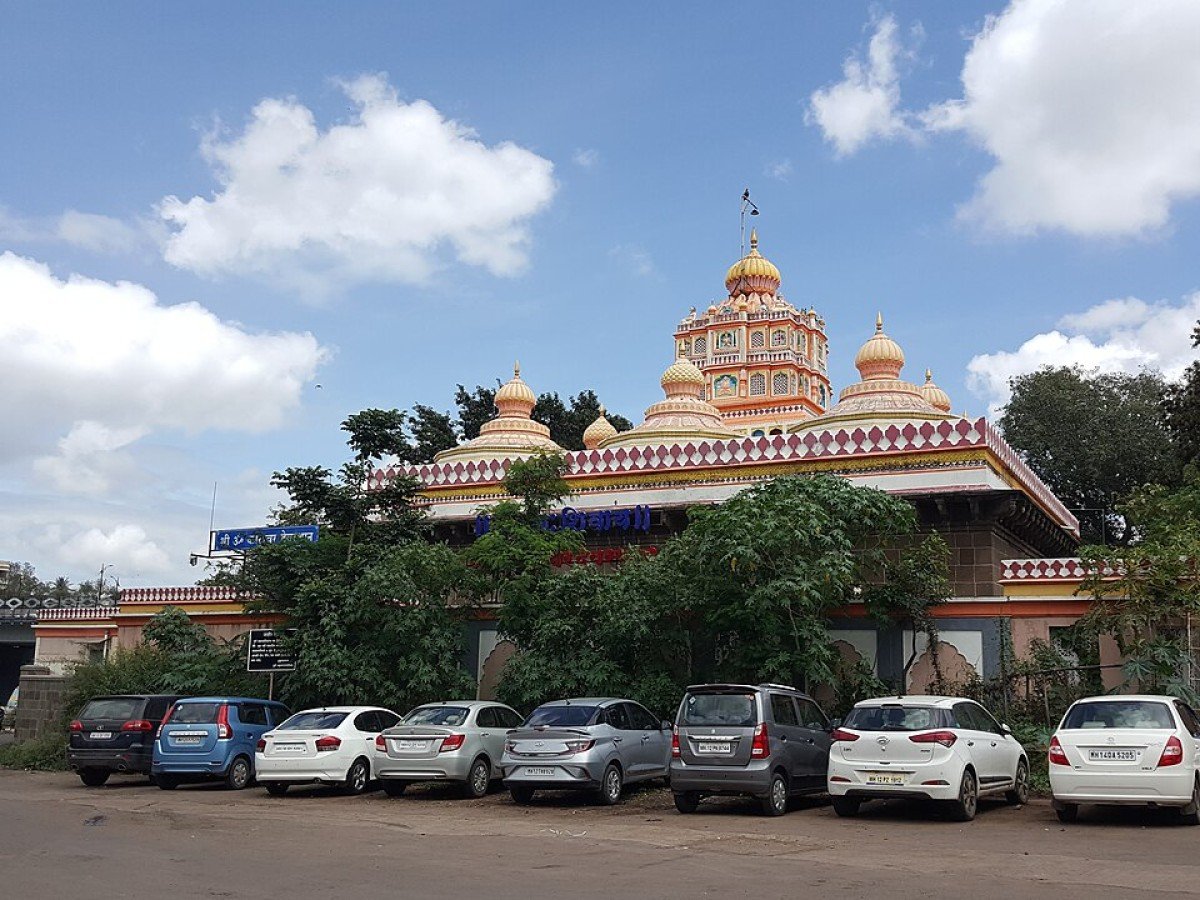
The Cluster View: A wide-angle photo capturing the cluster of the small Nagara-style shrines against the backdrop of the open sky and trees gives a sense of the complex's size and ancient isolation.
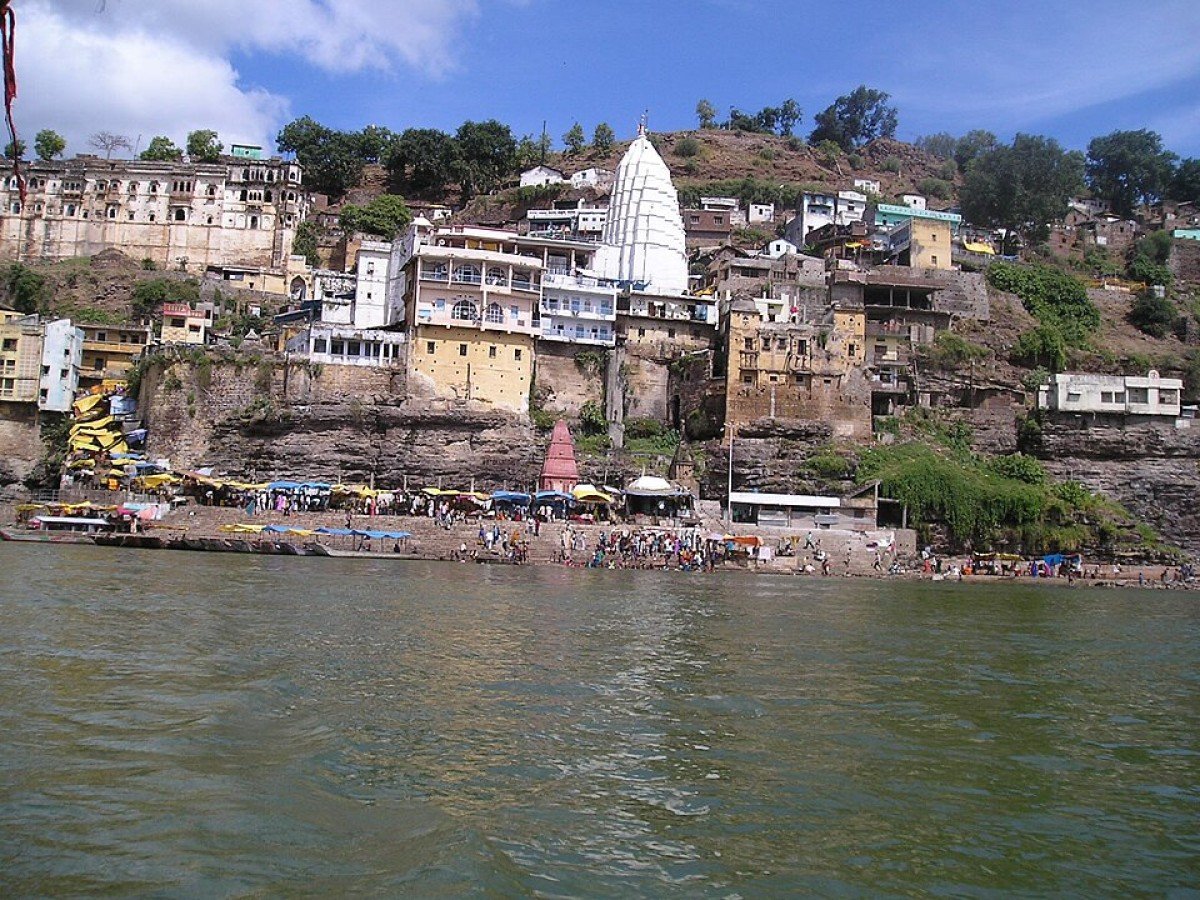
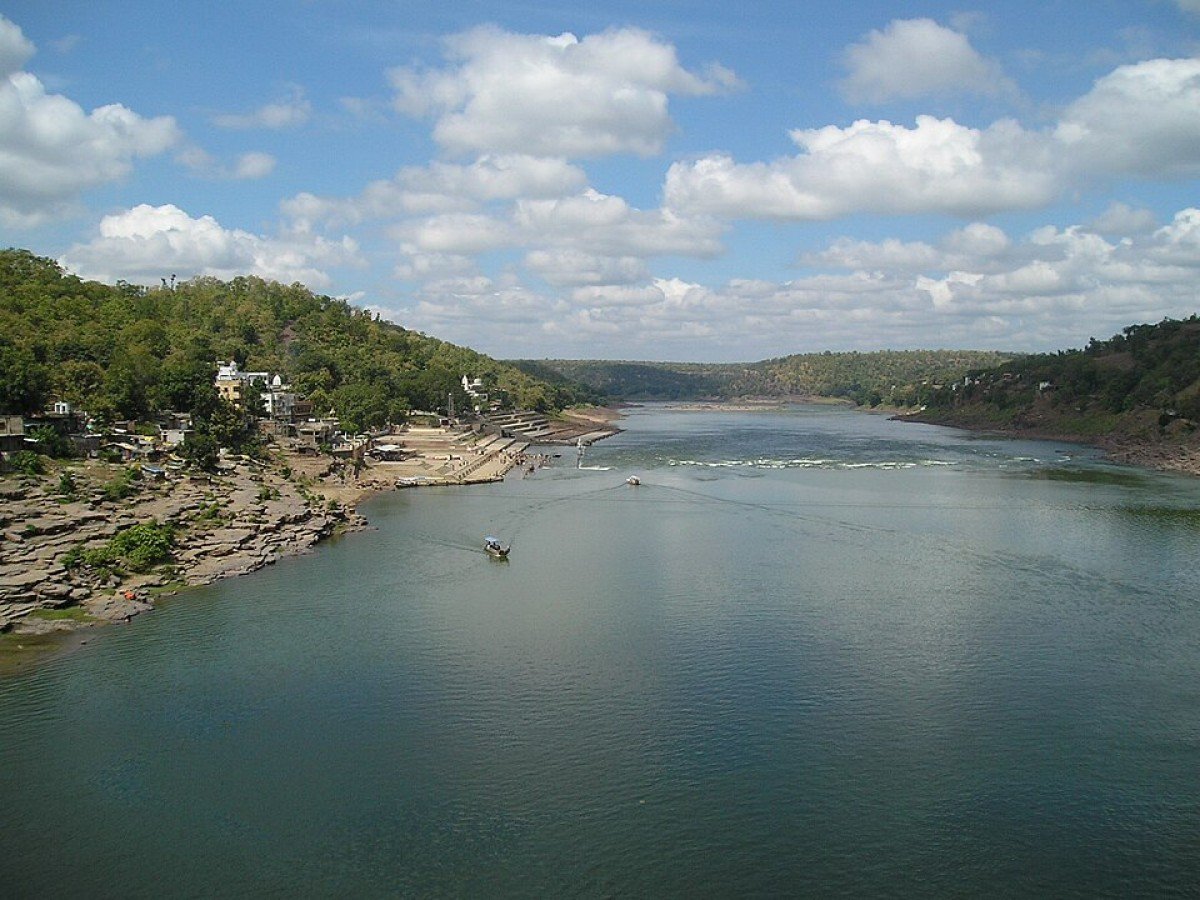
The River Frame: The view of the Narmada River, framed by the temple's ancient stone walls or an overhanging tree, can provide a beautiful, tranquil landscape shot.
Shadow and Light Play: Capturing the dramatic play of shadows and light on the three-dimensional stone carvings, particularly in the early morning or late afternoon, can emphasize the relief and depth of the artwork. The unique nature of the sculptures is the main photographic subject. :Photo Gallery
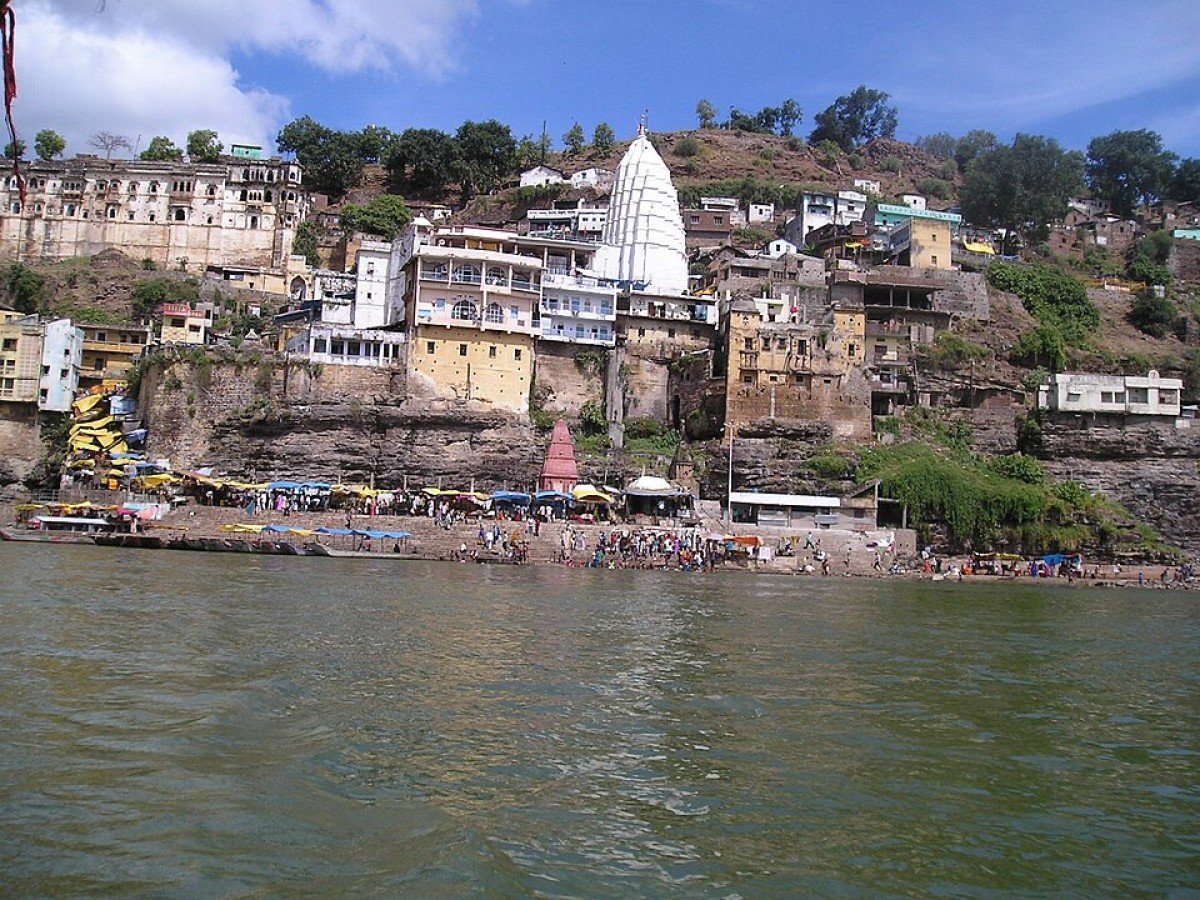
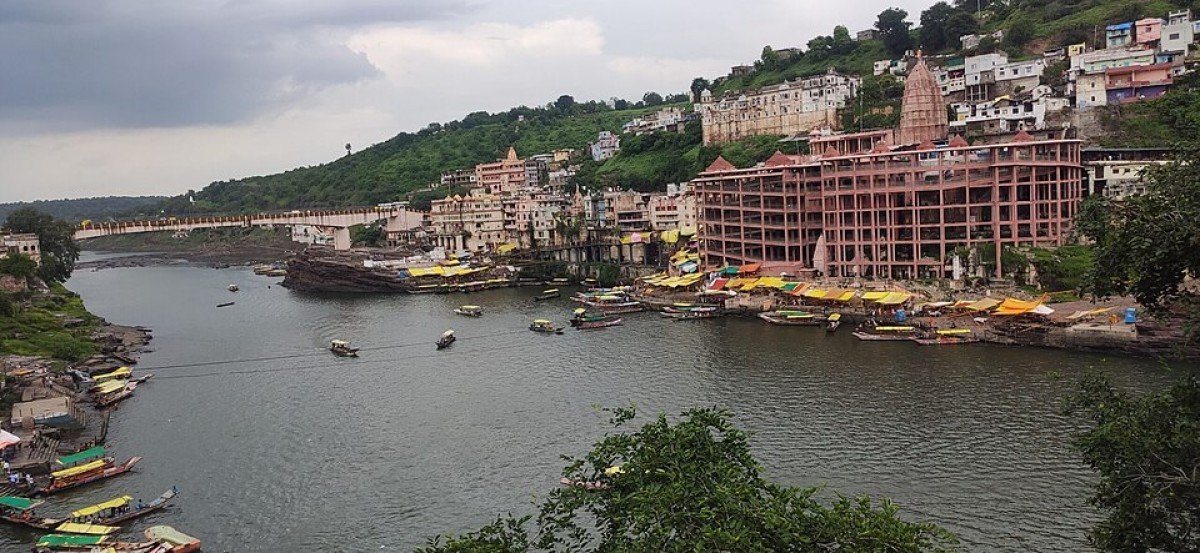
Things To Do
-
Study the Matrika Panels: The primary activity is to carefully observe and appreciate the individual stone panels of the Seven Mother Goddesses, studying their unique iconography, vehicles, and attributes.
Offer Traditional Shakti Worship: Perform a simple Pooja to the collective Matrikas, offering red flowers, turmeric, and vermillion, which are traditional items used in the worship of the Divine Feminine (Shakti).
Historical Photography: Engage in respectful photography of the ancient stone structures and the detailed carvings, preserving the visual record of this ancient architectural style.
Contemplate the Divine Feminine: Spend time reflecting on the concept of Shakti (power/energy) and the roles of the Mother Goddesses in Hindu mythology and life, utilizing...Study the Matrika Panels: The primary activity is to carefully observe and appreciate the individual stone panels of the Seven Mother Goddesses, studying their unique iconography, vehicles, and attributes.
Offer Traditional Shakti Worship: Perform a simple Pooja to the collective Matrikas, offering red flowers, turmeric, and vermillion, which are traditional items used in the worship of the Divine Feminine (Shakti).
Historical Photography: Engage in respectful photography of the ancient stone structures and the detailed carvings, preserving the visual record of this ancient architectural style.
Contemplate the Divine Feminine: Spend time reflecting on the concept of Shakti (power/energy) and the roles of the Mother Goddesses in Hindu mythology and life, utilizing the temple's quiet environment for deep contemplation.
Circumambulate the Complex: Perform a Pradakshina (clockwise circumambulation) around the small temple cluster, an act of reverence to the sacred space.
Read Historical Context: Carry a guide or historical notes to read about the Kalachuri Dynasty and Shakti worship while at the site, enriching the experience.
Observe the River View: Take a moment to appreciate the scenic view of the Narmada River from this point on its banks. The activities are a blend of historical study, artistic appreciation, and deeply ritualistic worship. :
Information
-
Why Famous:
Ancient Archaeological Value: They are famous as one of the oldest surviving temple complexes in the region, dating back over 1,000 years to the Kalachuri Dynasty, providing a crucial historical and archaeological anchor for Omkareshwar.
Worship...Ancient Archaeological Value: They are famous as one of the oldest surviving temple complexes in the region, dating back over 1,000 years to the Kalachuri Dynasty, providing a crucial historical and archaeological anchor for Omkareshwar.
Worship of the Matrikas: The complex is a unique pilgrimage site dedicated to the Seven Mother Goddesses, which is an older, powerful form of Shakti worship, drawing devotees who specifically revere the divine feminine power.
Artistic Carvings: The exquisite and well-preserved carvings of the Matrikas themselves are highly renowned among art historians and devotees alike for their iconographic detail and artistic merit, representing a key period of regional craftsmanship.
Protection and Blessing: Devotees believe that visiting all seven goddesses collectively grants a powerful shield of protection, blessing the pilgrim with health, prosperity, and warding off evil. Its fame rests on its antiquity and its direct connection to the powerful tradition of Shakti worship, making it a sacred destination with a profound historical depth. It stands as a powerful symbol of the enduring nature of faith in the Mother Goddess. : -
Architecture:
Early Nagara Style Architecture: The temples are prime examples of early North Indian Nagara style of temple architecture. Key features include a curvilinear Shikhara (spire) over the sanctum and a relatively simple Mandap (hall).
Sculptural De...Early Nagara Style Architecture: The temples are prime examples of early North Indian Nagara style of temple architecture. Key features include a curvilinear Shikhara (spire) over the sanctum and a relatively simple Mandap (hall).
Sculptural Detail and Panel: The primary architectural and artistic focus is on the panels and niches containing the Matrika idols. Each Matrika is beautifully carved in stone, often with her unique vahana (vehicle) and attributes, signifying the different aspects of the divine Shakti.
Historical Dimensions: The temples are smaller, individual shrines clustered together, reflecting a typical style of the Kalachuri period. The main shrine for Brahmani might feature a larger Mandapa. Exact structural dimensions vary but are modest compared to the larger later temples. The stone used is local durable rock, which has preserved the intricate carvings despite centuries of exposure. The artistic value lies in the iconography of the Matrikas, which is rendered with a high degree of skill and detail, providing invaluable material for studying the evolution of Hindu art and goddess worship in Central India. The architecture is a silent testimony to the region's rich artistic heritage. : -
How To Reach:
By Air: The nearest major airport is Devi Ahilya Bai Holkar Airport (IDR) in Indore (77 KMS). Hire a direct taxi or take a bus from the airport to Omkareshwar town.
By Train: The most convenient major railhead is Khandwa Junction (KNW, 70 K...By Air: The nearest major airport is Devi Ahilya Bai Holkar Airport (IDR) in Indore (77 KMS). Hire a direct taxi or take a bus from the airport to Omkareshwar town.
By Train: The most convenient major railhead is Khandwa Junction (KNW, 70 KMS). From Khandwa, take a local bus or shared taxi to Omkareshwar. The minor station Omkareshwar Road (OM) is closer (12 KMS) but has less service.
By Road: Omkareshwar is well-connected by road. State buses and private taxis are available from major hubs like Indore and Ujjain. The road journey to the temples is direct from the main Omkareshwar road.
By Local Transport: As the temples are located about 6 KMS outside the main town center of Omkareshwar, you will need to hire a local auto-rickshaw or a taxi for a round trip to reach the site. Negotiate the fare beforehand. The journey is short but cannot be easily done by foot from the center. : -
Weather and Best Time to Visit:
Winter Season (October to March): This is the Best Time to Visit. The weather is cool and dry, making the visit to the complex, which is largely exposed to the sun, very comfortable. December and January are especially pleasant.
Summer Season ...Winter Season (October to March): This is the Best Time to Visit. The weather is cool and dry, making the visit to the complex, which is largely exposed to the sun, very comfortable. December and January are especially pleasant.
Summer Season (April to June): The intense heat necessitates visiting only in the very early morning or late evening to avoid discomfort and heatstroke, as the stone complex gets extremely hot.
Monsoon Season (July to September): This season brings beautiful greenery but also heavy rainfall. Carry rain gear, as the temples offer limited shelter, though the cool air is pleasant.
Different Parts of the Day: Early Morning is highly recommended for the best light on the carvings and for the comfort of the temperature. Avoid the harsh midday sun, which washes out the stone details. : -
Near Tourist Places:
Omkareshwar Jyotirlinga Temple (6 KMS): Mamleshwar Temple (6.
5 KMS):
Triveni Sangam Temple (3 KMS):
Kajal Rani Cave (3 KMS):
Indira Sagar Dam (12 KMS):
Ahilya Ghat (7 KMS):
Peshawar Ghat (6 KMS):
Gauri Somnath Temple (7 KMS): Siddhanath Temple (6.
5 KMS): Sailani Island (1 KM)
Tourism Tips
-
Health & Safety: Wear a hat or cap and carry plenty of water, as the site has limited shade. Wear comfortable footwear, as the ground can be uneven. Be cautious when approaching the river's edge.
Packing: Carry a good camera to capture the...Health & Safety: Wear a hat or cap and carry plenty of water, as the site has limited shade. Wear comfortable footwear, as the ground can be uneven. Be cautious when approaching the river's edge.
Packing: Carry a good camera to capture the intricate carvings and a pair of binoculars to observe architectural details from a distance. Pack light and carry a small offering for the goddesses.
Accommodation: Staying in the main Omkareshwar town is recommended, as this site is outside the center. Pre-booking during peak seasons is wise.
Other Topics:
Respect the Antiquity: Treat the stone carvings and panels with extreme care, as they are over 1000 years old. Do not touch or climb on the structures. Be aware that the complex's ancient nature means facilities like restrooms may be basic or non-existent nearby. :
Reviews
FAQs
Omkareshwar Itineray And Cost:-
Satmatrika Temples Tourism:-
Other Places In Omkareshwar :-
Other States In India :-
Information about New and Updated Locations() of Madhya Pradesh Has Been Added :-
Card subtitle
Note:-
Information provided here in good Faith and for reference only.
Near Places
24 Avatars Group of Temples
Some quick example text to build on the card title and make up the bulk of the card's content.
Go somewhere
Abhay Ghat
Some quick example text to build on the card title and make up the bulk of the card's content.
Go somewhere
Adi Shankaracharya Statue Site
Some quick example text to build on the card title and make up the bulk of the card's content.
Go somewhere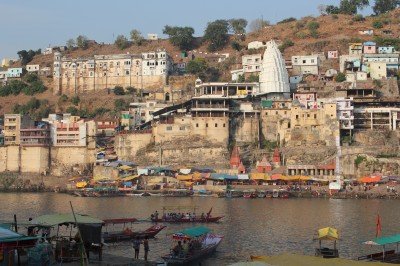
Ahilya Ghat
Some quick example text to build on the card title and make up the bulk of the card's content.
Go somewhere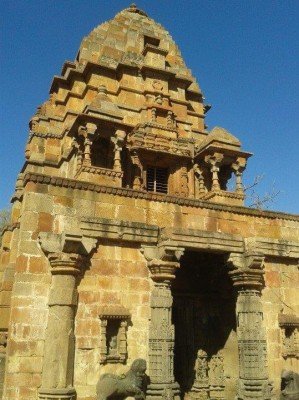
Bapeshwar Temple
Some quick example text to build on the card title and make up the bulk of the card's content.
Go somewhere
Bhagwatpada Mandapam
Some quick example text to build on the card title and make up the bulk of the card's content.
Go somewhere
Brahmapuri
Some quick example text to build on the card title and make up the bulk of the card's content.
Go somewhere
Fanase Ghat
Some quick example text to build on the card title and make up the bulk of the card's content.
Go somewhere
Gauri Somnath Temple
Some quick example text to build on the card title and make up the bulk of the card's content.
Go somewhere
Gomukh Ghat
Some quick example text to build on the card title and make up the bulk of the card's content.
Go somewhere
Katar Baba Aasram
Some quick example text to build on the card title and make up the bulk of the card's content.
Go somewhere
Kedareshwar Temple
Some quick example text to build on the card title and make up the bulk of the card's content.
Go somewhere
Kotitirtha Ghat
Some quick example text to build on the card title and make up the bulk of the card's content.
Go somewhere
Mamleshwar Temple
Some quick example text to build on the card title and make up the bulk of the card's content.
Go somewhere
Mandhata Palace Ruins
Some quick example text to build on the card title and make up the bulk of the card's content.
Go somewhere
Narmada Kaveri Sangam
Some quick example text to build on the card title and make up the bulk of the card's content.
Go somewherein Other Cities