Gupteshwar Mahadev Temple
General information
-
Ideal Duration:
30 Minutes (As part of the main temple visit):Place Type:
Religious / Jyotirlinga Complex Shrine:Entry Fees:
Temple Trust Donation Boxes: Entry to the main Omkareshwar Temple complex, and thus to the Gupteshwar shrine, is Free. Donations are purely voluntary.
Special Pooja Tickets: For certain special rituals (Abhishek, Rudrabhishek) or for quicke...Temple Trust Donation Boxes: Entry to the main Omkareshwar Temple complex, and thus to the Gupteshwar shrine, is Free. Donations are purely voluntary.
Special Pooja Tickets: For certain special rituals (Abhishek, Rudrabhishek) or for quicker darshan access during peak hours (like on Mondays or festivals), the temple trust may sell tickets, ranging from Rs.50 to Rs.251. These are not an 'entry fee' but a 'service fee'.
Camera/Mobile Policy: While photography is permitted outside, taking a mobile phone or camera inside the innermost sanctum (Garbhagriha) is strictly prohibited, and a small deposit/storage fee (Rs.10-20) may be charged at the designated lockers. :Timing:
Regular Timings: The main temple complex is generally open from 5:00 AM to 9:30 PM. The Gupteshwar shrine adheres to these hours, though access to the upper floors might be restricted during certain cleaning times.
Ideal Visit Time: Early m...Regular Timings: The main temple complex is generally open from 5:00 AM to 9:30 PM. The Gupteshwar shrine adheres to these hours, though access to the upper floors might be restricted during certain cleaning times.
Ideal Visit Time: Early morning (5:00 AM to 8:00 AM) right after Mangal Aarti or late afternoon (4:00 PM to 6:00 PM) are best to avoid the mid-day rush. Visit on a weekday to experience less crowd.
Aarti Timings: Mangal Aarti (5:00 AM to 5:30 AM), Madhyanha Bhog (12:20 PM to 1:15 PM - closed for darshan), Shringar Aarti (8:30 PM to 9:00 PM). Gupteshwar can be visited during the open darshan periods outside these main ritual times. :Special Events:
Maha Shivaratri: The largest festival, usually in February or March (Phalguna month), when the entire Omkareshwar complex, including the Gupteshwar shrine, remains open late, with special night-long Pooja and decorations.
Shayan Aarti (Sleeping ...Maha Shivaratri: The largest festival, usually in February or March (Phalguna month), when the entire Omkareshwar complex, including the Gupteshwar shrine, remains open late, with special night-long Pooja and decorations.
Shayan Aarti (Sleeping Ritual): Performed nightly, typically around 9:00 PM, where the idols are symbolically prepared for rest. While the main ritual is in the primary sanctum, the atmosphere and special chants permeate the entire temple complex, including this shrine.
Kartik Purnima: Celebrated in November or December, this full moon day draws huge crowds for a holy dip in the Narmada, followed by a full darshan including Gupteshwar. Special lighting and flower decorations are noticeable across the complex. :Best Photo Spots:
The Architectural Friezes: Capturing the detailed and intricate sculptures on the exterior walls of the complex and the pillars in the Sabha Mandapa on the way up.
Panoramic Ghat View: The corridors or windows on the upper floors near the sh...The Architectural Friezes: Capturing the detailed and intricate sculptures on the exterior walls of the complex and the pillars in the Sabha Mandapa on the way up.
Panoramic Ghat View: The corridors or windows on the upper floors near the shrine often offer an excellent vantage point to photograph the bustling Kotitirtha Ghat and the flow of the Narmada River.
The Shikhara Base: The spot where the towering spire (Shikhara) meets the floor on the higher levels provides a unique angle, highlighting the complexity and height of the temple's Nagara architecture.
Subtle Light and Shadow: The dim, mystical lighting inside the shrine area, contrasted with the brighter light from the windows, offers perfect conditions for artistic, spiritual photographs. :Photo Gallery
Things To Do
-
Perform Panchmukhi Darshan: Ensure you visit Gupteshwar and the other four main shrines within the complex, concluding your pilgrimage.
Offer Abhishek: Participate in the ritual bathing of the Shiva Lingam with milk, water, and other sacred materials, which is a major part of the worship.
Observe the Architecture: Take time to study the intricate carvings on the pillars and walls of the larger Mandapa as you ascend to the Gupteshwar shrine.
Attend Upper Level Aarti: If the shrine has its own minor aarti, attending it provides a more personal and intimate spiritual experience.
Photography from Height: Take permission to capture the view of the surrounding temple rooftops and the island's unique "Om" shape from the higher floor cor...Perform Panchmukhi Darshan: Ensure you visit Gupteshwar and the other four main shrines within the complex, concluding your pilgrimage.
Offer Abhishek: Participate in the ritual bathing of the Shiva Lingam with milk, water, and other sacred materials, which is a major part of the worship.
Observe the Architecture: Take time to study the intricate carvings on the pillars and walls of the larger Mandapa as you ascend to the Gupteshwar shrine.
Attend Upper Level Aarti: If the shrine has its own minor aarti, attending it provides a more personal and intimate spiritual experience.
Photography from Height: Take permission to capture the view of the surrounding temple rooftops and the island's unique "Om" shape from the higher floor corridors (Photography inside the inner sanctum is strictly prohibited).
Quiet Contemplation: Due to fewer crowds, spend a few moments in deep prayer or quiet reflection within the shrine's small hall.
Seek Blessings for Secrecy: Offer a special prayer for the protection of secrets or the manifestation of hidden talents, playing on the word 'Gupta' (hidden). :
Information
-
Why Famous:
Completeness of Pilgrimage: The temple is famous because it is considered one of the five essential shrines within the Omkareshwar complex, making its visit mandatory to complete the full Jyotirlinga Darshan. Skipping it is often seen as leaving the pilgrimage unfinished. <...Completeness of Pilgrimage: The temple is famous because it is considered one of the five essential shrines within the Omkareshwar complex, making its visit mandatory to complete the full Jyotirlinga Darshan. Skipping it is often seen as leaving the pilgrimage unfinished.
Representation of the Divine: Its name, the 'Hidden Lord,' highlights the theological concept that the divine is often subtle and needs to be sought out, hidden beneath the obvious. Devotees visit here specifically to seek the grace of this less-visible form of Shiva.
Integrated Architecture: It stands as a profound example of integrated temple architecture where one structure houses multiple, equally significant deities, reflecting the inclusive nature of Hindu worship, a marvel built and renovated over centuries by the Paramara and Holkar dynasties. The history adds to the fame. : -
Architecture:
Part of Nagara Style Complex: As an internal shrine, its architecture is integrated into the larger Nagara style of the Omkareshwar Temple, known for its towering spire (Shikhara) and intricate external carvings. The shrine itself is simple, consisting of a small, square sa...Part of Nagara Style Complex: As an internal shrine, its architecture is integrated into the larger Nagara style of the Omkareshwar Temple, known for its towering spire (Shikhara) and intricate external carvings. The shrine itself is simple, consisting of a small, square sanctum and a modest pillared anteroom.
Symbolism of Levels: The placement of Gupteshwar on one of the higher floors (often the fourth or fifth) of the complex symbolizes the different planes of spiritual existence or the ascending nature of devotion. The complex's structure is typically built from local sandstone, featuring robust, carved pillars decorated with figures of gods, goddesses, and geometric patterns.
Interior Focus: The interior of the Gupteshwar shrine is minimalistic, focusing solely on the Shiva Lingam and the energy of the space. The dimensions are very small and intimate, typical of internal deity chambers, prioritizing the devotee's singular focus on the enshrined deity rather than grand space. The overall complex features a spacious assembly hall (Sabha Mandapa) supported by dozens of magnificent pillars, which visitors pass through to reach the upper shrines, showcasing the blend of structural stability and fine artistry. : -
How To Reach:
By Air: Nearest airport is Indore (IDR), 77 KM away. Take a taxi or bus from the airport to the town of Omkareshwar.
By Train: Nearest major station is Khandwa Junction (KNW), 70 KM away. Hire a local taxi or bus to reach the town. Omkare...By Air: Nearest airport is Indore (IDR), 77 KM away. Take a taxi or bus from the airport to the town of Omkareshwar.
By Train: Nearest major station is Khandwa Junction (KNW), 70 KM away. Hire a local taxi or bus to reach the town. Omkareshwar Road (OM), 12 KM away, is a local stop.
By Road: Well-connected to Indore, Ujjain, and Khandwa by road. State buses and private cabs are readily available for a scenic drive.
By Local Transport: The temple is on Mandhata Island. Access is via one of the suspension bridges (Jhula Pul / Mamleshwar Setu) or a shared boat ride from the mainland ghats. The temple complex is a short walk from the bridge access point. : -
Weather and Best Time to Visit:
Winter (October to March): Best Time for comfortable travel and easy access to the multi-level temple structure without getting exhausted by heat. Ideal for the Parikrama.
Monsoon (July to September): Good Time for the lush greenery and the...Winter (October to March): Best Time for comfortable travel and easy access to the multi-level temple structure without getting exhausted by heat. Ideal for the Parikrama.
Monsoon (July to September): Good Time for the lush greenery and the majestic flow of the Narmada, adding a mystical atmosphere to the temple. Be mindful of slippery steps.
Summer (April to June): Avoid due to intense heat, making the climb through the temple's inner staircases and crowded halls very uncomfortable.
Different Parts of the Day: Early Morning (5:00 AM to 7:00 AM) is the most serene and spiritually charged time, offering minimal wait for darshan. Late Afternoon (4:00 PM to 6:00 PM) is a good alternative. : -
Near Tourist Places:
Shri Omkareshwar Jyotirlinga Temple (The surrounding complex): Mamleshwar Temple (1.
5 KM across the river):
Kedareshwar Temple (1 KM on the island): Govinda Bhagavatpada Caves (0. 1 KM) Kotitirtha Ghat (0. 2 KM) Siddhanath Temple (1. 2 KM) 24 Avatars Temple (0. 5 KM) Gauri Somnath Temple (1. 5 KM) Narmada Kaveri Sangam (0.
5 KM) Omkar Mandhata Temple (On the same island):
Tourism Tips
-
Health & Safety: Wear modest clothes. Be prepared for crowds, especially on Mondays and festival days. The stairs inside the temple are often steep and crowded—use railings. Avoid touching the carved stone walls.
Packing: Leave unnecess...Health & Safety: Wear modest clothes. Be prepared for crowds, especially on Mondays and festival days. The stairs inside the temple are often steep and crowded—use railings. Avoid touching the carved stone walls.
Packing: Leave unnecessary valuables and electronics in your hotel or the temple locker; phone use is often restricted in the main hall. Carry small change for offerings and tips.
Accommodation: Book hotels or Dharamshalas in advance during the peak season (October to March). Consider staying near the main ghat for easy access to the temple.
Other Topics (Priests & Guides): Be cautious of unauthorized guides. Priests may pressure you for special Pooja; politely decline if not interested. Follow the designated queue and security instructions rigorously. :
Reviews
FAQs
Omkareshwar Itineray And Cost:-
Gupteshwar Mahadev Temple Tourism:-
Other Places In Omkareshwar :-
Other States In India :-
Information about New and Updated Locations() of Madhya Pradesh Has Been Added :-
Card subtitle
Note:-
Information provided here in good Faith and for reference only.
Near Places
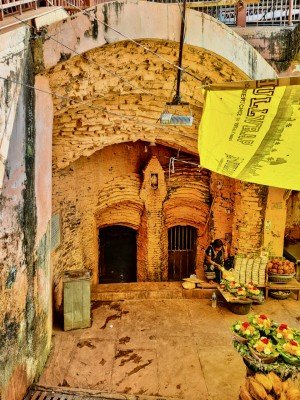
24 Avatars Group of Temples
Some quick example text to build on the card title and make up the bulk of the card's content.
Go somewhere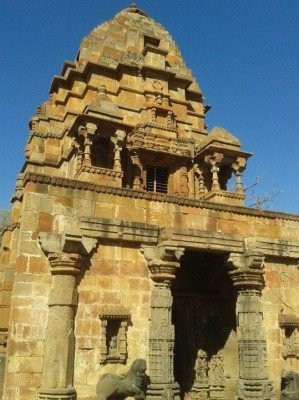
Abhay Ghat
Some quick example text to build on the card title and make up the bulk of the card's content.
Go somewhere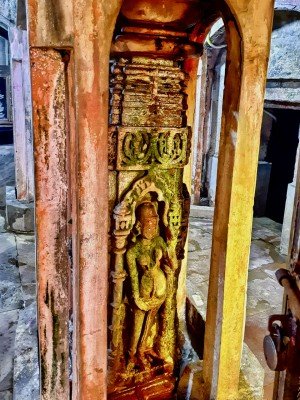
Adi Shankaracharya Statue Site
Some quick example text to build on the card title and make up the bulk of the card's content.
Go somewhere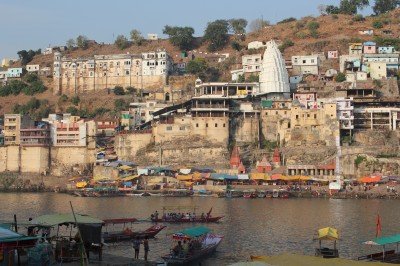
Ahilya Ghat
Some quick example text to build on the card title and make up the bulk of the card's content.
Go somewhere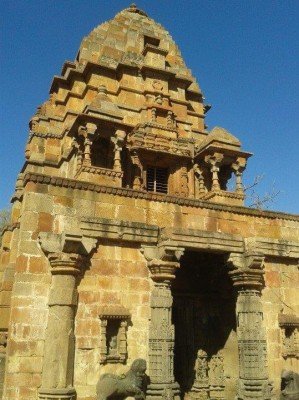
Bapeshwar Temple
Some quick example text to build on the card title and make up the bulk of the card's content.
Go somewhere
Bhagwatpada Mandapam
Some quick example text to build on the card title and make up the bulk of the card's content.
Go somewhere
Brahmapuri
Some quick example text to build on the card title and make up the bulk of the card's content.
Go somewhere
Fanase Ghat
Some quick example text to build on the card title and make up the bulk of the card's content.
Go somewhere
Gauri Somnath Temple
Some quick example text to build on the card title and make up the bulk of the card's content.
Go somewhere
Gomukh Ghat
Some quick example text to build on the card title and make up the bulk of the card's content.
Go somewhere
Katar Baba Aasram
Some quick example text to build on the card title and make up the bulk of the card's content.
Go somewhere
Kedareshwar Temple
Some quick example text to build on the card title and make up the bulk of the card's content.
Go somewhere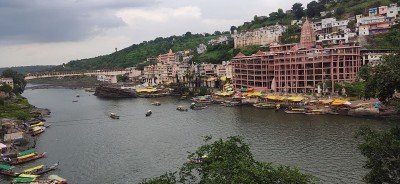
Kotitirtha Ghat
Some quick example text to build on the card title and make up the bulk of the card's content.
Go somewhere
Mamleshwar Temple
Some quick example text to build on the card title and make up the bulk of the card's content.
Go somewhere
Mandhata Palace Ruins
Some quick example text to build on the card title and make up the bulk of the card's content.
Go somewhere
Narmada Kaveri Sangam
Some quick example text to build on the card title and make up the bulk of the card's content.
Go somewherein Other Cities