

Peshawar Ghat
General information
-
Ideal Duration:
1 Hour to 1.
5 Hours:Place Type:
Spiritual, Scenic, Historical:Entry Fees:
No Entry Fee: Access to Peshawar Ghat is completely free of cost for all pilgrims and visitors, as it is a public bathing and ritual site managed by the local municipality and temple trusts.
No Mandatory Fee: There are no mandatory fees for ...No Entry Fee: Access to Peshawar Ghat is completely free of cost for all pilgrims and visitors, as it is a public bathing and ritual site managed by the local municipality and temple trusts.
No Mandatory Fee: There are no mandatory fees for bathing, strolling, or observation at the ghat. The freedom of access is central to the Indian tradition of sacred river ghats.
Small Service Fees: Visitors may incur small, optional charges for services such as hiring a boatman for a ride (negotiable price), purchasing pooja items (typically 20-100 INR), or utilizing the services of a local priest for a special ritual.
Photography: There is no fee for photography, but professional photographers should be respectful of people's privacy and rituals. The overall visit is highly economical, with the main expense being travel to Omkareshwar and any personal offerings made at the site. :Timing:
Regular Timings: Peshawar Ghat is open 24 hours a day, seven days a week, as a public river access point. However, religious activity is concentrated during specific times.
Ideal Visit Time: The pre-dawn hours (5:00 AM to 7:00 AM) are most ...Regular Timings: Peshawar Ghat is open 24 hours a day, seven days a week, as a public river access point. However, religious activity is concentrated during specific times.
Ideal Visit Time: The pre-dawn hours (5:00 AM to 7:00 AM) are most ideal for experiencing the authentic, quiet spiritual atmosphere, witnessing the first snans (baths), and getting the best, soft light for photography.
Evening Serenity: The time around sunset (5:30 PM to 6:30 PM) is also excellent for a peaceful experience and to observe the evening Deepdan (floating of lamps).
Pilgrimage Peak: During the Kartik and Magh months, activity peaks in the early morning. The middle of the day is generally quiet due to heat and lunch breaks. The continuous access allows for spontaneous visits at any time. :Special Events:
Maha Shivaratri Festivities: While the main temple is the focus, the ghat becomes a hub for devotees taking a holy dip before visiting the temple, with special Pujas and the River Narmada Aarti being grandly performed here during the night of Maha Shivaratri (usually Februar...Maha Shivaratri Festivities: While the main temple is the focus, the ghat becomes a hub for devotees taking a holy dip before visiting the temple, with special Pujas and the River Narmada Aarti being grandly performed here during the night of Maha Shivaratri (usually February/March).
Kartik Purnima Snan: The full moon day of the Kartik month (usually October/November) is considered extremely auspicious for a bath in the Narmada. The ghat sees a huge influx of pilgrims and special snan ceremonies.
Narmada Jayanti: The birth anniversary of River Narmada (usually in January/February) is celebrated with great pomp, involving large, decorated Aartis and processions that often pass by or culminate at this peaceful ghat, featuring local folk music and traditional dances. These events are deeply rooted in the local faith, offering a vibrant cultural experience. :Best Photo Spots:
Sunrise Over the River: The wide, uninterrupted view is perfect for capturing the sun's first rays as they paint the river's surface and the distant hills, creating a golden, misty atmosphere.
The Deepdan Reflection: The shimmering reflectio...Sunrise Over the River: The wide, uninterrupted view is perfect for capturing the sun's first rays as they paint the river's surface and the distant hills, creating a golden, misty atmosphere.
The Deepdan Reflection: The shimmering reflections of the floating diyas (lamps) on the dark river water during the evening aarti are a stunning visual, ideal for long-exposure photography.
Stone Steps and Water: The geometric patterns of the stone steps leading into the flowing water, often with a small, colorful boat moored nearby, provide a classic and evocative composition.
Candid Shots of Devotees: Respectful, candid photos of local pilgrims performing their snan (bath) or pooja rituals, captured from a distance, can convey the deep sense of faith and local culture.
Architectural Detail Close-ups: Close-up shots of the old, worn stone and any subtle, ancient carvings can highlight the historical texture of the ghat. The natural backdrop of the river and the gentle slope of the land make every angle scenic. :Photo Gallery
Things To Do
-
Take a Holy Dip (Narmada Snan): The primary activity is to bathe in the river, performing the purification ritual believed to absolve sins and grant blessings from Narmada Maiyya.
Perform Pooja and Aarti: Purchase a small offering of flowers, lamps, and incense from a local vendor and float it on the river, or perform a simple Pooja to the river goddess.
Enjoy Scenic Photography: Capture the beautiful, open view of the river, especially the tranquil reflections and the distant forested banks. This spot is perfect for landscape and candid street photography of local life.
Observe Local Life: Spend time watching the local community and pilgrims carry out their daily activities—washing clothes, fetching water, offering prayers—which provides a rich cultural imm...Take a Holy Dip (Narmada Snan): The primary activity is to bathe in the river, performing the purification ritual believed to absolve sins and grant blessings from Narmada Maiyya.
Perform Pooja and Aarti: Purchase a small offering of flowers, lamps, and incense from a local vendor and float it on the river, or perform a simple Pooja to the river goddess.
Enjoy Scenic Photography: Capture the beautiful, open view of the river, especially the tranquil reflections and the distant forested banks. This spot is perfect for landscape and candid street photography of local life.
Observe Local Life: Spend time watching the local community and pilgrims carry out their daily activities—washing clothes, fetching water, offering prayers—which provides a rich cultural immersion.
Boat Ride Negotiation: Hire a local boatman for a short, peaceful ride along the river from the ghat, offering a different perspective of the island and the town. Bargaining is expected.
Stroll Along the Banks: Take a quiet, contemplative walk along the riverbank adjacent to the ghat, letting the sound of the flowing water calm the mind.
Attend Evening Deepdan: Participate in or simply observe the beautiful ritual where dozens of small earthen lamps (diyas) are floated on the river in the evening, a mesmerizing visual spectacle. This combination of activities connects the visitor to the spiritual, cultural, and scenic dimensions of the Narmada. :
Information
-
Why Famous:
Holy Dip in the Narmada: The primary fame is derived from being a very peaceful and auspicious spot for taking a holy dip (snan) in the sacred Narmada River, which is revered as a living goddess (Narmada Maiyya). It is believed to cleanse sins.
...Holy Dip in the Narmada: The primary fame is derived from being a very peaceful and auspicious spot for taking a holy dip (snan) in the sacred Narmada River, which is revered as a living goddess (Narmada Maiyya). It is believed to cleanse sins.
Historical Link to Peshwas: Its name links it to the powerful Maratha Peshwa dynasty, suggesting a historical importance beyond just a simple bathing area. This royal association gives it a distinct historical flavor.
Tranquility and Solitude: It is famous among pilgrims and tourists seeking a quieter experience compared to the main Omkareshwar temple ghats. This serenity is highly valued by those wishing for personal reflection.
Sunset/Sunrise Point: The picturesque location, with the sun rising or setting over the river, provides a stunning visual, attracting photography enthusiasts. The wide, open stretch of the riverbank enhances the natural panorama. The very act of visiting the Narmada is a pilgrimage in itself. Peshawar Ghat offers a contemplative vantage point to witness this sacred river's power and calm. It is a vital part of the ritual landscape of Omkareshwar, acting as a quiet gateway to the spiritual heart of the island. : -
Architecture:
Functional and Simple Design: Peshawar Ghat follows the traditional riverfront architecture of Ghats in Central India, characterized by broad, tiered steps (ghat steps) leading directly into the water. This design is functional, facilitating easy access for ritualistic bath...Functional and Simple Design: Peshawar Ghat follows the traditional riverfront architecture of Ghats in Central India, characterized by broad, tiered steps (ghat steps) leading directly into the water. This design is functional, facilitating easy access for ritualistic bathing, a practice called Narmada Snan.
Material and Construction: The ghat is built primarily from locally sourced, durable stone masonry—typically grey or pink sandstone/granite, designed to withstand the annual monsoon flooding and the constant ebb and flow of the Narmada River. The simplicity of the stone construction emphasizes the natural setting.
Absence of Ornate Structures: Unlike major temples, the ghat's architecture is deliberately simple, with few or no ornate structures like chhatris or pillared halls, allowing the focus to remain on the river and the surrounding natural landscape.
Dimensions: The ghat covers a substantial length of the riverbank, defined by its wide, descending stone steps. The height of the steps and the length of the ghat are engineered to manage the fluctuating water levels of the Narmada. The overall aesthetic is one of robust utility and serene openness, a hallmark of public works initiated during the Holkar or Maratha era to support the local pilgrimage infrastructure. : -
How To Reach:
By Air: The nearest major airport is Devi Ahilya Bai Holkar Airport (IDR) in Indore, approximately 77 KMS away. From Indore, you can take a pre-paid taxi directly to Omkareshwar town. The drive is about 2 to 3 hours.
By Train: The closest ...By Air: The nearest major airport is Devi Ahilya Bai Holkar Airport (IDR) in Indore, approximately 77 KMS away. From Indore, you can take a pre-paid taxi directly to Omkareshwar town. The drive is about 2 to 3 hours.
By Train: The closest convenient railway station is Khandwa Junction (KNW), about 70 KMS away. From Khandwa, numerous local buses and shared taxis are available. Omkareshwar Road (OM) station is closer (12 KMS) but has infrequent service.
By Road: Omkareshwar is well-served by a network of state highways. Direct buses and taxis are easily available from Indore, Khandwa, and Ujjain (137 KMS). The bus stand is very close to the ghat.
By Local Transport: The ghat is located right in the center of the Omkareshwar town on the mainland side. It is easily reachable on foot from the main bus stand and most local hotels/dharamshalas. No special transport is required within the town center to reach the ghat. The proximity makes it highly accessible. : -
Weather and Best Time to Visit:
Winter Season (October to March): This is the Best Time to Visit. The weather is cool and very pleasant for sitting by the river, walking, and performing rituals. The months of November to February are perfect.
Summer Season (April to June):Winter Season (October to March): This is the Best Time to Visit. The weather is cool and very pleasant for sitting by the river, walking, and performing rituals. The months of November to February are perfect.
Summer Season (April to June): The heat is intense and should be avoided. If visiting, do so only in the very early morning or late evening to prevent heat exhaustion.
Monsoon Season (July to September): The river is full and the surrounding area is lush. However, the river flow is strong and the steps can be slippery. Exercise extreme caution near the water. The view of the full river is spectacular though.
Different Parts of the Day: Sunrise provides the most beautiful, spiritual, and cool experience, ideal for rituals and reflection. Sunset is great for photography and relaxation. Midday is best avoided. : -
Near Tourist Places:
Omkareshwar Jyotirlinga Temple (0.
5 KMS, across the river): Mamleshwar Temple (1 KM) Shri Govinda Bhagavatpada Cave (1.
5 KMS, across the river):
Fanase Ghat (2 KMS):
Ahilya Ghat (2 KMS): Gauri Somnath Temple (1.
5 KMS, across the river):
Triveni Sangam Temple (3 KMS): Siddhanath Temple (0.
5 KMS, across the river):
Kajal Rani Cave (9 KMS):
Indira Sagar Dam (18 KMS):
Tourism Tips
-
Health & Safety: Be extremely cautious while bathing in the Narmada River as the currents can be very strong and unpredictable. Do not venture into deep water. Watch out for slippery algae on the lower steps.
Packing: Carry a quick-drying ...Health & Safety: Be extremely cautious while bathing in the Narmada River as the currents can be very strong and unpredictable. Do not venture into deep water. Watch out for slippery algae on the lower steps.
Packing: Carry a quick-drying towel and a change of clothes if you plan to bathe. Wear non-slip, easily removable footwear. A plastic bag to protect electronics from water spray is recommended.
Accommodation: Stay options are plentiful in the main Omkareshwar town, from traditional dharamshalas to modern budget hotels. Consider staying close to the ghats for easy access to the river.
Other Topics: Respect the river by not littering; use designated waste bins. Bargain politely for boat rides. Support local vendors by purchasing your pooja items from them. Be mindful of the local priests and their rituals; observe respectfully and only participate when invited. :
Reviews
FAQs
Omkareshwar Itineray And Cost:-
Other Places In Omkareshwar :-
Other States In India :-
Information about New and Updated Locations() of Madhya Pradesh Has Been Added :-
Card subtitle
Note:-
Information provided here in good Faith and for reference only.
Near Places
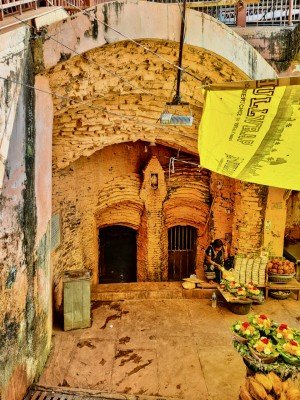
24 Avatars Group of Temples
Some quick example text to build on the card title and make up the bulk of the card's content.
Go somewhere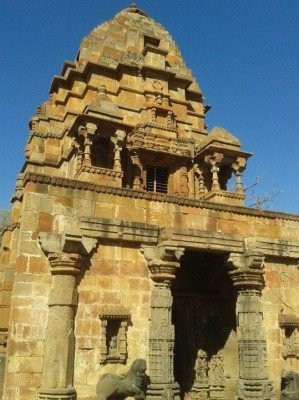
Abhay Ghat
Some quick example text to build on the card title and make up the bulk of the card's content.
Go somewhere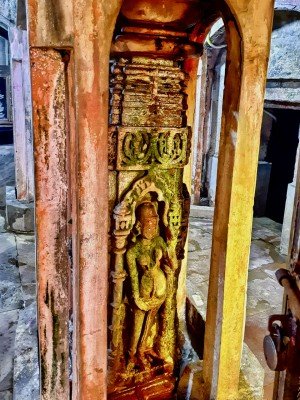
Adi Shankaracharya Statue Site
Some quick example text to build on the card title and make up the bulk of the card's content.
Go somewhere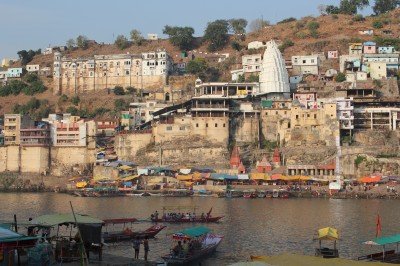
Ahilya Ghat
Some quick example text to build on the card title and make up the bulk of the card's content.
Go somewhere
Bapeshwar Temple
Some quick example text to build on the card title and make up the bulk of the card's content.
Go somewhere
Bhagwatpada Mandapam
Some quick example text to build on the card title and make up the bulk of the card's content.
Go somewhere
Brahmapuri
Some quick example text to build on the card title and make up the bulk of the card's content.
Go somewhere
Fanase Ghat
Some quick example text to build on the card title and make up the bulk of the card's content.
Go somewhere
Gauri Somnath Temple
Some quick example text to build on the card title and make up the bulk of the card's content.
Go somewhere
Gomukh Ghat
Some quick example text to build on the card title and make up the bulk of the card's content.
Go somewhere
Katar Baba Aasram
Some quick example text to build on the card title and make up the bulk of the card's content.
Go somewhere
Kedareshwar Temple
Some quick example text to build on the card title and make up the bulk of the card's content.
Go somewhere
Kotitirtha Ghat
Some quick example text to build on the card title and make up the bulk of the card's content.
Go somewhere
Mamleshwar Temple
Some quick example text to build on the card title and make up the bulk of the card's content.
Go somewhere
Mandhata Palace Ruins
Some quick example text to build on the card title and make up the bulk of the card's content.
Go somewhere
Narmada Kaveri Sangam
Some quick example text to build on the card title and make up the bulk of the card's content.
Go somewherein Other Cities