


Prayag Kumbh Mela Ground
General information
-
Ideal Duration:
3-5 Hours (During Mela):Place Type:
Religious Festival Ground:Entry Fees:
No General Entry Fee:There is no entry fee to the Kumbh Mela Ground or to the bathing ghats at the Triveni Sangam. The spiritual experience is free of charge and open to all, regardless of faith.
Cost of Services:
Read MoreNo General Entry Fee:There is no entry fee to the Kumbh Mela Ground or to the bathing ghats at the Triveni Sangam. The spiritual experience is free of charge and open to all, regardless of faith.
Cost of Services:
The only costs involved are for specific services: the fee for hiring a boat (Naav) to reach the exact confluence point (Sangam), the cost of hiring a priest (Panda) for performing specific rituals (puja), and the charges for renting accommodation/camps within the Mela ground.
Donations:Voluntary donations to the various religious camps and charitable organizations operating in the ground are highly encouraged but not mandatory. Any payments should be made with a clear understanding of the service being received:Timing:
Mela Duration:The Kumbh Mela and Magh Mela run for approximately 30 to 45 days during the January-March period, depending on the auspicious astrological dates. The grounds are only an active tourist spot during these months.
Ideal Visit Time:Mela Duration:The Kumbh Mela and Magh Mela run for approximately 30 to 45 days during the January-March period, depending on the auspicious astrological dates. The grounds are only an active tourist spot during these months.
Ideal Visit Time:The ideal visit time is on the most auspicious bathing days (Snan dates), especially the Shahi Snan days (like Makar Sankranti, Mauni Amavasya, Basant Panchami). However, for a less overwhelming experience, visit on any other non-peak day of the Mela.
Regular Timings:Outside of the Mela season, the ground is simply an empty riverbank, but the Triveni Sangam bathing area is accessible from 4:00 AM to 7:
00 PM daily:Special Events:
The Maha Kumbh Mela (Every 12 Years):The main, quadrennial event of international renown, attracting tens of millions of people for the most significant spiritual gathering on the planet. The next one is scheduled for 2025 (Maha Kumbh).
The Ard...The Maha Kumbh Mela (Every 12 Years):The main, quadrennial event of international renown, attracting tens of millions of people for the most significant spiritual gathering on the planet. The next one is scheduled for 2025 (Maha Kumbh).
The Ardh Kumbh Mela (Every 6 Years):A slightly smaller version of the main event, but still a massive pilgrimage attracting millions of devotees.
The Annual Magh Mela (Every Year):A smaller-scale, month-long annual fair held in the Hindu month of Magh (January/February), serving as the mini-Kumbh and a practice ground for the bigger Melas, offering a similar experience on a more manageable scale:Best Photo Spots:
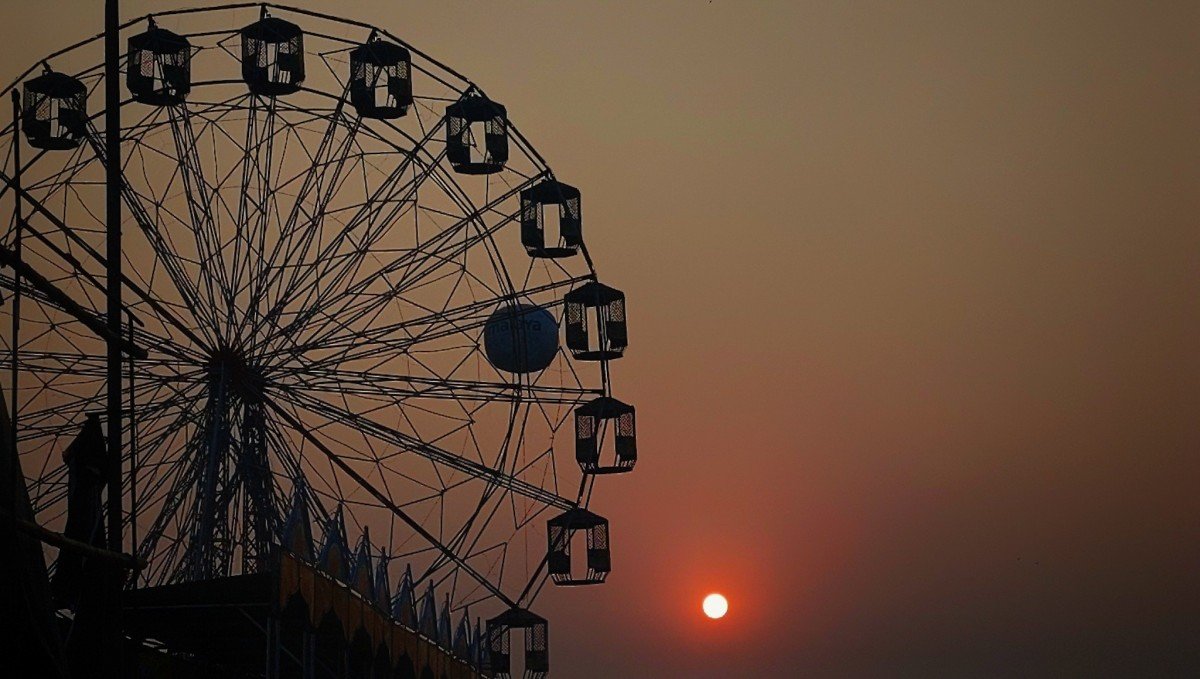
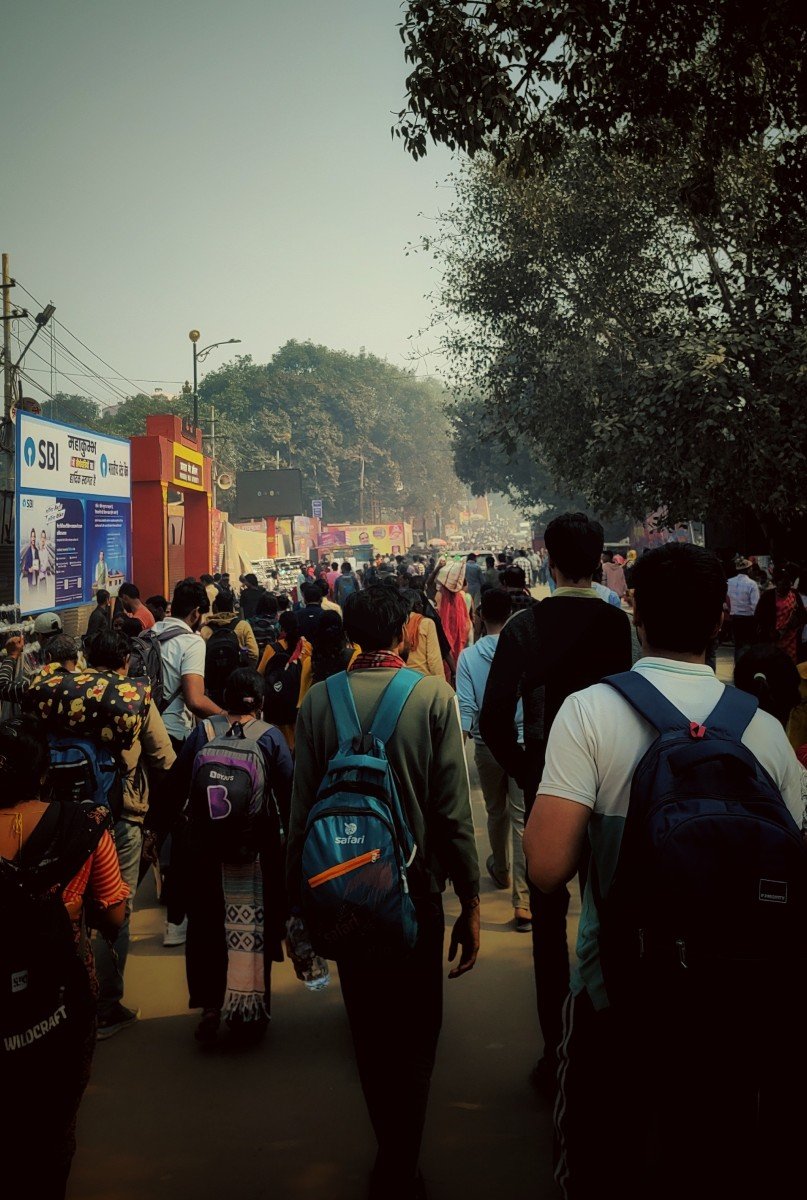
The Mass of Humanity:The ultimate photo spot is a high-angle view (from a nearby watchtower or a designated high point) to capture the breathtaking scale of the temporary city and the sheer mass of people gathered for the Shahi Snan.
Sadhus in P...The Mass of Humanity:The ultimate photo spot is a high-angle view (from a nearby watchtower or a designated high point) to capture the breathtaking scale of the temporary city and the sheer mass of people gathered for the Shahi Snan.
Sadhus in Procession:A close-up photograph of the Naga Sadhus during their majestic, dust-covered march to the Sangam, capturing the intensity of their spiritual fervor and their unique, ascetic appearance.
Illumination of Pontoon Bridges:The temporary pontoon bridges are beautifully lit at night, offering stunning shots of the glowing structures stretched over the dark river, framing the vast expanse of the tent city.
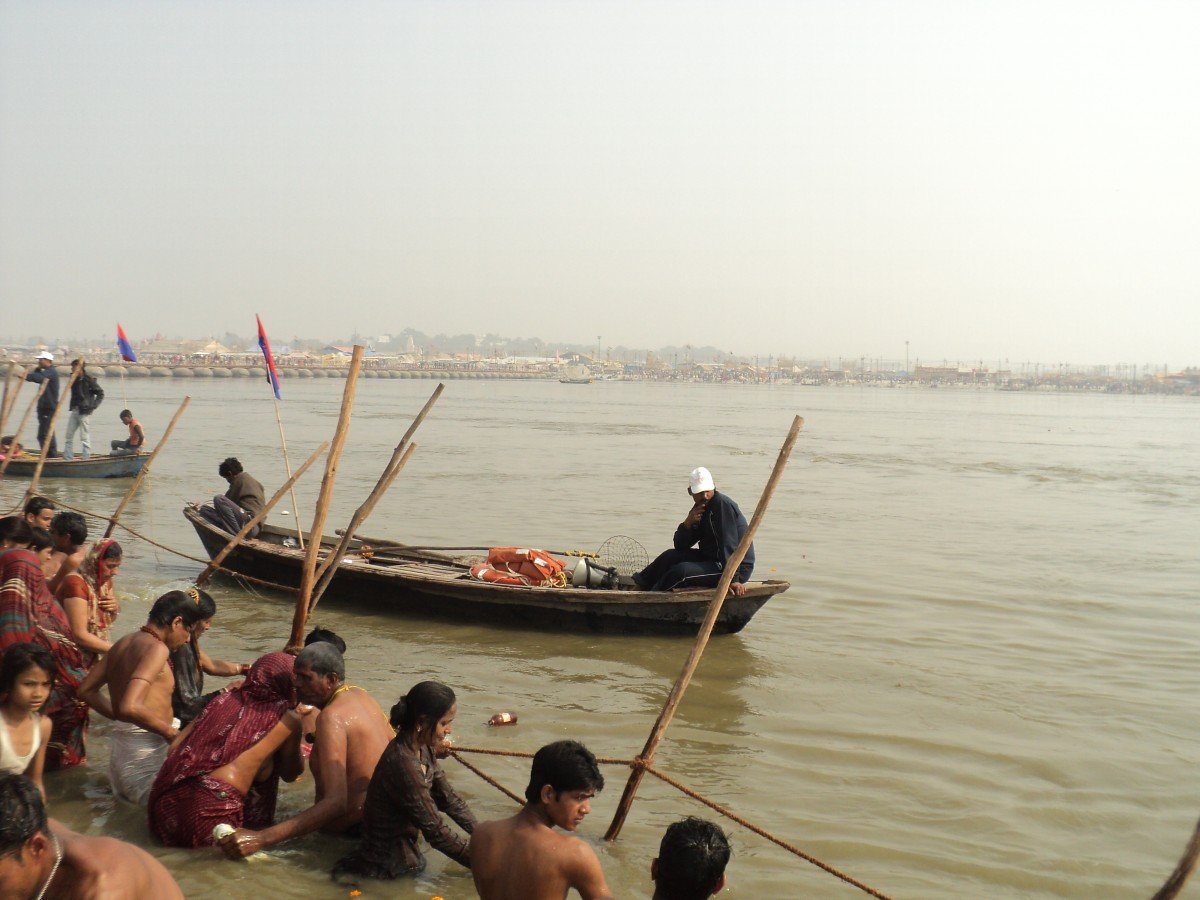
The Confluence Point:A boat-level shot at the Triveni Sangam where the two distinct colors of the Ganga (muddy) and the Yamuna (clearer/blue-green) meet, symbolizing the spiritual confluence:Photo Gallery

Things To Do
-
Take a Holy Dip (Snan):The foremost activity is taking a ritual bath (Snan) at the Triveni Sangam in the confluence of the holy rivers, believed to wash away sins and offer liberation. This is the central purpose of the visit during the Mela.
Witness the Shahi Snan Procession:If visiting on an auspicious bathing day, witness the magnificent and colorful processions of the Akharas (sects), especially the Naga Sadhus, marching to the river for the Shahi Snan. This is a spectacular, once-in-a-lifetime cultural event.
Attend Religious Discourses:Visit the various temporary camps of the spiritual leaders (Gurus) and sects to attend their religious discourses (Pravachan), yoga sessions, and philosophical debates, gaining spiritual knowledge.
Volunteer and Serve:Engag...Take a Holy Dip (Snan):The foremost activity is taking a ritual bath (Snan) at the Triveni Sangam in the confluence of the holy rivers, believed to wash away sins and offer liberation. This is the central purpose of the visit during the Mela.
Witness the Shahi Snan Procession:If visiting on an auspicious bathing day, witness the magnificent and colorful processions of the Akharas (sects), especially the Naga Sadhus, marching to the river for the Shahi Snan. This is a spectacular, once-in-a-lifetime cultural event.
Attend Religious Discourses:Visit the various temporary camps of the spiritual leaders (Gurus) and sects to attend their religious discourses (Pravachan), yoga sessions, and philosophical debates, gaining spiritual knowledge.
Volunteer and Serve:Engage in selfless service (Seva) by volunteering at the Langars (community kitchens) or health camps, which is a key spiritual practice at the Mela and offers an intimate view of the organization.
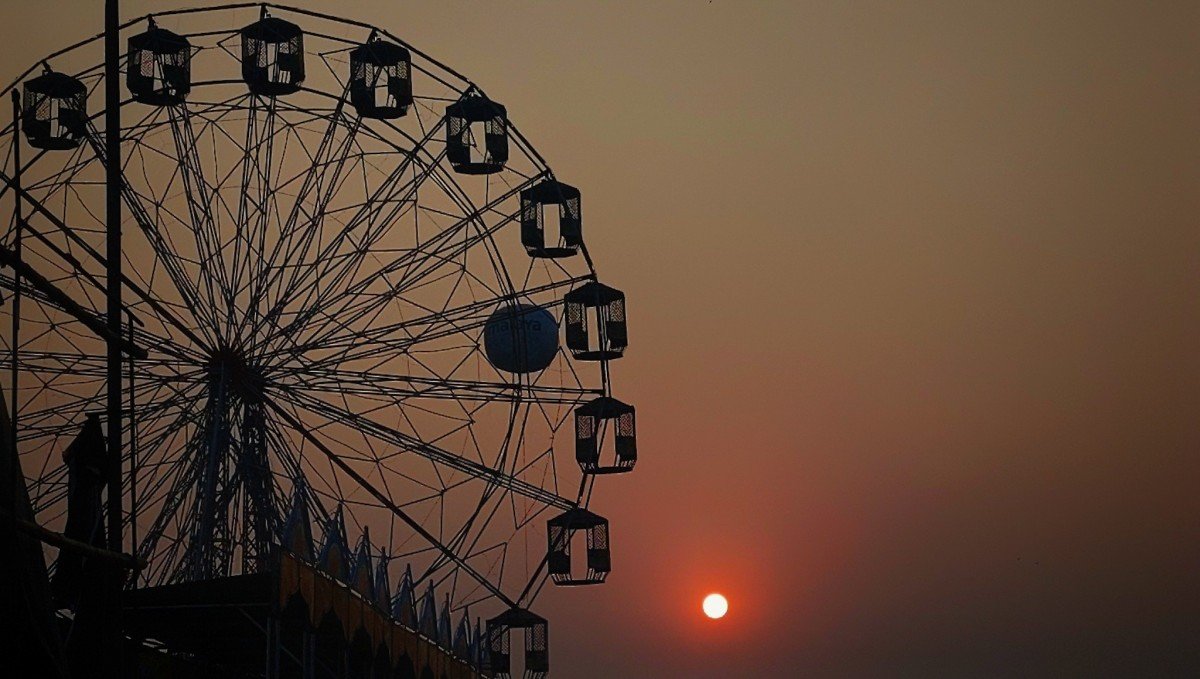
Explore the Temporary City:Walk through the vast grid of the temporary city, observing the different styles of the religious camps, the diverse array of pilgrims from all over India, and the functioning of the pop-up markets and administrative units.
Visit the Pontoon Bridges:Walk across the temporary pontoon bridges for a unique perspective of the river and the massive scale of the encampments on both banks.
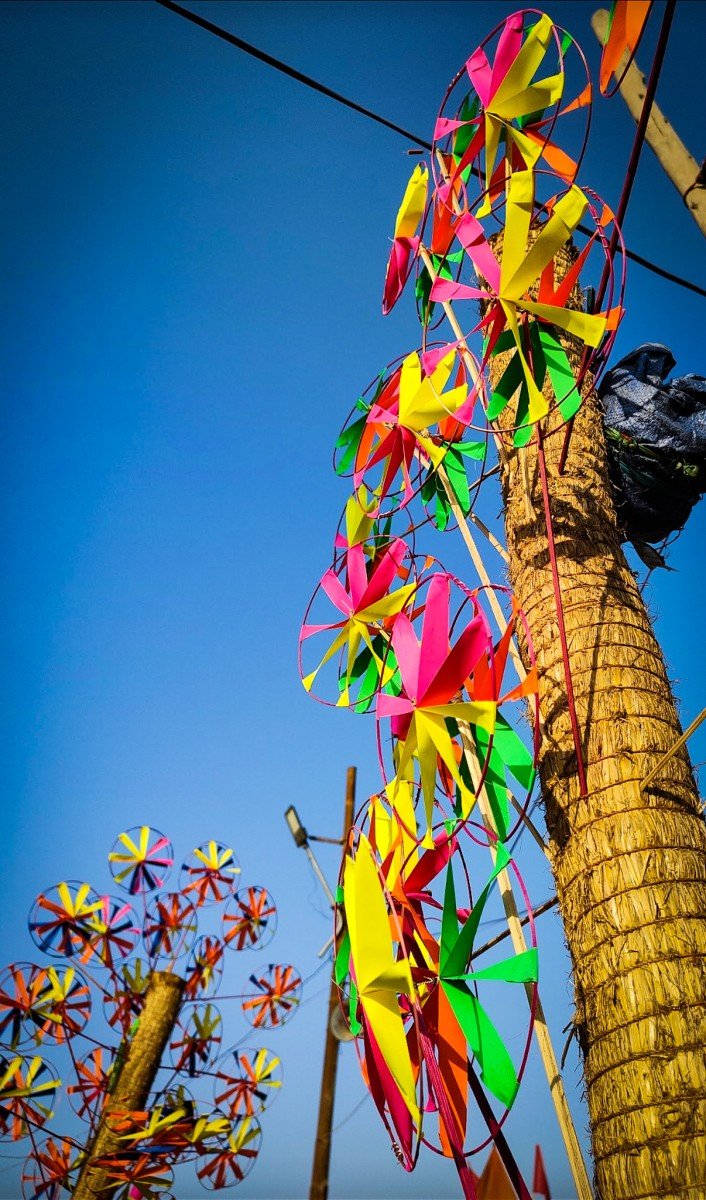
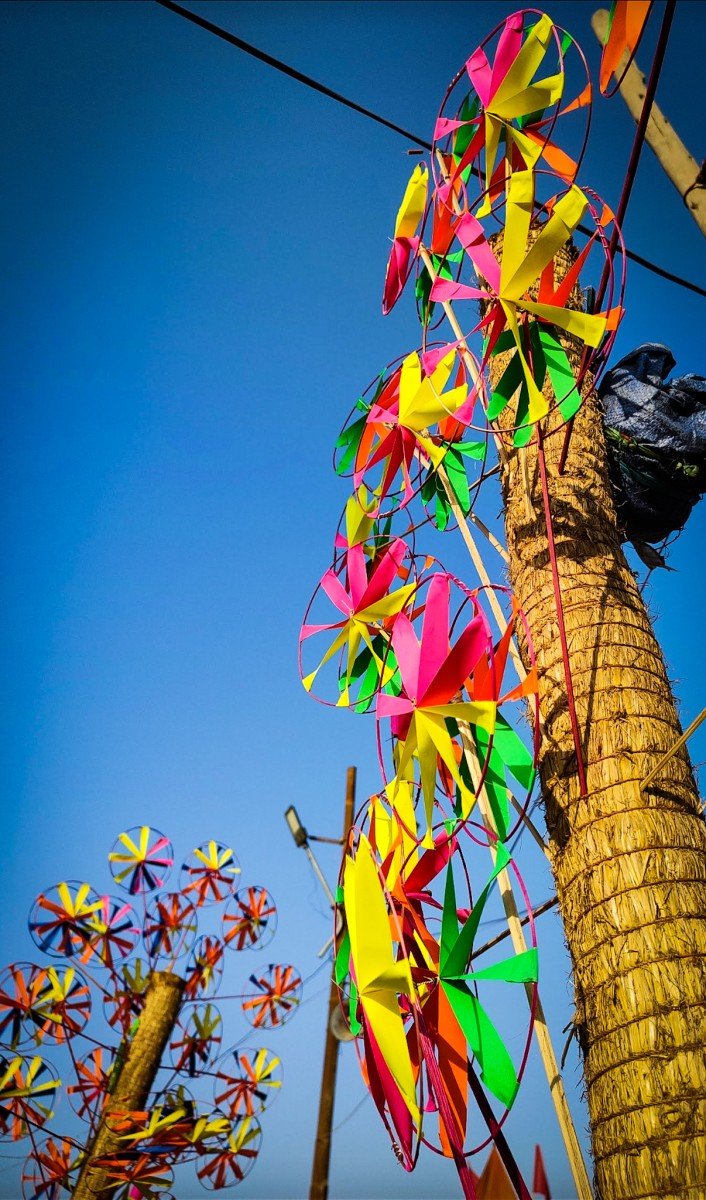
Capture the Mela Vibe:Engage in photography to capture the vibrant colors, the spiritual intensity of the devotees, the unique attire of the different sects, and the sheer density of the crowds, focusing on respectful, documentary-style shots.
Cultural Performances:Seek out the smaller stages and tents to enjoy traditional music, dance, and folk performances organized by the various cultural groups and organizations within the Mela:
Information
-
Why Famous:
The Largest Human Gathering:It is famous worldwide for hosting the Kumbh Mela, the largest peaceful congregation of people on Earth, a phenomenon of devotion recognized by Guinness World Records and UNESCO.
The Holy Shahi Snan:The site is th...The Largest Human Gathering:It is famous worldwide for hosting the Kumbh Mela, the largest peaceful congregation of people on Earth, a phenomenon of devotion recognized by Guinness World Records and UNESCO.
The Holy Shahi Snan:The site is the location for the sacred Shahi Snan (Royal Bath), where the various sects of Naga Sadhus and other Akharas march in grand, spectacular processions to take the first dip on the most auspicious day.
The Triveni Sangam:It is the land surrounding the confluence of the three holy rivers (Ganga, Yamuna, and the mythical Saraswati), making the land itself profoundly sanctified ground for Hindu pilgrims: -
Architecture:
Temporary City Planning:The architecture of the Kumbh Mela Ground is entirely temporary, a masterpiece of rapid, functional urban planning. The "architecture" consists of a massive grid of tented structures, temporary hospitals, food distribution centers, and administrative...Temporary City Planning:The architecture of the Kumbh Mela Ground is entirely temporary, a masterpiece of rapid, functional urban planning. The "architecture" consists of a massive grid of tented structures, temporary hospitals, food distribution centers, and administrative blocks, all laid out on the flat alluvial sands of the riverbank.
Engineering of Pontoon Bridges:A key architectural feature is the construction of dozens of temporary pontoon bridges over the Ganga and Yamuna rivers, designed to handle the heavy foot and vehicular traffic for the duration of the Mela. These bridges, made of steel pontoons and wooden planks, are a marvel of temporary civil engineering and are dismantled after the event.
Layout and Dimensions:The ground can cover an area of approximately 2,500 to 3,500 hectares (up to 8,600 acres), depending on the water levels, and is divided into sectors. The entire area is a functional city, designed for crowd management and public service, with the bathing ghats at the Sangam being the spiritual center: -
How To Reach:
By Air (Approx.
15-20 KMS):The nearest airport is Prayagraj Airport (IXD). During the Kumbh, special traffic arrangements are made, and dedicated pre-booked taxis or government shuttle services are the best way to reach the designated parking areas near the Mela gr...By Air (Approx.
15-20 KMS):The nearest airport is Prayagraj Airport (IXD). During the Kumbh, special traffic arrangements are made, and dedicated pre-booked taxis or government shuttle services are the best way to reach the designated parking areas near the Mela ground. By Train (Approx.
5-7 KMS):Prayagraj Junction (PRYJ) and Prayag Ghat (PRG) stations become the main hubs. Special Mela trains run. From the station, only designated local transport (mostly shared auto-rickshaws or special Mela buses/shuttles) is allowed close to the site.
By Road:Access by private vehicle is highly restricted during the Mela. It is best to use the government-run park-and-ride facilities from the city's outskirts. Roads are clearly marked with Mela routes.
By Local Transport:The Mela area is so vast that walking or using the internal shuttle/rickshaw services is the only way to navigate the grounds. A walk from the main road to the Sangam ghats can be several kilometers: -
Weather and Best Time to Visit:
Winter Season (January to March):This is the best and only time to visit the Mela Ground, as the events are specifically timed for the winter and spring months. The weather can be very chilly, with fog in the early mornings.
Summer/Monsoon:...Winter Season (January to March):This is the best and only time to visit the Mela Ground, as the events are specifically timed for the winter and spring months. The weather can be very chilly, with fog in the early mornings.
Summer/Monsoon:Outside of the Mela period, the ground is hot, empty, or submerged by the rising river, and is not a tourist destination.
Different Parts of the Day:The early morning (before 8:00 AM) is the most spiritual and active time, with the Sadhus and pilgrims performing their first rituals and baths, offering the best atmosphere for the visit: -
Near Tourist Places:
Triveni Sangam (0 KMS), Bade Hanumanji Temple (1 KMS), Patalpuri Temple/Fort (1. 5 KMS), Minto Park (3 KMS), Swaraj Bhavan (7 KMS), Anand Bhavan (7 KMS), Khusro Bagh (6 KMS), Nagvasuki Temple (2. 5 KMS), Shri Adi Shankar Vimana Mandapam (0.
5 KMS), Saraswati Ghat (4 KMS):
Tourism Tips
-
Health & Safety:Be prepared for massive crowds. Have a designated meeting point with your group. Carry a copy of your ID. Be cautious when bathing in the river; always use the roped-off areas and follow the instructions of the water safety personnel.
Read MoreHealth & Safety:Be prepared for massive crowds. Have a designated meeting point with your group. Carry a copy of your ID. Be cautious when bathing in the river; always use the roped-off areas and follow the instructions of the water safety personnel.
Packing Essentials:Warm clothing is mandatory, especially for the pre-dawn hours of January/February. Pack a strong, lockable bag to secure valuables. Sanitizer and a small towel are essential.
Accommodation:Accommodation must be booked well in advance, whether it's a luxury hotel in Civil Lines or a tent camp within the Mela ground. The latter offers the most authentic experience.
Other Important Tips:Never rush, always move slowly with the crowd flow. Be respectful of the Naga Sadhus and their privacy; always ask permission before taking a photograph. Use the official Mela map and information centers provided by the administration:Reviews
FAQs
Prayagraj Itineray And Cost:-
Prayag Kumbh Mela Ground Tourism:-
Other Places In Prayagraj :-
Other States In India :-
Information about New and Updated Locations() of Uttar Pradesh Has Been Added :-
Card subtitle
Note:-
Information provided here in good Faith and for reference only.
Near Places
Akshayavat
Some quick example text to build on the card title and make up the bulk of the card's content.
Go somewhere
All Saints Cathedral
Some quick example text to build on the card title and make up the bulk of the card's content.
Go somewhere
Allahabad Fort
Some quick example text to build on the card title and make up the bulk of the card's content.
Go somewhere
Allahabad High Court
Some quick example text to build on the card title and make up the bulk of the card's content.
Go somewhere
Allahabad Museum
Some quick example text to build on the card title and make up the bulk of the card's content.
Go somewhere
Allahabad Pillar
Some quick example text to build on the card title and make up the bulk of the card's content.
Go somewhere
Alopi Devi Mandir
Some quick example text to build on the card title and make up the bulk of the card's content.
Go somewhere
Anand Bhavan
Some quick example text to build on the card title and make up the bulk of the card's content.
Go somewhere
Bade Hanuman Ji Temple
Some quick example text to build on the card title and make up the bulk of the card's content.
Go somewhere
Chandra Shekhar Azad Park
Some quick example text to build on the card title and make up the bulk of the card's content.
Go somewhere
Clock Tower
Some quick example text to build on the card title and make up the bulk of the card's content.
Go somewhere
Jawahar Planetarium
Some quick example text to build on the card title and make up the bulk of the card's content.
Go somewhere
Kalyani Devi Temple
Some quick example text to build on the card title and make up the bulk of the card's content.
Go somewhere
Khusro Bagh
Some quick example text to build on the card title and make up the bulk of the card's content.
Go somewhere
Law Museum & Archives
Some quick example text to build on the card title and make up the bulk of the card's content.
Go somewhere
Mankameshwar Temple
Some quick example text to build on the card title and make up the bulk of the card's content.
Go somewherein Other Cities