

Nagvasuki Temple
General information
-
Ideal Duration:
1-2 Hours:Place Type:
Pilgrimage/Historical Temple:Entry Fees:
General Entry and Darshan Fees:The entry to the Nagvasuki Temple for general Darshan (viewing and worship) is absolutely free of charge for all devotees and tourists, reflecting the inclusive nature of Hindu pilgrimage sites.
Fees for Special Ri...General Entry and Darshan Fees:The entry to the Nagvasuki Temple for general Darshan (viewing and worship) is absolutely free of charge for all devotees and tourists, reflecting the inclusive nature of Hindu pilgrimage sites.
Fees for Special Rituals:While entry is free, fees are involved for specific religious services. Devotees wishing to perform a special puja, such as the ritual for Kaal Sarp Dosh removal, will need to pay the priest (Purohit) for the necessary materials, offerings (Prasad), and their time and service. These fees are variable and negotiated with the individual priest.
Donations and Temple Maintenance:Visitors are strongly encouraged to offer voluntary donations for the maintenance and upkeep of the ancient temple structure. Donation boxes are placed conveniently, and receipts can be obtained for larger amounts. There are no mandatory charges for simply viewing the temple's architecture and history. The cost is primarily tied to the level of religious service sought by the pilgrim:Timing:
Regular Darshan Timings:The temple is generally open for Darshan from approximately 5:30 AM in the morning until 10:00 PM at night daily. There may be a brief closure period in the early afternoon, typically between 12:00 PM and 3:00 PM, for a break and offerings to the dei...Regular Darshan Timings:The temple is generally open for Darshan from approximately 5:30 AM in the morning until 10:00 PM at night daily. There may be a brief closure period in the early afternoon, typically between 12:00 PM and 3:00 PM, for a break and offerings to the deity (Bhog). Visitors should check local listings for the exact timing of the closing and reopening.
Ideal Visit Time:The ideal visit time is early in the morning, around 6:00 AM to 8:00 AM, for a peaceful and less crowded experience, allowing for tranquil reflection and better photography of the sunrise over the river. The evening Aarti time, around 7:00 PM, also offers a very spiritual and picturesque atmosphere.
Festival Timings:During the annual Nag Panchami festival, the temple is open almost continuously for extended hours due to the massive crowds, with timings often beginning much earlier and ending much later than usual:Special Events:
The Annual Nag Panchami Festival:The most significant event is the annual Nag Panchami festival, celebrated on the fifth day of the bright fortnight of the lunar Shravan month (typically July/August). On this day, the temple attracts millions of devotees who observe fasts, ...The Annual Nag Panchami Festival:The most significant event is the annual Nag Panchami festival, celebrated on the fifth day of the bright fortnight of the lunar Shravan month (typically July/August). On this day, the temple attracts millions of devotees who observe fasts, offer milk, rice, and flowers, and perform special rituals to appease Lord Vasuki for protection against snake bites and for the removal of Kaal Sarp Dosh. A large, vibrant fair is organized near the temple grounds.
Morning and Evening Aarti:Daily, the temple observes special, devotional Aarti ceremonies, particularly the morning Mangala Aarti and the evening Sandhya Aarti. These rituals involve devotional singing, the ringing of bells, and the waving of lamps, providing a deeply spiritual and sensory experience for all attendees:Best Photo Spots:
Riverbank Sunrise View:The best photo spot is from the river side or the ghat steps during the morning sunrise, capturing the temple's reflection in the waters of the Ganga River, with the golden light bathing the ancient Shikhara.
Intricate Car...Riverbank Sunrise View:The best photo spot is from the river side or the ghat steps during the morning sunrise, capturing the temple's reflection in the waters of the Ganga River, with the golden light bathing the ancient Shikhara.
Intricate Carvings on the Entrance:A close-up shot of the main entrance archway, focusing on the detailed medieval-style carvings of the Panchmukhi (five-hooded) Vasuki and other mythological figures, perfectly showcases the temple's art and architecture.
The Reclining Bhishma Statue:The hidden chamber housing the unique reclining statue of Bhishma Pitamah offers a distinct photographic subject, highlighting the lesser-known historical and religious connections of the site.
Panoramic Ghat View:A wider shot taken from a slight distance along the Daraganj Ghat path, capturing the entire temple complex, the adjacent ghat steps, and the serene flowing Ganga River, is ideal for a comprehensive, scenic view:Photo Gallery
Things To Do
-
Attend the Ganga Aarti:Experience the mesmerizing evening Ganga Aarti performed at the adjacent ghats, a spiritual ceremony involving lamps, chants, and music, providing a serene backdrop for reflection on the holy river.
Seek Darshan and Blessings:Participate in the ritual worship of Lord Vasuki, offering milk and flowers, and observe the specific rituals for seeking relief from Kaal Sarp Dosh; consult a local priest (Purohit) for guidance on performing the authentic puja and rituals.
Explore the Daraganj Area:Take a heritage walk through the old, narrow lanes of the Daraganj area. This part of Prayagraj is one of the oldest, maintaining its traditional architecture, and offers a glimpse into the local, non-touristy life of a riverine city. Discover small, ancient, and often hidden shrines tu...Attend the Ganga Aarti:Experience the mesmerizing evening Ganga Aarti performed at the adjacent ghats, a spiritual ceremony involving lamps, chants, and music, providing a serene backdrop for reflection on the holy river.
Seek Darshan and Blessings:Participate in the ritual worship of Lord Vasuki, offering milk and flowers, and observe the specific rituals for seeking relief from Kaal Sarp Dosh; consult a local priest (Purohit) for guidance on performing the authentic puja and rituals.
Explore the Daraganj Area:Take a heritage walk through the old, narrow lanes of the Daraganj area. This part of Prayagraj is one of the oldest, maintaining its traditional architecture, and offers a glimpse into the local, non-touristy life of a riverine city. Discover small, ancient, and often hidden shrines tucked away in the residential areas.
Witness the Bhishma Pitamah Idol:Spend time observing the rare reclining statue of Bhishma Pitamah, appreciating its uniqueness and the story it represents from the Mahabharata epic. This is a point of historical and mythological exploration.
Capture the Riverbank Scenery:The temple is perched right on the riverbank, providing excellent, unobstructed views of the Ganga. Capture the contrast between the ancient temple structure and the flowing river, especially during sunrise or sunset, when the light is soft.
Visit During Nag Panchami:If possible, plan your visit during the annual Nag Panchami festival (usually in the July or August month of the Shravan lunar month) to witness the grand fair, the massive influx of devotees, and the elaborate rituals and processions dedicated to the serpent god.
Meditation and Reflection:The calm atmosphere of the temple, especially during off-peak hours, makes it an ideal spot for quiet meditation and spiritual reflection, away from the hustle and bustle of the main city and the Triveni Sangam area:
Information
-
Why Famous:
Mythological Importance:It is famous as the place where Lord Vasuki, the serpent king, rested after the Samudra Manthan, linking it directly to one of the most significant events in Hindu cosmology and establishing its antiquity as a Naghrid TRs.rtha.
Read MoreMythological Importance:It is famous as the place where Lord Vasuki, the serpent king, rested after the Samudra Manthan, linking it directly to one of the most significant events in Hindu cosmology and establishing its antiquity as a Naghrid TRs.rtha.
The Protector of Prayagraj:Legend holds that the deity successfully resisted the destruction attempts of Aurangzeb, becoming a symbol of divine preservation and the protector of Prayagraj. It is one of the few prominent temples dedicated solely to the worship of a serpent deity.
Astrological Significance:It is a highly sought-after pilgrimage spot for performing rituals to alleviate Kaal Sarp Dosh, attracting devotees from across the globe who seek relief from this specific astrological affliction:Architecture:
Architectural Style and Materials:The Nagvasuki Temple exemplifies the traditional medieval Hindu architectural style, often categorized as the Vesara style, which is a hybrid of Nagara (North Indian) and Dravida (South Indian) styles. The structure predominantly uses stone...Architectural Style and Materials:The Nagvasuki Temple exemplifies the traditional medieval Hindu architectural style, often categorized as the Vesara style, which is a hybrid of Nagara (North Indian) and Dravida (South Indian) styles. The structure predominantly uses stone, with the current iteration being an 18th-century Maratha restoration. The architecture features intricate carvings, a grand entrance, and a pyramidal roof (Shikhara) over the main sanctum, reflecting the regional temple construction methods.
Dimensions and Layout:The temple is not monumental in size but is rich in detail. Its layout includes a main hall (Mandapam) and a central sanctum sanctorum (Garbhagriha) where the main idol of Lord Vasuki resides. The entrance is adorned with traditional Hindu motifs like lotuses, elephants, and conch shells. The inner sanctum's dimensions are relatively small, focusing attention entirely on the five-hooded black stone idol. The complex incorporates smaller shrines dedicated to other deities, such as Lord Shiva, Ganesha, and Parvati, within its courtyard, maximizing the spiritual space on the riverbank:How To Reach:
By Air (Approx.
20 KMS):The nearest major airport is Prayagraj Airport (IXD), also known as Bamrauli Airport. From the airport, visitors can hire a prepaid taxi or use ride-sharing services to reach the temple. The drive usually takes about 45 minutes to 1 hour. ...By Air (Approx.
20 KMS):The nearest major airport is Prayagraj Airport (IXD), also known as Bamrauli Airport. From the airport, visitors can hire a prepaid taxi or use ride-sharing services to reach the temple. The drive usually takes about 45 minutes to 1 hour. By Train (Approx.
7 KMS):The city is extremely well-connected by rail. The main station is Prayagraj Junction (PRYJ), and another nearby station is Prayag Ghat (PRG). From these stations, the temple is easily accessible via auto-rickshaws, e-rickshaws, or cycle-rickshaws, which are readily available and operate late into the evening.
By Road:The temple is located near the Ganga riverbank in the old Daraganj area. It can be reached by car or hired taxi from any part of Prayagraj. Parking is usually available on the street or in nearby designated areas, but space can be limited, especially during major festivals like Nag Panchami.
By Local Transport:The most common and efficient local transport options are auto-rickshaws and the quieter, pollution-free e-rickshaws. Due to the temple's location in a congested old city area, local transport is often the best choice for the final leg of the journey:Weather and Best Time to Visit:
Winter Season (October to March):This is the best time to visit. The weather is cool and pleasant, with temperatures ranging from 10°C to 25°C. It is ideal for sightseeing, comfortable Darshan, and enjoying boat rides on the river.
Summer Se...Winter Season (October to March):This is the best time to visit. The weather is cool and pleasant, with temperatures ranging from 10°C to 25°C. It is ideal for sightseeing, comfortable Darshan, and enjoying boat rides on the river.
Summer Season (April to June):The summer is extremely hot, with temperatures often soaring above 40°C. It is advisable to visit only during the early morning or late evening to avoid heat exhaustion and the intense sunlight.
Monsoon Season (July to September):The monsoon brings moderate to heavy rainfall. While the river environment is lush, the ghat steps can be slippery, and water levels are high, which may affect boat access. However, this is when Nag Panchami often falls, making it a crowded, festive, and spiritually charged time.
Different Parts of the Day:The early morning (Sunrise) and late evening (Sunset) are the ideal times daily. The midday sun is too harsh for an outdoor location like a river ghat:Near Tourist Places:
Triveni Sangam (2. 5 KMS), Patalpuri Temple/Prayagraj Fort (3 KMS), Bade Hanumanji Temple (2. 5 KMS), Akshayavat (3 KMS, inside the Fort), Mankameshwar Temple (7 KMS), Alopi Devi Temple (8 KMS), Khusro Bagh (8 KMS), Anand Bhavan (10 KMS), Swaraj Bhavan (10 KMS), New Yamuna Bridge (12 KMS):Tourism Tips
-
Health & Safety:Carry a small first-aid kit, especially in the crowded areas. Drink only bottled water. Be cautious of uneven or wet steps along the ghats. During Nag Panchami, manage crowds carefully and keep children close.
Packing Essentia...Health & Safety:Carry a small first-aid kit, especially in the crowded areas. Drink only bottled water. Be cautious of uneven or wet steps along the ghats. During Nag Panchami, manage crowds carefully and keep children close.
Packing Essentials:Wear modest attire as a sign of respect, especially inside the temple (shoulders and knees covered). Comfortable, slip-on footwear is recommended for easy removal before entering the temple and walking along the ghats. Carry sun protection (hat, sunglasses) and mosquito repellent for the evening visits near the river.
Accommodation:For a quieter stay, consider hotels in the Civil Lines area, which is the modern hub and better connected. For a more traditional, spiritual experience, look for guesthouses in the older city areas closer to the ghats like Daraganj or Kydganj. Book well in advance, particularly during the Magh or Kumbh Mela.
Other Important Tips:Bargain respectfully with auto-rickshaw drivers and local vendors. Be mindful of your belongings, especially in crowded temple areas and on the ghats. Do not accept food or drink from strangers. Always confirm the price before engaging any priest for a special puja:
Reviews
FAQs
Prayagraj Itineray And Cost:-
Nagvasuki Temple Tourism:-
Other Places In Prayagraj :-
Other States In India :-
Information about New and Updated Locations() of Uttar Pradesh Has Been Added :-
Card subtitle
Note:-
Information provided here in good Faith and for reference only.
Near Places
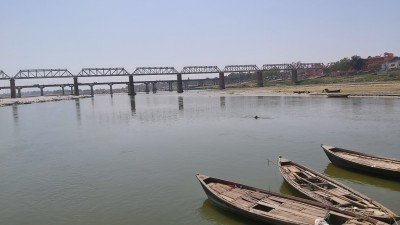
Akshayavat
Some quick example text to build on the card title and make up the bulk of the card's content.
Go somewhere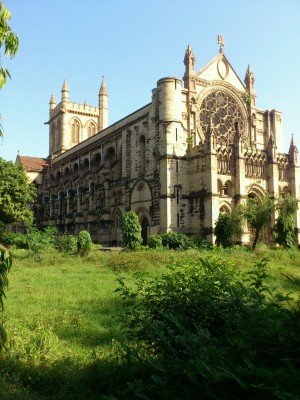
All Saints Cathedral
Some quick example text to build on the card title and make up the bulk of the card's content.
Go somewhere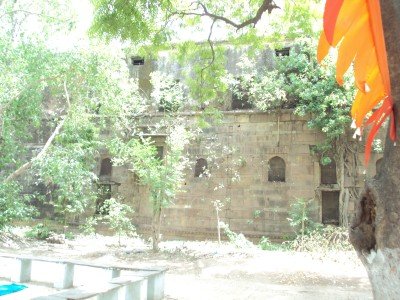
Allahabad Fort
Some quick example text to build on the card title and make up the bulk of the card's content.
Go somewhere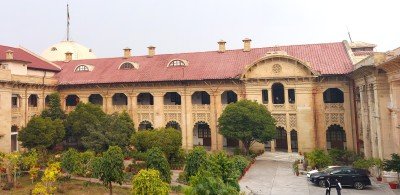
Allahabad High Court
Some quick example text to build on the card title and make up the bulk of the card's content.
Go somewhere
Allahabad Museum
Some quick example text to build on the card title and make up the bulk of the card's content.
Go somewhere
Allahabad Pillar
Some quick example text to build on the card title and make up the bulk of the card's content.
Go somewhere
Alopi Devi Mandir
Some quick example text to build on the card title and make up the bulk of the card's content.
Go somewhere
Anand Bhavan
Some quick example text to build on the card title and make up the bulk of the card's content.
Go somewhere
Bade Hanuman Ji Temple
Some quick example text to build on the card title and make up the bulk of the card's content.
Go somewhere
Chandra Shekhar Azad Park
Some quick example text to build on the card title and make up the bulk of the card's content.
Go somewhere
Clock Tower
Some quick example text to build on the card title and make up the bulk of the card's content.
Go somewhere
Jawahar Planetarium
Some quick example text to build on the card title and make up the bulk of the card's content.
Go somewhere
Kalyani Devi Temple
Some quick example text to build on the card title and make up the bulk of the card's content.
Go somewhere
Khusro Bagh
Some quick example text to build on the card title and make up the bulk of the card's content.
Go somewhere
Law Museum & Archives
Some quick example text to build on the card title and make up the bulk of the card's content.
Go somewhere
Mankameshwar Temple
Some quick example text to build on the card title and make up the bulk of the card's content.
Go somewherein Other Cities