

Patalpuri Temple
General information
-
Ideal Duration:
1.
5-2 Hours:Place Type:
Ancient Temple/Religious Site:Entry Fees:
Fort Entry Fee:Visitors must pay a nominal entry fee to the Prayagraj Fort complex, which grants access to the Patalpuri Temple, the Akshayavat, and the Ashoka Pillar. This fee is typically low (e. g. , around Rs.25 to Rs.50 for Indian citizens, higher for foreign tourists, sub...Fort Entry Fee:Visitors must pay a nominal entry fee to the Prayagraj Fort complex, which grants access to the Patalpuri Temple, the Akshayavat, and the Ashoka Pillar. This fee is typically low (e. g. , around Rs.25 to Rs.50 for Indian citizens, higher for foreign tourists, subject to ASI revisions).
Photography and Videography Fees:Standard photography with a handheld camera is usually included in the entry fee, but professional cameras, drones, or video cameras often require a separate, higher fee.
Guide Fees:Hiring an authorized, local guide for an in-depth tour of the fort and the temple is highly recommended and involves a separate fee, which should be agreed upon beforehand with the guide. The fees are standardized and mandatory for entry into the fort as it is an ASI site and a restricted military area:Timing:
Regular Timings:The temple and Prayagraj Fort generally adhere to the same timings, which are approximately 7:00 AM in the morning to 6:00 PM in the evening, daily. These timings can vary seasonally and are strictly enforced due to the fort being a military base.Regular Timings:The temple and Prayagraj Fort generally adhere to the same timings, which are approximately 7:00 AM in the morning to 6:00 PM in the evening, daily. These timings can vary seasonally and are strictly enforced due to the fort being a military base.
Ideal Visit Time:The ideal visit time is the early morning (around 8:00 AM) to avoid the peak crowds and the intense midday heat, especially for the above-ground portion of the fort exploration. The evening also offers a quieter visit, but you must ensure you are out by the strict 6:00 PM closing time.
Kumbh Mela Timings:During the Magh or Kumbh Mela, the timings are often extended, and access is managed differently to handle the massive influx of pilgrims, sometimes opening much earlier:Special Events:
The Magh Mela and Kumbh Mela:The temple's importance surges during the annual Magh Mela and the quadrennial/duodecennial Kumbh Mela. Pilgrims consider a visit to Patalpuri and the Akshayavat essential after their holy dip at the Triveni Sangam. The temple's access and the ...The Magh Mela and Kumbh Mela:The temple's importance surges during the annual Magh Mela and the quadrennial/duodecennial Kumbh Mela. Pilgrims consider a visit to Patalpuri and the Akshayavat essential after their holy dip at the Triveni Sangam. The temple's access and the surrounding area become an intense hub of religious activity during these January-March periods.
Fort-related Public Ceremonies:Occasionally, the fort premises host public ceremonies, military displays, or cultural events organized by the ASI or the military, especially on national holidays, which can offer an added, unique experience for visitors:Best Photo Spots:
The Underground Chambers:Capture the atmospheric, dim, and mysterious feel of the subterranean hallways, focusing on the lighting and the texture of the ancient walls and stone carvings to convey the "netherworld" feeling.
The Shrine of the Aksh...The Underground Chambers:Capture the atmospheric, dim, and mysterious feel of the subterranean hallways, focusing on the lighting and the texture of the ancient walls and stone carvings to convey the "netherworld" feeling.
The Shrine of the Akshayavat:Take a respectful photograph of the guarded area of the Akshayavat roots, emphasizing its spiritual centrality within the complex.
Akbar's Imposing Wall:A photo showcasing the external wall and gate of the Prayagraj Fort that houses the temple, highlighting the scale of the Mughal architecture that envelops the ancient Hindu shrine.
Panoramic Sangam View:Use a wide-angle shot from the fort's high vantage point to capture the full panorama of the Triveni Sangam confluence, the riverbanks, and the temporary tent city during the Mela season:Photo Gallery
Things To Do
-
Seek Darshan of the Akshayavat:The primary activity is to seek the blessing (Darshan) of the Akshayavat (the Immortal Banyan Tree) and the other deities within the subterranean shrines, offering prayers for longevity and liberation.
Explore the Prayagraj Fort:Since the temple is inside the fort, take time to explore the remaining accessible parts of the large Mughal fortress, including the imposing walls, the grand gates, and the Ashoka Pillar (a pillar dating back to the 3rd century BCE).
Visit the Bade Hanumanji Temple:Immediately outside the fort complex entrance is the famous Bade Hanumanji Temple (The Reclining Hanuman Temple), which is a must-visit for its unique reclining idol.
Witness the Sangam View:Walk to the fort's strategic viewing points to get a ma...Seek Darshan of the Akshayavat:The primary activity is to seek the blessing (Darshan) of the Akshayavat (the Immortal Banyan Tree) and the other deities within the subterranean shrines, offering prayers for longevity and liberation.
Explore the Prayagraj Fort:Since the temple is inside the fort, take time to explore the remaining accessible parts of the large Mughal fortress, including the imposing walls, the grand gates, and the Ashoka Pillar (a pillar dating back to the 3rd century BCE).
Visit the Bade Hanumanji Temple:Immediately outside the fort complex entrance is the famous Bade Hanumanji Temple (The Reclining Hanuman Temple), which is a must-visit for its unique reclining idol.
Witness the Sangam View:Walk to the fort's strategic viewing points to get a magnificent, panoramic view of the Triveni Sangam confluence, seeing the distinct muddy brown of the Ganga and the clearer blue-green of the Yamuna meeting.
Learn the History:Hire a local, authorized guide to explain the complex history of the temple, the Akshayavat, the Mughal occupation, and the military's role in the fort's current function, merging the spiritual narrative with the historical facts.
Participate in Rituals:Devotees often perform small rituals (puja) and offer flowers and lamps at the underground shrines, a powerful spiritual experience in the unique, dim environment of the temple chambers.
Photography of the Architecture:Focus on the contrast between the ancient Hindu temple chambers and the massive Mughal brickwork of the surrounding fort, capturing the layers of history:
Information
-
Why Famous:
Location Within a Military Fort:It is uniquely famous for being one of the few ancient temples located inside a massive, active, and strategically important military fort (Prayagraj Fort), built by Emperor Akbar.
The Akshayavat Legend:It is ...Location Within a Military Fort:It is uniquely famous for being one of the few ancient temples located inside a massive, active, and strategically important military fort (Prayagraj Fort), built by Emperor Akbar.
The Akshayavat Legend:It is the site of the sacred, Immortal Banyan Tree (Akshayavat), a central mythological symbol of survival, eternity, and the universe within Hindu cosmology.
Gateway to the Netherworld:The temple's name and underground nature are famous for the spiritual belief that it serves as the gateway to the Patal (netherworld), drawing pilgrims seeking spiritual purification and moksha (liberation): -
Architecture:
Subterranean Temple Structure:The architecture is unique due to its underground setting within the fortifications of the Mughal-era Prayagraj Fort. The temple itself features a sequence of subterranean tunnels and chambers carved out of the earth, which are secured and main...Subterranean Temple Structure:The architecture is unique due to its underground setting within the fortifications of the Mughal-era Prayagraj Fort. The temple itself features a sequence of subterranean tunnels and chambers carved out of the earth, which are secured and maintained by the ASI. The structure is primarily composed of stone and brickwork, characteristic of ancient Hindu cave temples, repurposed and secured within the later Mughal structure.
Layout and Dimensions:The temple's layout involves walking down a set of stairs into a series of dim, low-ceilinged hallways that connect the various small shrines. It houses idols of various deities, including Lord Vishnu, Goddess Durga, and Lord Ganesha. The most significant part is the shrine dedicated to the roots of the Akshayavat, which is secured behind a grate. The overall atmosphere is cavernous and spiritually intense, with lighting and ventilation managed for visitor comfort within the historical constraints: -
How To Reach:
By Air (Approx. 1
5 KMS):The nearest airport is Prayagraj Airport (IXD). A prepaid taxi or ride-share is the most straightforward option to reach the fort entrance. By Train (Approx. 3.
5 KMS):The closest major station is Prayagraj...By Air (Approx. 1
5 KMS):The nearest airport is Prayagraj Airport (IXD). A prepaid taxi or ride-share is the most straightforward option to reach the fort entrance. By Train (Approx. 3.
5 KMS):The closest major station is Prayagraj Junction (PRYJ). From there, the fort is a short auto-rickshaw or e-rickshaw ride. The road near the fort can be congested, so walking the last few hundred meters may be faster.
By Road:The fort is easily accessible by car or taxi, but parking near the entrance is strictly regulated and limited, especially during festival seasons. It is located at the southern tip of the city, near the confluence of the rivers.
By Local Transport:Auto-rickshaws and e-rickshaws are the best local way to reach the vicinity. Due to security and traffic, vehicles cannot enter the fort complex itself, so be prepared for a short walk after being dropped off at the main gate. The fort is within walking distance of the main Triveni Sangam bathing area: -
Weather and Best Time to Visit:
Winter Season (October to March):This is the best time to visit. The cool and pleasant weather makes the exploration of the large, open Prayagraj Fort complex comfortable and enjoyable for a longer duration.
Summer Season (April to June):Th...Winter Season (October to March):This is the best time to visit. The cool and pleasant weather makes the exploration of the large, open Prayagraj Fort complex comfortable and enjoyable for a longer duration.
Summer Season (April to June):The intense heat makes a mid-day visit very difficult. If visiting, restrict it to the very early morning to avoid the heat, as the underground temple provides little relief from the high temperature of the stone structure above.
Monsoon Season (July to September):The moderate monsoon can be a good time, but the fort's grounds can become muddy, and the humidity is high.
Different Parts of the Day:The early morning is the ideal daily visit time, ensuring a peaceful experience before the crowds and the heat build-up: -
Near Tourist Places:
Triveni Sangam (1 KMS), Bade Hanumanji Temple (0. 5 KMS), Ashoka Pillar (Inside Fort), Khusro Bagh (4 KMS), Swaraj Bhavan (5 KMS), Anand Bhavan (5 KMS), Allahabad Museum (4 KMS), Minto Park (2 KMS), Saraswati Ghat (3.
5 KMS), Nagvasuki Temple (3 KMS):
Tourism Tips
-
Health & Safety:The fort is a functioning military base; visitors must strictly adhere to all security rules and signs, including "No Photography" zones. The underground chambers can be dim, so be careful of slippery steps.
Packing Essentials:...Health & Safety:The fort is a functioning military base; visitors must strictly adhere to all security rules and signs, including "No Photography" zones. The underground chambers can be dim, so be careful of slippery steps.
Packing Essentials:Carry minimal belongings, as bags may be subject to strict security checks. Wear comfortable walking shoes, as there is a substantial amount of walking within the large fort complex. A light shawl or jacket may be useful in the cool, subterranean temple.
Accommodation:Stay in Civil Lines for easy access and comfortable options, or a guesthouse near Daraganj for closer proximity to the fort and Sangam.
Other Important Tips:Arrive early as security checks at the fort gate can be time-consuming. Only hire an official guide from the gate area who is authorized by the ASI. Do not touch any ancient structure or carving within the temple or fort:
Reviews
FAQs
Prayagraj Itineray And Cost:-
Patalpuri Temple Tourism:-
Other Places In Prayagraj :-
Other States In India :-
Information about New and Updated Locations() of Uttar Pradesh Has Been Added :-
Card subtitle
Note:-
Information provided here in good Faith and for reference only.
Near Places
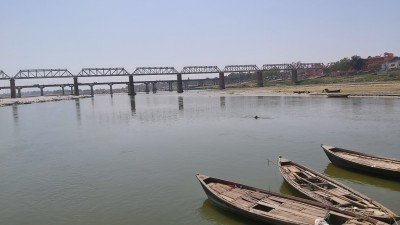
Akshayavat
Some quick example text to build on the card title and make up the bulk of the card's content.
Go somewhere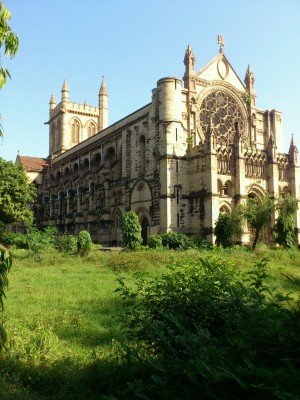
All Saints Cathedral
Some quick example text to build on the card title and make up the bulk of the card's content.
Go somewhere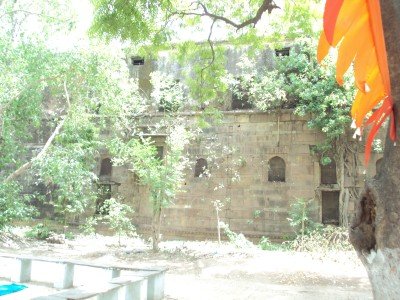
Allahabad Fort
Some quick example text to build on the card title and make up the bulk of the card's content.
Go somewhere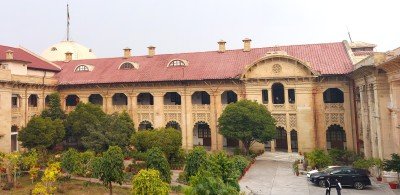
Allahabad High Court
Some quick example text to build on the card title and make up the bulk of the card's content.
Go somewhere
Allahabad Museum
Some quick example text to build on the card title and make up the bulk of the card's content.
Go somewhere
Allahabad Pillar
Some quick example text to build on the card title and make up the bulk of the card's content.
Go somewhere
Alopi Devi Mandir
Some quick example text to build on the card title and make up the bulk of the card's content.
Go somewhere
Anand Bhavan
Some quick example text to build on the card title and make up the bulk of the card's content.
Go somewhere
Bade Hanuman Ji Temple
Some quick example text to build on the card title and make up the bulk of the card's content.
Go somewhere
Chandra Shekhar Azad Park
Some quick example text to build on the card title and make up the bulk of the card's content.
Go somewhere
Clock Tower
Some quick example text to build on the card title and make up the bulk of the card's content.
Go somewhere
Jawahar Planetarium
Some quick example text to build on the card title and make up the bulk of the card's content.
Go somewhere
Kalyani Devi Temple
Some quick example text to build on the card title and make up the bulk of the card's content.
Go somewhere
Khusro Bagh
Some quick example text to build on the card title and make up the bulk of the card's content.
Go somewhere
Law Museum & Archives
Some quick example text to build on the card title and make up the bulk of the card's content.
Go somewhere
Mankameshwar Temple
Some quick example text to build on the card title and make up the bulk of the card's content.
Go somewherein Other Cities