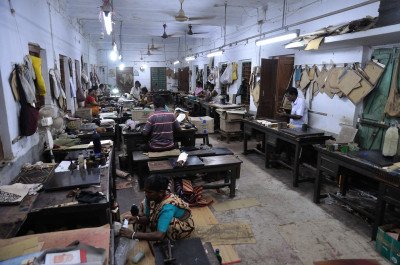
Travel Tips Of Amar Kutir
Tourism Tips
Stay Hydrated: Carry bottled water, especially if visiting outside of the winter months. The sun can be intense.
Protect Yourself: Use sunscreen, wear a hat or cap, and sunglasses.
Insect Repellent: As Amar Kutir is near a river and in a rural area, carry mosquito repellent, particularly if staying until evening.
Watch Your Belongings: While the area is generally safe, be mindful of your wallet and valuables in crowded areas, especially during peak season.
Packing:
Comfortable Footwear: You will be walking on possibly uneven or earthen surfaces near the river and inside the complex, so comfortable walking shoes or sandals are essential.
Earthy Tones: For an authentic feel and to blend with the local aesthetic, light, natural, or earth-toned clothing is suitable. Light cotton clothes are best for the tropical climate.
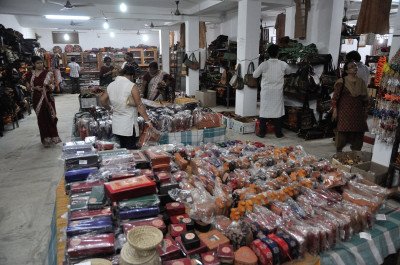
Shopping Bag: Carry an extra foldable bag to carry your purchases of handicrafts.
Accommodation:
Stay Near Bolpur/Shantiniketan: Most tourists stay in or around the main Shantiniketan town or near Bolpur railway station, which has a wide range of hotels, resorts, and guesthouses.
Resorts Near Kopai: For a more secluded experience, look for resorts located on the Amar Kutir Road or near the Kopai River, which will put you closer to the craft village. Book well in advance if visiting during the peak season (October to February) or during the Poush Mela.
Other Different Topics Heading:
Bargaining: Prices in the Amar Kutir cooperative's main sales outlets are usually fixed and non-negotiable, as they aim to provide a fair wage to the artisans. However, if you are buying from the smaller stalls outside the main complex, a little polite negotiation might be possible.
Support Local Artisans: Make a conscious effort to purchase directly from the cooperative to ensure the money directly benefits the local community.
Photography Etiquette: Always ask before taking close-up pictures of the artisans or locals at work. Inside the main shops, generally avoid using professional cameras unless permitted.
Food and Refreshments: There are small eateries and stalls near Amar Kutir where you can find local snacks and tea, but for a full meal, it is better to return to Bolpur or Shantiniketan town.
Information about New and Updated Locations(575+) of West Bengal Has Been Added :-
Card subtitle
Note:-
Information provided here in good Faith and for reference only.
All information and pictures will be updated soon, please keep visiting.
Near Places
Amar Kutir
Some quick example text to build on the card title and make up the bulk of the card's content.
Go somewhere
Amrakunja
Some quick example text to build on the card title and make up the bulk of the card's content.
Go somewhere
Ballavpur Deer Park
Some quick example text to build on the card title and make up the bulk of the card's content.
Go somewhere
Ballavpur Wildlife Sanctuary
Some quick example text to build on the card title and make up the bulk of the card's content.
Go somewhere
Bhubandanga Cultural Centre
Some quick example text to build on the card title and make up the bulk of the card's content.
Go somewhere
Bonerpukur Adivasi Village
Some quick example text to build on the card title and make up the bulk of the card's content.
Go somewhere
Cheena Bhavana
Some quick example text to build on the card title and make up the bulk of the card's content.
Go somewhere
Chhatimtala
Some quick example text to build on the card title and make up the bulk of the card's content.
Go somewhere
Chhinnamasta Temple
Some quick example text to build on the card title and make up the bulk of the card's content.
Go somewhere
Geetanjali Rail Museum
Some quick example text to build on the card title and make up the bulk of the card's content.
Go somewhere