...

FAQs On Amar Kutir

Shantiniketan, West Bengal, India
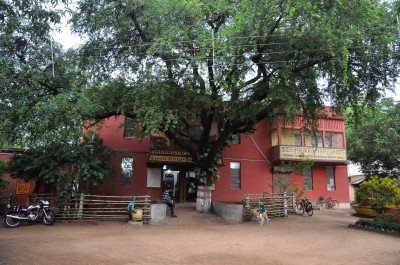
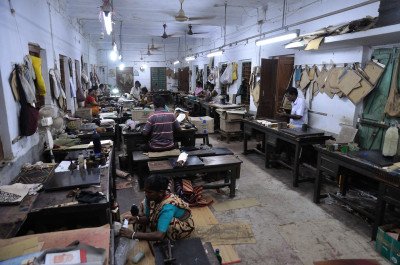
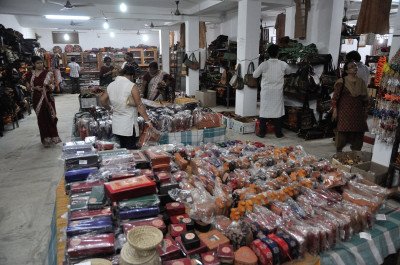
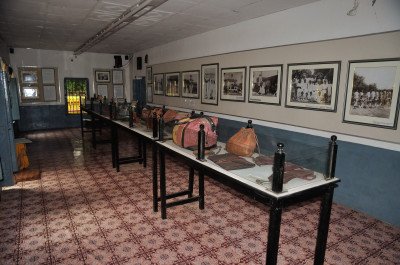
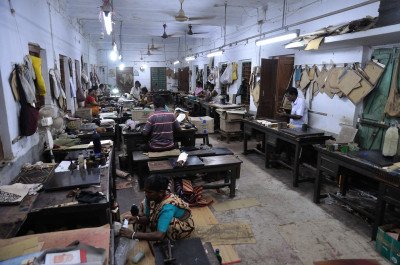
Amar Kutir, meaning 'My Cottage' in Bengali, is a significant cooperative society for the promotion and development of rural arts and crafts, particularly known for its exquisite leather goods. Established in 1927 by Sushen Mukherjee, a revolutionary and freedom fighter, it was initially conceived a s a safe haven and commune where young Indian independence activists could sustain themselves by learning and practicing cottage industries, away from the watchful eye of the British authorities. Sushen Mukherjee was deeply influenced by the ideals of Mahatma Gandhi and Netaji Subhas Chandra Bose. The place played a quiet but crucial role in the freedom struggle, hosting night classes and discussions on revolutionary and later, Marxist ideologies among the rural population. After India gained independence in 1947, Amar Kutir was transformed into a cooperative society dedicated to the revival and development of traditional rural handicrafts, aligning with the vision of self-reliance and community empowerment. Today, it stands as a successful model for sustainable rural development. It is a thriving center for various crafts, including leather printing and crafting, Kantha-stitched sarees, Batik prints on textiles, bamboo crafts, and products made of shola (Indian cork) and lac. The leather-craft unit, in particular, is very famous and employs a large number of local artisans, often women, thus contributing significantly to the economic and social upliftment of the surrounding villages in the Birbhum district. The co-operative ensures that the traditional skills are preserved and passed down. Visitors come here not just to shop for unique, high-quality handmade products but also to appreciate the inspiring history and the ongoing efforts towards rural self-sufficiency.

Ans:- Amar Kutir is generally open to the public from 8:00 AM to 6:00 PM daily. However, it is important to note that the cooperative may remain closed on national holidays or during specific local festivals. Visitors are encouraged to arrive by late afternoon to have enough time for browsing the extensive collections.

Ans:- Amar Kutir operates as a cooperative society, meaning the profits are reinvested into the welfare of the artisans and the local village. By providing a platform for rural craftsmen to sell their products directly to tourists, it eliminates middlemen and ensures that the creators receive a fair wage for their skill.

Ans:- Generally, photography is allowed in the common areas and around the exterior of the building. However, it is always polite to ask for permission before photographing individual artisans at work or specific new designs in the showroom. Respecting the privacy of the workers and their creative property is highly appreciated.

Ans:- It is located on the banks of the Kopai River, approximately 15 kilometers from the main Shantiniketan town area. The scenic drive to the cooperative takes you through lush green fields and rural landscapes, offering a peaceful transition from the university campus to the rustic charm of the artisan village.

Ans:- Most visitors spend about 1 to 2 hours at Amar Kutir. This allows enough time to browse the showroom, watch the artisans at work, and perhaps take a short walk by the river. If you are a serious shopper or an art enthusiast, you might want to stay longer.

Ans:- The best time to visit is during the winter months, from October to March, when the weather is pleasant for outdoor exploration. During this time, the surrounding nature is vibrant, and the Kopai River nearby is calm, making the entire shopping and sightseeing experience very comfortable for travelers.

Ans:- The leather products here are known for their intricate hand-embossed designs and the use of vegetable-tanned leather. The patterns often reflect local motifs, and the durability of the products combined with affordable pricing makes them highly sought after by both domestic and international tourists visiting the Birbhum district.

Ans:- There is no entrance fee required to visit the Amar Kutir cooperative society or its showroom. It is open to all tourists who wish to explore the workshop areas or shop for local handicrafts. This accessibility makes it one of the most popular stops for those interested in rural art.

Ans:- Visitors can purchase a wide variety of authentic hand-crafted items including leather bags, Batik-printed sarees, Kantha-stitch garments, and bamboo crafts. The cooperative is particularly famous for its unique leather work and traditional textile techniques, which are produced by local artisans using sustainable methods and materials.

Ans:- While Amar Kutir is located near Visva-Bharati, it was not founded by Tagore. It was established by Sushen Mukherjee, a revolutionary inspired by Mahatma Gandhi. However, it shares the same spirit of rural reconstruction and self-sufficiency that Tagore championed through his own work at the nearby Sriniketan campus.

Ans:- While Amar Kutir itself is primarily a craft center, there are several small local tea stalls and snack shops nearby. Some resorts and garden cafes are also located within a few kilometers, offering traditional Bengali meals. Visitors often combine a trip here with a picnic by the Kopai River.

Ans:- Yes, Amar Kutir hosts a craft development center and a hand-block printing training center supported by the government. These facilities aim to train the local youth and women in traditional crafts, ensuring that the heritage of the region is passed down to future generations while providing stable employment.

Ans:- Yes, Amar Kutir is easily accessible by Toto (electric rickshaws) and auto-rickshaws from Bolpur station or the Shantiniketan campus. The fare is usually nominal, and many tourists hire a Toto for a half-day tour that includes Amar Kutir, the Deer Park, and the Kopai River View Point.

Ans:- Yes, visitors are often allowed to observe the artisans engaged in various crafts like leather punching, batik printing, and kantha stitching. This provides a deep insight into the labor-intensive processes involved in creating these traditional products. It is a fantastic educational experience for those interested in the technical aspects of art.

Note:-

Information provided here in good Faith and for reference only.

All information and pictures will be updated soon, please keep visiting.

Near Places
...
Amar Kutir

Some quick example text to build on the card title and make up the bulk of the card's content.

Go somewhere
...
Amrakunja

Some quick example text to build on the card title and make up the bulk of the card's content.

Go somewhere
...
Ballavpur Deer Park

Some quick example text to build on the card title and make up the bulk of the card's content.

Go somewhere

...
Ballavpur Wildlife Sanctuary

Some quick example text to build on the card title and make up the bulk of the card's content.

Go somewhere
...
Bhubandanga Cultural Centre

Some quick example text to build on the card title and make up the bulk of the card's content.

Go somewhere
...
Bonerpukur Adivasi Village

Some quick example text to build on the card title and make up the bulk of the card's content.

Go somewhere
...
Cheena Bhavana

Some quick example text to build on the card title and make up the bulk of the card's content.

Go somewhere
...
Chhatimtala

Some quick example text to build on the card title and make up the bulk of the card's content.

Go somewhere
...
Chhinnamasta Temple

Some quick example text to build on the card title and make up the bulk of the card's content.

Go somewhere
...
Geetanjali Rail Museum

Some quick example text to build on the card title and make up the bulk of the card's content.

Go somewhere
in Other Cities