

Kapil Dhara Waterfall
General information
-
Ideal Duration:
1-2 HoursPlace Type:
Nature, Waterfall, Religious, ScenicEntry Fees:
No Entry Fees: There is generally no entry fee to visit the Kapil Dhara Waterfall. The falls are a natural site, and public access is free.
Vehicle Parking/Local Charges: Nominal parking charges may apply for cars and two-wheelers in the de...No Entry Fees: There is generally no entry fee to visit the Kapil Dhara Waterfall. The falls are a natural site, and public access is free.
Vehicle Parking/Local Charges: Nominal parking charges may apply for cars and two-wheelers in the designated parking area at the top of the falls. Local guides or porters may charge a small fee for assistance if you choose to hire them for the descent to the base.
Photography Fees: There are typically no fees for carrying a camera or taking photographs, but commercial photography or videography may require specific permission and associated costs.Timing:
Regular Timings: The falls are usually open for visitors from 6:00 AM to 5:00 PM daily. It is essential to adhere to the closing time, as the area can be dangerous after dusk.
Ideal Visit Time: The best time of the day to visit is the early...Regular Timings: The falls are usually open for visitors from 6:00 AM to 5:00 PM daily. It is essential to adhere to the closing time, as the area can be dangerous after dusk.
Ideal Visit Time: The best time of the day to visit is the early morning (8:00 AM to 11:00 AM) when the light is excellent, the air is cool, and the number of tourists is moderate. Visiting between July and October is crucial for seeing the falls in their full, majestic flow.Special Events:
Monsoon/Post-Monsoon Peak Flow: The falls are at their most spectacular and voluminous during the entire Monsoon season (July to September) and immediately afterward (October). Visitors flock here during these months to witness the powerful, milky-white cascade (Dhara) in i...Monsoon/Post-Monsoon Peak Flow: The falls are at their most spectacular and voluminous during the entire Monsoon season (July to September) and immediately afterward (October). Visitors flock here during these months to witness the powerful, milky-white cascade (Dhara) in its full glory.
Narmada Jayanti: While celebrated at the source (Narmadakund), many pilgrims visit the Kapil Dhara on the day of Narmada Jayanti (February/March) to witness the river at a major point in its flow, offering prayers to Ma Narmada and Sage Kapil Muni.Best Photo Spots:
The Main Viewing Deck: The platform at the top provides the perfect, safe, and wide-angle shot of the entire waterfall and the forested valley below.
From the Base (if safe): A photograph taken from the base, looking up at the 100-foot casca...The Main Viewing Deck: The platform at the top provides the perfect, safe, and wide-angle shot of the entire waterfall and the forested valley below.
From the Base (if safe): A photograph taken from the base, looking up at the 100-foot cascade, captures the height, scale, and power of the falling water.
The River Course and Confluence: Shots capturing the turbulent course of the Narmada River as it approaches the cliff, especially near the point of confluence with Kapila and Erandi, are great for landscape photography.
The Stepped Path: The long, steep, winding path carved into the side of the hill, leading down to the falls, makes for an interesting perspective and depth in a photograph.Photo Gallery
Things To Do
-
Trekking to the Base of the Falls: Take the challenging but rewarding walk down the steps/path to the base of the falls to feel the mist and experience the sheer force of the water up close (only if the path is safe and access is permitted).
Photography: Capture the majestic cascade, the lush green valley, and the surrounding forests. The best light for photography is usually in the late morning or early afternoon.
Enjoying the Scenic View: Relax on the designated viewing platforms to simply enjoy the serene atmosphere, the rhythmic sound of the falling water, and the panoramic views of the valley.
Bird Watching and Nature Observation: The surrounding forest is part of the Achanakmar-Amarkantak Biosphere Reserve, making it a good spot for observing local flora a...Trekking to the Base of the Falls: Take the challenging but rewarding walk down the steps/path to the base of the falls to feel the mist and experience the sheer force of the water up close (only if the path is safe and access is permitted).
Photography: Capture the majestic cascade, the lush green valley, and the surrounding forests. The best light for photography is usually in the late morning or early afternoon.
Enjoying the Scenic View: Relax on the designated viewing platforms to simply enjoy the serene atmosphere, the rhythmic sound of the falling water, and the panoramic views of the valley.
Bird Watching and Nature Observation: The surrounding forest is part of the Achanakmar-Amarkantak Biosphere Reserve, making it a good spot for observing local flora and fauna, including various bird species.
Visit the Kapil Muni Ashram: Seek out and visit the small temple or ashram associated with Sage Kapil Muni to pay your respects and meditate.
Holy Dip (with Caution): Taking a holy dip in the river upstream or in the pool at the base is sometimes possible (and a popular activity), but only where permitted and absolutely safe, given the current and depth.
Visit Dudh Dhara Falls: The smaller, but equally beautiful, Dudh Dhara Waterfall is located just downstream (about 1 km away) and can be easily visited on the same trip.
Information
-
Why Famous:
The First Waterfall of Narmada: Its primary fame rests on the fact that it is the very first major waterfall formed by the sacred Narmada River after its emergence from the Narmadakund. The sight of the holy river taking a massive plunge is a deeply moving experience for pi...The First Waterfall of Narmada: Its primary fame rests on the fact that it is the very first major waterfall formed by the sacred Narmada River after its emergence from the Narmadakund. The sight of the holy river taking a massive plunge is a deeply moving experience for pilgrims, signifying the river's journey to the sea.
Association with Kapil Muni: The spiritual significance tied to Sage Kapil Muni, a revered figure in Hindu philosophy (Samkhya school), who meditated here and received enlightenment, is another major reason for its fame. This mythical connection makes it a popular site for contemplation and spiritual exploration, drawing religious tourists alongside nature enthusiasts. -
Architecture:
Natural Cascade over Basalt Rock: The architecture is entirely natural, formed by the geological structure of the Maikal Hills where the hard Deccan Basalt rock layers are intersected by the path of the Narmada River. The cascade is an example of an erosional feature, where...Natural Cascade over Basalt Rock: The architecture is entirely natural, formed by the geological structure of the Maikal Hills where the hard Deccan Basalt rock layers are intersected by the path of the Narmada River. The cascade is an example of an erosional feature, where the soft rock layers are worn away, leaving the hard rock as the waterfall lip. The surrounding cliffs are composed of these ancient rock formations, bearing testament to the region's geological history.
Dimension: The water of the Narmada River descends from a considerable height of approximately 100 feet (or around 30 meters). The width of the falls varies significantly, being very broad and voluminous during the peak Monsoon and post-Monsoon seasons (July to October), while being significantly reduced to a mere trickle during the peak Summer months (April to June). The pool at the base of the falls has a depth of approximately 20 to 25 feet.
Viewing Platforms and Steps: Man-made interventions include constructed viewing platforms and often long, steep steps or a winding path carved out of the hillside to allow visitors to safely descend to the base of the falls, showcasing the engineering required to access this natural wonder. -
How To Reach:
By Air: The nearest major airports are Jabalpur Airport (222 km) and Raipur Airport (236 km). From either airport, hire a pre-paid taxi directly to Kapil Dhara or Amarkantak town.
By Train: The nearest railway station is Pendra Road Railway...By Air: The nearest major airports are Jabalpur Airport (222 km) and Raipur Airport (236 km). From either airport, hire a pre-paid taxi directly to Kapil Dhara or Amarkantak town.
By Train: The nearest railway station is Pendra Road Railway Station (48 km), followed by Anuppur Junction (77 km). From the station, hire a private taxi or take a shared jeep for the scenic drive to Amarkantak, and then continue to Kapil Dhara.
By Road: Kapil Dhara is about 6-7 km from the main Amarkantak town. The road to the falls is motorable. State buses do not run directly to the falls but drop you on the main road from where you'd need to walk or hire local transport.
By Local Transport: From Amarkantak town, the most convenient way is to hire a local taxi, a private car, or an auto-rickshaw for a round-trip to the falls, including a waiting period. Negotiating the price with the local drivers is essential. -
Weather and Best Time to Visit:
Different Types of Seasons: The Monsoon and post-Monsoon seasons (July to October) offer the most spectacular views of the falls at maximum volume. Winter (November to March) is ideal for comfortable trekking and nature walks. Summer is best avoided due to low water levels...Different Types of Seasons: The Monsoon and post-Monsoon seasons (July to October) offer the most spectacular views of the falls at maximum volume. Winter (November to March) is ideal for comfortable trekking and nature walks. Summer is best avoided due to low water levels and high temperatures.
Different Parts of the Day: Late Morning is the best time for visibility and good light for photography. The falls are relatively quieter in the early morning. -
Near Tourist Places:
Dudh Dhara Waterfall (1 km), Narmada Udgam Kund (6 km), Ancient Kalachuri Temples (6 km), Mai ki Bagiya (2 km), Sonmuda (8 km), Shri Yantra Mandir (7 km), Sarvodaya Jain Temple (7 km), Jwaleshwar Mahadev Temple (16 km), Kabir Chabutra (19 km), Durga Mandir (6 km), Bhrigu Kamandal (0. 5 km).
Tourism Tips
-
Health & Safety: The descent to the base of the falls can be strenuous and slippery, especially during or after the Monsoon. Wear shoes with good grip. Do not attempt to climb wet rocks. The current in the river can be strong; exercise extreme caution near the water's ed...Health & Safety: The descent to the base of the falls can be strenuous and slippery, especially during or after the Monsoon. Wear shoes with good grip. Do not attempt to climb wet rocks. The current in the river can be strong; exercise extreme caution near the water's edge and only bathe where permitted and safe.
Packing: Carry water, light snacks, and a raincoat or umbrella if visiting during the Monsoon. Binoculars are good for bird watching.
Accommodation: Stay in Amarkantak town; there are no suitable accommodations near the falls. Other Different Topics heading (Environmental Responsibility): Do not litter. Do not use soap or detergent if taking a dip, as the river is considered holy and is the source of drinking water. Do not carve names on the rocks or disturb the natural environment. The area is part of a sensitive biosphere reserve.
Reviews
FAQs
Amarkantak Itineray And Cost:-
Kapil Dhara Waterfall Tourism:-
Other Places In Amarkantak :-
Other States In India :-
Information about New and Updated Locations() of Madhya Pradesh Has Been Added :-
Card subtitle
Note:-
Information provided here in good Faith and for reference only.
Near Places
Acharya Vinoba Bhave Ashram
Some quick example text to build on the card title and make up the bulk of the card's content.
Go somewhere
Amarkantak
Some quick example text to build on the card title and make up the bulk of the card's content.
Go somewhere
Ancient Kalachuri Temples
Some quick example text to build on the card title and make up the bulk of the card's content.
Go somewhere
Bhrigu Kamandal
Some quick example text to build on the card title and make up the bulk of the card's content.
Go somewhere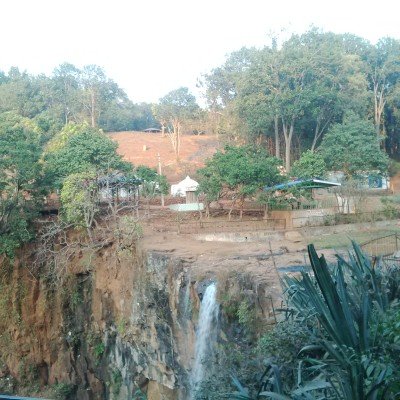
Dhuni Pani
Some quick example text to build on the card title and make up the bulk of the card's content.
Go somewhere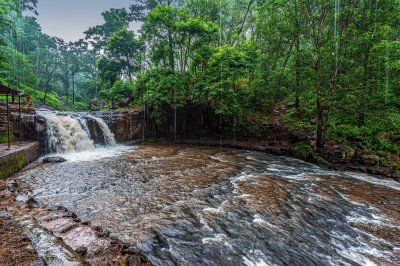
Dudh Dhara Waterfall
Some quick example text to build on the card title and make up the bulk of the card's content.
Go somewhere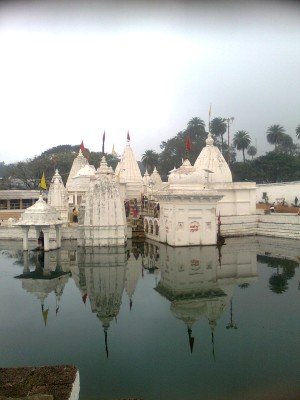
Durga Mandir
Some quick example text to build on the card title and make up the bulk of the card's content.
Go somewhere
Indira Gandhi National Tribal University
Some quick example text to build on the card title and make up the bulk of the card's content.
Go somewhere
Jwaleshwar Mahadev Temple
Some quick example text to build on the card title and make up the bulk of the card's content.
Go somewhere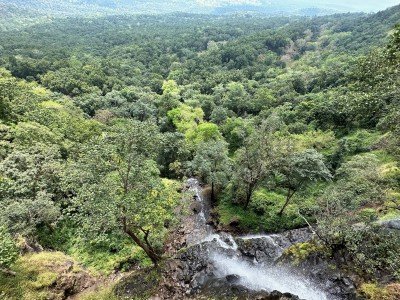
Kabir Chabutra
Some quick example text to build on the card title and make up the bulk of the card's content.
Go somewhere
Kapil Dhara Waterfall
Some quick example text to build on the card title and make up the bulk of the card's content.
Go somewhere
Kapila Maharshi Ashram
Some quick example text to build on the card title and make up the bulk of the card's content.
Go somewhere
Narmada Ashram
Some quick example text to build on the card title and make up the bulk of the card's content.
Go somewhere
Narmada Kund & Temples
Some quick example text to build on the card title and make up the bulk of the card's content.
Go somewhere
Narmada Mandir
Some quick example text to build on the card title and make up the bulk of the card's content.
Go somewhere
Narmada Udgam & Kund
Some quick example text to build on the card title and make up the bulk of the card's content.
Go somewherein Other Cities