

Narmada Kund & Temples
General information
-
Ideal Duration:
2-3 Hours:Place Type:
Pilgrimage Site/River Origin/Ancient HistoryEntry Fees:
Main Temple Complex: Free entry for darshan.
Photography: Generally Free, but check for restrictions inside the main sanctuary during special prayers or festivals.
Donation/Offerings: Donations are voluntary...Main Temple Complex: Free entry for darshan.
Photography: Generally Free, but check for restrictions inside the main sanctuary during special prayers or festivals.
Donation/Offerings: Donations are voluntary, and charges may apply for specific ritual items (Puja Samagri) or performing special rites.
Guided Tour Fees: Local guides are available for a negotiable fee to explain the history of the 20+ temples.Timing:
Regular Darshan: 6:00 AM to 7:00 PM (Daily).
Morning Aarti: Usually around 8:00 AM; a powerful start to the day.
Evening Aarti: Usually around 7:00 PM; a spiritually vibrant closing ritual.Regular Darshan: 6:00 AM to 7:00 PM (Daily).
Morning Aarti: Usually around 8:00 AM; a powerful start to the day.
Evening Aarti: Usually around 7:00 PM; a spiritually vibrant closing ritual.
Ideal Visit Time: Early morning (6:00 AM - 9:00 AM) for tranquility and morning rituals, or late evening (6:00 PM - 8:00 PM) for the spectacular Aarti ceremony.Special Events:
Narmada Jayanti Mahotsav: The biggest annual event, celebrated on the seventh day of the bright half of the Magha month, marking the birth of the river, involving grand processions, cultural programs, and a massive illuminated aarti.
Makar Sankr...Narmada Jayanti Mahotsav: The biggest annual event, celebrated on the seventh day of the bright half of the Magha month, marking the birth of the river, involving grand processions, cultural programs, and a massive illuminated aarti.
Makar Sankranti: Pilgrims take a holy dip in the Kund during Makar Sankranti (January) for purification, believing that all holy things converge here during the eclipse.
Mahashivratri: Dedicated prayers and special Pujas are held in the complex, especially in the Shiva temples within the cluster, during Mahashivratri.Best Photo Spots:
The Main Kund Platform: The raised platform surrounding the Kund, especially during the morning twilight or evening Aarti, captures the water reflections and the illuminated temples beautifully.
Narmada Mandir Entrance: The ornate entrance a...The Main Kund Platform: The raised platform surrounding the Kund, especially during the morning twilight or evening Aarti, captures the water reflections and the illuminated temples beautifully.
Narmada Mandir Entrance: The ornate entrance and the primary dome of the main Narmada Temple against the clear sky, symbolizing the Maratha architectural contribution.
Aerial View from Nearby Hillock: A wide-angle shot capturing the entire cluster of temples and the Kund together from a slightly elevated vantage point nearby.Photo Gallery
Things To Do
-
Perform Aarti: Participate in the mesmerizing morning or evening Narmada Aarti ritual on the ghats of the Kund, a highly spiritual experience.
Circumambulate the Kund: Walk around the entire masonry Kund (Parikrama) while meditating on the river's divine journey and offering prayers.
Temple Hopping: Explore the cluster of 20+ smaller temples dedicated to different deities like Lord Shiva, Lord Kartikeya, and Devi, each with its own specific legend.
Meditation and Reflection: Sit by the water's edge in the early morning for quiet contemplation, leveraging the serene energy of the river's source.
Observe Local Rituals: Witness the traditional rites performed by priests and pilgrims, including offerings of coconut, flowers, and holy...Perform Aarti: Participate in the mesmerizing morning or evening Narmada Aarti ritual on the ghats of the Kund, a highly spiritual experience.
Circumambulate the Kund: Walk around the entire masonry Kund (Parikrama) while meditating on the river's divine journey and offering prayers.
Temple Hopping: Explore the cluster of 20+ smaller temples dedicated to different deities like Lord Shiva, Lord Kartikeya, and Devi, each with its own specific legend.
Meditation and Reflection: Sit by the water's edge in the early morning for quiet contemplation, leveraging the serene energy of the river's source.
Observe Local Rituals: Witness the traditional rites performed by priests and pilgrims, including offerings of coconut, flowers, and holy threads.
Collect Holy Water: Carry a vessel to collect the sacred, pristine water from the Udgam for taking back home as a holy souvenir (Tirtha).
Visit the nearby Ancient Temples: Walk across the street to the ancient Kalachuri temple group (Karna Temple, Pataleshwar Temple) to compare architectural styles.
Information
-
Why Famous:
Hindu Mythology: Being the divine source of the Narmada River, the daughter of Lord Shiva, is its primary fame. The mere sight (Darshan) of the river is believed to cleanse sins, unlike other rivers where a dip is needed.
Tirtha-Raj: It is ...Hindu Mythology: Being the divine source of the Narmada River, the daughter of Lord Shiva, is its primary fame. The mere sight (Darshan) of the river is believed to cleanse sins, unlike other rivers where a dip is needed.
Tirtha-Raj: It is famously known as Tirtha-Raj or the "King of Pilgrimages" due to its confluence of spiritual, natural, and mythological significance.
Narmada Jayanti: The annual celebration of the river's birth, Narmada Jayanti (usually in January/February), draws lakhs of devotees globally. -
Architecture:
Core Temple Style: The main Narmada Mandir and surrounding temples are primarily post-18th century, showcasing the Maratha/Holkar architectural style with elements of traditional North Indian (Nagara) style, particularly in the Shikharas and domes.
Read MoreCore Temple Style: The main Narmada Mandir and surrounding temples are primarily post-18th century, showcasing the Maratha/Holkar architectural style with elements of traditional North Indian (Nagara) style, particularly in the Shikharas and domes.
Narmada Kund Dimensions: The sacred Kund is a masonry structure, typically a square or rectangular tank, fed by an underground stream, marking the exact origin. It is often surrounded by a paved courtyard for pilgrims.
Intricate Carvings: The surrounding smaller temples, dedicated to deities like Lord Shiva, Lord Kartikeya, and Ganesh, feature detailed but simple carvings, unlike the ancient Kalachuri temples nearby. The overall design emphasizes a courtyard layout that facilitates rituals and the gathering of large numbers of pilgrims.How To Reach:
By Air: Nearest major airport is Jabalpur (Dumna Airport) (approx. 226 KMS). From there, hire a private taxi or take a state transport bus to Amarkantak (5-6 hours drive).
By Train: Nearest major railway station is Pendra Road Railway Stat...By Air: Nearest major airport is Jabalpur (Dumna Airport) (approx. 226 KMS). From there, hire a private taxi or take a state transport bus to Amarkantak (5-6 hours drive).
By Train: Nearest major railway station is Pendra Road Railway Station (approx. 35 KMS) in Chhattisgarh. You can easily find private taxis, shared jeeps, or local buses from the station to the complex. Anuppur (approx. 72 KMS) and Shahdol (approx. 100 KMS) are other convenient railway heads.
By Road: Amarkantak is well-connected by road networks (NH43 and state highways) to major cities like Jabalpur, Bilaspur (approx. 120 KMS), and Rewa. Regular state and private buses operate from these cities directly to the Amarkantak Bus Stand, which is less than 2 KMS from the Kund.
By Local Transport: The complex is centrally located and easily reachable from any part of the town via walking, auto-rickshaws, or local taxi services.Weather and Best Time to Visit:
Season: October to March (Winter) is the best time due to the pleasant and cool weather, ideal for sightseeing and outdoor activities like trekking to the falls. Monsoon (July to September) offers lush greenery but heavy rains can disrupt travel.
Read MoreSeason: October to March (Winter) is the best time due to the pleasant and cool weather, ideal for sightseeing and outdoor activities like trekking to the falls. Monsoon (July to September) offers lush greenery but heavy rains can disrupt travel.
Part of the Day: Sunrise (for tranquility and spiritual reflection at the Kund) or Sunset/Evening (to witness the grand Narmada Aarti). Avoid noon hours in summer.Near Tourist Places:
Ancient Kalachuri Temples (0. 1 KMS), Pataleshwar Mahadev Temple (0. 1 KMS), Ram Janaki Temple (0. 1 KMS), Kapil Dhara Waterfall (7 KMS), Dudh Dhara Waterfall (8 KMS), Mai ki Bagiya (1. 5 KMS), Sonemuda (1. 5 KMS), Shri Jwaleshwar Mahadev Temple (8 KMS), Sarvodaya Jain Temple (2 KMS), Kabir Chabutra (5 KMS).Tourism Tips
-
Health & Safety: Carry basic first-aid, wear comfortable walking shoes (many surrounding areas are uneven), and be cautious while standing near the Kund edge. Always purify hands after touching the Kund water.
Packing: Dress modestly (tradi...Health & Safety: Carry basic first-aid, wear comfortable walking shoes (many surrounding areas are uneven), and be cautious while standing near the Kund edge. Always purify hands after touching the Kund water.
Packing: Dress modestly (traditional or formal clothing is highly recommended, especially for the evening aarti); carry an extra layer as mornings/evenings can be cold, even in peak season.
Accommodation: Book accommodation (Dharamshalas, Ashrams, MPSTDC) in advance, especially during the peak season of October to March or during festivals like Narmada Jayanti.
Respect Local Customs: Photography is generally prohibited inside the main shrine. Always maintain silence and respect the spiritual sanctity of the site.
Reviews
FAQs
Amarkantak Itineray And Cost:-
Narmada Kund & Temples Tourism:-
Other Places In Amarkantak :-
Other States In India :-
Information about New and Updated Locations() of Madhya Pradesh Has Been Added :-
Card subtitle
Note:-
Information provided here in good Faith and for reference only.
Near Places
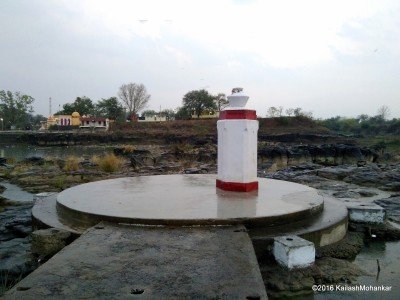
Acharya Vinoba Bhave Ashram
Some quick example text to build on the card title and make up the bulk of the card's content.
Go somewhere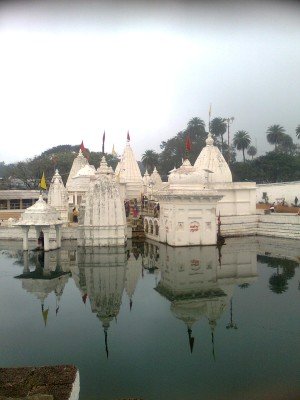
Amarkantak
Some quick example text to build on the card title and make up the bulk of the card's content.
Go somewhere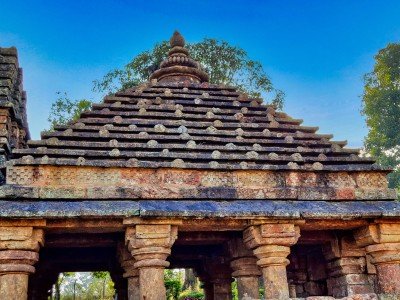
Ancient Kalachuri Temples
Some quick example text to build on the card title and make up the bulk of the card's content.
Go somewhere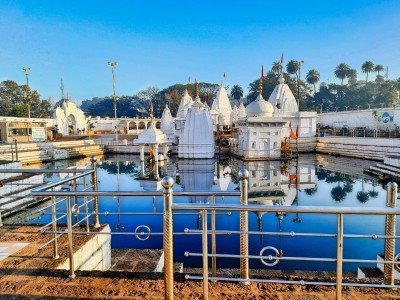
Bhrigu Kamandal
Some quick example text to build on the card title and make up the bulk of the card's content.
Go somewhere
Dhuni Pani
Some quick example text to build on the card title and make up the bulk of the card's content.
Go somewhere
Dudh Dhara Waterfall
Some quick example text to build on the card title and make up the bulk of the card's content.
Go somewhere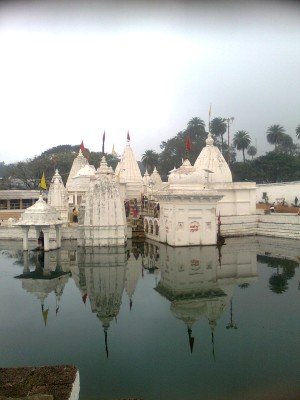
Durga Mandir
Some quick example text to build on the card title and make up the bulk of the card's content.
Go somewhere
Indira Gandhi National Tribal University
Some quick example text to build on the card title and make up the bulk of the card's content.
Go somewhere
Jwaleshwar Mahadev Temple
Some quick example text to build on the card title and make up the bulk of the card's content.
Go somewhere
Kabir Chabutra
Some quick example text to build on the card title and make up the bulk of the card's content.
Go somewhere
Kapil Dhara Waterfall
Some quick example text to build on the card title and make up the bulk of the card's content.
Go somewhere
Kapila Maharshi Ashram
Some quick example text to build on the card title and make up the bulk of the card's content.
Go somewhere
Narmada Ashram
Some quick example text to build on the card title and make up the bulk of the card's content.
Go somewhere
Narmada Kund & Temples
Some quick example text to build on the card title and make up the bulk of the card's content.
Go somewhere
Narmada Mandir
Some quick example text to build on the card title and make up the bulk of the card's content.
Go somewhere
Narmada Udgam & Kund
Some quick example text to build on the card title and make up the bulk of the card's content.
Go somewherein Other Cities