

Kapila Maharshi Ashram
General information
-
Ideal Duration:
30 Minutes - 1 HourPlace Type:
Spiritual, Ashram, Philosophical, ReligiousEntry Fees:
No Entry Fees: As a traditional Hindu hermitage, the Kapila Maharshi Ashram is free of charge to visit for all spiritual seekers and tourists. The emphasis is on voluntary contribution (Dakshina) and respect.
Donation: Visitors are welcome ...No Entry Fees: As a traditional Hindu hermitage, the Kapila Maharshi Ashram is free of charge to visit for all spiritual seekers and tourists. The emphasis is on voluntary contribution (Dakshina) and respect.
Donation: Visitors are welcome to offer a voluntary donation to the ashram for its maintenance and to support the resident sages and their students. This is a traditional act of devotion.
Purchase of Items: Simple items like religious books, incense sticks, or local crafts may be available for purchase at a small price, supporting the local community or the ashram itself.Timing:
Regular Timings: The ashram usually welcomes visitors from 7:00 AM to 5:00 PM daily. The hours may be flexible depending on the daily routine and meditation schedules of the resident sages.
Ideal Visit Time: The best time is the early morni...Regular Timings: The ashram usually welcomes visitors from 7:00 AM to 5:00 PM daily. The hours may be flexible depending on the daily routine and meditation schedules of the resident sages.
Ideal Visit Time: The best time is the early morning (8:00 AM to 10:00 AM) when the atmosphere is highly serene and conducive to meditation, and the resident sages are often engaged in their morning rituals.Special Events:
Guru Purnima: The festival of Guru Purnima (Full Moon of the Guru), usually in July, is a special event here. Disciples and devotees visit the ashram to pay homage to Kapil Muni, considered one of the foremost ancient Gurus (teachers). The day involves special Puja, chanti...Guru Purnima: The festival of Guru Purnima (Full Moon of the Guru), usually in July, is a special event here. Disciples and devotees visit the ashram to pay homage to Kapil Muni, considered one of the foremost ancient Gurus (teachers). The day involves special Puja, chanting, and honoring the resident sages.
Philosophical Discourses: On auspicious days or during the Winter months, the resident sages often hold open philosophical discussions (Satsangs) on the Samkhya and other Hindu texts, attracting local scholars and spiritual aspirants.Best Photo Spots:
The Main Ashram Entrance with Natural Framing: A photo of the humble entrance or gate framed by the surrounding trees or foliage captures the secluded and rustic essence of a traditional hermitage.
The Kapil Muni Shrine: A respectful picture...The Main Ashram Entrance with Natural Framing: A photo of the humble entrance or gate framed by the surrounding trees or foliage captures the secluded and rustic essence of a traditional hermitage.
The Kapil Muni Shrine: A respectful picture of the small shrine or the sage's idol, typically adorned with flowers and offerings, captures the spiritual focal point of the ashram.
The Quiet Mediation Space: A shot of the simple, open-air meditation area or the steps leading to the ashram, devoid of people, can beautifully convey the peace and solitude of the location.
The Sage and Disciple (Candid): If possible and respectful, a candid photograph of a resident Sadhu engaged in a quiet activity can be a powerful image of the spiritual life practiced here.Photo Gallery
Things To Do
-
Silent Meditation: The primary activity is sitting quietly for silent meditation, absorbing the spiritual and philosophical energy of the place.
Seeking Blessings from the Sage: Pay respects to the idol or shrine of Kapil Muni inside the ashram's temple.
Learning about Samkhya: If a resident Sadhu or scholar is present, engage in respectful dialogue to learn more about the Samkhya philosophy and Kapil Muni's teachings.
Walking and Reflection: Take a quiet walk in the surrounding forest paths for reflection and nature appreciation, staying close to the ashram's main boundary.
Yoga Practice: The tranquil environment is perfect for practicing simple Yoga Asanas or breathing exercises (Pranayama).
Offeri...Silent Meditation: The primary activity is sitting quietly for silent meditation, absorbing the spiritual and philosophical energy of the place.
Seeking Blessings from the Sage: Pay respects to the idol or shrine of Kapil Muni inside the ashram's temple.
Learning about Samkhya: If a resident Sadhu or scholar is present, engage in respectful dialogue to learn more about the Samkhya philosophy and Kapil Muni's teachings.
Walking and Reflection: Take a quiet walk in the surrounding forest paths for reflection and nature appreciation, staying close to the ashram's main boundary.
Yoga Practice: The tranquil environment is perfect for practicing simple Yoga Asanas or breathing exercises (Pranayama).
Offering Seva (Service): One can offer a small service (Seva), such as helping with cleaning or bringing provisions, as a form of devotion and respect to the hermitage.
Visiting the Kapil Dhara: Combine the visit with a trip to the nearby Kapil Dhara Waterfall, recognizing the natural and spiritual link between the two sites.
Information
-
Why Famous:
Source of Samkhya Philosophy: The ashram is most famous as the legendary site where Kapil Muni developed and taught the Samkhya Darshan (philosophy), a highly influential and foundational school of Hindu thought. This philosophical connection draws scholars and spiritual se...Source of Samkhya Philosophy: The ashram is most famous as the legendary site where Kapil Muni developed and taught the Samkhya Darshan (philosophy), a highly influential and foundational school of Hindu thought. This philosophical connection draws scholars and spiritual seekers interested in the origins of Indian intellectual tradition.
Guru-Shishya Tradition: It is an enduring symbol of the ancient Guru-Shishya (teacher-disciple) tradition, where spiritual wisdom was imparted in the solitude of nature. This aspect appeals to people looking for a place of authentic spiritual learning, making the ashram a profound philosophical and religious landmark in Amarkantak. -
Architecture:
Simplicity of Ascetic Architecture: The architecture of the Kapila Maharshi Ashram is intentionally simple, reflecting the ascetic life of Kapil Muni and the renunciates who maintain the ashram. It typically consists of small, basic living quarters (Kutirs), a simple prayer...Simplicity of Ascetic Architecture: The architecture of the Kapila Maharshi Ashram is intentionally simple, reflecting the ascetic life of Kapil Muni and the renunciates who maintain the ashram. It typically consists of small, basic living quarters (Kutirs), a simple prayer hall (Mandir) which may house an idol of the sage or a Shivlingam, and perhaps a meditation cave or area. Construction materials are often traditional, using local stone, mud, or simple concrete.
Dimension and Natural Setting: The structure is modest in dimension, focusing on functionality for a small community of residents and visiting devotees. The ashram’s significance lies not in its size but in its integration with the natural surroundings. It is often situated in a secluded, peaceful clearing in the forest, near the source of a small stream or the main river, thus incorporating the natural, meditative atmosphere into the architectural space. The design is utilitarian, supporting the simple, contemplative lifestyle of a forest dwelling (Vanaprastha). -
How To Reach:
By Air: The nearest airports are Jabalpur Airport (222 km) and Raipur Airport (236 km). From the airport, a private taxi can be hired to take you to Amarkantak and then to the vicinity of Kapil Dhara.
By Train: The nearest railway station i...By Air: The nearest airports are Jabalpur Airport (222 km) and Raipur Airport (236 km). From the airport, a private taxi can be hired to take you to Amarkantak and then to the vicinity of Kapil Dhara.
By Train: The nearest railway station is Pendra Road Railway Station (48 km), followed by Anuppur Junction (77 km). From either station, hire a private taxi directly to the area near Kapil Dhara; the ashram is usually a short, marked diversion from the main road.
By Road: The ashram is located in the forest near the Kapil Dhara Waterfall, about 6-7 km from Amarkantak town. You need to follow the same route as for the falls, and there may be a short, unpaved stretch.
By Local Transport: Hire a private taxi or auto-rickshaw from Amarkantak town for a round trip. It is necessary to confirm that the driver knows the precise location and will wait for you. -
Weather and Best Time to Visit:
Different Types of Seasons: Winter (October to March) is the most comfortable and peaceful time for visiting the ashram and engaging in outdoor meditation. The Monsoon also offers a unique, intensely green, and reflective atmosphere, but access can be difficult. Summer is ...Different Types of Seasons: Winter (October to March) is the most comfortable and peaceful time for visiting the ashram and engaging in outdoor meditation. The Monsoon also offers a unique, intensely green, and reflective atmosphere, but access can be difficult. Summer is hot and less comfortable.
Different Parts of the Day: The quiet of the early morning is the most highly recommended time to experience the ashram's spiritual calm and to potentially meet the resident sages. -
Near Tourist Places:
Kapil Dhara Waterfall (0. 5 km), Dudh Dhara Waterfall (1. 5 km), Narmada Udgam Kund (6 km), Ancient Kalachuri Temples (6 km), Mai ki Bagiya (2 km), Sonmuda (8 km), Shri Yantra Mandir (7 km), Sarvodaya Jain Temple (7 km), Jwaleshwar Mahadev Temple (16 km), Kabir Chabutra (19 km), Durga Mandir (6 km).
Tourism Tips
-
Health & Safety: Maintain silence and respect the ascetic environment of the ashram. Do not interrupt any ongoing rituals or meditations. Since it is in a secluded, forested area, take precautions against insects and wild animals, especially if walking on the surrounding t...Health & Safety: Maintain silence and respect the ascetic environment of the ashram. Do not interrupt any ongoing rituals or meditations. Since it is in a secluded, forested area, take precautions against insects and wild animals, especially if walking on the surrounding trails.
Packing: Carry a mat or shawl for sitting and meditating. Wear modest, simple clothes. Do not carry or consume non-vegetarian food, alcohol, or tobacco.
Accommodation: Accommodation is not available for general tourists. Stay in Amarkantak town and visit the ashram as a dedicated stop on your itinerary. Other Different Topics heading (Protocol for Sages): If you meet a resident sage, greet them with respect (e. g. , Namaste). Speak softly and seek permission before taking their photograph or asking personal questions. Do not expect them to perform a ritual for you; your visit should be an act of seeking spiritual inspiration.
Reviews
FAQs
Amarkantak Itineray And Cost:-
Kapila Maharshi Ashram Tourism:-
Other Places In Amarkantak :-
Other States In India :-
Information about New and Updated Locations() of Madhya Pradesh Has Been Added :-
Card subtitle
Note:-
Information provided here in good Faith and for reference only.
Near Places
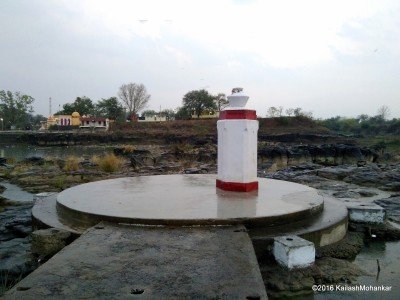
Acharya Vinoba Bhave Ashram
Some quick example text to build on the card title and make up the bulk of the card's content.
Go somewhere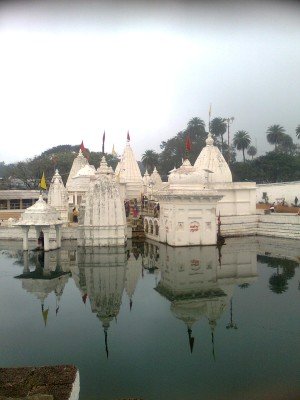
Amarkantak
Some quick example text to build on the card title and make up the bulk of the card's content.
Go somewhere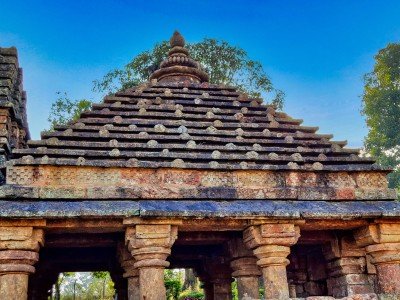
Ancient Kalachuri Temples
Some quick example text to build on the card title and make up the bulk of the card's content.
Go somewhere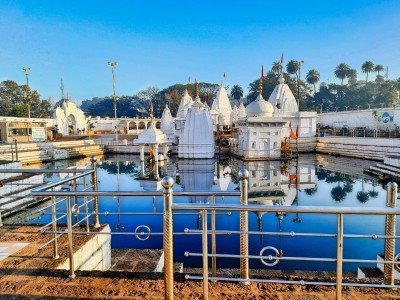
Bhrigu Kamandal
Some quick example text to build on the card title and make up the bulk of the card's content.
Go somewhere
Dhuni Pani
Some quick example text to build on the card title and make up the bulk of the card's content.
Go somewhere
Dudh Dhara Waterfall
Some quick example text to build on the card title and make up the bulk of the card's content.
Go somewhere
Durga Mandir
Some quick example text to build on the card title and make up the bulk of the card's content.
Go somewhere
Indira Gandhi National Tribal University
Some quick example text to build on the card title and make up the bulk of the card's content.
Go somewhere
Jwaleshwar Mahadev Temple
Some quick example text to build on the card title and make up the bulk of the card's content.
Go somewhere
Kabir Chabutra
Some quick example text to build on the card title and make up the bulk of the card's content.
Go somewhere
Kapil Dhara Waterfall
Some quick example text to build on the card title and make up the bulk of the card's content.
Go somewhere
Kapila Maharshi Ashram
Some quick example text to build on the card title and make up the bulk of the card's content.
Go somewhere
Narmada Ashram
Some quick example text to build on the card title and make up the bulk of the card's content.
Go somewhere
Narmada Kund & Temples
Some quick example text to build on the card title and make up the bulk of the card's content.
Go somewhere
Narmada Mandir
Some quick example text to build on the card title and make up the bulk of the card's content.
Go somewhere
Narmada Udgam & Kund
Some quick example text to build on the card title and make up the bulk of the card's content.
Go somewherein Other Cities