
...

Place To Visit And Things To Do In Bishalgarh

Tripura, India
Ecological Paradise: Bishalgarh is most famous for housing the Sepahijala Wildlife Sanctuary, a premier destination for nature lovers. The sanctuary is a unique bio-complex that includes a botanical garden, a zoo, and a deer park. It is spread over an area of about 18 square kilometers and is a have n for primates. Primate Diversity: The region is one of the few places where you can see the Spectacled Monkey (Phayre's Leaf Monkey) in its natural habitat. It also houses the Clouded Leopard National Park, dedicated to the conservation of this rare feline. The avian population is equally impressive with over 150 species of birds. Agricultural Heart: Apart from tourism, Bishalgarh is an important agricultural center known for its rubber and coffee plantations. The sight of neatly lined rubber trees with sap collection bowls is common along the roadsides. The town serves as a major commercial link between the capital and the southern districts. Local Lifestyle: The town offers a glimpse into the daily life of Tripura's rural and semi-urban population. It is a mix of small-scale industries and traditional farming. The local markets are famous for fresh produce and the variety of freshwater fish available from nearby lakes.

Things To Do

Card image cap
Barjala Viewpoint

Barjala Viewpoint is a serene destination located in the Bishalgarh subdivision of Tripura, offering a breathtaking escape into nature's lap. This vi...
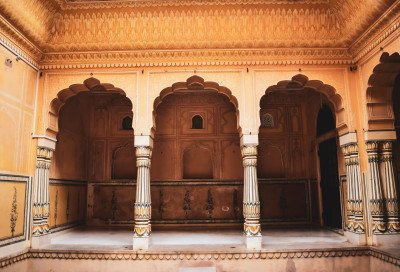
Barjala Viewpoint is a serene destination located in the Bishalgarh subdivision of Tripura, offering a breathtaking escape into nature's lap. This viewpoint is perched on a natural elevation known as a 'Tila,' providing a 360-degree panoramic view of the surrounding lush green valleys, rubber plantations, and the winding roads that snake through the landscape. The area is characterized by its tranquil atmosphere, making it a favorite spot for locals and tourists seeking a quiet retreat away from the city's hustle. Historically, the region of Bishalgarh has been a part of the princely state of Tripura, and such viewpoints were often used by the royalty for leisure. Today, it serves as a modern recreational spot where one can witness the spectacular sunrise and sunset, painting the sky in hues of orange and purple. The cool breeze and the sound of rustling leaves create a therapeutic environment. The viewpoint is particularly beautiful during the monsoon when the entire valley turns a vibrant emerald green, often draped in a thin veil of mist. Visitors can spend hours just gazing at the horizon, watching the play of light and shadow on the hills. It is also an excellent spot for bird watching, as several local species can be seen nesting in the nearby trees. The development of this viewpoint has boosted local tourism, encouraging visitors to explore the rural beauty of Tripura. It is a place where time seems to slow down, allowing one to reconnect with the simplicity of life. The surrounding village of Barjala offers a glimpse into the traditional lifestyle of the people of Tripura, adding a cultural dimension to your visit. Whether you are a nature lover, a photographer, or someone looking for peace, Barjala Viewpoint provides the perfect setting. The accessibility of the site from Bishalgarh makes it an easy day trip for families and solo travelers alike.
Card image cap
Bishalgarh Fort Ruins

The Bishalgarh Fort Ruins, historically known as Koilagarh, stand as a testament to the military prowess and architectural heritage of the Manikya ki...

The Bishalgarh Fort Ruins, historically known as Koilagarh, stand as a testament to the military prowess and architectural heritage of the Manikya kings of Tripura. These ruins are located strategically near the international border, overlooking the plains that transition into modern-day Bangladesh. The fort was primarily established by Maharaja Kalyan Manikya in the 17th century to defend the kingdom against the frequent invasions of the Mughals and the Nawabs of Bengal. Historically, this site witnessed several fierce battles, most notably the defense against Nawab Hossain Shah's forces. Today, while much of the structure has succumbed to time and tropical vegetation, the remaining brick walls and foundations offer a hauntingly beautiful glimpse into the past. The ruins are surrounded by dense foliage, giving it the feel of a lost city. The brickwork reflects the traditional 'Indo-Islamic' influence combined with indigenous Tripuri styles. Visitors can trace the outlines of the old barracks, the armory, and the defensive moats that once protected the royal forces. The atmosphere at the fort ruins is one of profound stillness, where the only sounds are the chirping of insects and the wind through the trees. It is a place of great interest for historians and archaeology students who come here to study the fortification techniques of the medieval Northeast. The site provides an excellent vantage point to see the border fencing and the vast paddy fields beyond. Local legends speak of hidden tunnels that once connected the fort to other strategic points in the kingdom. Although largely neglected in the past, there is a growing awareness regarding the conservation of this site. Visiting the Bishalgarh Fort Ruins is like stepping into a different era, offering a stark contrast to the modern developments in the town. It is a place that demands respect for its historical significance and the lives that were once guarded by its mighty walls. The trek to the ruins is relatively easy but rewarding for those who appreciate heritage.
Card image cap
Bishalgarh Kali Temple

The Bishalgarh Kali Temple, popularly known as the Kasba Kali Temple or Kamalasagar Kali Temple, is one of the most revered spiritual sites in Northe...

The Bishalgarh Kali Temple, popularly known as the Kasba Kali Temple or Kamalasagar Kali Temple, is one of the most revered spiritual sites in Northeast India. Situated on a small hillock overlooking the majestic Kamalasagar Lake, the temple dates back to the late 15th century. It was commissioned by Maharaja Dhanya Manikya, who was a great patron of art and religion. Interestingly, the idol inside the temple is that of the ten-handed Goddess Durga, depicted as Mahishasuramardini, but she is worshipped as Goddess Kali. This is because the base of the idol features an image of Lord Shiva, a characteristic feature of Kali worship. The temple serves as a bridge between the Hindu traditions of India and the historic links with Bangladesh, as the border is literally a few steps away. The atmosphere here is deeply spiritual, with the constant fragrance of incense and the sound of temple bells. Thousands of devotees flock here daily to seek blessings, especially during the festive seasons. The temple complex is beautifully maintained, with stairs leading up the hillock, offering a serene view of the lake below. Historically, this temple was also a site where the royalty performed special rituals before going to war. The stone-carved idol is made of sandstone and has survived for centuries, retaining its divine aura. The connection between the temple and the lake is symbolic, representing the union of the divine mother and the nurturing nature of water. Visiting this temple provides not just a religious experience but also a sense of peace, as the surrounding landscape is incredibly picturesque. The local community is deeply involved in the temple's daily rituals, and the 'Prasad' offered here is highly regarded. For any traveler to Bishalgarh, this temple is an essential stop to understand the cultural and religious fabric of Tripura.
Card image cap
Bishalgarh Market

Bishalgarh Market is the vibrant heart of the subdivision, serving as the primary hub for trade, social interaction, and cultural exchange. It is a s...

Bishalgarh Market is the vibrant heart of the subdivision, serving as the primary hub for trade, social interaction, and cultural exchange. It is a sprawling area that combines old-world charm with modern commercial activity. The market is divided into several sections, including the vegetable market, the fish market, garment shops, and specialized areas for bamboo products. Walking through the narrow lanes, one is greeted by the sights and sounds of a typical Indian bazaar—merchants calling out their prices, the aroma of fresh spices, and the colorful displays of local produce. Historically, this market has been a vital link for the surrounding agricultural villages, where farmers bring their fresh harvest of rubber, pineapples, and vegetables. It is one of the best places to find authentic Tripuri handloom sarees, known for their intricate designs and vibrant colors. The market is also famous for its local street food, especially 'Mui Borok' and various types of 'Pitha' (traditional rice cakes) sold during the winter. For a visitor, the market offers a deep dive into the daily life of the locals. It is not just a place to shop but a social space where people meet over cups of 'Cha' (tea) to discuss local news. The hustle and bustle reach their peak during the weekly 'Haat' days, when traders from distant villages arrive with unique forest products and handmade crafts. The market has seen significant modernization with the arrival of shopping malls and electronics stores, yet the traditional vendors remain its soul. The energy of the market is infectious, and it provides an excellent opportunity to buy souvenirs such as bamboo baskets, mats, and decorative wall hangings. Whether you are looking for high-quality rubber products or simple local snacks, Bishalgarh Market has something for everyone. It is the best place to witness the economic growth of the region while staying connected to its roots.
Card image cap
Botanical Garden

The Botanical Garden within the Sepahijala Wildlife Sanctuary is a horticultural masterpiece and a premier center for biodiversity in Tripura. Spread...

The Botanical Garden within the Sepahijala Wildlife Sanctuary is a horticultural masterpiece and a premier center for biodiversity in Tripura. Spread over a significant portion of the 18-square-kilometer sanctuary, this garden is a living museum of regional and exotic flora. It was established to preserve the indigenous plant species of the Northeast and to provide an educational space for nature lovers. The garden is divided into various sections, including a medicinal plant garden, an orchid house, and a dedicated area for rare timber trees like Sal, Garjan, and Teak. The walking paths are lined with colorful seasonal flowers, creating a visual treat for visitors. One of the highlights is the collection of over 450 species of plants, including several varieties of bamboo, which is synonymous with Tripura's culture. Historically, the Sepahijala area was a dense forest used by the kings for hunting, but it was later converted into a sanctuary to protect the rare Spectacled Monkey and the Clouded Leopard. The botanical garden serves as a peaceful core for this sanctuary, where one can walk under the cool shade of ancient trees. The garden also features a nursery where saplings are grown for reforestation projects across the state. For students and researchers, it is a goldmine of botanical information, with most plants clearly labeled with their scientific names. The sound of birds from the adjacent sanctuary adds to the charm, making it feel like a tropical paradise. It is an ideal spot for family outings, as the well-maintained lawns are perfect for relaxation. The garden's design encourages visitors to explore the intricate relationship between different plant species and their environment. Visiting this garden is a refreshing experience that highlights the importance of environmental conservation in the modern world.
Card image cap
Charilam Rubber Plantation

The Charilam Rubber Plantation is a breathtaking expanse of lush greenery that defines the landscape of the Bishalgarh region. Spanning hundreds of a...

The Charilam Rubber Plantation is a breathtaking expanse of lush greenery that defines the landscape of the Bishalgarh region. Spanning hundreds of acres, this plantation is not just an agricultural site but a major eco-tourism attraction that showcases the "Green Gold" of Tripura. As you walk through the neatly aligned rows of rubber trees, the canopy overhead creates a natural tunnel of shade, offering a serene escape from the hustle of urban life. The plantation plays a vital role in the local economy, providing livelihoods to many families through the extraction of latex. Visitors can witness the fascinating process of rubber tapping, where skilled workers make precise incisions in the bark to collect the milky white sap. The air here is fresh and infused with the earthy scent of the woods, making it a perfect spot for nature lovers and those seeking tranquility. The symmetry of the plantation provides a unique aesthetic that is rarely found in natural forests, making it a photographer's paradise. Over the years, it has become a popular stopover for travelers heading towards the Sepahijala Wildlife Sanctuary. The plantation serves as a living classroom for those interested in sustainable agriculture and forest management. It is also a haven for small avian species, and the sound of birds chirping adds to the melodic atmosphere. Whether you are interested in the industrial aspect of rubber production or simply want a quiet stroll amidst nature, this plantation offers an immersive experience that highlights the organic beauty and economic resilience of Tripura.
Card image cap
Clouded Leopard National Park

This park, established in 2007, covers 5.08 sq. km within the larger Sepahijala Wildlife Sanctuary. It is a crucial conservation hub dedicated to the ...
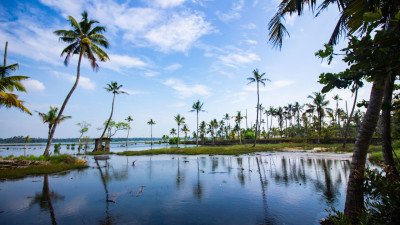
This park, established in 2007, covers 5.08 sq. km within the larger Sepahijala Wildlife Sanctuary. It is a crucial conservation hub dedicated to the elusive and Vulnerable Clouded Leopard species. The area is characterized by moist deciduous forests, dense bamboo groves, and rolling terrain, providing an ideal, semi-natural habitat for its namesake and other diverse fauna. The park's purpose extends beyond tourism, serving as a vital center for wildlife research and the conservation of Northeast India's unique biodiversity. Visitors experience a blend of educational and tranquil natural environments, often spotting several species of primates. [...] (400 words)
Card image cap
Dakshin Charilam Lake

Dakshin Charilam Lake is a pristine water body that serves as a vital ecological lung for the Bishalgarh subdivision. This expansive lake is surround...
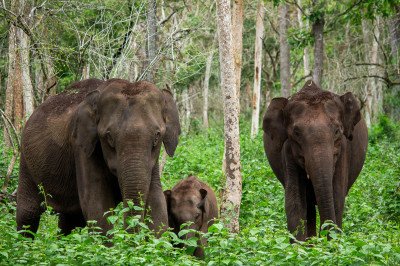
Dakshin Charilam Lake is a pristine water body that serves as a vital ecological lung for the Bishalgarh subdivision. This expansive lake is surrounded by lush tropical vegetation and rolling hills, creating a picturesque setting that feels worlds away from the urban noise. The lake is naturally formed and has been a source of irrigation and fishing for the local community for generations. In recent years, it has gained popularity as a quiet picnic spot for families and a romantic getaway for couples. The water is remarkably clear during the post-monsoon months, reflecting the azure sky and the surrounding greenery like a giant mirror. Birdwatchers frequent the lake, especially during the winter when several species of migratory birds make it their temporary home. The tranquil environment is perfect for meditation or simply sitting by the banks to watch the ripples on the water. Local fishermen can often be seen in their small wooden boats, casting nets in the traditional style, which adds a cultural layer to the natural beauty. The lake is also significant for the local micro-climate, keeping the surrounding air cooler even during the warm summer months. Efforts are being made to develop the area into a more formal eco-park while maintaining its raw, untouched charm. For those who enjoy long walks, the perimeter of the lake offers a rough trail that provides different perspectives of the landscape. It is a place where one can truly connect with the rhythms of nature and witness the harmonious coexistence of water, forest, and local human activity in Tripura.
Card image cap
Forest Rest House Abasarika

Forest Rest House Abasarika is an iconic government-run lodge situated within the sprawling Sepahijala Wildlife Sanctuary. It offers an unparalleled ...

Forest Rest House Abasarika is an iconic government-run lodge situated within the sprawling Sepahijala Wildlife Sanctuary. It offers an unparalleled experience of living amidst nature, surrounded by the sounds of the forest. The name "Abasarika" translates to a place of leisure or rest, and it lives up to its name by providing a serene environment away from city life. The rest house is strategically located near the sanctuary’s botanical garden and the animal enclosures, making it an ideal base for wildlife enthusiasts. Staying here allows visitors to witness the forest transition from day to night—a time when many elusive animals become active. The architecture reflects the classic colonial-era dak bungalows, with large verandas and high ceilings that keep the rooms cool. The property is managed by the Forest Department of Tripura, and it is well-known for its hospitality and simple, locally-sourced meals. One of the highlights of staying at Abasarika is the morning view; as the mist clears over the tall trees, one can often spot monkeys and exotic birds right from the balcony. The surrounding area is rich in biodiversity, housing the famous Spectacled Langur and the Clouded Leopard. It serves as both a research base for environmentalists and a peaceful sanctuary for tourists. The rest house has witnessed many high-profile visits over the decades, yet it retains a rustic and humble charm. It is particularly popular during the winter months when the weather is perfect for long walks in the sanctuary. Booking Abasarika is often considered a "bucket list" item for those visiting Bishalgarh, as it provides the most authentic forest immersion experience available in the entire state of Tripura.
Card image cap
Fourteen Goddess Temple

The Fourteen Goddess Temple, also known as Chaturdash Devta Mandir, is one of the most significant religious landmarks in Tripura. Although located i...
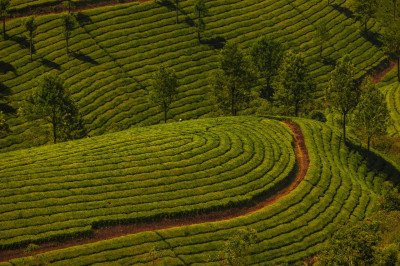
The Fourteen Goddess Temple, also known as Chaturdash Devta Mandir, is one of the most significant religious landmarks in Tripura. Although located in Old Agartala, it is a primary pilgrimage destination for residents of Bishalgarh and beyond. Built in 1761 by King Krishna Manikya, the temple is dedicated to fourteen deities who were originally the family gods of the royal house. These deities represent a fascinating blend of tribal roots and Hindu traditions. The gods include Shiva, Durga, Vishnu, Lakshmi, Saraswati, Kartik, Ganesha, Brahma, and others. Interestingly, the temple does not house full-bodied idols but only the heads of the fourteen gods, which are made of an alloy of eight metals. For most of the year, these idols are kept in a secure room and are brought out only during the famous Kharchi Puja. The temple complex is a serene space where one can feel the weight of centuries-old history. Legend says that the worship of these gods dates back to the time of the Mahabharata. The temple signifies the cultural synthesis of the indigenous Tripuri people and the broader Hindu world. The atmosphere during the annual festival is electric, with thousands of devotees congregating to witness the holy rituals. The priests, known as Chantais, perform the rituals in a unique style that has been passed down through generations. The temple stands as a guardian of Tripura’s royal heritage and continues to be a symbol of unity and faith for the people of the state.
Card image cap
Ganganagar Tea Estate

Ganganagar Tea Estate is a hidden treasure of Bishalgarh, representing the rich tea-growing tradition of Tripura. While most people associate tea onl...
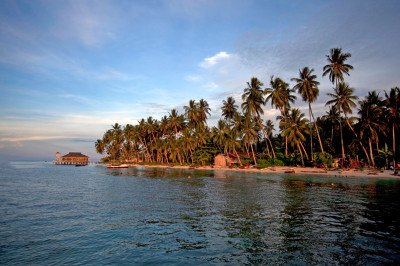
Ganganagar Tea Estate is a hidden treasure of Bishalgarh, representing the rich tea-growing tradition of Tripura. While most people associate tea only with Assam, this estate proves that the soil and climate of Bishalgarh are equally suited for high-quality tea production. The estate consists of undulating slopes covered with neatly manicured tea bushes that stretch as far as the eye can see. Walking through the estate, one is greeted by a refreshing aroma of young tea leaves and the sight of workers expertly plucking "two leaves and a bud." The estate is particularly beautiful during the monsoon when the rain washes the leaves, giving them a brilliant emerald hue. It provides a peaceful alternative to more crowded tourist spots, offering visitors a chance to observe the life of a tea garden community. The estate also houses a processing unit where the fresh leaves are withered, rolled, and dried to create the final product. Many visitors find it fascinating to see the transition from a green leaf to the black tea found in their cups. The estate's history is tied to the early industrial efforts of the region and remains a symbol of agricultural pride. The surrounding area is dotted with small labor colonies where the culture is a unique blend of various ethnic backgrounds. For those who enjoy slow travel, a visit to Ganganagar provides a soulful experience of the countryside. It is an ideal spot for morning walks or landscape photography, where the play of light and shadow on the tea slopes creates a dynamic and ever-changing view.
Card image cap
Green Island

@@Natural Beauty: The Green Island is a serene destination located within the water bodies near Bishalgarh. It is a man-made ecological park surrounde...

@@Natural Beauty: The Green Island is a serene destination located within the water bodies near Bishalgarh. It is a man-made ecological park surrounded by water, offering a peaceful atmosphere for visitors. The area is covered with thick vegetation and diverse flora. It serves as a major lung for the region. The details of the place include its role as a biodiversity hotspot. Visitors can witness many local bird species here. The park is designed to mimic a natural island habitat. It provides a perfect escape from the noisy city life. The landscape is meticulously maintained to preserve its "green" status. Many travelers come here for quiet contemplation and nature walks. The island is accessible via a small bridge or walkway. It represents the eco-tourism potential of Tripura. The local government has invested in keeping it pristine. Families often visit for weekend getaways. The air quality here is significantly better than in urban areas. It is a sanctuary for small mammals and reptiles too. The water surrounding it adds a cooling effect to the micro-climate.
Card image cap
Kamalasagar Lake

@@Historical Reservoir: Kamalasagar Lake is a vast artificial lake dug by Maharaja Dhanya Manikya in the 15th century. It was named after his wife, Qu...

@@Historical Reservoir: Kamalasagar Lake is a vast artificial lake dug by Maharaja Dhanya Manikya in the 15th century. It was named after his wife, Queen Kamala Devi. The lake is situated right on the border with Bangladesh, making it a unique geopolitical site. The water is clear and reflects the surrounding hillocks. It is primarily known for the Kasba Kali Bari temple located on its banks. The lake provides water for local irrigation but has evolved into a major tourist hub. The peaceful environment is complemented by the sound of temple bells. The lake's history is deeply intertwined with the royal lineage of Tripura. It is one of the largest man-made lakes in the district. The view across the lake allows visitors to see the plains of Bangladesh. The area is well-maintained by the tourism department. It serves as a symbol of peace between the two nations. The lake's depth is significant and supports a variety of fish. Many devotees take a ritual dip in the lake before visiting the temple. The perimeter is lined with ancient trees. It is a place where history, religion, and nature converge.
Card image cap
Kamalasagar Lake/Park

Kamalasagar Lake, also known as Kasba Lake, is a beautiful artificial water body spread across 10 acres. It was excavated in the 15th century by Mahar...

Kamalasagar Lake, also known as Kasba Lake, is a beautiful artificial water body spread across 10 acres. It was excavated in the 15th century by Maharaja Dhanya Manikya, who named it after his wife, Kamala Devi. The lake's tranquil blue waters and surrounding park area make it a popular spot for picnics and relaxation. The lake is geographically significant as it is situated right on the Indo-Bangladesh International Border, creating a unique geopolitical landscape. The serene lake is complemented by the majestic Kasba Kali Temple perched on a hillock overlooking its shores, enhancing the entire area's spiritual and scenic charm. [...] (400 words)
Card image cap
Kanaibari Eco Park

Kanaibari Eco Park is a relatively newer addition to the green spaces of Bishalgarh, designed to provide a blend of recreational activities and a peac...

Kanaibari Eco Park is a relatively newer addition to the green spaces of Bishalgarh, designed to provide a blend of recreational activities and a peaceful, natural environment. The park focuses on sustainable practices and features lush greenery, diverse local flora, and well-maintained scenic trails. It is a cherished spot for local residents and travelers looking for a quick retreat from the bustling city life. The park's main purpose is to promote ecological awareness while offering a space for relaxation, family outings, and light outdoor activities. It often hosts local events and gatherings, fostering a sense of community. The park also highlights the preservation of local plant species. [...] (400 words)
Card image cap
Kasba Kali Temple

The Kasba Kali Temple, also known as Kasbeswari Kali Mata or Kamalasagar Kali Temple, is a revered Hindu shrine established in the late 15th century b...

The Kasba Kali Temple, also known as Kasbeswari Kali Mata or Kamalasagar Kali Temple, is a revered Hindu shrine established in the late 15th century by Maharaja Dhanya Manikya. It is dedicated to the fierce goddess Kali, a form of Shakti. The temple is perched majestically on a small hillock, offering a commanding view of the beautiful Kamalasagar Lake below and the Indo-Bangladesh Border nearby. Despite the main idol resembling the ten-handed Goddess Durga fighting the demon Mahishasura, it is worshipped as Maa Kali because the idol is placed on a base platform that features an image of Lord Shiva. This unique iconographic detail and its ancient history make it a major pilgrimage center, drawing devotees from both India and Bangladesh. [...] (400 words)
Card image cap
Laxmilunga Tea Garden

@@Tea Heritage: Laxmilunga Tea Garden is a sprawling estate known for its high-quality tea production. The garden features rolling hills covered in ma...

@@Tea Heritage: Laxmilunga Tea Garden is a sprawling estate known for its high-quality tea production. The garden features rolling hills covered in manicured tea bushes. It offers a glimpse into the colonial-era plantation culture that still thrives in Tripura. The air is filled with the fresh aroma of tea leaves. It is a major employment provider for the local tribal communities. The garden is spread across several acres of undulating terrain. Visitors can see the workers skillfully plucking "two leaves and a bud." The estate includes a processing unit where the tea is dried and fermented. The landscape is a vibrant green throughout the year. It is one of the oldest tea gardens in the Bishalgarh sub-division. The garden provides a picturesque backdrop for nature lovers. It is a quiet destination away from the typical tourist crowds. The biodiversity here includes various species of butterflies. The garden management often allows guided tours for students. It represents the agricultural backbone of the state. The serenity of the place makes it a favorite for writers and artists.
Card image cap
Naraura Tila

@@Natural Elevation and Local Significance: Naraura Tila is a small yet significant hillock located near the Bishalgarh area, offering a tranquil esca...

@@Natural Elevation and Local Significance: Naraura Tila is a small yet significant hillock located near the Bishalgarh area, offering a tranquil escape from the town's bustle. The term 'Tila' in Bengali means 'hillock' or 'mound,' suggesting its topographical nature. It is cherished by the local community as a natural viewpoint and a quiet spot for evening walks and relaxation. The area is characterized by lush green cover, typical of the plain land interspersed with small hills found in Tripura. The gentle slopes are often used for recreational activities and small picnics, especially by families living nearby. The natural environment here is relatively untouched, providing a refreshing dose of fresh air and scenic views of the surrounding plains and the distant townscape of Bishalgarh. For visitors, it's a place to connect with the subtle, understated natural beauty of the region, quite distinct from the structured parks or sanctuaries. The charm lies in its simplicity and the peaceful atmosphere it consistently maintains. The elevated position of the Tila provides an excellent vantage point, particularly during sunrise and sunset, making it a favorite spot for local photographers. It embodies the quiet, natural rhythm of life in this part of West Tripura. It is a testament to the fact that even small geographical features can hold significant value as community spaces and natural assets, acting as a green lung for the nearby settlements. The ecosystem of the Tila supports various local flora, and though not a designated wildlife area, it is home to smaller bird species and insects, contributing to local biodiversity. The place is easily accessible, making it a convenient stop for a short rejuvenating visit.
Card image cap
Old Tripura Capital Site

@@Royal History: The Old Tripura Capital Site, often associated with Puran Agartala, is where the kings ruled before shifting to the current city. It ...
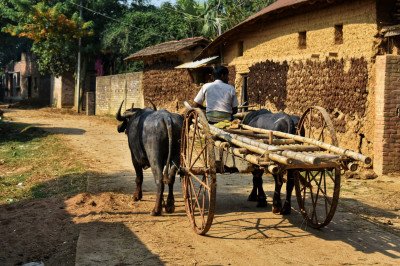
@@Royal History: The Old Tripura Capital Site, often associated with Puran Agartala, is where the kings ruled before shifting to the current city. It houses the famous Chaturdasha Devata Temple. The site is filled with the ruins of old administrative buildings. It holds deep religious significance for the people of Tripura. The architecture reflects the transition from tribal roots to Hindu influence. The site is a treasure trove for historians. The details include the ancient temple complex where 14 deities are worshipped. The capital was shifted here by King Krishna Manikya. The area still retains a regal air during festivals. The site serves as a reminder of the state's long and rich monarchical history. Many of the old structures are now under archaeological protection. The layout of the old city can still be traced through the mounds. It is a place of pilgrimage and historical research. The surroundings are calm and steeped in tradition. Every corner of the site tells a story of royal bravery and culture.
Card image cap
Purba Charilam Village

@@Village Charm: Purba Charilam Village is a model village representing the authentic rural life of Tripura. It is famous for its vast rubber plantati...

@@Village Charm: Purba Charilam Village is a model village representing the authentic rural life of Tripura. It is famous for its vast rubber plantations and lush paddy fields. The village is a hub for the Charilam block activities. It offers a glimpse into the harmonious living of different communities. The lifestyle here is slow and deeply connected to the earth. The village is known for its cleanliness and well-planned layout. Visitors can see traditional mud houses with thatched roofs. The area is a major producer of natural rubber in the district. It serves as the gateway to the Sepahijala Wildlife Sanctuary. The village folks are known for their hospitality and traditional crafts. The details of the village include its focus on sustainable agriculture. It is a great place to experience the "Gramin" (rural) culture of Northeast India. The village ponds are full of fish and lotus flowers. The local markets are vibrant with fresh organic produce. It is a perfect spot for those looking to escape the concrete jungle.
Card image cap
Rangamati Tea Estate

Rangamati Tea Estate is one of the premier tea-producing gardens in the West Tripura region. It offers a sprawling landscape of rolling hills covered...

Rangamati Tea Estate is one of the premier tea-producing gardens in the West Tripura region. It offers a sprawling landscape of rolling hills covered in vibrant green tea bushes. This estate represents the agricultural heritage of the state, where tea cultivation has been a tradition for decades. Visitors are greeted by the aromatic scent of fresh tea leaves as they enter the estate. The topography of Rangamati is unique, featuring gentle undulations that create a picturesque wavy pattern of greenery. The estate is not just a commercial farm but also a scenic retreat for those looking to escape the urban environment. Walking through the narrow trails between the tea bushes is a sensory experience, with the sound of birds and the rustle of leaves. The workers at the estate are often seen skillfully plucking "two leaves and a bud," a sight that provides great photographic opportunities. The estate also includes a processing unit where visitors can sometimes witness the transformation of raw leaves into finished tea products. The soil and climate of this part of Tripura are particularly suited for high-quality tea, making Rangamati products popular in local markets. The area is also home to various species of butterflies and small insects, contributing to the local biodiversity. Exploring the estate gives one an appreciation for the hard work involved in the tea industry. It is a place of quiet beauty, where the horizon meets the endless rows of green. For many, a visit to Rangamati is a highlight of their trip to Bishalgarh, offering a peaceful atmosphere and stunning vistas. The estate is well-connected by local roads, making it an easy addition to any travel itinerary in the region.
Card image cap
R.C. Das Memorial Park

R.C. Das Memorial Park is a beautifully maintained urban green space located in the heart of Bishalgarh. It serves as a vital recreational hub for lo...

R.C. Das Memorial Park is a beautifully maintained urban green space located in the heart of Bishalgarh. It serves as a vital recreational hub for locals and a peaceful stopover for travelers exploring the West Tripura district. The park is named after a prominent local personality and reflects the community's respect for historical heritage. Spanning several acres, the park features meticulously manicured lawns, vibrant flower beds, and a variety of indigenous trees that provide ample shade during the sunny afternoons. It is designed to offer a sanctuary from the urban hustle, providing fresh air and a calm environment. The park is particularly popular among morning walkers and families who come to enjoy the open spaces. Historically, it serves as a memorial, often hosting small local gatherings and commemorative events. The layout is simple yet elegant, ensuring that visitors can navigate the pathways easily. Over the years, the local municipality has improved the facilities, including better lighting and seating arrangements. For a tourist, it offers a glimpse into the local lifestyle of Tripura. The lush greenery is a treat for the eyes, especially during the spring when the flowers are in full bloom. It is a place where one can sit quietly and observe the daily life of the town. The park's central location makes it easily accessible from various parts of the town. It remains a symbolic landmark of Bishalgarh, representing the town's commitment to preserving green lungs amidst development. Visitors often find the atmosphere refreshing and the hospitality of the local staff welcoming.
Card image cap
Sandipan Das Rubber Garden

@@The Economics and Ecology of Rubber: The Sandipan Das Rubber Garden is a classic example of the thriving rubber economy in Tripura, which has emerge...

@@The Economics and Ecology of Rubber: The Sandipan Das Rubber Garden is a classic example of the thriving rubber economy in Tripura, which has emerged as the second-largest rubber-producing state in India. This particular garden is a private or managed plantation, showcasing the systematic cultivation of Hevea brasiliensis, the rubber tree. The garden is a vast stretch of uniformly planted trees, creating a stunning visual of endless rows of greenery. The atmosphere inside the garden is noticeably cooler and quieter than the surrounding areas, a characteristic effect of the dense tree cover. Visitors can witness the process of rubber tapping, where incisions are made in the bark of the rubber tree to collect the latex. This method is a crucial part of the agricultural process and a key highlight for educational visits. The garden also serves as a model of sustainable plantation agriculture and contributes significantly to the local economy of Bishalgarh. The sheer scale and organized layout of the plantation are impressive, providing a unique arboreal landscape. It offers a peaceful, pollution-free environment, making it a wonderful place for a leisurely walk and an educational trip about cash crops. The scent of the earth and the latex is distinct and contributes to the overall experience. The place is often frequented by agriculture students and researchers besides general tourists. It is a living, working example of how commercial agriculture coexists with natural beauty in Tripura.
Card image cap
Sepahijala Wildlife Sanctuary

@@An Ecological Treasure of Tripura: Sepahijala Wildlife Sanctuary is an expansive protected area covering approximately 18.53 square kilometers (7.15...

@@An Ecological Treasure of Tripura: Sepahijala Wildlife Sanctuary is an expansive protected area covering approximately 18.53 square kilometers (7.15 sq mi), making it one of the most significant conservation areas in Tripura. Established to protect the region's rich flora and fauna, the sanctuary is characterized by a moist deciduous forest type. It is a vital habitat for several primate species, including the famous and unique Spectacled Langur (Phayre's Langur), Rhesus Macaque, Pig-tailed Macaque, and Capped Langur. The sanctuary is also home to various animals like the Clouded Leopard, Leopard, Barking Deer, Wild Pig, and a rich variety of reptiles and civets. Beyond its faunal wealth, the sanctuary features a beautiful Botanical Garden and several artificial lakes, such as Amrit Sagar, where boating facilities are available. The presence of rubber and coffee plantations within the complex adds another unique dimension to its landscape. It serves both as a wildlife habitat and a prominent academic and research center for biodiversity studies. The relatively cool and temperate weather throughout the year, except for a few summer months, makes it a pleasant destination for nature lovers. The sanctuary is a perfect blend of conservation efforts, natural beauty, and controlled tourism, offering visitors an immersive experience in the wild heart of Tripura. It’s a crucial ecological landmark for India's North-East.
Card image cap
Sepahijala Zoological Park

@@A Dedicated Center for Wildlife Display: The Sepahijala Zoological Park is an integral and popular part of the larger Sepahijala Wildlife Sanctuary ...

@@A Dedicated Center for Wildlife Display: The Sepahijala Zoological Park is an integral and popular part of the larger Sepahijala Wildlife Sanctuary complex, but functions as a dedicated medium-sized zoo, established in 1972. Its primary aim is the ex-situ conservation and public display of the region's diverse fauna. Spread over an area of around 68 hectares, the park plays a crucial role in wildlife education and awareness. It is particularly known for its specialized enclosure for the Clouded Leopard, one of the most exotic cat species found in the North-East of India. The park showcases a variety of animals, including different species of deer (Spotted Deer, Hog Deer), primates (Rhesus Macaque, Capped Langur), various reptiles, and a large aviary housing diverse bird species. A major highlight is its captive breeding program, especially for the endemic and endangered Spectacled Langur. The zoo environment allows visitors a guaranteed opportunity to see some of the sanctuary's elusive inhabitants, which are hard to spot in the wild. The park is constantly striving to improve its animal enclosures to be more naturalistic and comfortable for the resident animals. The educational value of the park is immense, providing detailed information about the species housed and the importance of conservation in Tripura. It is a major destination for school trips and weekend family outings from Agartala and Bishalgarh.
Card image cap
Shipahijola Lake Backside

@@Tranquility and Natural Beauty of the Lakeside: The area referred to as the Shipahijola Lake Backside (often associated with the large lakes within ...

@@Tranquility and Natural Beauty of the Lakeside: The area referred to as the Shipahijola Lake Backside (often associated with the large lakes within the Sepahijala Wildlife Sanctuary complex, such as Amrit Sagar or Abasarika Lake) is a highly tranquil and picturesque spot. This 'backside' area typically refers to the less-developed, more pristine banks of the lake system, away from the main boating jetties and tourist facilities. This part of the lake offers an unparalleled view of the dense forest meeting the water's edge, creating beautiful reflections, especially in the early morning. The lake itself is an artificial reservoir created within the sanctuary, serving as a critical water source for the wildlife and supporting a rich population of aquatic flora and fauna. The calm waters attract a large number of resident and migratory birds, making it a prime location for ornithology. The environment is one of deep peace and quiet, ideal for contemplation and absorbing the natural beauty of Tripura's woodlands. The dense foliage of the forest acts as a natural buffer, enhancing the secluded feel of the area. It is a photographer’s delight, with the play of light and shadow on the water surface and the surrounding trees providing constant visual interest. The lake is a functional part of the ecosystem, not just a tourist attraction.
Card image cap
Sipahijala Zoo

Sipahijala Zoo, officially known as the Sepahijala Zoological Park, is one of the most famous wildlife destinations in Northeast India. It is unique ...

Sipahijala Zoo, officially known as the Sepahijala Zoological Park, is one of the most famous wildlife destinations in Northeast India. It is unique because it is situated within a natural sanctuary, allowing animals to live in conditions that closely mimic their natural habitats. The zoo is spread over a vast area of approximately 68 hectares and is home to a diverse range of fauna. One of its primary attractions is the Clouded Leopard, which is a rare and elusive species native to the region. The zoo has been successful in the captive breeding of this endangered feline. Another highlight is the Spectacled Monkey, also known as the Phayre's Leaf Monkey, which can be seen swinging through the trees. The park is divided into several sections, including a primate section, a reptile house, and an aviary. The aviary is particularly impressive, housing numerous species of colorful tropical birds. The zoo also features a large lake called Amrit Sagar, where visitors can enjoy paddle boating while observing water birds. For families, the toy train ride is a popular attraction that takes visitors around the key enclosures. The botanical garden within the premises adds to the educational value, showcasing a variety of medicinal and ornamental plants. The zoo plays a critical role in conservation and education, hosting many researchers and students. The paths are well-shaded by dense forest canopy, making it a pleasant walk even during the day. It is an ideal spot for nature lovers and photographers who wish to see the biodiversity of Tripura in one place. The zoo's commitment to animal welfare is evident in the spacious and naturalistic enclosures. Visiting Sipahijala is not just about seeing animals but also about experiencing the tranquility of the forest. It remains a top-rated destination for both domestic and international tourists.
Card image cap
Twikrama Park

@@A Dedicated Space for Leisure and Community: Twikrama Park is a popular local park and recreational area located near Bishalgarh, serving as an impo...

@@A Dedicated Space for Leisure and Community: Twikrama Park is a popular local park and recreational area located near Bishalgarh, serving as an important green space for the community of Madhya Ghaniamara and Golaghati. Unlike the vast wildlife sanctuary, Twikrama Park is a smaller, more contained, and man-made landscaped area, focused entirely on public leisure and entertainment. The park features manicured lawns, colorful seasonal flower beds, and a variety of decorative trees and shrubs, creating a pleasant and relaxing environment for visitors. It is particularly popular among families with young children, as it typically includes dedicated play areas with swings, slides, and other equipment. The park’s design often incorporates paved walking paths, benches, and shaded seating areas, making it comfortable for elderly people and those seeking a quiet spot to read or socialize. It often acts as a local picnic spot on weekends and holidays. The establishment of such parks reflects the local administration's effort to provide well-maintained public spaces for improved quality of life. The atmosphere is vibrant and cheerful, especially in the evenings when families and locals gather. Its convenient location near Bishalgarh makes it easily accessible for a short, rejuvenating visit. It's a key spot for community bonding and light recreation, a true modern green lung of the locality.
Card image cap
Uttar Charilam Forest Area

Uttar Charilam Forest Area is an expansive tract of tropical semi-evergreen and moist deciduous forest. It acts as a buffer zone for the Sepahijala W...

Uttar Charilam Forest Area is an expansive tract of tropical semi-evergreen and moist deciduous forest. It acts as a buffer zone for the Sepahijala Wildlife Sanctuary and is a critical ecological site in Bishalgarh. The forest is characterized by tall Dipterocarpus trees, bamboo thickets, and a variety of climbers. For nature enthusiasts, this area offers a more "wild" experience compared to the curated zoo nearby. The forest floor is often covered in a thick layer of leaves, creating a soft trail for hikers and trekkers. This area is known for its rich avian population, making it a hotspot for birdwatchers. One can often hear the loud calls of the Great Hill Myna or see the vibrant plumage of the Indian Roller. The forest is also home to various small mammals like the barking deer and wild boars, although they are shy and hard to spot. Walking through Uttar Charilam provides a deep sense of peace, with only the sounds of nature for company. The local forest department has established several nature trails that allow visitors to explore the depth of the woods safely. These trails are marked to ensure that trekkers do not get lost in the dense vegetation. The area also serves as a carbon sink for the region, playing a vital role in maintaining the local climate. During the monsoon, the forest turns into a deep, vibrant green, and the small streams that crisscross the land come alive. It is a fantastic place for ecological research and photography. The proximity to Bishalgarh makes it an easy escape for a morning or afternoon of exploration. Visitors are encouraged to hire a local guide who can point out rare plant species and explain the forest's ecology. Uttar Charilam remains a testament to Tripura's commitment to preserving its natural heritage amidst growing urbanization.
Card image cap
View Point, Laxmilunga

Laxmilunga View Point is a hidden gem that offers some of the most breathtaking panoramic vistas in the Bishalgarh region. Perched on a natural eleva...

Laxmilunga View Point is a hidden gem that offers some of the most breathtaking panoramic vistas in the Bishalgarh region. Perched on a natural elevation, it provides a 360-degree view of the surrounding valleys, tea gardens, and distant hills. The spot is relatively untouched by mass tourism, making it a perfect retreat for those seeking solitude and natural beauty. As you stand at the edge of the viewpoint, you can see the lush green landscape of Tripura stretching out like a vast carpet. The air here is noticeably cooler and fresher due to the elevation and the surrounding vegetation. It is a popular spot for locals to visit during the late afternoon to witness the sunset, which paints the sky in shades of crimson and gold. The viewpoint is surrounded by small patches of tea bushes and pineapple plantations, adding to the rural charm of the location. There are no large commercial structures here, only a few simple benches and a small platform for viewing. This simplicity is what attracts many visitors who want an authentic experience of the countryside. On a clear day, one can even see the distant mountain ranges of Bangladesh and the Chittagong Hill Tracts. The path leading up to the viewpoint is a scenic drive through small villages and green fields. It is an excellent spot for landscape photography, especially during the "golden hour" just before sunset. For many, Laxmilunga is a place of reflection and peace, far removed from the noise of the town. The local community is friendly and often helps visitors with directions. It is a must-visit for anyone who appreciates the raw beauty of the Northeast Indian landscape.
Show All

Bishalgarh Itineray And Cost:-

Information about New and Updated Locations() of Tripura Has Been Added :-
Card subtitle

Note:-

Information provided here in good Faith and for reference only.

All information and pictures will be updated soon, please keep visiting.

Near Places
...
Agartala

Some quick example text to build on the card title and make up the bulk of the card's content.

Go somewhere
...
Amarpur

Some quick example text to build on the card title and make up the bulk of the card's content.

Go somewhere
...
Ambassa

Some quick example text to build on the card title and make up the bulk of the card's content.

Go somewhere
...
Belonia

Some quick example text to build on the card title and make up the bulk of the card's content.

Go somewhere
...
Bishalgarh

Some quick example text to build on the card title and make up the bulk of the card's content.

Go somewhere
...
Chabimura

Some quick example text to build on the card title and make up the bulk of the card's content.

Go somewhere
...
Chailengta

Some quick example text to build on the card title and make up the bulk of the card's content.

Go somewhere
...
Champaknagar

Some quick example text to build on the card title and make up the bulk of the card's content.

Go somewhere
...
Devtamura

Some quick example text to build on the card title and make up the bulk of the card's content.

Go somewhere
...
Dharmanagar

Some quick example text to build on the card title and make up the bulk of the card's content.

Go somewhere
in Other Cities