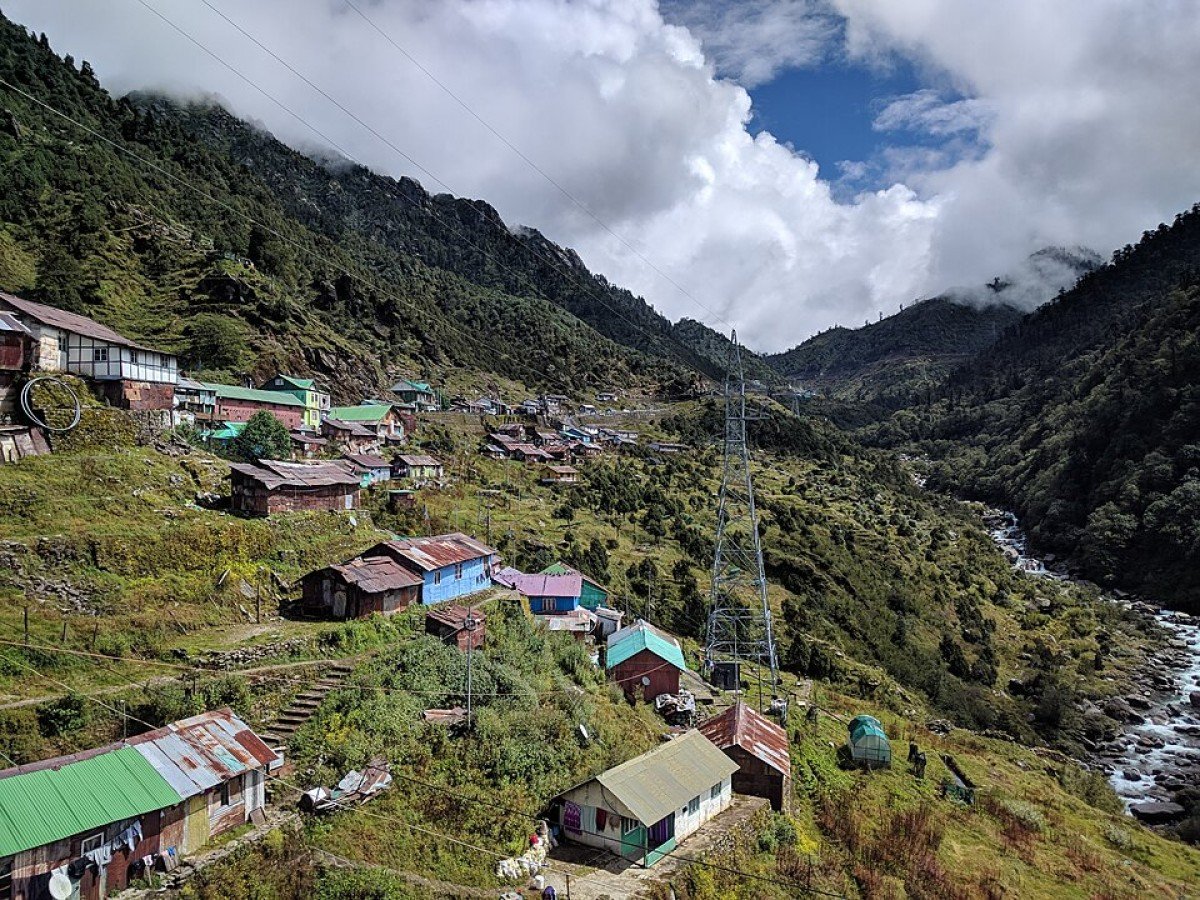
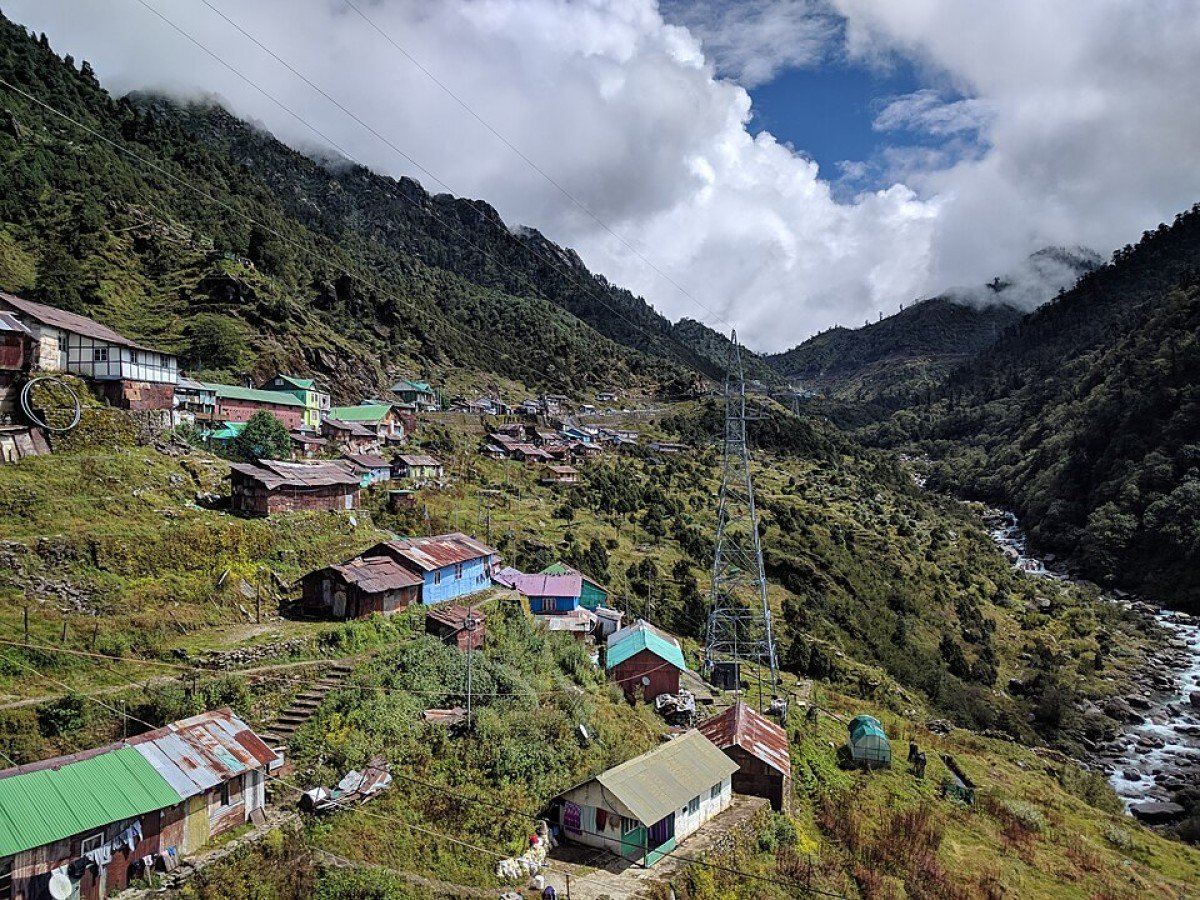
Tashi Tenka Royal Complex
General information
-
Ideal Duration:
1 Hour - 1. 5 Hours (Including Walk)Place Type:
Historical, Ruins, Viewpoint, CulturalEntry Fees:
General Entry Fees: Entry to the Tashi Tenka Royal Complex grounds is typically Free for all visitors, as it is a historical ruin and an open viewpoint:
Maintenance Fee: A small, nominal Maintenance Fee (e. g. , Rs.10 to Rs.20) may be collected b...General Entry Fees: Entry to the Tashi Tenka Royal Complex grounds is typically Free for all visitors, as it is a historical ruin and an open viewpoint:
Maintenance Fee: A small, nominal Maintenance Fee (e. g. , Rs.10 to Rs.20) may be collected by a local committee at the start of the uphill path to help with the upkeep of the trail and the grounds: This fee is usually voluntary or mandatory but minimal:
Photography/Filming Fees:
There are no fees for general tourism photography: Professional or commercial filming of the historical ruins may require a specific permit from the Archaeological Survey of India (ASI) or the State Heritage Department, which would incur charges.Timing:
Regular Timings: The site is an Open-Access viewpoint, accessible 24 Hours a day: However, it is safest and best to visit during Daylight Hours, generally from 6:00 AM to 6:
00 PM:
Visitors should avoid the path af...Regular Timings: The site is an Open-Access viewpoint, accessible 24 Hours a day: However, it is safest and best to visit during Daylight Hours, generally from 6:00 AM to 6:
00 PM:
Visitors should avoid the path after dark:
Ideal Visit Time: The Ideal Visit Time is the Late Afternoon (around 3:00 PM to 5:30 PM) to catch the soft afternoon light and the spectacular Sunset: This time also ensures the walk is not too strenuous in the midday heat:
Seasonal Consideration: The best time is during the clear weather of Autumn (September to November) for the best views and pleasant walking conditions: Allow 1 to 1. 5 hours for the walk up, time at the site, and the walk back.Special Events:
Local Heritage Day: Occasionally, the local village committee or tourism authority organizes a Heritage Day or small cultural event on the grounds, celebrating the history of Yuksom as the first capital: These events feature local music, traditional food, and historical stor...Local Heritage Day: Occasionally, the local village committee or tourism authority organizes a Heritage Day or small cultural event on the grounds, celebrating the history of Yuksom as the first capital: These events feature local music, traditional food, and historical story-telling, though they are not fixed annual events:
Buddhist Prayer Flags: On auspicious Buddhist days, new Prayer Flags may be strung up on the ridge, creating a colorful and spiritual ambiance: This often happens around Losar (Tibetan New Year). The event is generally a quiet, spiritual activity rather than a public festival.Best Photo Spots:
Panoramic Viewpoint: The entire Tashi Tenka ridge is a large photo spot, allowing for Wide-Angle Panoramic Shots of the Yuksom valley stretching out below and the distant hills:
The best time is during clear weather:
Read MorePanoramic Viewpoint: The entire Tashi Tenka ridge is a large photo spot, allowing for Wide-Angle Panoramic Shots of the Yuksom valley stretching out below and the distant hills:
The best time is during clear weather:
Ruins and Sky: Capture the small, remaining Stone Foundation Walls against the vast expanse of the sky, symbolizing the passage of time and the remnants of a great past:
Sunset Silhouette: A photograph of the ruins or the figures of people silhouetted against the vibrant colors of a Sunset over the distant western hills:
This is a highly dramatic and evocative shot:
Framing the Village: A telephoto shot of the main Yuksom village nestled in the valley below, framed by the vegetation and open space of the ridge top, showcasing the contrast between the royal past and the modern village.Photo Gallery
Things To Do
-
Explore the Ruins and Grounds: Walk the grounds and spend time exploring the Stone Foundations and remnants of the walls, imagining the layout and scale of the original royal complex: The site requires patience to appreciate the history over the visual architecture:
Panoramic Photography: Utilize the hilltop location for Panoramic Photography of the Yuksom valley, the surrounding forests, and the distant mountain ranges:
It offers a unique aerial perspective of the town:
Sunset Viewing: Plan a visit for the late afternoon to experience the serene Sunset from the ridge top:
Carry a light snack and water for this time:
Historical Reflection: Use the quiet, elevated setting for historical reflection on t...Explore the Ruins and Grounds: Walk the grounds and spend time exploring the Stone Foundations and remnants of the walls, imagining the layout and scale of the original royal complex: The site requires patience to appreciate the history over the visual architecture:
Panoramic Photography: Utilize the hilltop location for Panoramic Photography of the Yuksom valley, the surrounding forests, and the distant mountain ranges:
It offers a unique aerial perspective of the town:
Sunset Viewing: Plan a visit for the late afternoon to experience the serene Sunset from the ridge top:
Carry a light snack and water for this time:
Historical Reflection: Use the quiet, elevated setting for historical reflection on the early days of the Sikkimese kingdom and the lives of the first Chogyals: This is an ideal spot for journaling or quiet thought:
Birdwatching: The surrounding scrub and trees on the ridge are excellent for Birdwatching, offering views of local Himalayan species in a quiet environment:
Carry binoculars:
Combine with Norbugang: Walk the path back down to the Coronation Throne of Norbugang Park to complete the historical loop, linking the place of coronation with the first royal residence.
Information
-
Why Famous:
Sikkim's First Palace: It is famous as the site of the First Royal Palace and the administrative center of the newly formed kingdom of Sikkim after the 1642 coronation: This makes it a crucial historical and political landmark, though physically only ruins remain:Sikkim's First Palace: It is famous as the site of the First Royal Palace and the administrative center of the newly formed kingdom of Sikkim after the 1642 coronation: This makes it a crucial historical and political landmark, though physically only ruins remain:
Panoramic Views: The hilltop location offers Breathtaking Panoramic Views of the entire Yuksom valley, the surrounding mountain ridges, and a unique perspective of the distant Rathong Valley, making it a favorite spot for nature lovers and photographers:
Historical Lineage: The ruins represent the physical start of the royal lineage of Sikkim and are intrinsically linked to the sacred sites of Norbugang and Dubdi Monastery, completing the historical triangle of the first capital:
Contemplative Site: The peaceful atmosphere of the ruins and the vast, open space on the ridge top offer a powerful sense of history and quiet contemplation, attracting visitors interested in the stories of the past. -
Architecture:
Architectural Remnants: The current "architecture" of Tashi Tenka consists mainly of Foundation Ruins—stone walls, outlines of former structures, and leveled ground that once housed the royal buildings: The original palace would have been constructed in the traditional, ro...Architectural Remnants: The current "architecture" of Tashi Tenka consists mainly of Foundation Ruins—stone walls, outlines of former structures, and leveled ground that once housed the royal buildings: The original palace would have been constructed in the traditional, robust Sikkimese style, likely using thick Stone walls, wooden frames, and an architectural style similar to the traditional monastery or fort (Dzong) design of the region, prioritizing structural strength and defensive positioning:
Strategic Location: The architecture of the site is defined by its Strategic Topographical Location on a prominent hilltop ridge, offering a commanding, defensive position and a magnificent vantage point: The primary architectural feature is the man-made leveling and terracing of the hilltop to accommodate the palace complex, demonstrating early engineering efforts:
Dimension: The complex would have been extensive, encompassing the King's residence, administrative offices, courtyards, and possibly small shrines: The overall Dimension is the large area of the ridge top, and the foundations indicate the sprawling nature of the original palace compound: The ruins are a testament to the fact that the original architecture was substantial, even if little remains today. -
How To Reach:
By Air/Train/Road: The travel to Yuksom is the same as described for Norbugang Park:
Nearest Airport:
Bagdogra Airport (IXB) (150 KMS):
Nearest Rail:
Read MoreBy Air/Train/Road: The travel to Yuksom is the same as described for Norbugang Park:
Nearest Airport:
Bagdogra Airport (IXB) (150 KMS):
Nearest Rail:
New Jalpaiguri Railway Station (NJP) (150 KMS): A hired taxi or shared jeep is required to reach Yuksom village from IXB/NJP (6-8 hours drive):
By Local Transport:
The site is Not accessible by car: It requires a mandatory uphill Walk (approx. 1.
5 KMS) from the main Yuksom village center: The trail/path to the ridge is generally well-defined, starting near the southern edge of the village, often near the road that leads to Norbugang Park: Ask locals for the path to the "Old Palace" or "Rajbari".Weather and Best Time to Visit:
Season - Autumn (September to November):
Best Time: The weather is crisp, offering the clearest, unhindered views of the valley and the surrounding snow peaks, ideal for photography and a pleasant walk:
Season - S...Season - Autumn (September to November):
Best Time: The weather is crisp, offering the clearest, unhindered views of the valley and the surrounding snow peaks, ideal for photography and a pleasant walk:
Season - Spring (March to May):
Excellent Time: The mild weather makes the uphill walk comfortable:
The surrounding greenery is lush and in bloom:
Part of Day - Late Afternoon/Evening: Essential to visit in the Late Afternoon to enjoy the quiet reflection and to witness the highly photogenic Sunset over the hills and the valley below.Near Tourist Places:
Coronation Throne of Norbugang Park (1 KMS Walk), Kathok Wodsalin Gompa (1. 5 KMS Walk), Kartok Lake (1. 5 KMS Walk), Dubdi Monastery (2. 5 KMS Trek start), Khangchendzonga National Park Gateway (2 KMS Walk), Yangtey Viewpoint (15 KMS Drive), Phamrong Waterfall (9 KMS Drive), Khecheopalri Lake (26 KMS Drive), Pemayangtse Monastery (38 KMS Drive), Rabdentse Ruins (40 KMS Drive).Tourism Tips
-
Health & Safety:
The walk is moderately steep:
Wear Sturdy Shoes with a good grip:
Carry Water for the uphill climb: Visit with a companion, especially in the late afternoon/ev...Health & Safety:
The walk is moderately steep:
Wear Sturdy Shoes with a good grip:
Carry Water for the uphill climb: Visit with a companion, especially in the late afternoon/evening, as the area is secluded:
Carry a torch/headlamp if staying for the sunset:
Packing: Bring a good camera and a light tripod for sunset/panoramic shots: Pack a light jacket, as the ridge top can be windy and cool: A small mat can be useful for sitting on the grassy grounds:
Accommodation: Stay in any homestay or hotel in Yuksom;
the walk is easily done from the village center:
Local Etiquette: Treat the site with respect due to its historical importance: Do Not Litter and Do Not Deface the remaining stone ruins or walls: The site is a heritage property, so respect the fragility of the remnants.
Reviews
FAQs
Yuksom Itineray And Cost:-
Tashi Tenka Royal Complex Tourism:-
Other Places In Yuksom :-
Other States In India :-
Information about New and Updated Locations() of Sikkim Has Been Added :-
Card subtitle
Note:-
Information provided here in good Faith and for reference only.
Near Places
Bakkhim Village
Some quick example text to build on the card title and make up the bulk of the card's content.
Go somewhere
Coronation Throne of Norbugang Park
Some quick example text to build on the card title and make up the bulk of the card's content.
Go somewhere
Coronation Throne of Norbugang
Some quick example text to build on the card title and make up the bulk of the card's content.
Go somewhere
Dubdi Monastery
Some quick example text to build on the card title and make up the bulk of the card's content.
Go somewhere
Goechala Trek Start Point
Some quick example text to build on the card title and make up the bulk of the card's content.
Go somewhere
Guheswari Temple
Some quick example text to build on the card title and make up the bulk of the card's content.
Go somewhere
Kartok Lake
Some quick example text to build on the card title and make up the bulk of the card's content.
Go somewhere
Kartok Monastery
Some quick example text to build on the card title and make up the bulk of the card's content.
Go somewhere
Kathok Lake
Some quick example text to build on the card title and make up the bulk of the card's content.
Go somewhere
Kathok Wodsalin Gompa
Some quick example text to build on the card title and make up the bulk of the card's content.
Go somewhere
Khangchendzonga National Park
Some quick example text to build on the card title and make up the bulk of the card's content.
Go somewhere
Khecheopalri Lake
Some quick example text to build on the card title and make up the bulk of the card's content.
Go somewhere
Kirateshwar Mahadev Temple
Some quick example text to build on the card title and make up the bulk of the card's content.
Go somewhere
Legship River Bridge
Some quick example text to build on the card title and make up the bulk of the card's content.
Go somewhere
Ngadak Chorling Monastery
Some quick example text to build on the card title and make up the bulk of the card's content.
Go somewhere
Phamrong Falls
Some quick example text to build on the card title and make up the bulk of the card's content.
Go somewherein Other Cities