Devi Mandir View Point
General information
-
Ideal Duration:
1 to 2 Hours (Allows time for darshan at the temple, photography, and enjoying the view).Place Type:
Pilgrimage, View Point, Nature, Hill Station.Entry Fees:
Standard Entry Fees for Tourists: The Devi Mandir View Point generally follows the custom of many religious and natural viewpoints in Northeast India and does not charge a mandatory 'entry fee' for general sightseeing. This accessibility is maintained to encourage both pilg...Standard Entry Fees for Tourists: The Devi Mandir View Point generally follows the custom of many religious and natural viewpoints in Northeast India and does not charge a mandatory 'entry fee' for general sightseeing. This accessibility is maintained to encourage both pilgrimage and tourism. However, visitors are expected to observe quiet decorum. The concept of an entry fee is often replaced by voluntary donations.
Voluntary Contributions and Offerings: While there is no ticket counter, there are usually donation boxes within the temple premises for the upkeep of the shrine and the View Point area. Tourists are encouraged to offer a small, voluntary contribution (e. g. , Rs.10 to Rs.50 per person) as a sign of respect, which goes towards maintenance and temple activities. For the Devi Mandir, a voluntary offering for puja items can range from Rs.20 to Rs.100. This non-mandatory contribution system ensures the site remains open to all, irrespective of budget, while sustaining its operations. The only potential fixed charge could be a nominal parking fee (around Rs.30 for a car) collected by the local authority or a cooperative for vehicles parked near the summit area, especially on crowded days or during festivals, which ensures organized traffic management.Timing:
Regular Timings:
Open Access and Shrine Hours: The View Point area itself, being a natural hilltop, is technically open 24 hours a day, allowing for early morning and late evening visits. However, the safe and practical visiting hours are fr...Regular Timings:
Open Access and Shrine Hours: The View Point area itself, being a natural hilltop, is technically open 24 hours a day, allowing for early morning and late evening visits. However, the safe and practical visiting hours are from 05:00 AM to 06:00 PM. The actual Devi Mandir (shrine) has more regulated hours, typically opening its doors after the morning aarti around 06:30 AM and closing after the evening aarti around 07:00 PM. Visitors planning a sunrise or sunset viewing should target the open hours of the viewpoint area, and if a darshan (viewing of the deity) is desired, they must adhere to the temple's specific 06:30 AM to 07:00 PM window.
Ideal Visit Time:
The Golden and Blue Hours: The Ideal Visit Time is split between the Golden Hour of sunrise and the late afternoon Blue Hour. Sunrise (approximately 05:00 AM - 06:30 AM) offers stunning photographic light, a cool temperature, and the quietest time for contemplation. Late Afternoon (approximately 03:00 PM - 05:00 PM) is ideal for family visits, leisurely walks, and capturing the beautiful play of shadows as the sun begins its descent, providing the best light for the panorama before the temple closes. Avoid the harsh midday sun (11:00 AM - 02:00 PM) for both comfort and photography.Special Events:
Navaratri and Durga Puja Celebrations: Being a Devi Mandir (Goddess Temple), the most significant special event is the annual Navaratri festival, culminating in Durga Puja (typically held in the Hindu month of Ashwin, corresponding to September or October). During this peri...Navaratri and Durga Puja Celebrations: Being a Devi Mandir (Goddess Temple), the most significant special event is the annual Navaratri festival, culminating in Durga Puja (typically held in the Hindu month of Ashwin, corresponding to September or October). During this period, the temple is meticulously decorated with flowers, lights, and colorful fabrics. Special puja ceremonies and aartis are held throughout the nine nights. Local communities from Haflong and nearby villages flock to the temple, often participating in bhajans (devotional songs) and kirtans. A temporary fairground or small market may be set up nearby, offering traditional snacks and handicrafts. Attending the evening aarti during Navaratri is a powerful cultural experience, showcasing the vibrant faith of the Dima Hasao district. The atmosphere is electric with devotion, transforming the quiet viewpoint into a center of communal celebration, offering a stark contrast to the usual peaceful ambiance.Best Photo Spots:
The Sunrise Over the Eastern Borail Range: The absolute best spot is the eastern edge of the viewpoint platform, facing the rising sun. To capture the full impact, the photo should frame the sun's first rays piercing through the morning mist, with the layers of the Borail H...The Sunrise Over the Eastern Borail Range: The absolute best spot is the eastern edge of the viewpoint platform, facing the rising sun. To capture the full impact, the photo should frame the sun's first rays piercing through the morning mist, with the layers of the Borail Hills fading into the distance. This is ideal for telephoto landscape shots.
Time of day: 05:00 AM to 06:30 AM (depending on the month).
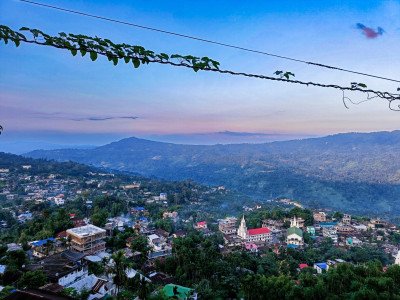
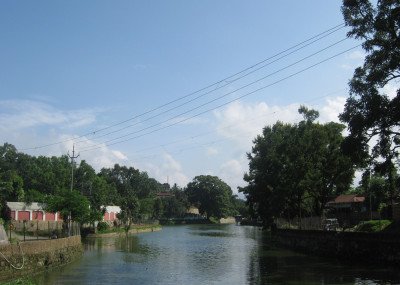
The Reflection Shot of Haflong Lake: A hidden photographic angle is from a slightly lower, elevated path to the south of the main platform. This spot provides an unobstructed view where the entire Haflong town, including the central Haflong Lake, is perfectly visible. The best capture is on a clear, windless afternoon, allowing the lake's surface to act as a mirror reflecting the sky and the surrounding hills. Use a polarizing filter to enhance the blue of the sky and the water.
Time of day: 11:00 AM to 02:00 PM.
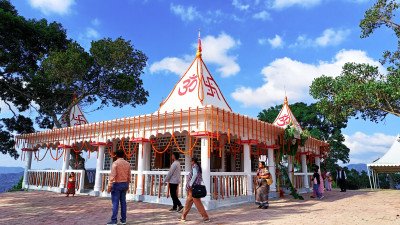
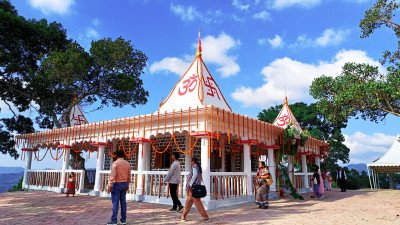
The Temple Facade and Bells: Focus on the temple's main entrance, capturing the intricate traditional decorations and the row of hanging bells. The contrast between the brightly painted temple and the natural green background is visually striking. Early morning light, which is soft and directional, is perfect for highlighting the texture of the bells and the devotion in the faces of the pilgrims.
Time of day: 07:00 AM to 10:00 AM.
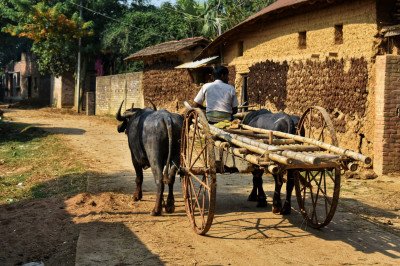
The Dimasa Cultural Portrait: During festivals or on busy weekend afternoons, capture candid shots of the local people—particularly the Dimasa women in their traditional Rigu and Rijamphop attire. Requesting a portrait against the backdrop of the stunning landscape creates a powerful image combining culture and nature. Always ask for permission before taking close-up portraits.Photo Gallery
Things To Do
-
The Temple Ritual and Sacred Offering: The first and most important activity is to visit the Devi Mandir. Engage in a moment of reflection or meditation. Tourists can buy small packets of flowers, incense, and a coconut from small vendors near the entrance to offer to the deity. This is an authentic cultural experience that connects one to the deep spiritual roots of the Dimasa people. Observing the local rituals and the architecture of the shrine provides a deep sense of peace and understanding.
Panoramic Photography Session: The View Point is a photographer's dream, demanding a dedicated session. Focus on capturing the wide-angle vista of the Haflong Lake and town. During the November and December months, the low morning sun casts long, dramatic shadows over the hills. Use a zoom lens to capture close-up details of the di...The Temple Ritual and Sacred Offering: The first and most important activity is to visit the Devi Mandir. Engage in a moment of reflection or meditation. Tourists can buy small packets of flowers, incense, and a coconut from small vendors near the entrance to offer to the deity. This is an authentic cultural experience that connects one to the deep spiritual roots of the Dimasa people. Observing the local rituals and the architecture of the shrine provides a deep sense of peace and understanding.
Panoramic Photography Session: The View Point is a photographer's dream, demanding a dedicated session. Focus on capturing the wide-angle vista of the Haflong Lake and town. During the November and December months, the low morning sun casts long, dramatic shadows over the hills. Use a zoom lens to capture close-up details of the distant terraced slopes and the intricate patterns of the town's settlement. Experiment with HDR photography to balance the bright sky and the darker valley below. The temple's brightly painted facade also makes for excellent contrast photography against the natural greens and blues of the backdrop.
Sunrise or Sunset Viewing: Plan your visit specifically around either sunrise (best enjoyed in the winter months) or sunset (spectacular year-round, but most colorful in the post-monsoon October and November season). Arriving 30 minutes before the event is crucial. The pre-dawn twilight or the afterglow of sunset offers the most magical light for both viewing and photography. Carry a light blanket or jacket, as the hilltop can be very chilly during these hours.
Guided Nature Walk and Local Interaction: Hire a local guide (often available from the town center) to take you on a short, interpretive nature walk around the hill. The guide can point out local plant species and explain the traditional uses of the herbs and trees. Additionally, engaging in a polite conversation with the local community members or the temple priest can provide rich insights into the history and folklore associated with the temple and the surrounding hills, making your visit more meaningful than just a sightseeing stop. Learn a few simple phrases in the local language, like Dimasa, to enhance the interaction and show respect.
Picnicking and Leisurely Contemplation: The quiet, elevated atmosphere makes it an ideal spot for a small, private picnic. Bring light snacks and beverages (ensure all waste is carried back). Find a quiet bench or a smooth rock on the viewing platform, and simply sit to read a book, journal your thoughts, or meditate. The surrounding natural soundscape, featuring only the wind and bird calls, is incredibly relaxing. The viewpoint is perfectly suited for spending an hour or more in peaceful contemplation, far from the noise of the main town. This leisurely activity is highly recommended for tourists seeking a truly tranquil experience in Haflong's serene environment.
Sketching and Painting the Landscape: For artists, the distinct layering of the hills and the clear, consistent lighting make the viewpoint a fantastic location for outdoor sketching or watercolor painting. Set up a portable easel and spend the late morning hours capturing the picturesque landscape. The various shades of green, the deep blue of the distant sky, and the white clouds hanging over the Borail Range offer a stunning natural palette. This activity allows for a slower, more deliberate appreciation of the scenic beauty, turning the visit into a creative and memorable endeavor.
Information
-
Why Famous:
The Spiritual-Scenic Confluence: The primary fame of Devi Mandir View Point lies in its unique combination of religious significance and unparalleled scenic beauty. It is one of the few places in Haflong where a sacred space is directly integrated with a commanding vantage ...The Spiritual-Scenic Confluence: The primary fame of Devi Mandir View Point lies in its unique combination of religious significance and unparalleled scenic beauty. It is one of the few places in Haflong where a sacred space is directly integrated with a commanding vantage point, drawing both devotees and casual tourists. The temple itself is a focal point for local Hindu festivals, which adds to its cultural importance.
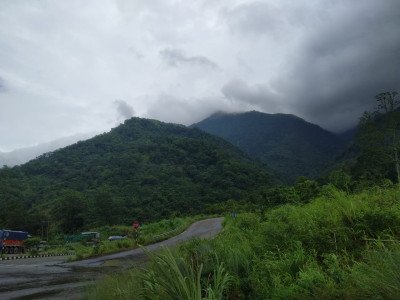
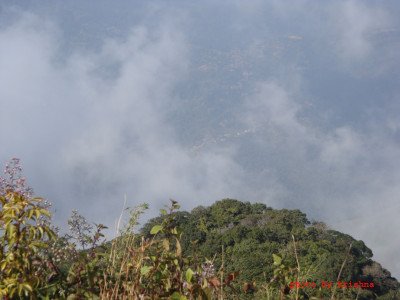
Panoramic Valley Views and Sunrise/Sunset: It is widely renowned among locals and frequent visitors for offering the most spectacular, uninterrupted panoramic views of the entire Haflong town, the shimmering Haflong Lake, and the vast expanse of the Dima Hasao hill ranges. The viewpoint becomes a magical spot, especially during the October to February winter months, when the mist clears to reveal sharp, clear views of the sunrise and sunset, painting the valley in dramatic hues. This makes it a prime location for landscape photographers. -
Architecture:
Architectural Style: Vernacular Hill Temple and Modern Viewpoint Platform: The architecture of the Devi Mandir complex is primarily vernacular, reflecting a simple, functional, and traditional Northeastern Indian style, adapted for a hilly terrain. The temple itself is a sm...Architectural Style: Vernacular Hill Temple and Modern Viewpoint Platform: The architecture of the Devi Mandir complex is primarily vernacular, reflecting a simple, functional, and traditional Northeastern Indian style, adapted for a hilly terrain. The temple itself is a small, compact structure, typically built on a raised plinth (base) to protect it from moisture and provide structural stability on the slope. It utilizes local materials, often including painted cement, wood, and corrugated iron roofing, which is characteristic of smaller hill shrines across Assam. The color palette is usually bright, featuring reds and yellows, traditional in Hindu temple decor. The main garbhagriha (sanctum sanctorum) is modest in Dimension, housing the deity. The structure lacks the intricate carvings of larger, ancient temples, emphasizing devotion over elaborate design.
Viewpoint Platform Design and Dimension: The viewpoint section, which is the other half of the attraction, is a more recent addition designed for safety and accessibility. It is a paved or cemented platform, often featuring a low protective boundary wall or railing for visitor security. The Dimension of the platform is estimated to be approximately 30 meters long and 10 meters wide, providing ample space for tourists to move and capture panoramic photos. The overall design prioritizes stability and a clear line of sight over ornate detailing. It incorporates functional seating areas and sometimes small shaded enclosures. The platform is strategically angled to maximize the view of the valley and the famous Haflong Lake in the distance, serving as a clean, functional interface between the man-made structure and the natural beauty of the Borail Hills. The integration of the sacred space (Mandir) and the public viewing area (View Point) is seamless, reflecting the local respect for nature and spirituality. -
How To Reach:
By Air:
The Nearest Airport Connectivity: The nearest airport is Kumbhirgram Airport (IXS) near Silchar, which is approximately 100-110 kilometers from Haflong. This airport connects to major Indian cities like Guwahati and Kolkata.
...By Air:
The Nearest Airport Connectivity: The nearest airport is Kumbhirgram Airport (IXS) near Silchar, which is approximately 100-110 kilometers from Haflong. This airport connects to major Indian cities like Guwahati and Kolkata.
Upon landing at Silchar, one has two options: either hire a pre-booked taxi or a shared cab from the airport directly to Haflong, which takes about 3. 5 to 4. 5 hours depending on road conditions. Alternatively, take local transport to Silchar town and then board a long-distance bus to Haflong. The cost for a reserved taxi can be between Rs.3,000 and Rs.4,000. Once in Haflong, local transport is needed to reach the viewpoint.
By Train:
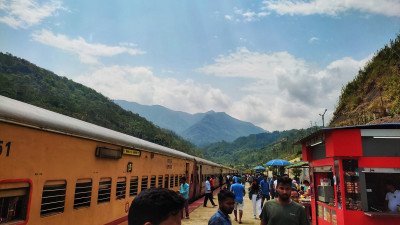
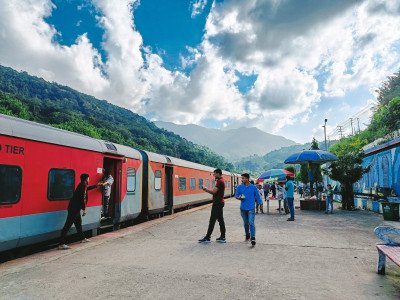
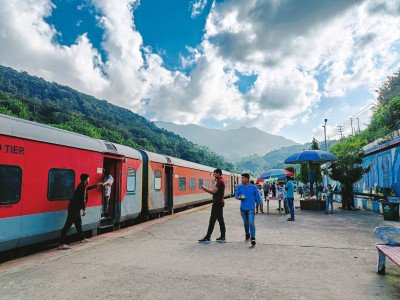
Scenic Railway Journey to the Hills: The most scenic and recommended way is by train. The nearest major railway station is Haflong Hill Railway Station (HLG), which is just a few kilometers from the town center. This station is served by the recently upgraded Lumding–Silchar line. A very popular option is the Vistadome train from Guwahati to New Haflong (NHLG) station, known for its panoramic windows that offer breathtaking views of tunnels, deep gorges, and lush hills. The journey takes around 6 to 8 hours. From the Haflong Hill station, the viewpoint is easily reachable by local taxi or auto-rickshaw.
By Road:
State and National Highway Routes: Haflong is well-connected by road, primarily via NH-27 and local State Highways. The drive from Guwahati is about 330 to 350 kilometers and takes a lengthy 8 to 10 hours. Daily state-run and private bus services operate between Guwahati and Haflong. For tourists coming from Silchar, the road journey is shorter (110 KM) and takes about 4 hours. The roads in the hill section are winding, so caution and experienced drivers are necessary. Private taxis or self-driven vehicles provide the most flexibility, allowing stops at various scenic spots along the way.
By Local Transport:
Reaching the View Point: Once within Haflong town, the Devi Mandir View Point is situated on a hill on the upper side of the town. The best way to reach it is by hiring an auto-rickshaw or a local taxi (often a shared Sumo or Bolero). The View Point is only about 3. 5 KM from the main Haflong market. The ride takes about 10 to 15 minutes up the winding road. Negotiate the fare before starting the journey. For the adventurous, a pleasant, uphill walk of about 45 minutes to 1 hour from the market area is also an option, particularly enjoyable in the early morning. -
Weather and Best Time to Visit:
Season:
The Ideal Winter and Post-Monsoon Period: The Best Time to Visit is during the winter and post-monsoon months, from October to March. During this period, the weather is cool, dry, and exceptionally pleasant, with clear skies. The pa...Season:
The Ideal Winter and Post-Monsoon Period: The Best Time to Visit is during the winter and post-monsoon months, from October to March. During this period, the weather is cool, dry, and exceptionally pleasant, with clear skies. The panoramic visibility is at its peak, making the valley views from the viewpoint crisp and defined. The temperatures range from 10°C to 20°C. The summer months (April to June) are warm but still bearable, but the best visibility is reduced. The monsoon season (June to September) brings heavy rainfall, making the hill roads slippery and often obscuring the scenic views with thick fog and clouds, though the lush greenery is at its most vibrant.
Part of the Day:
Golden Hours for Maximum Beauty: The absolutely Best Part of the Day to visit is either the early morning (before 07:00 AM) for the iconic sunrise and mist-clearing views or the late afternoon (after 03:00 PM) to catch the stunning sunset hues over the rolling hills. Mid-day is less ideal due to harsher light and higher temperatures. Early morning visits are also better for a peaceful, solitary experience at the temple and the viewpoint. -
Near Tourist Places:
1.
Haflong Lake: 3. 5 KM (Center of the town, boating, promenade). 2.
Haflong Hill View Point: ~4 KM (Another popular summit for views). 3.
Star View Point: ~5 KM (Located near Choto Haflong, distinct night-sky viewing). 4.
Orchid Garden Haflong: ~4 KM (Botanical interest, local species). 5.
Haflong Market/Bazar: 3. 5 KM (Local shopping, cultural interaction). 6.
Fiangpui Garden: ~5. 5 KM (Landscaped garden for relaxation). 7.
Haflong Polo Ground: ~4 KM (Venue for cultural events). 8.
Jatinga Village: 10 KM (Famous for the 'bird mystery' phenomenon during September to November). 9.
Maibong (Ancient Ruins): 50 KM (Historical site of the Kachari Kingdom). 10.
Panimoor Waterfalls: ~120 KM (Large cascade, known as the 'Niagara of Assam').
Tourism Tips
-
Health & Safety:
High-Altitude Awareness and Footwear: The viewpoint is at a relatively high altitude for Assam standards. Visitors should carry necessary personal medication. The pathways near the viewpoint and temple can be uneven, so wea...Health & Safety:
High-Altitude Awareness and Footwear: The viewpoint is at a relatively high altitude for Assam standards. Visitors should carry necessary personal medication. The pathways near the viewpoint and temple can be uneven, so wear comfortable, closed-toe walking shoes with good grip. Be cautious of stray animals, and keep a safe distance from the railing at the edge of the viewpoint. Since the area is prone to fog, especially in the early morning and late evening, drive slowly and use fog lights if self-driving.
Packing Essentials:
Layers and Camera Gear: Even during the day, the temperature can drop rapidly, so packing multiple warm layers (sweaters, jackets, shawls) is essential, especially for sunrise/sunset trips. For photographers, carry a wide-angle lens for the panorama and a telephoto lens to capture distant details, along with a tripod for stable low-light shots during the golden hours. Always carry a reusable water bottle and a small supply of non-perishable snacks.
Accommodation and Local Etiquette: The best accommodations (hotels, guesthouses, and homestays) are available in the main Haflong town area, which is only a short ride away. Book homestays for an authentic experience, as hosts can often provide local insights and guides. When visiting the Devi Mandir, dress modestly, covering shoulders and knees, as a sign of respect for the religious site. Ask for permission before taking photographs of the deity or of local people, particularly older individuals.
Other Important Tips:
Connectivity and Waste Management: Mobile network connectivity is generally good in the main Haflong town but can be patchy on the secluded roads leading up to the viewpoint. It is advisable to pre-download offline maps. Crucially, Haflong is a beautiful, pristine hill station, and tourists must commit to Leaving No Trace. Use designated bins or carry all trash, especially plastic wrappers and bottles, back to the town center for proper disposal. Supporting local vendors who sell flowers and simple offerings is also a great way to contribute to the local economy.
Reviews
FAQs
Haflong Itineray And Cost:-
Devi Mandir View Point Tourism:-
Information about New and Updated Locations() of Assam Has Been Added :-
Card subtitle
Note:-
Information provided here in good Faith and for reference only.
All information and pictures will be updated soon, please keep visiting.
Near Places
Barail Range Forest
Some quick example text to build on the card title and make up the bulk of the card's content.
Go somewhere
Bendao Baglai Waterfalls
Some quick example text to build on the card title and make up the bulk of the card's content.
Go somewhere
Devi Mandir View Point
Some quick example text to build on the card title and make up the bulk of the card's content.
Go somewhere
Dima Hasao Town
Some quick example text to build on the card title and make up the bulk of the card's content.
Go somewhere
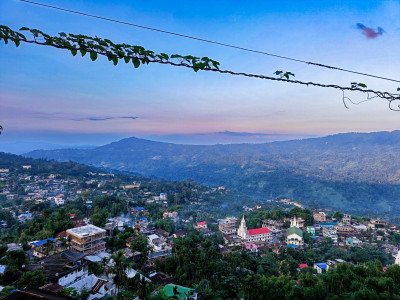
Dima Hasao View Point
Some quick example text to build on the card title and make up the bulk of the card's content.
Go somewhere
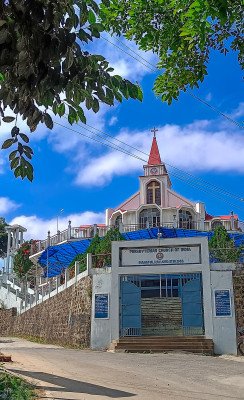
Fiangpui Presbyterian Church
Some quick example text to build on the card title and make up the bulk of the card's content.
Go somewhere
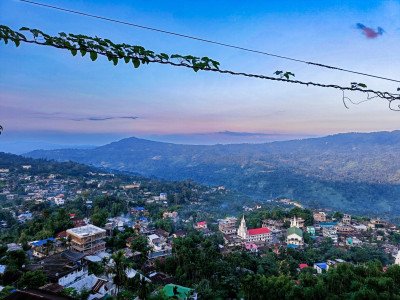
Full Town View
Some quick example text to build on the card title and make up the bulk of the card's content.
Go somewhere
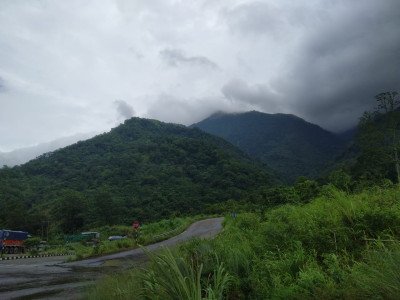
Haflong Hill
Some quick example text to build on the card title and make up the bulk of the card's content.
Go somewhere
Haflong Hill View Point
Some quick example text to build on the card title and make up the bulk of the card's content.
Go somewhere
Haflong Lake
Some quick example text to build on the card title and make up the bulk of the card's content.
Go somewherein Other Cities