...

FAQs On Panchet Hill

Purulia, West Bengal, India
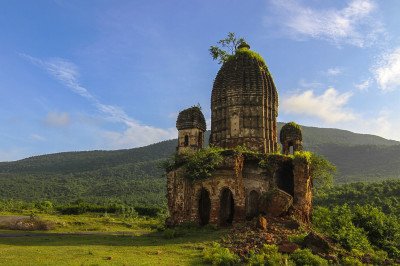
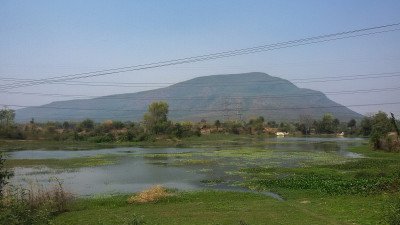
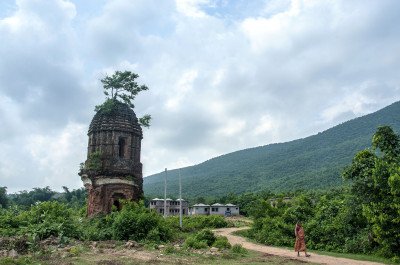
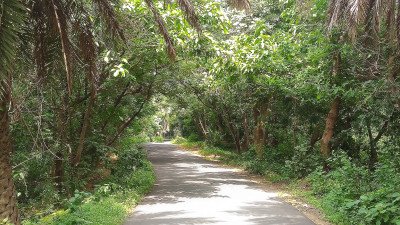
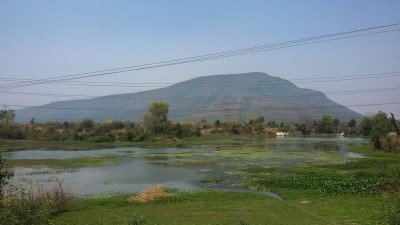
Panchet Hill, also known as Panchakot Pahar, is the second-highest hill in Purulia district, standing tall at an elevation of about 2,100 feet. It is located at the northeastern tip of the district, right on the border of West Bengal and Jharkhand. The hill is a part of the Chota Nagpur Plateau and is covered with dense forests of Sal, Segun, and Palash. Historically, this hill served as a natural fortress for the Panchakot Raj dynasty. At the foot of the hill lie the famous ruins of Garh Panchakot, a 17th-century palace and temple complex that was destroyed during the Bargi (Maratha) invasions in the mid-18th century. The hill itself is shaped like a long crescent and is a major ecological hub, home to wild boars, peacocks, and various medicinal plants. For tourists, the hill offers a unique mix of history, nature, and engineering, as the massive Panchet Dam is built right at its base across the Damodar River. A motorable forest road maintained by the Forest Department leads towards the upper reaches of the hill, offering breathtaking views of the sprawling reservoir and the surrounding plains. The area is exceptionally beautiful during the monsoon when the entire hill is draped in a thick green carpet and the clouds hover low. The tranquility of the place makes it a favorite for those looking to escape the hustle and bustle of city life. The combination of the ruined terracotta temples, the looming mountain, and the vast blue waters of the dam creates a landscape that feels like it’s frozen in time. The local folklore is filled with stories of the Panchakot kings and their bravery. Today, the West Bengal Forest Development Corporation (WBFDC) runs an eco-resort at the base, providing a comfortable stay for nature lovers. Whether you are a history buff exploring the stone-carved ruins, a trekker looking for a challenge, or a photographer seeking the perfect sunset over the dam, Panchet Hill provides an all-encompassing experience. It remains a silent witness to the rise and fall of kingdoms, standing as a majestic guardian over the Damodar valley. The air here is pure, and the silence is only broken by the chirping of birds and the rustle of leaves, making it a true sanctuary for the soul. (Word count: 404)

Ans:- Answer: Hikers should carry plenty of water, as there are no shops on the hill. Comfortable hiking shoes with good grip are essential. It is also recommended to carry some light snacks, a hat for sun protection, and a camera to capture the views from the top.

Ans:- Answer: Local legends speak of the Maratha raids (Bargi attacks) that led to the downfall of the Garh Panchakot fort at the base of the hill. It is said that the hill provided refuge to the royal family and locals during these invasions, adding a layer of tragic heroism to its history.

Ans:- Answer: No, there is no motorable road that goes all the way to the summit. Access to the top is strictly via trekking trails. This keeps the environment at the peak pristine and quiet, making it a perfect spot for nature lovers who enjoy a bit of a physical challenge.

Ans:- Answer: Panchet Hill, also known as Panchakot Pahar, is famous for its natural beauty, historical ruins at its base, and the panoramic view it provides of the Panchet Dam. The hill is covered with dense forests and is a significant part of the Chota Nagpur Plateau landscape in Purulia.

Ans:- Answer: The best view point is undoubtedly the summit, which offers a 360-degree panorama. You can see the sprawling Panchet Dam, the winding Damodar River, the industrial chimneys of the Asansol-Dhanbad belt in the distance, and the endless green forests of the Purulia plateau.

Ans:- Answer: The forest is home to various small wildlife species, including wild boars, rabbits, and various types of lizards. It is also a haven for birds like the jungle babbler and peacocks. Occasionally, stray elephants from the nearby Dalma range pass through the region.

Ans:- Answer: The hill is primarily covered with dry deciduous forests. Common trees include Sal, Segun (Teak), Palash, and Mahua. During the spring (February-March), the hill turns bright orange due to the blooming Palash flowers, creating a stunning visual contrast against the blue sky.

Ans:- Answer: The name "Panchet" or "Panchakot" is derived from the five clans (Pancha Kula) that originally ruled the region. The hill became the namesake for the local kingdom, the fort, and later the dam, symbolizing the central role it played in the geography and politics of the area.

Ans:- Answer: The nearest major railway station is Asansol Junction (about 25 km away), while the closest local station is Kumardubi or Barakar. From these stations, one can easily find auto-rickshaws or hire cars to reach the base of Panchet Hill at Garh Panchakot.

Ans:- Answer: There is no fee to trek the hill itself. However, if you visit the protected monument areas of Garh Panchakot at the base, you may need to follow the rules set by the ASI. Parking fees might apply if you are traveling by a private vehicle.

Ans:- Answer: While formal camping sites are located at the foothills near the resorts, wild camping on the hill is generally not encouraged due to forest regulations and safety concerns. Most visitors prefer to trek up in the morning and return to the base by late afternoon.

Ans:- Answer: While the hill looks incredibly green and beautiful during the monsoon, the paths can become slippery and the forest growth can be dense. Hikers are advised to be cautious of leeches and slippery rocks. The best time for trekking is during the dry winter months.

Ans:- Answer: While the main historical temples are at the base (Garh Panchakot), there are small local shrines along the trekking routes. The most significant architectural remains are the "Pancharatna" and "Jore-Bangla" style temples located at the foothills, which are protected by the Archaeological Survey of India.

Ans:- Answer: Yes, Panchet Hill is a popular trekking destination. The climb to the top is moderately steep and takes about 1-2 hours through forested paths. From the summit, one can see the entire expanse of the Panchet reservoir and the surrounding industrial and rural landscape of Bengal and Jharkhand.
Information about New and Updated Locations(575+) of West Bengal Has Been Added :-
Card subtitle

Note:-

Information provided here in good Faith and for reference only.

All information and pictures will be updated soon, please keep visiting.

Near Places

...
Ajodhya Hill View Point

Some quick example text to build on the card title and make up the bulk of the card's content.

Go somewhere
...
Ajodhya Hills Dams & Bamni Falls

Some quick example text to build on the card title and make up the bulk of the card's content.

Go somewhere
...
Ajodhya Pahar Hairpin View Point

Some quick example text to build on the card title and make up the bulk of the card's content.

Go somewhere
...
Ayodhya Hills

Some quick example text to build on the card title and make up the bulk of the card's content.

Go somewhere
...
Bamni Falls

Some quick example text to build on the card title and make up the bulk of the card's content.

Go somewhere

...
Banda Deul

Some quick example text to build on the card title and make up the bulk of the card's content.

Go somewhere

...
Baranti Reservoir

Some quick example text to build on the card title and make up the bulk of the card's content.

Go somewhere
...
Begunkodar

Some quick example text to build on the card title and make up the bulk of the card's content.

Go somewhere
...
Charidah

Some quick example text to build on the card title and make up the bulk of the card's content.

Go somewhere
...
Deulghata Temple Ruins

Some quick example text to build on the card title and make up the bulk of the card's content.

Go somewhere
in Other Cities