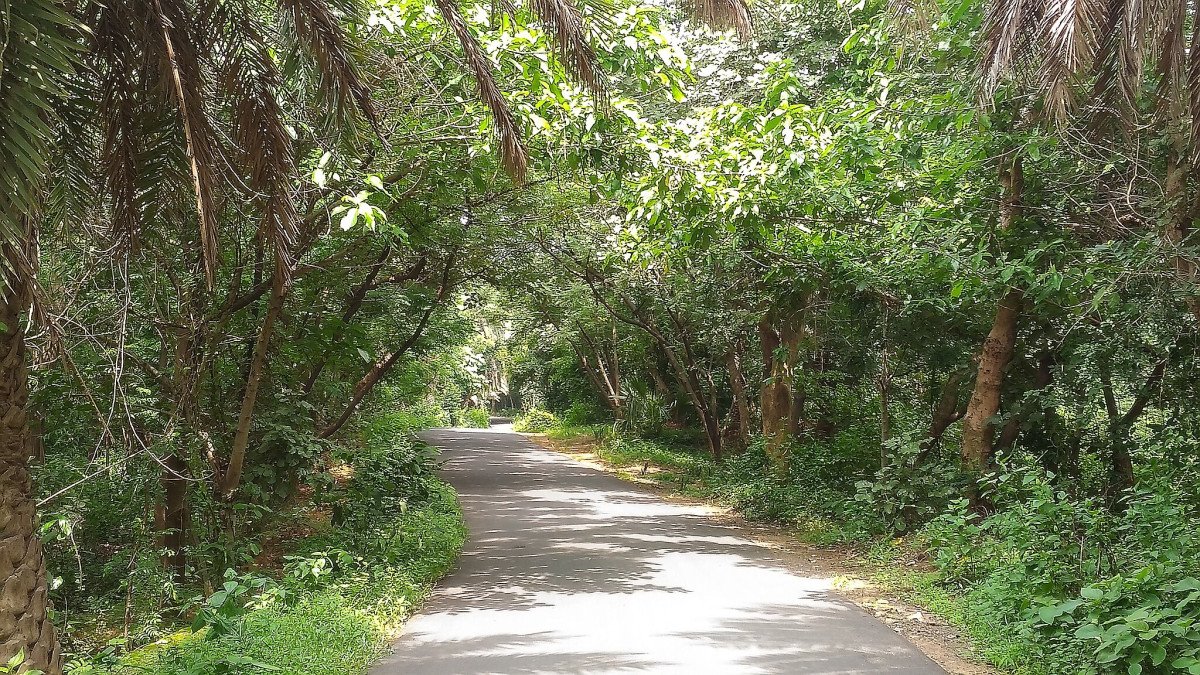
Panchet Hill
General information
-
Ideal Duration:
1 Full DayPlace Type:
Nature, History, PicnicEntry Fees:
There is no entry fee to visit the Panchet Hill or the Garh Panchakot ruins. However, the Forest Department charges a road tax/entry fee for vehicles going up the motorable forest road, usually around Rs.100 to Rs.200 per car. Parking at the dam area or near the ruins typically costs Rs.50 to Rs.100. If...There is no entry fee to visit the Panchet Hill or the Garh Panchakot ruins. However, the Forest Department charges a road tax/entry fee for vehicles going up the motorable forest road, usually around Rs.100 to Rs.200 per car. Parking at the dam area or near the ruins typically costs Rs.50 to Rs.100. If you are visiting the Eco-Tourism center, there are no charges for guests, but outsiders might be charged a small fee of Rs.10 to Rs.20 to enter the garden area. Photography is free, but commercial film shoots require prior permission and a significant fee from the DVC and Forest authorities.
(Word count: 204)Timing:
Regular Timings: The ruins and the hill area are generally open from 8:00 AM to 5:00 PM. The Panchet Dam can be visited until 6:30 PM.
Ideal Visit Time: The best time to visit is during the early morning hours (8 AM to 10 AM) for trekking ...Regular Timings: The ruins and the hill area are generally open from 8:00 AM to 5:00 PM. The Panchet Dam can be visited until 6:30 PM.
Ideal Visit Time: The best time to visit is during the early morning hours (8 AM to 10 AM) for trekking and exploring the ruins, and late afternoon (4 PM to 6 PM) for the sunset at the dam. During winter, the park and dam areas are pleasant all day. Visitors are advised to leave the forest road before sunset as it can be dark and lonely. The temple rituals usually happen in the morning.
(Word count: 202)Special Events:
The most significant event is the Gajan Festival at the Birinchinath Temple in April, where local devotees perform traditional rituals. During the Poush Mela in January, the area near the dam becomes a hub of activity with local fairs. Durga Puja and Kali Puja are celebrated with great fervor by ...The most significant event is the Gajan Festival at the Birinchinath Temple in April, where local devotees perform traditional rituals. During the Poush Mela in January, the area near the dam becomes a hub of activity with local fairs. Durga Puja and Kali Puja are celebrated with great fervor by the local communities, and the temples are decorated. On 1st January, the area witnesses a massive gathering of people for the New Year's picnic, making it the most crowded day of the year. The Forest Department sometimes organizes nature awareness camps during the monsoon for students and environmentalists.
(Word count: 205)Best Photo Spots:
Photo Spots: 1.
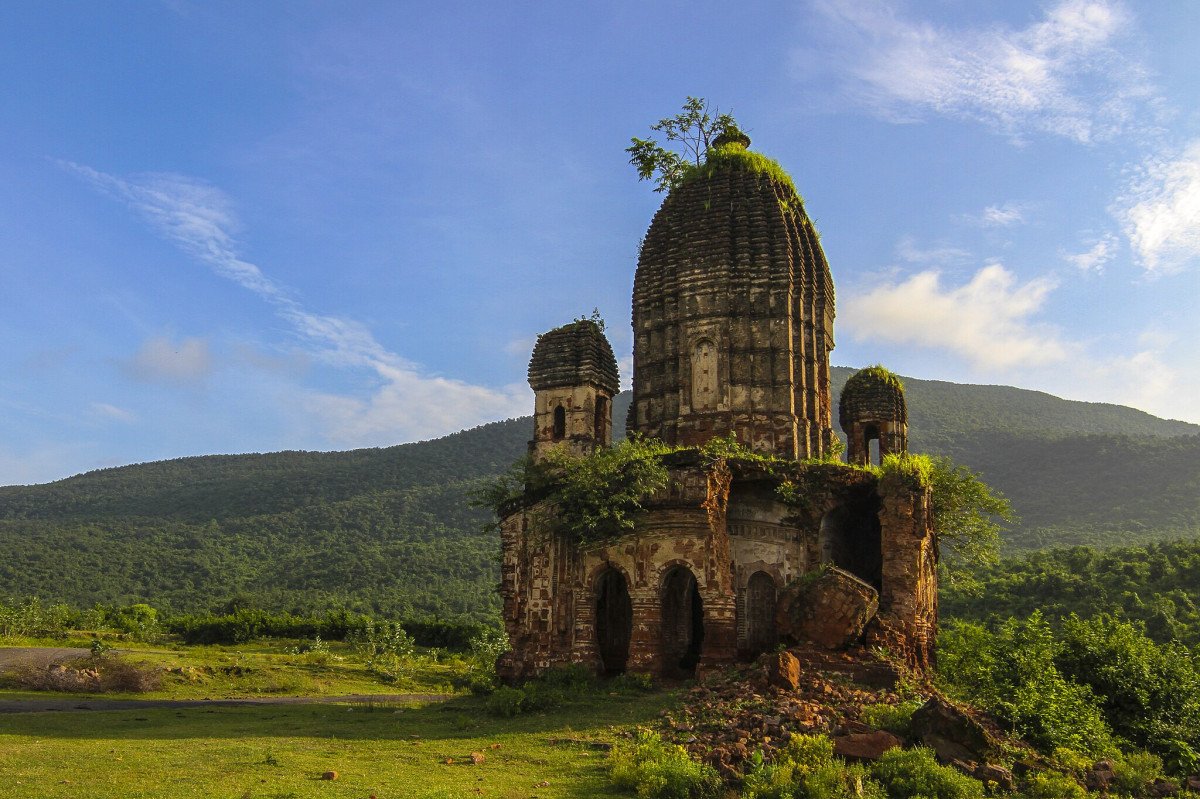
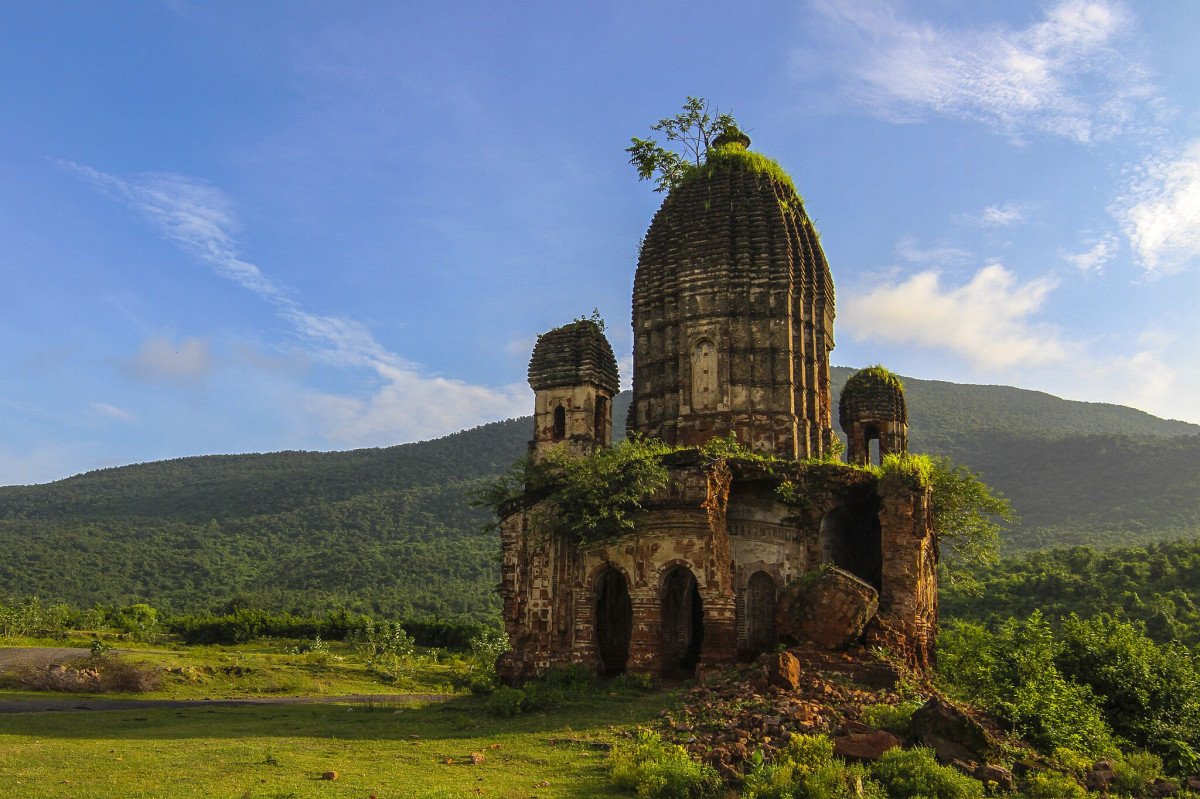
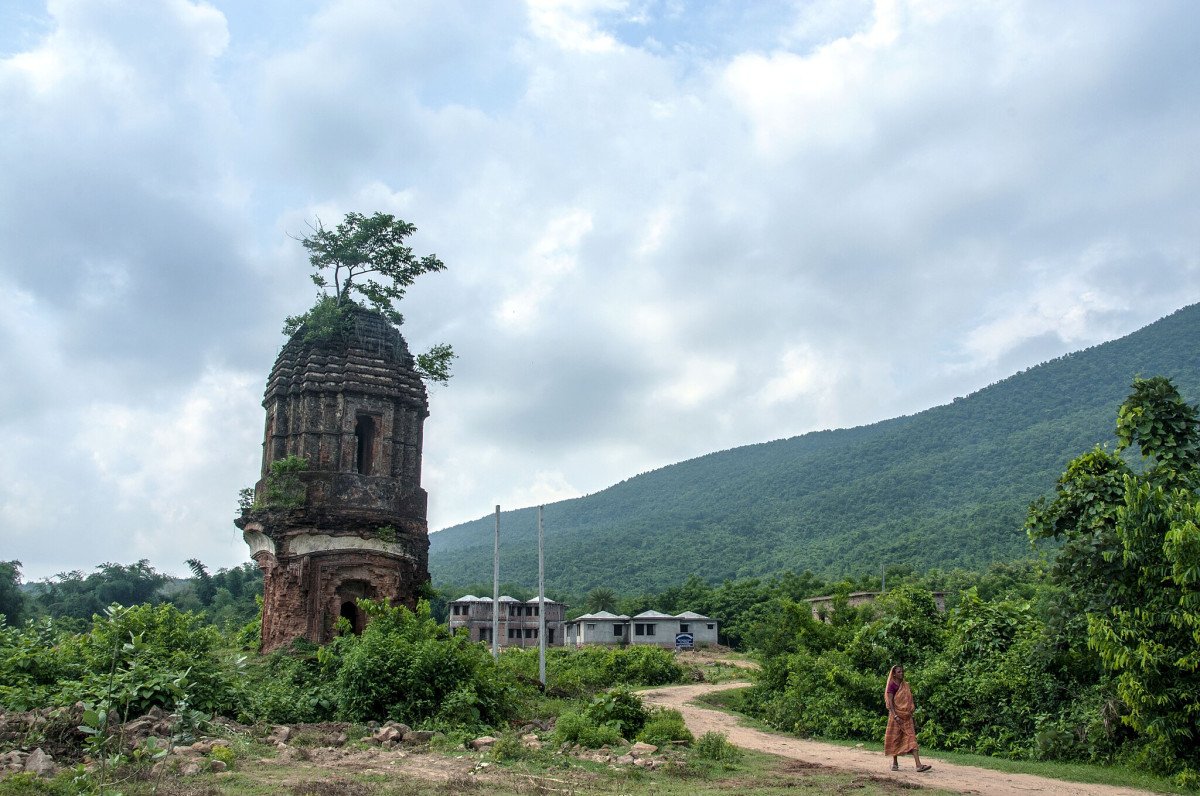
Pancharatna Temple Ruins: The best spot for historical and architectural photography. The crumbling pinnacles with the hill in the background create a majestic frame. 2.
Panchet Dam Spillway:Photo Spots: 1.
Pancharatna Temple Ruins: The best spot for historical and architectural photography. The crumbling pinnacles with the hill in the background create a majestic frame. 2.
Panchet Dam Spillway: When the gates are open, the gushing water creates a powerful visual. Even when closed, the symmetry of the dam is great for wide shots. 3.
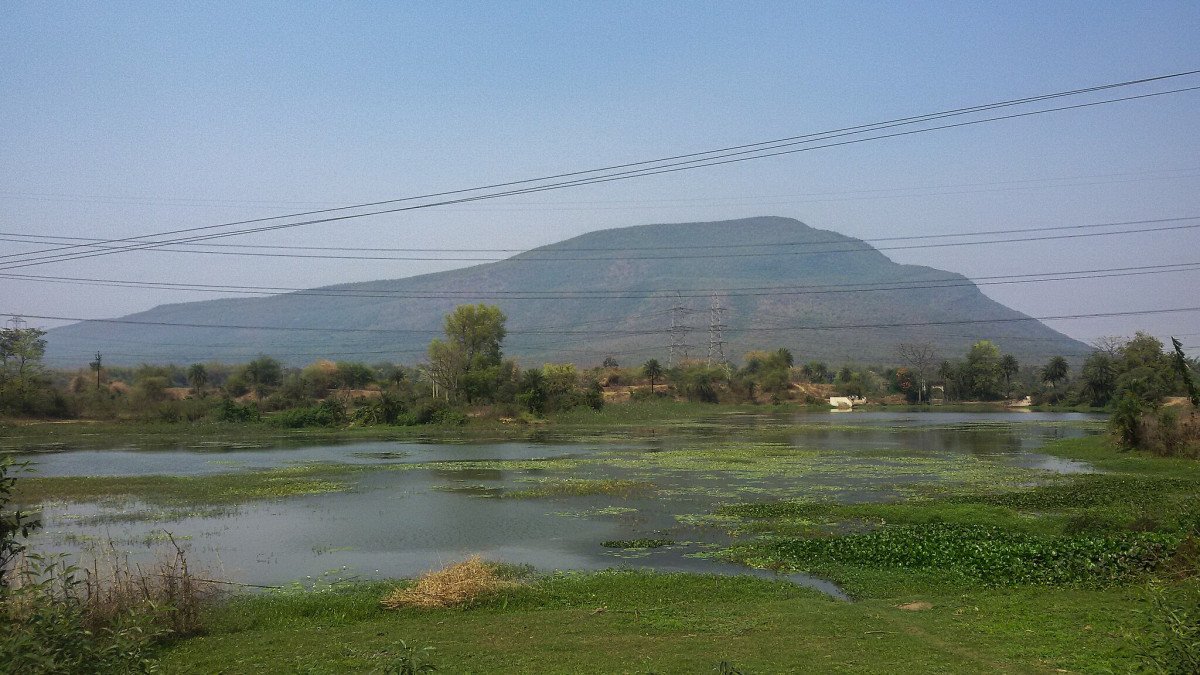
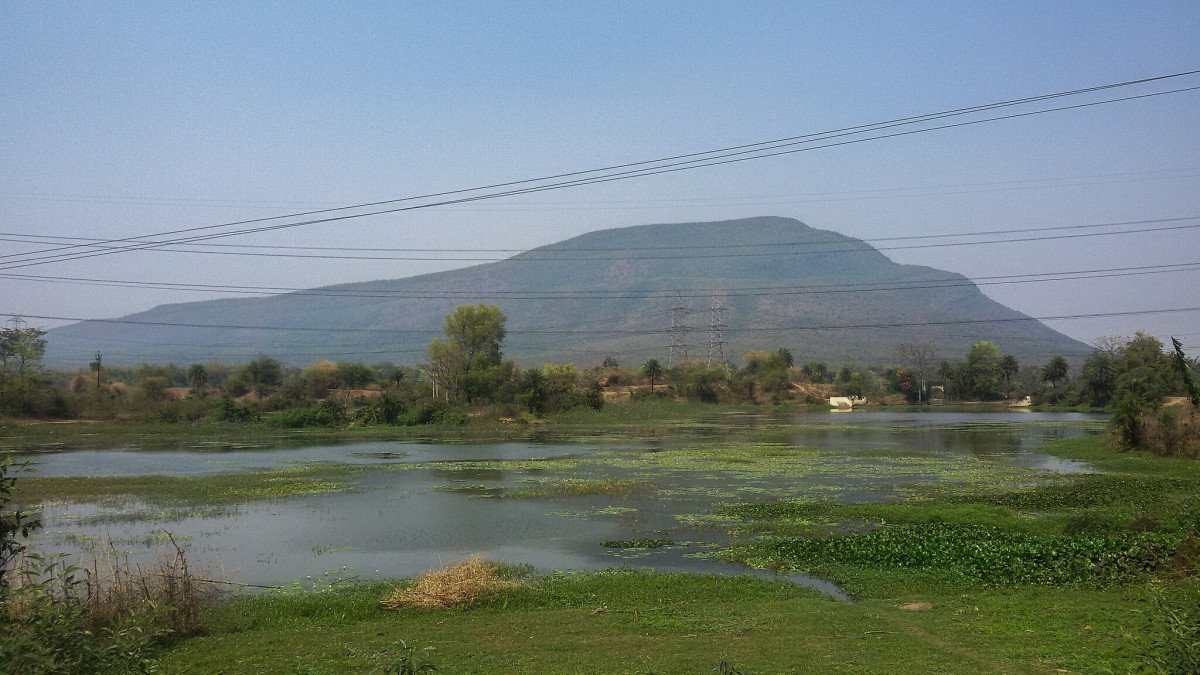
The Hilltop Viewpoint: From the upper curves of the forest road, you can capture the entire reservoir which looks like a giant blue lake surrounded by green hills. 4. The Stone Gateways (Duars) Frame your subjects within these ancient arches for a "window to the past" effect. 5.
Reservoir Sunset: The sun sets behind the hills on the Jharkhand side, reflecting vibrant colors on the water. 6.
Palash Trees in Spring: The bright orange flowers against the dark hill provide a high-contrast natural shot. 7.
WBFDC Eco-Resort: The wooden cottages and the landscaped gardens offer a picturesque "stay-cation" vibe for social media.
(Word count: 303)Photo Gallery
Things To Do
-
1.
Explore Garh Panchakot Ruins: Spend hours walking through the ruined temples and palace walls. Study the terracotta art and the massive stone blocks used in construction. 2.
Visit Panchet Dam: Walk across the dam to see the massive gates and the water flowing into the Damodar River. It is a great spot for evening strolls. 3.
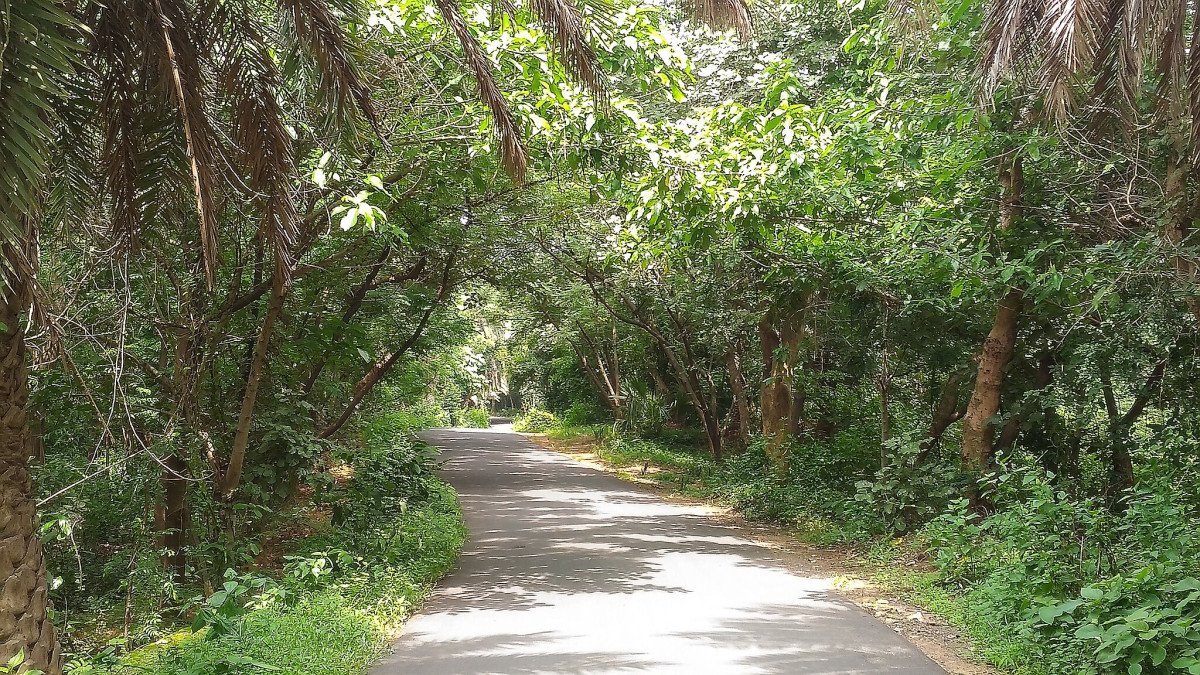
Trekking: Hike up the trails of Panchet Hill. The climb is moderately difficult and takes you through dense forest patches with a chance to spot local wildlife. 4.
Photography: The ruins provide a hauntingly beautiful backdrop for portraits. The sunset over the Panchet reservoir is one of the most photographed sights in Purulia. 5.
Bird Watching: Carry binoculars to the lakeside. You can...
Information
-
Why Famous:
Panchet Hill is famous for the historical ruins of Garh Panchakot, which attract thousands of history lovers and photographers. It is renowned for being the site of the Panchakot Raj, whose history is a core part of Manbhum culture. The hill is also famous for the Panchet Dam, one of the largest ...Panchet Hill is famous for the historical ruins of Garh Panchakot, which attract thousands of history lovers and photographers. It is renowned for being the site of the Panchakot Raj, whose history is a core part of Manbhum culture. The hill is also famous for the Panchet Dam, one of the largest dams under the Damodar Valley Corporation (DVC). Its status as the second-highest peak in Purulia makes it a popular destination for trekking and nature trails. The place is also a noted spot for bird watching, especially during winter when migratory birds flock to the dam's reservoir. Its scenic beauty has made it a frequent shooting location for regional films and music videos.
(Word count: 202) -
Architecture:
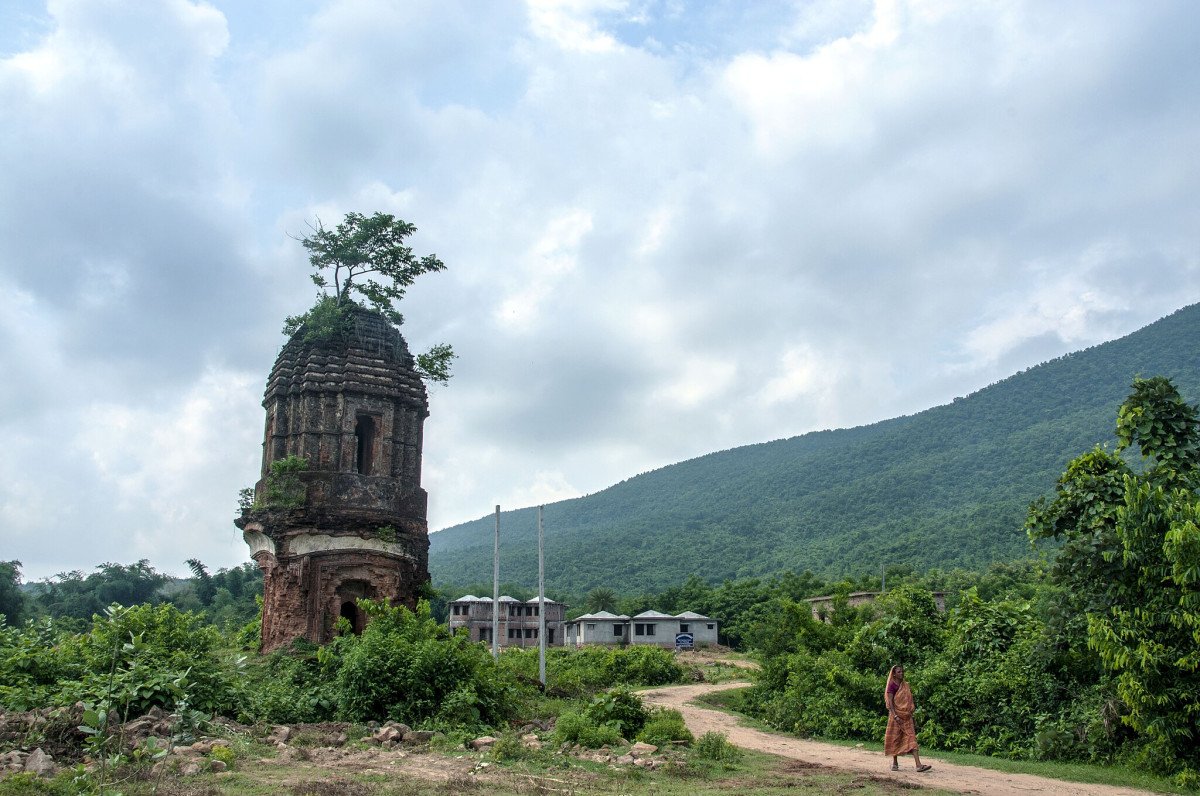
The architectural highlight of Panchet Hill is the Garh Panchakot ruins at its base. These structures showcase a blend of Bishnupur style terracotta and traditional stone masonry. The most prominent is the Pancharatna temple, which features five pinnacles (though some are damaged). The temples a...The architectural highlight of Panchet Hill is the Garh Panchakot ruins at its base. These structures showcase a blend of Bishnupur style terracotta and traditional stone masonry. The most prominent is the Pancharatna temple, which features five pinnacles (though some are damaged). The temples are built with locally sourced stone and bricks, with intricate carvings depicting scenes from the Ramayana and local life. The fort itself was "architecturally" integrated with the hill, using the steep slopes as natural defenses. Massive stone gateways, known as Duars, still stand, showing the scale of the original fortifications. The dimensions of the temple area span several acres, with the main temple being approximately 50 feet high. Another architectural feat is the modern Panchet Dam, which is 6,777 meters long and 45 meters high. It is a composite dam made of earth and concrete, featuring a beautiful spillway. The forest rest houses at the base are built in a modern eco-friendly style, using wood and stone to blend with the environment. The road winding up the hill is a fine example of mountain engineering in a plateau region.
(Word count: 206) -
How To Reach:
By Air: The nearest airport is Kazi Nazrul Islam Airport in Durgapur (approx. 70 KM). You can also use Kolkata Airport (250 KM) and hire a car.
By Train: The nearest major railway stations are Asansol Junction (30 KM) and Adra Junction (2... -
Near Tourist Places:
1. Panchet Dam (1 KM) 2. Maithon Dam (20 KM) 3. Baranti Lake (12 KM) 4. Joychandi Pahar (21 KM) 5. Kalyaneshwari Temple (18 KM) 6. Biharinath Hill (25 KM) 7. Susunia Hill (40 KM) 8. Banda Deul (15 KM) 9. Raghunathpur Silk Market (18 KM) 10. Asansol City (30 KM).
Tourism Tips
-
Health & Safety: The ruins have uneven ground and loose stones, so wear shoes with good ankle support. Avoid climbing on the fragile temple structures to prevent accidents and preserve history. Since it's a forest area, carry insect repellent.
Reviews
Card subtitle
Information about New and Updated Locations(575+) of West Bengal Has Been Added :-
Card subtitle
Note:-
Information provided here in good Faith and for reference only.
All information and pictures will be updated soon, please keep visiting.
Near Places

Ajodhya Hill View Point
Some quick example text to build on the card title and make up the bulk of the card's content.
Go somewhere
Ajodhya Hills Dams & Bamni Falls
Some quick example text to build on the card title and make up the bulk of the card's content.
Go somewhere
Ajodhya Pahar Hairpin View Point
Some quick example text to build on the card title and make up the bulk of the card's content.
Go somewhere
Ayodhya Hills
Some quick example text to build on the card title and make up the bulk of the card's content.
Go somewhere
Bamni Falls
Some quick example text to build on the card title and make up the bulk of the card's content.
Go somewhere
Banda Deul
Some quick example text to build on the card title and make up the bulk of the card's content.
Go somewhere
Baranti Reservoir
Some quick example text to build on the card title and make up the bulk of the card's content.
Go somewhere
Begunkodar
Some quick example text to build on the card title and make up the bulk of the card's content.
Go somewhere
Charidah
Some quick example text to build on the card title and make up the bulk of the card's content.
Go somewhere
Deulghata Temple Ruins
Some quick example text to build on the card title and make up the bulk of the card's content.
Go somewherein Other Cities