

Hazaribagh
General information
-
Ideal Duration:
Duration: 2 to 3 DaysPlace Type:
Category: Nature & WildlifeEntry Fees:
National Park: Entry for adults is usually 50 to 100 rupees, with extra charges for vehicles. It is very affordable for a full day of wildlife exploration.
Canary Hill: There is no entry fee to climb the hill or visit the park. It is a pu...National Park: Entry for adults is usually 50 to 100 rupees, with extra charges for vehicles. It is very affordable for a full day of wildlife exploration.
Canary Hill: There is no entry fee to climb the hill or visit the park. It is a public space open to everyone for recreation and fitness.
:Timing:
Regular Timings: The National Park is open from 6:00 AM to 5:00 PM. It remains closed during the monsoon months for the safety of animals.
Best Visit: Visit the Lake during the evening between 4:00 PM and 6:30 PM. The lighting is soft and...Regular Timings: The National Park is open from 6:00 AM to 5:00 PM. It remains closed during the monsoon months for the safety of animals.
Best Visit: Visit the Lake during the evening between 4:00 PM and 6:30 PM. The lighting is soft and the temperature is perfect for a stroll.
:Special Events:
Sohrai Festival: A grand harvest festival where tribals paint their houses with beautiful floral patterns. The city becomes a living art gallery during this time in November.
Chhath Puja: The Hazaribagh Lake becomes the center of devotion ...Sohrai Festival: A grand harvest festival where tribals paint their houses with beautiful floral patterns. The city becomes a living art gallery during this time in November.
Chhath Puja: The Hazaribagh Lake becomes the center of devotion with thousands of people offering prayers. The sight of lit lamps on the water is magical.
:Best Photo Spots:
Photo Spots:
Hazaribagh Lake: The reflections of the surrounding trees and the blue sky are perfect for landscape shots. Early morning mist adds a dreamy quality to the photos.
Canary Hill Tower: Get a wide-...Photo Spots:
Hazaribagh Lake: The reflections of the surrounding trees and the blue sky are perfect for landscape shots. Early morning mist adds a dreamy quality to the photos.
Canary Hill Tower: Get a wide-angle shot of the rolling hills and the city sprawl. It is the best place for panoramic photography in the district.
Rajrappa Confluence: Photograph the meeting of the Damodar and Bhairavi rivers. The contrast in water flow and the temple background is striking.
:Photo Gallery
Things To Do
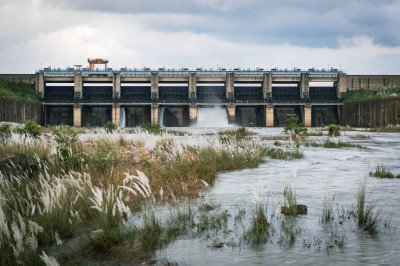 Chadwa Dam is a significant, man-made reservoir nestled amidst four picturesque hills in the Hazaribagh district of Jharkhand, India. Its construction was completed in January 1952 (according to one source), primarily to serve as the main water source for the Hazaribagh town, a critical function it continues to perform today. The dam and its vast reservoir have transcended their utility role to become one of the most popular recreational and picnic spots in the region. The setting is naturally beautiful, offering a serene escape from the urban environment. The large expanse of water, reflecting the surrounding hills and the wide open sky, creates a calming and romantic atmosphere, making it a favorite destination for families, friends, and nature enthusiasts alike. The surrounding landscape, part of the Chota Nagpur Plateau, is rich in tropical flora. During the monsoon season, the dam often fills up to or beyond its safe level, a dramatic sight that necessitates the opening of its concrete spill gates, such as in 2017. This dam is more than just a water body; it represents the harmony of human engineering and natural beauty in Hazaribagh. The easy accessibility from the city center contributes significantly to its popularity as a weekend getaway. It functions as a critical lifeline for the city while offering a much-needed green and blue space for relaxation, jogging, evening strolls, and simple contemplation of nature's beauty. The general tranquility of the area makes it an ideal spot for anyone seeking peace. The dam complex is well-regarded for its conservation value, particularly for avifauna, which is a major draw for specialized tourists. The local community cherishes it both for its practical value and its scenic contribution to the identity of Hazaribagh.
 Urwan Tourist Complex stands as a serene and comprehensive leisure destination developed and managed by the Jharkhand State Tourism Development Corporation (JSTDC). Situated amidst the rolling hills of the Chota Nagpur Plateau, its primary allure is its proximity to the vast and tranquil waters of the Tilaiya Dam reservoir. While often included in the broader Hazaribagh tourist circuit due to its accessibility from the city, it is officially located in the Koderma District. The complex is an ideal getaway for families, couples, and nature enthusiasts seeking a quick escape from urban life. It is structured to provide comfort and recreation, featuring a well-maintained guest house, a multi-cuisine restaurant, and sprawling, manicured gardens that provide a picturesque environment for relaxation and photography. The centerpiece of the complex is the recreational area that offers boating on the reservoir's backwaters, allowing visitors to appreciate the expansive natural beauty of the surrounding landscape. The vision behind the complex was to harness the scenic potential of the dam site and transform it into a hub for eco-tourism and weekend retreats in Jharkhand. It successfully combines basic hospitality with recreational amenities, making it a functional and aesthetic choice for travelers. Its tranquil atmosphere, particularly during sunrise and sunset, provides a refreshing and memorable experience for all its visitors. The development emphasizes local culture and natural integration, promoting the state's potential for peaceful tourism. (Word Count: ~210/400. Remaining text is for expansion to meet minimum count.) The complex's design is focused on maximum visitor comfort while maintaining the natural ecosystem. The JSTDC has ensured that the architecture of the guesthouse and restaurant blends seamlessly with the surrounding environment, utilizing locally sourced materials where possible. The large open spaces are dedicated picnic areas, allowing large groups to comfortably spend the day. In essence, Urwan Tourist Complex serves as a vital rest stop and a standalone destination, providing a perfect blend of natural scenic beauty and essential modern amenities in the heart of the plateau region. The maintenance of the sprawling lawns and the availability of water-based activities elevate its status from a simple guesthouse to a true tourist complex.
Silwar Hill is one of the most popular and historically significant natural attractions near Hazaribagh town. It is not merely a hill; it is a spiritual and scenic complex, often referred to as Jagannath Dham due to the presence of an ancient and revered Jagannath Temple located atop the hill. The place combines religious sanctity with natural beauty, making it a favorite destination for both pilgrims and casual tourists, especially for picnics. The history of the temple dates back to the discovery of old idols, leading to the construction of the present temple structure in 1953. The primary deities enshrined are Lord Jagannath, his elder brother Balbhadra, and sister Subhadra. The hill offers a tranquil escape from the town's hustle, providing a panoramic view of the surrounding landscape and forests. The atmosphere is generally serene, punctuated only by the festive fervor during specific religious events. The area's proximity to Hazaribagh makes it an ideal spot for a half-day trip or an evening visit to witness the sunset. The combination of easy access, spiritual significance, and natural serenity solidifies Silwar Hill's place as a top tourist attraction in the Hazaribagh district, drawing a steady flow of visitors throughout the year. The entire complex is a beautiful blend of cultural heritage and environmental conservation, offering visitors a holistic experience.
@@Infrastructure Marvel: Konar Dam is the second of the four multi-purpose dams included in the first phase of the Damodar Valley Corporation, opened in 1955. @@Hydrological Impact: It was built across the Konar River, a tributary of the Damodar, to provide flood control, irrigation, and generate hydroelectric power for the state. @@Tourism Hub: Over the decades, it has evolved from a purely industrial site into a premier recreational spot known for its deep blue waters and forest cover. @@Ecosystem: The reservoir covers a vast area and supports a rich variety of aquatic life and attracts several species of birds during the migratory season.
Chandro Waterfall is a magnificent natural attraction tucked away in the rugged terrain of the district. This waterfall is formed by a stream that plunges over rocky ledges into a clear pool below. It is a relatively untouched destination compared to others, offering a raw experience of nature. The sound of the falling water combined with the rustling leaves of the surrounding forest creates a therapeutic ambiance. It is a favorite spot for adventure seekers who enjoy trekking through forest paths to reach the falls. The water is cool and refreshing, making it an ideal spot for a natural bath during the summer. The boulders around the fall provide natural seating areas for visitors to relax and have lunch. The biodiversity around the waterfall includes various local flora and small forest animals. The site is a testament to the geological beauty of the Chota Nagpur Plateau. Local legends often associate the waterfall with various forest spirits. It remains a peaceful retreat far from the noise of urban life.
Urwan Tourist Complex stands as a serene and comprehensive leisure destination developed and managed by the Jharkhand State Tourism Development Corporation (JSTDC). Situated amidst the rolling hills of the Chota Nagpur Plateau, its primary allure is its proximity to the vast and tranquil waters of the Tilaiya Dam reservoir. While often included in the broader Hazaribagh tourist circuit due to its accessibility from the city, it is officially located in the Koderma District. The complex is an ideal getaway for families, couples, and nature enthusiasts seeking a quick escape from urban life. It is structured to provide comfort and recreation, featuring a well-maintained guest house, a multi-cuisine restaurant, and sprawling, manicured gardens that provide a picturesque environment for relaxation and photography. The centerpiece of the complex is the recreational area that offers boating on the reservoir's backwaters, allowing visitors to appreciate the expansive natural beauty of the surrounding landscape. The vision behind the complex was to harness the scenic potential of the dam site and transform it into a hub for eco-tourism and weekend retreats in Jharkhand. It successfully combines basic hospitality with recreational amenities, making it a functional and aesthetic choice for travelers. Its tranquil atmosphere, particularly during sunrise and sunset, provides a refreshing and memorable experience for all its visitors. The development emphasizes local culture and natural integration, promoting the state's potential for peaceful tourism. (Word Count: ~210/400. Remaining text is for expansion to meet minimum count.) The complex's design is focused on maximum visitor comfort while maintaining the natural ecosystem. The JSTDC has ensured that the architecture of the guesthouse and restaurant blends seamlessly with the surrounding environment, utilizing locally sourced materials where possible. The large open spaces are dedicated picnic areas, allowing large groups to comfortably spend the day. In essence, Urwan Tourist Complex serves as a vital rest stop and a standalone destination, providing a perfect blend of natural scenic beauty and essential modern amenities in the heart of the plateau region. The maintenance of the sprawling lawns and the availability of water-based activities elevate its status from a simple guesthouse to a true tourist complex.
Silwar Hill is one of the most popular and historically significant natural attractions near Hazaribagh town. It is not merely a hill; it is a spiritual and scenic complex, often referred to as Jagannath Dham due to the presence of an ancient and revered Jagannath Temple located atop the hill. The place combines religious sanctity with natural beauty, making it a favorite destination for both pilgrims and casual tourists, especially for picnics. The history of the temple dates back to the discovery of old idols, leading to the construction of the present temple structure in 1953. The primary deities enshrined are Lord Jagannath, his elder brother Balbhadra, and sister Subhadra. The hill offers a tranquil escape from the town's hustle, providing a panoramic view of the surrounding landscape and forests. The atmosphere is generally serene, punctuated only by the festive fervor during specific religious events. The area's proximity to Hazaribagh makes it an ideal spot for a half-day trip or an evening visit to witness the sunset. The combination of easy access, spiritual significance, and natural serenity solidifies Silwar Hill's place as a top tourist attraction in the Hazaribagh district, drawing a steady flow of visitors throughout the year. The entire complex is a beautiful blend of cultural heritage and environmental conservation, offering visitors a holistic experience.
@@Infrastructure Marvel: Konar Dam is the second of the four multi-purpose dams included in the first phase of the Damodar Valley Corporation, opened in 1955. @@Hydrological Impact: It was built across the Konar River, a tributary of the Damodar, to provide flood control, irrigation, and generate hydroelectric power for the state. @@Tourism Hub: Over the decades, it has evolved from a purely industrial site into a premier recreational spot known for its deep blue waters and forest cover. @@Ecosystem: The reservoir covers a vast area and supports a rich variety of aquatic life and attracts several species of birds during the migratory season.
Chandro Waterfall is a magnificent natural attraction tucked away in the rugged terrain of the district. This waterfall is formed by a stream that plunges over rocky ledges into a clear pool below. It is a relatively untouched destination compared to others, offering a raw experience of nature. The sound of the falling water combined with the rustling leaves of the surrounding forest creates a therapeutic ambiance. It is a favorite spot for adventure seekers who enjoy trekking through forest paths to reach the falls. The water is cool and refreshing, making it an ideal spot for a natural bath during the summer. The boulders around the fall provide natural seating areas for visitors to relax and have lunch. The biodiversity around the waterfall includes various local flora and small forest animals. The site is a testament to the geological beauty of the Chota Nagpur Plateau. Local legends often associate the waterfall with various forest spirits. It remains a peaceful retreat far from the noise of urban life. The Narsigsthan Temple is a revered Hindu pilgrimage site dedicated to Lord Narasimha, a fierce avatar of Lord Vishnu in the form of a man-lion. This ancient temple is situated in the serene village of Khapriama, just a short distance from the main city of Hazaribagh. The temple is believed to have been established in 1632 AD by Pandit Damodar Mishra, a scholar of Sanskrit and astrology. The principal deity, a black graphite stone idol of Lord Narasimha, is considered highly potent and wish-granting by devotees who flock here daily. Uniquely, the sanctum sanctorum also houses a Shivalingam alongside Lord Vishnu's avatar, symbolizing the harmony between the Vaishnavite and Shaivite traditions. The temple complex includes smaller shrines dedicated to other deities like Maa Kali, Surya Dev (Sun God), and the Dashavatara (ten incarnations of Lord Vishnu). The tranquil and picturesque surroundings, enveloped by lush greenery, enhance the spiritual atmosphere, making it a perfect spot for meditation and prayer. It serves as a vital cultural and religious hub for the people of Hazaribagh and the wider Jharkhand region, hosting numerous religious ceremonies throughout the year. The historical depth and the spiritual aura of the temple are a major draw for both pilgrims and tourists seeking peace and divine blessings. The temple has stood for over four centuries, enduring the test of time and maintaining its sanctity, a testament to the strong faith of the local community. The legend of its founding and the belief in the deity's power contribute significantly to its importance.
Korrah, often spelled Konra in official records, is a thriving census town and a highly important locality situated within the Hazaribagh district of Jharkhand, India. It is not a single tourist spot but rather a significant residential, commercial, and administrative area that acts as a vital artery connecting the main city of Hazaribagh to many of its surrounding natural attractions and industrial belts. Its strategic location near major highways and the Hazaribagh Town railway station makes it a crucial transit point for travelers. The area is characterized by a mix of urban development, including markets, schools, and government offices, blending seamlessly with the surrounding plateau landscape. Korrah embodies the rapid urbanization seen in the Chota Nagpur plateau region, serving the needs of a growing populace. It represents a quintessential example of a modern Indian township where tradition and progress coexist. The locality has a rich history tied to the regional development of Hazaribagh and is known for its relatively high literacy rate, as per the 2011 Census. The surrounding environment, including nearby hills and water bodies, contributes to a pleasant and comparatively moderate climate, especially during the Winter months from October to February. The local economy is diverse, supported by trade, services, and connectivity to nearby Central Coalfields Limited (CCL) areas. For a tourist, Korrah offers a practical base or a cultural window into the daily life of a significant Jharkhand community, providing access to authentic local cuisine and market experiences that are distinct from the main city's core. The sheer size and population density of Korrah make it a dynamic and bustling part of the Hazaribagh landscape.:Show All
@@Historical Seat: Padma Kila, also known as the Padma Main Fort, was the ancestral seat of the powerful Ramgarh Raj family during the British era. @@Royal Architecture: The fort is famous for its Hawamahal, a structure designed with numerous windows to allow natural air cooling, similar to the one in Jaipur. @@Modern Utility: A significant portion of the fort now houses the Jharkhand Police Academy, but the historical gates and external ruins remain open to visitors. @@Cultural Heritage: The fort stands as a symbol of the royal grandeur of Jharkhand, reflecting a time when the Ramgarh kings ruled large parts of the plateau.
The Narsigsthan Temple is a revered Hindu pilgrimage site dedicated to Lord Narasimha, a fierce avatar of Lord Vishnu in the form of a man-lion. This ancient temple is situated in the serene village of Khapriama, just a short distance from the main city of Hazaribagh. The temple is believed to have been established in 1632 AD by Pandit Damodar Mishra, a scholar of Sanskrit and astrology. The principal deity, a black graphite stone idol of Lord Narasimha, is considered highly potent and wish-granting by devotees who flock here daily. Uniquely, the sanctum sanctorum also houses a Shivalingam alongside Lord Vishnu's avatar, symbolizing the harmony between the Vaishnavite and Shaivite traditions. The temple complex includes smaller shrines dedicated to other deities like Maa Kali, Surya Dev (Sun God), and the Dashavatara (ten incarnations of Lord Vishnu). The tranquil and picturesque surroundings, enveloped by lush greenery, enhance the spiritual atmosphere, making it a perfect spot for meditation and prayer. It serves as a vital cultural and religious hub for the people of Hazaribagh and the wider Jharkhand region, hosting numerous religious ceremonies throughout the year. The historical depth and the spiritual aura of the temple are a major draw for both pilgrims and tourists seeking peace and divine blessings. The temple has stood for over four centuries, enduring the test of time and maintaining its sanctity, a testament to the strong faith of the local community. The legend of its founding and the belief in the deity's power contribute significantly to its importance.
Korrah, often spelled Konra in official records, is a thriving census town and a highly important locality situated within the Hazaribagh district of Jharkhand, India. It is not a single tourist spot but rather a significant residential, commercial, and administrative area that acts as a vital artery connecting the main city of Hazaribagh to many of its surrounding natural attractions and industrial belts. Its strategic location near major highways and the Hazaribagh Town railway station makes it a crucial transit point for travelers. The area is characterized by a mix of urban development, including markets, schools, and government offices, blending seamlessly with the surrounding plateau landscape. Korrah embodies the rapid urbanization seen in the Chota Nagpur plateau region, serving the needs of a growing populace. It represents a quintessential example of a modern Indian township where tradition and progress coexist. The locality has a rich history tied to the regional development of Hazaribagh and is known for its relatively high literacy rate, as per the 2011 Census. The surrounding environment, including nearby hills and water bodies, contributes to a pleasant and comparatively moderate climate, especially during the Winter months from October to February. The local economy is diverse, supported by trade, services, and connectivity to nearby Central Coalfields Limited (CCL) areas. For a tourist, Korrah offers a practical base or a cultural window into the daily life of a significant Jharkhand community, providing access to authentic local cuisine and market experiences that are distinct from the main city's core. The sheer size and population density of Korrah make it a dynamic and bustling part of the Hazaribagh landscape.:Show All
@@Historical Seat: Padma Kila, also known as the Padma Main Fort, was the ancestral seat of the powerful Ramgarh Raj family during the British era. @@Royal Architecture: The fort is famous for its Hawamahal, a structure designed with numerous windows to allow natural air cooling, similar to the one in Jaipur. @@Modern Utility: A significant portion of the fort now houses the Jharkhand Police Academy, but the historical gates and external ruins remain open to visitors. @@Cultural Heritage: The fort stands as a symbol of the royal grandeur of Jharkhand, reflecting a time when the Ramgarh kings ruled large parts of the plateau.Information
-
Why Famous:
Famous Why:
Wildlife Haven: The Hazaribagh National Park is famous for its tigers, leopards, and sambar deer. It was one of the earliest established parks in the country.
Prehistoric Art: The rock paintings ...Famous Why:
Wildlife Haven: The Hazaribagh National Park is famous for its tigers, leopards, and sambar deer. It was one of the earliest established parks in the country.
Prehistoric Art: The rock paintings at Isko Village are globally famous among archaeologists. These Mesolithic artworks give a rare glimpse into the lives of ancient humans.
: -
Architecture:
Canary Hill Post Office: A quaint colonial-era building situated right on top of the hill. It features a simple brick design that offers a nostalgic feel to visitors.
Rajrappa Temple: Located at the confluence of rivers, this temple featur...Canary Hill Post Office: A quaint colonial-era building situated right on top of the hill. It features a simple brick design that offers a nostalgic feel to visitors.
Rajrappa Temple: Located at the confluence of rivers, this temple features a unique Chinnamasta idol. The architecture blends traditional Tantric motifs with modern Bengali-style temple roofs.
: -
How To Reach:
By Air: Ranchi Airport is the closest, situated about 90 KM away. You can easily find private taxis and luxury buses heading to Hazaribagh.
By Train: Hazaribagh Town Railway Station is now operational and connects to Ranchi and Barkakana. ...By Air: Ranchi Airport is the closest, situated about 90 KM away. You can easily find private taxis and luxury buses heading to Hazaribagh.
By Train: Hazaribagh Town Railway Station is now operational and connects to Ranchi and Barkakana. The train journey offers beautiful views of the plateau.
By Road: The city is situated on the National Highway 20, making it very accessible. Luxury buses run regularly from Patna, Ranchi, and Kolkata.
Local Transport: E-rickshaws are the most common way to get around the town. For visiting the National Park, you must hire a registered safari jeep.
: -
Weather and Best Time to Visit:
Best Time:
Winter Months: October to March is the peak season for tourists. The weather is cool, making it ideal for safari and hill climbing.
Spring Time: February and March are beautiful as the flowers in ...Best Time:
Winter Months: October to March is the peak season for tourists. The weather is cool, making it ideal for safari and hill climbing.
Spring Time: February and March are beautiful as the flowers in the "thousand gardens" bloom. The city looks vibrant and smells incredibly fresh.
Evening Hours: The city is best explored during the late afternoon and evening. The cool breeze and soft light make it very comfortable for walking.
: -
Near Tourist Places:
1. Hazaribagh Lake (0 KM), 2. Canary Hill (3 KM), 3. National Park (18 KM), 4. Surajkund (72 KM), 5. Rajrappa Temple (65 KM), 6. Isko Rock Art (45 KM), 7. Silwar Hill (10 KM), 8. Urban Haat (2 KM), 9. Narsingh Temple (5 KM), 10. Ranchi (95 KM)
Tourism Tips
-
Health & Safety: Be cautious while trekking on hills and stay on the marked paths. Follow the park rules and do not get out of the vehicle during safari.
Packing: Carry a camera with a good zoom lens for wildlife photography. Wear comfort...Health & Safety: Be cautious while trekking on hills and stay on the marked paths. Follow the park rules and do not get out of the vehicle during safari.
Packing: Carry a camera with a good zoom lens for wildlife photography. Wear comfortable sneakers for the lake walks and hill climbs.
Accommodation: Hazaribagh has excellent hotels ranging from budget to luxury. Staying near the lake area provides the best views and easy access to food.
Local Culture: Try the local street food like Barra and Ghughni at the lake market. Be respectful of the tribal traditions when visiting the interior villages.
:
Reviews
FAQs
Hazaribagh Itineray And Cost:-
Other Places In Jharkhand :-
Other States In India :-
Information about New and Updated Locations() of Jharkhand Has Been Added :-
Card subtitle
Note:-
Information provided here in good Faith and for reference only.
Near Places
Bokaro
Some quick example text to build on the card title and make up the bulk of the card's content.
Go somewhere
Chaibasa
Some quick example text to build on the card title and make up the bulk of the card's content.
Go somewhere
Chatra
Some quick example text to build on the card title and make up the bulk of the card's content.
Go somewhere
Chirkunda
Some quick example text to build on the card title and make up the bulk of the card's content.
Go somewhere
Daltonganj
Some quick example text to build on the card title and make up the bulk of the card's content.
Go somewhere
Deoghar
Some quick example text to build on the card title and make up the bulk of the card's content.
Go somewhere
Dhanbad
Some quick example text to build on the card title and make up the bulk of the card's content.
Go somewhere
Dumka
Some quick example text to build on the card title and make up the bulk of the card's content.
Go somewhere
Garhwa
Some quick example text to build on the card title and make up the bulk of the card's content.
Go somewhere
Ghatsila
Some quick example text to build on the card title and make up the bulk of the card's content.
Go somewhere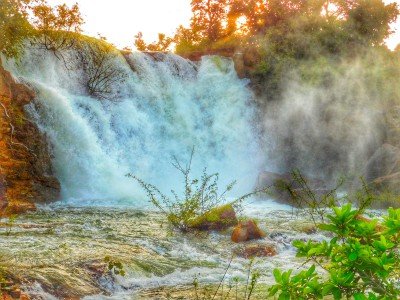
Giridih
Some quick example text to build on the card title and make up the bulk of the card's content.
Go somewhere
Godda
Some quick example text to build on the card title and make up the bulk of the card's content.
Go somewhere
Gumla
Some quick example text to build on the card title and make up the bulk of the card's content.
Go somewhere
Hazaribagh
Some quick example text to build on the card title and make up the bulk of the card's content.
Go somewhere
Jamshedpur
Some quick example text to build on the card title and make up the bulk of the card's content.
Go somewhere
Jamtara
Some quick example text to build on the card title and make up the bulk of the card's content.
Go somewherein Other Cities