Fiangpui Presbyterian Church
General information
-
Ideal Duration:
1 to 2 hours (for visit, prayer, and enjoying the view).Place Type:
Religious, Cultural, Viewpoint, Local Community LaEntry Fees:
No Entry Fees for the Church: There is generally no formal entry fee for visiting the Fiangpui Presbyterian Church. As it is an active place of worship, it welcomes visitors and devotees from all backgrounds free of charge. The core principle of a church is to be open to a...No Entry Fees for the Church: There is generally no formal entry fee for visiting the Fiangpui Presbyterian Church. As it is an active place of worship, it welcomes visitors and devotees from all backgrounds free of charge. The core principle of a church is to be open to all for worship and prayer.
Donations and Offerings: While there are no compulsory fees, visitors are welcome to leave a voluntary donation or offering in the church box as a gesture of support for the church's maintenance, community services, and charitable activities. It is an honorable way to contribute to the upkeep of the religious site.
Costs for Photography or Guides: There are typically no fees for personal photography, but for any commercial or professional photography/filming, it is essential to seek prior permission from the church authorities, which may involve a nominal charge or fee depending on the scale. Hiring a local guide to explain the village and church's history will incur a guide fee, which should be negotiated beforehand. This fee is a direct payment to a local individual, supporting the community.
Context of Visiting a Place of Worship: Visitors should treat the church with respect. While entry is free, dressing modestly and maintaining silence, especially during prayer times, is expected and a form of respectful payment to the community's sanctity.Timing:
Regular Church Timings: The Fiangpui Presbyterian Church is generally open throughout the day, often from around 8:00 AM to 5:00 PM on weekdays for private prayer and visits. However, access might be limited outside of these hours. The main church service times, typically ...Regular Church Timings: The Fiangpui Presbyterian Church is generally open throughout the day, often from around 8:00 AM to 5:00 PM on weekdays for private prayer and visits. However, access might be limited outside of these hours. The main church service times, typically on Sunday mornings (around 10:00 AM), are key times for the community but may restrict casual sightseeing. It is best to avoid visiting during an ongoing service unless you plan to attend.
Ideal Visit Time for Serenity: The Ideal Visit Time for travelers seeking serenity and photography is the Early Morning (8:00 AM to 10:00 AM) or the Late Afternoon (4:00 PM to 5:00 PM). The morning offers a tranquil atmosphere, mist-covered views, and soft light, while the late afternoon provides the warm 'golden hour' light perfect for stunning photos of the surrounding hills and the church facade. Weekdays are generally much quieter than weekends.
Best Time to Experience Community Life: The Ideal Visit Time to experience the vibrancy of the local community is on Sunday morning or during major festivals like Christmas (December). If you wish to simply observe the crowds and the community coming together, these are the peak times. Remember to be especially respectful and unobtrusive during service or festival times.Special Events:
Christmas Celebrations in December: The most significant special event at the Fiangpui Presbyterian Church is the celebration of Christmas in the month of December. Given the strong Christian presence in the Biate community, the festivities are grand, vibrant, and deeply tr...Christmas Celebrations in December: The most significant special event at the Fiangpui Presbyterian Church is the celebration of Christmas in the month of December. Given the strong Christian presence in the Biate community, the festivities are grand, vibrant, and deeply traditional. The entire village participates, and the church is beautifully decorated with lights, stars, and festive ornaments. The celebrations typically include mass singing of carols, special midnight services, community feasts, and cultural programs that often feature traditional dances and music. The joyful, communal spirit during Christmas is infectious and provides a wonderful cultural experience.
Nulding Kut Harvest Festival: While primarily a community festival, the Nulding Kut (a harvest festival of the Biate tribe) often sees the participation of church members and may have associated events or thanksgiving services held at the church. This festival typically falls around January or February and is a celebration of a successful harvest. Experiencing the blend of traditional tribal rituals and Christian thanksgiving at or around the church during this time is a rare and special opportunity to witness the cultural syncretism of the community.Best Photo Spots:
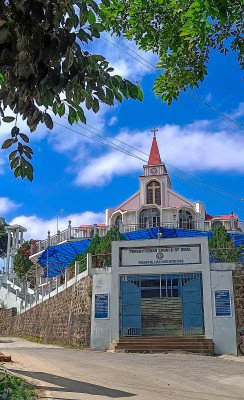
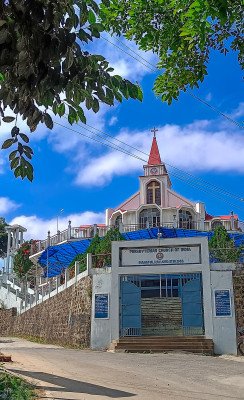
The Front Facade of the Church with Hill Backdrop: The best and most iconic photo spot is capturing the entire front facade of the Fiangpui Presbyterian Church with the rolling, lush green hills of the Barail Range forming the background. Position yourself slightly away and...The Front Facade of the Church with Hill Backdrop: The best and most iconic photo spot is capturing the entire front facade of the Fiangpui Presbyterian Church with the rolling, lush green hills of the Barail Range forming the background. Position yourself slightly away and lower down to frame the church against the sky and the hills. The vibrant colors of the church against the blue or misty sky make for a stunning photograph, especially in the golden light of the early morning or late afternoon.
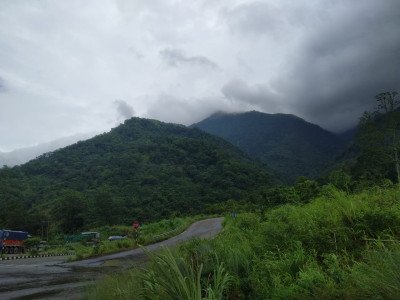
Panoramic Viewpoint from the Church Grounds: Take wide-angle shots from the highest point of the church compound, capturing the vast, sweeping valley views. This spot is perfect for panoramic photography of the Dima Hasao landscape. Try to include the terracotta or brightly colored roofs of the nearby village houses nestled in the greenery to add a sense of scale and human element to the natural vista. This is best done on a clear day to capture the distant horizon.
Candid Shots of Village Life: For cultural photography, the lanes and surroundings of Fiangpui village offer excellent opportunities. Focus on candid shots of the traditional Biate homes, local people in their daily routines, or children playing. The blend of simple rural life with the dramatic hill landscape provides a unique narrative. Always seek permission or maintain a respectful distance when photographing people.
The Church's Simple Interior: Capture the simple elegance of the church's interior, focusing on the altar, the pews, and the light streaming in through the windows. This spot is ideal for quiet, reflective, and architectural detail shots, highlighting the spiritual atmosphere of the place. Ensure to take these photographs when no service is in progress to maintain respect and quietude.Photo Gallery
Things To Do
-
Attend a Local Church Service for Cultural Insight: A primary and enriching activity is to respectfully attend a Sunday service or a weekday prayer meeting, if permitted. This provides an unparalleled opportunity to witness the deep faith of the local Biate community and observe the unique way the service is conducted, often incorporating local languages and hymns. It is a powerful cultural immersion and a way to understand the heart of the community. Always be mindful of the dress code and local customs when attending.
Enjoy Nature Photography and Scenic Views: Due to its elevated location in Fiangpui village, the church grounds offer fantastic viewpoints for landscape photography. The rolling hills of the Barail Range, the dense green foliage, and the modest yet brightly colored church structure itself make for excellent su...Attend a Local Church Service for Cultural Insight: A primary and enriching activity is to respectfully attend a Sunday service or a weekday prayer meeting, if permitted. This provides an unparalleled opportunity to witness the deep faith of the local Biate community and observe the unique way the service is conducted, often incorporating local languages and hymns. It is a powerful cultural immersion and a way to understand the heart of the community. Always be mindful of the dress code and local customs when attending.
Enjoy Nature Photography and Scenic Views: Due to its elevated location in Fiangpui village, the church grounds offer fantastic viewpoints for landscape photography. The rolling hills of the Barail Range, the dense green foliage, and the modest yet brightly colored church structure itself make for excellent subjects. Sunrise and sunset offer particularly dramatic lighting, painting the sky and the surrounding valleys in brilliant hues. Capture the tranquil village scenes and the distant mountain silhouettes. Walk Through the Fiangpui Village and Interact with Locals: Spend time walking slowly through the lanes of Fiangpui village that surrounds the church. This is your chance to observe the unique Biate tribal architecture and lifestyle. The villagers are generally friendly and hospitable. A respectful interaction, perhaps learning a few words of the local language or asking about their traditions (with permission), can be a deeply rewarding experience. This gentle exploration is a key part of the visit.
Search for the Local Fiangpui Garden: The nearby Fiangpui Garden is often mentioned as a peaceful spot for relaxation. Inquire locally about its exact location and take a short walk to enjoy its quiet, manicured green space. It's an excellent place to sit, meditate, or simply enjoy a picnic lunch in a serene environment. It complements the spiritual visit to the church by offering a dose of natural beauty.
Bird Watching in the Church Vicinity: Given the lush, forested environment of the Dima Hasao district, the area around the church is a good spot for casual bird watching. Keep an eye out for local and migratory species in the trees and surrounding vegetation. The quiet atmosphere enhances the chances of spotting colorful hill birds. Carry a pair of binoculars for a better viewing experience.
Cultural Research and Documentation: For students, researchers, or history enthusiasts, the church and the village serve as a living laboratory for cultural research on the Biate tribe. Take detailed notes, make sketches, and record observations about their customs, language, and the integration of the Presbyterian faith with their traditional life. This spot offers genuine, unfiltered cultural insights.
Meditation and Spiritual Reflection: The overall atmosphere of the church and the quiet village setting is conducive to spiritual reflection and meditation. Find a peaceful spot on the church grounds or in the nearby hills to spend some time in silence. The natural tranquility aids in de-stressing and provides a deeply restorative experience away from the noise of city life.
Information
-
Why Famous:
Heart of the Biate Community: The Fiangpui Presbyterian Church is particularly famous for its strong association with the Biate tribe, one of the indigenous communities of the Dima Hasao district. The village of Fiangpui is a major settlement for the Biate people, and the c...Heart of the Biate Community: The Fiangpui Presbyterian Church is particularly famous for its strong association with the Biate tribe, one of the indigenous communities of the Dima Hasao district. The village of Fiangpui is a major settlement for the Biate people, and the church acts as the central pillar of their religious and social life. The identity of the church is intertwined with the cultural heritage of the tribe, making it a significant cultural landmark. Visitors interested in the local tribal life and customs will find this place a key location to understand the area's social fabric.
Spiritual Hub in Serene Hills: The primary fame of the church stems from its role as a spiritual hub. It is a place of deep faith and quiet worship, drawing the community together. Its simple, dignified presence on the peaceful hillside provides a contrast to the commercial tourist spots. The spiritual energy and the tranquility of the location are what make it famous among those seeking peace and introspection. The large congregation on Sundays, especially during major festivals, demonstrates its importance to the local people.
Gateway to Local Culture: While a church, it is also famous as a gateway to experiencing the authentic culture of Fiangpui village. The village often hosts traditional events and is known for its distinct Biate customs. The church and the village environment offer a rich cultural experience that goes beyond mere sightseeing, allowing visitors to appreciate the harmonious blend of faith and tribal life. This makes it a unique point of interest in Haflong. -
Architecture:
Simple Hill Architecture with Local Influence: The architecture of the Fiangpui Presbyterian Church is typical of modern, functional church buildings found in the hill stations of Northeast India, focusing more on utility and local aesthetic than elaborate historical design....Simple Hill Architecture with Local Influence: The architecture of the Fiangpui Presbyterian Church is typical of modern, functional church buildings found in the hill stations of Northeast India, focusing more on utility and local aesthetic than elaborate historical design. The design often incorporates elements that are practical for the hilly terrain and climate of Haflong. The structure is primarily built with materials like concrete, reinforced steel, and sometimes local timber and stone, providing durability against the heavy monsoon rains and cold winters. The exterior is usually painted in bright, welcoming colors, often white or cream with colored trim, standing out clearly on the green hillside. The roof is likely a sloping, corrugated iron or metal sheet structure, which is essential for efficient rainwater runoff in this high-rainfall region.
Structure and Dimension Estimate: The church building is likely a rectangular or hall-type structure. An estimated Dimension might be around 25 meters (length) x 12 meters (width), with a height of approximately 8 to 10 meters up to the main roof peak. The main hall is designed to accommodate the congregation, potentially seating between 200 to 300 people. The interior is typically simple, featuring basic wooden pews, a central pulpit, and minimal, yet spiritually significant, ornamentation. Large windows are a common feature, allowing plenty of natural light and ventilation, and offering views of the picturesque surroundings. A modest bell tower or a cross atop the highest point of the roof often crowns the structure. The simplicity in design is a deliberate choice, reflecting the faith's emphasis on austerity and community over grandiosity.
Interior Design and Layout: The interior follows a conventional Protestant church layout with a central aisle leading up to the chancel. The walls are usually bare or adorned with simple religious texts and images. The flooring is likely concrete or tiled. The focus is on the communal space, ensuring every member of the congregation has a clear view of the pulpit. The overall architecture is a testament to the community's dedication, built to serve its primary function as a house of worship and a communal gathering place in the beautiful but rugged landscape of Dima Hasao. -
How To Reach:
By Air: The nearest major airport is Silchar Airport (IXS), located approximately 100-110 KMS from Haflong. From the airport, you can hire a private taxi or pre-book a cab to take you directly to Haflong. The drive is scenic but takes around 3. 5 to 4. 5 hours, depending o...By Air: The nearest major airport is Silchar Airport (IXS), located approximately 100-110 KMS from Haflong. From the airport, you can hire a private taxi or pre-book a cab to take you directly to Haflong. The drive is scenic but takes around 3. 5 to 4. 5 hours, depending on road conditions. Alternatively, one can fly to Guwahati's Lokpriya Gopinath Bordoloi International Airport (GAU), which is much further away (approx. 330 KMS), requiring a significantly longer onward journey by train or road to Haflong.
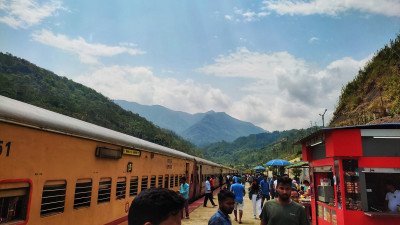
By Train: Haflong has its own railway station, the New Haflong Railway Station (NHLG), which is well-connected to major cities in Assam like Guwahati and Silchar. The train journey through the Dima Hasao district is considered one of the most picturesque in India, passing through numerous tunnels and bridges, including the famous Dayang Rail Bridge. From New Haflong Station, the church in Fiangpui is only about 5-6 KMS away. You can hire an auto-rickshaw or a local taxi from the station. The train is highly recommended for the scenic beauty.
By Road: Haflong is accessible by road, though the mountain roads (part of the National Highway network) can be challenging and prone to landslides during the monsoon season. You can take a bus or hire a taxi from Guwahati (about 8-10 hours drive) or Silchar (about 3-4 hours drive). The drive itself is an adventure, offering stunning mountain views. Once in Haflong town, the church in Fiangpui is just a short 2 KMS distance via the main Fiangpui Road.
By Local Transport: To reach the church from Haflong City Center, the most convenient local options are shared or private auto-rickshaws (Tuk-Tuks) or local taxis. The journey is short, taking only about 10 to 15 minutes. It is advisable to negotiate the fare before starting the trip. For an immersive experience, a pleasant 20-30 minute walk from the main town center to Fiangpui is also a good option, allowing you to enjoy the cool mountain air and local sights along the way. -
Weather and Best Time to Visit:
Winter Season (October to March): The Winter months from October to March are considered the Best Time to Visit. During this period, the weather in Haflong is cool, dry, and extremely pleasant, with temperatures ranging from 8°C to 20°C. The skies are generally clear, of...Winter Season (October to March): The Winter months from October to March are considered the Best Time to Visit. During this period, the weather in Haflong is cool, dry, and extremely pleasant, with temperatures ranging from 8°C to 20°C. The skies are generally clear, offering the best panoramic views of the Barail Range from the church and the village. This season is ideal for sightseeing, walking, and enjoying the peaceful atmosphere without the inconvenience of heavy rain or excessive heat. December is especially festive due to Christmas.
Summer Season (April to June): The Summer season is mild compared to the plains of India, with temperatures between 15°C to 28°C. While the weather is still comfortable for visiting, the humidity may be slightly higher. The hills are at their greenest during this time, and the visibility is usually good, making it a good second-best time to visit the church.
Monsoon Season (July to September): The Monsoon season is generally the least recommended time to visit. Haflong receives heavy rainfall, which can lead to frequent landslides and poor road conditions, potentially disrupting travel plans. While the scenery is incredibly lush and green, the constant rain and mist can limit views and restrict outdoor activities.
Different Parts of the Day: The Ideal Visit Time during the day for photography is early morning (for mist and soft light) or late afternoon (for golden hour light). For quiet prayer and reflection, any time on a weekday is perfect. -
Near Tourist Places:
Haflong Lake: (Approx. 2 KMS) - The heart of Haflong town, ideal for boating and a leisurely walk.
Haflong Hill: (Approx. 3 KMS) - Offers a higher viewpoint and is a famous picnic spot.
Jatinga Bird Mystery Village: (Approx. 10 KMS) - Famous for the mysterious bird phenomenon during the months of September and October.
Maibong: (Approx. 40 KMS) - Site of the ancient capital of the Dimasa Kingdom, featuring historical ruins like the Ramchandi Temple.
Abraham Viewpoint: (Approx. 5 KMS) - Another popular spot for panoramic valley views.
Barail Range Forest: (Starts at Approx. 15 KMS to the main sanctuary area) - Ideal for trekking and nature exploration.
Panimoor Waterfall: (Approx. 120 KMS) - Known as the 'Niagara of Assam,' a beautiful cascading waterfall.
Semkhor: (Approx. 50 KMS) - A remote village known for its unique culture and traditional Dimasa houses.
Tumjang & Sielkal Peak: (Approx. 55 KMS) - The highest peak in the district, offering challenging trekking opportunities.
Zeme Naga Villages: (Varies, Nearest is around 15-20 KMS) - For exploring the culture of the Zeme Naga tribe.
Tourism Tips
-
Health & Safety: Carry all necessary personal medication, especially if you have asthma or other respiratory issues, as the high altitude might be a slight adjustment. The local hospitals are basic, so for any serious health concerns, it is better to head to a larger city l...Health & Safety: Carry all necessary personal medication, especially if you have asthma or other respiratory issues, as the high altitude might be a slight adjustment. The local hospitals are basic, so for any serious health concerns, it is better to head to a larger city like Silchar. Be mindful of the mountain roads and drive carefully if hiring a self-drive vehicle. Always stay on marked paths when walking around the village or the surrounding hills. Carry a basic first-aid kit with pain relievers, antiseptics, and band-aids.
Packing Essentials: Pack light woolens or jackets even during the summer months, as mornings and evenings in Haflong can be chilly, especially if visiting the church early. Bring comfortable walking shoes suitable for uneven village paths and short treks. A good raincoat or umbrella is essential, regardless of the season, due to the unpredictable nature of hill weather. Carry a power bank as electricity supply can be erratic in the remote village areas.
Accommodation: Fiangpui village itself has limited formal accommodation options. The best place to stay is in Haflong town, which is only 2 KMS away. Look for options like the Landmark Hotel Haflong or other homestays and guesthouses in the main town. Staying in Haflong provides better access to restaurants and transport. If you want a deeper cultural experience, ask locals in Fiangpui if any homestay options are available, though these will be very basic.
Respect Local Culture and Faith: The Biate people are known for their hospitality, but it is crucial to respect their culture. When visiting the church, wear modest clothing (covering shoulders and knees) and maintain silence inside the sanctuary. Always ask for permission before taking close-up photographs of people. Avoid consuming alcohol or engaging in loud behavior near the church or in the village. Support the local economy by purchasing handicrafts or local produce from the villagers.
Food and Water: Stick to bottled water. Try the local tribal cuisine in the village or in Haflong town. Restaurants in town offer simple, tasty North Indian and local Assamese/tribal dishes.
Reviews
FAQs
Haflong Itineray And Cost:-
Fiangpui Presbyterian Church Tourism:-
Information about New and Updated Locations() of Assam Has Been Added :-
Card subtitle
Note:-
Information provided here in good Faith and for reference only.
All information and pictures will be updated soon, please keep visiting.
Near Places
Barail Range Forest
Some quick example text to build on the card title and make up the bulk of the card's content.
Go somewhere
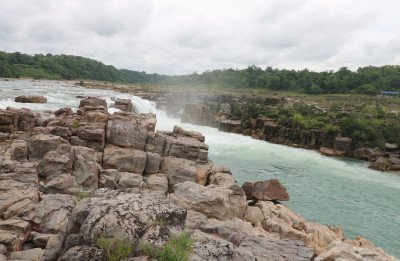
Bendao Baglai Waterfalls
Some quick example text to build on the card title and make up the bulk of the card's content.
Go somewhere
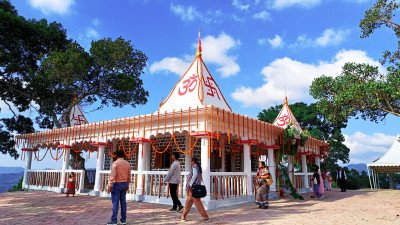
Devi Mandir View Point
Some quick example text to build on the card title and make up the bulk of the card's content.
Go somewhere
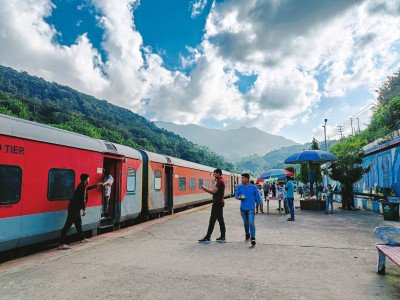
Dima Hasao Town
Some quick example text to build on the card title and make up the bulk of the card's content.
Go somewhere
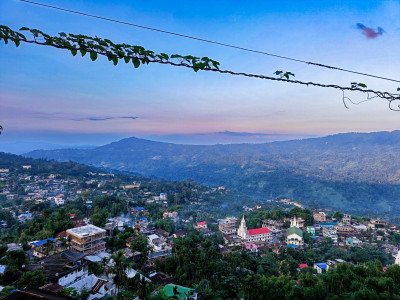
Dima Hasao View Point
Some quick example text to build on the card title and make up the bulk of the card's content.
Go somewhere
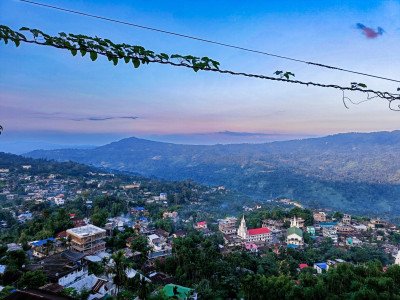
Fiangpui Presbyterian Church
Some quick example text to build on the card title and make up the bulk of the card's content.
Go somewhere
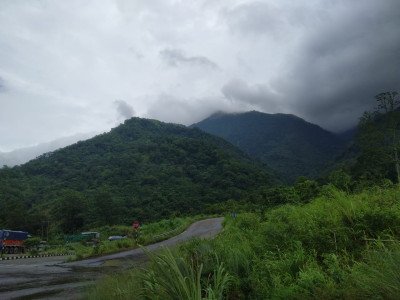
Full Town View
Some quick example text to build on the card title and make up the bulk of the card's content.
Go somewhere
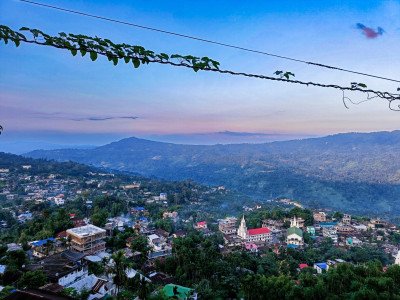
Haflong Hill
Some quick example text to build on the card title and make up the bulk of the card's content.
Go somewhere
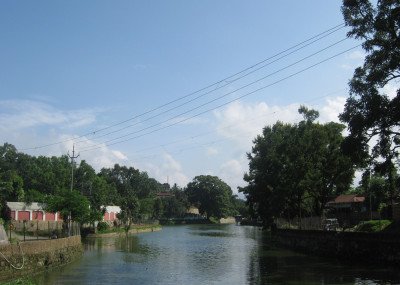
Haflong Hill View Point
Some quick example text to build on the card title and make up the bulk of the card's content.
Go somewhere
Haflong Lake
Some quick example text to build on the card title and make up the bulk of the card's content.
Go somewherein Other Cities