

KBR National Park
General information
-
Ideal Duration:
2-3 hoursPlace Type:
National Park, Wildlife Sanctuary, Heritage SiteEntry Fees:
Park Entry Fee: The entry fee for KBR National Park is relatively low and is charged primarily for access to the walking track and the natural area. It is typically around Rs.20 per adult and Rs.10 per child for a single entry.
Membership Fees for ...Park Entry Fee: The entry fee for KBR National Park is relatively low and is charged primarily for access to the walking track and the natural area. It is typically around Rs.20 per adult and Rs.10 per child for a single entry.
Membership Fees for Regulars: For regular visitors and fitness enthusiasts, the park offers highly economical monthly (~Rs.400) and annual (~Rs.1500) membership passes, making it very affordable for locals to use daily. Senior citizens often have a reduced annual fee.
Vehicle Parking: There are usually designated paid parking spots outside the park's main gates for cars and two-wheelers, with a nominal fee (around Rs.20-Rs.50).
Cost Justification: The low fee structure is intended to promote the park as a public health asset while the revenue aids in the high-cost conservation and maintenance required to protect a large, bio-diverse area right in the city center.
Guided Tour Costs: Any special guided nature tours or specific programs organized by the forest department or NGOs might have a separate, higher fee to cover the specialist guide's costs. :Timing:
Regular Timings:
KBR National Park is open in two distinct slots: Morning (5:30 AM to 10:00 AM) and Evening (4:00 PM to 6:30 PM). The park is closed during the mid-day hours for wildlife movement and maintenance.Regular Timings:
KBR National Park is open in two distinct slots: Morning (5:30 AM to 10:00 AM) and Evening (4:00 PM to 6:30 PM). The park is closed during the mid-day hours for wildlife movement and maintenance.
Ideal Visit Time: The Early Morning (5:30 AM - 7:30 AM) is the best time for fitness activities, experiencing the maximum cool air, and the highest chance of spotting birds and animals (due to lower temperatures). The Late Evening (4:00 PM - 6:00 PM) is excellent for a leisurely walk, sunset views, and enjoying the cooler breeze.
Inner Trail Access: Access to the inner core of the park for wildlife viewing might be restricted to certain times or require special permission, often aligning with the morning hours for maximum animal sighting potential.
Weekly Closure: The park is open on all days of the week, but visitors should check for any unexpected closures or maintenance notices. :Special Events:
International Yoga Day Celebrations: Given its status as a major fitness and nature hub, the park often hosts large-scale community Yoga sessions and wellness events on June 21st for International Yoga Day, drawing large crowds and creating a peaceful, collective atmosphere....International Yoga Day Celebrations: Given its status as a major fitness and nature hub, the park often hosts large-scale community Yoga sessions and wellness events on June 21st for International Yoga Day, drawing large crowds and creating a peaceful, collective atmosphere.
Wildlife Week Events: During National Wildlife Week (usually the first week of October), the park often organizes special educational programs, guided nature walks, photography contests, and lectures to raise awareness about the park's ecology and conservation needs.
Seasonal Bird/Butterfly Watching Festivals: Local ecological groups occasionally organize special seasonal Bird or Butterfly Watching events, leveraging the park's rich biodiversity. These are excellent opportunities to learn from experts about the local fauna.
Annual Marathon/Mini-Marathon Events: Due to its long peripheral track, the park is a frequent starting or finishing point for local mini-marathons, charity runs, and fitness challenge events, creating a very active and energized atmosphere on those specific days. :Best Photo Spots:
The Green-Urban Contrast: The best shots are those that capture the lush green canopy of the forest, using the modern high-rises of Jubilee Hills and Banjara Hills peeking over the boundary wall as a dramatic backdrop, emphasizing its 'jungle amidst concrete' status.The Green-Urban Contrast: The best shots are those that capture the lush green canopy of the forest, using the modern high-rises of Jubilee Hills and Banjara Hills peeking over the boundary wall as a dramatic backdrop, emphasizing its 'jungle amidst concrete' status.
Pathway Symmetry: Capture the symmetry and endless perspective of the long, peripheral walking track, especially when it's quiet in the early morning, using the trees and the curves of the track to lead the viewer's eye.
Macro-Photography Focus: The park's immense biodiversity is a perfect subject for macro-photography, focusing on the vibrant colors and delicate details of the unique butterflies, flowers, and insects found within the protected area.
Bird-Watching Blinds/Spots: Patiently wait at known bird-watching spots or near the park's small water bodies to capture stunning photographs of the varied bird species, including the park's namesake peacocks, in their natural habitat.
Glimpse of Chiran Palace: Try to capture a respectful, long-distance shot or a framed glimpse of the historical Chiran Palace through the trees to highlight the park's heritage connection. :Photo Gallery
Things To Do
-
Jogging/Walking the Peripheral Track: Engage in a refreshing walk or run along the popular 7. 5-kilometer outer loop track that encircles the park. This is the primary activity for fitness enthusiasts and offers continuous, comfortable pathways.
Wildlife and Bird Watching: Walk the inner trails (where permitted) or carefully observe the dense foliage for sightings of small mammals like the peacock, jungle cat, and various species of butterflies and reptiles. It is an excellent spot for serious bird watching due to the high diversity of species.
Guided Nature Tours: Check for organized guided tours or slide shows, often held in the evenings, which provide in-depth information about the park's history, ecology, and wildlife. These tours offer access to areas or knowledge not easily obtained on a...Jogging/Walking the Peripheral Track: Engage in a refreshing walk or run along the popular 7. 5-kilometer outer loop track that encircles the park. This is the primary activity for fitness enthusiasts and offers continuous, comfortable pathways.
Wildlife and Bird Watching: Walk the inner trails (where permitted) or carefully observe the dense foliage for sightings of small mammals like the peacock, jungle cat, and various species of butterflies and reptiles. It is an excellent spot for serious bird watching due to the high diversity of species.
Guided Nature Tours: Check for organized guided tours or slide shows, often held in the evenings, which provide in-depth information about the park's history, ecology, and wildlife. These tours offer access to areas or knowledge not easily obtained on a simple walk.
Historical Observation: Try to spot and appreciate the various historical structures from the Nizam's era, such as the glimpse of the Chiran Palace from the outside, the old stables, and the water bodies, which add a heritage element to the natural visit.
Photography: Capture the contrasting visuals of the dense green forest against the high-rise buildings of Jubilee Hills and Banjara Hills. Focus on macro photography of the diverse flora and butterflies or telephoto shots of birds and animals (from a respectful distance).
Relaxation and Meditation: Find a quiet spot along the pathway or a less-crowded section of the park to practice meditation or simply sit and enjoy the quiet sounds of nature, which is a rare luxury in the city center.
Ecology Learning: For students and children, the park serves as an excellent natural classroom. Focus on identifying the different species of trees, plants, and birds as a fun, educational activity. :
Information
-
Why Famous:
A National Park Within City Limits: It is famously one of the few national parks in India located completely within the limits of a major metropolitan city, serving as a vital 'green lung' for Hyderabad and offering a unique mix of urban and natural experiences.A National Park Within City Limits: It is famously one of the few national parks in India located completely within the limits of a major metropolitan city, serving as a vital 'green lung' for Hyderabad and offering a unique mix of urban and natural experiences.
Rich Biodiversity: Despite its central location, the park is an incredibly bio-diverse region, home to rare and endemic species, including 600+ plant species, 140+ bird species, and various mammals like the pangolin and small Indian civet, making it a haven for wildlife and ecology.
The Nizam's Heritage: The park complex is historically significant as it contains the Chiran Palace, the residence of the Nizam’s family, giving it a strong connection to the royal history of Hyderabad.
A Premier Fitness Hub: The 7. 5 KM peripheral walking track is extremely popular and is considered the premier destination for fitness enthusiasts, joggers, and serious walkers in the city, contributing significantly to the health and well-being of the surrounding upscale community. : -
Architecture:
The Historical Chiran Palace Complex: The core architectural feature of the park is the Chiran Palace, a duplex-style structure built in the 1940s that served as the residence of the Nizam's son, Prince Mukarram Jah. While not the main public draw, its historical presence d...The Historical Chiran Palace Complex: The core architectural feature of the park is the Chiran Palace, a duplex-style structure built in the 1940s that served as the residence of the Nizam's son, Prince Mukarram Jah. While not the main public draw, its historical presence defines the park. The palace, originally on an 11-acre complex, features a functional design, including an armory hall, conference rooms, seven bedrooms on the first floor, and two cellars, showcasing the simple, modern style of the Nizam's later residences.
Preserving the Natural Ecosystem: The primary architectural effort within the 390-acre park focuses on conservation architecture. The entire boundary is securely fenced with a perimeter wall or netting to protect the natural ecosystem from the surrounding urban development. The outer walking track, spanning about 7. 5 kilometers (4. 6 miles) around the park's periphery, is a well-engineered path for public use. The park also includes several historical outbuildings, such as stables, a motor khana (garage for vintage cars), and water wells, which have been preserved as heritage structures within the natural setting, maintaining the blend of natural and historical architecture. : -
How To Reach:
By Air: From Rajiv Gandhi International Airport (HYD), the park is approximately 35-40 KMs away. Take an app-based cab or pre-paid taxi directly to Jubilee Hills/Banjara Hills. The travel time is about 1 hour to 1 hour 15 minutes due to city traffic.
Read MoreBy Air: From Rajiv Gandhi International Airport (HYD), the park is approximately 35-40 KMs away. Take an app-based cab or pre-paid taxi directly to Jubilee Hills/Banjara Hills. The travel time is about 1 hour to 1 hour 15 minutes due to city traffic.
By Train: The park is moderately distanced from the major railway stations. Nampally Railway Station (HYB) is about 8 KMs away, and Secunderabad Junction (SC) is about 10 KMs away. A taxi or auto-rickshaw is necessary from the station, taking about 20-30 minutes.
By Road (Bus and Private Vehicle): The park is very well-connected by road, situated between the major thoroughfares of Jubilee Hills and Banjara Hills. Local TSRTC buses and minibusses frequently ply the surrounding roads, with stops like Jubilee Hills Check Post being a short walk away. Parking is available near the gates.
By Local Transport (Metro and Cabs/Autos): The nearest and most convenient metro station is Jubilee Hills Check Post (on the Blue Line), which is just a 5-10 minute walk from the park entrance. App-based cabs and auto-rickshaws are the most straightforward mode of transport to the exact location. :Weather and Best Time to Visit:
Winter Season (October to March): This is the absolute Best Time to Visit. The weather is cool and perfect for early morning or late evening walks and wildlife spotting. The temperatures are ideal for physical activity on the peripheral track.
...Winter Season (October to March): This is the absolute Best Time to Visit. The weather is cool and perfect for early morning or late evening walks and wildlife spotting. The temperatures are ideal for physical activity on the peripheral track.
Monsoon Season (June to September): The park's greenery is at its peak, and the atmosphere is refreshing. However, pathways can be muddy, and heavy rain can disrupt walking plans. Animal sightings can be good during a break in the rain.
Summer Season (April to May): The park is extremely hot during the mid-day, making walks very uncomfortable. Visits should be strictly limited to the early morning (before 8:00 AM) to avoid the heat, though wildlife viewing may also be reduced due to the heat.
Different Parts of the Day: Early Morning (5:30 AM - 7:30 AM) is the prime time for exercise, bird watching, and seeing the park at its quietest and coolest. The Evening (4:00 PM - 6:00 PM) is a good time for a relaxed walk and enjoying the sunset, but it is often more crowded than the morning slot. :Near Tourist Places:
Chiran Palace (Onsite), Jubilee Hills (Adjacent - upscale restaurants/shopping), Banjara Hills (Adjacent - commercial/lifestyle hub), Shilparamam (5 KMs), Inorbit Mall (7 KMs), Gachibowli (IT Hub - 10 KMs), Golconda Fort (10 KMs), Qutb Shahi Tombs (12 KMs), Charminar (15 KMs), Tank Bund (10 KMs), Nehru Zoological Park (18 KMs). :Tourism Tips
-
Health & Safety: Stay on the designated paths; do not venture deep into the forest alone. While the park is generally safe, avoid touching unknown plants or animals. Carry an emergency contact number. Be cautious of the traffic outside the park gates, especially near the...Health & Safety: Stay on the designated paths; do not venture deep into the forest alone. While the park is generally safe, avoid touching unknown plants or animals. Carry an emergency contact number. Be cautious of the traffic outside the park gates, especially near the busy main roads.
Packing Essentials: Wear light, moisture-wicking clothing and comfortable sports shoes for walking/jogging. Carry a water bottle and a small towel. For nature enthusiasts, bring binoculars and a field guide for identifying birds and plants. Apply insect repellent, especially during the monsoon season.
Other Tips (Etiquette and Conduct): Do not litter or carry plastics into the park core. Noise is discouraged to avoid disturbing the wildlife, so keep voices low. Smoking and consumption of food outside designated areas are prohibited. If you are a serious walker, plan for the full 7. 5 KM circuit. :
Reviews
FAQs
Hyderabad Itineray And Cost:-
KBR National Park Tourism:-
Other Places In Hyderabad :-
Other States In India :-
Information about New and Updated Locations() of Telangana Has Been Added :-
Card subtitle
Note:-
Information provided here in good Faith and for reference only.
Near Places

Bansilalpet Step Well
Some quick example text to build on the card title and make up the bulk of the card's content.
Go somewhere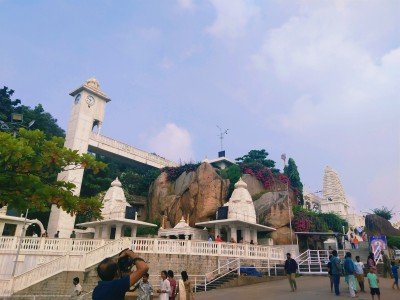
Birla Mandir
Some quick example text to build on the card title and make up the bulk of the card's content.
Go somewhere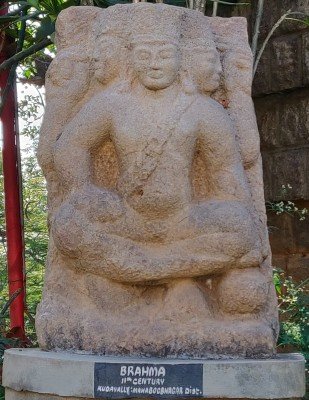
B.M. Birla Planetarium
Some quick example text to build on the card title and make up the bulk of the card's content.
Go somewhere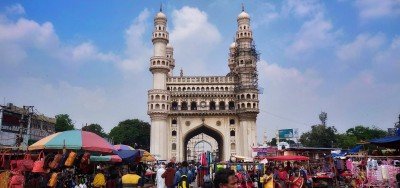
Charminar
Some quick example text to build on the card title and make up the bulk of the card's content.
Go somewhere
Chilkur Balaji Temple
Some quick example text to build on the card title and make up the bulk of the card's content.
Go somewhere
Chowmahalla Palace
Some quick example text to build on the card title and make up the bulk of the card's content.
Go somewhere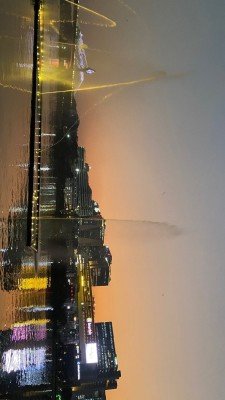
Durgam Cheruvu Bridge
Some quick example text to build on the card title and make up the bulk of the card's content.
Go somewhere
Falaknuma Palace
Some quick example text to build on the card title and make up the bulk of the card's content.
Go somewhere
Golconda Fort
Some quick example text to build on the card title and make up the bulk of the card's content.
Go somewhere
Hussain Sagar Lake
Some quick example text to build on the card title and make up the bulk of the card's content.
Go somewhere
Hussain Sagar View Point
Some quick example text to build on the card title and make up the bulk of the card's content.
Go somewhere
Indira Park
Some quick example text to build on the card title and make up the bulk of the card's content.
Go somewhere
KBR National Park
Some quick example text to build on the card title and make up the bulk of the card's content.
Go somewhere
Laad Bazaar
Some quick example text to build on the card title and make up the bulk of the card's content.
Go somewhere
Lumbini Park
Some quick example text to build on the card title and make up the bulk of the card's content.
Go somewhere
Mecca Masjid
Some quick example text to build on the card title and make up the bulk of the card's content.
Go somewherein Other Cities