Salar Jung Museum
General information
-
Ideal Duration:
2-3 hours (Minimum, for key exhibits) to Full Day (for comprehensive viewing)Place Type:
Art Museum, History, CultureEntry Fees:
Indian Adults: INR 20 per person.
Children (Below 18 years): INR 10 per person.
Foreigners: INR 500 per person.
Student Entry: Students with valid ID cards often get a reduc...Indian Adults: INR 20 per person.
Children (Below 18 years): INR 10 per person.
Foreigners: INR 500 per person.
Student Entry: Students with valid ID cards often get a reduced fee or are admitted for free (check current policy).
Camera Fee: A fee is often charged for still cameras (INR 50 - check for updates), and video cameras are typically prohibited or subject to a very high fee. Mobile phone photography may also be restricted or charged.
Audio Guide: Audio guides are available for a separate fee, typically around INR 50-100, which is highly recommended for an in-depth tour. The entry fee is notably low for Indian citizens, reflecting its status as a National Museum, allowing it to be accessible for educational and public purposes, in contrast to the high foreigner fee. The fees generate revenue for the conservation and maintenance of the vast collection.Timing:
Regular Timings: 10:00 AM to 5:00 PM. Closed on Fridays and major public holidays.
Ideal Visit Time: Arrive at 10:00 AM sharp. The museum can get very crowded, especially around the Musical Clock. Visiting the major attractions immediatel...Regular Timings: 10:00 AM to 5:00 PM. Closed on Fridays and major public holidays.
Ideal Visit Time: Arrive at 10:00 AM sharp. The museum can get very crowded, especially around the Musical Clock. Visiting the major attractions immediately after opening or just after the noon rush can ensure a less crowded experience. October to March is the best season.
Musical Clock Timings: The clock strikes the hour at 12 PM, 1 PM, 2 PM, 3 PM, and 4 PM, which draws the biggest crowd, so plan to be elsewhere during these times if you prefer quiet viewing, or be at the clock 15 minutes prior if you want to see the show.Special Events:
Art and History Exhibitions: The museum often hosts special, short-term thematic exhibitions focusing on specific eras of art, historical movements, or a part of the collection that is not regularly displayed, providing a fresh reason to visit.
...Art and History Exhibitions: The museum often hosts special, short-term thematic exhibitions focusing on specific eras of art, historical movements, or a part of the collection that is not regularly displayed, providing a fresh reason to visit.
Heritage Days and Anniversaries: Special lectures, workshops, and guided tours are organized on key dates like the museum's anniversary (December 16) or World Heritage Day, which offer enhanced educational content and behind-the-scenes views.
Educational Programs: Various educational outreach programs, children's workshops, and school tours are regularly conducted, often featuring special lectures by historians and curators.Best Photo Spots:
The Grand Exterior: The main building facade, especially from the road or the Musi River side, offers a commanding view for a classic architectural shot.
The Musical Clock Area: While crowded, the sheer mechanics and the crowd reaction to th...The Grand Exterior: The main building facade, especially from the road or the Musi River side, offers a commanding view for a classic architectural shot.
The Musical Clock Area: While crowded, the sheer mechanics and the crowd reaction to the hourly performance make for a dynamic and unique shot. Use a fast shutter speed to freeze the motion of the emerging figure.
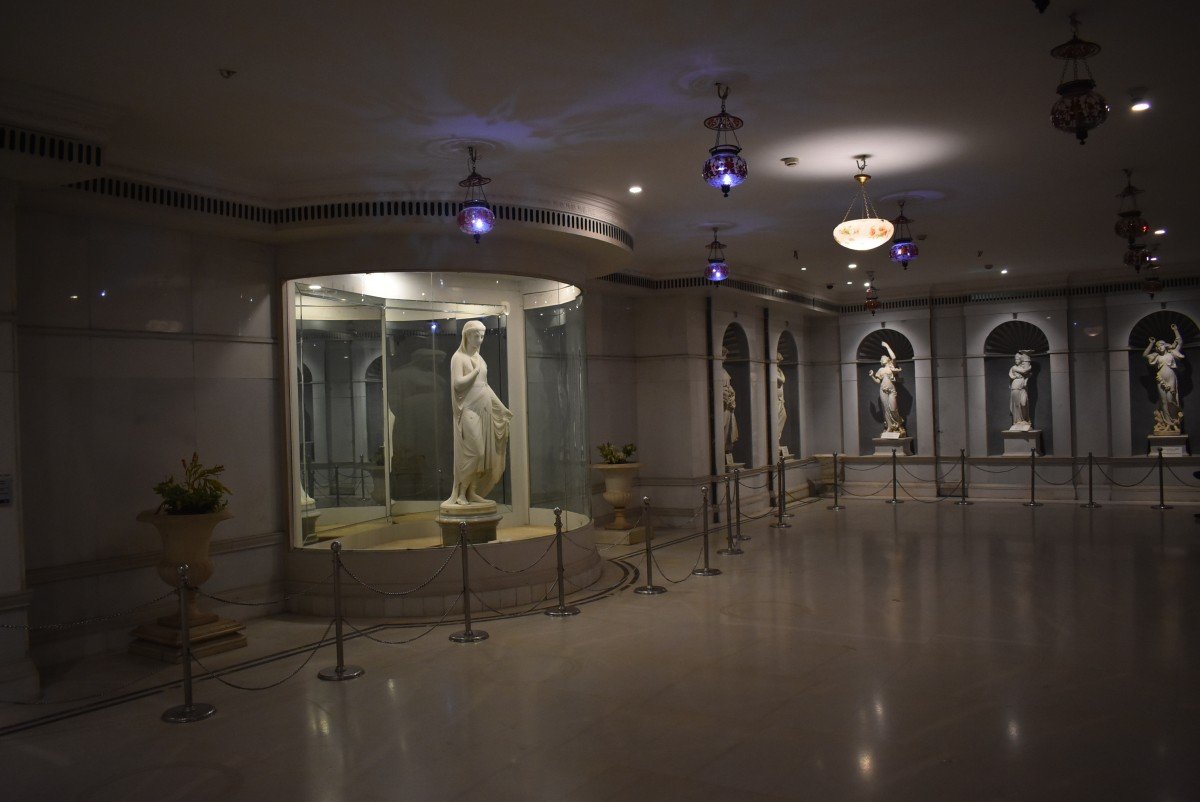
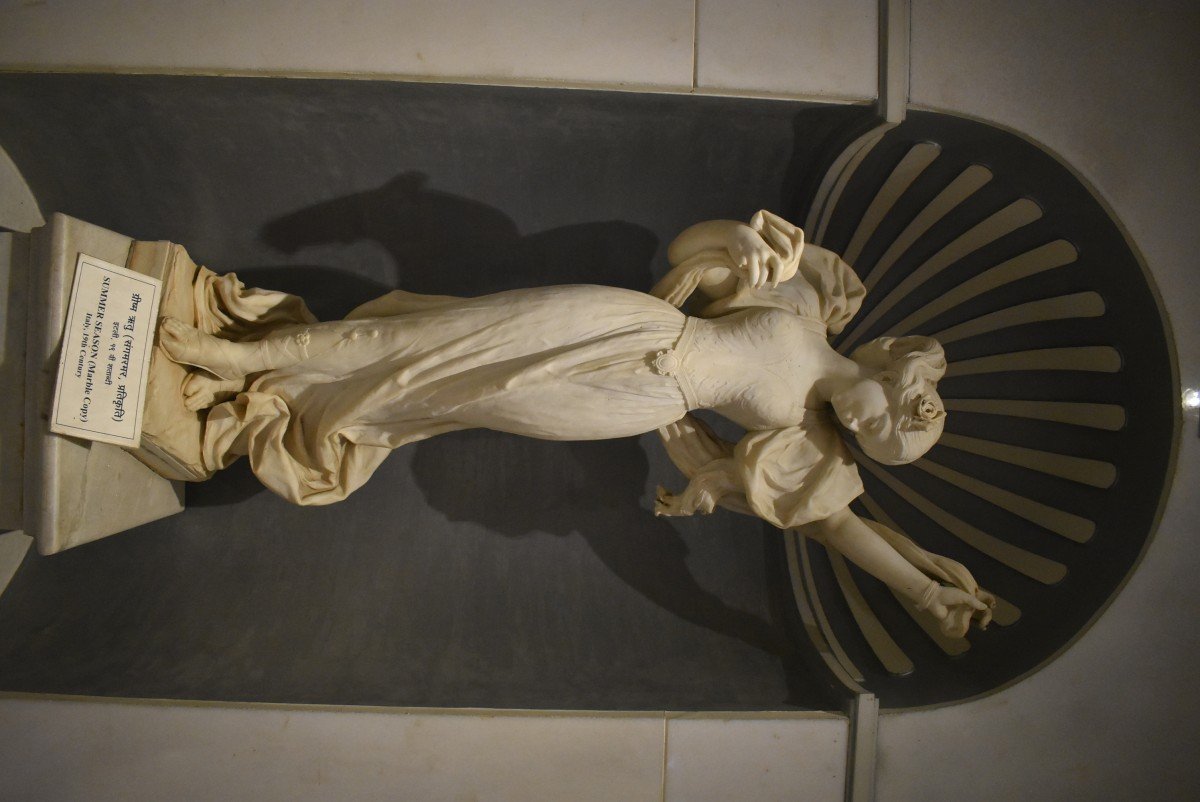
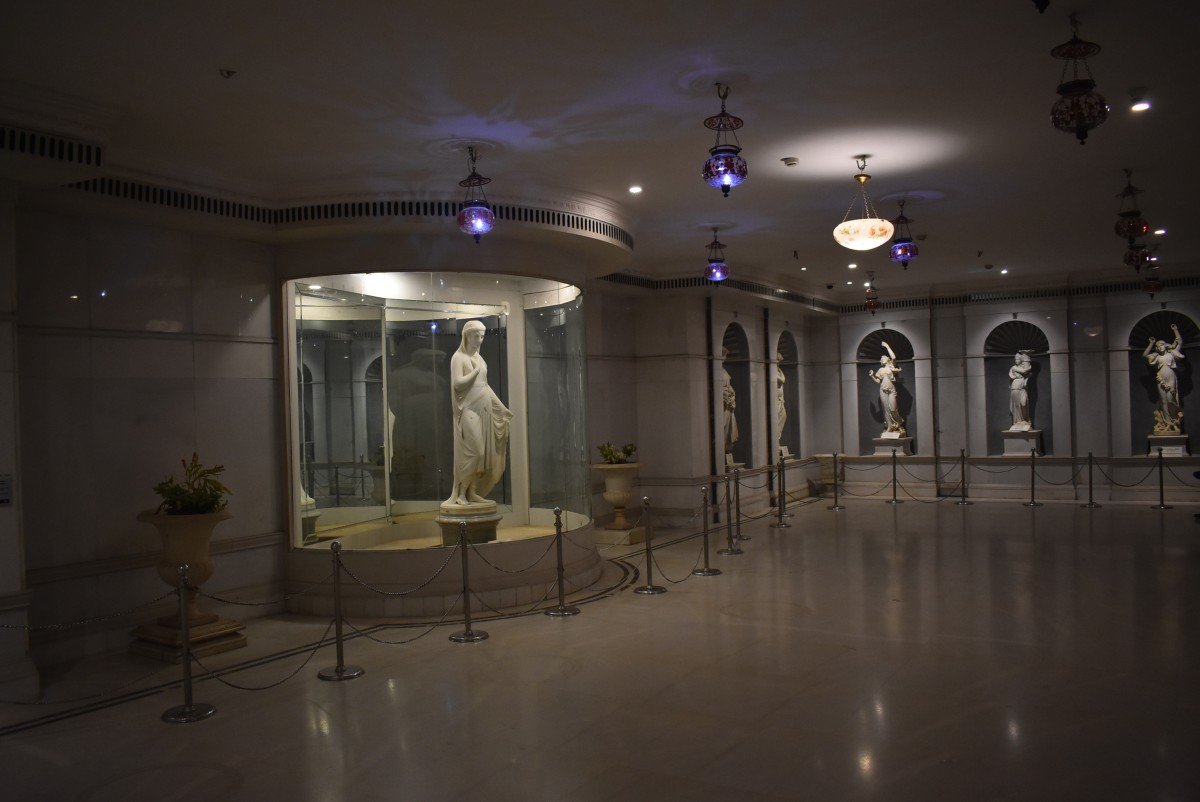
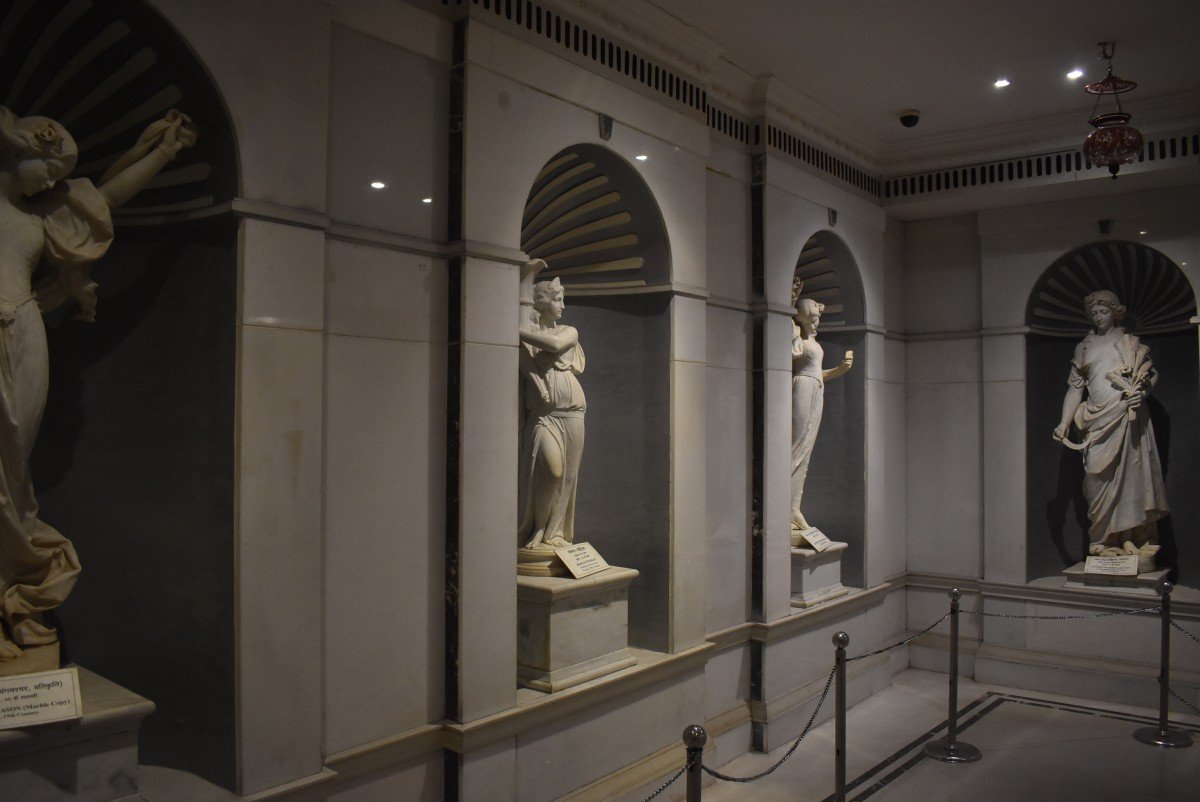
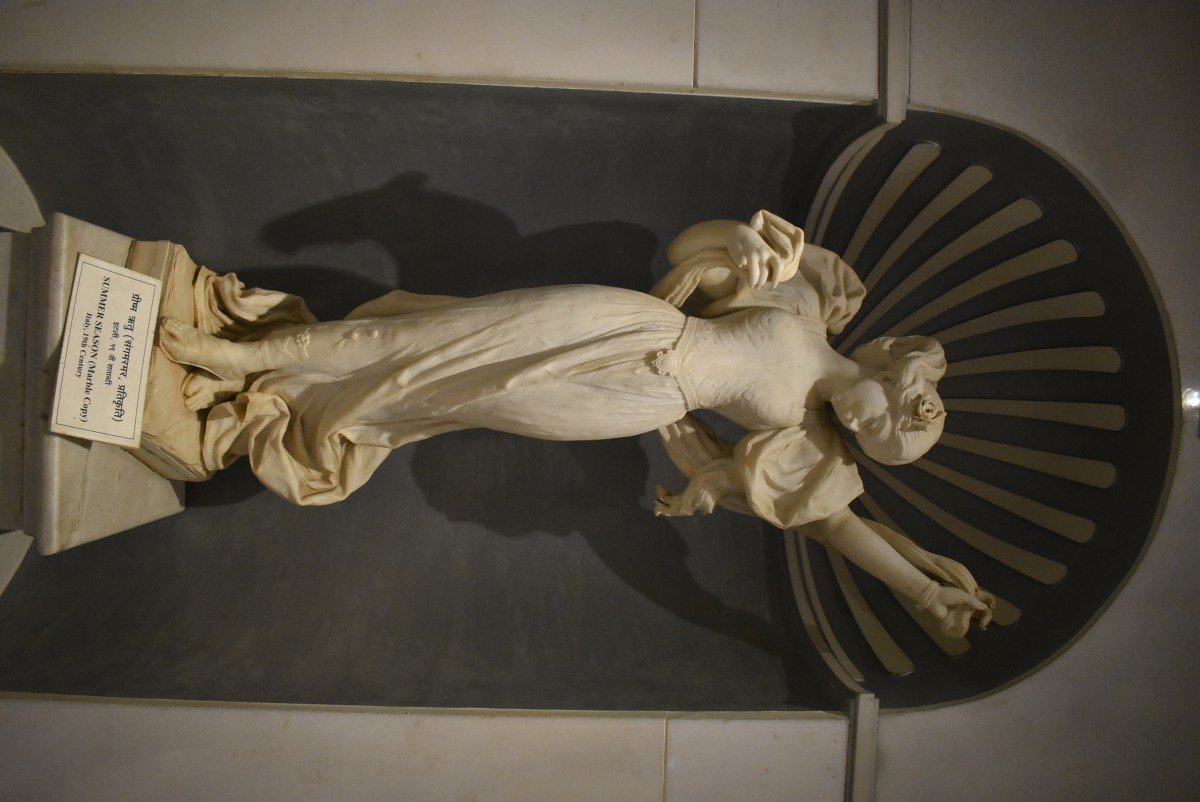
Veiled Rebecca Display: The lighting and setting around this iconic marble sculpture are often optimized for viewing, making it an excellent spot for detailed, low-light artistic photography (check for permission/rules).
The Courtyards and Walkways: The museum's interior and exterior courtyards and large windows provide opportunities for natural light and geometric shots, particularly capturing the shadows and lines of the building's modern architecture.Photo Gallery
Things To Do
-
Watch the Musical Clock Performance: Plan your visit to be at the clock area on the hour (e. g. , 12 PM, 1 PM) to witness the mechanical marvel striking the hour.
Contemplate The Veiled Rebecca: Spend time studying the detail of the famous marble sculpture by Benzoni to appreciate the artistic mastery.
Explore Global Artifacts: Visit the Indian Block for local artifacts, the Eastern Block for Japanese, Chinese, and Middle Eastern art, and the Western Block for European paintings and furniture.
Study Miniature Paintings: The Miniature Painting Gallery is a must-see for its detailed artwork on palm leaves, cloth, and paper, requiring close examination.
Armour and Weaponry: Inspect the impressive collection of arms and armour, inclu...Watch the Musical Clock Performance: Plan your visit to be at the clock area on the hour (e. g. , 12 PM, 1 PM) to witness the mechanical marvel striking the hour.
Contemplate The Veiled Rebecca: Spend time studying the detail of the famous marble sculpture by Benzoni to appreciate the artistic mastery.
Explore Global Artifacts: Visit the Indian Block for local artifacts, the Eastern Block for Japanese, Chinese, and Middle Eastern art, and the Western Block for European paintings and furniture.
Study Miniature Paintings: The Miniature Painting Gallery is a must-see for its detailed artwork on palm leaves, cloth, and paper, requiring close examination.
Armour and Weaponry: Inspect the impressive collection of arms and armour, including the sword of Emperor Aurangzeb and various historical firearms.
Visit the Educational Zones: Check out the temporary exhibition halls and the museum library for deeper historical and cultural engagement.
Photography (Restrictions): Capture the exterior architecture and general areas (where permitted) but be aware that photography, particularly with flash, is often restricted or charged for inside the galleries to protect the artifacts.
Information
-
Why Famous:
The Single Collector Feat: It is famous as the only museum in the world to house such a large and diverse collection of over 43,000 objects amassed by a single individual, Salar Jung III. This unique provenance gives the museum its exceptional global standing.The Single Collector Feat: It is famous as the only museum in the world to house such a large and diverse collection of over 43,000 objects amassed by a single individual, Salar Jung III. This unique provenance gives the museum its exceptional global standing.
The Musical Clock: The museum is internationally renowned for its 19th-century British Musical Clock, a mechanical marvel where a miniature figure emerges to strike the gong every hour, drawing huge crowds at the designated times.
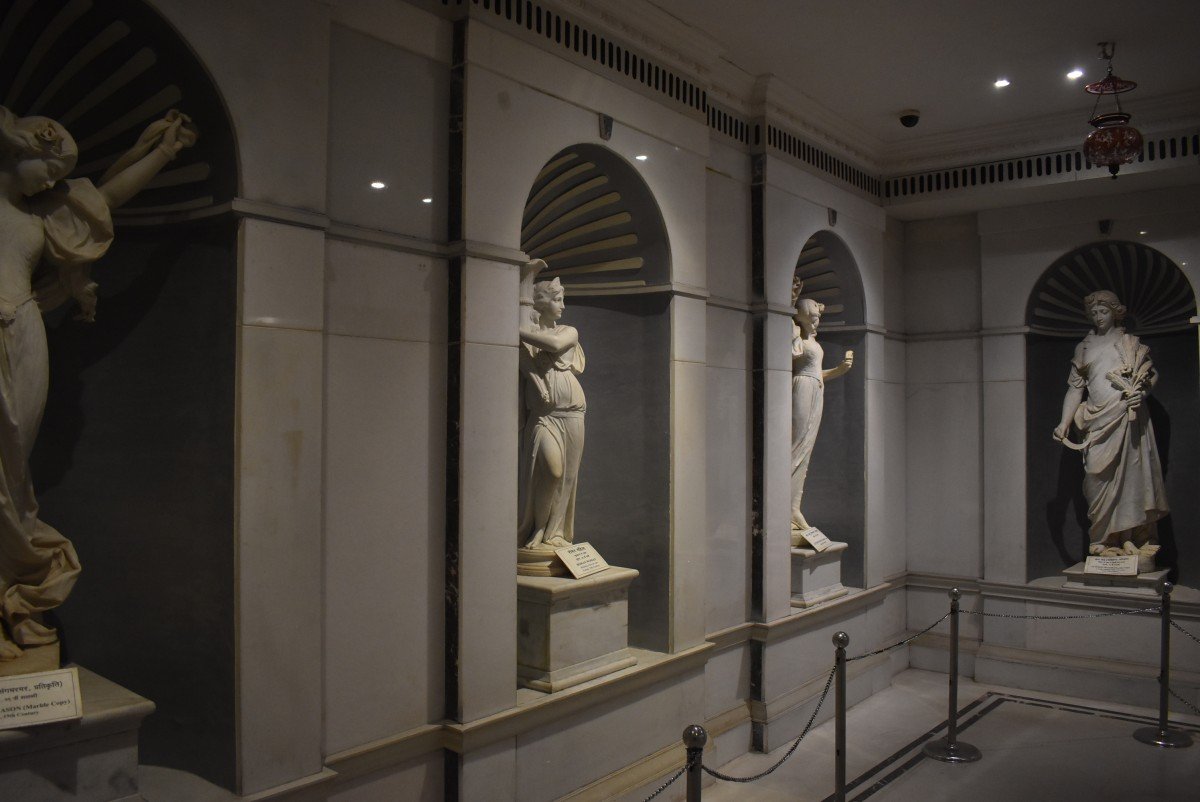
The Veiled Rebecca: Another object of international fame is the magnificent marble sculpture, 'The Veiled Rebecca', created by the Italian sculptor Giovanni Maria Benzoni. Its realistic representation of a veiled face through marble is a masterpiece that is a major tourist highlight.
Historical Artifacts: The collection also includes significant historical artifacts like the personal wardrobe of Tipu Sultan and the magnificent sword of Emperor Aurangzeb. -
Architecture:
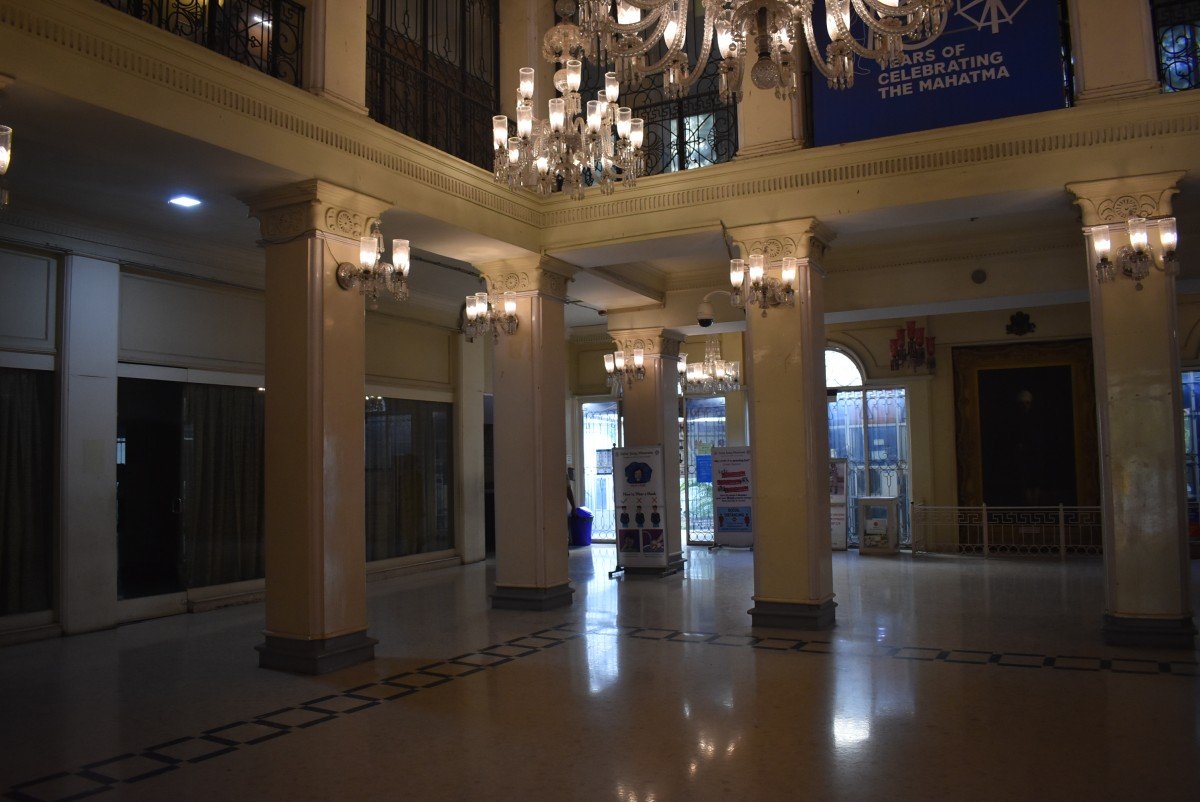
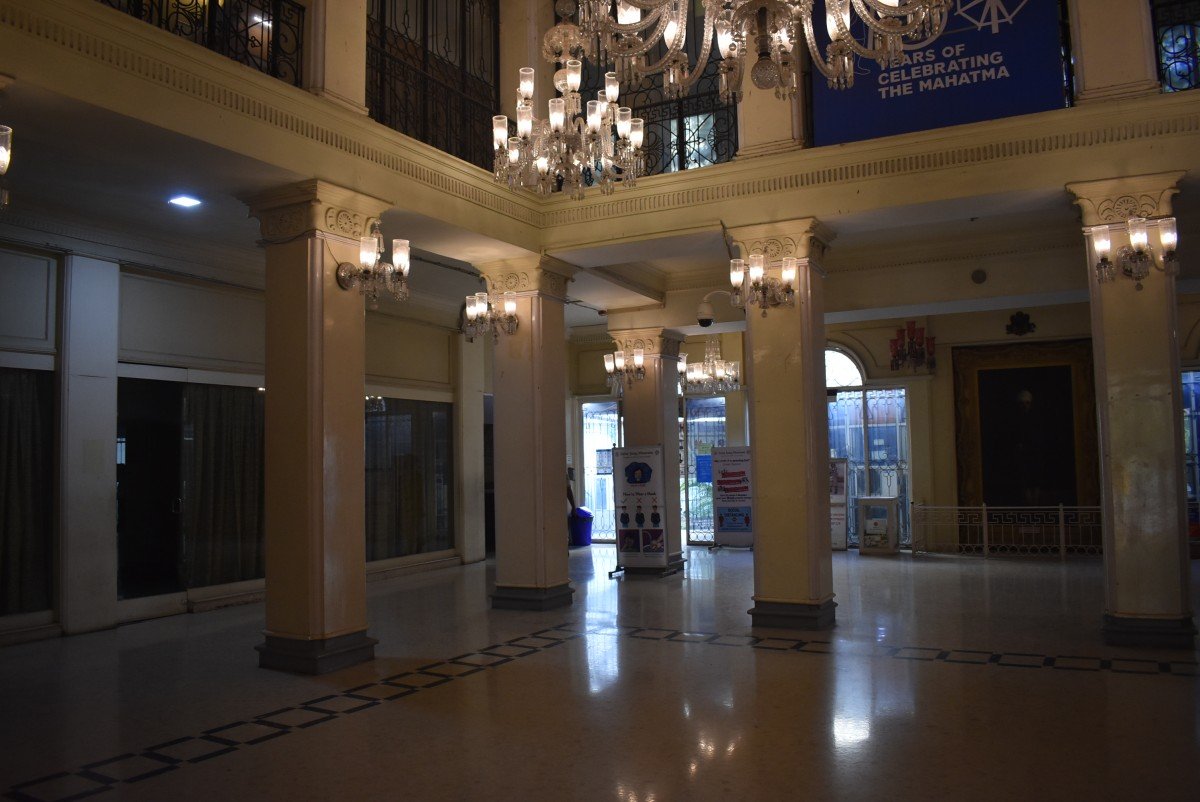
Indo-European Architecture: The present museum building is an impressive modern structure, although the initial collection was housed in the Diwan Deodi, the palace of the Salar Jung family. The current building's design incorporates elements of modern Indian institutional ...Indo-European Architecture: The present museum building is an impressive modern structure, although the initial collection was housed in the Diwan Deodi, the palace of the Salar Jung family. The current building's design incorporates elements of modern Indian institutional architecture, focusing on large, well-lit galleries to display the massive collection. It is divided into an Eastern and Western block connected by a central area.
Dimension and Layout: The museum occupies a massive area of approximately 10 acres. The gallery space spans across multiple halls and rooms over two main floors. The collection is systematically organized into 39 galleries across the two blocks, categorized geographically and by material, such as the Bronze Gallery, Jade Gallery, Painting Gallery, etc. A unique dimension is the central hall of the museum, which is a massive space dominated by the famous Musical Clock. The architecture is designed to manage large crowds while providing optimal viewing conditions for the artifacts, with high ceilings and spacious corridors. -
How To Reach:
By Air: Rajiv Gandhi International Airport (HYD) is approx. 30-35 KMS away. A pre-paid taxi or a cab service (Ola/Uber) is the best option for a direct transfer to the central location.
By Train:
The museum is ...By Air: Rajiv Gandhi International Airport (HYD) is approx. 30-35 KMS away. A pre-paid taxi or a cab service (Ola/Uber) is the best option for a direct transfer to the central location.
By Train:
The museum is very close to two major stations: Nampally Railway Station (Hyderabad Deccan) (Approx. 3-4 KMS) and Kacheguda Railway Station (Approx. 3 KMS). Auto-rickshaws and cabs are readily available from both stations.
By Road: The museum is centrally located on the Musi River bank and is easily accessible by major city roads. City buses run frequently to the Darulshifa bus stop. Driving or hiring a cab is very convenient due to its proximity to the old city center.
By Local Transport: It is very close to the Mahatma Gandhi Bus Station (MGBS) (Approx. 4 KMS) and the Charminar metro station (new lines). Taking an auto-rickshaw or a local bus is a cheap and quick option. Taxis and app-based cabs are the most comfortable way to arrive. -
Weather and Best Time to Visit:
Season - Winter (October to March): This is the Best Time to Visit as the weather is cool and ideal for walking around the adjacent Old City attractions like the Charminar and Mecca Masjid before or after the museum visit.
Season - Monsoon (July...Season - Winter (October to March): This is the Best Time to Visit as the weather is cool and ideal for walking around the adjacent Old City attractions like the Charminar and Mecca Masjid before or after the museum visit.
Season - Monsoon (July to September): Pleasant weather for the indoor museum visit, but city roads can become waterlogged, making travel tricky.
Season - Summer (April to June): Best avoided due to intense heat, although the museum itself is air-conditioned.
Parts of the Day: Morning (10:00 AM to 12:00 PM) is the best time for focused viewing before the crowds arrive. -
Near Tourist Places:
Charminar (2.
5 KMS): Mecca Masjid (1.
6 KMS): Chowmahalla Palace (2.
6 KMS): Sudha Cars Museum (2.
9 KMS): Nizam's Museum (1.
5 KMS): Paigah Tombs (5.
3 KMS): Lumbini Park (5.
7 KMS):
Birla Mandir (
5 KMS):
Golkonda Fort (11 KMS):
Qutb Shahi Tombs (11 KMS):
Tourism Tips
-
Health & Safety: Do not touch the exhibits—security is strict. Photography is often restricted; inquire about rules for specific galleries. Wear comfortable shoes as you will be walking long distances through multiple halls and floors. Lockers are available for bags an...Health & Safety: Do not touch the exhibits—security is strict. Photography is often restricted; inquire about rules for specific galleries. Wear comfortable shoes as you will be walking long distances through multiple halls and floors. Lockers are available for bags and large items.
Packing: Carry ID proof for student/child discounts. A small notepad for taking notes on exhibits is helpful. Avoid carrying large backpacks as they must be checked in, adding delays.
Accommodation: Stay in the Nampally, Koti, or Abids areas for easy access, as these are closer to the city center and the old city heritage sites.
Other Tips: Hire an audio guide to gain a deeper understanding of the individual artifacts and their history. Prioritize the Veiled Rebecca and the Musical Clock immediately upon entry, as these areas get the most crowded. Allocate a minimum of 3 hours for a satisfactory visit.
Reviews
FAQs
Hyderabad Itineray And Cost:-
Salar Jung Museum Tourism:-
Other Places In Hyderabad :-
Other States In India :-
Information about New and Updated Locations() of Telangana Has Been Added :-
Card subtitle
Note:-
Information provided here in good Faith and for reference only.
Near Places
Bansilalpet Step Well
Some quick example text to build on the card title and make up the bulk of the card's content.
Go somewhere
Birla Mandir
Some quick example text to build on the card title and make up the bulk of the card's content.
Go somewhere
B.M. Birla Planetarium
Some quick example text to build on the card title and make up the bulk of the card's content.
Go somewhere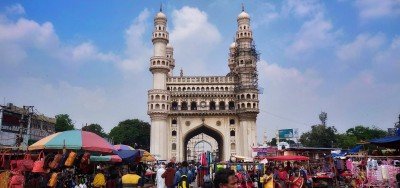
Charminar
Some quick example text to build on the card title and make up the bulk of the card's content.
Go somewhere
Chilkur Balaji Temple
Some quick example text to build on the card title and make up the bulk of the card's content.
Go somewhere
Chowmahalla Palace
Some quick example text to build on the card title and make up the bulk of the card's content.
Go somewhere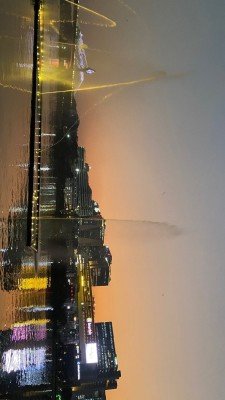
Durgam Cheruvu Bridge
Some quick example text to build on the card title and make up the bulk of the card's content.
Go somewhere
Falaknuma Palace
Some quick example text to build on the card title and make up the bulk of the card's content.
Go somewhere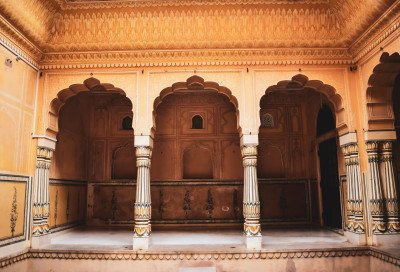
Golconda Fort
Some quick example text to build on the card title and make up the bulk of the card's content.
Go somewhere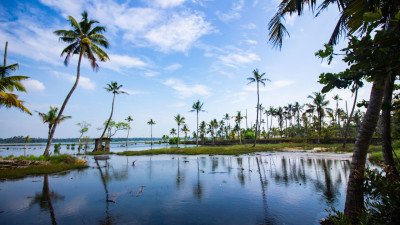
Hussain Sagar Lake
Some quick example text to build on the card title and make up the bulk of the card's content.
Go somewhere
Hussain Sagar View Point
Some quick example text to build on the card title and make up the bulk of the card's content.
Go somewhere
Indira Park
Some quick example text to build on the card title and make up the bulk of the card's content.
Go somewhere
KBR National Park
Some quick example text to build on the card title and make up the bulk of the card's content.
Go somewhere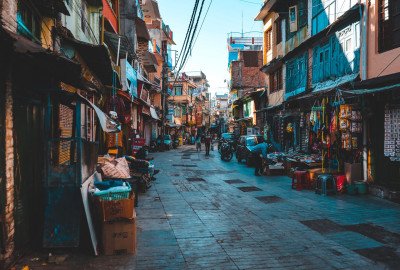
Laad Bazaar
Some quick example text to build on the card title and make up the bulk of the card's content.
Go somewhere
Lumbini Park
Some quick example text to build on the card title and make up the bulk of the card's content.
Go somewhere
Mecca Masjid
Some quick example text to build on the card title and make up the bulk of the card's content.
Go somewherein Other Cities