

Qutb Shahi Tombs
General information
-
Ideal Duration:
1. 5 to 2. 5 hours (To see the major tombs and enjoy the gardens)Place Type:
Historical Necropolis and Architectural ComplexEntry Fees:
Low Entry Fee: The Qutb Shahi Tombs have a minimal entry fee, which is typical for centrally protected historical monuments. The fee for adults is approximately Rs.10 to Rs.20 per person, and the fee for children is around Rs.5 per person. This low cost ensures that this importa...Low Entry Fee: The Qutb Shahi Tombs have a minimal entry fee, which is typical for centrally protected historical monuments. The fee for adults is approximately Rs.10 to Rs.20 per person, and the fee for children is around Rs.5 per person. This low cost ensures that this important historical site remains accessible to the masses.
Still Camera Charges: There is a separate, nominal fee for carrying a still camera, which is usually around Rs.20 to Rs.50 per camera. This fee is modest and is in place to help fund the maintenance and preservation of the sprawling complex and the delicate ornamentation. Mobile phone cameras are often included in the general entry or charged separately.
Video Camera Fee: The charge for professional video recording is usually higher, sometimes around Rs.100 or more, and requires specific permission. The overall low entry fee makes it an extremely budget-friendly historical attraction, relying on high visitor numbers and conservation grants for its upkeep. The fee is charged at the entrance of the complex.
Timing:
Regular Daily Timings: The Qutb Shahi Tombs are open on all days of the week, but please note that some sources suggest it might be closed on Fridays. It is generally open from 9:30 AM to 5:30 PM. It is highly recommended to confirm the Friday status before planning a visi...Regular Daily Timings: The Qutb Shahi Tombs are open on all days of the week, but please note that some sources suggest it might be closed on Fridays. It is generally open from 9:30 AM to 5:30 PM. It is highly recommended to confirm the Friday status before planning a visit, especially during non-peak season, but assuming it's usually open on all days.
Ideal Visit Time (Morning): The Ideal Visit Time is the early morning, around 9:30 AM to 12:00 PM. The temperature is pleasant, and the soft morning light is perfect for appreciating the intricate carvings and the vastness of the complex and its gardens (Ibrahim Bagh). It is also generally less crowded, allowing for quiet exploration and better photography.
Ideal Visit Time (Late Afternoon): The late afternoon, from 3:30 PM to 5:30 PM, is also a good time. The lighting is excellent for photography, and the cool breeze makes the walk around the complex enjoyable. Avoid the mid-day heat between 12:00 PM and 3:00 PM.
Special Events:
Deccan Festival Performances: The most notable recurring special event is the use of the Qutb Shahi Tombs complex as a venue for cultural performances during the Deccan Festival (usually held in February or March). The serene backdrop of the tombs often hosts classical musi...Deccan Festival Performances: The most notable recurring special event is the use of the Qutb Shahi Tombs complex as a venue for cultural performances during the Deccan Festival (usually held in February or March). The serene backdrop of the tombs often hosts classical music and dance concerts, making it a unique setting for promoting local arts and culture.
World Heritage Week Events: Being a monument under consideration for UNESCO World Heritage status, the site is a focus for events during World Heritage Week (in November). These events typically involve guided tours by archaeologists, lectures on the history of the Qutb Shahi Dynasty, and awareness campaigns about the conservation efforts.
Restoration Unveiling Ceremonies: Following major phases of the extensive restoration work, there are often public ceremonies or events where the newly restored sections (like the tiled ornamentation or the hamam) are unveiled. These events, usually attended by officials and heritage experts, highlight the ongoing efforts to preserve the site's original grandeur.
Best Photo Spots:
The Domed Structures at Sunset: Photographing the large, domed tombs, especially the Mohammed Quli Qutb Shah tomb, at sunset is highly recommended. The soft, warm light enhances the texture of the grey granite and the intricate stucco work, and the silhouette of the dome ag...The Domed Structures at Sunset: Photographing the large, domed tombs, especially the Mohammed Quli Qutb Shah tomb, at sunset is highly recommended. The soft, warm light enhances the texture of the grey granite and the intricate stucco work, and the silhouette of the dome against the colorful sky is stunning.
The Architectural Arcades: The long arcades and corridors formed by the central pillars surrounding the tombs offer excellent opportunities for perspective and symmetry shots. Capturing the repeating arches and the interplay of light and shadow creates a dramatic, historical atmosphere.
The Minaret and Stucco Detail: Focus on the minute architectural details, like the delicate stucco work on the inner walls, the ornamental parapets, and the remnants of the blue and green tiles, to capture the blend of Persian and Indian craftsmanship. Telephoto lenses can help isolate these intricate details.
The Ibrahim Bagh Landscape: For wide-angle or landscape shots, the tombs set against the backdrop of the sprawling, well-manicured Ibrahim Bagh gardens are perfect. Capturing the tombs reflecting in the small water bodies (if any) adds an extra element of tranquility and grandeur to the image.
Photo Gallery
Things To Do
-
Walk and Admire the Tombs: The main activity is exploring the over 70 tombs in the complex. Walk through the sprawling gardens (Ibrahim Bagh) from one tomb to the next, taking time to appreciate the unique architectural features of each one. Compare the modest tomb of the founder, Sultan Quli Qutb-ul-Mulk, with the grandeur of the later sultans' tombs.
Study the Indo-Persian Architecture:
Focus on the architectural detailing: the onion domes, the elegantly carved stone pillars, the ornamental plasterwork (stucco), and the remnants of the blue and green glazed tiles. Try to identify the fusion of Persian and Indian artistic motifs. Hiring a guide is recommended for in-depth understanding.
Visit the Mosques and Hamam: Seek out the other structures within the com...Walk and Admire the Tombs: The main activity is exploring the over 70 tombs in the complex. Walk through the sprawling gardens (Ibrahim Bagh) from one tomb to the next, taking time to appreciate the unique architectural features of each one. Compare the modest tomb of the founder, Sultan Quli Qutb-ul-Mulk, with the grandeur of the later sultans' tombs.
Study the Indo-Persian Architecture:
Focus on the architectural detailing: the onion domes, the elegantly carved stone pillars, the ornamental plasterwork (stucco), and the remnants of the blue and green glazed tiles. Try to identify the fusion of Persian and Indian artistic motifs. Hiring a guide is recommended for in-depth understanding.
Visit the Mosques and Hamam: Seek out the other structures within the complex, such as the small, serene Badi Masjid and the historical hamam (bathhouse). These non-tomb structures offer a broader view of the dynasty's lifestyle and urban planning.
Attend a Cultural Event: If your visit aligns, attend the Deccan Festival (usually held around February-March). The tombs complex often serves as a beautiful backdrop for cultural programs, concerts, and historical reenactments during this festival, offering a unique blend of heritage and contemporary culture.
Photography of the Grandeur: The tombs are highly photogenic, especially the domed structures against the sky and the long arcades of the surrounding structures. Early morning or late afternoon light highlights the stucco work beautifully. Focus on capturing the symmetry and the grandeur of the ancient royal architecture.
Combine with Golconda Fort: The tombs are located very close to the Golconda Fort. A combined trip is highly recommended. Visit the tombs first for a quiet appreciation of the royal family's resting place before exploring the massive fort that was their seat of power.
Relax in the Ibrahim Bagh: Spend time relaxing in the vast, well-manicured gardens, historically known as the Ibrahim Bagh. The serene environment and green spaces make it an ideal spot for a break, especially on a winter morning.
Information
-
Why Famous:
UNESCO World Heritage: The Qutb Shahi Tombs are highly famous for their architectural and historical significance, forming a vital part of the monuments under consideration for UNESCO World Heritage Site status. They represent the only place where an entire dynasty's rulers...UNESCO World Heritage: The Qutb Shahi Tombs are highly famous for their architectural and historical significance, forming a vital part of the monuments under consideration for UNESCO World Heritage Site status. They represent the only place where an entire dynasty's rulers (seven Sultans) and their families are buried at a single site, showcasing a continuous evolution of a unique architectural style over centuries.
Indo-Persian Masterpieces: Their fame lies in being magnificent examples of Indo-Saracenic or Deccani architecture, characterized by a seamless blend of Persian form (onion domes, grand arches) and Indian ornamentation (intricate carvings, balconies). The sheer scale of the structures, built with grey granite and adorned with stucco, is visually impressive and culturally significant, reflecting the syncretic culture of the Qutb Shahi era.
A Royal Necropolis: The site is celebrated as a serene, sprawling historical complex set amidst picturesque gardens (Ibrahim Bagh). It serves as a major point of interest for historians and tourists due to its proximity to the Golconda Fort. The tombs offer a quiet, contemplative space to appreciate the history, power, and final resting places of one of the most important dynasties of South India.
-
Architecture:
Indo-Persian Synthesis: The Qutb Shahi Tombs represent a grand synthesis of Persian, Indian, and Pashtun architectural styles, characteristic of the Deccani architecture of the 16th and 17th centuries. They are constructed primarily of grey granite, with stucco ornamentatio...Indo-Persian Synthesis: The Qutb Shahi Tombs represent a grand synthesis of Persian, Indian, and Pashtun architectural styles, characteristic of the Deccani architecture of the 16th and 17th centuries. They are constructed primarily of grey granite, with stucco ornamentation and once covered in brilliant blue and green tiles, remnants of which can still be seen. Each tomb is built on an elevated square or octagonal platform, generally with two levels.
Dimensions and Structure: The tombs are crowned with large, onion-shaped domes. The complex consists of over 70 tombs and 23 mosques. The tomb of Mohammed Quli Qutb Shah is the largest, rising 130 feet high in two stories, while the founder's tomb, Sultan Quli Qutb-ul-Mulk, is comparatively modest. The structures feature intricately carved stone doorways, ornamental parapets, false ceilings, and central pillars forming elegant arcades and corridors. The tombs are set within the picturesque, well-maintained Ibrahim Bagh. The complex also includes a hamam (bathhouse) and a mosque, showcasing the urban planning of the era. The vast area is structured to give a royal, serene necropolis feel.
-
How To Reach:
By Air (From Rajiv Gandhi International Airport - RGIA): The Rajiv Gandhi International Airport (RGIA) (HYD) is located about 30-35 KMS from the Qutb Shahi Tombs. The most comfortable option is an app-based taxi or a prepaid cab, which should take around 45-60 minutes. Public transportation from t...By Air (From Rajiv Gandhi International Airport - RGIA): The Rajiv Gandhi International Airport (RGIA) (HYD) is located about 30-35 KMS from the Qutb Shahi Tombs. The most comfortable option is an app-based taxi or a prepaid cab, which should take around 45-60 minutes. Public transportation from the airport involves multiple changes and is not recommended for a direct trip. By Train (From Hyderabad/Nampally and Secunderabad Stations): The nearest major railway station is Hyderabad Deccan (Nampally) at approximately 9-10 KMS. Secunderabad Junction is about 15 KMS away. From either station, take an auto-rickshaw or an app-based taxi. The tombs are located on the Fort Road near the Golconda Fort.
By Road (Local Bus, Auto, Taxi): Qutb Shahi Tombs are located in the Toli Chowki area, very close to the famous Golconda Fort. The site is well-connected by city buses that run to Golconda. Auto-rickshaws and app-based taxis are widely available from all parts of Hyderabad and are the most convenient way to reach the site directly. The roads are generally good up to the main entrance.
By Local Transport (Metro and Auto): The closest Metro station is Pedamma Temple Metro Station (Jubilee Hills Check Post Metro Station is also an option, both on the Red Line), from where you will need to hire an auto-rickshaw or taxi to cover the remaining 5-7 KMS distance to the tombs. Given the distance, a direct taxi is often a better option than a bus or the Metro/Auto combination.
-
Weather and Best Time to Visit:
Best Season (Winter): The best time to visit the Qutb Shahi Tombs is during the comfortable winter months (October to March). The weather is cool and dry, which is ideal for walking around the vast open-air complex and the gardens (Ibrahim Bagh) for a few hours. The peak s...Best Season (Winter): The best time to visit the Qutb Shahi Tombs is during the comfortable winter months (October to March). The weather is cool and dry, which is ideal for walking around the vast open-air complex and the gardens (Ibrahim Bagh) for a few hours. The peak season sees the best cultural events like the Deccan Festival.
Shoulder Season (Monsoon): The monsoon months (June to September) are a beautiful time to visit as the gardens are lush and green. The weather is cooler, but brief showers can interrupt the tour, and the footpaths might become slippery.
Off-Season (Summer): The summer months (April to May) should be avoided due to the intense heat, which makes walking around the large, open complex very tiring. If visiting, restrict the tour to the very early morning.
Best Part of the Day (Morning): The Ideal Visit Time is the early morning, right at the opening time (9:30 AM). The soft morning light is perfect for appreciating the architecture and photography, and the cool air makes the extensive walking comfortable.
-
Near Tourist Places:
Near Golconda Fort (1.
5 KMS): Taramati Baradari (3.
0 KMS): Toli Masjid (3.
0 KMS): Chowmahalla Palace (8.
0 KMS): Mecca Masjid (9.
0 KMS): Charminar (9.
0 KMS):
Osman Sagar Lake (1
5 KMS):
Khairatabad (11 KMS):
Moula Ali Dargah (1
5 KMS):
Nehru Zoological Park (12 KMS):
Puri Jagannath Temple (11 KMS):
Tourism Tips
-
Health & Safety (Walking): Wear comfortable footwear as the complex is vast and requires a good amount of walking, mainly on pathways and lawns. Apply sunscreen and wear a hat during the day, as the area is largely open. Stay hydrated by carrying a water bottle. Do not cl...Health & Safety (Walking): Wear comfortable footwear as the complex is vast and requires a good amount of walking, mainly on pathways and lawns. Apply sunscreen and wear a hat during the day, as the area is largely open. Stay hydrated by carrying a water bottle. Do not climb on the historical structures.
Packing (Photography): Pay the nominal camera fee if you wish to take photos. The site is highly photogenic, especially the architecture and gardens. A wide-angle lens is useful for capturing the entire tomb structures.
Accommodation (Golconda Proximity): The tombs are very close to the Golconda Fort area. Staying in the nearby Toli Chowki or Manikonda areas offers reasonable accommodation. Central areas like Banjara Hills or Jubilee Hills are about a 20-30 minute drive away and provide more upscale options.
Other Tips (Guide): A knowledgeable local guide is highly recommended. The history of the Qutb Shahi dynasty and the architectural nuances are complex, and a guide can provide depth to the visit, explaining the significance of each of the seven tombs and the surrounding structures like the hamam and the mosques. Combine the visit with Golconda Fort for a full day of heritage exploration.
Reviews
FAQs
Hyderabad Itineray And Cost:-
Qutb Shahi Tombs Tourism:-
Other Places In Hyderabad :-
Other States In India :-
Information about New and Updated Locations() of Telangana Has Been Added :-
Card subtitle
Note:-
Information provided here in good Faith and for reference only.
Near Places
Bansilalpet Step Well
Some quick example text to build on the card title and make up the bulk of the card's content.
Go somewhere
Birla Mandir
Some quick example text to build on the card title and make up the bulk of the card's content.
Go somewhere
B.M. Birla Planetarium
Some quick example text to build on the card title and make up the bulk of the card's content.
Go somewhere
Charminar
Some quick example text to build on the card title and make up the bulk of the card's content.
Go somewhere
Chilkur Balaji Temple
Some quick example text to build on the card title and make up the bulk of the card's content.
Go somewhere
Chowmahalla Palace
Some quick example text to build on the card title and make up the bulk of the card's content.
Go somewhere
Durgam Cheruvu Bridge
Some quick example text to build on the card title and make up the bulk of the card's content.
Go somewhere
Falaknuma Palace
Some quick example text to build on the card title and make up the bulk of the card's content.
Go somewhere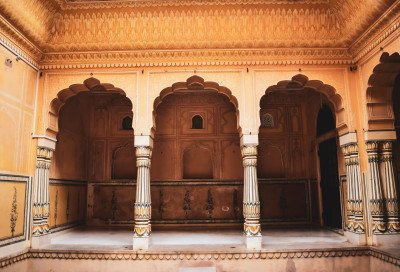
Golconda Fort
Some quick example text to build on the card title and make up the bulk of the card's content.
Go somewhere
Hussain Sagar Lake
Some quick example text to build on the card title and make up the bulk of the card's content.
Go somewhere
Hussain Sagar View Point
Some quick example text to build on the card title and make up the bulk of the card's content.
Go somewhere
Indira Park
Some quick example text to build on the card title and make up the bulk of the card's content.
Go somewhere
KBR National Park
Some quick example text to build on the card title and make up the bulk of the card's content.
Go somewhere
Laad Bazaar
Some quick example text to build on the card title and make up the bulk of the card's content.
Go somewhere
Lumbini Park
Some quick example text to build on the card title and make up the bulk of the card's content.
Go somewhere
Mecca Masjid
Some quick example text to build on the card title and make up the bulk of the card's content.
Go somewherein Other Cities