

Senapati
General information
-
Ideal Duration:
2-3 DaysPlace Type:
Hill Station, Adventure, HeritageEntry Fees:
District Tourism Fee: There is usually no fixed entry fee for the district itself. However, specific spots like Agape Park charge a nominal fee of 50 INR. Trekking to Dzukou Valley may require a forest entry fee of 100 INR. These funds help in the maintenance and cleanlin...District Tourism Fee: There is usually no fixed entry fee for the district itself. However, specific spots like Agape Park charge a nominal fee of 50 INR. Trekking to Dzukou Valley may require a forest entry fee of 100 INR. These funds help in the maintenance and cleanliness of the sites.Timing:
Regular Timings: Most outdoor tourist spots are open from 9:00 AM to 5:00 PM. It is advisable to finish all sightseeing activities before the sun sets. Ideal visit time is during the early morning hours for the best light. Avoid staying in remote areas after dark for safe...Regular Timings: Most outdoor tourist spots are open from 9:00 AM to 5:00 PM. It is advisable to finish all sightseeing activities before the sun sets. Ideal visit time is during the early morning hours for the best light. Avoid staying in remote areas after dark for safety reasons.Special Events:
Paoki Festival: This is a traditional wrestling festival held in the first fortnight of May. It is celebrated with great energy in the village of Purul annually. Men participate in traditional wrestling matches to mark the paddy transplantation season. It is a vibrant dis...Paoki Festival: This is a traditional wrestling festival held in the first fortnight of May. It is celebrated with great energy in the village of Purul annually. Men participate in traditional wrestling matches to mark the paddy transplantation season. It is a vibrant display of physical strength and communal bonding.Best Photo Spots:
Makhel Sacred Banyan: The ancient banyan trees here are believed to have grown from a tomb. They provide a mystical and shaded canopy that is perfect for artistic photos. The light filtering through the leaves creates a very ethereal atmosphere. It is considered a holy si...Makhel Sacred Banyan: The ancient banyan trees here are believed to have grown from a tomb. They provide a mystical and shaded canopy that is perfect for artistic photos. The light filtering through the leaves creates a very ethereal atmosphere. It is considered a holy site for many ethnic tribal communities.Photo Gallery
Things To Do
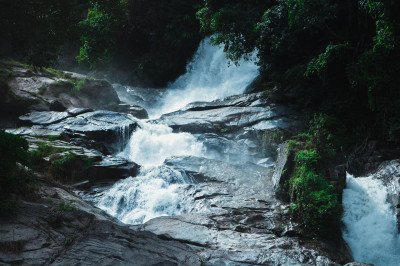 Sadu Chiru Waterfalls, also popularly known as Leimaram Waterfall, is one of the most famous natural attractions in Manipur. Located in the Senapati district near the border with Imphal West, this waterfall consists of three distinct levels of cascading water. The first fall is the most accessible and popular, featuring a sheer drop of about 30 meters into a crystal-clear pool. The surrounding area is a dense canopy of tropical vegetation, which keeps the environment cool and misty even during the peak of summer. Historically, the waterfall was a hidden local secret until the state government developed stone pathways and stairs to make it accessible to the general public. The walk from the parking area to the falls is a scenic trek of about 500 meters, passing through small streams and lush fern-covered rocks. The air near the falls is rich with negative ions, providing a refreshing and invigorating experience for visitors. Many locals believe the waters have healing properties due to the minerals picked up from the rocks. The site has become a premier picnic spot for families and a favorite for school excursions. The roar of the falling water can be heard from a distance, building anticipation as you climb the stone steps. The second and third falls are located further up the hill and require a more strenuous climb, but they offer a quieter and more secluded experience for the adventurous. The mist generated by the falls often creates miniature rainbows when the sun hits the water at the right angle. It is a place that perfectly captures the "Jewel of India" description of Manipur.
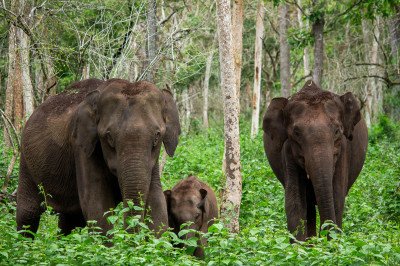 Koubru Reserved Forest is centered around Mount Koubru, one of the highest peaks in Manipur and a site of immense spiritual importance. For the Meitei community, it is considered the birthplace of civilization and the abode of Lord Koubru. The forest is a vast expanse of tropical and subtropical vegetation, housing diverse wildlife including deer and various pheasants. The trek to the peak is a rite of passage for many locals and pilgrims. The forest is dotted with sacred caves and natural ponds that are believed to have healing properties. The trek starts from Saparmeina and takes travelers through steep ridges and dense canopies. At the summit, the view of the Imphal Valley is unparalleled. The area is also significant for the local Kuki and Naga tribes who live in the foothills. The reserve is a vital catchment area for the Imphal River. Conservation efforts are ongoing to protect the rare flora and fauna from encroachment. The "Architecture" of the forest includes ancient stone shrines and natural formations. It is a place where nature and mythology interwine seamlessly. During the pilgrimage season, thousands of people climb the mountain, creating a vibrant, spiritual atmosphere. The forest remains relatively cool throughout the year. It is a must-visit for adventure lovers and those interested in the indigenous spirituality of Manipur. :
The Makeng Thangal Reserved Forest is a vital ecological zone in the Senapati district, characterized by its dense canopy and rich biodiversity. This protected area is home to a variety of flora, including rare medicinal herbs and towering indigenous trees like the Phoebe hainesiana. The forest plays a crucial role in maintaining the local climate and providing a habitat for diverse wildlife, including various species of deer and colorful Himalayan birds. For adventure seekers, the forest offers several trekking trails that range from easy walks to challenging climbs through thick undergrowth. The forest is also significant for the local Thangal Naga tribe, who have a deep spiritual connection with these woods. Walking through the forest, one can hear the constant melody of cicadas and the occasional call of a barking deer. It is a place where the air is noticeably cooler and the sunlight filters through the leaves in beautiful patterns. The conservation efforts here are a testament to the community's commitment to protecting their natural heritage.
Koubru Reserved Forest is centered around Mount Koubru, one of the highest peaks in Manipur and a site of immense spiritual importance. For the Meitei community, it is considered the birthplace of civilization and the abode of Lord Koubru. The forest is a vast expanse of tropical and subtropical vegetation, housing diverse wildlife including deer and various pheasants. The trek to the peak is a rite of passage for many locals and pilgrims. The forest is dotted with sacred caves and natural ponds that are believed to have healing properties. The trek starts from Saparmeina and takes travelers through steep ridges and dense canopies. At the summit, the view of the Imphal Valley is unparalleled. The area is also significant for the local Kuki and Naga tribes who live in the foothills. The reserve is a vital catchment area for the Imphal River. Conservation efforts are ongoing to protect the rare flora and fauna from encroachment. The "Architecture" of the forest includes ancient stone shrines and natural formations. It is a place where nature and mythology interwine seamlessly. During the pilgrimage season, thousands of people climb the mountain, creating a vibrant, spiritual atmosphere. The forest remains relatively cool throughout the year. It is a must-visit for adventure lovers and those interested in the indigenous spirituality of Manipur. :
The Makeng Thangal Reserved Forest is a vital ecological zone in the Senapati district, characterized by its dense canopy and rich biodiversity. This protected area is home to a variety of flora, including rare medicinal herbs and towering indigenous trees like the Phoebe hainesiana. The forest plays a crucial role in maintaining the local climate and providing a habitat for diverse wildlife, including various species of deer and colorful Himalayan birds. For adventure seekers, the forest offers several trekking trails that range from easy walks to challenging climbs through thick undergrowth. The forest is also significant for the local Thangal Naga tribe, who have a deep spiritual connection with these woods. Walking through the forest, one can hear the constant melody of cicadas and the occasional call of a barking deer. It is a place where the air is noticeably cooler and the sunlight filters through the leaves in beautiful patterns. The conservation efforts here are a testament to the community's commitment to protecting their natural heritage. Chaljang Kholui Mol is a breathtaking hill station located in the Sadar Hills region of Senapati. This place is a sanctuary for those who seek to escape the noisy life of the city. The area is covered with thick green forests and offers a 360-degree view of the surrounding mountain ranges. The air here is thin and crisp, making it a perfect spot for meditation and nature walks. Historically, the village of Cheljang is home to the Kuki community, who have preserved the land for generations. The name Chaljang Kholui Mol translates to a specific peak or hill known for its cool breeze and scenic beauty. Visitors often find themselves lost in the rolling clouds that touch the hilltop during the early morning hours. The biodiversity here is rich, featuring various species of orchids and medicinal plants that are unique to the Manipur highlands. The tranquility of the place is its biggest asset, allowing tourists to connect with nature at a soul level. It is not just a viewpoint but a cultural landscape where the local lifestyle blends with the natural environment. The hills are often used by local youths for trekking and traditional scouting activities. Despite its beauty, it remains one of the least explored regions, ensuring a private and serene experience for every traveler. The sunset from this height is a spiritual experience, painting the sky in shades of orange and purple.
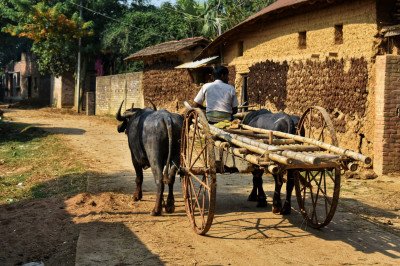 Tumuyon Khullen Village is a historic settlement that embodies the rich cultural fabric of the Thangal Naga tribe. This village is situated on a scenic ridge, providing residents and visitors with a vantage point of the rolling hills of northern Manipur. The village is known for its strong sense of community and the preservation of age-old customs that have survived the pressures of modernity. Agriculture is the mainstay here, with beautifully terraced fields lining the slopes around the village. A visit to this village feels like a journey back in time, where traditional social structures are still very much intact. The villagers are known for their warm hospitality and are often eager to share stories of their ancestors and folklore. The village also has historical significance related to the freedom struggle of Manipur, adding a layer of patriotic pride to its identity. The quiet, narrow lanes are clean and lined with traditional homes that showcase unique tribal aesthetics. It is a perfect destination for cultural enthusiasts and historians. The surrounding forests are rich in medicinal plants and indigenous timber. Every corner of the village tells a story of resilience and heritage.
Mao Town, often referred to as Mao Gate, is a bustling hill station located on the border between Manipur and Nagaland. Known for its breathtaking scenic beauty and cool climate, it serves as the commercial and cultural gateway for travelers entering the state from the north. The town is primarily inhabited by the Mao Naga tribe, who are renowned for their expertise in terrace cultivation and their vibrant market culture. The Mao Market is a major highlight, where you can find fresh organic produce, wild orchids, and traditional Naga handicrafts. The town is situated at a high altitude, which means it remains pleasantly cool even when the valleys are warm. Historically, Mao has been a strategic point on the ancient trade routes and was a significant location during World War II. Visitors often stop here to experience the unique blend of Manipuri and Naga cultures. The town is surrounded by terraced fields that look like giant green stairs carved into the mountainside. It is also the jumping-off point for treks to the famous Dzüko Valley. Life in Mao is slow-paced and traditional, with stone-paved paths and wooden houses that reflect the architectural heritage of the hills. Whether you are a foodie looking for smoked meats and spicy chutneys or a nature lover seeking misty mountains, Mao Town offers a perfect mountain retreat. :
Tumuyon Khullen Village is a historic settlement that embodies the rich cultural fabric of the Thangal Naga tribe. This village is situated on a scenic ridge, providing residents and visitors with a vantage point of the rolling hills of northern Manipur. The village is known for its strong sense of community and the preservation of age-old customs that have survived the pressures of modernity. Agriculture is the mainstay here, with beautifully terraced fields lining the slopes around the village. A visit to this village feels like a journey back in time, where traditional social structures are still very much intact. The villagers are known for their warm hospitality and are often eager to share stories of their ancestors and folklore. The village also has historical significance related to the freedom struggle of Manipur, adding a layer of patriotic pride to its identity. The quiet, narrow lanes are clean and lined with traditional homes that showcase unique tribal aesthetics. It is a perfect destination for cultural enthusiasts and historians. The surrounding forests are rich in medicinal plants and indigenous timber. Every corner of the village tells a story of resilience and heritage.
Mao Town, often referred to as Mao Gate, is a bustling hill station located on the border between Manipur and Nagaland. Known for its breathtaking scenic beauty and cool climate, it serves as the commercial and cultural gateway for travelers entering the state from the north. The town is primarily inhabited by the Mao Naga tribe, who are renowned for their expertise in terrace cultivation and their vibrant market culture. The Mao Market is a major highlight, where you can find fresh organic produce, wild orchids, and traditional Naga handicrafts. The town is situated at a high altitude, which means it remains pleasantly cool even when the valleys are warm. Historically, Mao has been a strategic point on the ancient trade routes and was a significant location during World War II. Visitors often stop here to experience the unique blend of Manipuri and Naga cultures. The town is surrounded by terraced fields that look like giant green stairs carved into the mountainside. It is also the jumping-off point for treks to the famous Dzüko Valley. Life in Mao is slow-paced and traditional, with stone-paved paths and wooden houses that reflect the architectural heritage of the hills. Whether you are a foodie looking for smoked meats and spicy chutneys or a nature lover seeking misty mountains, Mao Town offers a perfect mountain retreat. :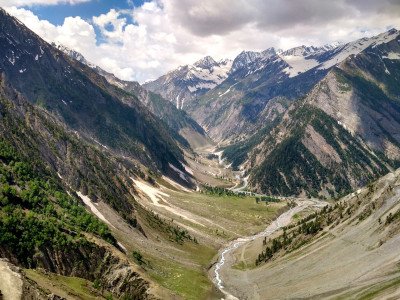 Dzüko Valley is a terrestrial paradise located on the border of Manipur and Nagaland. While the Nagaland side is more famous, the Senapati side offers a more challenging and rewarding trekking route through the highest peak of Manipur, Mount Isu. The valley is situated at an altitude of approximately 2,450 meters. It is world-renowned for its unique flora, especially the Dzüko Lily (Lilium chitrangadae), which is found nowhere else on earth. The landscape of the valley is unlike any other mountain range; it features rolling hills covered in a thick carpet of bamboo brush, looking like frozen waves of green. In winter, the entire valley often turns white with frost, and the small streams that meander through the valley floor freeze over. Historically, the valley has been a subject of boundary disputes, but it remains a shared heritage of the Angami and Mao Nagas. The name "Dzüko" means "Cold Water" in the local dialect, referring to the ice-cold streams that flow through it. The valley is uninhabited, preserving its pristine nature. The silence here is profound, broken only by the sound of the wind. For trekkers, the Manipur route is steeper but provides a more panoramic view of the entire valley before descending into the basin. It is an ecologically sensitive zone, and visitors are required to follow strict "Leave No Trace" principles. The experience of standing in the middle of the valley, surrounded by the undulating green hills under a vast blue sky, is often described as life-changing by many travelers.Show All
Yangkhullen Village is a spectacular settlement built on a steep rocky slope, earning it the nickname "The Hanging Village". It is the ancestral home of the Zeme Naga tribe and is one of the most culturally authentic places in the North-East. The village is designed like a fortress, with houses stacked one above the other along the hillside. This unique topography was historically chosen for defense against rival tribes. The residents of Yangkhullen have successfully resisted many modern influences, maintaining a lifestyle that revolves around ancient traditions, stone-based rituals, and communal living. The village is also the source of the mighty Barak River, adding to its geographical importance. Every house in the village is a work of art, featuring traditional carvings and a layout that maximizes the limited space on the cliff. The panoramic views from the top of the village are staggering, overlooking deep valleys and distant mountain ranges. The sense of history is palpable here, with megaliths and memorial stones scattered throughout the settlement. It is a destination that requires effort to reach, but the reward is a truly immersive cultural experience. The Zeme people are guardians of a rich oral tradition and unique folk music.
Dzüko Valley is a terrestrial paradise located on the border of Manipur and Nagaland. While the Nagaland side is more famous, the Senapati side offers a more challenging and rewarding trekking route through the highest peak of Manipur, Mount Isu. The valley is situated at an altitude of approximately 2,450 meters. It is world-renowned for its unique flora, especially the Dzüko Lily (Lilium chitrangadae), which is found nowhere else on earth. The landscape of the valley is unlike any other mountain range; it features rolling hills covered in a thick carpet of bamboo brush, looking like frozen waves of green. In winter, the entire valley often turns white with frost, and the small streams that meander through the valley floor freeze over. Historically, the valley has been a subject of boundary disputes, but it remains a shared heritage of the Angami and Mao Nagas. The name "Dzüko" means "Cold Water" in the local dialect, referring to the ice-cold streams that flow through it. The valley is uninhabited, preserving its pristine nature. The silence here is profound, broken only by the sound of the wind. For trekkers, the Manipur route is steeper but provides a more panoramic view of the entire valley before descending into the basin. It is an ecologically sensitive zone, and visitors are required to follow strict "Leave No Trace" principles. The experience of standing in the middle of the valley, surrounded by the undulating green hills under a vast blue sky, is often described as life-changing by many travelers.Show All
Yangkhullen Village is a spectacular settlement built on a steep rocky slope, earning it the nickname "The Hanging Village". It is the ancestral home of the Zeme Naga tribe and is one of the most culturally authentic places in the North-East. The village is designed like a fortress, with houses stacked one above the other along the hillside. This unique topography was historically chosen for defense against rival tribes. The residents of Yangkhullen have successfully resisted many modern influences, maintaining a lifestyle that revolves around ancient traditions, stone-based rituals, and communal living. The village is also the source of the mighty Barak River, adding to its geographical importance. Every house in the village is a work of art, featuring traditional carvings and a layout that maximizes the limited space on the cliff. The panoramic views from the top of the village are staggering, overlooking deep valleys and distant mountain ranges. The sense of history is palpable here, with megaliths and memorial stones scattered throughout the settlement. It is a destination that requires effort to reach, but the reward is a truly immersive cultural experience. The Zeme people are guardians of a rich oral tradition and unique folk music.Information
-
Why Famous:
The Dzukou Valley: This valley is globally famous for its seasonal blooming of the Dzukou Lily. It is often called the "Valley of Flowers" of the North East. The trekking trails offer some of the most stunning views in India. It is a bucket-list destination for many trekk...The Dzukou Valley: This valley is globally famous for its seasonal blooming of the Dzukou Lily. It is often called the "Valley of Flowers" of the North East. The trekking trails offer some of the most stunning views in India. It is a bucket-list destination for many trekkers and hikers.
Gateway to Manipur: The town of Mao serves as a strategic gateway on the Nagaland border. It is famous for being a busy commercial hub for South East Asian goods. The local markets are filled with unique items from across the border. It marks the first point of entry into the beautiful state. -
Architecture:
Tribal Design Elements: The architecture here consists of traditional tribal huts made from bamboo and wood. Dimensions of these huts typically span 20 by 30 feet in area. They feature steep thatched roofs to drain the heavy monsoon rains. Intricate wood carvings often de...Tribal Design Elements: The architecture here consists of traditional tribal huts made from bamboo and wood. Dimensions of these huts typically span 20 by 30 feet in area. They feature steep thatched roofs to drain the heavy monsoon rains. Intricate wood carvings often decorate the main pillars of the community houses.
Stone Monoliths: Large stone monoliths are found in villages like Willong Khullen and Makhel. These structures can stand up to 7 meters tall and 1 meter thick. They were erected centuries ago to commemorate significant tribal events or leaders. These megaliths resemble the world-famous Stonehenge in their mystical arrangement. -
How To Reach:
By Air: Fly to Imphal International Airport which is roughly 70 KMS away from here. From the airport, you can hire a private taxi for a 2-hour drive.
By Train: The nearest major railhead is Dimapur in Nagaland, about 145 KMS away. Local bu...By Air: Fly to Imphal International Airport which is roughly 70 KMS away from here. From the airport, you can hire a private taxi for a 2-hour drive.
By Train: The nearest major railhead is Dimapur in Nagaland, about 145 KMS away. Local buses and shared taxis run frequently from Dimapur to Senapati.
By Road: It is well-connected via National Highway 2 which links it to Imphal and Kohima. State transport buses are available but private cabs are more comfortable for tourists.
By Local Transport: Within the town, shared autos and cycle rickshaws are the main modes. For reaching remote villages, hiring a sturdy 4x4 vehicle is highly recommended. -
Weather and Best Time to Visit:
Seasons: The best time is the winter season from October to March. During this time, the weather is cool and perfect for long mountain treks. Spring in April is also great to see the blooming of wild flowers.
Time of Day: Early mornings are...Seasons: The best time is the winter season from October to March. During this time, the weather is cool and perfect for long mountain treks. Spring in April is also great to see the blooming of wild flowers.
Time of Day: Early mornings are best for capturing the misty mountains and valleys. Late afternoons offer a soft golden glow that is perfect for landscape photography. -
Near Tourist Places:
Mao (28 KMS), Dzukou Valley (30 KMS), Makhel (35 KMS), Willong (37 KMS), Yangkhullen (47 KMS), Liyai (33 KMS), Purul (19 KMS), Sadu Chiru (80 KMS), Koubru (45 KMS), Imphal (62 KMS).
Tourism Tips
-
Health & Safety: Carry a basic first aid kit and personal medicines as pharmacies are few. Always hire a local guide when trekking in deep forests or remote valleys.
Packing: Pack heavy woolens for winters as temperatures can drop significa...Health & Safety: Carry a basic first aid kit and personal medicines as pharmacies are few. Always hire a local guide when trekking in deep forests or remote valleys.
Packing: Pack heavy woolens for winters as temperatures can drop significantly at night. Sturdy trekking boots with good grip are essential for the hilly terrain.
Accommodation: Stay in local homestays to experience the authentic tribal hospitality and food. Book your stay in advance during peak festival seasons like May or November.
Reviews
FAQs
Senapati Itineray And Cost:-
Other Places In Manipur :-
Other States In India :-
Information about New and Updated Locations() of Manipur Has Been Added :-
Card subtitle
Note:-
Information provided here in good Faith and for reference only.
Near Places
Bishnupur
Some quick example text to build on the card title and make up the bulk of the card's content.
Go somewhere
Chandel
Some quick example text to build on the card title and make up the bulk of the card's content.
Go somewhere
Churachandpur
Some quick example text to build on the card title and make up the bulk of the card's content.
Go somewhere
Ima Keithel
Some quick example text to build on the card title and make up the bulk of the card's content.
Go somewhere
Imphal
Some quick example text to build on the card title and make up the bulk of the card's content.
Go somewhere
Jiribam
Some quick example text to build on the card title and make up the bulk of the card's content.
Go somewhere
Kakching
Some quick example text to build on the card title and make up the bulk of the card's content.
Go somewhere
Kamjong
Some quick example text to build on the card title and make up the bulk of the card's content.
Go somewhere
Khongjom
Some quick example text to build on the card title and make up the bulk of the card's content.
Go somewhere
Lairok Maru
Some quick example text to build on the card title and make up the bulk of the card's content.
Go somewhere
Loukham
Some quick example text to build on the card title and make up the bulk of the card's content.
Go somewhere
Moreh
Some quick example text to build on the card title and make up the bulk of the card's content.
Go somewhere
Pherzawl
Some quick example text to build on the card title and make up the bulk of the card's content.
Go somewhere
Phumdi
Some quick example text to build on the card title and make up the bulk of the card's content.
Go somewhere
Senapati
Some quick example text to build on the card title and make up the bulk of the card's content.
Go somewhere
Tamenglong
Some quick example text to build on the card title and make up the bulk of the card's content.
Go somewherein Other Cities