...

Place To Visit And Things To Do In Kakching

Manipur, India
Cultural Essence: Kakching is renowned as the cleanest town in the state and serves as a major agricultural hub. The people of Kakching are known for their hard work and dedication to preserving their cultural heritage. The town sits on the banks of the Sekmai River, which adds to its scenic and fer tile landscape. It is a place where tradition meets modernity in a very organized and clean environment. Agricultural Hub: Often referred to as the granary of Manipur, it produces a vast variety of vegetables and grains. The local markets are famous for fresh produce, especially the unique variety of onions and garlic grown here. Farming is not just a profession but a way of life that is celebrated through various local festivals. The vast stretches of paddy fields around the town offer a serene green vista to visitors. Tourism Growth: In recent years, it has emerged as a major tourist destination due to the development of the Kakching Garden. The town's administration and locals have worked together to create beautiful public spaces. These gardens are meticulously maintained and offer world-class facilities to visitors from across the country. It has become a popular spot for weekend getaways for people living in the capital city of Imphal. Traditional Arts: Kakching is also a center for traditional Manipuri music and dance forms. The community actively participates in Sankirtana and other ritualistic art forms that are intrinsic to their identity. Local artisans are skilled in making agricultural tools and traditional handlooms that are highly sought after. This rich cultural background makes every visit to the town an educational experience.

Things To Do

Card image cap
Heirok Part III

Heirok Part III is a traditional village that offers a deep dive into the rural lifestyle of the Meitei community near Kakching. The village is renow...
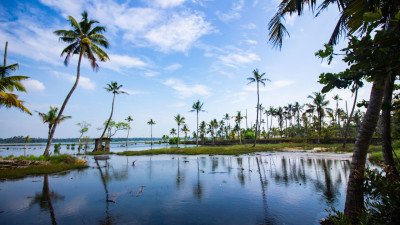
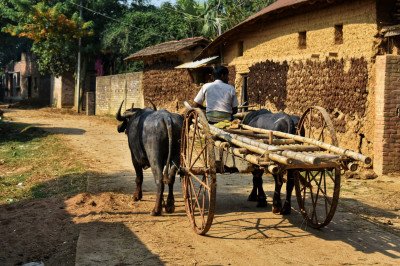
Heirok Part III is a traditional village that offers a deep dive into the rural lifestyle of the Meitei community near Kakching. The village is renowned for its preservation of age-old Manipuri customs and its picturesque setting amidst sprawling paddy fields. Visitors are often captivated by the simplicity of the residents who maintain a lifestyle closely tied to nature and agriculture. The Heirok River flows nearby, providing a cooling effect and a scenic backdrop for evening walks. This village is not just a residential area but a living museum where you can witness the traditional handloom industry in action within local households. Exploring the village allows tourists to understand the social structure and the warm hospitality that Manipur is famous for. The area is also significant for its local shrines and community halls where elders gather to discuss village welfare. It provides a peaceful escape from the urban noise of Kakching town.
Card image cap
Ikop Lake

Ikop Lake, locally known as Ikoppat, is a significant freshwater body that plays a crucial role in the ecological and cultural landscape of Kakching....

Ikop Lake, locally known as Ikoppat, is a significant freshwater body that plays a crucial role in the ecological and cultural landscape of Kakching. The lake is famous for its association with the legendary love story of Khamba and Thoibi, where it is said that the hero Khamba caught a wild bull. Beyond its mythological importance, the lake is a vital source of livelihood for the surrounding villages, supporting large-scale fishing and paddy cultivation. During the winter months, the lake transforms into a haven for migratory birds, making it a prime spot for naturalists. The water is relatively shallow and is fed by the Arong River, creating a unique wetland ecosystem. Farmers in the area practice a special type of winter cultivation known as 'Anganfou' on the periphery of the lake. The serenity of the vast water expanse, combined with the sight of traditional dugout canoes (hi), offers a glimpse into the timeless rhythm of Manipuri life. It is an ideal spot for those looking to escape the crowded markets of Kakching and experience the raw beauty of Manipur's wetlands.
Card image cap
Irengband Village

Irengband is a picturesque village located on the outskirts of Kakching, serving as the agricultural backbone of the region. This village is characte...

Irengband is a picturesque village located on the outskirts of Kakching, serving as the agricultural backbone of the region. This village is characterized by its orderly layout and the lush green cover provided by the surrounding hills and fields. The people of Irengband are known for their progressive farming techniques and their contribution to the food security of the district. A visit to this village provides an authentic experience of the 'Manipur Valley' lifestyle, where every backyard is a mini-garden and every pond is a source of fish. The village is also home to several small temples that exhibit the local religious fervor. The peaceful environment is perfect for those who want to experience the quiet side of life without traveling too far from the main town. During the monsoon, the village looks like an emerald carpet, while the winter months bring a cool, misty charm that is perfect for morning explorations. It is a place where traditions are still held dear, and the community spirit is visible in their collective festivals and agricultural activities.
Card image cap
Kakching Eco-Park

Kakching Eco-Park, often referred to as Kakching Garden, is the crown jewel of tourism in the district. Situated atop the Uyok Ching hill, it offers ...

Kakching Eco-Park, often referred to as Kakching Garden, is the crown jewel of tourism in the district. Situated atop the Uyok Ching hill, it offers a breathtaking 360-degree view of the entire Kakching town and the distant valley. The park is a meticulously maintained botanical garden featuring a wide variety of roses, seasonal flowers, and ornamental shrubs. It was developed to provide a recreational space that blends nature with spirituality. Within the complex, there are several shrines, including those dedicated to Lord Shiva and local deities like Ibudhou Pakhangba. The park is also famous for its unique topiary, including a large green elephant sculpture made of living plants. It serves as a major hub for family outings, school trips, and cultural events. The cool breeze at the hilltop and the colorful floral displays make it one of the most Instagrammable spots in Manipur. Whether you are a nature lover, a pilgrim, or someone just looking for a peaceful stroll, this park caters to everyone. The pathways are well-paved, and there are numerous benches and gazebos where one can sit and admire the beauty of the valley below.
Card image cap
Kakching Garden

@@Detailed Overview: Kakching Garden is the crown jewel of tourism in Kakching district, perched beautifully atop the Uyok Ching hill. This sprawling ...

@@Detailed Overview: Kakching Garden is the crown jewel of tourism in Kakching district, perched beautifully atop the Uyok Ching hill. This sprawling ecological park was developed through the collective efforts of the local community and the government to promote environmental conservation and tourism. The garden is famous for its meticulously manicured lawns, vibrant rose gardens, and a wide variety of indigenous flora. It serves as a unique cultural hub, housing the Mahadev Temple, the Ibudhou Pakhang Laiseng shrine, and a magnificent statue of Hao Sampubi, representing the diverse spiritual fabric of Manipur. The panoramic view from the hilltop offers a breathtaking sight of the entire Kakching town and the surrounding valley, making it a favorite spot for both locals and international tourists. The park is designed with wide walking trails, resting gazebos, and a well-equipped restaurant that serves local delicacies. It has played a pivotal role in putting Kakching on the global tourism map, often being cited as a model for community-led ecological development. Whether you are a nature lover, a spiritual seeker, or someone looking for a family picnic spot, the garden provides a refreshing atmosphere. The integration of modern landscaping with traditional Manipuri sculptures creates an aesthetic that is both contemporary and rooted in heritage. It is particularly lively during local festivals when the entire hillock is adorned with lights and decorations.
Card image cap
Kakching Laiching

@@Hill of the Lai (Deity): Kakching Laiching is generally associated with the hill range or hillock that overlooks the main town of Kakching, offering...

@@Hill of the Lai (Deity): Kakching Laiching is generally associated with the hill range or hillock that overlooks the main town of Kakching, offering panoramic views of the surrounding Imphal Valley and the agricultural fields which are vital to the area’s economy. The name Laiching literally translates to 'Hill of the Lai (Deity)' in Meitei, suggesting a historical or spiritual significance as a place of traditional worship or a scared grove of the local deities, known as Umang Lai. It is believed to be the area where one of the local Umang Lais of the region resides. The peaceful and elevated location makes it a naturally beautiful spot for local residents and visitors alike. The area is characterized by relatively untouched natural beauty, with pockets of forest cover and walking trails. It acts as a natural boundary and a source of local resources. Historically, the elevated position might have also served as a lookout point for the ancient Kakching people. The air here is often fresher, providing a respite from the bustle of the Kakching Bazaar. The view is particularly stunning during the post-monsoon October and November months when the fields are lush green or ready for harvest. Many local residents use the trails for morning walks and exercise, underscoring its role in the community's daily life and well-being. The spiritual and natural importance of Laiching is intertwined with the cultural fabric of the Kakching community, often being referenced in local folklore and songs. The area is a prime example of the harmony between human settlement and nature in Manipur. Visitors can spend time reflecting on the quiet beauty of the landscape and the cultural depth it represents, providing a unique insight into the traditional Meitei way of life. The hill is a crucial geographical feature, defining the landscape of the southern Manipur Valley.
Card image cap
Kakching Lamkhai

@@Gateway to the Town: Kakching Lamkhai is a significant junction and a major locality, often considered a gateway into the main Kakching town area, e...

@@Gateway to the Town: Kakching Lamkhai is a significant junction and a major locality, often considered a gateway into the main Kakching town area, especially for traffic coming from the northern side or the nearby towns like Thoubal. The name Lamkhai essentially means 'road junction' or 'crossroad,' which accurately describes its geographical and commercial importance. This area is characterized by a mix of commercial activities, residential clusters, and administrative presence, including the Range Forest Office, underscoring its role as a key civic and logistical point. It serves as a transit and commercial node, buzzing with local vehicles, shared taxis, and small shops. The presence of the Range Forest Office highlights the area’s connection to forest management and natural resources in the region. The locality acts as a buffer zone between the main Kakching Bazaar and the outlying areas. Due to its strategic location on the road network, Lamkhai is often the first glimpse of Kakching for many visitors. The daily life here is a vibrant display of the local economy and transportation network in action. The junction is vital for local communication and trade. It is a melting pot of people from different surrounding villages and the town center, converging for daily needs and transportation. Visitors can observe the local pace of life and the efficiency of the local transport system, including the ubiquitous auto-rickshaws and shared vans. The atmosphere is generally lively and fast-paced compared to the quieter residential areas.
Card image cap
Kakching Makha Leikai

@@Heart of Old Kakching: Kakching Makha Leikai is one of the older and more centrally located neighborhoods of Kakching, with Makha Leikai meaning 'Lo...

@@Heart of Old Kakching: Kakching Makha Leikai is one of the older and more centrally located neighborhoods of Kakching, with Makha Leikai meaning 'Lower or Southern Locality'. It is deeply steeped in the traditional Meitei culture and is often considered the cultural and residential heart of the town. This area is characterized by traditional homes, narrow residential lanes, and small local temples (Mandaps) where traditional performing arts like Nat Sankirtana are still practiced regularly. The locality showcases the rich social fabric of the Kakching community, famous for its high literacy rate and cultural preservation efforts. The houses here often feature small, well-maintained courtyards and traditional architecture, unlike the newer, more commercialized parts of town. Walking through Makha Leikai offers a quiet and intimate glimpse into the traditional lifestyle of the Kakching people. Many prominent local artists, scholars, and cultural practitioners hail from this area, reinforcing its cultural significance. The locality's quiet rhythm contrasts sharply with the bustling Bazaar nearby, providing a peaceful retreat. The strong sense of community here is evident in the shared public spaces and the frequency of local ceremonies and cultural activities. It's a living museum of Meitei traditions. Visitors can experience the deep-rooted cultural values, respect for elders, and the preservation of age-old customs in the day-to-day life of the residents. The spiritual atmosphere is palpable due to the numerous small shrines and community halls.
Card image cap
Kakching Phousupat

@@The Granary of Kakching: Kakching Phousupat is a locality whose name translates to 'paddy field' or 'rice granary area' (Phou means paddy/rice, Supa...

@@The Granary of Kakching: Kakching Phousupat is a locality whose name translates to 'paddy field' or 'rice granary area' (Phou means paddy/rice, Supat refers to a field or plain), indicating its primary identity as an expansive, highly fertile agricultural plain crucial to Kakching's fame as the 'Granary of Manipur'. This area is characterized by vast, flat stretches of paddy fields, interspersed with irrigation channels like the Ethei Khong canal, which is one of the longest in Manipur. The landscape here is stunningly picturesque, shifting its colors dramatically throughout the year, from lush green in the monsoon and post-monsoon months (July to October) to golden yellow just before harvest. It embodies the agrarian lifestyle and economy that forms the backbone of the local community. The area is a testament to the efficient farming practices and irrigation facilities that allow for double cropping, a major feature of Kakching agriculture. The sight of farmers working, especially during the transplanting or harvesting seasons, is a vivid cultural spectacle. It is a place for nature lovers and those interested in agricultural practices. The quiet, open space provides a beautiful contrast to the busy town center. The area also often features small traditional farmhouses and barns, adding to its rustic charm and visual appeal. The sheer scale of the cultivation highlights Kakching's importance to the state's food production.
Card image cap
Komlakhong Chingthi Hill

Komlakhong Chingthi Hill is an emerging tourist destination that offers one of the most serene and untouched natural experiences in the Kakching regi...

Komlakhong Chingthi Hill is an emerging tourist destination that offers one of the most serene and untouched natural experiences in the Kakching region. Unlike the more developed Kakching Garden, this hill provides a more rugged and authentic trekking experience. The hill is covered with local trees and wild shrubs, providing a green canopy that stays cool even during the summer. From the top, visitors can see the vast expanse of the Manipur valley, including glimpses of the Loktak Lake on a clear day. The area is also culturally significant as it houses local deities and is a site for traditional rituals. It is particularly popular among the youth of Kakching and Thoubal for day treks and group picnics. The climb to the top is moderately steep but rewarding, with several resting points that offer different perspectives of the landscape. The atmosphere is quiet, far away from the traffic of the main highways, making it a perfect spot for nature lovers and soul-searchers. The village of Komlakhong at the base is also worth exploring for its traditional lifestyle and friendly locals who are always eager to guide tourists to the hilltop.
Card image cap
Lamlai Village

Lamlai Village is a serene and culturally rich settlement located in the Kakching district of Manipur, often regarded as the soul of the region's agr...

Lamlai Village is a serene and culturally rich settlement located in the Kakching district of Manipur, often regarded as the soul of the region's agricultural heritage. This village is not just a residential area but a living museum of Meitei traditions, where the lifestyle of the inhabitants has remained harmoniously connected to the land for centuries. Visitors arriving here are greeted by vast stretches of emerald green paddy fields that seem to touch the horizon, providing a peaceful escape from the urban hustle. The village is known for its well-organized layout and the warm hospitality of the local people who are always eager to share stories of their ancestors and folklore. The atmosphere in Lamlai is uniquely calming, characterized by the rhythmic sounds of weaving looms and the occasional call of birds from the nearby groves. Walking through the narrow lanes, one can observe the traditional way of life, from the way houses are built to how community festivals are celebrated with great fervor. The village serves as a vital hub for local handicrafts and traditional weaving, making it a must-visit for those interested in the indigenous arts of Manipur. Over the years, Lamlai has evolved while strictly preserving its ecological and cultural roots, making it a model for sustainable rural tourism in the state. The lush greenery and the simple, honest lifestyle of the villagers offer a profound sense of grounding to every traveler who steps into this hidden paradise.
Card image cap
Langol Tourist Watch Tower

The Langol Tourist Watch Tower, perched atop the majestic Langol Peak (also known as Tlanglhungbung), is one of the most breathtaking viewpoints in t...

The Langol Tourist Watch Tower, perched atop the majestic Langol Peak (also known as Tlanglhungbung), is one of the most breathtaking viewpoints in the northeastern part of India. This site offers a panoramic 360-degree view of the surrounding valleys, the winding Indo-Myanmar road, and the distant mountain ranges that define the border. Historically, the peak served as a strategic observation point for the Allied forces during World War II, and today it stands as a symbol of peace and natural beauty. The ascent to the tower involves a scenic drive followed by a short, invigorating trek that rewards visitors with crisp, clean mountain air and a sense of absolute tranquility. From the top, one can see the meticulously planned settlements of Pallel and the sprawling greenery of the Kakching district. Legend has it that this peak was frequented by Princess Thoibi of Moirang to pluck the rare and beautiful 'Thoibi-Lei' flowers, adding a romantic and mythical layer to the location. The watch tower itself is a sturdy structure designed to withstand the high-altitude winds while providing a safe platform for tourists to soak in the views. It has become a favorite spot for young hikers, families on weekend getaways, and nature photographers looking for that perfect landscape shot. The surrounding slopes are covered in diverse vegetation, including seasonal wildflowers that bloom in vibrant colors, creating a stunning contrast against the blue sky. Whether you are a history buff interested in the remnants of the war or a nature lover seeking solitude, the Langol Tourist Watch Tower provides an experience that is both physically stimulating and mentally refreshing. It is a place where the grandeur of nature meets the echoes of the past.
Card image cap
Litan Wangma

Litan Wangma is a picturesque locality situated on the eastern fringes of Kakching, known for its beautiful riverside views and its role as a peacefu...

Litan Wangma is a picturesque locality situated on the eastern fringes of Kakching, known for its beautiful riverside views and its role as a peaceful residential-cum-agricultural zone. The name "Wangma" often refers to the "other side" or the "outer bank," highlighting its position relative to the main town center. This area is characterized by the gentle flow of the local river, which provides a lifeline for the surrounding vegetable gardens and small-scale fish farms. The landscape here is a delightful mix of traditional homesteads and vibrant seasonal plantations, where one can see farmers tending to crops like cabbage, mustard, and the famous Manipur chillies. Unlike the busy market areas of Kakching, Litan Wangma offers a slower pace of life where the main sounds are the rustling of bamboo groves and the flowing water. It is a popular spot for local morning walkers and those seeking a quiet place for reflection. The area also holds cultural significance, with several small community shrines and prayer halls where locals gather for evening 'Sankirtan' or traditional singing. The proximity to the river makes the soil extremely fertile, and the area is often referred to as the "green belt" of the town. For a tourist, Litan Wangma provides an authentic look into the suburban life of Manipur, where the transition from town to countryside is seamless and beautiful. The sunsets over the river bank are particularly stunning, casting long shadows across the fields and creating a serene atmosphere that is hard to find in more commercialized tourist spots. It is a place that celebrates the simple beauty of nature and the hardworking spirit of the local community.
Card image cap
Lousi Pat

Lousi Pat is a vast and vital wetland located in the southern part of the Kakching district, playing a crucial role in the ecological and economic li...

Lousi Pat is a vast and vital wetland located in the southern part of the Kakching district, playing a crucial role in the ecological and economic life of the region. Historically, this area was a massive lake, but over the decades, through the 'Lousi Pat Drainage Scheme,' much of it was converted into highly fertile agricultural land. Today, it stands as a unique landscape where water bodies and paddy fields coexist in a delicate balance. The "Pat" (meaning lake in Manipuri) is surrounded by small hillocks and is crisscrossed by a network of canals that ensure year-round irrigation for the farmers. This area is the primary reason why Kakching is known as the "Granary of Manipur," as the soil here is incredibly rich in nutrients, producing record-breaking yields of rice and other cereal crops. For tourists, Lousi Pat offers a wide, open landscape that provides a sense of immense scale and natural beauty. During the monsoon, the area transforms into a lush green sea of swaying paddy, while in the winter, the harvested fields and the remaining water pockets become a haven for various species of migratory birds. The sight of local farmers working in the fields with their buffaloes, traditional wooden plows, and colorful umbrellas is a scene straight out of a classic painting. The area is also significant for its biodiversity, housing several species of indigenous fish and aquatic plants that are essential to the local diet and culture. A visit to Lousi Pat is an educational journey into the heart of Manipur's agricultural soul, showcasing how man and nature can work together to create a productive and beautiful environment. It is a place of quiet industry and immense natural charm.
Card image cap
Pallel

Pallel is a vibrant and strategically located town situated at the meeting point of the valley and the hills, serving as the gateway to the Chandel d...

Pallel is a vibrant and strategically located town situated at the meeting point of the valley and the hills, serving as the gateway to the Chandel district and the international border at Moreh. Located on the Indo-Myanmar road (National Highway 102), Pallel is a melting pot of various ethnic communities, including the Meitei, the Naga, and the Kuki groups. This cultural diversity is most evident in its bustling daily market, where one can find a unique array of products ranging from valley-grown vegetables to exotic forest produce brought down by the hill tribes. The town is physically divided by the beautiful Sekmai River, which flows with crystal clear water and serves as a popular spot for locals to cool off. Historically, Pallel played a significant role during World War II as a major base and an airfield, and the scars of history are still visible in some of the older structures and local legends. For a traveler, Pallel offers a sensory explosion; the sights of colorful traditional attire, the smells of spicy local street food, and the sounds of multiple languages being spoken create a truly cosmopolitan atmosphere in a rural setting. The town's location at the foot of the hills makes the climate slightly cooler and more refreshing than the deeper valley areas. It is the perfect place to stop for a meal or to shop for authentic Manipuri handicrafts, bamboo products, and hand-woven shawls. The sense of harmony and communal interaction in Pallel is a testament to the peaceful coexistence of different cultures in Manipur, making it much more than just a transit point.
Card image cap
Phumnom Tourist Home

@@Detailed Overview: Phumnom Tourist Home is a tranquil getaway situated on the fringes of the picturesque Waithou Lake in the Kakching-Thoubal region...

@@Detailed Overview: Phumnom Tourist Home is a tranquil getaway situated on the fringes of the picturesque Waithou Lake in the Kakching-Thoubal region. This government-managed facility was established to provide a peaceful lodging option for travelers who wish to immerse themselves in the raw natural beauty of Manipur. The guest house is surrounded by vast emerald paddy fields and the shimmering waters of the lake, which is famous for its unique ecosystem and local fish varieties like the Ngaton. Visitors often come here to escape the hustle and bustle of urban life, enjoying the misty mornings where the lake is covered in a soft blanket of fog. The area around the home is a birdwatcher's paradise, especially during the winter months when migratory birds frequent the wetlands. The local community at Phumnom and Maibam colony are deeply connected to the lake, and staying here offers an authentic glimpse into the agrarian lifestyle of the Meitei people. The home serves as a perfect base for exploring nearby historical sites while providing the comfort of a quiet, rural setting. Despite being a functional government building, its greatest asset is the 360-degree view of the rolling hills and the expansive water body that changes colors with the shifting sun. It is a place where time seems to slow down, allowing for deep reflection and relaxation.
Card image cap
Sekmai River Bank in Kakching

@@Lifeline of the South: The Sekmai River is a significant tributary in the southern Manipur Valley, flowing near Kakching town and notably passing cl...

@@Lifeline of the South: The Sekmai River is a significant tributary in the southern Manipur Valley, flowing near Kakching town and notably passing close to the scenic Kakching Garden area on Uyok Ching hill. The river bank in the Kakching region provides a peaceful, natural environment that is a welcome contrast to the town's commercial center. Historically, rivers were vital for water supply, fishing, and limited transportation, making the river bank an important settlement area. The river supports the local ecosystem and contributes to the fertility of the surrounding agricultural land. The bank area is characterized by relatively lush vegetation, providing shade and a cool breeze, especially in the evenings. It is a favored spot for local families and couples seeking a quiet retreat. The river itself flows gently, and the banks are often used for small community gatherings or fishing. The discovery of a unique turmeric species, Curcuma kakchingense, thriving along its banks underscores the river's ecological importance and unique biodiversity. The river bank near the Garden is a point where nature and organized tourism meet, offering both recreational and ecological value. The tranquility of the flowing water makes it an ideal place for reflection. The area is a prime example of the natural beauty that contributes to Kakching's overall appeal and well-being. The community uses the river for both practical and spiritual purposes.
Card image cap
Sugnu Town

@@Detailed Overview: Sugnu Town is a vital trading and cultural center located at the southern edge of Kakching, known for its strategic location on t...

@@Detailed Overview: Sugnu Town is a vital trading and cultural center located at the southern edge of Kakching, known for its strategic location on the banks of the Imphal River and the Sekmai River. The town acts as a bridge between the valley and the surrounding hills, making it a vibrant melting pot of different ethnic groups. The most striking feature of Sugnu is the riverbank, where the calm waters reflect the lush greenery of the nearby hillocks. Historically, Sugnu has been a significant market for agricultural produce, fish, and forest goods. The town's atmosphere is a mix of a busy marketplace and a serene riverside retreat. The Sekmai River Bank in this region is a popular spot for community gatherings and traditional rituals. The landscape is characterized by small, rolling hills that provide a dramatic backdrop to the flowing river. Visitors to Sugnu can witness the traditional way of life, where the river serves as a lifeline for both irrigation and daily chores. The town is also a gateway to the deeper southern districts of Manipur, making it an essential stop for travelers heading towards Chandel. The natural beauty of the area is most prominent during the post-monsoon season when the vegetation is at its peak and the river is full. Exploring the town on foot allows one to appreciate the local architecture, the warmth of the residents, and the unique geographical position that makes Sugnu a "window" to the diverse landscapes of the state.
Card image cap
Waithou Lake

Waithou Lake is a stunning freshwater body located along the Imphal-Moreh highway. It is famously known for its scenic beauty and the surrounding hil...

Waithou Lake is a stunning freshwater body located along the Imphal-Moreh highway. It is famously known for its scenic beauty and the surrounding hills that are covered in lush pineapple plantations. The lake once served as a major habitat for the rare 'Ngaton' fish. Visitors are greeted by a tranquil atmosphere where the water reflects the clear blue skies of Manipur. It is a vital ecological site that supports local livelihoods through fishing and agriculture. The lake area is perfect for those seeking a peaceful escape from urban life. It offers a unique glimpse into the rural landscape of the Thoubal region. The breeze across the lake provides a refreshing feel to every traveler passing through. It remains one of the most accessible natural retreats in the district.
Card image cap
Wangoo Pachi Eco Park

Wangoo Pachi Eco Park is a newly developed sustainable tourism project situated in the serene village of Wangoo. The park is designed to offer a blen...

Wangoo Pachi Eco Park is a newly developed sustainable tourism project situated in the serene village of Wangoo. The park is designed to offer a blend of recreational activities and environmental education for the local community and tourists. It features beautifully landscaped gardens, stone-paved walkways, and a variety of indigenous plants that create a refreshing atmosphere. The park is a testament to the efforts of local conservationists to preserve the natural beauty of the Bishnupur-Kakching border area. Visitors can enjoy the silence of nature while watching butterflies dance among the wildflowers. It serves as a popular weekend destination for families looking for a quiet picnic spot. The park's design emphasizes the use of natural materials to minimize its carbon footprint. It is a place where one can truly connect with the earth. The air here is remarkably fresh due to the dense surrounding vegetation.
Card image cap
Yairipok Town

Yairipok is a vibrant and culturally rich town situated at the confluence of the Thoubal and Imphal districts. It is famously known for its scenic la...

Yairipok is a vibrant and culturally rich town situated at the confluence of the Thoubal and Imphal districts. It is famously known for its scenic landscapes and the iconic Gwarok hills that overlook the settlement. The town serves as a major commercial hub for the surrounding agrarian villages, bustling with trade in handlooms and fresh produce. Its unique geography, with the Thoubal River flowing through, creates a picturesque setting that attracts many local tourists. The town is a melting pot of different communities, reflecting the true secular spirit of Manipur. Visitors can explore the busy markets where traditional 'Phanek' and 'Enaphi' are sold in abundance. The people of Yairipok are known for their hospitality and deep-rooted cultural traditions. It is also an important center for religious festivals, hosting some of the most vibrant celebrations in the state. The town provides a perfect mix of rural charm and developing urban infrastructure.
Show All

Note:-

Information provided here in good Faith and for reference only.

All information and pictures will be updated soon, please keep visiting.

Near Places
...
Bishnupur

Some quick example text to build on the card title and make up the bulk of the card's content.

Go somewhere
...
Chandel

Some quick example text to build on the card title and make up the bulk of the card's content.

Go somewhere
...
Churachandpur

Some quick example text to build on the card title and make up the bulk of the card's content.

Go somewhere
...
Ima Keithel

Some quick example text to build on the card title and make up the bulk of the card's content.

Go somewhere
...
Imphal

Some quick example text to build on the card title and make up the bulk of the card's content.

Go somewhere
...
Jiribam

Some quick example text to build on the card title and make up the bulk of the card's content.

Go somewhere
...
Kakching

Some quick example text to build on the card title and make up the bulk of the card's content.

Go somewhere
...
Kamjong

Some quick example text to build on the card title and make up the bulk of the card's content.

Go somewhere
...
Khongjom

Some quick example text to build on the card title and make up the bulk of the card's content.

Go somewhere
...
Lairok Maru

Some quick example text to build on the card title and make up the bulk of the card's content.

Go somewhere
in Other Cities