

Patan
General information
-
Ideal Duration:
2 to 3 HoursPlace Type:
UNESCO World Heritage / HistoryEntry Fees:
Indian Visitors: Roughly Rs 40 per person; it is recommended to book tickets online to avoid long queues.
Foreign Nationals: Approximately Rs 600 per person; this includes access to the entire protected monument area. ...Indian Visitors: Roughly Rs 40 per person; it is recommended to book tickets online to avoid long queues.
Foreign Nationals: Approximately Rs 600 per person; this includes access to the entire protected monument area.Timing:
Regular Hours: Open from 8:00 AM to 6:00 PM daily; the monument is well-lit during these daylight hours.
Peak Season: During October to March, it can get crowded on weekends, so aim for a weekday morning visit. ...Regular Hours: Open from 8:00 AM to 6:00 PM daily; the monument is well-lit during these daylight hours.
Peak Season: During October to March, it can get crowded on weekends, so aim for a weekday morning visit.Special Events:
Rani Ki Vav Festival: A cultural festival organized by the tourism department featuring light shows and folk performances.
Patola Exhibition: Annual workshops where the Salvi family demonstrates their unique weaving art to international visi...Rani Ki Vav Festival: A cultural festival organized by the tourism department featuring light shows and folk performances.
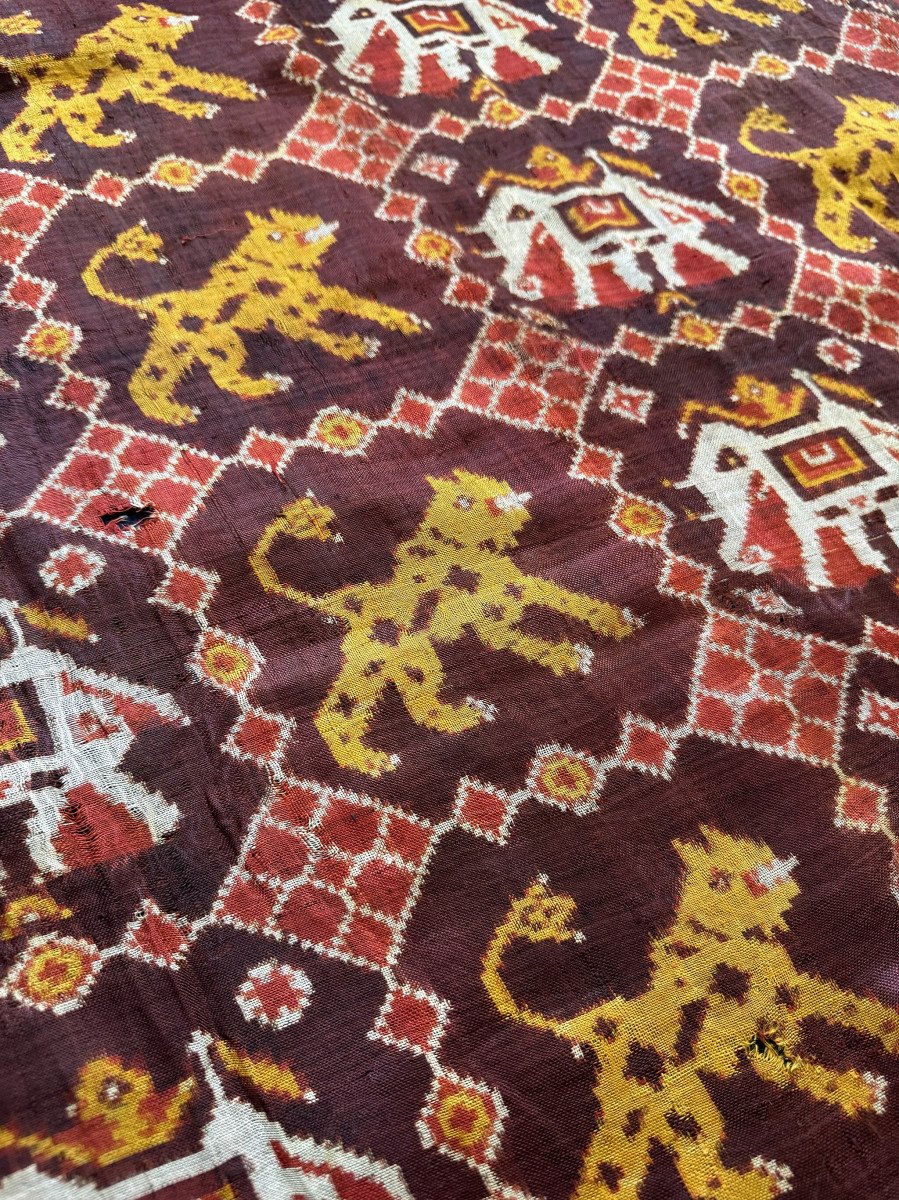
Patola Exhibition: Annual workshops where the Salvi family demonstrates their unique weaving art to international visitors.Best Photo Spots:
Vishnu Carving: The sculpture of Lord Vishnu reclining on the serpent Shesha is the most photogenic spot.
Descending Stairs: A perspective shot from the fourth level looking upwards shows the massive scale of the seven stories.Vishnu Carving: The sculpture of Lord Vishnu reclining on the serpent Shesha is the most photogenic spot.
Descending Stairs: A perspective shot from the fourth level looking upwards shows the massive scale of the seven stories.
Upper Galleries: The side corridors with their row of pillars provide a great depth-of-field shot for heritage enthusiasts.Photo Gallery
Things To Do
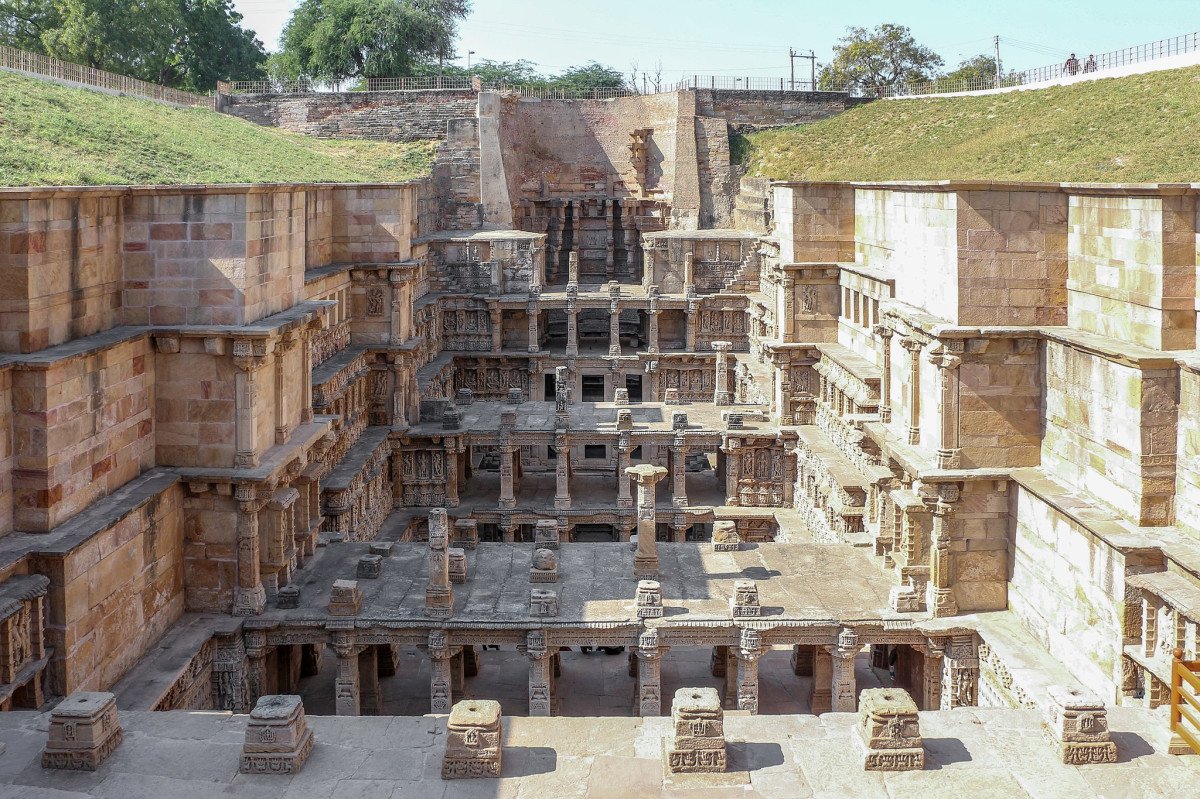
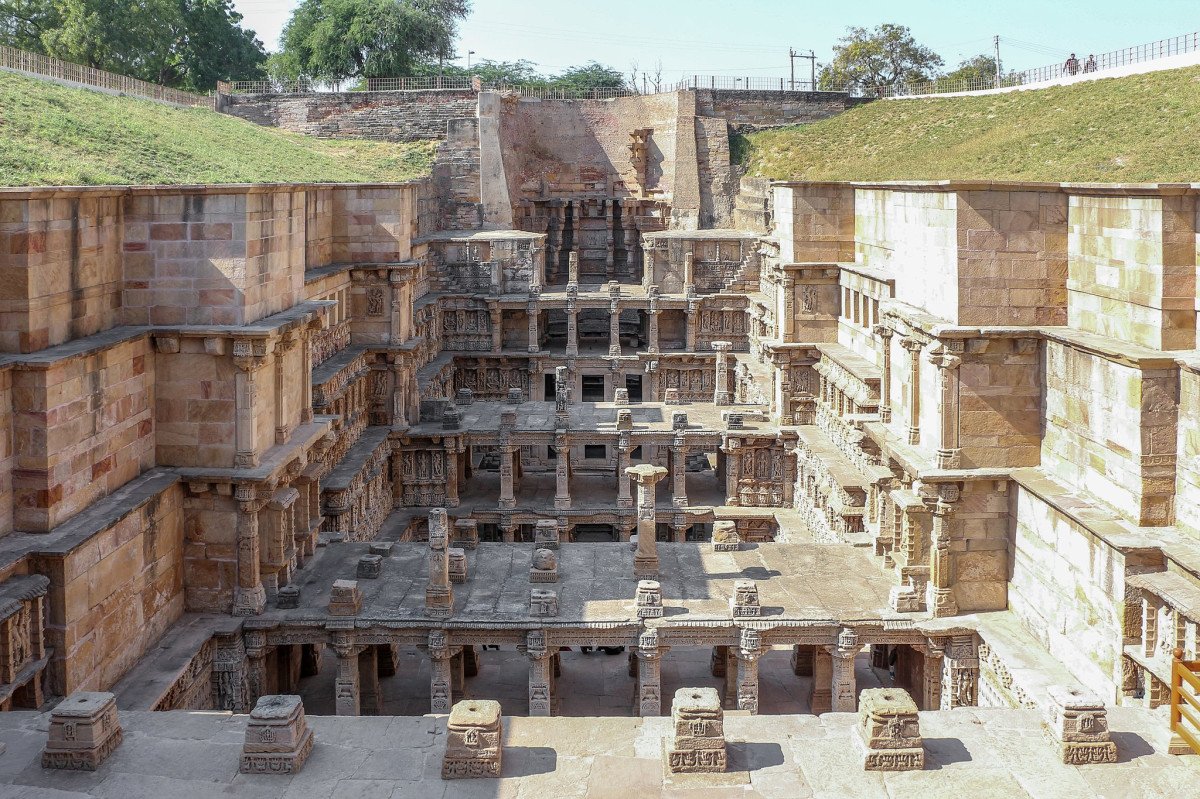
 @@Historical Context: The Rani ki Vav, or the Queen's Stepwell, is an intricately constructed stepwell located in the town of Patan in Gujarat, India. It was built during the reign of the Chaulukya dynasty, around the 11th century AD, by Queen Udayamati in memory of her deceased husband, King Bhimdev I. It is one of the finest and largest examples of a stepwell and a spectacular example of subterranean water architecture of Gujarat. This deep, seven-story structure was initially submerged under the Saraswati river's floods and silted up over time, which paradoxically helped preserve its intricate carvings. It was only excavated and restored in the late 1980s by the Archaeological Survey of India (ASI). @@Cultural Significance: The stepwell is designed as an inverted temple, highlighting the sanctity of water. It is adorned with thousands of sculptures, primarily dedicated to Lord Vishnu, in his ten incarnations (Dashavataras), including Kalki, Rama, and Krishna. The carvings also feature Apsaras (celestial dancers), Yoginis, and other celestial beings, presenting a visual encyclopedia of the religious, social, and mythological themes of the era. It served not only as a functional water source but also as a place for social gathering and religious rituals. The scale and artistry of the carvings are unparalleled, reflecting the pinnacle of Solanki architectural style in the region. Its designation as a UNESCO World Heritage Site in 2014 cemented its global importance, attracting visitors from all corners of the world to witness this submerged marvel. Its history is a testament to the love and dedication of Queen Udayamati, making it a monument of both historical and emotional significance.:
@@Historical Significance: The statue is a tribute to Siddharaj Jaysinh (r. 1092-1142 AD), one of the most powerful and celebrated rulers of the Chaulukya (Solanki) dynasty. His reign is considered the Golden Age of Gujarat, during which the capital, Anahilwada Patan, flourished as a major center of learning, trade, and architectural excellence. He is credited with commissioning major works like the Sahasralinga Talav and sponsoring the great Jain scholar Acharya Hemachandra. @@Cultural Importance: Erecting a statue of a monarch in a public space is a modern way of honoring his legacy and reminding citizens of the city's historical importance. The statue serves as a public icon of Patan's historical pride and a popular local landmark. @@Location: The statue is typically located in a prominent public square or traffic intersection, making it visible and accessible to the public, often near the railway station area for maximum visibility to newcomers.
@@Historical Context: The Rani ki Vav, or the Queen's Stepwell, is an intricately constructed stepwell located in the town of Patan in Gujarat, India. It was built during the reign of the Chaulukya dynasty, around the 11th century AD, by Queen Udayamati in memory of her deceased husband, King Bhimdev I. It is one of the finest and largest examples of a stepwell and a spectacular example of subterranean water architecture of Gujarat. This deep, seven-story structure was initially submerged under the Saraswati river's floods and silted up over time, which paradoxically helped preserve its intricate carvings. It was only excavated and restored in the late 1980s by the Archaeological Survey of India (ASI). @@Cultural Significance: The stepwell is designed as an inverted temple, highlighting the sanctity of water. It is adorned with thousands of sculptures, primarily dedicated to Lord Vishnu, in his ten incarnations (Dashavataras), including Kalki, Rama, and Krishna. The carvings also feature Apsaras (celestial dancers), Yoginis, and other celestial beings, presenting a visual encyclopedia of the religious, social, and mythological themes of the era. It served not only as a functional water source but also as a place for social gathering and religious rituals. The scale and artistry of the carvings are unparalleled, reflecting the pinnacle of Solanki architectural style in the region. Its designation as a UNESCO World Heritage Site in 2014 cemented its global importance, attracting visitors from all corners of the world to witness this submerged marvel. Its history is a testament to the love and dedication of Queen Udayamati, making it a monument of both historical and emotional significance.:
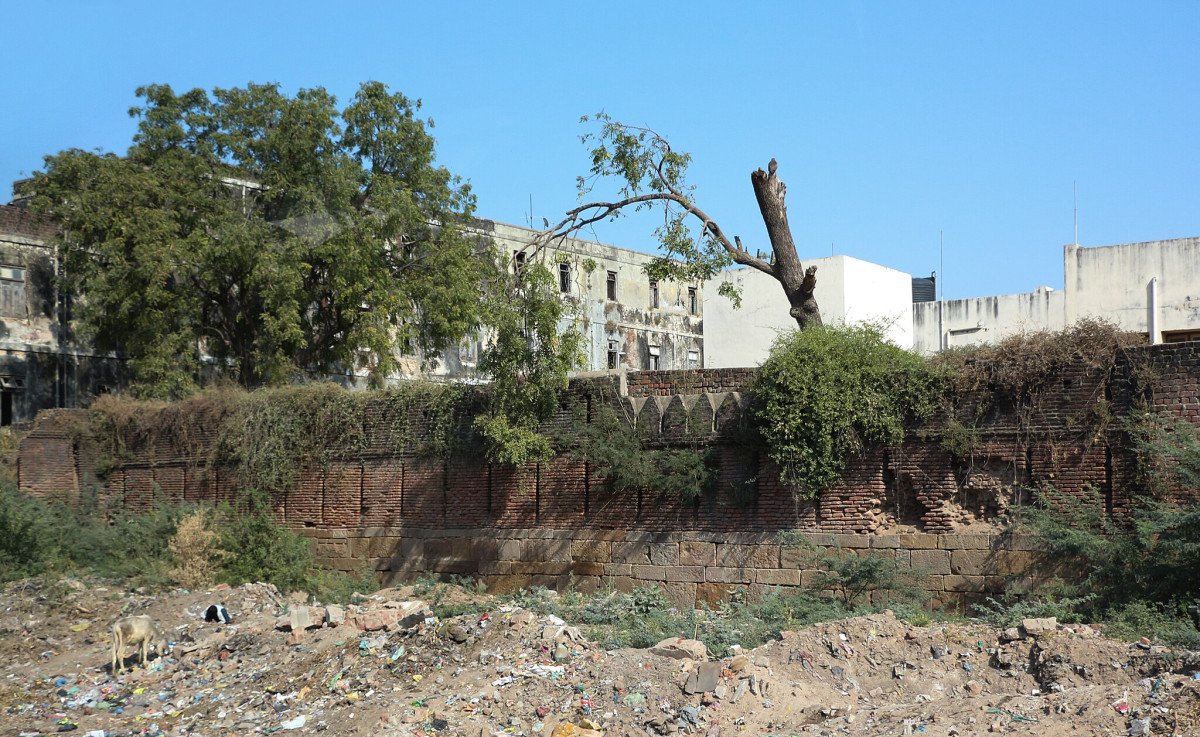
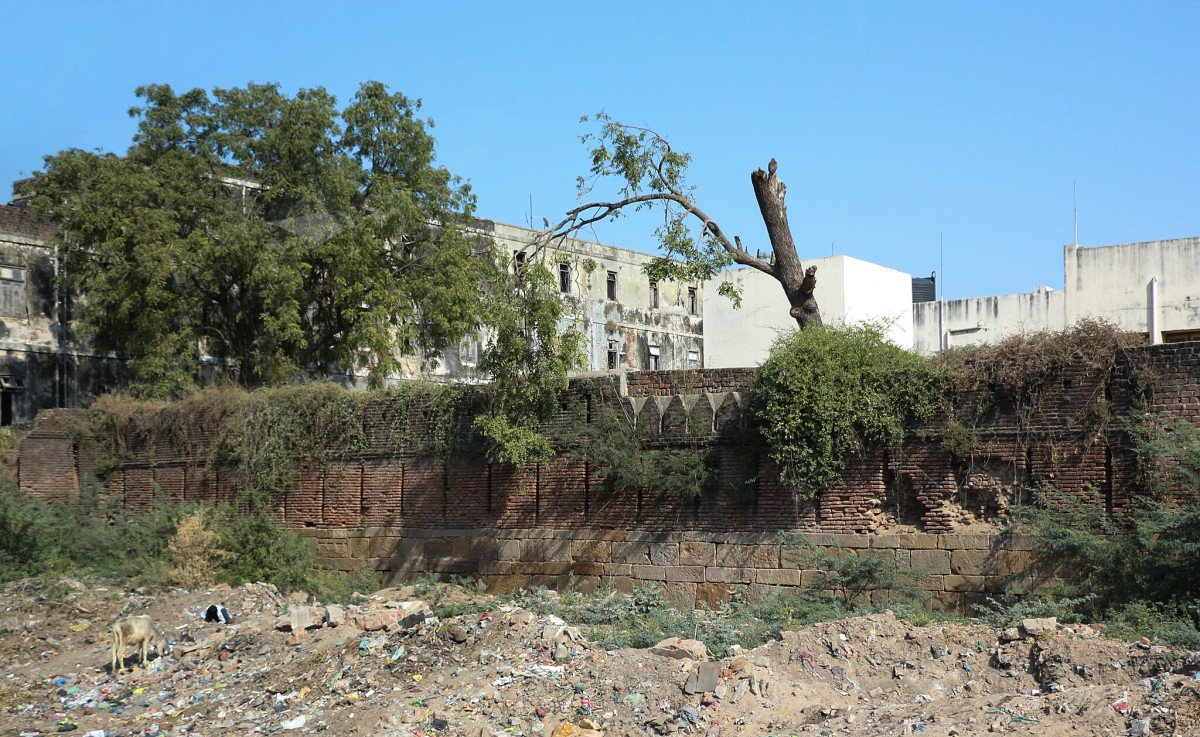
@@Historical Significance: The statue is a tribute to Siddharaj Jaysinh (r. 1092-1142 AD), one of the most powerful and celebrated rulers of the Chaulukya (Solanki) dynasty. His reign is considered the Golden Age of Gujarat, during which the capital, Anahilwada Patan, flourished as a major center of learning, trade, and architectural excellence. He is credited with commissioning major works like the Sahasralinga Talav and sponsoring the great Jain scholar Acharya Hemachandra. @@Cultural Importance: Erecting a statue of a monarch in a public space is a modern way of honoring his legacy and reminding citizens of the city's historical importance. The statue serves as a public icon of Patan's historical pride and a popular local landmark. @@Location: The statue is typically located in a prominent public square or traffic intersection, making it visible and accessible to the public, often near the railway station area for maximum visibility to newcomers. @@Historical Importance and Founding: The Patan Fort represents the core of the ancient capital, Anhilpur Patan, founded by King Vanraj Chavda in the 8th century and later becoming the capital of the powerful Solanki (Chaulukya) dynasty from the 10th to the 13th centuries. This fort was the royal residence and the administrative and military center of the kingdom, a city known for its immense prosperity, flourishing trade, and monumental architecture. Although much of the original structure has sadly deteriorated over centuries due to invasions, neglect, and the reuse of materials for later constructions, the remaining ruins and earth mounds still outline the area of the historical citadel. Its decline began after the devastating invasion by Alauddin Khilji's general, Ulugh Khan, which severely damaged the city's fortifications and central structures. @@Symbol of Past Glory: Today, the fort area is a set of scattered ruins, but it remains a profound symbol of Patan's former political power and military might. The site provides valuable archaeological insights into the city's layout, defensive strategies, and urban planning under the various dynasties that controlled Gujarat. It is less of a well-preserved fortress and more of a historical landscape, offering a tangible link to the vast history of the city that gave birth to architectural marvels like Rani ki Vav and Sahastralinga Talav. The visible remnants, like fragments of walls and towers, encourage imagination of the city's grand past.:
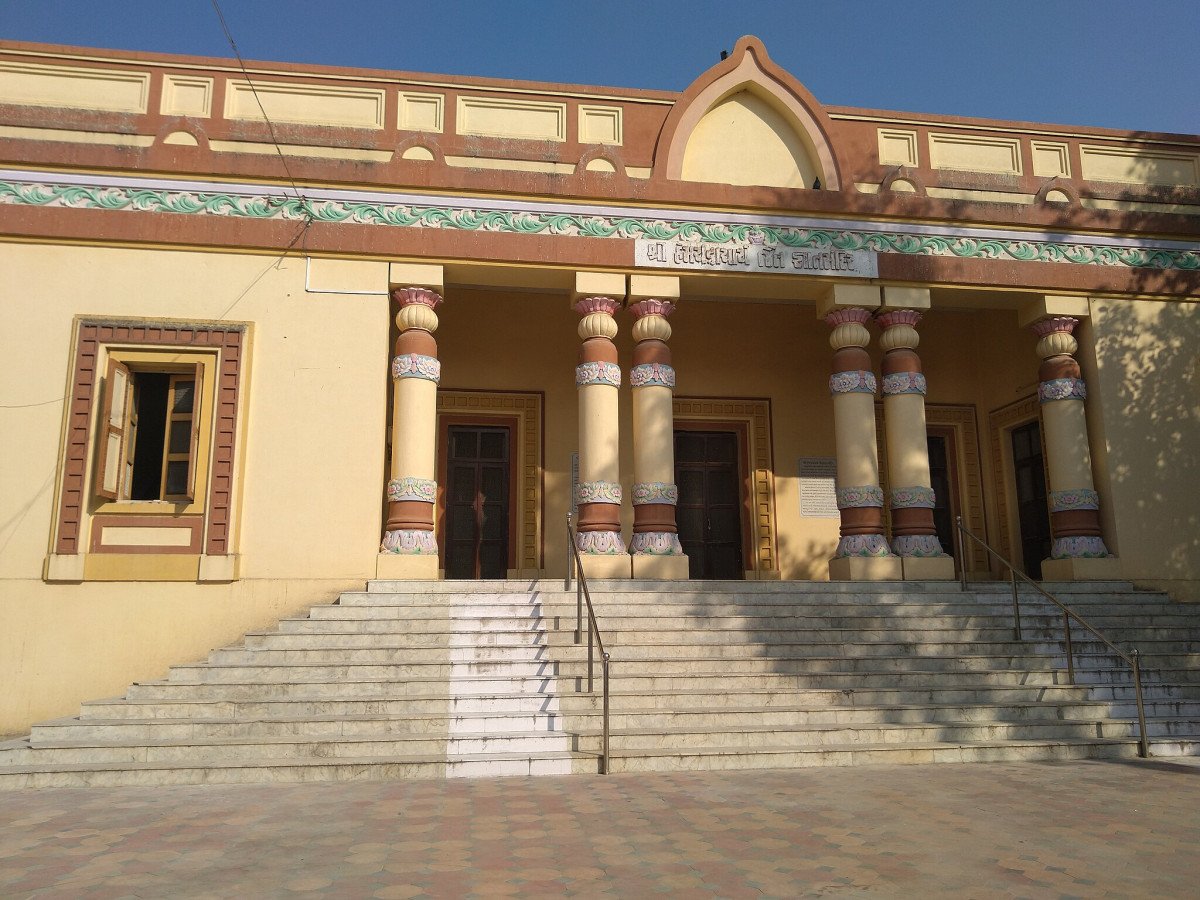
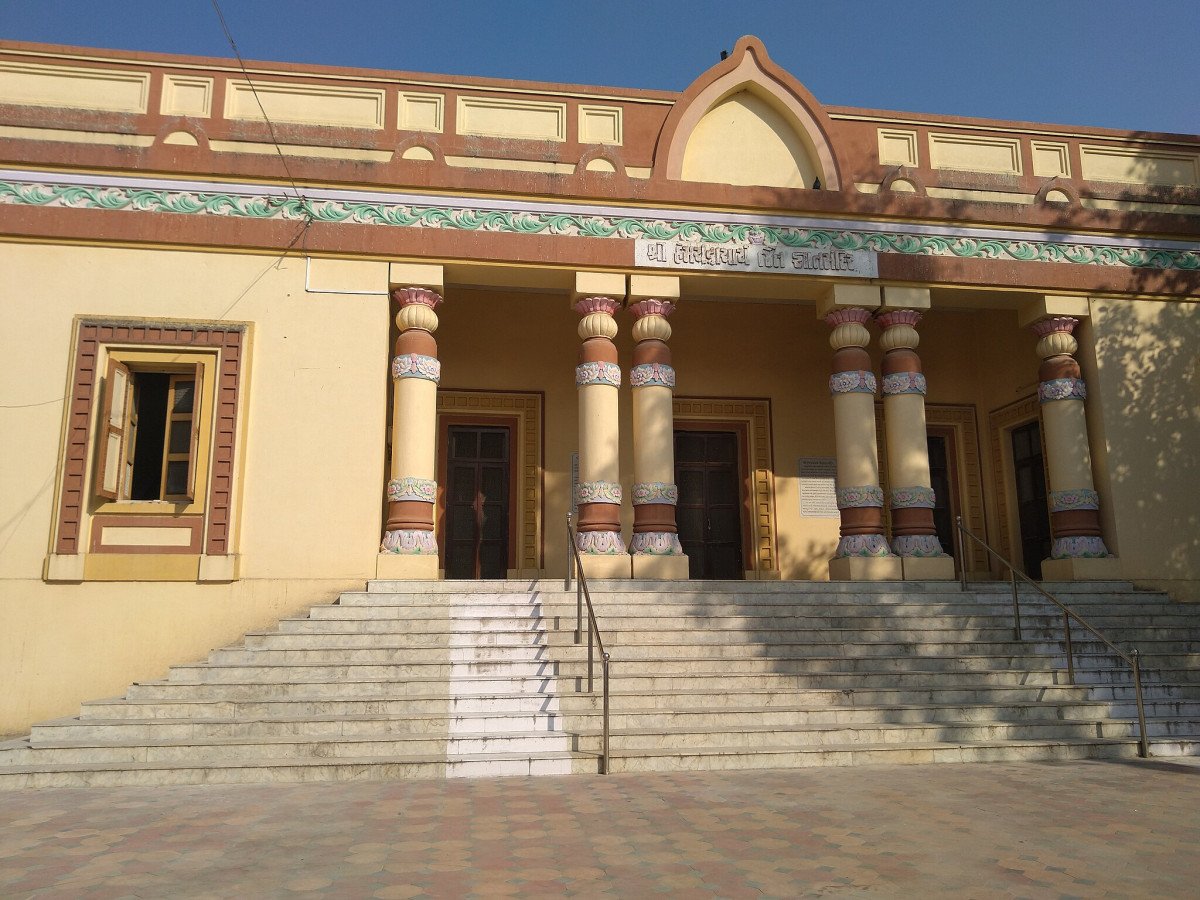
 @@Historical and Intellectual Foundation: The Hemchandracharya Jain Gnan Mandir (Library of Knowledge) is named after the renowned Jain scholar, poet, and polymath Acharya Hemachandra Suriji (1088–1172 AD), who was a prominent figure and advisor in the court of Solanki rulers Siddharaj Jayasimha and Kumarapala. The institution, though the present structure is more recent, serves to honor his vast contributions to Sanskrit and Prakrit literature, grammar, lexicography, and Jain philosophy. It acts as a living tribute to the intellectual and religious flourishing of Patan during its golden age. The Mandir's primary function is the preservation of ancient Jain religious and literary manuscripts, making it an irreplaceable treasure house of knowledge. @@Preservation and Collection: This Gnan Mandir houses one of the largest and most significant collections of ancient Jain texts, including palm-leaf manuscripts (some dating back over 800 years) and paper manuscripts. These manuscripts cover a wide array of subjects beyond religion, such as history, art, astrology, and traditional Indian sciences, many written in Prakrit, Apabhramsa, and old Gujarati. The institution plays a critical role in conservation, often employing traditional methods to protect these fragile documents from decay, making it a pivotal center for scholars and researchers globally. It is deeply connected to the nearby Panchasara Parshwanath Jain Derasar, forming a spiritual and intellectual complex.:
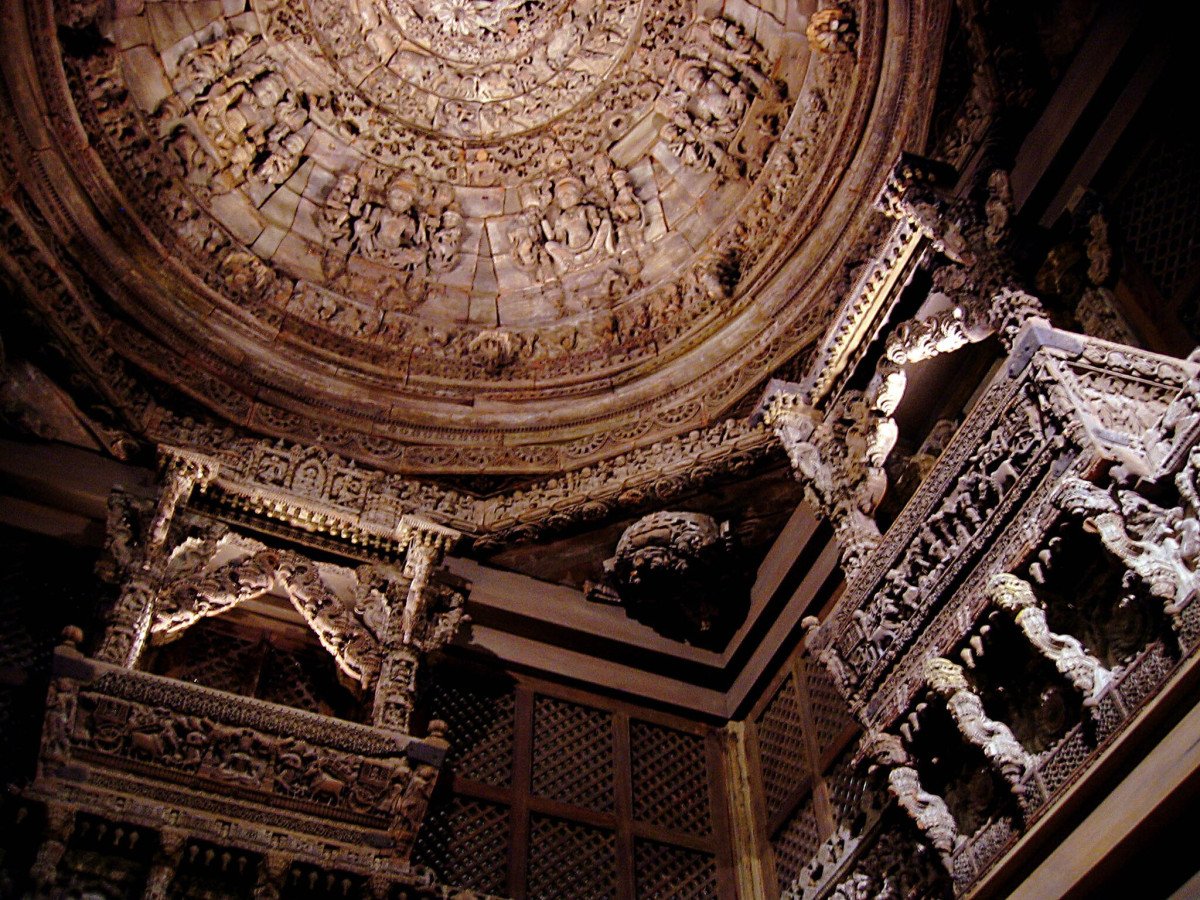
Rudra Mahalaya, also known as Rudramal, stands as a hauntingly beautiful testament to the architectural brilliance of the Chaulukya (Solanki) dynasty. Built in the 12th Century by the legendary ruler Siddhraj Jaysinh, it was once a magnificent multi-storied temple dedicated to Lord Shiva. Today, the site consists of magnificent ruins, including massive pillars, intricate torans (gateways), and carved porches that hint at its former glory. Historical records suggest the temple was originally a colossal structure with eleven subsidiary shrines dedicated to the Ekadasa Rudras. It was unfortunately destroyed during various invasions by the Delhi Sultanate and later by Ahmed Shah I, with parts of the complex being converted into a mosque. Despite its fragmented state, the remaining fragments showcase the peak of Maru-Gurjara architecture, with every inch of sandstone covered in detailed carvings of deities, dancers, and floral motifs. The surviving Kirti Torana is particularly famous, standing as a lone sentinel of a golden era. Walking through the ruins, one can almost feel the echoes of the grand hymns that once filled the air. It is a site of great archaeological importance, protected by the Archaeological Survey of India (ASI). The blend of Hindu and Islamic architectural elements at the site provides a deep insight into the complex history of the region. For history buffs and art lovers, Rudra Mahalaya is not just a pile of stones but a canvas of Indian heritage that has survived the ravages of time and conflict.
@@Historical and Intellectual Foundation: The Hemchandracharya Jain Gnan Mandir (Library of Knowledge) is named after the renowned Jain scholar, poet, and polymath Acharya Hemachandra Suriji (1088–1172 AD), who was a prominent figure and advisor in the court of Solanki rulers Siddharaj Jayasimha and Kumarapala. The institution, though the present structure is more recent, serves to honor his vast contributions to Sanskrit and Prakrit literature, grammar, lexicography, and Jain philosophy. It acts as a living tribute to the intellectual and religious flourishing of Patan during its golden age. The Mandir's primary function is the preservation of ancient Jain religious and literary manuscripts, making it an irreplaceable treasure house of knowledge. @@Preservation and Collection: This Gnan Mandir houses one of the largest and most significant collections of ancient Jain texts, including palm-leaf manuscripts (some dating back over 800 years) and paper manuscripts. These manuscripts cover a wide array of subjects beyond religion, such as history, art, astrology, and traditional Indian sciences, many written in Prakrit, Apabhramsa, and old Gujarati. The institution plays a critical role in conservation, often employing traditional methods to protect these fragile documents from decay, making it a pivotal center for scholars and researchers globally. It is deeply connected to the nearby Panchasara Parshwanath Jain Derasar, forming a spiritual and intellectual complex.:
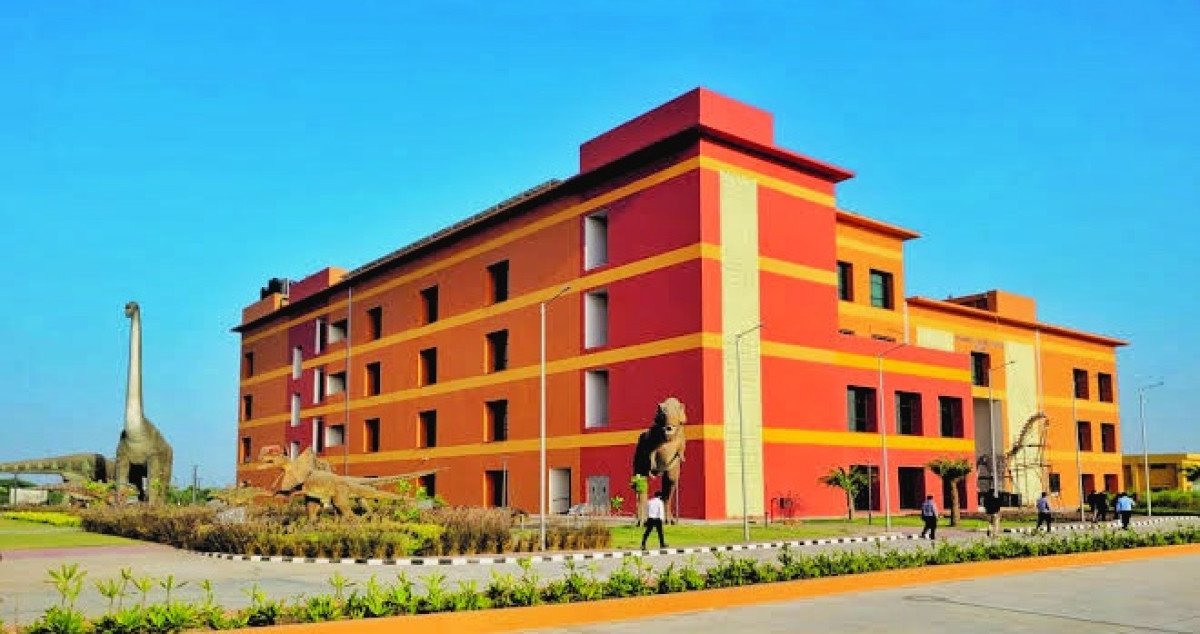
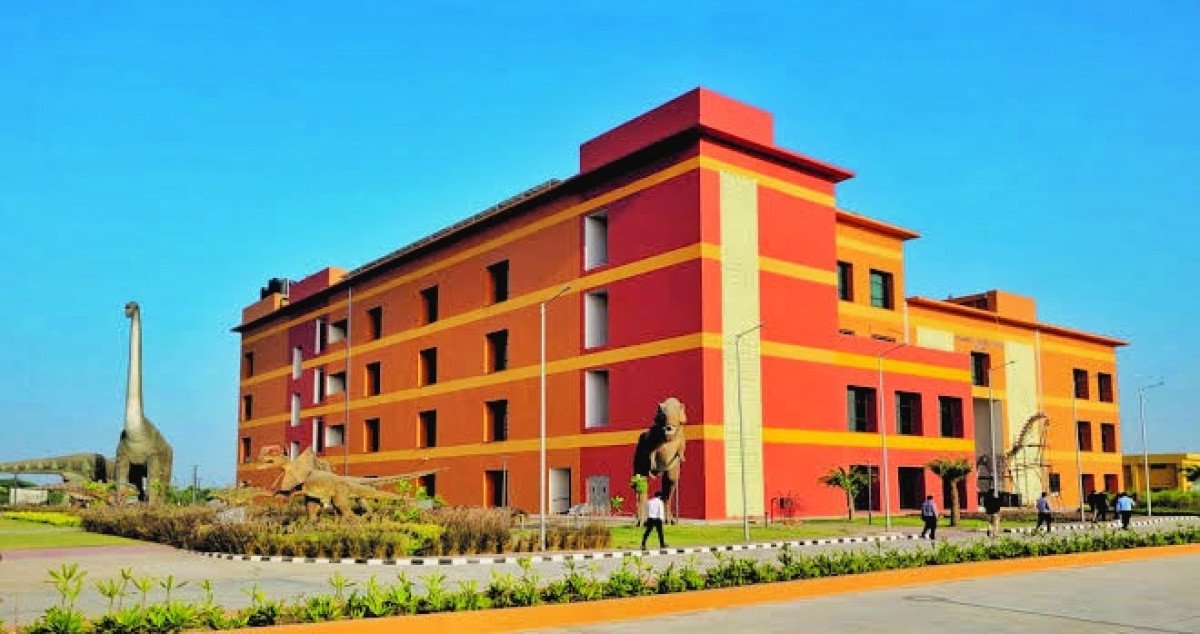
Rudra Mahalaya, also known as Rudramal, stands as a hauntingly beautiful testament to the architectural brilliance of the Chaulukya (Solanki) dynasty. Built in the 12th Century by the legendary ruler Siddhraj Jaysinh, it was once a magnificent multi-storied temple dedicated to Lord Shiva. Today, the site consists of magnificent ruins, including massive pillars, intricate torans (gateways), and carved porches that hint at its former glory. Historical records suggest the temple was originally a colossal structure with eleven subsidiary shrines dedicated to the Ekadasa Rudras. It was unfortunately destroyed during various invasions by the Delhi Sultanate and later by Ahmed Shah I, with parts of the complex being converted into a mosque. Despite its fragmented state, the remaining fragments showcase the peak of Maru-Gurjara architecture, with every inch of sandstone covered in detailed carvings of deities, dancers, and floral motifs. The surviving Kirti Torana is particularly famous, standing as a lone sentinel of a golden era. Walking through the ruins, one can almost feel the echoes of the grand hymns that once filled the air. It is a site of great archaeological importance, protected by the Archaeological Survey of India (ASI). The blend of Hindu and Islamic architectural elements at the site provides a deep insight into the complex history of the region. For history buffs and art lovers, Rudra Mahalaya is not just a pile of stones but a canvas of Indian heritage that has survived the ravages of time and conflict.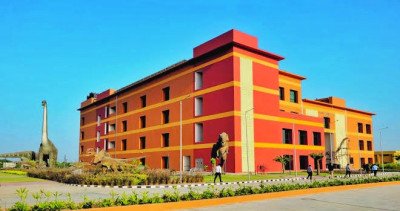 @@Objective and Focus: The Regional Science Centre (RSC) in Patan is a major initiative by the Government of Gujarat and the National Council of Science Museums (NCSM) to promote a scientific temper, especially among the youth. It serves as an interactive hub to communicate the growth of Science and Technology and its application in daily life. @@Exhibition Galleries: The center houses several themed galleries. Key exhibits include a large gallery dedicated to the Human Body and health, an Environment and Climate Change section, and a focus on local industrial and agricultural applications of science. There is a strong emphasis on hands-on exhibits that encourage learning through direct experience. @@Educational Role: The RSC is not just a museum but a dynamic center that hosts numerous educational programs, including science camps, popular lectures, seminars, demonstrations, and astronomy-related activities like sky-gazing workshops, making it a critical regional resource for science education. @@Features and Attractions: Beyond the main galleries, the center is equipped with a 5D Theater, a specialized Dinosaur Ride attraction, and a VR (Virtual Reality) experience, all aimed at making complex scientific concepts accessible and entertaining for visitors of all ages.
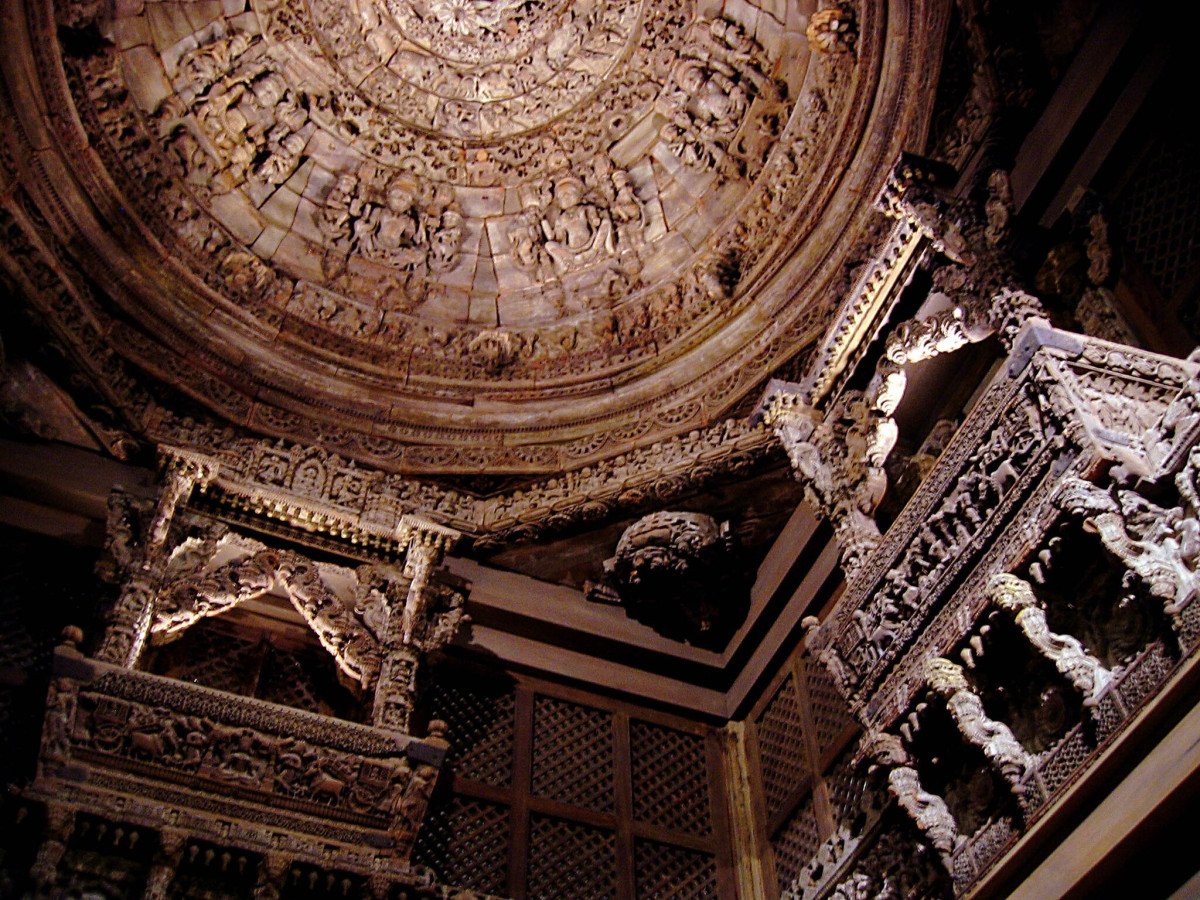
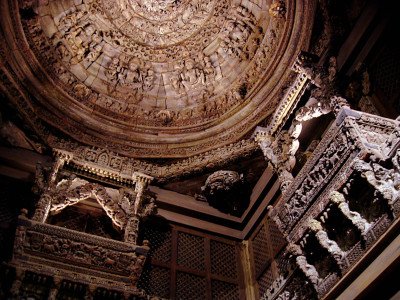 @@Historical Foundation and Royal Patronage: The Panchasara Parshwanath Jain Derasar is one of the most ancient and historically significant Jain temples in Gujarat, with its origins dating back to the founding of Anhilpur Patan by King Vanraj Chavda in 746 AD (802 Vikram Samvat). The temple was built to honor his spiritual guru, Acharya Shri Sheelgunsuriji, and the main idol of Bhagwan Parshvanath (the 23rd Tirthankara) was brought from Panchasara, the capital of his ancestors, lending the temple its name. It has been a continuous center of Jain worship, receiving patronage from successive powerful rulers like Moolraj, Siddhraj Jayasimha, and Kumarapala of the Solanki dynasty, all of whom contributed to its renovation and expansion. Despite being damaged and rebuilt multiple times, including an attack by Malik Kaafoor in the 14th century, the temple's spiritual sanctity and historical continuity have remained unbroken, a testament to the resilience of the Jain community. @@Spiritual Importance: The temple houses the revered 120 cm high idol of Bhagwan Panchasara Parshvanath in the Padmasana posture, uniquely protected by a canopy of seven snake hoods. It is considered one of the most miraculous and spiritually potent idols in Gujarat, making the Derasar a primary destination for Jain pilgrims globally. The complex is not just a place of worship but a vibrant center of Jain learning, with ancillary structures, including the famous Hemchandracharya Jain Gnan Mandir nearby.:Show All
@@Historical Significance: The Tomb of Shaikh Farid, or Hazrat Shaikh Fariduddin Razi-ud-din Ganjshakar's shrine (or a local saint named Shaikh Farid), is a significant monument from the Gujarat Sultanate period, though often locally attributed to a different, less famous Shaikh Farid. It represents the city's shift in religious and political landscape following the decline of the Solanki dynasty. The mosque and the tomb complex, known as a Rauza, became centers of Islamic learning and spiritual guidance in medieval Patan. @@Architectural Context: The architecture is a prime example of the early Gujarat Sultanate style, characterized by a blend of indigenous Hindu and Jain temple architecture features (like carved pillars and corbelled domes) with traditional Islamic elements (like the mihrab and geometric screens). @@Spiritual Importance: The tomb remains an active place of worship (Dargah), attracting devotees from all faiths seeking the saint's blessings, emphasizing the syncretic spiritual culture of Gujarat.
@@Historical Foundation and Royal Patronage: The Panchasara Parshwanath Jain Derasar is one of the most ancient and historically significant Jain temples in Gujarat, with its origins dating back to the founding of Anhilpur Patan by King Vanraj Chavda in 746 AD (802 Vikram Samvat). The temple was built to honor his spiritual guru, Acharya Shri Sheelgunsuriji, and the main idol of Bhagwan Parshvanath (the 23rd Tirthankara) was brought from Panchasara, the capital of his ancestors, lending the temple its name. It has been a continuous center of Jain worship, receiving patronage from successive powerful rulers like Moolraj, Siddhraj Jayasimha, and Kumarapala of the Solanki dynasty, all of whom contributed to its renovation and expansion. Despite being damaged and rebuilt multiple times, including an attack by Malik Kaafoor in the 14th century, the temple's spiritual sanctity and historical continuity have remained unbroken, a testament to the resilience of the Jain community. @@Spiritual Importance: The temple houses the revered 120 cm high idol of Bhagwan Panchasara Parshvanath in the Padmasana posture, uniquely protected by a canopy of seven snake hoods. It is considered one of the most miraculous and spiritually potent idols in Gujarat, making the Derasar a primary destination for Jain pilgrims globally. The complex is not just a place of worship but a vibrant center of Jain learning, with ancillary structures, including the famous Hemchandracharya Jain Gnan Mandir nearby.:Show All
@@Historical Significance: The Tomb of Shaikh Farid, or Hazrat Shaikh Fariduddin Razi-ud-din Ganjshakar's shrine (or a local saint named Shaikh Farid), is a significant monument from the Gujarat Sultanate period, though often locally attributed to a different, less famous Shaikh Farid. It represents the city's shift in religious and political landscape following the decline of the Solanki dynasty. The mosque and the tomb complex, known as a Rauza, became centers of Islamic learning and spiritual guidance in medieval Patan. @@Architectural Context: The architecture is a prime example of the early Gujarat Sultanate style, characterized by a blend of indigenous Hindu and Jain temple architecture features (like carved pillars and corbelled domes) with traditional Islamic elements (like the mihrab and geometric screens). @@Spiritual Importance: The tomb remains an active place of worship (Dargah), attracting devotees from all faiths seeking the saint's blessings, emphasizing the syncretic spiritual culture of Gujarat.Information
-
Why Famous:
UNESCO Recognition: It is famous as a UNESCO World Heritage site and for being featured on the Indian 100-rupee note.
Artistic Pinnacle: Renowned for having the most complex and beautiful carvings of Lord Vishnu and celestial dancers (Apsara...UNESCO Recognition: It is famous as a UNESCO World Heritage site and for being featured on the Indian 100-rupee note.
Artistic Pinnacle: Renowned for having the most complex and beautiful carvings of Lord Vishnu and celestial dancers (Apsaras) in the world.
Historical Revival: Famous for its incredible story of being "lost" under silt for 700 years before being restored to its former glory.
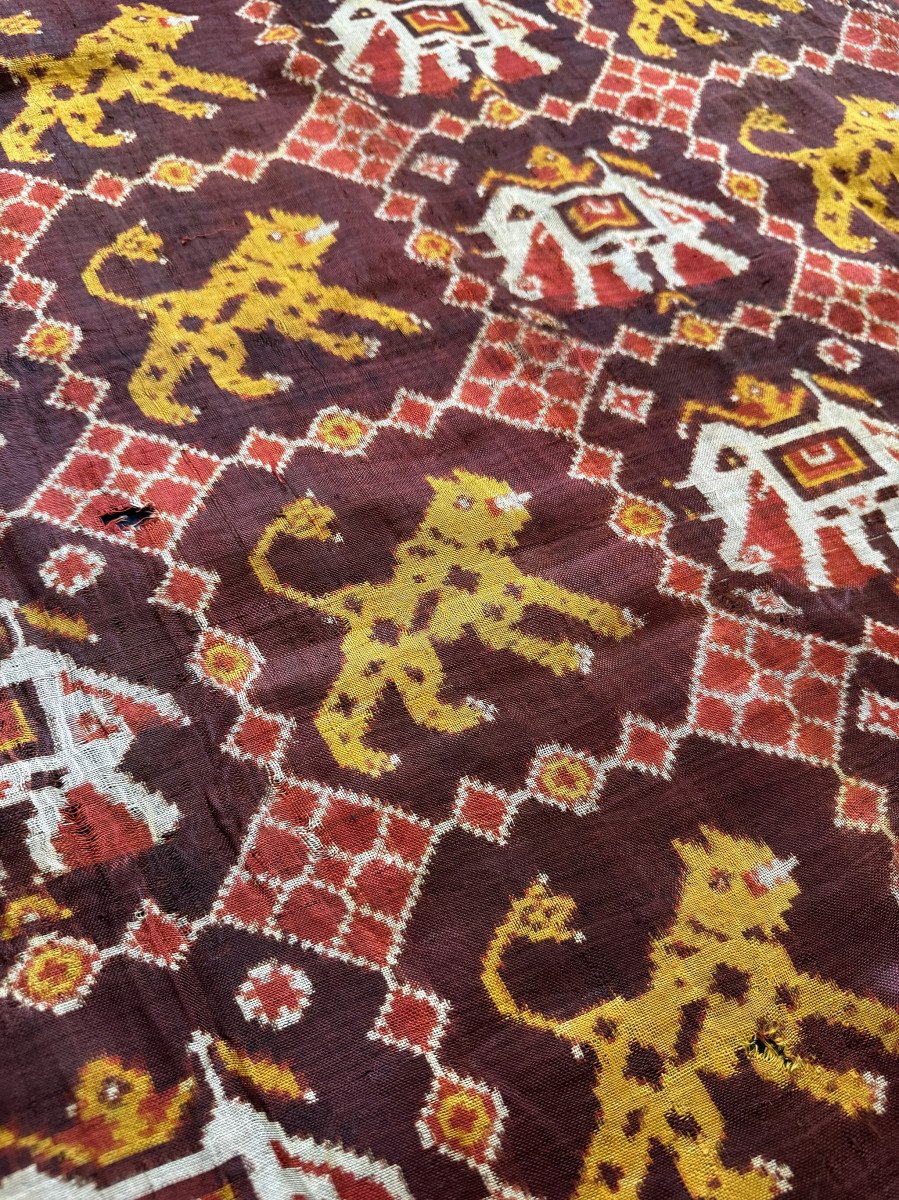
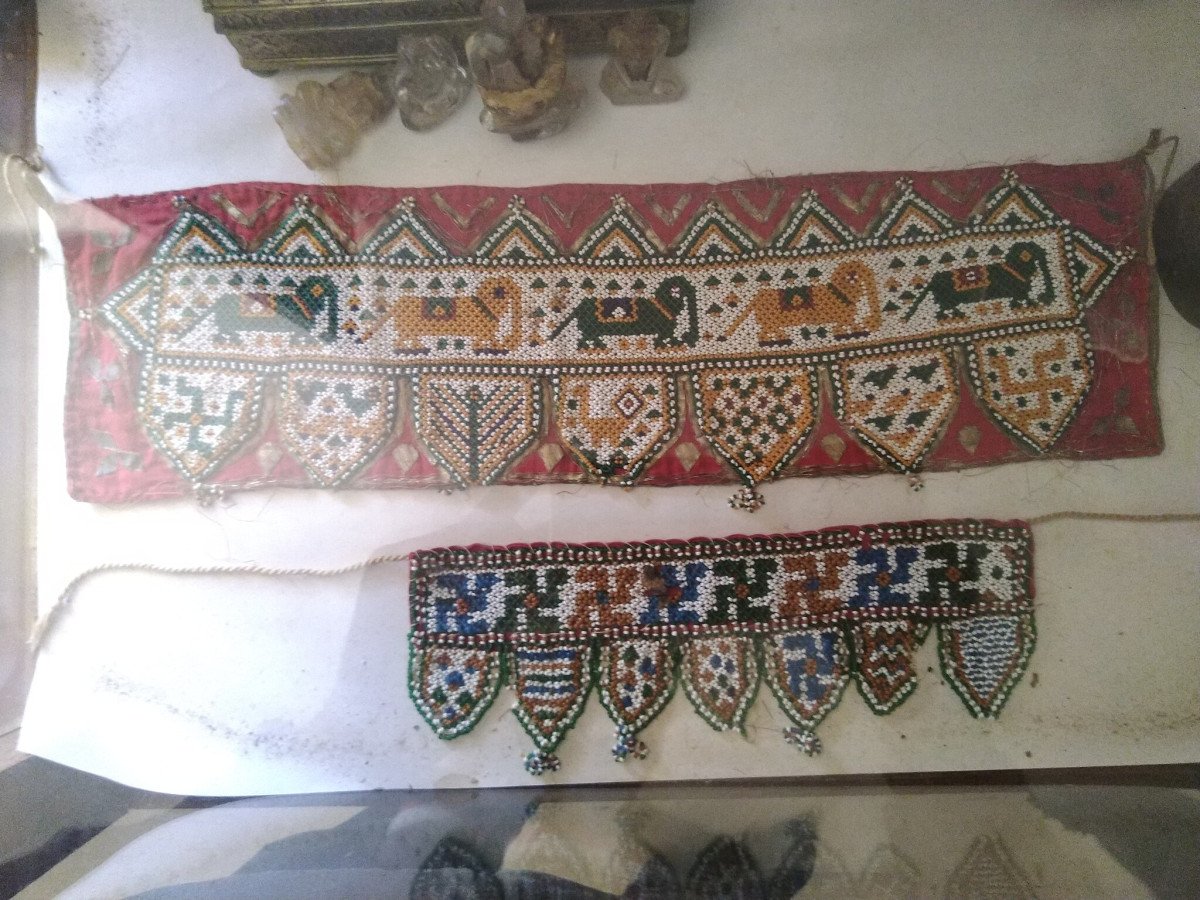
Patola Heritage: The city is also world-famous for the Patola Saree, an ancient double-ikat weaving technique practiced by the Salvi family. -
Architecture:
Inverted Temple: Designed as a descending structure measuring 64 meters long, 20 meters wide, and 27 meters deep.
Seven Stories: Each level is supported by over 226 pillars, many featuring the Dashavatara (ten incarnations of Vishnu).Inverted Temple: Designed as a descending structure measuring 64 meters long, 20 meters wide, and 27 meters deep.
Seven Stories: Each level is supported by over 226 pillars, many featuring the Dashavatara (ten incarnations of Vishnu).
Stone Material: Constructed using burnt bricks and Dhrangadhra stone, reflecting the height of the Solanki style. -
How To Reach:
By Air: Ahmedabad Airport is the closest major international gateway, located about 130 KMS from Patan.
By Train: Patan Railway Station has local connections; Mehsana (40 KMS away) is a better hub for express trains.
Read MoreBy Air: Ahmedabad Airport is the closest major international gateway, located about 130 KMS from Patan.
By Train: Patan Railway Station has local connections; Mehsana (40 KMS away) is a better hub for express trains.
By Road: Excellent road connectivity from Ahmedabad and Mehsana; several private and state buses run daily.
By Local: Shared autos and private rickshaws are easily available to take you from the station to Rani Ki Vav.Weather and Best Time to Visit:
Cool Season: October to March offers the best weather for walking around the extensive heritage site.
Midday Sun: Avoid visiting between 1:00 PM and 3:00 PM in summer as the stone surfaces get very hot.
Monsoon ...Cool Season: October to March offers the best weather for walking around the extensive heritage site.
Midday Sun: Avoid visiting between 1:00 PM and 3:00 PM in summer as the stone surfaces get very hot.
Monsoon Vibe: The nearby Sahasralinga Talav looks beautiful when the clouds are dramatic in August.
Weekday Visit: To avoid the massive weekend tourist rush, plan your trip for a Tuesday or Wednesday.Near Tourist Places:
1. Modhera Sun Temple (35 KM), 2. Siddhpur (30 KM), 3. Mehsana (40 KM), 4. Bindu Sarovar (28 KM).Tourism Tips
-
Online Tickets: Buy tickets from the ASI website in advance to skip the long manual queues at the gate.
Sun Protection: The area around the well is open; carry an umbrella or hat for the walk from the parking lot.
Read MoreOnline Tickets: Buy tickets from the ASI website in advance to skip the long manual queues at the gate.
Sun Protection: The area around the well is open; carry an umbrella or hat for the walk from the parking lot.
Museum Visit: Don't miss the Patola Museum; it’s a short drive away and adds great value to the trip.
Respect the Art: Many sculptures are fragile; maintain a safe distance and follow the "no-touch" policy.
Health & Safety: The lower levels of the well can be humid; people with respiratory issues should take care.
Packing: Wear light cotton clothes and carry a power bank as you will be taking many photos.
Accommodation: Mehsana or Patan town offer decent stay options, but many do a day trip from Ahmedabad.
Travel Light: There are no cloakrooms for heavy luggage; leave large bags in your vehicle or hotel.Reviews
FAQs
Patan Itineray And Cost:-
Other Places In Gujarat :-
Other States In India :-
Information about New and Updated Locations() of Gujarat Has Been Added :-
Card subtitle
Note:-
Information provided here in good Faith and for reference only.
Near Places
Ahmedabad
Some quick example text to build on the card title and make up the bulk of the card's content.
Go somewhere
Bhuj
Some quick example text to build on the card title and make up the bulk of the card's content.
Go somewhere
Chotila
Some quick example text to build on the card title and make up the bulk of the card's content.
Go somewhere
Dahod
Some quick example text to build on the card title and make up the bulk of the card's content.
Go somewhere
Dandi
Some quick example text to build on the card title and make up the bulk of the card's content.
Go somewhere
Kevadia
Some quick example text to build on the card title and make up the bulk of the card's content.
Go somewhere
Kutch
Some quick example text to build on the card title and make up the bulk of the card's content.
Go somewhere
Lothal
Some quick example text to build on the card title and make up the bulk of the card's content.
Go somewhere
Mandvi
Some quick example text to build on the card title and make up the bulk of the card's content.
Go somewhere
Modhera
Some quick example text to build on the card title and make up the bulk of the card's content.
Go somewhere
Near Ahmedabad
Some quick example text to build on the card title and make up the bulk of the card's content.
Go somewhere
Palanpur
Some quick example text to build on the card title and make up the bulk of the card's content.
Go somewhere
Palitana
Some quick example text to build on the card title and make up the bulk of the card's content.
Go somewhere
Patan
Some quick example text to build on the card title and make up the bulk of the card's content.
Go somewhere
Pavagadh
Some quick example text to build on the card title and make up the bulk of the card's content.
Go somewhere
Porbandar
Some quick example text to build on the card title and make up the bulk of the card's content.
Go somewherein Other Cities