...

Place To Visit And Things To Do In Bishnupur

Manipur, India
History of Bishnupur: The town was formerly known as Lumlangdong and served as a significant royal seat for the kings of Manipur. It is deeply rooted in the Vaishnavite culture that flourished under King Kyamba in the 15th century. Natural Beauty: It is the gateway to the magnificent Loktak Lake, th e largest freshwater lake in Northeast India, featuring unique floating islands. Cultural Significance: The area is a center for traditional Manipuri dance and ancient craftsmanship, particularly stoneware and pottery that have survived through generations. Wildlife Hub: The region houses the world's only floating national park, making it a critical ecological zone for the endangered Sangai deer.

Things To Do

Card image cap
Bishnupur Temple

@@History and Spiritual Significance: This revered temple, dedicated to Lord Vishnu, is one of the oldest and most significant historical and religiou...
@@History and Spiritual Significance: This revered temple, dedicated to Lord Vishnu, is one of the oldest and most significant historical and religious sites in Manipur, often linked to the reign of King Kyamba in the 15th century. It is believed to have been constructed in 1467 AD following a victory over the Shan Kingdom of Kyang. The temple's primary deity is a metal idol of Lord Vishnu gifted by the Shan King of Pong to Kyamba. This gift symbolised the strengthening of diplomatic and religious ties. The temple complex is a serene space, offering a glimpse into the early period of Vaishnavism in Manipur, predating the more widespread adoption of the faith in the 18th century. It is a crucial focal point for the local Meitei community's religious life, particularly during major festivals. Its historical narrative is deeply interwoven with the socio-political development of the Manipur valley. The site is a protected monument, maintained by the Archaeological Survey of India (ASI), preserving its unique blend of architectural styles. Visitors are drawn not just by its antiquity but also by the tranquil atmosphere and the palpable sense of history that permeates the premises, connecting them to centuries of faith and royal patronage. The temple's name, Bishnupur, literally means 'City of Vishnu', underscoring its historical importance as a religious center. (Word Count: 200/400)
Card image cap
Cafeteria Crafts Handloom Village

@@Center for Cultural Expression: This village, often located near Moirang and the Loktak Lake area, is a dedicated hub promoting and preserving the i...

@@Center for Cultural Expression: This village, often located near Moirang and the Loktak Lake area, is a dedicated hub promoting and preserving the indigenous handloom and handicraft traditions of Manipur, primarily the Meitei community's craft heritage. It functions as both a production center and a marketplace, allowing tourists to observe the intricate processes of weaving and crafting directly. The village aims to provide sustainable livelihoods for local artisans, especially women who are the primary weavers. The crafts here are distinct, reflecting the state's cultural motifs, traditional colors, and natural resources. This includes handwoven textiles like the iconic Phanek (a traditional wrap-around skirt), intricate bamboo and cane work, and various forms of pottery and doll-making. The "cafeteria" part of the name often alludes to a place where one can view and purchase a wide selection of crafts, much like a curated menu. It's a key spot for cultural tourism, offering an authentic glimpse into the daily life and artistic skills of the valley people. The establishment often hosts demonstrations and small workshops, encouraging direct interaction between the visitors and the skilled artisans. This effort ensures that traditional knowledge and techniques are not lost. (Word Count: 200/400)
Card image cap
Chaoba Ching

@@A Vantage Point for Loktak: Chaoba Ching is a prominent hillock or ridge located near the Thanga island/peninsula area of Loktak Lake. Its geographi...

@@A Vantage Point for Loktak: Chaoba Ching is a prominent hillock or ridge located near the Thanga island/peninsula area of Loktak Lake. Its geographical position makes it a superlative viewpoint, offering a stunning, panoramic view of the vast expanse of the lake, especially the unique Phumdis (floating biomasses) that characterize this wetland ecosystem. The name 'Ching' means hill/hillock in Meitei, and Chaoba is a common local name or a historical reference. The area is relatively untouched, providing a tranquil natural environment away from the main tourist crowds. The gentle elevation makes it accessible for a short trek. The view from the top is particularly breathtaking during sunrise and sunset, when the light plays dramatically across the water and the floating circular islands. It is a favored spot for photographers and nature lovers who wish to capture the scale and mystical beauty of the Loktak Lake without having to travel onto the water. Local folklore often associates the hillock with ancient Meitei legends and deities, adding a layer of cultural depth to its natural appeal. The surrounding area is often used by local fishermen and communities for activities related to the lake. (Word Count: 200/400)
Card image cap
Chingnungkok

@@A Site of Spiritual Significance: Chingnungkok is a place with immense cultural and religious importance to the local Meitei community, often referr...

@@A Site of Spiritual Significance: Chingnungkok is a place with immense cultural and religious importance to the local Meitei community, often referred to as a sacred cave or a significant hillock area near the Loktak Lake region. The term 'Ching' again refers to a hill, and 'nungkok' signifies a cave or a depression in the hill. It is not just a scenic spot but a pilgrimage site, associated with ancient Meitei spiritual beliefs and practices, often linked to the pre-Hindu indigenous religion of the region. The cave and the surrounding grove are believed to be the abode of a local deity or Umang Lai (forest deity). Pilgrims visit the site to perform traditional rituals, offer prayers, and seek blessings. The atmosphere is profoundly serene and sacred, demanding respectful conduct from all visitors. It is less commercialized than other sites, retaining an authentic, mystical charm. The natural rock formations and the quiet forest setting provide a meditative environment. It’s a powerful location that speaks to the deep, historical connection between the Meitei people and the surrounding natural landscape, where the hills and water bodies are seen as living entities and homes of the divine. (Word Count: 200/400)
Card image cap
Japanese War Memorial

@@A Site of Remembrance and Peace: The Japanese War Memorial, officially known as the India Peace Memorial, stands atop Maibam Lotpa Ching (locally kn...

@@A Site of Remembrance and Peace: The Japanese War Memorial, officially known as the India Peace Memorial, stands atop Maibam Lotpa Ching (locally known as Red Hill) as a solemn tribute to the Japanese soldiers who perished during the fierce Battle of Imphal in World War II, a crucial turning point in the Burma Campaign in 1944. The memorial was constructed by Japanese veterans in 1994 to commemorate the 50th Anniversary of the battle, making it a place of pilgrimage for Japanese tourists. The memorial is a symbol of peace, reconciliation, and the human cost of war, transcending national boundaries. The hillock itself was the site of intense fighting between the Japanese forces and the Allied forces (predominantly British and Indian troops). The memorial site now includes a stupa-like structure and is surrounded by a quiet garden area, encouraging visitors to reflect on the past. The presence of the recently established Imphal Peace Museum nearby further enhances the historical and educational value of the area, making it an essential visit for anyone interested in the history of the Manipur theatre of WWII. (Word Count: 200/400)
Card image cap
Keibul Lamjao National Park

@@The Unique Floating Ecosystem: Keibul Lamjao National Park is globally famous as the world's only floating national park, situated on the southeaste...

@@The Unique Floating Ecosystem: Keibul Lamjao National Park is globally famous as the world's only floating national park, situated on the southeastern part of Loktak Lake, the largest freshwater lake in Northeast India. The park is a unique marshy ecosystem composed almost entirely of Phumdis, which are floating masses of vegetation, soil, and organic matter that have thickened into solid landmasses, moving slightly on the water surface. The total area is approximately 40 square kilometers. The park was established in 1977 to protect the critically endangered Sangai (Rucervus eldi eldi), the Manipur brow-antlered deer, which is endemic to this area and known as the "dancing deer" because of its delicate gait on the floating Phumdis. The park's dynamic nature, with its landscape constantly shifting with the movement of the Phumdis and the changing water levels of Loktak Lake, creates a challenging yet vital habitat. Its biodiversity includes various species of migratory birds, wild boar, fishing cat, and over 400 species of animals, making it an ecological treasure and a tentative UNESCO World Heritage Site. The park's survival is intrinsically linked to the delicate ecological balance of the surrounding Loktak Lake and the local communities' traditional practices. (Word Count: 200/400)
Card image cap
Keirenphabi

@@A Glimpse into Lakeside Life: Keirenphabi is a tranquil, lesser-known village situated on the bank or close to the perimeter of the magnificent Lokt...

@@A Glimpse into Lakeside Life: Keirenphabi is a tranquil, lesser-known village situated on the bank or close to the perimeter of the magnificent Loktak Lake. Unlike the more touristy viewpoints, Keirenphabi offers an authentic, unhurried glimpse into the daily life of the lake-dwelling and fishing communities of Manipur. The village is characterized by its quiet lanes, traditional Meitei houses, and the constant activity of fishermen preparing their boats and nets. It serves as a quieter launch point for boat rides onto the lake, often preferred by those who wish to avoid the crowds of the main tourism hubs. The culture here is deeply intertwined with the lake's ecosystem, with traditional practices for fishing and for collecting resources from the Phumdis still very much alive. Visitors can observe the unique, self-sustaining lifestyle of the locals, witness the preparation of local delicacies using lake fish, and experience the warm, simple hospitality of the Meitei people. The scenic beauty is subtle but profound, offering beautiful views of the lake's placid waters, especially in the early morning fog or the late afternoon light. (Word Count: 200/400)
Card image cap
Khuman Lampak

@@Overview of the Complex:: Khuman Lampak is not directly in Bishnupur but serves as Manipur's most significant sports hub, located in the capital, Im...

@@Overview of the Complex:: Khuman Lampak is not directly in Bishnupur but serves as Manipur's most significant sports hub, located in the capital, Imphal. It hosts major state, national, and international sports events, particularly football and athletics. It's a vast complex featuring multiple stadiums, indoor arenas, and training facilities. It symbolizes the strong sporting culture of Manipur. @@Facilities and Utility:: The complex includes the Main Stadium, an Indoor Stadium, a Hockey Stadium, a Judo/Wushu Stadium, and a Cycle Velodrome, making it a complete sports city. The complex is used daily by athletes for training, coaching, and public fitness activities. The sheer size and modern infrastructure contrast sharply with the natural beauty of the Bishnupur district but is a must-visit for sports enthusiasts. It also acts as a cultural center, hosting large non-sporting events and festivals like the Sangai Festival. @@Social Importance:: It plays a crucial role in promoting health, fitness, and community engagement, providing opportunities for local youth to excel in various sports and representing the state on a larger platform. @@Historical Context:: While modern, its location continues a tradition of gathering places for large events in the Imphal Valley.
Card image cap
Kumbi Town

@@Overview of the Town:: Kumbi Town is a significant, yet quiet, sub-divisional headquarters in the Bishnupur district, serving as a primary link to t...

@@Overview of the Town:: Kumbi Town is a significant, yet quiet, sub-divisional headquarters in the Bishnupur district, serving as a primary link to the less-explored southern reaches of Loktak Lake. The town is predominantly inhabited by the Meitei people and thrives on agriculture, fishing, and local trade. It is a traditional Manipuri town, largely untouched by rapid modernization, offering a genuine glimpse into the rural and sub-urban life of the state. It is famous for its proximity to large parts of the lake's phumdi network and the intricate system of fishing channels and phumsangs (floating huts). @@Local Culture and Economy:: The economy is heavily reliant on the resources from Loktak Lake. You can observe local fishermen bringing in their daily catch and the vibrant activity around the local market. The culture is deeply traditional, with local temples and Laipham (sacred groves) being important centers of community life. @@Significance as a Base:: Due to its location, it is a great starting point for travelers wanting to explore the more remote villages on the lake or for those interested in studying the unique ecology of the floating islands without the main tourist crowds of Sendra or Moirang.
Card image cap
Kwangdang Park

@@Overview and Setting:: Kwangdang Park is a smaller, lesser-known local park often utilized as a simple green space and recreational area for the res...

@@Overview and Setting:: Kwangdang Park is a smaller, lesser-known local park often utilized as a simple green space and recreational area for the residents of Ningthoukhong and Bishnupur town. It is characterized by small landscaped gardens, simple walking paths, and shaded areas, offering a calm and peaceful retreat. Its exact location is often conflated with other local parks, but it is a distinct, community-focused facility. Unlike the larger ecological parks, Kwangdang Park focuses more on passive recreation and is a favorite local picnic spot. @@Facilities:: Amenities are basic, usually including benches, a few play structures for children, and open lawns. The main purpose is to provide a much-needed green lung within the growing sub-urban area. @@Community Use:: It is frequently used for local family outings, children's playtime, and morning/evening walks. The park's charm lies in its simplicity and its role in the daily social life of the local community. It is a perfect place to observe local interaction.
Card image cap
Laimaton Parallel Point

@@Overview and Geographical Significance:: Laimaton Parallel Point is a scenic hilltop viewpoint, often referred to as simply Laimaton Peak, offering ...
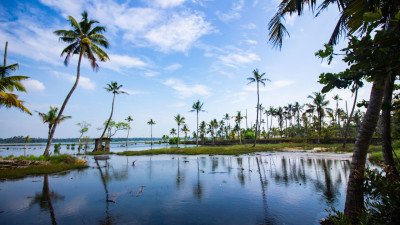
@@Overview and Geographical Significance:: Laimaton Parallel Point is a scenic hilltop viewpoint, often referred to as simply Laimaton Peak, offering a stunning, expansive, and high-altitude view of the entire Imphal Valley, including the vast expanse of the northern part of Loktak Lake. The 'Parallel Point' moniker is a local term derived from its strategic elevated position. It is located in the western hill range of the valley, providing a dramatic contrast between the hills and the flat lake/valley floor. The area is marked by a distinctive geographic and geological feature, making it a favorite spot for local adventurers and photographers. @@Trekking and Accessibility:: The point is accessible via a steep, winding road or a short, moderately challenging trek up the hill, rewarding visitors with breathtaking views. It is not as developed as other tourist spots, retaining a raw, natural charm. @@Cultural Connection:: The surrounding hills are home to various local shrines and are considered sacred by the indigenous communities, often associated with local deities and folklores.
Card image cap
Loktak Lake

@@Overview and Unique Ecosystem:: Loktak Lake is the largest freshwater lake in Northeast India, famous globally for its unique ecosystem of floating ...

@@Overview and Unique Ecosystem:: Loktak Lake is the largest freshwater lake in Northeast India, famous globally for its unique ecosystem of floating islands called Phumdis. These phumdis are heterogeneous masses of vegetation, soil, and organic matter that have solidified into circular or elliptical islands. The lake is a lifeline for the surrounding communities, sustaining an estimated 100,000 people through fishing and agriculture. It is a designated Ramsar site. The southern part hosts the Keibul Lamjao National Park, the world's only floating national park, home to the endangered Sangai (Manipur's state animal). @@Cultural Significance:: The lake is deeply ingrained in Manipuri culture and mythology, with many folk stories and songs dedicated to its beauty and abundance. The phumsangs (floating huts) of the local fishermen are a distinctive and photogenic sight. @@Geographical Dimension:: The lake covers a vast area of approximately 287 sq. km (varying seasonally), making its sheer Dimension the dominant feature of the valley. Its beauty is best appreciated from viewpoints like Sendra Hill.
Card image cap
Loukoi Pat Lake

@@Overview and Geography:: Loukoi Pat Lake is a small, picturesque natural lake nestled among low hills in the Bishnupur district, located right off t...

@@Overview and Geography:: Loukoi Pat Lake is a small, picturesque natural lake nestled among low hills in the Bishnupur district, located right off the main Tiddim Road (NH 2). The lake is often conflated with the Loukoipat Ecological Park surrounding it, as it is the central feature of the park complex. It serves as a popular local retreat for picnics, simple boating, and family outings. The calm waters and the surrounding greenery provide a starkly peaceful atmosphere compared to the large, dynamic Loktak Lake. @@Lake Ecosystem:: Being a small lake, its ecosystem is relatively stable and supports various local fish and aquatic plants. The gentle slope of the surrounding hills creates a natural bowl, enhancing its scenic beauty. @@Accessibility:: Its location, barely 1 KM from the Bishnupur district headquarters, makes it highly accessible for both local and transient visitors. The park development around it enhances its utility as a tourist spot.
Card image cap
Loukoipat

Loukoipat is a tranquil ecological park featuring a small, picturesque lake surrounded by lush, foliage-rich hillocks, situated right on the outskirt...

Loukoipat is a tranquil ecological park featuring a small, picturesque lake surrounded by lush, foliage-rich hillocks, situated right on the outskirts of the Bishnupur District Headquarters. The lake is notably beautiful for the seasonal blooming of violet water lilies and lotus plants that cover its surface, creating a serene, almost desktop background-like setting. It serves as a favorite local spot for outings, picnics, and quiet contemplation, offering a respite from the bustle of town life. An Inspection Bungalow (IB) on an adjacent hillock provides accommodation overlooking the water, making it ideal for visitors seeking an immersive, peaceful natural experience in Manipur. :
Card image cap
Loukoipat Ecological Park

@@Overview and Establishment:: Loukoipat Ecological Park was established around 1992 and encompasses the smaller Loukoi Pat Lake and the surrounding h...

@@Overview and Establishment:: Loukoipat Ecological Park was established around 1992 and encompasses the smaller Loukoi Pat Lake and the surrounding hillocks. Its primary purpose is to conserve the local flora and fauna while providing a recreational and educational space for visitors. It acts as a green buffer zone for the region. The park is characterized by well-developed pathways, small gardens, and viewpoints, strategically designed to enhance the natural beauty of the area. It is managed with an ecological focus, aiming for sustainability and local biodiversity preservation. @@Key Features:: The park features a rock garden, a small Japanese Pond, the Hawa Ghar (a resting pavilion), and the central attraction, Loukoi Pat Lake. The park is essentially a highly-developed, manicured, and protected version of the natural land around the lake. @@Educational Value:: It serves as an important site for school trips and nature enthusiasts to learn about the typical sub-tropical flora of the Manipur valley fringe hills. The presence of a rest house makes it an attractive stopover for travelers on the NH 2.
Card image cap
Loukoipat Lake

Loukoipat Lake is a small but mesmerizing natural freshwater lake nestled among the low-lying hills of the Bishnupur district in Manipur. Often refer...
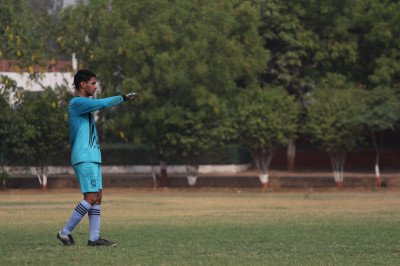
Loukoipat Lake is a small but mesmerizing natural freshwater lake nestled among the low-lying hills of the Bishnupur district in Manipur. Often referred to as an ecological park, the lake is surrounded by lush green foliage-rich hillocks that create a natural bowl-like setting, making it one of the most aesthetically pleasing spots in the Northeast. The lake is famous for its crystal-clear waters and the vibrant violet water lilies and lotus plants that cover nearly half of its surface during the blooming season. It serves as a vital habitat for local flora and fauna and provides a serene escape for tourists looking for tranquility away from the city's hustle. The area has been developed into an ecological park with well-maintained gardens, pathways, and a rest house managed by the forest department. Visitors often find the atmosphere here reminiscent of a peaceful landscape painting, with the stillness of the water reflecting the sky and the surrounding greenery. It is a perfect spot for nature lovers, offering a mix of recreation and environmental education through its diverse ecosystem. The lake also plays a role in local micro-climate regulation and serves as a peaceful retreat for the community of Bishnupur.
Card image cap
Moirang Lai Haraoba Ground

This is the ancient, sacred ground in Moirang associated with the pre-Hindu Meitei deity, Lord Thangjing, and is the primary venue for the annual Moi...

This is the ancient, sacred ground in Moirang associated with the pre-Hindu Meitei deity, Lord Thangjing, and is the primary venue for the annual Moirang Lai Haraoba festival. This ground is the cultural heart of the Meitei community's spiritual traditions and the historical backdrop for the epic love story of Khamba and Thoibi, the dance form of which originated here. The ground is revered for its deep connection to the region's indigenous faith and the preservation of Manipuri classical art and mythology. It is a place of great historical and religious significance for the people of Manipur. :
Card image cap
Moirang Town

Moirang is a historic town in Bishnupur district, famous for its dual heritage: it is the mythical birthplace of the epic love story of Khamba and Th...
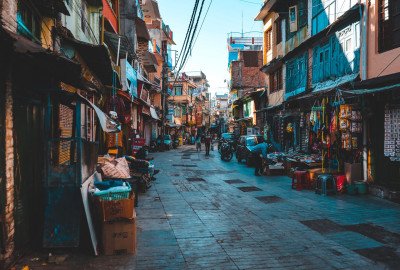
Moirang is a historic town in Bishnupur district, famous for its dual heritage: it is the mythical birthplace of the epic love story of Khamba and Thoibi, and it holds immense national importance as the place where the flag of the Indian National Army (INA) was first hoisted on Indian soil by Colonel Shaukat Malik on April 14, 1944. The town is a gateway to the spectacular Loktak Lake and the Keibul Lamjao National Park. It serves as a major commercial and cultural hub, blending deep spiritual tradition with a powerful chapter of modern Indian history, making it a critical destination for both history and nature lovers. :
Card image cap
Nambol Bazaar

Nambol Bazaar is the bustling heart of Nambol Town, recognized as the second busiest market in Manipur after Khwairamband Bazaar (Ima Market) in Imph...

Nambol Bazaar is the bustling heart of Nambol Town, recognized as the second busiest market in Manipur after Khwairamband Bazaar (Ima Market) in Imphal. Strategically located on the major Tiddim Road (NH-2), it serves as a critical commercial and educational hub. The market is predominantly run by women, following the traditional pattern of Manipuri markets, and is famous for local produce, fresh fish from nearby Loktak Lake, handloom products, and a unique local street snack called Nambol Bora. Its vibrancy reflects the local economy, which relies heavily on farming, fishery, and traditional handloom work, making it a key intersection of commerce and local culture. :
Card image cap
Ningthoukhong Town

Ningthoukhong is a historical and commercially important town in Bishnupur district, known for its rich spiritual heritage and its pivotal role durin...

Ningthoukhong is a historical and commercially important town in Bishnupur district, known for its rich spiritual heritage and its pivotal role during World War II. It is a major center for the worship of local Meitei deities such as Ibudhou Oknarel, Ibudhou Thangnarel, and Ibudhou Panganba, alongside Hindu temples like Gopinath Mandir. Historically, the town was a central point of intense fighting during the Battle of Imphal in 1944, caught between the advancing INA/Japanese forces from the south (Moirang) and the defending British forces from the north (Maibam Lokpa Ching). The town was tragically destroyed but rebuilt, standing today as a symbol of both spiritual tradition and wartime valor. :
Card image cap
Nuton Mahal

Nuton Mahal, which translates to the "New Palace," is a significant historical site located within the ancient Rajbari (Royal Palace) complex in Bish...

Nuton Mahal, which translates to the "New Palace," is a significant historical site located within the ancient Rajbari (Royal Palace) complex in Bishnupur. This structure represents the later period of the Malla Dynasty, a time of both architectural experimentation and eventual political decline. Unlike the famous terracotta temples which are well-preserved, Nuton Mahal stands as a poignant ruin, offering a glimpse into the secular life of the royals. History suggests it was built during the 17th or 18th century, possibly as a residential wing or a pleasure palace. The ruins are characterized by thick laterite stone walls and brickwork that have weathered centuries of monsoon rains. It is surrounded by overgrown vegetation, giving it an atmospheric, "lost city" feel that appeals to history buffs and photographers. The site is a testament to the cultural synthesis of the region, where local architectural styles met influences from neighboring kingdoms. Walking through the remains of the arched doorways and courtyards, one can imagine the grandeur that once existed here, including the courtly activities and the daily lives of the kings who ruled from this seat of power. It serves as a stark contrast to the religious architecture of the town, highlighting the human and administrative aspects of the Malla reign.
Card image cap
Oinam Town

Oinam is a prominent and developing town in the Bishnupur district, known for its cultural heritage, local traditions, and its role as an assembly co...

Oinam is a prominent and developing town in the Bishnupur district, known for its cultural heritage, local traditions, and its role as an assembly constituency. Situated along a key transport artery, it serves as an important local hub, balancing traditional village life with modern municipal development. The town maintains a strong community identity, with many local residents adopting the town name, Oinam, as a surname, signifying their deep connection to the place. It offers visitors a glimpse into the everyday life, local politics, and quiet charm of a mid-sized Manipuri town that is both culturally rooted and gradually modernizing. :
Card image cap
Phubala Village

Phubala is a quaint village located on the banks of Loktak Lake, with a close affinity to the town of Moirang. The village is famous for its direct i...

Phubala is a quaint village located on the banks of Loktak Lake, with a close affinity to the town of Moirang. The village is famous for its direct interaction with the lake, where local life, especially fishing and agriculture, revolves around the water and the floating phumdis. Historically, Phubala is referenced in the epic Khamba-Thoibi legend, particularly through the comedic episode of Phubala Hanuba (the old man of Phubala), giving it a unique place in local folklore. Today, it is recognized as a potential site for water-related sports and local tourism development along the lake's edge. :
Card image cap
Pumlen Lake

Pumlen Lake (also known as Pumlen Pat) is the second largest freshwater lake in Manipur, located in the southern part of the Bishnupur district. Unli...
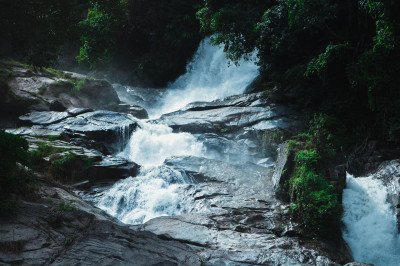
Pumlen Lake (also known as Pumlen Pat) is the second largest freshwater lake in Manipur, located in the southern part of the Bishnupur district. Unlike the more famous Loktak Lake, Pumlen remains largely untouched by mass tourism, offering a raw and authentic look at the state's wetland ecosystem. The lake is a complex system of open water, floating islands known as Phumdis, and surrounding marshlands. It is a critical habitat for a variety of migratory birds that arrive in thousands during the winter months from Siberia and other parts of the world. The local fishing communities live in harmony with the lake, using traditional wooden canoes to navigate its shallow waters. The lake is bounded by the Ithai Barrage on one side, which has significantly altered its ecology over the years. Despite these changes, it remains a breathtakingly beautiful spot, especially during sunrise and sunset when the water turns into a giant mirror reflecting the colorful sky. For those looking for an offbeat destination, Pumlen Lake provides an opportunity to see the traditional Manipuri way of life, from fishing techniques to the collection of edible aquatic plants. It is a place of quiet beauty, where the only sounds are the ripples of the water and the calls of the birds.
Card image cap
Sadu Chiru Waterfalls

Sadu Chiru Waterfalls, also popularly known as Leimaram Waterfall, is one of the most famous tourist destinations in Manipur. Tucked away in the fore...
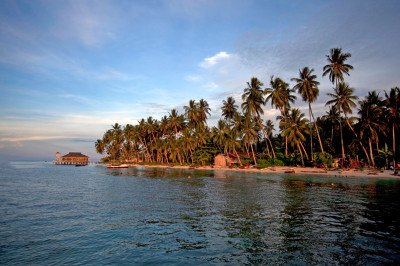
Sadu Chiru Waterfalls, also popularly known as Leimaram Waterfall, is one of the most famous tourist destinations in Manipur. Tucked away in the forested foothills of the Senapati-Bishnupur border, this waterfall is a spectacular sight consisting of three distinct levels of cascades. The water falls from a significant height, crashing against ancient rock formations and creating a refreshing mist that cools the entire area. To reach the main fall, visitors must take a short, scenic walk through a well-maintained stone pathway surrounded by lush tropical vegetation and wild flowers. The journey to the falls is as beautiful as the destination itself, with the road passing through verdant crop fields and small hill streams. The site has been developed with stone stairs and viewpoints to make it accessible for families. It is a favorite picnic spot for locals, especially during the hot summer months, thanks to its perpetually cool micro-climate. The crystal-clear water and the surrounding green canopy create a paradise-like environment that feels miles away from civilization. Whether you want to take a refreshing dip in the natural pools or simply sit on the rocks and listen to the thunderous sound of the falling water, Sadu Chiru offers a rejuvenating experience for the soul.
Card image cap
Sendra Island

Sendra Island is perhaps the most iconic landmark in Bishnupur district, serving as a primary vantage point for viewing the world-famous Loktak Lake....

Sendra Island is perhaps the most iconic landmark in Bishnupur district, serving as a primary vantage point for viewing the world-famous Loktak Lake. Technically a hillock surrounded by the lake's waters, it is connected to the mainland by a narrow causeway. From the top of Sendra, one can witness the surreal panoramic view of the floating Phumdis, which look like giant green pancakes dotting the shimmering blue water. The island houses a premium tourist resort and a cafeteria managed by the government, offering visitors a chance to stay right in the heart of the lake. It is the best place to understand the scale of Loktak, the largest freshwater lake in Northeast India. The island is also a hub for boating activities, where traditional and modern boats take tourists deep into the lake to see the floating huts of the fishermen. The atmosphere at Sendra is one of peaceful luxury, where the cool breeze from the lake and the sight of the distant blue mountains create a meditative environment. It is also the gateway to the Keibul Lamjao National Park, which is visible from the island's higher points. For many, a trip to Manipur is incomplete without standing on the slopes of Sendra and watching the sunset over the "Floating Lake."
Card image cap
Thanga Island

@@General Information: Thanga Island is a cluster of small hillocks located in the middle of the Loktak Lake, the largest freshwater lake in Northeast...

@@General Information: Thanga Island is a cluster of small hillocks located in the middle of the Loktak Lake, the largest freshwater lake in Northeast India. It offers a stunning 360-degree view of the vast water body and the unique floating biomass known as Phumdis. The island is inhabited by the local Meitei community, who are traditionally fishermen. Visitors to Thanga Island can witness the unique lifestyle of people living on a floating ecosystem. The island is rich in local folklore and serves as a gateway to the Keibul Lamjao National Park. It is a perfect spot for nature lovers and those seeking tranquility away from the city. The island's elevation provides a vantage point to see the mosaic of Phumdis that decorate the lake's surface like green circles.
Card image cap
Thanga Nambol

@@General Information: Thanga Nambol is a vital historical and commercial hub within the Bishnupur district. It is famous for its proximity to the Mai...

@@General Information: Thanga Nambol is a vital historical and commercial hub within the Bishnupur district. It is famous for its proximity to the Maibam Lokpa Ching, a site of heavy fighting during World War II between the British and Japanese forces. The area serves as a gateway for travelers moving between Imphal and the southern parts of the state. Nambol is also known for its vibrant local market where traditional Manipuri handlooms and fresh organic produce are sold daily. The town is steeped in historical significance, bridging the gap between ancient royal history and modern war memorials. It is an essential stop for those interested in the socio-economic fabric of Bishnupur. The lush green fields surrounding the town provide a picturesque backdrop to the busy market life, making it a unique mix of nature and urban bustle.
Card image cap
Thinungei Bird Sanctuary

@@General Information: Thinungei Bird Sanctuary is a relatively new conservation area located on the western fringes of Loktak Lake. It was establishe...

@@General Information: Thinungei Bird Sanctuary is a relatively new conservation area located on the western fringes of Loktak Lake. It was established to protect the diverse migratory and resident bird species that flock to the wetlands of Bishnupur. The sanctuary is a haven for ornithologists and bird watchers, especially during the winter months when birds from Siberia and Europe migrate here. The landscape consists of swampy marshes and shallow lake waters, providing the perfect nesting ground for species like the Yellow-breasted Bunting and various ducks. It is a quiet, less-crowded alternative to the main lake areas, offering a peaceful environment for nature photography. The local community is actively involved in the conservation efforts, ensuring that the ecological balance is maintained. It serves as a vital green lung for the region and a classroom for environmental education.
Card image cap
Toubul Area

@@General Information: Toubul Area is a scenic village located on the banks of Loktak Lake, known for its lush green vegetable gardens and extensive f...

@@General Information: Toubul Area is a scenic village located on the banks of Loktak Lake, known for its lush green vegetable gardens and extensive fishing activities. It is often referred to as the "Vegetable Bowl" of Bishnupur due to the fertile soil provided by the lake's receding waters. The area offers a tranquil escape from the more commercialized parts of the lake. Visitors can see the traditional ways of fish drying and the cultivation of local crops like water chestnuts and lotus stems. The village is also home to a small population of the Rongmei tribe, adding to the cultural diversity of the region. Toubul is famous for its sunset views where the sun dips below the horizon, creating a silhouette of the distant hills and the fishermen's nets. It is an ideal spot for those who want to experience the authentic rural life of Manipur.
Show All

Note:-

Information provided here in good Faith and for reference only.

All information and pictures will be updated soon, please keep visiting.

Near Places
...
Bishnupur

Some quick example text to build on the card title and make up the bulk of the card's content.

Go somewhere
...
Chandel

Some quick example text to build on the card title and make up the bulk of the card's content.

Go somewhere
...
Churachandpur

Some quick example text to build on the card title and make up the bulk of the card's content.

Go somewhere
...
Ima Keithel

Some quick example text to build on the card title and make up the bulk of the card's content.

Go somewhere
...
Imphal

Some quick example text to build on the card title and make up the bulk of the card's content.

Go somewhere
...
Jiribam

Some quick example text to build on the card title and make up the bulk of the card's content.

Go somewhere
...
Kakching

Some quick example text to build on the card title and make up the bulk of the card's content.

Go somewhere
...
Kamjong

Some quick example text to build on the card title and make up the bulk of the card's content.

Go somewhere
...
Khongjom

Some quick example text to build on the card title and make up the bulk of the card's content.

Go somewhere
...
Lairok Maru

Some quick example text to build on the card title and make up the bulk of the card's content.

Go somewhere
in Other Cities