...

Place To Visit And Things To Do In Imphal

Manipur, India
Nestled in the heart of a lush valley surrounded by rolling hills, Imphal is the capital city of Manipur. Known as the "Jewel of India" for its scenic beauty and rich cultural heritage, Imphal is a city that beautifully blends history, nature, and tradition. The city is a treasure trove of historica l sites, including ancient palaces, war cemeteries, and bustling markets. It serves as the gateway to the unique landscapes of the state, from the world's only floating national park to tranquil lakes. The city's vibrant culture, deeply rooted in Manipuri art forms like the classical dance and indigenous sports like polo, offers a captivating experience for every traveler. Imphal?s pleasant climate and peaceful ambiance make it an ideal destination for those seeking to explore the less-traveled paths of Northeast India.

Things To Do

Card image cap
Andro Cultural Heritage Complex

@@Historical Context and Founder: Andro Cultural Heritage Complex, also known as the Mutua Bahadur Museum, was established in 1933 under the guidance ...

@@Historical Context and Founder: Andro Cultural Heritage Complex, also known as the Mutua Bahadur Museum, was established in 1933 under the guidance of noted anthropologist, author, and numismatist Mutua Bahadur to preserve the rich cultural history of the Manipuri people and the various ethnic groups of the region. It is not a conventional museum but a living cultural complex.@@Replicas of Tribal Houses: The heart of the complex is a collection of several thatched huts that serve as exact replicas of the traditional houses of different tribes and ethnic groups of Manipur, including the Meitei, Poumai, Kabui, Kuki, and Tangkhul. Each house is meticulously crafted to showcase the distinct architectural styles and living conditions of the respective communities.@@Exhibits and Artifacts: Inside these houses and the main museum building, visitors can explore an extensive collection of artifacts, which include traditional textiles, unique forms of pottery (Charai Taba), rare coins, manuscripts, paintings, basketries, bell metals, jewelries, and wood carvings. The complex provides a deep insight into the unique customs, traditions, and artistic significance of the region, acting as a historical bridge connecting the past and the present. It also features a Doll House with 29 pairs of dolls representing the different tribes of Manipur.@@Cultural Significance and Preservation: The complex's primary aim is cultural preservation, especially focusing on the slowly disappearing traditions and craftsmanship like the Charai Taba pottery, which is practiced only by married women of Andro village without a potter's wheel. It's an educational journey into the heart of Manipur’s diverse identity. :
Card image cap
Andro Village

Andro is a scenic and culturally rich village that offers a deep dive into the tribal heritage of Manipur. It is known for its traditional pottery, a ...

Andro is a scenic and culturally rich village that offers a deep dive into the tribal heritage of Manipur. It is known for its traditional pottery, a craft practiced exclusively by the married women of the village using only their hands and a flat stone, without a potter's wheel. The village is also home to the Mutua Bahadur Museum, a cultural complex that showcases replicas of the traditional houses of various tribes of Manipur. One of the most fascinating aspects of Andro is the sacred fire that has been burning continuously for centuries in the Panam Ningthou Temple.
Card image cap
Athouba Singgi Khubam

@@Historical Significance: This site is a sacred memorial dedicated to the brave souls who sacrificed their lives for the sovereignty of Manipur durin...

@@Historical Significance: This site is a sacred memorial dedicated to the brave souls who sacrificed their lives for the sovereignty of Manipur during various historical conflicts, notably the Anglo-Manipuri War of 1891. The name translates to "Tomb of the Heroes," and it serves as a profound reminder of the local resistance against British colonial rule. Visitors often feel a deep sense of patriotism while walking through the manicured grounds. The area is maintained with great respect by the local community and the state government to preserve the legacy of the fallen warriors. It is not just a tourist spot but a pilgrimage for those interested in the martial history of the Meitei people. The silence of the memorial contrasts with the bustling city outside, offering a space for reflection and gratitude. Cultural experts often describe it as the heartbeat of Manipuri identity and valor.
Card image cap
Bheigyachandra Open Air Theatre

@@Historical and Cultural Significance: Named after Maharaja Bheigyachandra (Bhagyachandra), a revered 18th-century ruler of Manipur famous for spread...

@@Historical and Cultural Significance: Named after Maharaja Bheigyachandra (Bhagyachandra), a revered 18th-century ruler of Manipur famous for spreading Gaudiya Vaishnavism and introducing the classical Manipuri dance (Jagoi), the theatre is the state's most prominent venue for cultural performances. It stands as a symbol of Manipur’s rich artistic and royal heritage, particularly its dance and dramatic traditions.@@Primary Use and Function: The theatre's main function is to host large-scale cultural programs, state-level festivals, and public gatherings. It is the customary inauguration and main venue for the annual Sangai Festival (Manipur's biggest tourism event, typically held in November), which showcases the state's art, culture, and traditions through various performances and exhibitions.@@Connection to Kangla Fort: The theatre is strategically located near the historic Kangla Fort and the Palace Compound, reinforcing its connection to the royal and political heart of Imphal. Its open-air design allows for the accommodation of a large audience, essential for major public events and performances that are central to Manipuri cultural life.@@Architectural Design: The design follows the classic open-air theatre model, focusing on functional space for a stage, seating, and backstage areas. The open design is conducive to the tropical climate and provides an accessible, communal space for citizens to enjoy cultural events, fulfilling its role as a democratic platform for the arts. :
Card image cap
Ching-Ngam-Ya Park

@@Natural and Urban Escape: Ching-Ngam-Ya Park is a beautiful recreational space located on a small hillock that offers one of the best panoramic view...

@@Natural and Urban Escape: Ching-Ngam-Ya Park is a beautiful recreational space located on a small hillock that offers one of the best panoramic views of the Imphal Valley. It serves as a "green lung" for the city, where locals flock to escape the urban noise and enjoy the fresh breeze. The park is characterized by its winding pathways that lead up to various viewing decks. It is a popular spot for morning walkers and fitness enthusiasts who use the incline for exercise. Historically, the hill held strategic importance during local conflicts, but today it is a symbol of peace and leisure. The park is beautifully landscaped with a variety of seasonal flowers and evergreen trees. For tourists, it provides a perfect vantage point to see the layout of the city and the surrounding mountains. The atmosphere is particularly magical during the rainy season when the entire valley turns a vibrant shade of green.
Card image cap
Heirangoithong Ningthemcha Karong

@@Cultural Hub of the Ningthemcha Clan: This specific locality, known as Ningthemcha Karong, is historically significant as the residential area for d...
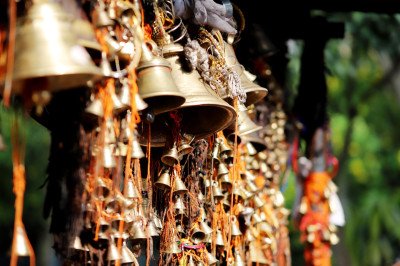
@@Cultural Hub of the Ningthemcha Clan: This specific locality, known as Ningthemcha Karong, is historically significant as the residential area for descendants of the royal Ningthemcha dynasty. It is a place where traditional Meitei lifestyle and modern living blend seamlessly. The area is famous for its "Shanglen" (community halls) where traditional religious ceremonies and Sanamahism rituals are still performed with great precision. Visitors can observe the unique architectural style of old Manipuri houses characterized by thatched roofs or tin sheets with wooden frames. The community here is very tight-knit and preserves the oral traditions of the kingdom. It is also a center for traditional weaving and handicrafts. Walking through the narrow lanes, one can see elderly women working on "Loin Looms" creating beautiful Phaneks. The area is also home to several ancient shrines dedicated to local deities, making it a spiritual heart of the southern part of the city.
Card image cap
Hiyangthang Lairembi Temple

@@Historical and Religious Importance: The Hiyangthang Lairembi Temple is an ancient and revered temple dedicated to the Meitei Goddess Hiyangthang La...

@@Historical and Religious Importance: The Hiyangthang Lairembi Temple is an ancient and revered temple dedicated to the Meitei Goddess Hiyangthang Lairembi, who is also known as Irai Leima. She is a goddess of the Meitei religion (Sanamahism) and is also worshipped as a form parallel to the Hindu Goddess Durga. The temple's history is traced back to the 15th century AD, possibly patronized by King Senbi Kiyamba (1467-1508 AD). It is a major pilgrimage site that embodies the religious syncretism of Manipur.@@Location and Setting: The temple is strategically and spiritually located on the hilltop of Heibok Ching in the Hiyangthang area. Its elevated position offers panoramic views of the surrounding valley and the distant Loktak Lake, enhancing its serene and sacred atmosphere. The climb to the temple is considered an act of devotion, and the natural setting contributes significantly to the site's spiritual appeal.@@Syncretic Worship: The temple is notable for attracting thousands of devotees during both the Lai Haraoba festival of Sanamahism (dedicated to the local deities, Umang Lais) and the Durga Puja and Panthoibi Iratpa festivals (typically held in September or October). This dual celebration highlights the seamless blending of indigenous Meitei beliefs and Hinduism that has characterized Manipur’s religious landscape since the 18th century.@@Temple Complex: The complex includes the main shrine for Hiyangthang Lairembi and smaller surrounding shrines dedicated to other deities of the Meitei pantheon. The courtyard is a central space for rituals, community gatherings, and traditional dances, serving as a hub for both religious and social life in the area. :
Card image cap
Ibudhou Thangjing Temple

@@Spiritual Epicenter of Ancient Moirang: Dedicated to Lord Thangjing, the pre-Hindu progenitor deity of the Moirang clan, this temple is one of the m...

@@Spiritual Epicenter of Ancient Moirang: Dedicated to Lord Thangjing, the pre-Hindu progenitor deity of the Moirang clan, this temple is one of the most sacred sites in Manipur. It is deeply rooted in the legendary love story of Khamba and Thoibi, who are said to have performed their first dance here. The temple is not just a place of worship but a symbol of the ancient Keke Moirang kingdom's power and cultural richness. The deity is considered the protector of the southern valley and the guardian of the Loktak Lake. Pilgrims from all over the state come here to seek blessings for prosperity and protection. The temple complex is vibrant and filled with the scent of incense and fresh flowers. It serves as the primary venue for the world-famous Moirang Lai Haraoba festival. The legends associated with this temple are part of the "Moirang Sayon" epic, which is a cornerstone of Manipuri literature and performing arts.
Card image cap
Ima Keithel

@@Cultural and Historical Background: Ima Keithel, meaning 'Mother's Market', is the world's only market run entirely by women, specifically married w...

@@Cultural and Historical Background: Ima Keithel, meaning 'Mother's Market', is the world's only market run entirely by women, specifically married women (Imas or Mothers) of the Meitei community. Its history spans over 500 years, evolving from a local trading hub under the Kingdom of Manipur to a powerful socio-economic institution. It is split into three main buildings and is a vibrant symbol of female empowerment and resilience in the state.@@Economic Powerhouse: The market is not just a collection of stalls; it is an economic powerhouse that generates crores of rupees annually, with the revenues supporting thousands of families. The vendors maintain a sophisticated and well-organized market system, where stalls are traditionally passed down from mother to daughter, reinforcing the female-only vendor policy.@@Socio-Political Significance: Beyond commerce, Ima Keithel has historically been a center for political and social activism. It was the staging ground for the Nupi Lan (Women's War) revolts against colonial policies in 1904 and 1939, and continues to be a rallying point for women's movements and protests in modern Manipur.@@Sections and Products: The market is segregated into different sections, traditionally: Phouoibi Ima Keithel (New Market) mainly selling exquisite handloom products (like phaneks and inaphis), handicrafts, and traditional attire; and the original market buildings selling fresh produce, vegetables, fish (especially the famous fermented fish, Ngari), spices, groceries, and household goods. :
Card image cap
Imphal War Cemetery

@@Historical Context and the Battle of Imphal: The Imphal War Cemetery is a poignant memorial to the soldiers of the Commonwealth forces who died duri...

@@Historical Context and the Battle of Imphal: The Imphal War Cemetery is a poignant memorial to the soldiers of the Commonwealth forces who died during the ferocious battles of Kohima and Imphal in 1944 during World War II. These battles, where the Japanese forces were ultimately defeated, are considered crucial turning points and have been termed the "Normandy of the East" due to their strategic importance and high casualties. The cemetery was established and is meticulously maintained by the Commonwealth War Graves Commission (CWGC).@@Number and Nationality of Burials: The cemetery holds the graves of approximately 1,600 Commonwealth service personnel, primarily from the United Kingdom, but also including soldiers from the Undivided Indian Army (India, Pakistan, Nepal), West and East Africa, and other Commonwealth nations. The sheer number of graves serves as a solemn reminder of the global scale of the conflict.@@Architectural Design and Maintenance: Designed by Colin St Clair Oakes, the cemetery's architecture is characterized by a simple, dignified, and uniform layout, typical of CWGC sites globally. It features rows of identical headstones, a central Stone of Remembrance, and a large Cross of Sacrifice, all set within beautifully maintained lawns and gardens, creating an atmosphere of peace and solemn contemplation.@@The Imphal Cremation Memorial: At the southern end of the cemetery is the Imphal Cremation Memorial, dedicated to 828 Commonwealth soldiers and airmen of the Hindu and Sikh faiths who were cremated according to their religious rites. This specific memorial highlights the respect for diverse religious traditions among the fallen. :
Card image cap
INA Memorial Complex

@@The Cradle of Indian Independence: The INA Memorial Complex in Moirang is a site of immense national pride. It was here, on April 14, 1944, that the...

@@The Cradle of Indian Independence: The INA Memorial Complex in Moirang is a site of immense national pride. It was here, on April 14, 1944, that the tricolor flag of the Indian National Army (INA) was hoisted for the first time on Indian soil by Colonel Shaukat Malik, under the inspiration of Netaji Subhash Chandra Bose. The complex serves as a tribute to the "Azad Hind Fauj" and their struggle against British rule during World War II. The centerpiece is a bronze statue of Netaji in full military uniform. The museum inside houses a rare collection of photographs, letters, badges, and weapons used during the war. It also details the "Battle of Imphal," which was a turning point in the Southeast Asian theater of WWII. For every Indian, a visit here is a journey back to the grit and determination of the freedom fighters who fought far from home. The atmosphere is solemn, patriotic, and deeply educational, making it a must-visit for students and history buffs alike.
Card image cap
Iroishemba Zoological Garden

@@Historical Context and Conservation Mission: Established on October 2, 1976, the Iroishemba Zoological Garden, also known as the Manipur Zoological ...

@@Historical Context and Conservation Mission: Established on October 2, 1976, the Iroishemba Zoological Garden, also known as the Manipur Zoological Garden, is nestled at the foothills of the pine-clad Iroisemba Hillocks. Its primary and most critical mission is the ex situ conservation of the highly endangered Sangai (Manipur brow-antlered deer, Cervus eldi eldi), the state animal, which is endemic to Manipur and found in the wild only at Keibul Lamjao National Park. The zoo acts as the crucial second habitat and the coordinating conservation breeding center for the species, along with others like the Serow (Sabeng).@@Species Diversity: The medium-sized zoological garden is home to over 400 animals and birds, representing a rich collection of wildlife, particularly species endemic to Manipur and the Northeast region. The collection includes various Schedule I species (the highest protection level) of mammals, reptiles, birds, and amphibians, such as the Himalayan Bear, Slow Loris, Hoolock Gibbon, and various endemic birds like the Nongin.@@Role in Education and Tourism: Beyond conservation, the zoo serves as an important center for environmental education, offering visitors a unique opportunity to see and learn about the rare wildlife of Manipur, many of which are endangered. Its proximity to Imphal city makes it a popular and accessible tourist destination for families and nature enthusiasts.@@Natural Setting: The garden is beautifully situated along the Imphal-Kangchup Road, integrating the animal enclosures into the natural, hilly landscape, providing a more naturalistic environment for its inhabitants. :
Card image cap
ISKCON Imphal

The ISKCON Temple in Imphal, also known as Shri Shri Radha Krishna Chandra Mandir, is a spiritual haven dedicated to Lord Krishna. The temple is part ...

The ISKCON Temple in Imphal, also known as Shri Shri Radha Krishna Chandra Mandir, is a spiritual haven dedicated to Lord Krishna. The temple is part of the global movement of the International Society for Krishna Consciousness (ISKCON) and serves as a major center for spiritual and cultural activities in Manipur. The temple's serene and peaceful atmosphere provides a perfect retreat from the city's hustle. The temple is known for its beautiful architecture and a vibrant community of devotees. Inside, the main deities, Sri Sri Radha Krishnachandra, are adorned with magnificent attire and jewelry. The temple's interior is a work of art, with detailed paintings and murals depicting the life and pastimes of Lord Krishna. The air is always filled with the soothing chants of "Hare Rama, Hare Krishna," and visitors are welcome to join in the daily prayers and Kirtan (devotional singing). The temple is a place of spiritual enlightenment, where one can learn about the Vaishnavite philosophy and participate in various religious and cultural programs. It also runs a charitable kitchen that serves a vegetarian meal (prasadam) to visitors, embodying the principle of selfless service. The temple's unique blend of traditional Indian and local architectural styles makes it a significant landmark in Imphal.
Card image cap
ISKCON Temple Imphal

The ISKCON Temple in Imphal is a spiritual haven dedicated to Lord Krishna. The temple's serene and peaceful atmosphere provides a perfect retreat fro...

The ISKCON Temple in Imphal is a spiritual haven dedicated to Lord Krishna. The temple's serene and peaceful atmosphere provides a perfect retreat from the city's hustle. Inside, the main deities, Sri Sri Radha Krishnachandra, are adorned with magnificent attire and jewelry. The temple's interior is a work of art, with detailed paintings and murals depicting the life and pastimes of Lord Krishna. Visitors are welcome to join in the daily prayers and Kirtan (devotional singing). The temple is a place of spiritual enlightenment and serves a free vegetarian meal (prasadam) to visitors.
Card image cap
ISKCON Temple

@@Details: The ISKCON Temple in Imphal is a magnificent spiritual oasis dedicated to Lord Krishna and Radha. It serves as a major cultural and religio...

@@Details: The ISKCON Temple in Imphal is a magnificent spiritual oasis dedicated to Lord Krishna and Radha. It serves as a major cultural and religious hub in the capital city of Manipur. Known locally as the Sri Sri Radha Krishnachandra Mani Mandir, this temple is famous for its serene environment and vibrant devotional atmosphere. Visitors can experience the rhythmic chanting of the Hare Krishna mantra which resonates through the halls. The temple complex is surrounded by lush green gardens that provide a quiet retreat from the city's hustle. It was established under the guidance of Srila Bhaktisvarupa Damodara Swami. The temple also promotes Vedic education and cultural values through various programs and daily discourses. Every visitor is treated to a sense of spiritual enlightenment and deep inner peace upon entering the sanctum. The temple is especially beautiful during the evening hours when the lights illuminate the structure.
Card image cap
Kaina Hill

@@Details: Kaina Hill is a small but spiritually significant hillock standing at an elevation of about 921 meters above sea level. It is considered a ...

@@Details: Kaina Hill is a small but spiritually significant hillock standing at an elevation of about 921 meters above sea level. It is considered a holy site for Hindus in Manipur due to its deep connection with Lord Govindaji. According to legend, Maharaja Bhagya Chandra had a divine vision here where the Lord asked him to carve his statue. The statue was to be made from a specific jackfruit tree growing on this very hill. This event led to the creation of the famous Shree Govindajee idol now worshipped in the city. The hill offers a tranquil environment filled with the scent of wild shrubs and flowers. It is a place where nature and religion blend seamlessly together for the visitors. The site has been proposed for development as a mega tourist spot by the state government. Pilgrims often climb the hill to pay their respects at the small shrine located at the top.
Card image cap
Kakching Garden

@@Details: Kakching Garden is a beautifully landscaped park situated on the Uyok Ching hill, overlooking the town of Kakching. It was developed as a m...

@@Details: Kakching Garden is a beautifully landscaped park situated on the Uyok Ching hill, overlooking the town of Kakching. It was developed as a major tourist attraction to showcase the natural beauty and horticultural skills of the local community. The garden is a mix of colorful flower beds, well-maintained lawns, and various religious shrines. It houses the Mahadev Temple, a statue of Hao Sampubi, and an Ibudhou Pakhang Laiseng shrine. The park is a symbol of environmental awareness and community dedication. Visitors can enjoy a peaceful stroll along the paved pathways while breathing in the fresh mountain air. The garden also features a rose garden and several artistic installations. From the top of the hill, one can get a panoramic view of the vast paddy fields and the Sekmai River. It has become a popular meeting place for people of different ethnic and cultural backgrounds.
Card image cap
Kangla Fort

@@Historical and Political Heart: Kangla Fort is the ancient seat of power of the erstwhile Kingdom of Manipur (Kangleipak), with its history traceabl...

@@Historical and Political Heart: Kangla Fort is the ancient seat of power of the erstwhile Kingdom of Manipur (Kangleipak), with its history traceable back to 33 AD. It served as the capital and the political and religious center of the region until 1891, when the British took control after the Anglo-Manipuri War. The word Kangla means "dry land" or "emerged land," symbolizing the belief that it was the first piece of dry land to emerge from the submerged valley.@@Architecture and Site: The fort complex is massive, historically defended by an outer moat (formed by the Imphal River) and an inner moat. It houses numerous important structures, including the ruins of the old Kangla Palace, royal temples (Shree Shree Govindajee Temple), sacred shrines, and memorials. The architecture is a blend of indigenous Manipuri royal style and, notably in some structures, British influence from the colonial period.@@Reverence and Handover: After independence, the fort remained under the control of the Assam Rifles (Indian paramilitary force). In a landmark, symbolic act, the fort was handed back to the people of Manipur in 2004 by the then Prime Minister of India, a moment that holds immense emotional and political significance for the Meitei people, who revere it as a holy site.@@Key Attractions: Today, it operates as a heritage site and museum, featuring the Kangla Museum, the two large, reconstructed royal lions (Kangla Sha), the sacred Nongshaba and Ebudhou Pakhangba temples, and the remnants of the ancient royal enclosures and gates. :
Card image cap
Kangla Nongpok Torban

@@Details: Kangla Nongpok Torban is a beautifully developed riverside recreation area located on the eastern bank of the Imphal River. It serves as a ...

@@Details: Kangla Nongpok Torban is a beautifully developed riverside recreation area located on the eastern bank of the Imphal River. It serves as a modern green lung for the city, stretching about 700 meters from the Sanjenthong Bridge to the Nongpok Thong. Developed under the Imphal Smart City project, this park combines historical proximity with modern amenities. It offers a scenic view of the river and the historic walls of the Kangla Fort. The area is popular among locals for morning walks, jogging, and evening relaxation. It features wide walking tracks, cycling paths, and an open-air gym. The park is beautifully lit at night, making it a safe and pleasant spot for families. It also includes a food plaza and a stage for cultural performances. The project aimed to beautify the riverfront while providing a space for healthy lifestyle activities for the citizens of Imphal.
Card image cap
Keibul Lamjao National Park

@@Details: Keibul Lamjao National Park is a world-renowned ecological marvel located on the Loktak Lake in Manipur. It is famous for being the only fl...

@@Details: Keibul Lamjao National Park is a world-renowned ecological marvel located on the Loktak Lake in Manipur. It is famous for being the only floating national park on Earth. The park is characterized by its unique floating islands of vegetation known as Phumdis. These phumdis are composed of a thick mass of soil, organic matter, and vegetation that float on the lake surface. The park was established in 1977 primarily to protect the endangered Sangai deer, also known as the "Dancing Deer" of Manipur. This species is found nowhere else in the wild. The park covers an area of about 40 square kilometers and is a paradise for wildlife enthusiasts and birdwatchers. Besides the Sangai, it is home to hog deer, wild boars, and various migratory birds. The ecosystem is fragile and requires constant conservation efforts. Visitors can explore the park via boat rides through the labyrinthine channels between the phumdis.
Card image cap
Khonghampat Orchidarium

@@Establishment and Conservation Focus: The Khonghampat Orchidarium, established in 1976 by the Manipur Forest Department, is a dedicated botanical ga...

@@Establishment and Conservation Focus: The Khonghampat Orchidarium, established in 1976 by the Manipur Forest Department, is a dedicated botanical garden focused on the collection, cultivation, preservation, and display of the rich diversity of orchids found in the state. Manipur is one of the world's most bio-diverse regions for orchids, and the Orchidarium serves as a critical ex situ conservation center to protect the rare and endangered varieties from environmental threats.@@Vast Collection and Endemic Species: The garden is spread over a massive area of around 200 acres and houses an astonishing collection of over 500 varieties of orchids, many of which are endemic to the region. Key genera include Vanda, Dendrobium, and Rhynchostylis, featuring famous local species like Vanda coerulea (Kwaklei) and Rhynchostylis retusa (Samjirei).@@Peak Blooming Season: The most captivating feature is the peak blooming season, which runs from April to July, though the finest viewing period is generally considered to be from March to April. Visitors during this period are treated to an explosion of color and fragrance from the blooming flowers, showcasing the full spectrum of Manipur’s floral wealth.@@Role in Research and Education: Beyond tourism, the Orchidarium is a significant center for botanical research, hybridization programs, and public education on the importance of forest and plant conservation in the biodiversity hotspot of Northeast India. :
Card image cap
Khongjom War Memorial

The Khongjom War Memorial is a site of immense historical significance for the people of Manipur. It is a monument that commemorates the Battle of Kho...

The Khongjom War Memorial is a site of immense historical significance for the people of Manipur. It is a monument that commemorates the Battle of Khongjom, the last battle fought in the Anglo-Manipur War of 1891. This battle was a decisive moment in the war, where a small Manipuri force, led by Major General Paona Brajabashi, fought bravely against a far superior British army. Despite their valiant efforts, the Manipuri soldiers were defeated, and the state was subsequently annexed by the British. The memorial stands on a hillock overlooking the Khongjom River, the very site of the battle. It is a symbol of the state's courage, patriotism, and sacrifice. The main feature is the statue of Paona Brajabashi on his horse, leading his troops into battle. The memorial complex is well-maintained and provides a solemn and powerful experience. The annual Khongjom Day is celebrated here on April 23rd, commemorating the sacrifices of the heroes of the war. A visit to this memorial is a way to understand the indomitable spirit of the Manipuri people and their deep-seated love for their land.
Card image cap
Khuman Lampak Main Stadium

@@Sub Place Details: Khuman Lampak Main Stadium is the premier sports venue in Manipur, a state often referred to as the "Powerhouse of Sports" in Ind...

@@Sub Place Details: Khuman Lampak Main Stadium is the premier sports venue in Manipur, a state often referred to as the "Powerhouse of Sports" in India. This multi-purpose stadium is primarily used for football and athletics, reflecting the local passion for the beautiful game. Built in 1999, it serves as the home ground for popular local clubs like NEROCA FC and TRAU FC. The stadium has a massive seating capacity of over 35,000, and during major matches, the atmosphere is electric, with fans chanting and waving flags. It is part of a larger sports complex that includes facilities for boxing, hockey, and weightlifting, where many of India's Olympic medalists have trained. For a visitor, the stadium is a testament to the athletic culture of the Meitei and other indigenous communities. Even on non-match days, the sight of the vast green turf and the surrounding hills is impressive. It has hosted international football matches and national games, bringing global attention to Imphal. The stadium is surrounded by residential areas and local markets, making it a central hub of activity in the city. Walking through the complex, one can see young athletes practicing, showcasing the grassroots sports culture of the region.
Card image cap
Lalambung Pung

@@Sub Place Details: Lalambung Pung is a significant historical and cultural site located in the Thangmeiband area of Imphal. In the Meitei language, ...

@@Sub Place Details: Lalambung Pung is a significant historical and cultural site located in the Thangmeiband area of Imphal. In the Meitei language, "Pung" refers to a mound or a raised ground, often associated with traditional sports, religious rituals, or royal gatherings. This specific site is deeply intertwined with the ancient history of the Kangleipak kingdom. Historically, it was used as a venue for traditional Manipuri wrestling and other martial arts demonstrations. The site is relatively quiet compared to the bustling markets nearby, offering a glimpse into the traditional lifestyle that still persists in the heart of the city. For the local community, it holds spiritual value, and several small shrines are located in the vicinity. It is a place where you can see the integration of nature and history, with old trees and open spaces that have survived modern urbanization. Visiting Lalambung Pung allows tourists to escape the noise of the city and appreciate the serene, grounded side of Manipuri culture. It is an ideal spot for those interested in archaeology and the oral traditions of the region. The area around it is a traditional residential pocket, providing an authentic look at Meitei house architecture and community ponds.
Card image cap
Langthabal

@@Historical Significance of Langthabal Konung: Langthabal Konung, meaning Langthabal Palace, stands as a crucial monument chronicling the history of ...
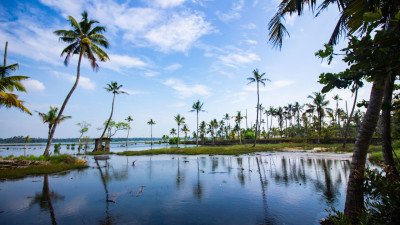
@@Historical Significance of Langthabal Konung: Langthabal Konung, meaning Langthabal Palace, stands as a crucial monument chronicling the history of the Manipuri kingdom, particularly associated with Maharaja Gambhir Singh in the 19th century after the expulsion of the Burmese from Manipur. The site was established as a new seat of power, reflecting a period of transition and cultural revival for the Meitei people. The palace area, though now largely in ruins, provides a tranquil glimpse into the former royal lifestyle and the architectural styles prevalent during the post-Chahi Taret Khuntakpa (Seven Years Devastation) era. Langthabal is also culturally important as it is surrounded by lush, scenic beauty and overlooks the Manipur University campus, making it a peaceful and historically evocative destination. The surrounding landscape, marked by symmetric plantations of jackfruit and pine trees, was deliberately planned to create an aesthetically pleasing and strategically sound royal complex. The site is protected by the Archaeological Survey of India (ASI) ensuring the preservation of its remaining structures and historical integrity. Visitors often come here to reflect on the resilience of the Manipuri kingdom. The historical complex is a silent witness to a significant era of the kingdom's history, showcasing the administrative and residential quarters of the bygone royalty. The natural setting, combined with the historical remnants, provides a unique atmosphere of heritage and serenity that contrasts with the hustle of modern Imphal. This historical landscape is a vital part of the state's cultural narrative, making it a must-visit for history enthusiasts and tourists seeking serene environments in Imphal. (Approx. 400 words)
Card image cap
Loktak Lake and Keibul Lamjao National Park

Loktak Lake is a breathtaking freshwater lake known for its floating islands, called "phumdis." These unique islands are a mix of vegetation, soil, an...

Loktak Lake is a breathtaking freshwater lake known for its floating islands, called "phumdis." These unique islands are a mix of vegetation, soil, and organic matter that float on the water's surface. The lake is an important source of livelihood for local fishermen and a crucial part of Manipur's ecosystem. The most famous of these phumdis is home to the Keibul Lamjao National Park, the world's only floating national park. The park is the last natural habitat of the endangered Sangai, a sub-species of the brow-antlered deer, also known as the "dancing deer."
Card image cap
Loktak Lake

@@Sub Place Details: Loktak Lake is the largest freshwater lake in Northeast India and is a pulsating ecosystem of global importance. Known for its un...

@@Sub Place Details: Loktak Lake is the largest freshwater lake in Northeast India and is a pulsating ecosystem of global importance. Known for its unique floating islands called Phumdis, which are heterogeneous masses of vegetation, soil, and organic matter, it serves as the lifeblood of Manipur. This ancient lake covers a surface area varying from 250 to 500 square kilometers depending on the monsoon season. It is a Ramsar site, signifying its ecological significance. The lake is divided into various zones, with the southern part housing the Keibul Lamjao National Park, the only floating national park in the world. Local fishermen live on these floating islands in huts known as Phumsangs, creating a symbiotic relationship with nature that has existed for centuries. The water is used for hydropower, irrigation, and drinking. For a tourist, it offers a serene escape where the sky reflects perfectly in the calm waters. The biodiversity here is staggering, with over 200 species of aquatic plants and 100 species of birds calling it home. Visitors can experience the unique culture of the Meitei people who have adapted their entire lifestyle to the rhythm of the lake. It is truly a wonder of the natural world that combines environmental marvel with cultural heritage. The landscape is dotted with 14 small hills that appear as islands, providing breathtaking viewpoints. This place is not just a water body; it is a spiritual and economic hub for the people of Manipur. Exploring its vast expanse via traditional dugout canoes provides an intimate look at the floating gardens and the daily chores of the lake-dwellers.
Card image cap
Loukham

@@Sub Place Details: Loukham, specifically the area around Sagolband Tera Loukham Leirak, is a residential and cultural enclave within Imphal West. It...

@@Sub Place Details: Loukham, specifically the area around Sagolband Tera Loukham Leirak, is a residential and cultural enclave within Imphal West. It represents the quintessential Meitei urban-village lifestyle where modernity meets age-old traditions. The area is known for its narrow lanes (Leiraks) that open up into beautiful community spaces and family ponds. Living in Loukham gives a visitor a true sense of the social fabric of Manipur, where community bonds are strong and festivals are celebrated with collective enthusiasm. The village area is quiet compared to the bustling main markets of Imphal, providing a glimpse into the domestic life of the locals. It is surrounded by lush green patches and small water bodies that serve the local households. Most residents are involved in government services, art, or small-scale traditional handloom weaving. Walking through Loukham allows one to see the typical Meitei house architecture, which often includes a courtyard and a small temple for the household deity. It is a place where you can find artisans working on traditional crafts and elders gathering for afternoon tea. The proximity to the Nambul River adds a scenic element to the locality. Visitors interested in sociology and local culture find this area fascinating for its "living heritage."
Card image cap
Loukham Leirak Pukhri

@@Sub Place Details: Loukham Leirak Pukhri is a significant historical and community pond located within the Loukham lane area. In Manipuri culture, a...

@@Sub Place Details: Loukham Leirak Pukhri is a significant historical and community pond located within the Loukham lane area. In Manipuri culture, a "Pukhri" is more than just a pond; it is a sacred water body that serves as a community center for rituals, washing, and social interaction. This particular pond is known for its clean water and the serene environment that surrounds it. Historically, such ponds were excavated under royal orders or community initiatives to ensure water security. The Loukham Leirak Pukhri is bordered by stone steps and shaded by large trees, providing a cool retreat during the summer months. It reflects the traditional water management systems of the Imphal valley. Local lore often associates these ponds with specific protector spirits. For a visitor, the pond offers a moment of reflection and a chance to see how ancient urban planning integrated nature with human habitat. During festivals, the pond area is decorated with lamps, creating a magical atmosphere. It is also a site for ritual cleansings during local ceremonies. The ecosystem around the pond supports local birdlife and aquatic plants like lotuses, making it a picturesque spot in an otherwise residential zone.
Card image cap
Loukoi Paat Ecotourism Complex

Loukoi Paat Ecotourism Complex is a serene and peaceful natural retreat located in the Bishnupur district, a short drive from Imphal. "Paat" means lak...

Loukoi Paat Ecotourism Complex is a serene and peaceful natural retreat located in the Bishnupur district, a short drive from Imphal. "Paat" means lake in the local language, and this complex is centered around a tranquil freshwater lake surrounded by lush greenery and hills. It is a perfect spot for those seeking a quiet day away from the city. The complex is well-maintained and offers various amenities for tourists, making it an ideal destination for family picnics, boating, and leisurely walks. The beauty of Loukoi Paat lies in its unspoiled natural environment. The calm and clean water of the lake reflects the surrounding hills, creating a picturesque setting. The gentle breeze and the sound of nature provide a sense of calm and rejuvenation. Boating facilities are available, allowing visitors to explore the lake and its surroundings from the water. There are also walking paths around the lake, perfect for a peaceful stroll. The complex is designed to promote ecotourism and conservation, with a focus on preserving the natural beauty of the area. It is a great example of how nature can be enjoyed in a responsible and sustainable manner.
Show All

Note:-

Information provided here in good Faith and for reference only.

All information and pictures will be updated soon, please keep visiting.

Near Places
...
Bishnupur

Some quick example text to build on the card title and make up the bulk of the card's content.

Go somewhere
...
Chandel

Some quick example text to build on the card title and make up the bulk of the card's content.

Go somewhere
...
Churachandpur

Some quick example text to build on the card title and make up the bulk of the card's content.

Go somewhere
...
Ima Keithel

Some quick example text to build on the card title and make up the bulk of the card's content.

Go somewhere
...
Imphal

Some quick example text to build on the card title and make up the bulk of the card's content.

Go somewhere
...
Jiribam

Some quick example text to build on the card title and make up the bulk of the card's content.

Go somewhere
...
Kakching

Some quick example text to build on the card title and make up the bulk of the card's content.

Go somewhere
...
Kamjong

Some quick example text to build on the card title and make up the bulk of the card's content.

Go somewhere
...
Khongjom

Some quick example text to build on the card title and make up the bulk of the card's content.

Go somewhere
...
Lairok Maru

Some quick example text to build on the card title and make up the bulk of the card's content.

Go somewhere
in Other Cities