
...

Place To Visit And Things To Do In Jolaibari

Tripura, India
Archaeological Treasure: Jolaibari is the primary gateway to the Pilak archaeological site, which dates back to the 8th and 9th centuries. This area is a significant confluence of Hindu and Buddhist cultures. Excavations here have revealed a wealth of stone images, terracotta plaques, and ruins of s tupas. It is a site of international importance for historians and archaeologists studying the spread of Buddhism in Southeast Asia. Serene Environment: The landscape of Jolaibari is characterized by peaceful rural settings, small ponds, and vast green fields. The air is clean, and the pace of life is slow, offering a perfect retreat for those looking to escape the city. The presence of ancient ruins adds a mystical aura to the entire region. Spiritual Harmony: The site demonstrates how Hinduism and Buddhism co-existed peacefully for centuries. You can find statues of Lord Vishnu and Buddha in the same vicinity. This historical religious tolerance is a hallmark of Jolaibari's heritage. Tourism Potential: As part of the Buddhist circuit in India, Jolaibari is receiving more attention from international travelers, especially from East Asian countries. The government is developing more amenities to cater to the growing number of history buffs and pilgrims.

Things To Do

Card image cap
Chabimura Cave Carvings

Chabimura, also known as Devtamura, is a spectacular archaeological site famous for its massive rock-cut sculptures on steep mountain walls. These ca...

Chabimura, also known as Devtamura, is a spectacular archaeological site famous for its massive rock-cut sculptures on steep mountain walls. These carvings, dating back to the 15th-16th century, depict various Hindu deities like Shiva, Vishnu, Kartika, and Durga. The most magnificent among them is the 13-meter high image of Goddess Chakrakma (Durga), which is considered the largest rock-cut Durga idol in India. Visitors must take a boat ride through a narrow gorge flanked by lush greenery to witness these masterpieces. The area is often called the "Amazon of Tripura" due to its dense rainforest and mystical atmosphere. The river flows calmly here, reflecting the towering cliffs and the intricate artistry of ancient craftsmen. Exploring the nearby caves adds an element of adventure to the spiritual journey.
Card image cap
Dumbur Hanging Bridge

The Dumbur Hanging Bridge is a modern engineering marvel providing a breathtaking view of the massive Dumbur Lake reservoir. This suspension bridge c...

The Dumbur Hanging Bridge is a modern engineering marvel providing a breathtaking view of the massive Dumbur Lake reservoir. This suspension bridge connects the mainland to some of the many islands within the lake, allowing tourists to walk above the shimmering blue waters. The bridge is a favorite spot for those seeking a panoramic view of the 41 sq km lake, which is shaped like a 'Dumbur' (the small drum of Lord Shiva). The surrounding hills of Gandacherra and the vast expanse of water create a serene environment perfect for nature lovers. Walking across the bridge during sunset offers a golden view of the reservoir that is unmatched in the state. The area is also significant as it is near Tirthamukh, where the Gomati River originates from the confluence of the Raima and Sarma rivers.
Card image cap
Enviro Green Camping Site

Enviro Green Camping Site is a rising eco-tourism destination designed for those who want to experience the wilderness without leaving Jolaibari. The...

Enviro Green Camping Site is a rising eco-tourism destination designed for those who want to experience the wilderness without leaving Jolaibari. The site offers a unique camping experience with sustainable tents, bonfires, and guided nature walks. It is nestled within a patch of secondary forest that is home to various local bird species and butterflies. The camping site focuses on "Leave No Trace" tourism, promoting environmental awareness among its guests. Visitors can enjoy traditional Tripuri meals cooked over a wood fire and participate in stargazing sessions at night. The tranquil atmosphere provides a much-needed break from the noise of city life. It is particularly popular among youth groups and solo travelers looking for an authentic rural and forest experience in Tripura.
Card image cap
Gomati River View

The Gomati River View point near Pilak offers a peaceful retreat where the river meanders through the plains of South Tripura. Unlike the turbulent s...

The Gomati River View point near Pilak offers a peaceful retreat where the river meanders through the plains of South Tripura. Unlike the turbulent stretches or the rocky gorges of Chabimura, the river here is wide and calm, reflecting the vast blue sky. It is a popular spot for locals and tourists visiting the Pilak archaeological site to relax after a long day of exploring ruins. The riverbanks are lined with fertile agricultural fields and small tribal hamlets, providing a glimpse into the rural life of the state. Watching the local fishermen in their traditional dug-out canoes is a meditative experience. The sunset here is particularly beautiful, as the sun dips below the horizon, painting the water in shades of orange and purple. It is an ideal spot for a quiet evening walk.
Card image cap
Gumti Wildlife Sanctuary

Gumti Wildlife Sanctuary is a vast protected area covering nearly 390 sq km. It is a sanctuary of immense ecological importance, housing a variety of...
Gumti Wildlife Sanctuary is a vast protected area covering nearly 390 sq km. It is a sanctuary of immense ecological importance, housing a variety of flora and fauna including elephants, bisons (Gaur), barking deer, and wild goats (Sarow). The sanctuary is also a haven for primates like the Hoolock Gibbon and the Spectacled Langur. A large part of the sanctuary consists of a water reservoir (associated with Dumbur Lake) which attracts thousands of migratory birds during the winter months, such as the Lesser Adjutant Stork and various species of wild ducks. The terrain is hilly and covered in dense deciduous and semi-evergreen forests, making it a prime destination for eco-tourists and wildlife photographers. The sanctuary plays a vital role in the conservation of the state's biodiversity and offers a raw, untouched experience of the Northeastern jungles.
Card image cap
Jolaibari Local Market

The Jolaibari Local Market is a bustling hub that captures the essence of rural life in South Tripura. Spread over a significant area, this market se...

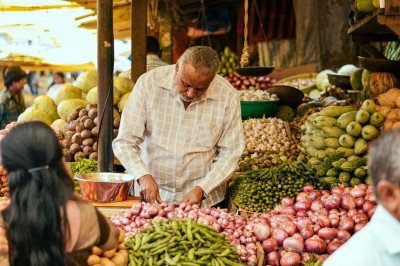
The Jolaibari Local Market is a bustling hub that captures the essence of rural life in South Tripura. Spread over a significant area, this market serves as the primary commercial center for nearby villages and tribal hamlets. Every morning, the market comes alive with farmers bringing fresh produce directly from the hills and plains. You will find unique forest foraging items like bamboo shoots, wild mushrooms, and medicinal herbs that are rarely seen in urban supermarkets. The air is filled with the aroma of local spices and the chatter of different ethnic groups including the Tripuri, Mog, and Bengali communities. It is not just a place for buying goods but a social institution where local news is exchanged over cups of hot tea. The market is particularly vibrant during the weekly "Haat" days when the variety of goods increases tenfold. Visitors can witness the traditional barter system still subtly influencing local trade. This market provides a deep insight into the socio-economic fabric of the Jolaibari region, making it a must-visit for those interested in authentic cultural experiences. The diversity of the products reflects the rich biodiversity of the surrounding landscape, from organic vegetables to hand-woven textiles and local fish from the nearby rivers. Walking through the narrow aisles, one can observe the intricate balance of tradition and modernity as plastic goods sit alongside age-old bamboo crafts.
Card image cap
Kalapania Nature Park

Kalapania Nature Park is one of the most picturesque eco-tourism destinations in South Tripura. Developed over 21 hectares of undulating hilly terrai...

Kalapania Nature Park is one of the most picturesque eco-tourism destinations in South Tripura. Developed over 21 hectares of undulating hilly terrain, the park was established in 2004 to promote conservation and provide a recreational space for locals and tourists. The centerpiece of the park is a stunning, crystal-clear lake surrounded by lush green mounds that reflect perfectly on the water's surface. The park is managed by the Forest Department and features a variety of indigenous and exotic plant species. It serves as a sanctuary for those looking to escape the hustle and bustle of city life. The landscape is designed to mimic the natural biodiversity of the region, with winding paths that take you through dense thickets and open gardens. Visitors can enjoy boating on the lake, which is a popular activity for couples and families alike. The park also houses a unique "Nature Interpretation Center" which provides educational information about the flora and fauna of Tripura. For those wishing to extend their stay, the park offers unique accommodation in the form of Mog and Reang "Tanghar" (stilt houses) built over the water, offering an immersive nature experience. The tranquility of Kalapania is its biggest draw, with the sound of chirping birds and rustling leaves providing a constant soundtrack to your visit. It is an ideal spot for a day-long picnic, with dedicated zones equipped with basic amenities. The park is a testament to how deserted land can be transformed into a thriving ecosystem through dedicated conservation efforts.
Card image cap
Kunjabati Village

Kunjabati Village is a destination that truly embodies the artistic spirit of Tripura. This village is famous for its thriving handicraft industry, w...

Kunjabati Village is a destination that truly embodies the artistic spirit of Tripura. This village is famous for its thriving handicraft industry, where almost every household is involved in the creation of exquisite bamboo and cane products. The craftsmanship here has been passed down through generations, making it a living museum of indigenous art. As you walk through the village, you will see artisans skillfully splitting bamboo and weaving it into intricate patterns to create mats, baskets, lampshades, and decorative wall hangings. The village is particularly known for its fine "Bamboo Screen" work, which is exported to various parts of India. The local artisans use simple tools to create complex designs, showcasing a level of precision that is world-class. Visiting Kunjabati offers a rare opportunity to see the entire production process, from the selection of the right bamboo in the groves to the final polishing of the finished product. The villagers are welcoming and often happy to demonstrate their skills to visitors. This village represents the "Vocal for Local" initiative in its purest form, supporting the livelihoods of hundreds of families through sustainable art. The products are not only beautiful but also eco-friendly, made from renewable resources. A visit here is incomplete without purchasing a souvenir directly from the makers, ensuring that the profit stays within the community. The peaceful rural setting, combined with the rhythmic sound of bamboo being worked on, creates a meditative and inspiring atmosphere for any traveler interested in traditional crafts.
Card image cap
M.A.K. Waterfall

The M.A.K. Waterfall, located in the Magrum area near Tirthamukh, is one of the most serene and untouched natural wonders in South Tripura. Unlike th...

The M.A.K. Waterfall, located in the Magrum area near Tirthamukh, is one of the most serene and untouched natural wonders in South Tripura. Unlike the more commercialized waterfalls, M.A.K. offers a raw and rugged experience for nature enthusiasts. The water cascades down from a significant height over moss-covered rocks into a clear, shallow pool at the base. The surrounding forest is dense and rich with biodiversity, often echoing with the sounds of hidden wildlife and the thunderous roar of the falling water. Reaching the waterfall requires a bit of a trek through the forest, which adds to the adventure. The trail is lined with wild ferns, towering trees, and occasional glimpses of tribal settlements. The waterfall is a primary source of water for the local communities and holds a certain level of local reverence. During the peak monsoon season, the volume of water increases dramatically, creating a mist that blankets the entire area. In the drier months, the flow is gentler, making it a perfect spot for a refreshing dip in the natural pool. The name "M.A.K." is locally derived and the spot is gaining popularity among local youth for weekend getaways. It is a place where you can truly disconnect from the digital world and reconnect with the elements. There are no shops or commercial establishments nearby, so it remains a pristine environment. Visitors are encouraged to maintain the cleanliness of the area to preserve its natural beauty. The trek to the falls is moderately challenging, making it suitable for those with a basic level of fitness. It is a hidden gem that rewards the effort of the journey with its breathtaking beauty and peaceful atmosphere.
Card image cap
Manughat Bridge

The Manughat Bridge is an important infrastructural landmark that has evolved into a popular scenic spot for travelers in South Tripura. Spanning a s...

The Manughat Bridge is an important infrastructural landmark that has evolved into a popular scenic spot for travelers in South Tripura. Spanning a significant tributary that feeds into the Manu River, this bridge connects Jolaibari with the interior parts of the district. Beyond its utility, the bridge offers some of the most stunning panoramic views of the river valley and the surrounding forest reserves. The structure itself is a modern engineering feat in a rural landscape, providing a stark contrast to the natural beauty of the flowing water and the dense greenery. On either side of the bridge, the riverbanks are often used by locals for small-scale fishing and agriculture, providing a glimpse into the daily life of the region. During the late afternoons, the bridge becomes a gathering spot for locals who come to enjoy the cool breeze and the sunset. The reflection of the sky on the vast expanse of water beneath the bridge creates a mesmerizing visual experience. It is a common stop for tourists traveling between Agartala and Sabroom who want to stretch their legs and take in the fresh air. The area around the bridge is part of a reserve forest, which means the air is exceptionally clean and the surroundings are teeming with local flora. While it serves thousands of vehicles daily, the bridge remains a place of quiet beauty, especially during the early morning hours when the mist hangs low over the water. It is a perfect example of how human infrastructure can coexist with nature to create a space that is both functional and aesthetically pleasing.
Card image cap
Mountain View

@@ Natural Beauty: Mountain View in Hrishyamukh offers a breathtaking panoramic vista of the rolling hills that separate India and Bangladesh. The are...

@@ Natural Beauty: Mountain View in Hrishyamukh offers a breathtaking panoramic vista of the rolling hills that separate India and Bangladesh. The area is characterized by lush green valleys and a serene environment that provides a perfect escape from city noise. @@ Geographical Significance: Located near the international border, this viewpoint provides a unique perspective of the trans-border landscape and the winding Muhuri River. @@ Tourism Appeal: It has recently gained popularity among nature lovers and photography enthusiasts who come here for the stunning sunrise and sunset views. @@ Eco-Tourism: The surrounding area is rich in biodiversity, with dense forests and diverse bird species making it an ideal spot for bird watching.
Card image cap
Naithau Moing Tila View Point

@@ Tribal Heritage: Naithau Moing Tila is a high-altitude viewpoint situated in the Malbassa area, primarily inhabited by the indigenous tribal commun...

@@ Tribal Heritage: Naithau Moing Tila is a high-altitude viewpoint situated in the Malbassa area, primarily inhabited by the indigenous tribal communities. The name itself reflects the local language and the cultural identity of the region's people. @@ Panoramic Vistas: From this tilla (hill), one can see the vast stretches of green canopy that define the geography of South Tripura. @@ Serene Atmosphere: It is far removed from industrial activity, offering air that is fresh and an environment that is remarkably quiet and peaceful. @@ Adventure Spot: The drive to the viewpoint involves winding roads through hills, making it a favorite for bikers and adventure seekers in the state.
Card image cap
Nauka Ghat

@@ Riverine Beauty: Nauka Ghat is a picturesque riverbank located on the banks of a local tributary, offering a peaceful setting for relaxation. The a...

@@ Riverine Beauty: Nauka Ghat is a picturesque riverbank located on the banks of a local tributary, offering a peaceful setting for relaxation. The area is known for its calm waters and the traditional wooden boats that line the shore. @@ Local Transport: For many years, this ghat served as a vital link for villagers using boats to transport goods and commute across the water body. @@ Tourist Retreat: It has recently been developed as a picnic spot where families can enjoy the breeze and the rhythmic sound of the flowing river. @@ Nature's Lap: The bank is lined with lush vegetation and old trees, providing plenty of shade and a habitat for various local water birds.
Card image cap
Pilak Archaeological Sites

@@ Historical Significance: Pilak is a world-renowned archaeological site dating back to the 8th to 12th centuries. It represents a unique period wher...

@@ Historical Significance: Pilak is a world-renowned archaeological site dating back to the 8th to 12th centuries. It represents a unique period where Hinduism and Buddhism co-existed harmoniously. @@ Extensive Ruins: Spread over 10 square kilometers, the site contains numerous mounds like Shyam Sundar Tilla and Thakurani Tilla that house ancient treasures. @@ Religious Harmony: Excavations have unearthed colossal stone carvings of Avalokitesvara, Narasimha, and Buddha, proving the area's significance as a major religious center. @@ Global Heritage: It is managed by the Archaeological Survey of India (ASI) and attracts scholars and monks from across the world, including Southeast Asia and Tibet.
Card image cap
Pilak Cultural Centre

@@ Cultural Repository: The Pilak Cultural Centre serves as a modern hub for preserving and showcasing the rich artistic traditions of the South Tripu...

@@ Cultural Repository: The Pilak Cultural Centre serves as a modern hub for preserving and showcasing the rich artistic traditions of the South Tripura district. It acts as a bridge between the ancient history of the Pilak ruins and the living culture of the local people. @@ Artistic Promotion: The center provides a platform for local tribal artists to display their hand-woven textiles, bamboo crafts, and traditional paintings. @@ Tourist Information: It functions as the primary orientation point for visitors arriving to explore the nearby archaeological sites and other regional attractions. @@ Community Space: The center hosts regular workshops and training programs aimed at keeping traditional crafts alive among the younger generation of Tripura.
Card image cap
Shyamsundar Tilla

@@Ancient Buddhist Legacy: This site is a crown jewel of the Pilak archaeological zone, representing a flourishing civilization from the 8th to 12th c...

@@Ancient Buddhist Legacy: This site is a crown jewel of the Pilak archaeological zone, representing a flourishing civilization from the 8th to 12th centuries. Excavations by the ASI revealed a massive brick-built stupa that served as a center for Mahayana and Vajrayana Buddhism. The site highlights the peaceful co-existence of diverse faiths in ancient Tripura, with influences from the Pala and Gupta dynasties. Travelers can observe the remnants of a central shrine that once stood tall as a spiritual beacon for the entire region. The area is surrounded by lush greenery, making the ancient red bricks stand out beautifully against the natural landscape. Visitors often feel a deep sense of tranquility while walking through the ruins of this monastic complex. It serves as a vital link to understanding the trade and cultural networks between ancient Bengal and Myanmar. The site continues to be a subject of intense archaeological interest due to its unique terracotta art and structural complexity. Walking through the pathways, one can imagine the monks who once resided here, chanting prayers and teaching philosophy. It is a must-visit for history buffs who want to explore the roots of Northeast Indian spirituality. @@Cultural Synthesis: The artifacts found here display a remarkable blend of indigenous styles and external artistic influences. Many stone sculptures recovered from the site are now preserved in national museums, yet the site retains its majestic aura. The excavation of this Tilla (mound) has significantly changed the historical narrative of Tripura’s ancient kingdoms. It remains one of the best-preserved examples of early medieval architecture in the state of Tripura.
Card image cap
Thakurani Tilla

@@The Sun Temple Heritage: Thakurani Tilla is famous for being the site where a colossal stone image of the Sun God, Surya, was unearthed. This site r...

@@The Sun Temple Heritage: Thakurani Tilla is famous for being the site where a colossal stone image of the Sun God, Surya, was unearthed. This site represents the Hindu influence within the broader Pilak archaeological landscape, dating back to the 10th to 13th centuries. Excavations have revealed a series of small brick temples arranged in a specific ritualistic pattern. The discovery of a crystal Sivalinga here further emphasizes the site’s importance to the Saivite tradition. It is a place where the sun’s rays still touch the ancient altars, just as they did a millennium ago. The mound is strategically located to offer a vantage point over the surrounding plains of Jolaibari. Visitors can explore the foundations of nine distinct temples that were once bustling centers of Vedic rituals. The site is a testament to the architectural transition from early Buddhist styles to classical Hindu temple designs. Each brick tells a story of the craftsmen who meticulously built these shrines using local mud mortar. The peaceful environment allows for quiet reflection on the passage of time and the permanence of faith. It is often visited by pilgrims and history enthusiasts alike who seek to witness the grandeur of ancient Tripura. The site is well-maintained by the ASI, ensuring that the structural remains are protected from the elements. @@Archaeological Riches: Beyond the major idols, the site has yielded various ceramic and copper fragments. These finds help researchers piece together the daily lives of the people who lived around the Tilla. It remains a key component of the Pilak heritage circuit, offering a deep dive into the medieval history of the region.
Card image cap
Tropic of Cancer Marker

@@The Invisible Line: The Tropic of Cancer is a major circle of latitude that passes through the state of Tripura, and Jolaibari is one of the unique ...

@@The Invisible Line: The Tropic of Cancer is a major circle of latitude that passes through the state of Tripura, and Jolaibari is one of the unique spots where you can cross it. A dedicated marker and signage indicate the exact point where this imaginary line intersects the earth’s surface. This geographical phenomenon marks the northernmost point where the sun can appear directly overhead at noon. Standing at this crossing provides a unique thrill for geography enthusiasts and students of science. The line passes through eight Indian states, and the stretch in South Tripura is particularly scenic with its rolling hills. Local residents and tourists often stop here to take photographs with the landmark signboards. It serves as a reminder of the Earth’s tilt and the changing seasons that govern the local climate. The area around the crossing is typically quiet, allowing for a quick educational stop during a road trip. The marker highlights the global significance of this small town in the vast landscape of the Indian subcontinent. It is a point of pride for the people of Jolaibari to host such a globally recognized coordinate. Many schools organize trips to this site to give students a practical lesson in geography. The surrounding vegetation is typical of the tropical zone, with dense foliage and vibrant birdlife. @@Scientific Importance: During the summer solstice in June, the sun shines directly over this line, making it a significant date for visitors. The crossing point is easily accessible by the main highway, making it a convenient stopover. It represents the bridge between the tropical and temperate zones of the northern hemisphere. Visitors can enjoy the novelty of standing in two different zones of the planet within a few steps.
Card image cap
Vasudev-badi Temple

@@Sacred Convergence: Vasudev-badi is a unique temple where an ancient Buddhist goddess, Marichi, is worshipped as a Hindu deity. The idol, dating bac...

@@Sacred Convergence: Vasudev-badi is a unique temple where an ancient Buddhist goddess, Marichi, is worshipped as a Hindu deity. The idol, dating back to the 8th or 9th century, is a masterpiece of sandstone carving and is exceptionally well-preserved. This temple perfectly illustrates the syncretism of Tripura, where Buddhist icons were absorbed into the local Hindu fold over centuries. The idol is depicted in a standing posture, known as Pratyalida, and is mounted on a simple stone plinth. Local devotees offer prayers here daily, maintaining a living tradition that spans over a thousand years. The temple itself is a modest structure, but the presence of the ancient idol gives it a monumental spiritual weight. It is located within a quiet residential part of Pilak, offering an authentic glimpse into village life. The name Vasudev-badi suggests its dedication to Lord Vishnu, yet the primary icon remains the radiant Marichi. This blend of traditions makes it one of the most culturally significant spots in Jolaibari. Visitors are often moved by the devotion of the locals who have protected this idol for generations. The temple serves as a bridge between the archaeological ruins of the Tillas and the modern-day religious practices of the people. It is a place where history is not just buried in the ground but is actively celebrated. @@Historic Preservation: The Marichi idol is one of the finest examples of early medieval sculpture in Northeast India. Its intricate details and smooth finish suggest a high level of artistic skill prevalent in ancient Samatata. The temple is a must-visit for those interested in iconography and religious evolution. It remains a serene spot for meditation and cultural observation.
Show All

Jolaibari Itineray And Cost:-

Information about New and Updated Locations() of Tripura Has Been Added :-
Card subtitle

Note:-

Information provided here in good Faith and for reference only.

Near Places
...
Agartala

Some quick example text to build on the card title and make up the bulk of the card's content.

Go somewhere
...
Amarpur

Some quick example text to build on the card title and make up the bulk of the card's content.

Go somewhere
...
Ambassa

Some quick example text to build on the card title and make up the bulk of the card's content.

Go somewhere
...
Belonia

Some quick example text to build on the card title and make up the bulk of the card's content.

Go somewhere
...
Bishalgarh

Some quick example text to build on the card title and make up the bulk of the card's content.

Go somewhere
...
Chabimura

Some quick example text to build on the card title and make up the bulk of the card's content.

Go somewhere
...
Chailengta

Some quick example text to build on the card title and make up the bulk of the card's content.

Go somewhere
...
Champaknagar

Some quick example text to build on the card title and make up the bulk of the card's content.

Go somewhere
...
Devtamura

Some quick example text to build on the card title and make up the bulk of the card's content.

Go somewhere
...
Dharmanagar

Some quick example text to build on the card title and make up the bulk of the card's content.

Go somewhere
...
Gandacharra

Some quick example text to build on the card title and make up the bulk of the card's content.

Go somewhere
...
Gomati

Some quick example text to build on the card title and make up the bulk of the card's content.

Go somewhere
...
Jirania

Some quick example text to build on the card title and make up the bulk of the card's content.

Go somewhere
...
Jolaibari

Some quick example text to build on the card title and make up the bulk of the card's content.

Go somewhere
...
Kailashahar

Some quick example text to build on the card title and make up the bulk of the card's content.

Go somewhere
...
Kamalasagar

Some quick example text to build on the card title and make up the bulk of the card's content.

Go somewhere
in Other Cities