
...

Place To Visit And Things To Do In Melaghar

Tripura, India
Township: Melaghar is a bustling town in the Sepahijala district, serving as the primary hub for tourists visiting Neermahal. It is characterized by its vibrant local markets and its proximity to the massive Rudrasagar Lake. The town acts as a bridge between rural Tripura and the grandeur of royal h istory. Economy: The local economy thrives on fishing, agriculture, and a growing tourism sector. The Rudrasagar Lake provides a livelihood for hundreds of fishermen who also operate boats for tourists. The town is famous for its handloom products and local sweets sold in the main bazaar. Festivities: The town comes alive during the Neermahal Water Festival and Rath Yatra. It serves as the staging ground for large-scale cultural performances that attract visitors from across the Northeast. The community spirit is evident in the colorful decorations during these peak seasons. Tourism Role: As the transit point to India’s largest water palace, Melaghar offers essential amenities like lodges and restaurants. It provides a authentic glimpse into the daily life of the Bengali and tribal communities living in harmony. The town's infrastructure has seen steady improvement to cater to the influx of global travelers.

Things To Do

Card image cap
Bhubaneswari Temple

@@Historical and Literary Legacy: The Bhubaneswari Temple, located on the eastern fringe of Udaipur on the bank of the Gomati River, is a historically...

@@Historical and Literary Legacy: The Bhubaneswari Temple, located on the eastern fringe of Udaipur on the bank of the Gomati River, is a historically significant Hindu temple built by Maharaja Govinda Manikya between 1660 and 1675 AD. It is a major site under the supervision of the Archaeological Survey of India (ASI). Its most profound fame comes from its immortalization in the works of Nobel Laureate Rabindranath Tagore, specifically his famous play 'Bisarjan' and the novel 'Rajarshi'. The temple and Maharaja Govinda Manikya himself feature prominently in these literary masterpieces. The works depict the conflict between blind orthodoxy and compassionate humanism.@@Royal Association: The temple is situated next to the ruins of the palace built by Maharaja Govinda Manikya, further emphasizing its royal patronage and historical importance. The shifting of the capital from Udaipur to Agartala and the subsequent decline of the monarchy led to the temple's loss of daily worship, and today, it is primarily a monument.@@Religious Significance: The temple is dedicated to the Goddess Bhubaneswari, one of the Dasha Mahavidyas (ten Tantric Goddesses). Although the original statue of the deity was reportedly immersed in the Gomati River according to the play 'Bisarjan', the temple remains a significant pilgrimage and heritage site, attracting visitors interested in its history and literary connection.
Card image cap
Charilam Picnic Spot

@@The Essence of Charilam: Charilam Picnic Spot is a breathtaking natural retreat located in the heart of the Sepahijala district, offering a perfect ...

@@The Essence of Charilam: Charilam Picnic Spot is a breathtaking natural retreat located in the heart of the Sepahijala district, offering a perfect escape for nature lovers and families seeking tranquility. This lush green destination is famous for its dense rubber plantations and proximity to the Sepahijala Wildlife Sanctuary, making it a hub for biodiversity and scenic beauty. Visitors are greeted by sprawling meadows and towering trees that create a cool, refreshing atmosphere even during the warmer months. The spot has been developed specifically to cater to day-trippers, providing ample space for outdoor activities, relaxation, and communal dining amidst nature. Over the years, it has become a symbol of Tripura's commitment to eco-tourism, blending raw wilderness with accessible public facilities for a seamless experience. The area is particularly vibrant during the winter season when thousands of locals flock here to celebrate the picnic tradition that is deeply rooted in Bengali and Tripuri culture. The chirping of birds and the gentle rustle of leaves provide a natural soundtrack to your visit, ensuring a therapeutic break from the chaos of urban life. As you walk through the designated trails, you can witness the systematic extraction of rubber, which is a major economic driver for the region. The spot also serves as a gateway to exploring the nearby zoo and botanical gardens, offering a comprehensive outdoor experience. Whether you are looking to enjoy a quiet afternoon with a book or a lively gathering with friends, Charilam provides the perfect backdrop with its pristine environment and well-maintained landscapes. Its historical significance as a community gathering point adds a layer of cultural warmth to the physical beauty of the site. In essence, Charilam Picnic Spot is more than just a piece of land; it is a living, breathing part of Tripura's natural heritage that continues to inspire and rejuvenate every traveler who sets foot on its fertile soil.
Card image cap
Chaturdasha Temple

@@The Legacy of Old Agartala: The Chaturdasha Temple, also known as the Fourteen Gods Temple, is a monument of immense historical and religious import...

@@The Legacy of Old Agartala: The Chaturdasha Temple, also known as the Fourteen Gods Temple, is a monument of immense historical and religious importance located in Old Agartala, the former capital of the Manikya kings. Built in 1761 by King Krishna Manikya, this temple is the spiritual heart of Tripura, housing the fourteen deities that the royal family and the indigenous people have worshiped for centuries. The temple represents a unique syncretism of Hindu traditions and local Tripuri culture, making it a focal point for the identity of the state. It is the primary venue for the world-famous Kharchi Puja, a week-long festival where the deities are bathed in the holy waters of the Howrah River. The atmosphere within the temple complex is one of profound serenity and ancient mystery, with the scent of incense and the sound of bells echoing through the halls. The deities—comprising gods like Hara, Uma, Hari, Bani, Kumar, and others—are represented by brass heads, which are kept in a secluded sanctum and brought out only during special occasions. The temple stands as a silent witness to the shifting of the state's capital and the evolution of its socio-political landscape. For any visitor, the Chaturdasha Temple offers a deep dive into the theological roots of Tripura, where the divine is perceived not just as a religious entity but as a protector of the land. The complex also houses the Haveli Museum nearby, which preserves the living cultural heritage of the region. Visiting this temple is like stepping back in time, where every stone and ritual tells a story of royalty, devotion, and the enduring spirit of the Tripuri people. It remains a must-visit destination for those who wish to understand the soul of Northeast India, providing a peaceful sanctuary where the past and present coexist in perfect harmony.
Card image cap
Chowddo Devotar Mandir

@@The Spiritual Core: Chowddo Devotar Mandir, specifically referring to the sacred abode of the fourteen deities, is a landmark that defines the relig...
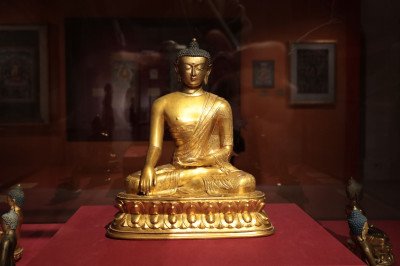
@@The Spiritual Core: Chowddo Devotar Mandir, specifically referring to the sacred abode of the fourteen deities, is a landmark that defines the religious landscape of Tripura. While the primary temple is in Old Agartala, the term often encompasses the broader worship tradition that originated in the ancient capital of Udaipur before moving to its current location. This temple is dedicated to the 14 Gods and Goddesses who are considered the guardians of the state and the royal dynasty. The worship here is unique as it follows an ancient tantric and tribal tradition that predates modern Hindu practices in the region. The temple serves as the epicenter of the Kharchi Puja, a ritual that emphasizes the purification of the earth and the people. During this time, the entire area transforms into a massive pilgrimage site, attracting devotees from across the country. The architecture of the temple, with its distinct dome and stupa-like structure, reflects the indigenous Tripuri style, which is modeled after the traditional thatched-roof huts of the local villages. This design choice highlights the deep connection between the divine and the everyday life of the common man. Inside, the brass heads of the deities are treated with the utmost reverence, symbolizing the formless nature of the supreme power. The temple grounds are spacious, allowing for large gatherings and quiet contemplation alike. The history of this mandir is inextricably linked with the Manikya kings, who believed that their power was a gift from these fourteen deities. Today, the temple continues to be a symbol of unity, where people of all castes and tribes come together to seek blessings. The spiritual energy of the Chowddo Devotar Mandir is palpable, offering a sense of peace and protection to all who enter its sacred gates. It is a place where history, myth, and faith converge to create a truly unique cultural experience.
Card image cap
Gomati Tea Estate

@@Regional Tea History: While detailed information on a 'Gomati Tea Estate' specifically near Melaghar is limited (as Goomtee Tea Estate is famous in ...
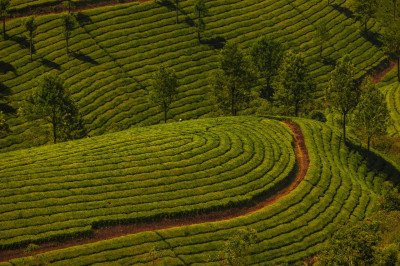
@@Regional Tea History: While detailed information on a 'Gomati Tea Estate' specifically near Melaghar is limited (as Goomtee Tea Estate is famous in Darjeeling), Tripura does have a significant tea cultivation history, especially in the Udaipur and surrounding areas of the Gomati and Sepahijala districts. The tea industry was introduced to Tripura during the British era and later expanded under the Manikya kings. Tea estates in the region, including any smaller ones near Melaghar, contribute significantly to the local economy and landscape. They are a symbol of the state's agricultural heritage.@@Scenic Landscape: The tea estates near Melaghar and Udaipur are known for their picturesque, rolling hills covered in lush green tea bushes, providing a serene and scenic environment. These estates offer a complete contrast to the historical sites and wetlands of the area, making them a popular destination for nature lovers and those seeking tranquility. The cool breeze and the organized plantation rows offer a very different aesthetic.@@Local Employment and Culture: The estates are often home to a community of tea workers. A visit offers a chance to observe the traditional methods of tea cultivation, plucking, and processing, which are often passed down through generations. This provides insight into the local agricultural and labor culture of Tripura.
Card image cap
Green Island

@@The Aquatic Jewel: Green Island is a picturesque and tranquil destination situated in the middle of the expansive Rudrasagar Lake in Melaghar. Known...
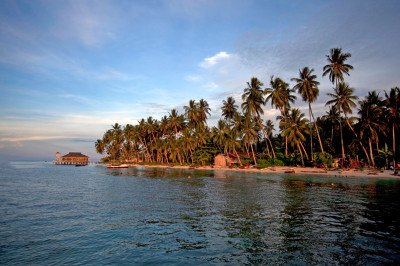
@@The Aquatic Jewel: Green Island is a picturesque and tranquil destination situated in the middle of the expansive Rudrasagar Lake in Melaghar. Known for its lush vegetation and serene environment, this island offers a stark contrast to the nearby majestic Neermahal Palace. While the palace represents royal grandeur, Green Island represents the raw, unadulterated beauty of Tripura’s wetlands. The island is accessible only by boat, and the journey across the calm waters of the lake is an experience in itself. As you approach the island, the vibrant shades of green from the trees and shrubs create a soothing visual palette that justifies its name. The island has been developed as an eco-friendly park, featuring walking paths, seating areas, and vantage points that provide stunning views of the lake and the palace from a distance. It is a paradise for birdwatchers, as the surrounding waters attract a variety of migratory and local avian species, especially during the winter months. The island provides a perfect setting for nature photography, with the reflection of the sky on the water and the silhouette of Neermahal providing a dramatic backdrop. For visitors, Green Island serves as a quiet retreat where one can enjoy the cool lake breeze and the sounds of nature away from the crowds. It is an ideal spot for couples and families to spend quality time together. The management of the island emphasizes environmental preservation, ensuring that the delicate ecosystem of Rudrasagar Lake is protected. The island also plays a role during the Neermahal Water Festival, serving as a landmark for boat races and cultural celebrations. Its location in the heart of the lake makes it a unique geographical feature in Tripura, offering a 360-degree view of the surrounding landscape. Green Island is a testament to the natural beauty that thrives in Melaghar, making it a must-visit for anyone exploring the Rudrasagar circuit.
Card image cap
Jampuijala Tribal Museum

@@The Repository of Heritage: The Jampuijala Tribal Museum is a significant cultural institution located in the Jampuijala block of the Sepahijala dis...

@@The Repository of Heritage: The Jampuijala Tribal Museum is a significant cultural institution located in the Jampuijala block of the Sepahijala district, dedicated to preserving and showcasing the rich heritage of Tripura's indigenous tribes. Tripura is home to 19 different tribal communities, each with its own unique language, customs, dress, and art forms, and this museum serves as a comprehensive window into their world. The museum houses an extensive collection of artifacts, including traditional costumes, intricate jewelry made of beads and coins, ancient weapons used for hunting and defense, and a variety of musical instruments that are central to tribal festivities. One of the highlights of the museum is its display of traditional agricultural tools and household items, which provide insight into the sustainable and nature-centric lifestyle of the tribes. The museum also features life-sized dioramas that recreate scenes from daily tribal life, such as weaving on a loin loom, traditional cooking methods, and community dances. These displays help bridge the gap between the past and the present, ensuring that the younger generation and outsiders appreciate the depth of tribal culture. The museum is not just a storage space for objects but a living center for cultural education, often hosting workshops and demonstrations by local artisans. The building itself is designed with tribal motifs, reflecting the architectural aesthetics of the region. For researchers and history buffs, the museum offers a wealth of information on the social structures, religious beliefs, and folklore of communities like the Tripuris, Reangs, and Jamatias. A visit to the Jampuijala Tribal Museum is a journey through the soul of Tripura, offering a profound understanding of the people who have shaped the state's identity over millennia. It is a place of pride for the local community and an eye-opening experience for tourists, emphasizing the importance of cultural diversity and the need to protect endangered traditions in a rapidly modernizing world.
Card image cap
Kali Temple

@@The Sanctuary of the Divine Mother: The Kali Temple in Melaghar, popularly known as the Veeramma Kali Mandir, is a relatively new but incredibly pow...

@@The Sanctuary of the Divine Mother: The Kali Temple in Melaghar, popularly known as the Veeramma Kali Mandir, is a relatively new but incredibly powerful spiritual landmark that has quickly become a major pilgrimage site in Tripura. Founded by Shri Thirumeni Veeramani, a spiritual leader from Tamil Nadu, the temple represents a unique and harmonious blend of South Indian and North-Eastern spiritual traditions. The temple is dedicated to Maa Veeramma Kali, who is worshiped as a unified form of the major goddesses—Durga, Lakshmi, Saraswati, and Kali. This 18-armed (Ashtadasa Bhuja) manifestation of the Divine Mother is believed to be a "Jagrat Devi" (a living goddess) who actively listens to the prayers of her devotees. The foundation of the temple is particularly sacred, as it was built with soil brought from an ancient Kali temple in Shivaganga, Tamil Nadu, creating a literal and spiritual bridge between the two regions. The temple complex is a hub of activity, especially on Tuesdays, Fridays, and New Moon days (Amavasya), when special pujas and rituals are performed. The atmosphere is charged with devotion, as hundreds of people gather to offer ghee lamps and participate in the "Annadanam" (food distribution) organized by the temple trust. The temple's mission extends beyond religion, focusing on spiritual healing, meditation, and community service. The serene environment, coupled with the vibrant iconography of the deities, provides a space for deep introspection and peace. For many, the temple is a place of miracles, where people come to find solutions to their personal and spiritual problems through the guidance of the founder. The presence of this temple has added a new dimension to Melaghar's tourism, attracting people from all over India who are drawn to its unique energy and the powerful presence of Maa Kali. It stands as a symbol of universal motherhood and the timeless power of faith to unite different cultures and traditions under one roof.
Card image cap
Kalyanpur River View Point

The Kalyanpur River View Point is a breathtaking natural retreat situated along the banks of the Khowai River in the West Tripura district. This dest...

The Kalyanpur River View Point is a breathtaking natural retreat situated along the banks of the Khowai River in the West Tripura district. This destination offers a peaceful escape from the hustle and bustle of urban life, providing visitors with a panoramic view of the winding river and the lush greenery that surrounds it. The site is characterized by its tranquil atmosphere, making it a favorite spot for locals and tourists who seek a moment of reflection amidst nature. The gentle flow of the river against the backdrop of the rolling hills creates a picturesque setting that changes its hue with the shifting light of the day. Visitors often find themselves mesmerized by the rhythmic sound of the water and the cool breeze that sweeps across the banks. The area is well-maintained with seating arrangements and pathways that allow for a comfortable exploration of the riverside. It serves as an ideal spot for family picnics, where children can run around in the open spaces while adults enjoy the scenic beauty. The view point is not just a place for sightseeing but a sanctuary where one can reconnect with the environment. The surrounding vegetation is home to various local bird species, adding a melodic layer to the quietude of the place. During the monsoon, the river swells and presents a more dramatic and powerful view, while in the winter, the water remains calm and crystal clear. The sunset at this point is particularly famous, as the sky turns into a canvas of orange and purple, reflecting beautifully on the water's surface. It is a place that captures the essence of Tripura's rural charm and natural wealth, offering a soul-soothing experience for every traveler.
Card image cap
Laxmilunga Tea Garden

Laxmilunga Tea Garden is one of the most scenic and well-maintained tea estates in Tripura, representing the state's rich heritage in tea cultivation...

Laxmilunga Tea Garden is one of the most scenic and well-maintained tea estates in Tripura, representing the state's rich heritage in tea cultivation. As you enter the garden, you are greeted by endless rows of neatly pruned tea bushes that cover the undulating slopes like a lush green carpet. The air here is noticeably cooler and filled with the faint, refreshing aroma of young tea leaves. This estate is not just a site for industrial production but has become a significant eco-tourism destination where visitors can witness the intricate process of tea making. The garden's layout is a testament to careful planning, with shaded trees planted at regular intervals to protect the delicate tea plants from direct sunlight. Walking through the narrow paths between the bushes provides a sensory experience that is both calming and invigorating. You can often see local workers, mostly women, dressed in colorful attire with baskets strapped to their backs, skillfully plucking "two leaves and a bud." Their rhythmic work adds a human element to the vast natural landscape. The estate also features a colonial-style bungalow and a processing unit where the plucked leaves are withered, rolled, and fermented. For many, a visit to Laxmilunga is an educational journey into the world of tea, from the soil to the cup. The history of the garden dates back to the era of the Manikya kings, who encouraged tea plantation to boost the local economy. Today, it stands as a symbol of sustainability and tradition. The surrounding forest area adds to the biodiversity, making it a spot where one might encounter local wildlife and various bird species. The tranquility of the garden makes it a perfect place for those looking to escape the noisy city life. Whether you are a tea connoisseur or a nature lover, the garden offers a refreshing perspective on Tripura’s agricultural beauty.
Card image cap
Melaghar Boat Festival Area

The Melaghar Boat Festival Area is the cultural heart of the town, specifically known for hosting the spectacular annual boat races on the vast Rudra...
The Melaghar Boat Festival Area is the cultural heart of the town, specifically known for hosting the spectacular annual boat races on the vast Rudrasagar Lake. This area is more than just a geographic location; it is a symbol of the community's bond with the water and their ancestral traditions. Every year, the banks of the lake are transformed into a massive arena where thousands of spectators gather to cheer for their favorite teams. The boat race, locally known as "Nouka Baich," involves long, narrow wooden boats, some of which can accommodate over 40 rowers. The energy during the festival is electric, with the rhythmic splashing of oars and the synchronized chants of the oarsmen echoing across the water. The festival area is equipped with permanent pavilions and temporary stalls that sell local snacks and handicrafts, creating a fair-like atmosphere. Beyond the racing season, the area serves as a tranquil spot for evening walks, where one can watch the sunset over the palace of Neermahal. The local fishing community also uses this area for their daily activities, offering a glimpse into the traditional lifestyle of the region. The history of the boat race dates back several decades and is supported by the state government to promote tourism and preserve local culture. The area is also a significant spot for migratory birds during the winter, making it a dual-purpose destination for sports fans and nature enthusiasts alike. The open-air theater nearby often hosts folk performances that tell stories of the land and its people. For a visitor, standing at the jetty point and looking out at the vast expanse of the lake provides a sense of the scale and beauty of Tripura's natural landscape. It is a place where history, sport, and nature converge in a colorful display.
Card image cap
Melaghar Market

@@The Pulse of the Town: Melaghar Market (or Bazaar) is the bustling commercial and social heart of the town, serving as the primary marketplace for t...
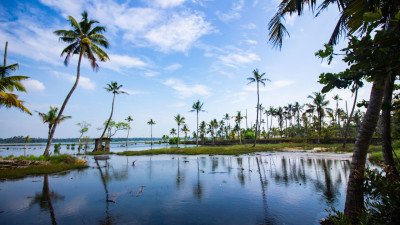
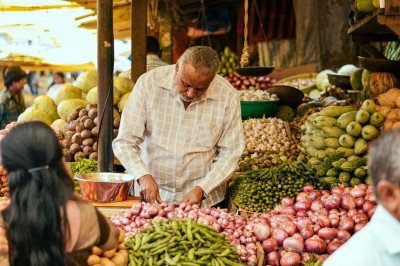
@@The Pulse of the Town: Melaghar Market (or Bazaar) is the bustling commercial and social heart of the town, serving as the primary marketplace for the surrounding villages and the local community. It is a vibrant, chaotic, and authentic representation of the daily life of Melaghar. The market is the central point for buying and selling everything from fresh produce (vegetables, fish, rice) and groceries to household items, textiles, and local handicrafts. The market is not a historical site but a living, dynamic cultural experience.@@Economic and Social Hub: The market is a key economic hub, providing livelihoods for numerous local vendors, farmers, and fisherfolk. It operates as both a wholesale and retail center. Socially, it's a major meeting place where local news and gossip are exchanged. The diverse range of local commodities, especially the fresh fish from nearby lakes (Rudrasagar) and rivers, makes it a unique shopping experience.@@Authentic Local Experience: Unlike tourist-focused shops, the Melaghar Market offers an unvarnished glimpse into the local consumer culture, the pricing of basic commodities, and the traditional methods of selling and bargaining. The atmosphere is loud, colorful, and highly energetic, making it an excellent stop for cultural anthropologists and experience-seekers. The market hours are typically extended to accommodate the local populace.
Card image cap
Nabinagar Lake

Nabinagar Lake is a serene and relatively lesser-known water body located on the outskirts of Melaghar. Unlike the more famous Rudrasagar, Nabinagar ...

Nabinagar Lake is a serene and relatively lesser-known water body located on the outskirts of Melaghar. Unlike the more famous Rudrasagar, Nabinagar Lake offers a more intimate and quiet experience, making it a favorite for those who prefer solitude and a closer connection with nature. The lake is surrounded by small hillocks and dense tropical vegetation, which creates a natural barrier against the noise of the town. The water is remarkably still, acting like a giant mirror that reflects the clear blue sky and the surrounding greenery. This lake is primarily used by local villagers for small-scale fishing and domestic purposes, preserving its authentic rural character. There are no large commercial establishments around the lake, which has helped in maintaining its pristine condition. A walk around the perimeter of the lake reveals a variety of local wild flowers and small fruit-bearing trees. During the early morning hours, the lake is often covered in a thin veil of mist, giving it a mystical and ethereal appearance. It is an excellent spot for amateur birdwatchers, as many local species like egrets and pond herons can be seen stalking fish in the shallows. The area around the lake is also home to traditional Tripuri huts, providing visitors with a glimpse into the local way of life. The silence of the place is only broken by the occasional splash of a fish or the call of a distant bird. For those who enjoy outdoor activities, the gentle slopes around the lake are perfect for a short trek or a quiet afternoon of sketching and painting. The local community is very protective of the lake's environment, ensuring that it remains free of pollution. A visit to Nabinagar Lake is a reminder of the simple, unhurried beauty of the Tripura countryside. It is a place to slow down, breathe fresh air, and appreciate the subtle wonders of the natural world.
Card image cap
Neermahal Local Jetty Point

The Neermahal Local Jetty Point, situated at Rajghat, is the primary embarkation point for every traveler wishing to visit the iconic Neermahal Water...

The Neermahal Local Jetty Point, situated at Rajghat, is the primary embarkation point for every traveler wishing to visit the iconic Neermahal Water Palace. This jetty serves as the vital link between the mainland of Melaghar and the architectural marvel sitting in the middle of Rudrasagar Lake. The atmosphere at the jetty is always buzzing with activity, as motorboats and traditional hand-paddled boats line up to ferry tourists across the shimmering water. The view from the jetty is one of the most iconic in Tripura, with the red-and-white domes of Neermahal visible in the distance, framed by the vastness of the lake. The jetty area has been recently renovated to include a beautiful park, a ticketing counter, and a small museum that provides historical context about the Manikya dynasty. For many visitors, the journey starts here with a sense of anticipation as they wait for their boat to fill up. The local boatmen, many of whom come from families that have served the lake for generations, are often happy to share stories and legends associated with the "Water Palace." The area around the jetty is also a hub for local commerce, with vendors selling everything from traditional Tripuri hats to local snacks like "Bel Ka Sharbat." During the evening, the jetty is illuminated with decorative lights, making it a popular spot for locals to gather and enjoy the cool lake breeze. It is also the site where the annual Neermahal festival kicks off, with cultural troupes performing on floating stages nearby. The jetty provides essential facilities like clean waiting areas and drinking water, ensuring a comfortable start to the royal tour. Observing the sunset from this point is a spiritual experience, as the palace in the distance becomes a silhouette against a golden sky. It represents the perfect blend of modern tourism infrastructure and the timeless beauty of Tripura's royal heritage.
Card image cap
Neermahal Water Festival Site

The Neermahal Water Festival Site is the vibrant gateway to India's largest water palace. Situated on the banks of Rudrasagar Lake, this site serves ...

The Neermahal Water Festival Site is the vibrant gateway to India's largest water palace. Situated on the banks of Rudrasagar Lake, this site serves as the primary boarding point for boats heading to the palace. It is most famous for hosting the annual Neermahal Water Festival, a grand three-day event that draws thousands of tourists. The area is bustling with local vendors, boatmen, and cultural activity. During the festival, the entire bank is illuminated, reflecting the rich heritage of the Manikya Dynasty. It offers a panoramic view of the palace sitting amidst the vast water body. The site is not just a transit point but a cultural landmark where the local fishing community and tourists interact. The vastness of the lake combined with the historical backdrop makes it a unique recreational zone. Visitors can witness the traditional lifestyle of the local people while preparing for their aquatic journey. The site plays a crucial role in the tourism economy of Melaghar. It is a place where history meets modern-day festivities in a seamless blend.
Card image cap
Neermahal Water Palace

@@Historical Significance: The Neermahal Water Palace is a stunning former royal palace built by Maharaja Bir Bikram Kishore Manikya Bahadur of the Ma...

@@Historical Significance: The Neermahal Water Palace is a stunning former royal palace built by Maharaja Bir Bikram Kishore Manikya Bahadur of the Manikya Dynasty between 1930 and 1938. It served as the summer residence for the royal family, offering a tranquil escape from the summer heat and a location for royal entertainment. The construction was commissioned to the British firm Martin and Burns and its completion took about nine years. It stands as a profound testament to the artistic vision and cosmopolitan tastes of the last ruling king of Tripura.@@Architectural Marvel: It's the largest water palace in India and the only one of its kind in Eastern India, significantly larger than the famous Jal Mahal in Rajasthan. The palace's location in the middle of Rudrasagar Lake gives it a magical, floating appearance. The name Neermahal literally translates to "Water Palace" (Neer meaning water, Mahal meaning palace). The surrounding lake also holds immense ecological importance. The palace is a beautiful fusion of Hindu and Mughal architectural styles, a common trait in the region's royal buildings. The use of red sandstone and white marble contributes to its magnificent appearance. The palace is divided into two distinct sections: the Andar Mahal for the royal women, and the eastern side which housed an open-air theatre for cultural events. Its sheer scale and unique setting make it a paramount symbol of Tripura's history and tourism. The palace, with its 24 rooms, still echoes the grandeur of a bygone era.
Card image cap
Old Agartala Kali Bari

The Old Agartala Kali Bari is a site of immense spiritual and historical importance, located in the former capital of the state. Before Agartala beca...

The Old Agartala Kali Bari is a site of immense spiritual and historical importance, located in the former capital of the state. Before Agartala became the capital, this region was the heart of the Tripura Kingdom. The temple is dedicated to Goddess Kali, the fierce protector. It is situated adjacent to the famous Chaturdasha Devta Temple. The atmosphere here is deeply meditative and traditional. Devotees visit this shrine to seek blessings for protection and prosperity. The site is a reminder of the transition of the royal seat from Old Agartala to the present-day city. The rituals performed here follow ancient tantric and Vedic traditions. During Diwali, the temple is decorated with thousands of oil lamps, creating a divine spectacle. It serves as a bridge between the tribal roots of Tripura and its Hindu influences. The temple complex is surrounded by ancient trees and smaller shrines. It is a must-visit for those interested in the religious evolution of the region.
Card image cap
Pagli Masi Temple

@@History and Origin: The Pagli Masi Temple is a unique and prominent shrine in Melaghar dedicated to a highly revered spiritual person or saintly fig...

@@History and Origin: The Pagli Masi Temple is a unique and prominent shrine in Melaghar dedicated to a highly revered spiritual person or saintly figure known locally as 'Pagli Masi' (which translates to 'Mad Aunt' or 'Crazy Aunt' in Bengali, used as a term of endearment and respect). Pagli Masi was a beloved figure who was worshipped by devotees in Tripura for her spiritual guidance and benevolence. The temple was built to commemorate her and continue her spiritual work after her passing in June 2021. She was known for her simple, unconventional appearance and profound wisdom.@@Cultural Importance: The shrine represents a deep local tradition of revering saintly individuals in a manner similar to a deity. The shrine is a living symbol of the community's connection to this spiritual personality. The temple and its surrounding premises serve as a local hub for devotion and community gathering. The passing of Pagli Masi was considered a major local event, with high-profile political figures paying their last tributes, signifying her profound impact on the local populace.@@Spiritual Beliefs: Devotees visit the temple to seek her blessings, believing her spiritual energy and grace still reside in the consecrated space. It is a place for offering silent prayers and finding peace, reflecting a faith rooted in the reverence of local spiritual masters rather than traditional mythological deities. The offerings here are often simple, reflecting the saint's own austere life.
Card image cap
Raima Waterfall

Raima Waterfall is one of the most scenic natural attractions in Tripura, located in the lush green hills of the Gandacherra sub-division. It is name...

Raima Waterfall is one of the most scenic natural attractions in Tripura, located in the lush green hills of the Gandacherra sub-division. It is named after the Raima river, which flows through this hilly terrain. The waterfall is relatively untouched by mass tourism, making it a perfect spot for nature lovers. The water cascades down from a significant height into a rocky pool below. The surrounding area is covered in thick tropical forests, home to various bird species. The sound of the falling water combined with the chirping of birds creates a serene environment. It is a popular spot for locals during the picnic season. The journey to the waterfall involves traveling through winding hill roads with beautiful vistas. The site is close to the massive Dumboor Lake, allowing tourists to combine both in one trip. It is a place that highlights the raw, natural beauty of the North East.
Card image cap
Rangamati Park

Rangamati Park is a beautifully landscaped recreational area in the historic town of Udaipur. The town was the original capital of Tripura and was kn...

Rangamati Park is a beautifully landscaped recreational area in the historic town of Udaipur. The town was the original capital of Tripura and was known as Rangamati due to its red soil. The park is designed to offer a blend of natural beauty and modern leisure facilities. It features wide walking tracks, flower gardens, and play areas for children. It is situated near the banks of the Gomati river, providing a cool breeze throughout the day. The park serves as a social hub where families gather in the evenings. It is a testament to the urban planning that respects the green heritage of the region. The park is particularly beautiful during the spring when the seasonal flowers are in full bloom. It provides a peaceful escape from the hustle of the market areas. For tourists, it serves as a perfect resting spot between visits to the many temples of Udaipur.
Card image cap
Rudrasagar Lake

@@Ecological Importance: Rudrasagar Lake is a natural sedimentation reservoir and a significant wetland located in the Melaghar block. It was designat...

@@Ecological Importance: Rudrasagar Lake is a natural sedimentation reservoir and a significant wetland located in the Melaghar block. It was designated a Ramsar Site (Wetland of International Importance) in 2005 for its rich biodiversity, especially its role as a winter habitat for a large number of waterfowl. The lake, with a geographical area of approximately 5.3 sq KM, receives flow from three perennial streams: Noacherra, Durlavnaraya cherra, and Kemtali cherra. It is a major component of the local ecosystem.@@Historical Landscape: The lake is inextricably linked to the Neermahal Water Palace, which stands majestically at its center. The lake was developed as a man-made water body in the 20th century under the patronage of Maharaja Bir Bikram Kishore Manikya Bahadur. The palace's construction enhanced the lake's cultural and historical significance, making it a prominent landmark of Tripura. The water body and the surrounding area are a vital part of the regional heritage.@@Hydrological Features: The lake water is relatively fresh, with an average depth varying from 2 to 9 meters. The lake bed is primarily formed by silt deposition. The hydrological balance is maintained by the input from the streams and the clear water discharge into the Gomati River through the Kachigang channel. The area is known for its high annual rainfall, spread over the monsoon months, which can lead to four to five flood peaks, demonstrating its function as a natural reservoir. This ecological function supports diverse flora and fauna.
Card image cap
Sagar Mahal Tourist Lodge

Sagar Mahal Tourist Lodge is the premier accommodation and viewpoint for tourists visiting the Neermahal Palace. Managed by the Tripura Tourism Devel...

Sagar Mahal Tourist Lodge is the premier accommodation and viewpoint for tourists visiting the Neermahal Palace. Managed by the Tripura Tourism Development Corporation, it is more than just a hotel; it is a part of the Neermahal experience. The lodge is perched right on the edge of the lake, offering an uninterrupted view of the palace across the water. It serves as the primary hub for travelers who want to stay overnight and witness the palace at different times of the day. The architecture of the lodge is designed to harmonize with the surroundings. It has a spacious dining hall that serves traditional Tripuri and Bengali cuisine. Even for non-residents, the lodge is a popular spot to have a meal while waiting for a boat. The gardens of the lodge are well-manicured and provide a perfect foreground for the lake view. Staying here allows you to see the palace illuminated at night, which is a rare and beautiful sight. It is the best place to experience the hospitality of Tripura.
Card image cap
Surjoy Dey Bakery

Surjoy Dey Bakery is a legendary culinary landmark in Melaghar. Established decades ago, it has become synonymous with fresh, high-quality baked good...
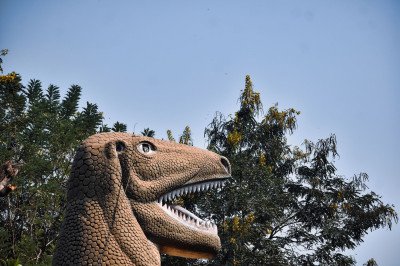
Surjoy Dey Bakery is a legendary culinary landmark in Melaghar. Established decades ago, it has become synonymous with fresh, high-quality baked goods that serve the entire community of West Tripura. This bakery is not just a shop but a social hub where locals gather for their morning bread and evening treats. The aroma of freshly baked biscuits and cakes wafts through the Main Road, drawing in travelers heading towards Neermahal. They specialize in traditional Indian bakery items like milk bread, fruit rusk, and a variety of colorful cream cakes. The bakery has adapted to modern tastes by introducing customized birthday cakes and decorative pastries while maintaining the secret recipes that made them famous. For many visitors, a trip to Melaghar is incomplete without packing a box of their signature dry biscuits. The staff is known for their friendly demeanor, often sharing stories of the town's history with curious tourists. Despite the rise of modern cafes, Surjoy Dey Bakery remains the gold standard for authenticity in the region. It operates with a focus on hygiene and traditional baking methods, ensuring every bite carries the nostalgic flavor of Tripura’s heritage. Whether you are looking for a quick snack or a grand celebration cake, this establishment provides a taste of local life that is both delicious and deeply rooted in the town's culture.
Card image cap
Tepania Eco Park

Tepania Eco Park is a sprawling sanctuary of biodiversity located in the Gomati district, serving as a vital green lung for the region. Spanning over...

Tepania Eco Park is a sprawling sanctuary of biodiversity located in the Gomati district, serving as a vital green lung for the region. Spanning over 155 Hectares, it was established in 1995 within the Radhakishorepur Reserve Forest. The park is a masterpiece of eco-tourism, designed to provide a serene escape into the wild without disturbing the natural habitat. It is famous for its extensive collection of orchids and cacti, housed in specialized conservatories that are among the best in Northeast India. The park features a unique Tree House where visitors can stay overnight, offering a literal bird's-eye view of the forest canopy. The air here is noticeably cooler and fresher, filled with the sounds of indigenous birds and the rustle of teak and sal trees. For families, the park offers well-manicured picnic spots and safe walking trails that wind through the dense foliage. It serves an educational purpose as well, with many plants labeled for botanical interest. The wooden bridges and watchtowers provide excellent vantage points to spot local wildlife like squirrels and rare butterflies. Whether you are a nature enthusiast, a botany student, or just a traveler seeking peace, Tepania Eco Park offers a comprehensive environmental experience that highlights the natural wealth of Tripura.
Card image cap
Thum Hatai Viewpoint

Thum Hatai Viewpoint is one of the most scenic spots near Melaghar, offering a breathtaking panoramic view of the undulating hills and lush valleys o...

Thum Hatai Viewpoint is one of the most scenic spots near Melaghar, offering a breathtaking panoramic view of the undulating hills and lush valleys of West Tripura. Located in the Jatrapur area, this viewpoint is a favorite among locals for witnessing the sunrise and sunset. The name 'Thum Hatai' is derived from the local Kokborok language, reflecting the indigenous roots of the land. The viewpoint sits on a high ridge, allowing visitors to see the winding roads and small tribal hamlets dotted across the landscape. On a clear day, the silver glint of distant water bodies like Rudrasagar can be spotted. The area is characterized by its tranquility, far away from the hustle of the main town. It has recently gained popularity as a spot for 'slow tourism,' where people come just to sit and breathe in the fresh mountain air. The surrounding slopes are often covered in seasonal wild flowers, adding a splash of color to the verdant background. It is also a gateway to understanding the rural life of Tripura, as many farmers can be seen tending to their terrace crops in the valleys below. The journey to the viewpoint itself is an adventure, featuring sharp bends and scenic stretches of forest road that make it a hit with motorcycle enthusiasts.
Card image cap
Tripura University Campus

Tripura University, the premier institution of higher learning in the state, is spread across a sprawling 75-acre lush green campus. While it is loca...

Tripura University, the premier institution of higher learning in the state, is spread across a sprawling 75-acre lush green campus. While it is located closer to Agartala, it is a significant destination for visitors from Melaghar due to its architectural and academic importance. Established in 1987, the university has grown into a hub of cultural and intellectual activity. The campus is known for its undulating topography, where modern academic blocks are integrated seamlessly with the natural hilly terrain. It houses various departments, a massive central library, and state-of-the-art research facilities. Walking through the campus, one can see students from across the Northeast, creating a vibrant, multicultural atmosphere. The university is particularly noted for its focus on tribal languages and regional history, often hosting seminars that attract international scholars. The campus also features beautiful gardens, ponds, and wooded areas that make it feel like a botanical park. For a tourist, the campus offers a glimpse into the future of Tripura and a quiet place for a long evening stroll. The administrative building, with its grand facade, is a symbol of the state's progress in education. It is a "Zero-Plastic" zone, reflecting the university's commitment to environmental sustainability.
Card image cap
Veeramma Kali Mandir

@@History and Founding: The Veeramma Kali Mandir is a relatively new but highly revered temple in Melaghar, founded by Shri Thirumeni Veeramani, a spi...

@@History and Founding: The Veeramma Kali Mandir is a relatively new but highly revered temple in Melaghar, founded by Shri Thirumeni Veeramani, a spiritual leader from Tamil Nadu. He initially came to Tripura for the seismic retrofitting project of the Neermahal palace. Guided by a divine calling in 2015, he laid the foundation of this unique sanctuary dedicated to Maa Veeramaa Kali. The temple’s foundation is believed to have been built with sacred soil from an ancient Kali Temple in Shivaganga, Tamil Nadu. This blend of North-Eastern and South Indian spiritual traditions is a key aspect of its heritage.@@The Supreme Deity: The temple is dedicated to Sri Veeramaa Kali, who is considered a divine union and a unified expression of the major Goddesses: Durga, Lakshmi, Saraswathi, and Kali. She is revered as Ashtadasa Bhuja Mahalakshmi Durga Saraswathi Kali (the 18-armed form), representing the ultimate unmanifest reality and encompassing 32 divine forms. Her sacred role is seen as a liberator who removes obstacles and clears the path for transformation and spiritual evolution, mirroring the cosmic dance with Shiva.@@Spiritual Importance: The temple has quickly gained immense spiritual significance, with many devotees believing Maa Veeramma Kali is a 'Jagrat Devi' (Awakened Goddess). It is a hub for spiritual service, hosting regular pujas, annadanam (food distribution), and guided meditation sessions, attracting seekers from across the region. Devotees offer ghee lamps and wish for the fulfillment of their desires.
Card image cap
Veeramma Kali Temple

The Veeramma Kali Temple is a unique spiritual sanctuary in Melaghar that bridges the cultural gap between South India and the Northeast. Founded by ...

The Veeramma Kali Temple is a unique spiritual sanctuary in Melaghar that bridges the cultural gap between South India and the Northeast. Founded by Shri Thirumeni Veeramani, a visionary from Tamil Nadu, the temple was born from a divine vision in 2015. The temple is dedicated to Maa Veeramma Kali, an intense form of the Goddess who is believed to be the unified expression of Durga, Lakshmi, and Saraswati. What makes this temple extraordinary is its foundation, which contains sacred soil brought from an ancient temple in Shivaganga, Tamil Nadu. The temple has quickly become a major pilgrimage site, known for its powerful spiritual energy and the practice of Amavasya (New Moon) rituals. Unlike many local temples, the rituals here follow strict South Indian Agamic traditions, including elaborate Abhishekams and the chanting of specific mantras. The temple complex is vibrant, filled with colorful sculptures that depict various deities from the Hindu pantheon. It serves as a hub for social service, regularly organizing Annadanam (free food distribution) for the needy. Devotees believe that the Goddess here is 'Jagrat' (awake and responsive), and many visit to seek protection and the removal of life's obstacles. The atmosphere is one of deep devotion, especially during the evening Aarti when the sound of drums and bells fills the air, creating a trance-like experience for the faithful.
Show All

Note:-

Information provided here in good Faith and for reference only.

All information and pictures will be updated soon, please keep visiting.

Near Places
...
Boxanagar

Some quick example text to build on the card title and make up the bulk of the card's content.

Go somewhere
...
Kailasahar

Some quick example text to build on the card title and make up the bulk of the card's content.

Go somewhere
...
Udaipur, Tripura

Some quick example text to build on the card title and make up the bulk of the card's content.

Go somewhere
in Other Cities
