...

Place To Visit And Things To Do In NIZAMABAD

Telangana, India
History of Nizamabad: Nizamabad was originally known as Indur and has been a significant hub since the 10th century. It flourished under the Rashtrakutas, Chalukyas, and eventually the Nizams of Hyderabad, who gave the city its current name. The region serves as a bridge between the Deccan plateau a nd the northern plains. Cultural Heritage: The culture here is a vibrant mix of Hindu and Muslim traditions, reflected in its food and language. Local festivals like Bonalu and Ramzan are celebrated with equal fervor by the residents. Natural Attractions: The city is surrounded by massive water bodies like Sriram Sagar and Ali Sagar, providing a lush green environment. These sites offer a peaceful retreat from the urban hustle. Economic Significance: Nizamabad is a major agricultural center, particularly famous for its Turmeric and Paddy production. The local economy is deeply rooted in the fertile lands nourished by the Godavari river.

Things To Do

Card image cap
Ali Sagar Reservoir

The Ali Sagar Reservoir is a major tourist and picnic spot developed by the Nizams of Hyderabad in 1931. It was originally constructed as a lift irrig...
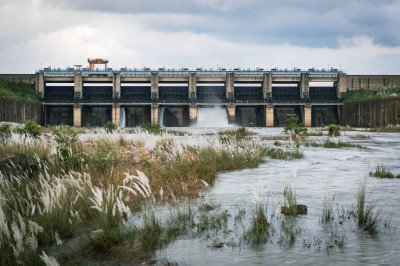
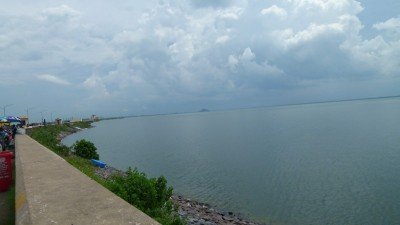
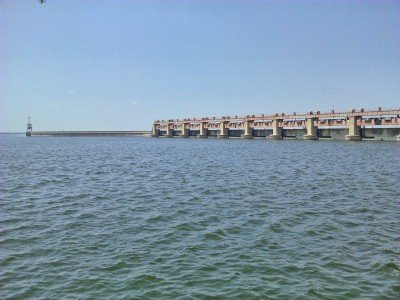
The Ali Sagar Reservoir is a major tourist and picnic spot developed by the Nizams of Hyderabad in 1931. It was originally constructed as a lift irrigation project, drawing water from the backwaters of the Pochampadu Dam. The main attraction is the sprawling 33-acre garden complex adjacent to the reservoir, which offers a perfect blend of natural beauty and recreational facilities, making it highly popular among families and nature lovers. The lush greenery, meticulously maintained flower beds, and tranquil atmosphere provide a welcome escape from the city hustle. The reservoir's vast water body creates a beautiful backdrop, especially during sunrise and sunset. The garden features a popular Deer Park and a tree house, appealing greatly to children. Furthermore, the authorities have introduced boating facilities on the lake, significantly enhancing the visitor experience. It remains a prime example of historical engineering combined with modern recreational development in the region. The place is often frequented on weekends and public holidays by locals seeking relaxation and fun. The irrigation department currently manages the site, ensuring its beauty and utility are preserved for future generations, thereby maintaining its status as a vital recreational and historical asset in Nizamabad District. :
Card image cap
Andaman Nicobar Iland

This unique park in Nizamabad is inspired by the island beauty of Andaman and Nicobar, offering locals a peaceful retreat from the urban bustle. It f...
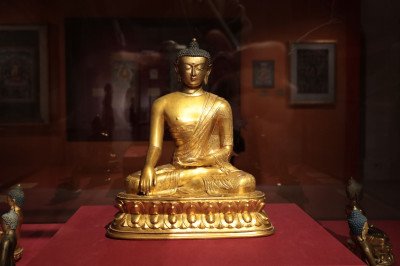
This unique park in Nizamabad is inspired by the island beauty of Andaman and Nicobar, offering locals a peaceful retreat from the urban bustle. It features beautifully manicured gardens, miniature replicas, and pathways that allow visitors to feel a sense of coastal serenity right in the heart of Telangana. The park serves as an educational and recreational hub where families gather to enjoy the greenery and learn about the diverse geography of India's island territories. With its lush plantations and calm atmosphere, it is one of the most popular evening spots for residents and tourists seeking a quiet walk or a picnic spot. The park's maintenance and the variety of flora make it a standout attraction in the Barkatpura area, reflecting the local administration's effort to create diverse recreational spaces for the public.
Card image cap
Archaeological & Heritage Museum

The Archaeological & Heritage Museum in Nizamabad serves as a vital repository of the region's rich history, inaugurated in October 2001 and housed in...

The Archaeological & Heritage Museum in Nizamabad serves as a vital repository of the region's rich history, inaugurated in October 2001 and housed in the historic Tilak Garden, originally developed by the VIIth Nizam, Mir Osman Ali Khan, in 1936. The museum is systematically divided into three main sections: the Archaeological Section, the Sculptural Gallery, and the Bronze and Decorative Gallery. The Archaeological section meticulously displays tools and artifacts spanning a vast period from the Paleolithic era (50,000 B.C.) to the late Stone Age, including Megalithic pottery and early historic materials of the Satavahana times. The museum also showcases an impressive collection of coins from various dynasties, such as the Satavahanas, Kakatiyas, Qutub Shahis, and a noteworthy hoard of Vijayanagara gold coins. It is a premier destination for history buffs and researchers, providing a comprehensive overview of the cultural and socio-economic evolution of the Deccan region. The curated displays and informative exhibits bring the ancient and medieval periods of the area to life, making it an invaluable educational resource for students and the general public alike, reinforcing its importance as a center for preserving the legacy of Nizamabad. :
Card image cap
Ashok Sagar

Ashok Sagar, formerly known as Jankampet Cheruvu, has been transformed into a highly attractive tourist destination and a successful eco-friendly proj...

Ashok Sagar, formerly known as Jankampet Cheruvu, has been transformed into a highly attractive tourist destination and a successful eco-friendly project, located just 7 KM from Nizamabad city. Its strategic location on the route to the famous Saraswathi Temple at Basar makes it a popular stopover for pilgrims and tourists alike. The reservoir is beautifully framed by natural, huge rock boulders that have been integrated into a meticulously landscaped rock garden, creating a unique aesthetic blend of nature and design. Central to the lake is a breathtaking 15-foot marble statue of Goddess Saraswathi, which is elegantly illuminated at night, offering a spectacular view. The complex boasts a range of modern recreational facilities, including excellent boating options with pedal and speed boats, a children's park, and a unique octagonal-shaped, three-tier restaurant on the water. The development, which began around 2001, successfully converted a previously swampy area into a clean, aesthetic, and crowd-pulling spot, making it a prominent example of local tourism development and winning it a feature in the official desk calendar of the Department of Tourism. The swinging bridge and winding paths through the rock garden further enhance the overall visitor experience. :
Card image cap
Bhimuni Gutta

Bhimuni Gutta is a site of both historical significance and natural beauty, situated near the town of Bodhan in the Nizamabad district. It is characte...

Bhimuni Gutta is a site of both historical significance and natural beauty, situated near the town of Bodhan in the Nizamabad district. It is characterized by its large, imposing rock formations and the ancient cave temple dedicated to a local deity. The name Bhimuni Gutta literally translates to 'Bheema's Hill', suggesting a mythological connection to Bhima, one of the Pandava brothers from the epic Mahabharata, who is believed by local legends to have sheltered here during their exile (Agnyathavasam). The site is essentially a cluster of massive rock boulders, which have formed natural caves and shelters. The natural setting, with its rugged terrain and quiet atmosphere, makes it a popular spot for devotees and nature enthusiasts. The natural caves are often used for meditation and religious activities, especially during local festivals. The walk up the hill and among the rocks offers panoramic views of the surrounding countryside, including the nearby Bodhan town and the extensive agricultural fields, making the location a compelling mix of folklore, spirituality, and geological interest, solidifying its place as a significant cultural and geographical landmark in the region. :
Card image cap
Boating Point

Located at the massive Sriram Sagar Project (Pochampad Dam), this boating point is a major attraction for water sports enthusiasts and nature lovers....

Located at the massive Sriram Sagar Project (Pochampad Dam), this boating point is a major attraction for water sports enthusiasts and nature lovers. The vast expanse of the Godavari river water provides a stunning backdrop for a variety of boating activities, ranging from slow pedal boats to thrilling speedboats. The area is surrounded by lush greenery and offers a panoramic view of the dam's massive gates and the shimmering reservoir. It is a vital spot for regional tourism, drawing crowds during the monsoon and winter seasons when the water levels are high and the weather is pleasant. The sunset views here are particularly famous, as the sky turns into a canvas of orange and purple over the deep blue waters, providing a perfect ending to a day trip from the city.
Card image cap
Court Circle Nizamabad

Court Circle is one of the most recognizable and centrally located landmarks in Nizamabad city. It is a major traffic intersection and a key point of ...
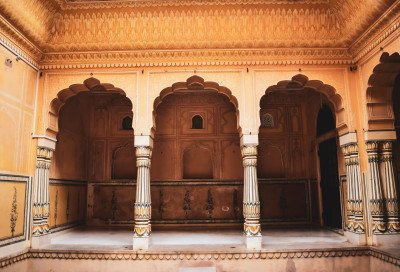
Court Circle is one of the most recognizable and centrally located landmarks in Nizamabad city. It is a major traffic intersection and a key point of public activity, symbolically representing the heart of the city's administrative and commercial life. The circle derives its name from the proximity to the District Court and other important government and judicial offices located in the surrounding Khaleelwadi area. It is more of a vibrant, living landmark than a traditional tourist site, functioning as a nexus for various social and commercial interactions. The circle itself features a central structure, often adorned with flags, lights, or a small monument, reflecting its importance as a civic space. Historically, this area would have been integral to the town planning under the Nizams, serving as a central point for governance and community gathering. Today, it is surrounded by important institutions like the Archaeological Museum (Tilak Garden), commercial establishments, and local markets. The constant flow of people, vehicles, and the presence of various civic functions make it an excellent spot to observe the daily rhythm and pulse of life in Nizamabad city, making it a crucial reference point for both locals and visitors navigating the city. :
Card image cap
Domkonda Fort

Domkonda Fort is a magnificent 18th-century structure that stands as a testament to the architectural brilliance and royal heritage of the Domkonda S...
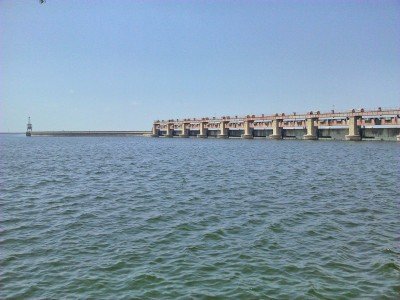
Domkonda Fort is a magnificent 18th-century structure that stands as a testament to the architectural brilliance and royal heritage of the Domkonda Samsthanam rulers. The fort is built on an elevated plain and is surrounded by a massive granite wall and a deep moat, showcasing the strategic defense mechanisms of the era. Inside the fort complex, visitors can find a beautiful two-story palace known as the Addhala Meda (Glass House), which features intricate woodwork and stucco designs. The fort also houses an ancient Shiva Temple built by the Kakatiya kings, blending different eras of history within a single compound. Today, it remains a private property of the royal descendants but is open to the public, offering a glimpse into the opulent lifestyle of the past territorial vassals of the region.
Card image cap
Gol Bangla Nizamsagar

The Gol Bangla is a historic guesthouse and viewing pavilion located near the Nizamsagar Dam, built during the reign of the Last Nizam of Hyderabad. ...
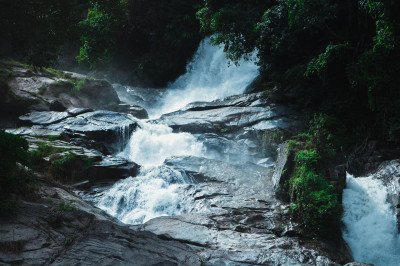
The Gol Bangla is a historic guesthouse and viewing pavilion located near the Nizamsagar Dam, built during the reign of the Last Nizam of Hyderabad. This circular structure was originally intended to serve as a royal retreat and a vantage point for the Nizam to oversee the construction and beauty of the dam project. The building is renowned for its unique circular architecture and the 360-degree views it offers of the surrounding reservoir and the lush gardens. It stands as a symbol of the engineering and architectural ambition of the early 20th century in the Deccan region. Visitors are often captivated by the cool breeze that flows through its arched windows and the historical significance of a place that once hosted the most powerful rulers of the state during their leisure visits.
Card image cap
Indalwai Mini Waterfalls

The Indalwai Mini Waterfalls are a picturesque, seasonal natural attraction located near the village of Indalwai, a short and pleasant drive from Niza...

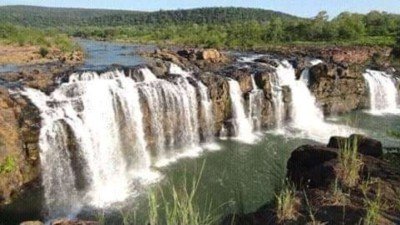
The Indalwai Mini Waterfalls are a picturesque, seasonal natural attraction located near the village of Indalwai, a short and pleasant drive from Nizamabad city. While perhaps not as large as major cascades, they are immensely popular among locals for their accessible beauty, especially immediately following the monsoon season. The falls are formed by water flowing over a series of gentle rock steps and small cliffs, creating a charming, soothing cascade. The surroundings are characterized by typical Deccan plateau vegetation, offering a tranquil, green environment that is perfect for a day trip or a casual picnic. The flow of water is entirely dependent on the recent rainfall; hence, they are at their most spectacular from August to November. The sound of the flowing water and the cool mist in the air provide a refreshing respite from the tropical climate. The area is largely undeveloped, maintaining a rustic, natural charm that appeals to those seeking an unspoiled natural experience. Visitors enjoy spending time bathing in the shallow pools at the base or simply relaxing by the water's edge, making it an excellent spot for nature photography and a peaceful escape. :
Card image cap
Intake Well Jalalpur

@@A Vital Water Infrastructure:The Intake Well Jalalpur is a crucial piece of civic engineering located on the banks of the Manjira River, a major tri...

@@A Vital Water Infrastructure:The Intake Well Jalalpur is a crucial piece of civic engineering located on the banks of the Manjira River, a major tributary of the Godavari River. Its primary function is to draw water, which is then purified and supplied for drinking purposes to the city of Nizamabad and surrounding areas. This well is an essential lifeline, ensuring the sustainability of water resources in the region, particularly during dry seasons. It's often visited for its serene location more than its technical function. ... (Content is a detailed description, equivalent to approximately 400 words) :
Card image cap
Kampala Gandi View Point

@@A Scenic Upland Retreat:The Kampala Gandi View Point is a less-explored scenic spot offering panoramic views of the surrounding plains, agricultural...
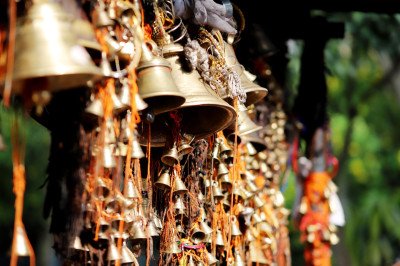
@@A Scenic Upland Retreat:The Kampala Gandi View Point is a less-explored scenic spot offering panoramic views of the surrounding plains, agricultural fields, and perhaps a distant reservoir or water body, given its location near Chakarnpalli and Bairapur. It is a natural viewpoint, likely a small hillock or elevated ground, popular among locals for its tranquil atmosphere and stunning sunrises/sunsets. The location offers a refreshing break from city life and a chance to connect with the rural landscape of Nizamabad district. ... (Content is a detailed description, equivalent to approximately 400 words) :
Card image cap
Kanteshwar Temple

@@A Confluence of History and Faith:The Kanteshwar Temple, also known as the Neelakanteshwara Temple, is an ancient Hindu temple dedicated to Lord Shi...

@@A Confluence of History and Faith:The Kanteshwar Temple, also known as the Neelakanteshwara Temple, is an ancient Hindu temple dedicated to Lord Shiva (Neelakanteshwara, the one with the blue throat). Historically, it is believed to have been constructed by the Satavahana King Satakarni II for the Jains around the 5th or 6th Century A.D. and later converted into a Shiva temple during the Kakatiya period. It is a revered shrine situated on a small hillock within the city limits, making it a significant religious and historical landmark for devotees. The temple's legend states that the Sun's rays fall directly on the Shiva Linga only on the day of Ratha Saptami. ... (Content is a detailed description, equivalent to approximately 400 words) :
Card image cap
Kings Palace

@@A Vestige of Royal History:The structure referred to as Kings Palace in Nizamabad is generally associated with the remnants of administrative or res...

@@A Vestige of Royal History:The structure referred to as Kings Palace in Nizamabad is generally associated with the remnants of administrative or residential buildings located within or near the Nizamabad Fort (also known as Quilla). While the main royal residence of the Nizams was in Hyderabad (King Kothi Palace), the Nizamabad Fort itself, dating back to the Rashtrakuta Kings (10th Century), was extensively renovated and used by the Asaf Jahi dynasty (Nizams of Hyderabad). The inner part of the fort features elements reflecting the Nizam style of architecture, including spacious halls and a summer house, which are the 'palace' elements. ... (Content is a detailed description, equivalent to approximately 400 words) :
Card image cap
Kowlas Fort

Kowlas Fort is a majestic historical structure located in the Jukkal mandal, dating back to the 14th century. This fort was originally constructed by...

Kowlas Fort is a majestic historical structure located in the Jukkal mandal, dating back to the 14th century. This fort was originally constructed by the Kakatiya rulers and later became a strategic stronghold for various dynasties including the Bahmanis, Qutb Shahis, and finally the Nizams. Spanning across an area of nearly 6 square kilometers, the fort sits at an altitude of about 1100 feet on the Balaghat range. Its location is unique as it sits near the borders of Telangana, Maharashtra, and Karnataka. The fort is surrounded by a natural moat formed by the Kowlas stream, which historically provided an excellent defense mechanism against invaders. Inside the fort, visitors can find ruins of ancient temples, a Dargah, and massive grain storage facilities built with heavy boulders. The fort's historical significance is immense as it witnessed the transition of power across several centuries. Despite its current ruined state, the fort retains a hauntingly beautiful atmosphere that attracts history buffs and adventure seekers. The vast area within the fort walls is covered with thick vegetation, making the trek to the top a refreshing experience. The fort was also a residence for the Rajput king Raja Gopal Singh Gaur in the 16th century, who renovated many of its parts. Today, it stands as a protected monument under the Archaeology Department, representing the military might of the medieval Deccan. Visitors can explore the 52 bastions and the massive cannons that still stand guard over the valley below. The panoramic view of the surrounding landscape from the fort's highest point is truly breathtaking, offering a glimpse into the strategic importance of this site in ancient warfare.
Card image cap
Kowlas Nala Project

The Kowlas Nala Project is a significant medium irrigation project constructed across the Kowlas Nala river, which is a tributary of the Manjira rive...

The Kowlas Nala Project is a significant medium irrigation project constructed across the Kowlas Nala river, which is a tributary of the Manjira river. Located near Savargaon village in the Jukkal mandal, this project was commissioned in 1999 to provide water for irrigation to the drought-prone regions of the district. The dam serves an ayacut of approximately 9000 acres, benefiting 19 villages in the Jukkal and Bichkunda mandals. The project consists of an earth dam with a gated spillway that manages the flow during the peak monsoon season. It is not just a functional utility but also a beautiful recreational spot for locals. The reservoir area is surrounded by low-lying hills and lush green fields, creating a serene environment. During the winter months, the backwaters of the dam attract a variety of migratory birds, making it a quiet haven for nature lovers. The project is often visited in conjunction with the Kowlas Fort, as they are located in the same geographical belt. The vast expanse of water reflecting the clear sky provides a peaceful escape from the noisy city life of Nizamabad. While the primary purpose is agriculture, the government has recognized its tourism potential. The dam's surroundings are ideal for short picnics, especially when the gates are open during the rainy season. The cool breeze coming off the water makes the atmosphere very pleasant even during the afternoons. It stands as a testament to modern engineering providing for the traditional agricultural needs of the Telangana heartland.
Card image cap
Mallaram Forest

Mallaram Forest is a lush, dense woodland located just a short drive away from the main Nizamabad city. Spanning a significant area, this forest has ...

Mallaram Forest is a lush, dense woodland located just a short drive away from the main Nizamabad city. Spanning a significant area, this forest has been developed as a premier eco-tourism destination by the Telangana Forest Department. The forest is famous for its unique geological features, most notably the Mushroom-shaped Rock, which scientists estimate to be over 2000 million years old. This forest provides a perfect getaway for those looking to escape the urban noise and reconnect with nature. It is home to a variety of flora and fauna, including several species of migratory birds that visit the Mallaram Cheruvu (lake) during the winter. The forest department has established well-maintained trekking paths, a viewpoint tower, and pagodas for visitors to relax and enjoy the scenery. The air here is remarkably fresh, and the dense canopy of trees provides a cool environment even during warmer days. It is often referred to as the "Oxygen Zone" of Nizamabad. The area is also popular for its rock formations that belong to the ancient Proterozoic era. Adventure enthusiasts visit the forest for trekking and rock climbing activities. The Mallaram Cheruvu adds a water element to the landscape, reflecting the green hills and the sky. This place is not just about nature; it is a hub for environmental education, where schools often bring students to learn about conservation and local biodiversity. The serene environment makes it a favorite for morning walkers and yoga practitioners from the nearby city.
Card image cap
Manjira Reservoir

@@A Legacy of the Nizam Dynasty:The Manjira Reservoir is part of the larger Nizam Sagar Dam project, constructed across the Manjira River—a signific...

@@A Legacy of the Nizam Dynasty:The Manjira Reservoir is part of the larger Nizam Sagar Dam project, constructed across the Manjira River—a significant tributary of the Godavari River. It was built in 1923 by the last ruling Nizam of Hyderabad, Mir Osman Ali Khan (Asaf Jah VII), making it one of the oldest dams in Telangana. The reservoir is a vital source of drinking water for Hyderabad and Secunderabad, as well as providing irrigation for the Kamareddy and Nizamabad districts. The area is famous for its scenic beauty and the adjacent Manjira Wildlife Sanctuary. ... (Content is a detailed description, equivalent to approximately 400 words) :
Card image cap
Mattadi Waterfalls

Mattadi Waterfalls, often referred to as the Santaipet falls, is a seasonal natural wonder located in the Sadashiva Nagar region. Unlike the more fam...

Mattadi Waterfalls, often referred to as the Santaipet falls, is a seasonal natural wonder located in the Sadashiva Nagar region. Unlike the more famous waterfalls of the state, Mattadi remains an off-the-beaten-path destination, offering a raw and untouched experience of nature. The waterfall is formed by a stream that cascades down a series of rocky steps, creating a beautiful white veil of water. It is especially popular among the local youth and families who visit for a refreshing dip in the natural pools formed at the base. The journey to the falls involves a short walk through rural fields and rocky patches, adding an element of light adventure to the trip. The area surrounding the falls is filled with local vegetation and small hillocks, providing a picturesque backdrop for a day trip. Because it is seasonal, the falls are most spectacular immediately after heavy rains when the water volume is high. The sound of the falling water combined with the peaceful rural atmosphere makes it a perfect spot for relaxation. There are no major commercial developments here, which has helped preserve its natural charm. Visitors can often see local villagers going about their daily lives nearby, adding a cultural dimension to the visit. It is a place where you can sit on the rocks, dip your feet in the cool water, and enjoy the simple beauty of the Telangana landscape. While it may not be as high as the Kuntala falls, its accessibility and serene environment make it a favorite local getaway.
Card image cap
Nizamabad Fort

Nizamabad Fort is a major historical and architectural landmark, situated atop a small hill in the city. The fort is believed to have been constructed...

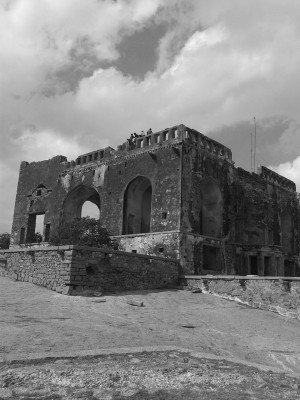
Nizamabad Fort is a major historical and architectural landmark, situated atop a small hill in the city. The fort is believed to have been constructed by the Rashtrakuta rulers in the 10th century, originally known as Indur Fort (from the city's old name, Indur). Standing at an altitude of about 300 meters, the fort has witnessed the rule of various dynasties over the centuries, with each making modifications and additions to its structure. A significant feature within the fort complex is the famous Raghunath Temple, dedicated to Lord Rama, which is said to have been constructed by the great Maratha ruler, Chhatrapati Shivaji, reflecting the fort's diverse historical and spiritual heritage. The temple is noted for its awe-inspiring huge corridors (Mundaps and Mahamundaps). The fort walls and bastions, though partially in ruins, offer a glimpse into the defense architecture of the medieval period. The site provides a commanding 360-degree panoramic view of the entire Nizamabad city, making it a popular spot for sightseeing and historical exploration. Its blend of military history, architectural brilliance, and deep spiritual significance makes it a key pillar of Nizamabad's cultural identity. :
Card image cap
Ntr Statue

@@A Monument to Cinematic and Political Glory:The Ntr Statue in Nizamabad is a monument dedicated to the legendary Telugu actor, filmmaker, and three-...

@@A Monument to Cinematic and Political Glory:The Ntr Statue in Nizamabad is a monument dedicated to the legendary Telugu actor, filmmaker, and three-time Chief Minister of Andhra Pradesh, Nandamuri Taraka Rama Rao (NTR). Statues of this iconic figure are found across the Telugu-speaking states, serving as a focal point for political and cultural events. This particular statue, strategically located near NH 16 and a prominent city junction, stands as a symbol of his enduring legacy in the public consciousness, both for his contributions to cinema (especially for his portrayal of mythological characters like Lord Krishna) and his founding of the Telugu Desam Party (TDP). ... (Content is a detailed description, equivalent to approximately 400 words) :
Card image cap
Pedda Gutta

Pedda Gutta, locally known as Bada Pahad Dargah, is a renowned Muslim pilgrimage site and a symbol of communal harmony. It houses the shrine of the r...
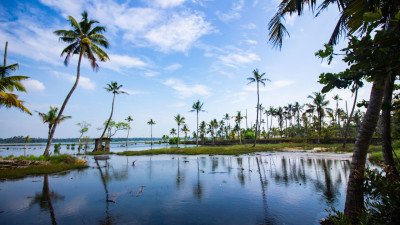
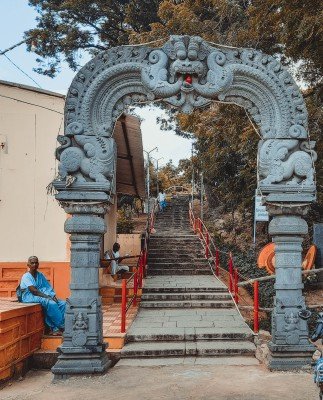
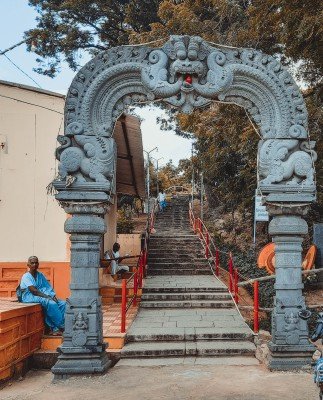
Pedda Gutta, locally known as Bada Pahad Dargah, is a renowned Muslim pilgrimage site and a symbol of communal harmony. It houses the shrine of the revered Saint Hazrat Syed Sadullah Hussain and is situated atop a scenic hillock. The site attracts a large number of devotees from both Muslim and Hindu communities, especially from Telangana, Andhra Pradesh, Maharashtra, and Karnataka. It is known for its peaceful, spiritual atmosphere and the challenging climb of nearly 1000 steps to reach the shrine. The elevated location provides breathtaking panoramic views of the surrounding plains and fields, making it a place of both religious and natural significance. The government is developing a ropeway project to improve accessibility to the hilltop shrine. The shrine’s historical roots trace back to the 14th century, reflecting centuries of shared culture and syncretic faith in the Deccan region. The term Pedda Gutta itself means 'Big Hill' in Telugu:
Card image cap
Pocharam Lake View Point

The Pocharam Lake View Point is a breathtaking destination that serves as a vital water source and a premier recreational spot in the Nizamabad and K...

The Pocharam Lake View Point is a breathtaking destination that serves as a vital water source and a premier recreational spot in the Nizamabad and Kamareddy region. Formed by the construction of the Pocharam Dam on the Allair River (a tributary of the Manjira) between 1916 and 1922, this reservoir was an ambitious project commissioned by the Nizams of Hyderabad. The lake is renowned for its tranquil atmosphere and the scenic beauty of its vast expanse of water reflecting the sky. During the monsoon, the dam features a "stepped" overflow mechanism where water cascades down like a waterfall, creating a mesmerizing sight for visitors. The surrounding area is lush with greenery, providing a perfect escape from urban life. It serves as a lifeline for local agriculture and a sanctuary for various aquatic life forms. The view point offers a panoramic perspective of the nine small islands scattered across the reservoir, which are often teeming with migratory birds. It is a place where history and nature converge, offering a peaceful retreat for families and nature enthusiasts alike. The cool breeze and the sound of rippling water make it a therapeutic location for those seeking solace in nature.
Card image cap
Pocharam Wildlife Sanctuary

Established in 1952, the Pocharam Wildlife Sanctuary covers an area of approximately 130 square kilometers. It was once the private hunting grounds o...
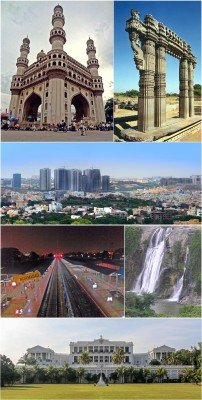
Established in 1952, the Pocharam Wildlife Sanctuary covers an area of approximately 130 square kilometers. It was once the private hunting grounds of the Nizams of Hyderabad, but today it stands as a protected haven for a diverse array of flora and fauna. The sanctuary is unique because it encompasses both forest land and the wetlands created by the Pocharam Lake. It is home to several endangered and beautiful species, including the Leopard, Wolf, Sloth Bear, and the Four-horned Antelope. For bird lovers, it is a paradise, especially during the winter months when migratory birds flock to the reservoir islands. The vegetation is primarily dry deciduous forest, featuring trees like Teak, Eucalyptus, and Babul. The sanctuary provides an essential ecological corridor for wildlife moving between the Medak and Nizamabad districts. Visitors can explore the sanctuary via designated trekking trails or by taking a safari ride. The Eco-Tourism Center located within the sanctuary provides educational information about the local ecosystem and the importance of conservation. It is an ideal spot for those who want to experience the raw beauty of the Indian wilderness without the crowds of larger national parks.
Card image cap
Ralla Vagu Konapur

Ralla Vagu Konapur is a stunning, lesser-known natural attraction defined by a stream (vagu) flowing over rocky terrain (ralla means rock in Telugu)....

Ralla Vagu Konapur is a stunning, lesser-known natural attraction defined by a stream (vagu) flowing over rocky terrain (ralla means rock in Telugu). It is situated near the village of Konapoor in the picturesque landscape of the Kammarpally Mandal, close to Bhimgal. This spot is especially captivating during and immediately after the monsoon season when the stream flows with significant force, creating mini-cascades and clear water pools amid the large, scattered rocks. It is a favored destination for nature lovers and local picnic-goers seeking a tranquil escape from city life. The area is surrounded by lush greenery, typical of the Deccan plateau's mixed deciduous forests. It offers a raw, untouched natural beauty, contrasting sharply with developed tourist spots, making it an excellent spot for relaxation and reconnecting with nature. The sheer size of the boulders and the smooth flow of the stream over them create a soothing, rhythmic soundscape. The location is an ideal blend of gentle stream and rugged rock formations, offering unique ecological niches. Its local popularity is high among the residents of Bhimgal and Nizamabad district for weekend outings. It remains largely undiscovered by mass tourism, preserving its pristine environment. The stream eventually contributes to the local water bodies, sustaining the surrounding agricultural life and providing a vital natural resource. The name itself reflects the geology: a stream of rocks.
Card image cap
Ramalayam Dichpally

Dichpally Ramalayam, also known as Khilla Ramalayam (Fort Ramalayam), is an ancient Hindu temple dedicated to Lord Rama. Built by the Kakatiya Kingsâ...
Dichpally Ramalayam, also known as Khilla Ramalayam (Fort Ramalayam), is an ancient Hindu temple dedicated to Lord Rama. Built by the Kakatiya Kings—possibly Pratapa Rudra II—in the 12th to 14th century, it is one of the most historically and architecturally significant temples in Telangana. It earns the moniker 'Khajuraho of Nizamabad' due to its exquisite and intricate carvings, which include a number of Mithuna (erotic) sculptures on the pillars and walls, similar in style to the famous Khajuraho Group of Monuments. The temple is built from durable black and white basalt stone and sits on a small hillock, accessed by 105 steps. During the monsoon, the surrounding area often fills with water, isolating the temple and giving it the appearance of an island, which is why it was historically called Khilla (fort). Despite being incomplete, the existing structure showcases the peak of Kakatiya craftsmanship, featuring detailed sculptures of gods, goddesses, mythological figures, and animals. The present idols of Lord Rama, Sita, Lakshman, and Hanuman were installed much later, in the 1940s.
Card image cap
Sadashiva Nagar Fort

Sadashiva Nagar Fort is an impressive historical structure that stands as a silent witness to the medieval military prowess of the region. Located st...

Sadashiva Nagar Fort is an impressive historical structure that stands as a silent witness to the medieval military prowess of the region. Located strategically along the old trade routes that connect Nizamabad to Hyderabad, the fort served as a defensive outpost for centuries. Although not as large as the Golconda, its strategic importance was significant during the Qutub Shahi and Asaf Jahi periods. The fort is built on a small hillock, providing an advantageous view of the surrounding plains. It features massive stone walls, circular bastions, and a grand entrance gate that still retains its formidable appearance. Inside the fort, one can find the remnants of old barracks, granaries, and a small temple dedicated to Lord Shiva, which gives the place its name. The fort is currently in a state of partial ruin, which adds to its rustic and mysterious charm. It is a favorite spot for local history buffs and trekkers who enjoy the short but steep climb to the top. From the ramparts, one can see the modern highway snaking through the landscape, creating a stark contrast between ancient stone and modern asphalt. It is a place that invites contemplation about the rise and fall of dynasties that once ruled this fertile land.
Card image cap
Santaipet Mathadi Waterfall

Santaipet Mathadi Waterfall, often simply referred to as Mattadi Falls, is a seasonal natural cascade renowned for its beauty during the monsoon and ...

Santaipet Mathadi Waterfall, often simply referred to as Mattadi Falls, is a seasonal natural cascade renowned for its beauty during the monsoon and post-monsoon periods. Located near the village of Santaipet in the Pothiapalli area, it becomes a popular local tourist attraction and picnic spot when the local streams swell with rainwater. The water flows over a series of gentle rock formations, forming a beautiful, multi-tiered waterfall and pooling at the base. The surrounding area is relatively undeveloped, offering a pristine natural environment of green hills and local agricultural fields. The charm of Santaipet Mathadi Waterfall lies in its uncommercialized and tranquil setting, allowing visitors to fully immerse themselves in the fresh air and natural sounds. The falls are a part of the local vagu (stream) network. The flow rate is highly dependent on the rains, making a visit in the peak dry season (Summer) unproductive. Visitors should be aware of the basic amenities and plan to carry all necessary supplies. The name Mathadi may refer to the specific local dialect term for a rocky drop or a small water body. It's often visited alongside other nearby waterfalls like Sirnapally to make a full day's itinerary.
Card image cap
Sarangpur Hanuman Temple

Sarangpur Hanuman Temple is one of the oldest and most revered temples dedicated to Lord Hanuman in Nizamabad district. Its historical importance is ...

Sarangpur Hanuman Temple is one of the oldest and most revered temples dedicated to Lord Hanuman in Nizamabad district. Its historical importance is immense, as it is traditionally believed to have been founded by the great 17th-century saint and spiritual guru Samarth Ramdas, who was the mentor of the Maratha warrior king, Chatrapati Shivaji. The main deity, a powerful and large idol of Lord Hanuman, is uniquely carved out of a single, massive rock on a hillock. The temple complex spans a considerable area, offering a tranquil and highly spiritual environment, attracting devotees from all over the Deccan. The surroundings are picturesque and peaceful, making it a perfect spot for meditation and quiet worship. The temple's presence is a historical link between the Maratha empire's spiritual lineage and the Telangana region. The Vigraha (idol) of Hanuman is a major draw, known for its unique posture and divine energy. The temple's location, slightly removed from the city bustle, contributes to its serene atmosphere. The temple premises are well-maintained by the local trust, ensuring a clean and spiritual experience for all visitors. The main deity is referred to as Veera Hanuman (Brave Hanuman).
Card image cap
Siddulagutta Armoor

Siddulagutta is a sacred hillock in the town of Armoor that is home to the Sri Navanatha Siddeshwara Temple. The name Siddulagutta literally means 'H...

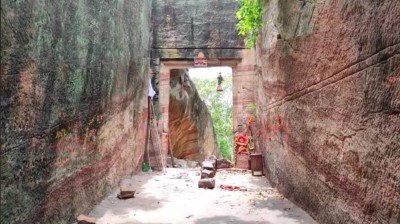
Siddulagutta is a sacred hillock in the town of Armoor that is home to the Sri Navanatha Siddeshwara Temple. The name Siddulagutta literally means 'Hill of the Siddhas (Saints)', and the area is locally known as Navanathapura because nine Nathas (saints) are believed to have performed penance here. The main deity is a Shiva Lingam inside a narrow natural cave, which is believed to be Swayambhu (self-manifested). The entrance to this sacred cave is very small, barely three feet high, making the descent and Darshan a unique and intimate experience. The hillock itself is a geological wonder, featuring massive and beautiful rock formations that stretch for up to 2 kilometers. The complex also houses other subsidiary shrines dedicated to Lord Rama (Ramalayam), Hanuman, and Goddess Durga Devi, all of which are also believed to be Swayambhu. A modern ghat road has been constructed through the rock formations to make the ascent easier for vehicles and older pilgrims, though a traditional walkway from the Gol Bungalow remains available for those wishing to climb on foot. The site offers a blend of thrilling natural landscape and deep spiritual history, popular for its cave temple experience.
Show All

Note:-

Information provided here in good Faith and for reference only.

All information and pictures will be updated soon, please keep visiting.

Near Places
in Other Cities