
...

Place To Visit And Things To Do In Palitana

Gujarat, India
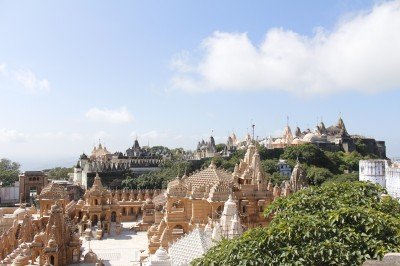
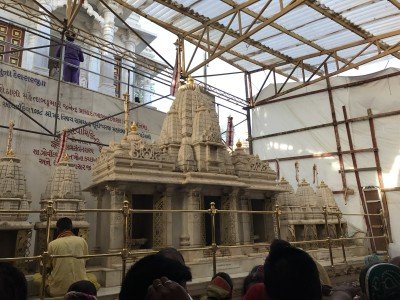
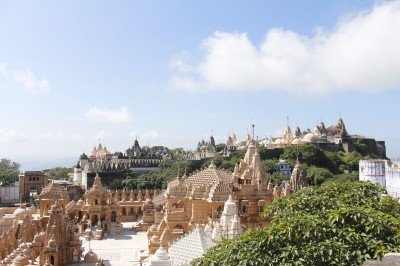
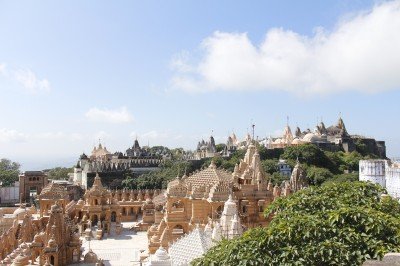
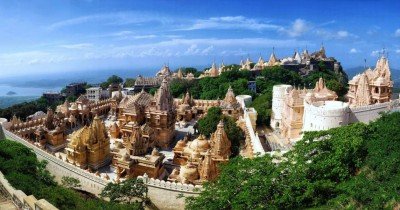
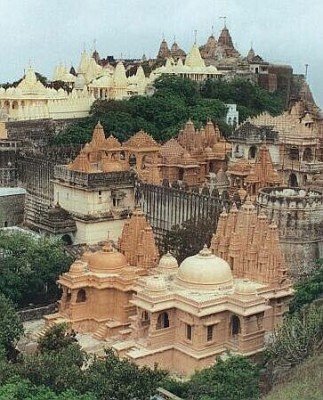
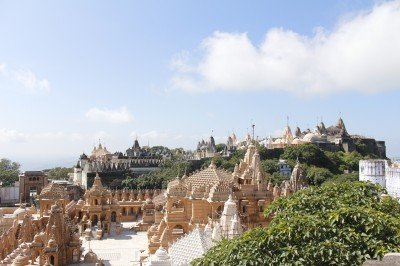
Spiritual Ascent: Palitana is home to the world’s largest temple complex on Shatrunjaya Hill, featuring over 863 marble-carved shrines dedicated to the 24 Tirthankaras. To reach the summit, pilgrims must climb approximately 3,500 stone steps, a journey signifying spiritual elevation. Sacred Tradit ions: Every Jain aspires to visit Palitana at least once to achieve salvation, as the hill is believed to have been sanctified by the visits of 23 Tirthankaras. No one is allowed to stay on the hill after sunset, emphasizing its status as an abode for the divine. Vegetarian Hub: It holds the distinction of being the world's first legally vegetarian city, reflecting the deep-seated Jain principles of non-violence. The town at the base is a vibrant center for spiritual study and community service. Cultural Grandeur: The temple complex, built over 900 years, showcases the pinnacle of marble craftsmanship in India. The view of the Shetrunji River from the hilltop adds a natural serenity to the divine experience.

Things To Do

Card image cap
Adinath Temple

This magnificent temple is the primary shrine of the Shatrunjaya Hill complex and is dedicated to Lord Rishabha, also known as Adinath, the first Tir...
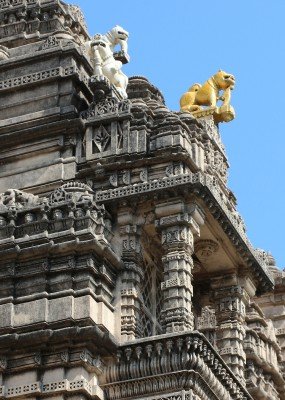
This magnificent temple is the primary shrine of the Shatrunjaya Hill complex and is dedicated to Lord Rishabha, also known as Adinath, the first Tirthankara of Jainism. It is considered the holiest pilgrimage site for the Svetambara Jain community, where millions of monks are believed to have attained salvation. The temple is reached by climbing approximately 3,800 steps, a journey that symbolizes the spiritual ascent toward enlightenment and liberation. Every devotee aims to visit this shrine at least once in their lifetime to perform the ritualistic "Chaitya Vandan" and soak in the divine energy. The temple complex is not just a place of worship but a testament to centuries of faith, having been destroyed and rebuilt multiple times due to invasions. The current structure is a marvel of white marble that shines like ivory under the sun, creating a celestial atmosphere above the clouds. Despite the arduous climb, the temple provides a sense of profound peace and spiritual fulfillment to all who reach the summit. It is an essential part of the Jain identity and a beacon of ancient Indian religious heritage.
Card image cap
Angar Pir Shrine

Located atop the sacred Shatrunjaya Hill, the Angar Pir Shrine is a unique Islamic dargah situated within a predominantly Jain temple complex. It is ...
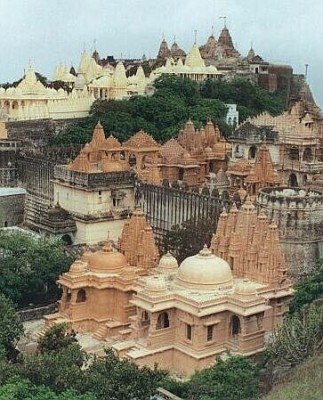
Located atop the sacred Shatrunjaya Hill, the Angar Pir Shrine is a unique Islamic dargah situated within a predominantly Jain temple complex. It is dedicated to a Sufi saint named Angar Pir, who is legendary for protecting the Jain temples from the destructive invasions of Alauddin Khilji in the 14th century. The shrine stands as a powerful testament to religious syncretism and the shared heritage of the region. Devotees from all faiths, especially childless couples, visit the shrine to seek the Pir’s blessings for children and prosperity. The atmosphere here is one of deep devotion, where the scent of incense mingles with the chanting from nearby temples. It is a rare site where a Muslim shrine is maintained with great respect by the Jain community and pilgrims. The walk to the shrine is part of the main ascent to the summit, making it an integral stop for many. The history of the Pir is passed down through oral traditions, emphasizing his role as a guardian of the holy mountain. It is a place that challenges religious boundaries and promotes a message of peace.
Card image cap
Buddhist Rock Cut Caves

The Buddhist Rock Cut Caves at Talaja Hill are an extraordinary archaeological site dating back to the 2nd century BC. There are approximately 30 cav...
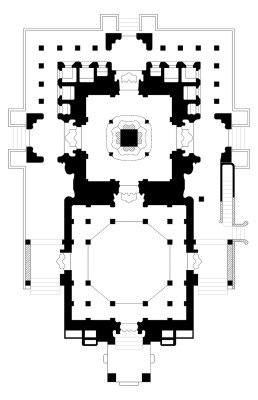
The Buddhist Rock Cut Caves at Talaja Hill are an extraordinary archaeological site dating back to the 2nd century BC. There are approximately 30 caves carved into the solid rock, representing the early Hinayana stage of Buddhism. The most significant structure among them is the Ebhala Mandapa, a massive hall featuring four large octagonal pillars. These caves served as a monastery for monks and were strategically located near the ancient port of Sartanpur for trade and travel. The site is a rare example of Buddhist heritage in a region now dominated by Jain and Hindu traditions. The carvings on the facades, including the Chaitya windows and Bodhisattva figures, are remarkably preserved despite centuries of exposure. Walking through these cool, rock-cut chambers provides a window into the ascetic life of ancient India. The hill also houses a Jain temple and a Hindu shrine dedicated to Khodiyar Mata, making it a tri-religious site. The climb to the caves is relatively easy, taking about 20 minutes from the base. It is a must-visit for history buffs and those interested in the evolution of Indian rock-cut architecture.
Card image cap
Chaumukh Temple

The Chaumukh Temple, or the "Four-Faced Temple," is one of the most architecturally significant shrines on the Shatrunjaya Hill. Built in 1618 AD by ...

The Chaumukh Temple, or the "Four-Faced Temple," is one of the most architecturally significant shrines on the Shatrunjaya Hill. Built in 1618 AD by a wealthy merchant, it is dedicated to Lord Adinath. The unique feature of this temple is its quadruple image of the Tirthankara, which faces all four cardinal directions—North, South, East, and West. This layout symbolizes the Tirthankara’s quest to spread the message of Jainism and non-violence to the entire universe. It is situated on the highest point of the northern ridge, offering perhaps the most commanding views of the entire temple city. The temple is known for its serene atmosphere and is often less crowded than the main Adinath temple, providing a space for deep meditation. The climb to this temple involves navigating through the various "Tuks" or enclosures that house hundreds of smaller shrines. The path is lined with beautiful stone carvings and resting places for pilgrims. For many, the Chaumukh Temple represents the pinnacle of Jain artistic expression in the 17th century. It is a place where architecture and philosophy merge, creating a physical representation of the Jain cosmic diagram.
Card image cap
Gopnath Beach

Gopnath Beach is a serene and scenic coastal destination located along the Gulf of Khambhat. It rose to prominence as the summer residence of Maharaj...
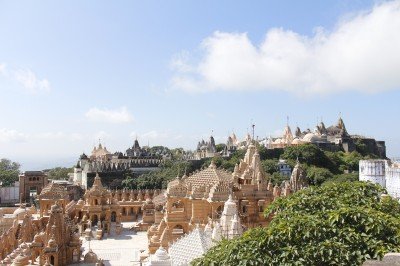
Gopnath Beach is a serene and scenic coastal destination located along the Gulf of Khambhat. It rose to prominence as the summer residence of Maharaja Krishna Kumar Singhji of Bhavnagar, who built a beautiful mansion here in the 1940s. The beach is famous for its distinct limestone cliffs, firm sands, and the refreshing sea breeze that provides an escape from the inland heat of Palitana. Unlike many commercial beaches, Gopnath remains relatively untouched, offering a peaceful environment for nature lovers. The area is also home to the Gopnath Mahadev Temple, a 700-year-old shrine dedicated to Lord Shiva, situated right on the seashore. The temple holds great spiritual significance as it is the place where the poet Narsinh Mehta is said to have had his divine vision of Krishna's Raas Leela. The beach is also a haven for birdwatchers, as the surrounding wetlands attract various migratory species. While the high tidal range makes swimming risky, the beach is perfect for long walks and enjoying the natural beauty. The combination of royal history, spiritual legends, and coastal scenery makes Gopnath a perfect day trip from Palitana.
Card image cap
Gopnath Mahadev Temple

@@Detailed History and Significance: The Gopnath Mahadev Temple is a 700-year-old shrine perched on the shores of the Gulf of Khambhat. It is most fam...
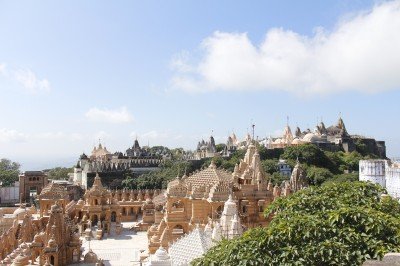
@@Detailed History and Significance: The Gopnath Mahadev Temple is a 700-year-old shrine perched on the shores of the Gulf of Khambhat. It is most famous as the site where the great saint Narsinh Mehta attained spiritual enlightenment. Legend says he performed deep penance here, and Lord Shiva appeared to grant him a vision of Krishna's Raas Leela. This temple serves as a unique bridge between Shaivism and Vaishnavism, housing both Shiva and Vishnu influences. The atmosphere is deeply tranquil, with the sound of crashing waves providing a natural soundtrack to prayers. Visitors often feel a profound sense of peace standing where one of India’s most beloved poets found his calling. The temple complex is modest but carries immense historical weight, reflecting the rich religious tapestry of Gujarat. It remains a vital stop for pilgrims traveling through the Bhavnagar region. The surrounding cliffs add a dramatic natural beauty to the spiritual site.
Card image cap
Hastagiri Jain Tirth

@@Spiritual Heritage: Hastagiri Jain Tirth is a magnificent temple complex located on a hill on the banks of the Shatrunjaya River. It is dedicated to...
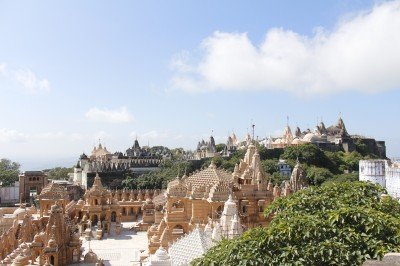
@@Spiritual Heritage: Hastagiri Jain Tirth is a magnificent temple complex located on a hill on the banks of the Shatrunjaya River. It is dedicated to Bhagwan Rishabhdev, the first Tirthankara of Jainism. The name 'Hastagiri' comes from the legend of an elephant that attained salvation here while following Bharat Chakravartin, the son of Adishwar Bhagwan. The site is considered extremely holy because Bharat Chakravartin is said to have reached Moksha on this very mount. The modern temple, built in 1979, is an architectural marvel of white marble. It offers a quieter, more meditative alternative to the crowded main hills of Palitana. The panoramic view from the top includes the distant Shatrunjaya Hill and the winding river below. Pilgrims often perform a 'Chauvihar' (fasting) here to honor the tradition of the ancient monks. The air is exceptionally clean, and the spiritual vibrations are palpable to all who visit.
Card image cap
Khartar Vasahi Temple

@@History of the Khartar Gaccha: Located within the main Shatrunjaya Hill complex, the Khartar Vasahi Temple is a prominent shrine belonging to the Kh...
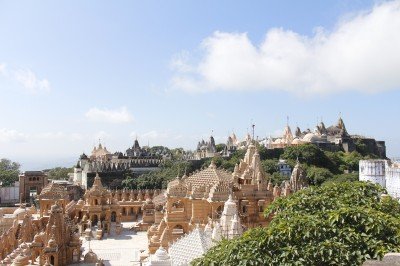
@@History of the Khartar Gaccha: Located within the main Shatrunjaya Hill complex, the Khartar Vasahi Temple is a prominent shrine belonging to the Khartar Gaccha sect of Jainism. Built in the 16th century, it stands as a testament to the patronage of wealthy Jain merchants who wanted to honor the Tirthankaras with unparalleled beauty. The temple is dedicated to Lord Adinath and is part of the "Toonk" system of the hill. It has survived various historical upheavals, including Mughal invasions, through multiple renovations. The temple is known for its serene atmosphere, even though it sits in one of the world's busiest pilgrimage sites. Devotees often visit this temple to admire the dedication of the Khartar sect. The surrounding cluster of smaller shrines creates a "temple city" vibe that is unique to Palitana. It serves as an important stop on the 3.5 km trek up the sacred mountain.
Card image cap
Kumarpal Temple

@@The Solanki Patronage: The Kumarpal Temple is one of the most significant structures on Shatrunjaya Hill, named after the legendary Solanki King Kum...

@@The Solanki Patronage: The Kumarpal Temple is one of the most significant structures on Shatrunjaya Hill, named after the legendary Solanki King Kumarpal. A staunch follower of Jainism under the guidance of Acharya Hemchandracharya, Kumarpal is credited with making Jainism the state religion of Gujarat. This temple was built to reflect his royal devotion and serves as a primary 'Toonk' in the complex. It is dedicated to Lord Adinath, the first Tirthankara. The temple is famous for housing a precious collection of jewels, though these are only displayed on special occasions with permission. The history of the temple is intertwined with the golden age of Gujarat's medieval history. It represents the height of the Solanki era's prosperity and religious commitment. Every step in this temple tells a story of a king who traded his sword for the path of non-violence.
Card image cap
Sampriti Raja Temple

@@The Mauryan Jain Connection: Sampriti Raja Temple is a historic shrine dedicated to Lord Mahavira, the 24th Tirthankara. It is named after Emperor S...
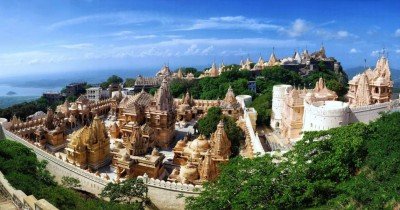
@@The Mauryan Jain Connection: Sampriti Raja Temple is a historic shrine dedicated to Lord Mahavira, the 24th Tirthankara. It is named after Emperor Sampriti, the grandson of Emperor Ashoka. While Ashoka is famous for spreading Buddhism, Sampriti is celebrated for his immense contribution to Jainism, reportedly building thousands of temples across India. This specific temple on Shatrunjaya Hill is a testament to the Mauryan influence in Western India. The temple is known for its graceful proportions and the sense of antiquity it carries. It is smaller than the main Adinath temple but holds a unique place in the hearts of pilgrims due to its royal lineage. The white marble used here seems to glow in the sunlight, earning it the nickname "The Pearl of Shatrunjaya." It serves as a reminder of a time when Jainism enjoyed imperial patronage across the Indian subcontinent.
Card image cap
Shatrunjaya Hill Temples

The Shatrunjaya Hill Temples represent the largest cluster of temples in the world, featuring over 863 marble-carved shrines. Located on the sacred hi...
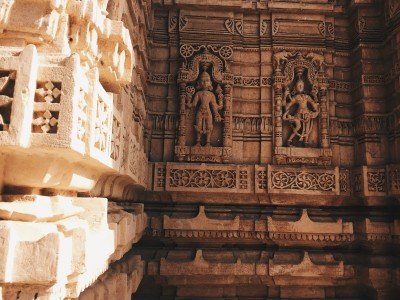
The Shatrunjaya Hill Temples represent the largest cluster of temples in the world, featuring over 863 marble-carved shrines. Located on the sacred hill near the Shetrunji River, this site is the most revered pilgrimage for the Svetambara Jain community. Every devout Jain aspires to climb the 3,750 steps at least once in their lifetime to achieve spiritual purification. The main temple is dedicated to Adishwar, the first Tirthankara. The hill is considered so sacred that no one, including the priests, is allowed to stay overnight; it is believed to be the residence of the Gods. The history of these temples spans over 900 years, with major constructions occurring between the 11th and 16th centuries. The entire mountain is a "Tirth" (pilgrimage site) and the air is filled with chants and the scent of incense. Visitors must follow a strict code of conduct, including not carrying food or leather items. The panoramic view from the top offers a stunning landscape of the surrounding plains and the Shetrunji dam. It is a place where architecture and spirituality merge into a divine experience.
Card image cap
Shri Vishal Jain Museum

The Shri Vishal Jain Museum is a unique institution dedicated to preserving the rich cultural and religious history of Jainism. Named after the great ...
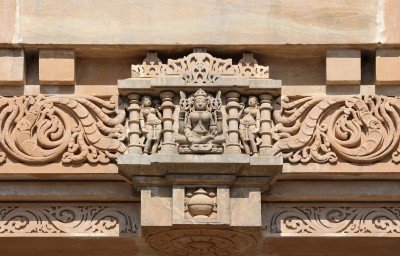
The Shri Vishal Jain Museum is a unique institution dedicated to preserving the rich cultural and religious history of Jainism. Named after the great Jain Acharya Vishalsen Suriji, it serves as an educational hub for pilgrims and history enthusiasts. The museum houses a vast collection of ancient manuscripts written on palm leaves, known as "Pulpas," which are hundreds of years old. One of the most fascinating exhibits includes the world's tiniest carvings on ivory, showing incredible craftsmanship. The basement of the museum features a circular temple with mirror walls, creating an infinite reflection of the Tirthankara idols. Visitors can explore excavated idols from destroyed temples and a variety of ceremonial items used in Jain rituals. The museum provides deep insights into the life of Lord Mahavir and the evolution of the Jain faith through pictorial depictions. It is a quiet, air-conditioned retreat that offers a mental transition before or after the arduous climb of the hill. The artifacts here date back over 500 years, showcasing the prosperity of the merchant classes who funded the temple city.
Card image cap
Talaja Town

Talaja Town is an ancient settlement situated on the banks of the Shetrunji River, famous for its rock-cut Buddhist caves. These caves date back to th...
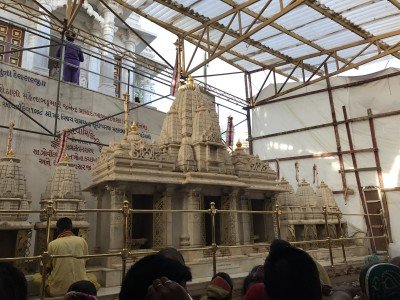
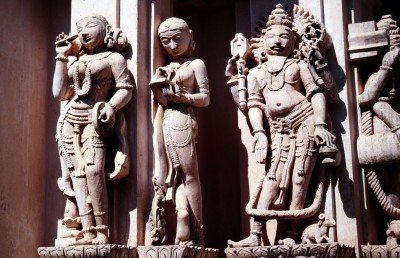
Talaja Town is an ancient settlement situated on the banks of the Shetrunji River, famous for its rock-cut Buddhist caves. These caves date back to the 1st century BC and are carved into a volcanic hill that overlooks the town. While Palitana is primarily Jain, Talaja offers a glimpse into the Buddhist history of the Gujarat region. The town is also the birthplace of the famous saint-poet Narsinh Mehta, adding to its cultural significance. The hills of Talaja house about 30 caves, which were used as monasteries and meditation halls by monks. The surrounding landscape is lush and offers a different topographical feel compared to the arid plains. Talaja serves as a vital transit point for travelers moving towards Bhavnagar or the coastal areas. The town has a rustic charm with local markets selling traditional Gujarati handicrafts and textiles. The confluence of the river and the proximity to the sea creates a pleasant atmosphere during the winter months. It is an essential stop for those looking to explore the archaeological diversity of the Saurashtra region.
Card image cap
Taleti

Taleti refers to the foot of the Shatrunjaya Hill, the starting point of the holy pilgrimage where the worldly town ends and the spiritual journey beg...

Taleti refers to the foot of the Shatrunjaya Hill, the starting point of the holy pilgrimage where the worldly town ends and the spiritual journey begins. This area is lined with numerous "Dharmashalas" (rest houses), temples, and administrative offices of the Anandji Kalyanji Trust. The Jay Taleti Mandir is the first point of worship where pilgrims offer prayers before beginning their ascent. It is a bustling area filled with devotees, monks in white robes, and the rhythmic sound of walking sticks hitting the stone floor. Taleti is where the physical preparation for the climb happens, including the depositing of leather items and shoes. The atmosphere here is electric during the early morning hours, around 4:00 AM, as thousands of people gather to start the trek. The area also hosts several small museums and libraries containing Jain literature. The ground of Taleti is considered sacred, as it has been touched by the feet of countless Tirthankaras. For those unable to climb, many rituals and "darshans" are performed right here at the base. It represents the bridge between the material world and the "City of Gods" above.
Card image cap
Vimal Shah Temple

The Vimal Shah Temple is a magnificent structure within the Shatrunjaya complex, renowned for its architectural elegance and intricate marble work. Bu...

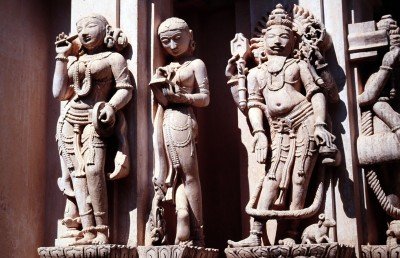
The Vimal Shah Temple is a magnificent structure within the Shatrunjaya complex, renowned for its architectural elegance and intricate marble work. Built by Vimal Shah, a minister of the Solanki dynasty in the 11th century, it stands as a testament to the golden age of Gujarati temple building. The temple is dedicated to Lord Rishabhanatha and is one of the oldest surviving structures on the hill. Its design follows the classic Nagara style, with a series of domed ceilings and pillars that are carved with celestial dancers and floral motifs. The precision of the marble carving is so fine that it often looks like ivory or lace. This temple has undergone several renovations over the centuries, yet it retains its spiritual core and historical character. It is a square structure with multiple sub-shrines and a main sanctum that houses a serene idol of the Jina. The play of light on the white marble during the day creates a tranquil environment for meditation. It is often cited alongside the Dilwara temples of Mt. Abu for its artistic brilliance.
Show All

Palitana Itineray And Cost:-

Information about New and Updated Locations() of Gujarat Has Been Added :-
Card subtitle

Note:-

Information provided here in good Faith and for reference only.

Near Places
...
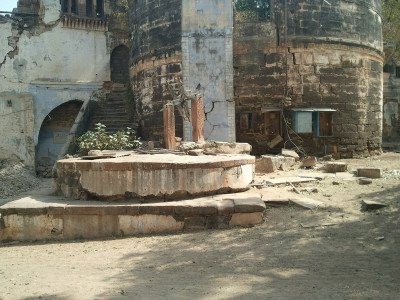
Ahmedabad

Some quick example text to build on the card title and make up the bulk of the card's content.

Go somewhere
...
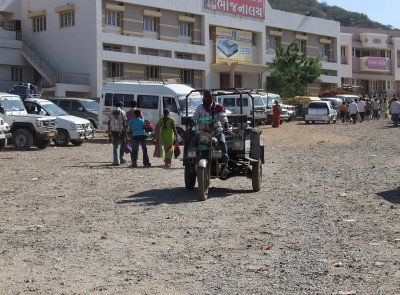
Bhuj

Some quick example text to build on the card title and make up the bulk of the card's content.

Go somewhere
...
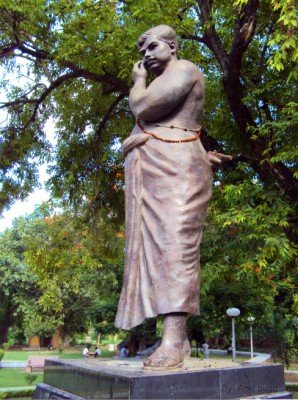
Chotila

Some quick example text to build on the card title and make up the bulk of the card's content.

Go somewhere
...
Dahod

Some quick example text to build on the card title and make up the bulk of the card's content.

Go somewhere

...
Dandi

Some quick example text to build on the card title and make up the bulk of the card's content.

Go somewhere

...
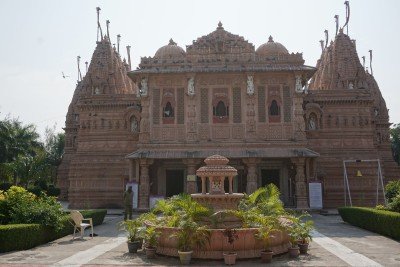
Kevadia

Some quick example text to build on the card title and make up the bulk of the card's content.

Go somewhere
...
Kutch

Some quick example text to build on the card title and make up the bulk of the card's content.

Go somewhere

...
Lothal

Some quick example text to build on the card title and make up the bulk of the card's content.

Go somewhere
...
Mandvi

Some quick example text to build on the card title and make up the bulk of the card's content.

Go somewhere
...
Modhera

Some quick example text to build on the card title and make up the bulk of the card's content.

Go somewhere
...
Near Ahmedabad

Some quick example text to build on the card title and make up the bulk of the card's content.

Go somewhere
...
Palanpur

Some quick example text to build on the card title and make up the bulk of the card's content.

Go somewhere
...
Palitana

Some quick example text to build on the card title and make up the bulk of the card's content.

Go somewhere
...
Patan

Some quick example text to build on the card title and make up the bulk of the card's content.

Go somewhere
...
Pavagadh

Some quick example text to build on the card title and make up the bulk of the card's content.

Go somewhere
...
Porbandar

Some quick example text to build on the card title and make up the bulk of the card's content.

Go somewhere
in Other Cities