...

Place To Visit And Things To Do In Senapati

Manipur, India
Historical Background: Senapati is named after the brave commander Tikendrajit Singh. He fought the British with great courage and valor in 1891. The district is steeped in a rich history of tribal bravery. It serves as a guardian of ancient Naga traditions and culture.Geographical Beauty: The lands cape is dominated by emerald green hills and deep valleys. The Barak River originates here, weaving through the rugged mountain terrain. It offers a soothing environment for nature lovers and peace seekers. The air is crisp and the views are truly breathtaking.Cultural Heritage: It is home to diverse ethnic groups like the Mao, Maram, and Zeme tribes. Every village here acts as a living museum of indigenous customs. Traditional houses and monoliths are scattered across the various tribal settlements. It is a hub for anthropologists and curious cultural explorers.Natural Wonders: The region is famous for its misty mountains and gushing waterfalls. Sites like Dzukou Valley and Sadu Chiru offer unparalleled natural scenic beauty. The flora and fauna are diverse, featuring many rare species of orchids. It is a paradise for those who love the great outdoors.

Things To Do

Card image cap
Chaljang Kholui Mol

Chaljang Kholui Mol is a breathtaking hill station located in the Sadar Hills region of Senapati. This place is a sanctuary for those who seek to esc...
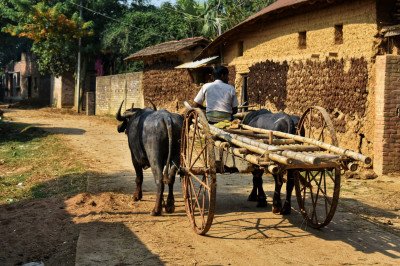
Chaljang Kholui Mol is a breathtaking hill station located in the Sadar Hills region of Senapati. This place is a sanctuary for those who seek to escape the noisy life of the city. The area is covered with thick green forests and offers a 360-degree view of the surrounding mountain ranges. The air here is thin and crisp, making it a perfect spot for meditation and nature walks. Historically, the village of Cheljang is home to the Kuki community, who have preserved the land for generations. The name Chaljang Kholui Mol translates to a specific peak or hill known for its cool breeze and scenic beauty. Visitors often find themselves lost in the rolling clouds that touch the hilltop during the early morning hours. The biodiversity here is rich, featuring various species of orchids and medicinal plants that are unique to the Manipur highlands. The tranquility of the place is its biggest asset, allowing tourists to connect with nature at a soul level. It is not just a viewpoint but a cultural landscape where the local lifestyle blends with the natural environment. The hills are often used by local youths for trekking and traditional scouting activities. Despite its beauty, it remains one of the least explored regions, ensuring a private and serene experience for every traveler. The sunset from this height is a spiritual experience, painting the sky in shades of orange and purple.
Card image cap
Chingmeirong Village

Chingmeirong Village is a significant cultural hub located on the outskirts of Senapati town. It is predominantly inhabited by the Poumai and Thangal...

Chingmeirong Village is a significant cultural hub located on the outskirts of Senapati town. It is predominantly inhabited by the Poumai and Thangal tribes. This village serves as a living museum of Naga traditions. The landscape is dotted with terraced fields and traditional granaries. Visitors can witness the age-old customs of the villagers, from their unique attire to their rhythmic folk songs. The village is strategically located on a gentle slope, providing a beautiful view of the Senapati River flowing below. The community is known for its hospitality and its dedication to preserving the natural forest reserves surrounding the village. Walking through the narrow lanes of Chingmeirong, one can see the intricate wood carvings on the doors of the older houses. The village also plays a vital role in the local economy, producing high-quality handloom products and organic vegetables. It is a place where history meets modernity, as the younger generation is well-educated yet deeply rooted in their ancestral values. The peaceful environment makes it an ideal spot for cultural researchers and slow-travel enthusiasts. The village's proximity to the district headquarters makes it easily accessible while still maintaining its rural charm. During the rainy season, the surrounding hills turn into a vibrant shade of emerald green, creating a picturesque setting that looks like a painting.
Card image cap
Chinyaomai Picnic Spot

Chinyaomai Picnic Spot is a hidden paradise located in the high-altitude village of Tungjoy. Known for its sprawling green meadows and cool climate, ...
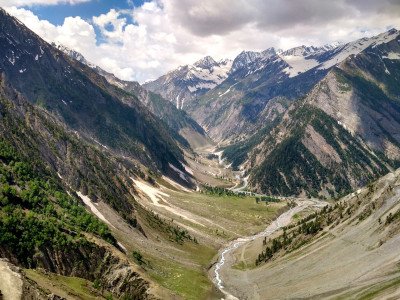
Chinyaomai Picnic Spot is a hidden paradise located in the high-altitude village of Tungjoy. Known for its sprawling green meadows and cool climate, it is the favorite weekend getaway for locals and tourists alike. The spot is surrounded by thick pine forests and rhododendron trees that burst into color during the spring. The area is exceptionally clean and well-maintained by the local village youth club. There are small mountain streams that flow through the picnic area, providing a soothing background score of bubbling water. Historically, this area was a grazing ground for the village cattle, but its natural beauty eventually turned it into a major tourist attraction. The spot offers a stunning view of the Nagaland hills on one side and the deep valleys of Manipur on the other. The altitude here is significantly higher than Senapati town, so the temperature remains pleasant even in the peak of summer. It is a place where you can breathe the purest air and feel a sense of total freedom. The picnic spot is equipped with basic wooden benches and designated fire pits for cooking. It is a "Plastic-Free Zone," and the community takes great pride in its ecological conservation. For those who love the outdoors, Chinyaomai offers the perfect blend of relaxation and adventure. The drive to the spot is equally enchanting, passing through winding roads lined with colorful wildflowers and traditional Naga gates. It is a place that truly captures the essence of the "Switzerland of the East."
Card image cap
Dz?ko Valley

Dz?ko Valley is a breathtaking natural landscape, renowned for its seasonal flowers and pristine natural beauty. It is often referred to as the "Valle...

Dz?ko Valley is a breathtaking natural landscape, renowned for its seasonal flowers and pristine natural beauty. It is often referred to as the "Valley of Flowers of the Northeast." Located at an altitude of 2,438 meters above sea level, the valley is a trekker's paradise. The rolling hills, seasonal wildflowers, and crystal-clear streams create a surreal and peaceful atmosphere. The valley is particularly famous for the Dz?ko Lily, a rare flower endemic to this region, which blooms during the monsoon season. The valley's terrain is a mix of lush green hills and clear mountain streams, which flow through the valley, offering a refreshing and invigorating experience.
Card image cap
Dzuko Valley Trek Base

The Dzuko Valley Trek Base on the Manipur side is located near the town of Mao. This high-altitude valley is famous for its rolling green hills and t...

The Dzuko Valley Trek Base on the Manipur side is located near the town of Mao. This high-altitude valley is famous for its rolling green hills and the endemic Dzukou Lily. The trek from the Manipur side is considered more challenging but offers more pristine views of the landscape. Visitors usually start their journey from Mao and proceed through dense forests. The valley is shared between Manipur and Nagaland, but the Manipur approach is less commercialized. It provides a serene atmosphere for trekkers looking for solitude. The altitude is approximately 2452 meters. The valley floor is crisscrossed by several cold-water streams. Legend says the valley was named 'Dzukou' meaning 'cold water' in the local dialect. Many trekkers prefer this side for its raw natural beauty. The base camp serves as a resting point before the final ascent. Local guides are available to navigate the steep terrain. The biodiversity here includes various rhododendrons and rare birds. It is a plastic-free zone and strictly monitored. The trekking path is a mix of steep climbs and flat meadows. This destination is a haven for botanists and adventure seekers alike. :
Card image cap
Dzüko Valley

Dzüko Valley is a terrestrial paradise located on the border of Manipur and Nagaland. While the Nagaland side is more famous, the Senapati side offe...

Dzüko Valley is a terrestrial paradise located on the border of Manipur and Nagaland. While the Nagaland side is more famous, the Senapati side offers a more challenging and rewarding trekking route through the highest peak of Manipur, Mount Isu. The valley is situated at an altitude of approximately 2,450 meters. It is world-renowned for its unique flora, especially the Dzüko Lily (Lilium chitrangadae), which is found nowhere else on earth. The landscape of the valley is unlike any other mountain range; it features rolling hills covered in a thick carpet of bamboo brush, looking like frozen waves of green. In winter, the entire valley often turns white with frost, and the small streams that meander through the valley floor freeze over. Historically, the valley has been a subject of boundary disputes, but it remains a shared heritage of the Angami and Mao Nagas. The name "Dzüko" means "Cold Water" in the local dialect, referring to the ice-cold streams that flow through it. The valley is uninhabited, preserving its pristine nature. The silence here is profound, broken only by the sound of the wind. For trekkers, the Manipur route is steeper but provides a more panoramic view of the entire valley before descending into the basin. It is an ecologically sensitive zone, and visitors are required to follow strict "Leave No Trace" principles. The experience of standing in the middle of the valley, surrounded by the undulating green hills under a vast blue sky, is often described as life-changing by many travelers.
Card image cap
Elie -E Che Waterfall

Elie -E Che Waterfall is a magnificent natural attraction located in the Phunanamei village near Mao. It is one of the highest and most scenic waterf...

Elie -E Che Waterfall is a magnificent natural attraction located in the Phunanamei village near Mao. It is one of the highest and most scenic waterfalls in the Senapati district. The water falls from a significant height, creating a misty spray that cools the surrounding area. The site is surrounded by dense subtropical forests and lush greenery. To reach the foot of the waterfall, visitors must undertake a short but refreshing hike through a forest trail. The name is derived from the local Mao dialect, signifying its importance to the village history. The pool at the bottom is shallow enough for wading in certain parts. It is a popular spot for local picnickers and nature photographers. The sound of the crashing water can be heard from a distance. The area around the fall is rich in local flora and wild berries. During the peak monsoon, the volume of water increases significantly, making it a powerful sight. The site is relatively untouched by heavy tourism, preserving its natural charm. It is managed by the local village authority to ensure cleanliness. Visitors are encouraged to bring their own food as there are no major restaurants nearby. The atmosphere is peaceful and offers a break from the hustle of city life. :
Card image cap
Ima Keithal

Ima Keithal, meaning "Mother's Market," is a unique and vibrant marketplace in Imphal. What makes it truly special is that it is entirely run and mana...

Ima Keithal, meaning "Mother's Market," is a unique and vibrant marketplace in Imphal. What makes it truly special is that it is entirely run and managed by women. This market has been a center of commerce for over 500 years and is a powerful symbol of the socio-economic independence of Manipuri women. The market is split into two sections: one side sells vegetables, fruits, fish, and other household groceries, while the other side is dedicated to exquisite handloom and handicraft products. This market is not just a place for commerce; it's a cultural hub where you can experience the daily life of the Manipuri people and get a glimpse into their rich traditions. It is a must-visit for anyone who wants to explore the authentic culture of Manipur.
Card image cap
Karong

Karong is a significant historical and cultural hub in the Senapati district. It was the original headquarters of the district before it was shifted ...

Karong is a significant historical and cultural hub in the Senapati district. It was the original headquarters of the district before it was shifted to the current Senapati town in 1976. Situated on the banks of the Senapati River, it is a beautiful valley area surrounded by mountains. The town is predominantly inhabited by the Poumai and Maram tribes. Karong serves as a bridge between the ancient tribal lifestyle and modern commerce. The NH-2 passes directly through Karong, making it a busy stop for travelers. The riverside offers scenic spots for relaxation and fishing. There are several old government buildings that date back to the early administrative days of the district. The local market is famous for organic vegetables and traditional Naga shawls. Karong is also a center for education with several prominent schools and colleges nearby. The community is deeply rooted in its traditions, and one can often see traditional Naga houses with carved house-horns. The landscape is characterized by terrace cultivation on the mountain slopes. During the rainy season, the river swells, adding to the dramatic beauty of the place. It is an ideal spot for those who want to experience the local culture without going deep into the interiors. The town has a peaceful vibe despite being on the highway. :
Card image cap
Khonghampat Orchidarium

The Khonghampat Orchidarium is a serene and picturesque botanical garden located on the outskirts of Imphal. It is a great place to visit for those wh...

The Khonghampat Orchidarium is a serene and picturesque botanical garden located on the outskirts of Imphal. It is a great place to visit for those who want to explore the untouched beauty of the region and to simply sit and relax and enjoy the cool and refreshing environment. The orchidarium is a collection of over 110 rare varieties of orchids, including dozens of endemic species. The lush green forest that surrounds the orchidarium and the clear mountain streams create a serene and tranquil atmosphere. The orchidarium is a testament to the region's rich natural beauty and its potential for eco-tourism. It is a great place to visit for those who are interested in botany and for those who enjoy photography.
Card image cap
Khongjom War Memorial Complex

The Khongjom War Memorial Complex is a poignant and historically significant site in Manipur. It commemorates the Battle of Khongjom, which was the fi...

The Khongjom War Memorial Complex is a poignant and historically significant site in Manipur. It commemorates the Battle of Khongjom, which was the final and most crucial battle of the Anglo-Manipur War of 1891. The memorial complex is a tribute to the courageous Manipuri warriors, led by the indomitable Major General Paona Brajabashi, who fought against the superior military might of the British Army. Despite being heavily outnumbered and outgunned, the Manipuri soldiers displayed extraordinary valor and patriotism, choosing to fight to the last man to defend the sovereignty of their kingdom. The memorial is situated on Kheba Hill, where the battle took place, offering a serene and beautiful environment for reflection. The complex serves not only as a historical landmark but also as a powerful symbol of the unyielding spirit of resistance against colonial rule. A visit here is a deeply moving experience that provides a profound understanding of Manipur's rich and heroic history.
Card image cap
Khongnem Village

Khongnem Village is a traditional settlement located in the Mao-Maram region of Senapati. It is home to a significant population of the Maram Naga tr...
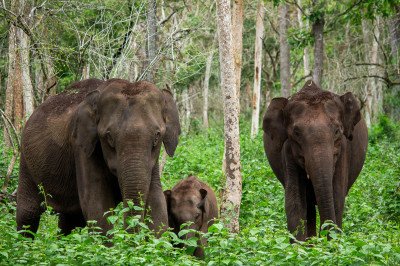
Khongnem Village is a traditional settlement located in the Mao-Maram region of Senapati. It is home to a significant population of the Maram Naga tribe. The village is perched on a hillside, offering breathtaking views of the surrounding valleys. Life in Khongnem is deeply connected to agriculture and ancient customs. The village is known for its well-preserved traditional houses, many of which still feature intricate wood carvings and animal motifs. The social structure is governed by the village headman and traditional councils. Visitors can witness the unique "Megolith" culture here, with ancient stones erected in memory of ancestors. The village is also a center for traditional weaving, where women produce beautiful shawls with distinct tribal patterns. The atmosphere is extremely hospitable, and guests are often welcomed with local beverages. The nearby hills are perfect for light trekking and bird watching. Khongnem provides a deep dive into the tribal identity of Manipur. The primary crops grown here are paddy and maize using terrace farming. The village has a primary school and a community hall that serves as the center for cultural events. Despite the proximity to the highway, the village has maintained its quiet, rural character. It is an excellent place for researchers and anthropologists interested in Naga history. :
Card image cap
Koubru Reserved Forest

Koubru Reserved Forest is centered around Mount Koubru, one of the highest peaks in Manipur and a site of immense spiritual importance. For the Meite...

Koubru Reserved Forest is centered around Mount Koubru, one of the highest peaks in Manipur and a site of immense spiritual importance. For the Meitei community, it is considered the birthplace of civilization and the abode of Lord Koubru. The forest is a vast expanse of tropical and subtropical vegetation, housing diverse wildlife including deer and various pheasants. The trek to the peak is a rite of passage for many locals and pilgrims. The forest is dotted with sacred caves and natural ponds that are believed to have healing properties. The trek starts from Saparmeina and takes travelers through steep ridges and dense canopies. At the summit, the view of the Imphal Valley is unparalleled. The area is also significant for the local Kuki and Naga tribes who live in the foothills. The reserve is a vital catchment area for the Imphal River. Conservation efforts are ongoing to protect the rare flora and fauna from encroachment. The "Architecture" of the forest includes ancient stone shrines and natural formations. It is a place where nature and mythology interwine seamlessly. During the pilgrimage season, thousands of people climb the mountain, creating a vibrant, spiritual atmosphere. The forest remains relatively cool throughout the year. It is a must-visit for adventure lovers and those interested in the indigenous spirituality of Manipur. :
Card image cap
Lamlai Village

Lamlai Village on the Senapati side is a charming settlement that offers a glimpse into the rural life of the local tribes. Unlike the more commercial...

Lamlai Village on the Senapati side is a charming settlement that offers a glimpse into the rural life of the local tribes. Unlike the more commercialized areas, Lamlai maintains a very traditional atmosphere where agriculture is the mainstay of the inhabitants. The village is situated on a gentle slope, providing beautiful views of the surrounding paddy fields and pine-covered ridges. It serves as an excellent base for light trekking and exploring the lesser-known trails of the district. The architecture here is a mix of old wooden huts and newer semi-pucca houses, reflecting the changing times. One of the highlights of visiting Lamlai is the opportunity to see traditional granaries and the unique way the community manages its water resources. The villagers are known for their expertise in terrace cultivation, creating a staircase of green fields that look stunning from a distance. It is a peaceful destination, far from the noise of the highway, ideal for slow travel.
Card image cap
Ledepa Li

Ledepa Li is a specialized botanical attraction located in the Tadubi region of Senapati. This garden is dedicated to the conservation and display of ...

Ledepa Li is a specialized botanical attraction located in the Tadubi region of Senapati. This garden is dedicated to the conservation and display of various Rhododendron species, which are native to the high-altitude regions of Manipur. During the blooming season, the garden transforms into a vibrant carpet of crimson, pink, and white flowers. It serves as an important ecological site, attracting botanists and nature lovers from across the country. The peaceful ambiance of the garden, coupled with the cool mountain air, makes it a perfect retreat for those seeking tranquility. It is not just a garden but a symbol of the natural wealth of the Northeast. The site provides educational insights into the flora of the region and the importance of preserving high-altitude ecosystems. Visitors can walk along well-maintained paths that wind through the thickets of flowering trees. It is particularly popular during the spring months when the flowers are in full peak.
Card image cap
Liahtra View Point

Liahtra View Point is one of the most breathtaking vantage points in the Senapati district, offering a panoramic view of the rolling hills and distant...

Liahtra View Point is one of the most breathtaking vantage points in the Senapati district, offering a panoramic view of the rolling hills and distant valleys. Situated near the village of Siraffi, it provides a 360-degree perspective of the landscape that stretches towards the Nagaland border. The viewpoint is characterized by its dramatic cliffs and the often-misty atmosphere that gives it a mystical feel. It is a popular stop for travelers moving along the highway who want to stretch their legs and witness the sheer scale of the Manipur mountains. The air here is exceptionally crisp and clean, providing a refreshing break from the dust of the road. On clear days, one can see the intricate patterns of terrace farming on the slopes of neighboring villages. It is a place of quiet reflection, where the only sound is the wind whistling through the grass. The viewpoint has been developed with basic seating to allow visitors to sit and soak in the majestic scenery.
Card image cap
Liyai Khullen

Liyai Khullen is a picturesque village that is known for its rich cultural heritage and its unique traditional way of life. The village is home to the...

Liyai Khullen is a picturesque village that is known for its rich cultural heritage and its unique traditional way of life. The village is home to the Naga tribes, who have a distinct culture and a vibrant history. The village is known for its historical places like the water ponds, stone monoliths, and various ancient houses. The Barak River has its origin source in this village, which makes it a great place to visit for those who want to explore the untouched beauty of the region and to simply sit and relax and enjoy the cool and refreshing environment. The village is a testament to the region's rich cultural and historical heritage. A visit to the village is a great way to learn about the history of the Naga tribes and to get a detailed knowledge of their traditional way of life.
Card image cap
Liyai Khullen Village

Liyai Khullen is an ancient and picturesque village nestled in the northern hills of Senapati district. Known for its historical depth and scenic land...

Liyai Khullen is an ancient and picturesque village nestled in the northern hills of Senapati district. Known for its historical depth and scenic landscapes, it is a significant cultural hub for the Poumai Naga tribe. The village sits at an elevation that offers a cool, refreshing environment year-round, making it a favorite for eco-tourists. One of its most prestigious claims to fame is being the source point of the mighty Barak River. The local community preserves age-old traditions, from unique farming techniques to the brewing of famous indigenous rice beer. Visitors are often struck by the hospitality of the villagers and the serene, untouched beauty of the surrounding mountains. Historical stone monoliths scattered throughout the village tell stories of a 500-year-old heritage. The village represents a perfect harmony between nature and tribal lifestyle, providing a deep dive into the soul of Manipur.
Card image cap
Makeng Thangal Reserved Forest

The Makeng Thangal Reserved Forest is a vital ecological zone in the Senapati district, characterized by its dense canopy and rich biodiversity. This ...

The Makeng Thangal Reserved Forest is a vital ecological zone in the Senapati district, characterized by its dense canopy and rich biodiversity. This protected area is home to a variety of flora, including rare medicinal herbs and towering indigenous trees like the Phoebe hainesiana. The forest plays a crucial role in maintaining the local climate and providing a habitat for diverse wildlife, including various species of deer and colorful Himalayan birds. For adventure seekers, the forest offers several trekking trails that range from easy walks to challenging climbs through thick undergrowth. The forest is also significant for the local Thangal Naga tribe, who have a deep spiritual connection with these woods. Walking through the forest, one can hear the constant melody of cicadas and the occasional call of a barking deer. It is a place where the air is noticeably cooler and the sunlight filters through the leaves in beautiful patterns. The conservation efforts here are a testament to the community's commitment to protecting their natural heritage.
Card image cap
Makhel Cave

Makhel Cave is an ancient site of profound historical and spiritual significance located in the northern part of Manipur. According to Naga oral trad...

Makhel Cave is an ancient site of profound historical and spiritual significance located in the northern part of Manipur. According to Naga oral tradition and folklore, this cave is believed to be the ancestral home and the point of dispersal for the Naga tribes before they migrated to various parts of the Northeast. The cave is part of a larger sacred complex that includes monoliths and sacred trees that are said to have been planted by the ancestors. For researchers and history buffs, the cave represents a living link to the megalithic culture of the region. The interior of the cave features natural rock formations, stalactites, and stalagmites that have formed over millennia. It is not just a geological feature but a site of pilgrimage where the local Poumai Naga community and other tribes come to reconnect with their roots. The surrounding landscape is characterized by rolling hills and dense greenery, offering a serene atmosphere for those who visit. Exploring the cave provides a deep insight into the migratory history of the indigenous tribes and the spiritual beliefs that continue to shape their identity today. The cave is relatively small but is packed with stories of the "Golden Age" of the Nagas when they lived in unity at this very spot. :
Card image cap
Makhel Heritage Amphitheatre

The Makhel Heritage Amphitheatre is a modern architectural marvel designed to preserve and showcase the vibrant cultural heritage of the Naga people....

The Makhel Heritage Amphitheatre is a modern architectural marvel designed to preserve and showcase the vibrant cultural heritage of the Naga people. Located near the historic Makhel Cave, this amphitheatre serves as a communal space for folk performances, tribal gatherings, and cultural festivals. The structure is built into the natural slope of the hill, providing a panoramic view of the surrounding mountains as a backdrop to the stage. It was constructed to give a formal platform to the oral traditions, songs, and dances that have been passed down through generations. The amphitheatre is often used during the Makhel Heritage Festival and other significant tribal events. For a visitor, it represents the meeting point of ancient tradition and contemporary social life. The seating is designed to accommodate hundreds of people in a semi-circular fashion, ensuring that every spectator has a clear view of the performance area. The acoustics of the site are naturally enhanced by the surrounding hills, making the sound of traditional trumpets and drums resonate powerfully across the valley. Visiting the amphitheatre provides a unique opportunity to witness the living culture of the Poumai Naga and other surrounding tribes in a setting that is both grand and intimate. It is a symbol of pride for the local community and a key attraction for tourists interested in the performing arts of the Northeast. :
Card image cap
Makhel

Makhel is a sacred and historically significant village, considered to be the origin place of the Naga tribes. According to local folklore, all the Na...

Makhel is a sacred and historically significant village, considered to be the origin place of the Naga tribes. According to local folklore, all the Naga tribes migrated from this village to their present locations. The village is home to a number of historical monuments, including the Makhel Heritage Amphitheater, the sacred Banyan trees, and the trio monolith. The village is a serene and peaceful place, with a series of well-maintained houses and a few small temples. The village is a testament to the region's rich cultural and historical heritage. A visit to the village is a great way to learn about the history of the Naga tribes and to get a detailed knowledge of their traditional way of life.
Card image cap
Mao Town

Mao Town, often referred to as Mao Gate, is a bustling hill station located on the border between Manipur and Nagaland. Known for its breathtaking sc...

Mao Town, often referred to as Mao Gate, is a bustling hill station located on the border between Manipur and Nagaland. Known for its breathtaking scenic beauty and cool climate, it serves as the commercial and cultural gateway for travelers entering the state from the north. The town is primarily inhabited by the Mao Naga tribe, who are renowned for their expertise in terrace cultivation and their vibrant market culture. The Mao Market is a major highlight, where you can find fresh organic produce, wild orchids, and traditional Naga handicrafts. The town is situated at a high altitude, which means it remains pleasantly cool even when the valleys are warm. Historically, Mao has been a strategic point on the ancient trade routes and was a significant location during World War II. Visitors often stop here to experience the unique blend of Manipuri and Naga cultures. The town is surrounded by terraced fields that look like giant green stairs carved into the mountainside. It is also the jumping-off point for treks to the famous Dzüko Valley. Life in Mao is slow-paced and traditional, with stone-paved paths and wooden houses that reflect the architectural heritage of the hills. Whether you are a foodie looking for smoked meats and spicy chutneys or a nature lover seeking misty mountains, Mao Town offers a perfect mountain retreat. :
Card image cap
Maram Khullen

Maram Khullen is one of the largest and oldest traditional villages in Manipur, serving as the cultural heart of the Maram Naga tribe. Perched on a h...

Maram Khullen is one of the largest and oldest traditional villages in Manipur, serving as the cultural heart of the Maram Naga tribe. Perched on a high ridge, the village offers a glimpse into a way of life that has remained unchanged for centuries. The village is unique because it still follows many of its ancient customs, including a traditional form of governance led by a Chief who is highly respected. The people here have a deep connection to their land and ancestry, which is reflected in their festivals and the layout of the village. Maram Khullen is famous for its history of resistance and its preservation of megalithic culture. Walking through the village, you will see numerous monoliths that tell stories of past victories, feasts of merit, and ancestral lineages. The village is also known for its unique dialect and its distinct traditional dress. Anthropologists from across the world visit this village to study the social structure and the "Megalithic" traditions that are still alive here. The surrounding hills are dotted with terraced farms, and the village provides an excellent vantage point for viewing the Barail and Koubru mountain ranges. A visit here is not just a sightseeing trip; it is an immersion into the history of one of the most resilient and culturally rich tribes of the Northeast. The hospitality of the Maram people is legendary, and visitors are often welcomed with stories of their brave ancestors. :
Card image cap
Maram Khullen Village

Maram Khullen Village is often distinguished as the specific ancestral settlement within the larger Maram region. It is the original site of the Mara...

Maram Khullen Village is often distinguished as the specific ancestral settlement within the larger Maram region. It is the original site of the Maram Naga tribe and is steeped in myth and legend. The village is unique in its social structure, maintaining a "Khullakpa" (Village Chief) who resides in the most traditional part of the village. The village layout is defensive, built on a hilltop to provide a clear view of any approaching visitors or threats in ancient times. Today, it stands as a testament to the endurance of tribal traditions in the face of modernity. The village is famous for its intricate wood carvings that adorn the gables of the traditional houses, depicting motifs like buffalo heads and hornbills, which symbolize wealth and bravery. The inhabitants are deeply religious, blending their ancestral beliefs with modern faith. For a traveler, the village offers a sense of peace and a chance to disconnect from the digital world. The air is filled with the smell of woodsmoke and the sound of distant folk chants. Exploring the village involves walking through narrow alleys lined with stone walls, where you might see elders sitting in the sun, weaving baskets or sharing stories of the "Golden Age." It is one of the most authentic tribal experiences available in Manipur, offering a rare look at a community that values its heritage above all else. The village is also a gateway to exploring the lesser-known biodiversity of the Senapati hills. :
Card image cap
Moulkholum

Moulkholum (S. Mongbung Viewpoint) is a majestic hilltop destination in the Senapati district that offers a bird's-eye view of the sprawling valleys ...

Moulkholum (S. Mongbung Viewpoint) is a majestic hilltop destination in the Senapati district that offers a bird's-eye view of the sprawling valleys below. This spot has gained immense popularity among local youths and travelers for its serene environment and the breathtaking panoramic views of the Manipuri hills. The viewpoint is characterized by its lush green carpets of grass and the cool, crisp mountain air that rejuvenates the soul of every visitor. Historically, the area was a quiet pastoral land, but it has recently transformed into a vibrant eco-tourism hub due to social media exposure and local community efforts. Visitors often find themselves lost in the rhythmic movement of the clouds that seem to touch the very ground they stand upon. The site serves as a perfect escape from the urban hustle, providing a quiet sanctuary for meditation and nature photography. The vast expanse of the hilltop allows for large gatherings, yet it maintains an intimate feel for those seeking solitude. During the sunrise and sunset, the sky transforms into a canvas of orange and purple hues, casting a magical glow over the entire landscape. The local villagers of S. Mongbung are known for their hospitality, often guiding tourists through the winding paths. The ecological diversity here is also notable, with various wild flora blooming during the spring season. It is a place where nature's grandeur is on full display, making it a must-visit for anyone traveling through the northern part of Manipur.
Card image cap
Purul

Purul is a picturesque village nestled amidst the lush green hills of the Senapati district. The village is known for its pleasant climatic conditions...

Purul is a picturesque village nestled amidst the lush green hills of the Senapati district. The village is known for its pleasant climatic conditions and its scenic beauty. It is a great place to visit for those who want to explore the untouched beauty of the region and to simply sit and relax and enjoy the cool and refreshing environment. The village is a testament to the region's rich natural beauty and its potential for eco-tourism. The village is a mix of rugged terrain and lush vegetation, with a series of well-maintained roads and a few small houses. It is a great place to visit for those who want to experience the local way of life and the unique culture of the Poumai Naga tribe, which is believed to have been in the region for centuries.
Card image cap
Purul Village

Purul Village is a culturally vibrant settlement of the Poumai Naga tribe, perched on the picturesque hills of the Senapati district. Known for its d...
Purul Village is a culturally vibrant settlement of the Poumai Naga tribe, perched on the picturesque hills of the Senapati district. Known for its deep-rooted traditions and preserved indigenous lifestyle, the village offers a glimpse into the ancient ways of the Naga people. The village is famously associated with its passion for traditional sports, particularly indigenous wrestling and a unique game called Toutou. Historically, Purul has remained a center for cultural preservation, where oral histories are passed down through generations. The landscape of the village is a mix of terraced rice fields and neatly arranged traditional houses that follow the contour of the hills. During the festival seasons, the village transforms into a hub of activity with colorful attires, rhythmic folk songs, and energetic dances. The social fabric of Purul is built on community labor and mutual respect, which is evident in their agricultural practices. Travelers often visit this village to experience authentic homestays and to learn about the traditional weaving techniques used by the local women. The atmosphere is quiet and peaceful, with the only sounds being the wind rustling through the pines and the distant calls of villagers working in the fields. It is a place where time seems to slow down, allowing visitors to connect with the land and the people on a deeper level. The village also serves as a gateway to several higher trekking routes in the Senapati highlands. The hospitality of the Poumai people is legendary, often welcoming strangers with traditional rice beer and local delicacies. For those interested in anthropology and cultural tourism, Purul is an indispensable destination in Manipur.
Card image cap
Sadu Chiru Waterfalls

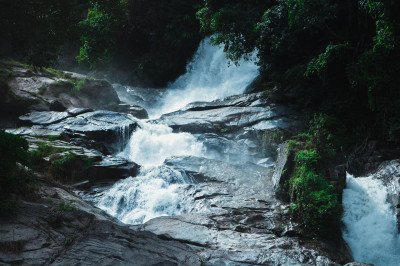
Sadu Chiru Waterfalls, also popularly known as Leimaram Waterfall, is one of the most famous natural attractions in Manipur. Located in the Senapati ...

Sadu Chiru Waterfalls, also popularly known as Leimaram Waterfall, is one of the most famous natural attractions in Manipur. Located in the Senapati district near the border with Imphal West, this waterfall consists of three distinct levels of cascading water. The first fall is the most accessible and popular, featuring a sheer drop of about 30 meters into a crystal-clear pool. The surrounding area is a dense canopy of tropical vegetation, which keeps the environment cool and misty even during the peak of summer. Historically, the waterfall was a hidden local secret until the state government developed stone pathways and stairs to make it accessible to the general public. The walk from the parking area to the falls is a scenic trek of about 500 meters, passing through small streams and lush fern-covered rocks. The air near the falls is rich with negative ions, providing a refreshing and invigorating experience for visitors. Many locals believe the waters have healing properties due to the minerals picked up from the rocks. The site has become a premier picnic spot for families and a favorite for school excursions. The roar of the falling water can be heard from a distance, building anticipation as you climb the stone steps. The second and third falls are located further up the hill and require a more strenuous climb, but they offer a quieter and more secluded experience for the adventurous. The mist generated by the falls often creates miniature rainbows when the sun hits the water at the right angle. It is a place that perfectly captures the "Jewel of India" description of Manipur.
Card image cap
Saranamai View Point

Saranamai View Point is a breathtaking high-altitude destination located in the Saranamai village of Senapati district. It is positioned along the hi...

Saranamai View Point is a breathtaking high-altitude destination located in the Saranamai village of Senapati district. It is positioned along the hills that border Nagaland, offering a unique perspective of the trans-boundary mountain ranges. The viewpoint is known for its dramatic cliffs and the deep valleys that are often filled with thick blankets of white fog. Historically, this area served as a strategic lookout point for the local tribes during ancient times. Today, it has evolved into a serene spot for travelers who seek peace and a deep connection with nature. The landscape is characterized by rugged rocks interspersed with patches of high-altitude grasslands and rhododendron bushes. The wind here is remarkably strong, carrying the scents of the pine forests below. On clear days, one can see the distant peaks of the Zunheboto and Phek districts of Nagaland. The local village of Saranamai is a close-knit community that takes great pride in maintaining the viewpoint and its surrounding environment. The silence at the viewpoint is profound, broken only by the whistling wind and the occasional eagle soaring high above. It is a preferred spot for those who enjoy "slow travel," where the goal is to simply sit and witness the changing patterns of light and shadow on the hills. The area is also rich in folklore, with many stones and trees at the viewpoint having ancestral stories attached to them. For the people of Senapati, Saranamai is a symbol of the rugged beauty of their homeland.
Show All

Note:-

Information provided here in good Faith and for reference only.

All information and pictures will be updated soon, please keep visiting.

Near Places
...
Bishnupur

Some quick example text to build on the card title and make up the bulk of the card's content.

Go somewhere
...
Chandel

Some quick example text to build on the card title and make up the bulk of the card's content.

Go somewhere
...
Churachandpur

Some quick example text to build on the card title and make up the bulk of the card's content.

Go somewhere
...
Ima Keithel

Some quick example text to build on the card title and make up the bulk of the card's content.

Go somewhere
...
Imphal

Some quick example text to build on the card title and make up the bulk of the card's content.

Go somewhere
...
Jiribam

Some quick example text to build on the card title and make up the bulk of the card's content.

Go somewhere
...
Kakching

Some quick example text to build on the card title and make up the bulk of the card's content.

Go somewhere
...
Kamjong

Some quick example text to build on the card title and make up the bulk of the card's content.

Go somewhere
...
Khongjom

Some quick example text to build on the card title and make up the bulk of the card's content.

Go somewhere
...
Lairok Maru

Some quick example text to build on the card title and make up the bulk of the card's content.

Go somewhere
in Other Cities