...

Place To Visit And Things To Do In Tamenglong

Manipur, India
Overview of the Land: Tamenglong is a rugged hill district known for its dense forests and valleys. It is often referred to as the "Land of the Hornbill" due to the birds. The region is exceptionally rich in biodiversity and exotic flora and fauna. It offers a raw and untouched experience for the ad venturous soul.Orange Capital: This place is famous across the state as the major producer of oranges. The hills are dotted with vast orange orchards that look stunning in winter. An annual festival is held here to celebrate this citrus fruit's bountiful harvest. The sweet aroma of oranges fills the air during the peak season.Tribal Community: The district is primarily inhabited by the Zeliangrong Naga community. Their traditions, folk songs, and dances are deeply rooted in the local nature. They are known for their warm hospitality and strong sense of community. Visitors can learn about their unique history through various village interactions.Mystical Landscapes: The topography is marked by deep gorges, high cliffs, and numerous waterfalls. The Barak River flows through the district, creating beautiful series of cascades. It is a land of myths, where every cave and lake has a story. It remains one of the most offbeat and scenic parts of India.

Things To Do

Card image cap
Akham Khou

@@Introduction to the Sacred Peak: Akham Khou, also widely known as Mount Kisha, is a majestic rocky peak standing tall in the Tousem region of Tameng...

@@Introduction to the Sacred Peak: Akham Khou, also widely known as Mount Kisha, is a majestic rocky peak standing tall in the Tousem region of Tamenglong. It holds immense historical and spiritual significance for the Rongmei people. The mountain is famously associated with the legendary freedom fighter Haipou Jadonang and Rani Gaidinliu, who used its rugged terrain as a strategic hideout and a place for meditation during the British resistance. The peak offers a panoramic view of the surrounding hills, often covered in a thick blanket of clouds that gives it an ethereal appearance. Geologically, the mountain is characterized by steep limestone cliffs and deep crevices, making it a challenging yet rewarding destination for trekkers and history enthusiasts alike. The flora here includes rare highland shrubs and wild orchids that bloom during the spring season. Local folklore is deeply intertwined with this mountain, with many believing it to possess spiritual energy that protected the local warriors. Exploring Akham Khou is like walking through a living museum of Manipur's struggle for independence. The atmosphere at the summit is profoundly silent, broken only by the whistling winds and the occasional cry of mountain birds. It serves as a symbol of Naga resilience and cultural identity. For modern travelers, it provides a perfect escape from the digital world, offering raw, untouched nature and a deep connection to the past. The trek to the top is physically demanding but provides a sense of accomplishment as you stand where legends once stood. It remains one of the most culturally significant spots in North East India.
Card image cap
Azuram Community Reserves

@@The Green Heart of Tamenglong: Azuram Community Reserve is a shining example of how local indigenous communities can lead the way in wildlife conser...
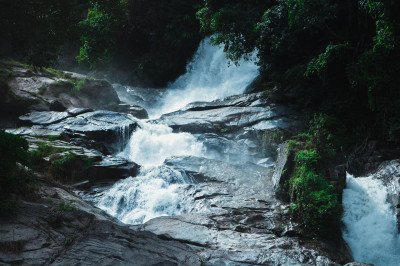
@@The Green Heart of Tamenglong: Azuram Community Reserve is a shining example of how local indigenous communities can lead the way in wildlife conservation. Located in the picturesque Azuram village, this reserve was established by the villagers themselves who voluntarily set aside a large portion of their ancestral land—nearly three square miles—to protect the declining biodiversity of the region. This area is a dense canopy of virgin forests, home to several endangered species like the Chinese Pangolin, Serow, and various types of macaques. The reserve gained international attention for its success in protecting the Amur Falcons, migratory raptors that visit the region in thousands during October and November. The landscape is a mix of rugged hills and deep valleys, crisscrossed by small mountain streams that remain crystal clear throughout the year. The villagers have banned hunting and logging within the reserve, allowing the forest to regenerate into a lush paradise. Visiting Azuram offers a unique perspective on the relationship between the Rongmei people and nature. The local guides are often former hunters who have now turned into protectors, sharing incredible stories of animal encounters. The air is exceptionally pure, and the silence is only broken by the calls of the Hoolock Gibbons echoing through the trees. It is not just a tourist spot but a model for sustainable ecology that inspires conservationists worldwide. The reserve also supports a vast variety of medicinal plants and rare timber species. Walking through the forest trails, one can see the vibrant "forest floor" life, from giant ferns to colorful mushrooms. It is a must-visit for anyone interested in eco-tourism and wildlife photography.
Card image cap
Barak Waterfalls

@@A Symphony of Cascading Waters: The Barak Waterfalls are perhaps the most iconic natural landmark of Tamenglong. Formed by the mighty Barak River, t...

@@A Symphony of Cascading Waters: The Barak Waterfalls are perhaps the most iconic natural landmark of Tamenglong. Formed by the mighty Barak River, this site is unique because it features a series of seven distinct waterfalls located within a short distance of each other. Each cascade has its own character, ranging from thunderous drops to gentle, wide veils of water. The surrounding environment is a dense tropical rainforest, rich with ferns, mosses, and giant bamboo. The sound of the falling water can be heard from miles away, creating a sense of anticipation as you approach the site. The pool at the base of the largest fall is a deep turquoise color, perfect for a refreshing swim, although caution is advised due to strong currents during the monsoon. The trek to reach all seven falls involves navigating through steep, slippery paths, making it a favorite for adventure seekers. Historically, these falls have been a source of sustenance and a sacred site for the local tribes. The misty atmosphere created by the spray supports a micro-climate where rare orchids thrive. In the early mornings, rainbows are a common sight across the falls as the sunlight hits the mist at a specific angle. The Barak River itself is the lifeline of the district, and these falls represent its raw, untamed power. It is an ideal spot for picnics, although visitors are strictly urged to maintain the cleanliness of this pristine ecosystem. The sheer scale of the waterfalls against the backdrop of the dark green hills is a sight that remains etched in the memory of every visitor.
Card image cap
Buning Meadow

@@The Rolling Highlands: Buning Meadow, also known as N-piulong Valley, is a breathtaking expanse of undulating hills and lush grasslands. Often compa...
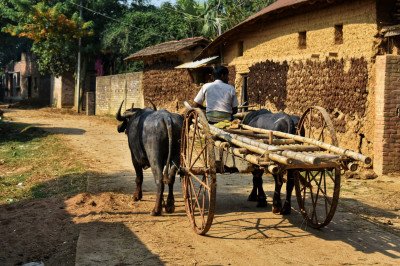
@@The Rolling Highlands: Buning Meadow, also known as N-piulong Valley, is a breathtaking expanse of undulating hills and lush grasslands. Often compared to the meadows of Switzerland, this site is a spectacle of natural beauty. During the spring and summer months, the entire meadow is blanketed with wild lilies and rare orchids, creating a colorful carpet that stretches as far as the eye can see. The meadow is situated at a high altitude, providing a cool and refreshing climate even when the plains are hot. It is a habitat for various wildlife, including the Hoolock Gibbon, foxes, and numerous species of mountain birds. Small brooks and streams meander through the mounds, their clear water sparkling under the sun. The landscape is characterized by uneven small mounts that look like giant green bubbles. For the local people, Buning is a place of peace and a popular spot for traditional gatherings. The silence of the meadow is profound, interrupted only by the whistling of the wind through the grass. It is an ideal destination for those who seek solitude and a deep connection with nature. The view of the sunset from Buning is legendary, as the sky turns into shades of orange and purple, reflecting off the dewy grass. The meadow remains largely untouched by commercial tourism, preserving its pristine and virginal charm. Walking across the soft grass, one feels a sense of liberation and joy. It is truly one of the most beautiful high-altitude meadows in all of North East India.
Card image cap
Dailong Village

@@A Living Heritage of Conservation: Dailong Village is one of the oldest and most culturally significant villages in Tamenglong. It has earned the pr...

@@A Living Heritage of Conservation: Dailong Village is one of the oldest and most culturally significant villages in Tamenglong. It has earned the prestigious title of a "Biodiversity Heritage Site," one of the few in India, due to its centuries-old tradition of forest conservation. The villagers of Dailong have practiced sacred grove protection long before modern environmentalism began. The village is home to the Rongmei Naga tribe, who have a deep spiritual connection with their land. The Rangan Wood Park and the Longku forest within the village limits are havens for rare flora, including the primitive Citrus indica (Indian Wild Orange), which is believed to be the ancestor of all citrus fruits. The village layout is a beautiful example of tribal hill architecture, with houses perched on ridges overlooking deep valleys. Dailong is also famous for its historical stone monoliths, giving it the ancient name Poudailong (Stone Village). The community is highly educated and welcoming, often sharing their knowledge of traditional medicine and sustainable farming. Walking through the village, one can see traditional weavers at work and elders narrating tales of their ancestors. The air is filled with the scent of wildflowers and woodsmoke. It is a place where time seems to slow down, allowing visitors to immerse themselves in a culture that truly lives in harmony with nature. The village serves as a living laboratory for researchers and a peaceful retreat for travelers seeking authenticity.
Card image cap
Devpriya Hill

Devpriya Hill is a prominent vantage point located very close to the heart of Tamenglong town, offering a panoramic 360-degree view of the surroundin...

Devpriya Hill is a prominent vantage point located very close to the heart of Tamenglong town, offering a panoramic 360-degree view of the surrounding mountain ranges and the deep valleys of the Barak river system. This hill is significant for its lush green vegetation and its role as a local retreat for those seeking peace and a connection with nature without traveling deep into the interior forests. The hill is covered in a variety of local flora, including wild orchids and rhododendrons that bloom brilliantly during the spring season. Historically, it has served as a landmark for the Zeliangrong people, who consider these heights to be spiritually grounding and protective of the settlement below. Visitors often come here to witness the dramatic cloud formations that roll over the peaks, a phenomenon that has earned Tamenglong its reputation as a "misty paradise." The air at the summit is crisp and unpolluted, providing a refreshing escape from the humidity of the lower valleys. The trail to the top is relatively easy, making it accessible for families and casual walkers who want to enjoy the outdoor beauty of Manipur. The hill also serves as a strategic point for observing the unique topography of the region, which was formed by orogenic movements during the Cretaceous period, resulting in the characteristic shale and sandstone formations seen today. It is a place where one can truly appreciate the geographical majesty of the North Eastern frontier of India.
Card image cap
Dilji Waterfall

Dilji Waterfall is one of the most stunning yet lesser-known natural wonders in the Tamenglong district of Manipur. Cascading from a significant heig...

Dilji Waterfall is one of the most stunning yet lesser-known natural wonders in the Tamenglong district of Manipur. Cascading from a significant height, the waterfall is fed by a perennial mountain stream that flows through the dense tropical wet evergreen forests of the region. The water is crystal clear and remains cold throughout the year, collecting in a natural turquoise pool at the base where visitors can enjoy a refreshing dip. The surrounding environment is a biodiversity hotspot, home to various species of ferns, mosses, and exotic butterflies that are attracted to the misty atmosphere created by the falling water. The sound of the waterfall echoing through the narrow rocky gorge creates a serene and meditative environment, far removed from the noise of urban life. Historically, such waterfalls were used by the local Rongmei tribes as natural cooling spots and sources of fresh water during their hunting expeditions. The trek to the waterfall involves navigating through a lush forest trail that showcases the raw, untamed beauty of the Tamenglong hills. During the monsoon season, the volume of water increases dramatically, turning the silver veil into a powerful roar that can be heard from a distance. The rocks around the fall are mostly schist and shale, which have been smoothly carved by the water over millennia, creating interesting geological patterns. It is an ideal spot for nature lovers and photographers who wish to capture the essence of the North East's hidden water bodies in their most pristine state.
Card image cap
Duithailong Village

Duithailong Village is a traditional settlement that epitomizes the rich cultural heritage of the Zeliangrong Naga community in Tamenglong. Perched o...

Duithailong Village is a traditional settlement that epitomizes the rich cultural heritage of the Zeliangrong Naga community in Tamenglong. Perched on a ridge with a commanding view of the valley below, the village is a living museum of indigenous customs, architecture, and agricultural practices. The residents are primarily engaged in organic farming, particularly the cultivation of the world-famous Tamenglong oranges and various hill rice varieties. A walk through the village reveals a community that lives in perfect harmony with nature, maintaining ancient traditions like the Gan-Ngai festival with great fervor. The social structure is centered around the village authority and the youth dormitories, which play a crucial role in passing down oral histories and folk songs. The village is also known for its exquisite handloom and handicraft products, where women weave intricate patterns that tell stories of their ancestors and the natural world. Visitors to Duithailong are often greeted with the legendary hospitality of the Naga people, often being invited to share a cup of local ginger soup or rice beer. The village layout follows a traditional pattern where houses are clustered together for security and social cohesion, with common granaries and community halls acting as the heart of the settlement. The surrounding landscape is a patchwork of terraced fields and orange orchards, which turn a vibrant golden hue during the harvest season in December. This village offers an authentic "slow travel" experience, allowing outsiders to understand the complexities and beauties of tribal life in the mountains of Manipur.
Card image cap
Gailong Village

Gailong Village is a historic and strategically located settlement in the Tamenglong district, famous for its preservation of the "Reangan" or massiv...

Gailong Village is a historic and strategically located settlement in the Tamenglong district, famous for its preservation of the "Reangan" or massive stone monoliths. These stones were traditionally erected to mark village boundaries and serve as spiritual and physical defenses against enemies. The village is situated on a high elevation, providing a natural defense and a spectacular view of the surrounding mountain ranges. The residents of Gailong are known for their deep knowledge of indigenous forest management and sustainable agriculture. The village is surrounded by thick virgin forests that are home to rare bird species and wild orchids. Historically, Gailong was a key player in the regional tribal networks, and its elders are repositories of ancient lore and traditional medicinal practices. The architecture of the village reflects its warrior past, with sturdy houses and communal spaces designed for collective security. The social life in Gailong is vibrant, with various seasonal festivals that involve community dancing, singing, and the sharing of traditional meals. The air here is exceptionally pure, and the pace of life is dictated by the seasons and the sun. For a traveler, Gailong offers a deep dive into the soul of the Zeliangrong people, where the modern world feels like a distant memory. The village is also a gateway for several trekking routes that lead deeper into the Barak river basin, making it a favorite for adventure seekers who want to explore the "Land of the Hornbill" in its most authentic form.
Card image cap
Jiri Makru Wildlife Sanctuary

Jiri Makru Wildlife Sanctuary is a sprawling protected area located in the westernmost part of Manipur, bordering Assam. Covering an area of over 198...

Jiri Makru Wildlife Sanctuary is a sprawling protected area located in the westernmost part of Manipur, bordering Assam. Covering an area of over 198 square kilometers, it is defined by the two majestic rivers, Jiri and Makru, which flow through its heart. The sanctuary is a critical biodiversity corridor between the Indo-Myanmar and Himalayan hotspots, featuring dense tropical wet evergreen and semi-evergreen forests. It is home to an incredible array of wildlife, including the endangered Hoolock Gibbon, Clouded Leopard, Slow Loris, and Stump-tailed Macaque. The avifauna is equally impressive, with sightings of various hornbills, eagles, and rare migratory birds during the winter months. The vegetation is characterized by massive teak, sal, and mahogany trees, along with over 50 species of bamboo and a multitude of wild orchids. The terrain is rugged and hilly, with elevations ranging from 80 meters to 500 meters above sea level. This sanctuary is not just a haven for animals but also a vital ecological asset that regulates the microclimate and maintains soil fertility for the entire region. For the adventurous traveler, the sanctuary offers a chance to experience the North East's "last wild frontier," where nature remains largely untouched by human interference. However, due to its remote location and dense cover, exploration requires professional guidance and proper permits from the Manipur Forest Department. The sanctuary also holds cultural importance for the Zeliangrong tribes who live on its fringes and have traditionally acted as the guardians of these forests.
Card image cap
Kambiron Village

Kambiron Village is a place of immense historical and cultural significance in Tamenglong, Manipur. It is widely recognized as the birthplace of the ...
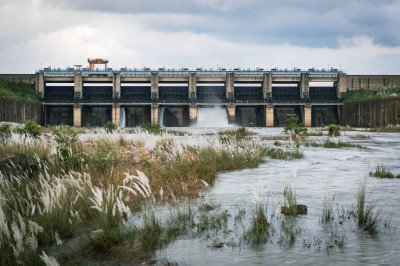
Kambiron Village is a place of immense historical and cultural significance in Tamenglong, Manipur. It is widely recognized as the birthplace of the legendary freedom fighter Rani Gaidinliu, who led a heroic revolt against British colonial rule. The village serves as a living museum of the Rongmei Naga culture, where traditional customs and ancient folklore are still vibrantly preserved by the local inhabitants. Visitors are greeted by the rustic charm of traditional thatched-roof houses and a serene environment that seems untouched by modern urbanization. The village is surrounded by dense tropical forests and rolling hills, providing a perfect backdrop for those looking to immerse themselves in the history of Northeast India. The community in Kambiron Village is known for its hospitality and deep-rooted spiritual connection to the land. Exploring this village offers an educational journey into the socio-political struggles of the Naga people during the 20th century. It is not just a settlement but a symbol of resistance and cultural pride for the entire state of Manipur. The air here is crisp, and the lifestyle is slow-paced, allowing tourists to reflect on the bravery of the "Rani of the Nagas." Many scholars and historians visit this site to document the oral traditions that have been passed down through generations. The village also acts as a gateway to the diverse flora and fauna of the region, featuring rare orchids and medicinal plants. Walking through the narrow paths of Kambiron Village, one can feel the echoes of the past and the resilience of a people who fought for their identity. It remains a must-visit for anyone seeking an authentic tribal experience.
Card image cap
Khoupum Dam

Khoupum Dam is one of the most prominent landmarks in the Khoupum Valley of Tamenglong, Manipur. Constructed in the late 1970s, it holds the distinct...

Khoupum Dam is one of the most prominent landmarks in the Khoupum Valley of Tamenglong, Manipur. Constructed in the late 1970s, it holds the distinction of being the first earth-fill dam in Northeast India. The dam was primarily built for irrigation purposes to support the vast agricultural expanses of the valley, which is often called the "Rice Bowl of Tamenglong." The structure creates a massive reservoir that mirrors the surrounding lush green mountains, creating a breathtaking visual spectacle. The dam has significantly altered the landscape and economy of the region, providing a stable water source for paddy cultivation throughout the year. Beyond its utility, the area around Khoupum Dam has evolved into a popular recreational spot for locals and tourists alike. The serene waters of the reservoir are ideal for quiet contemplation and enjoying the natural beauty of the Manipur highlands. The valley itself is a wide, flat expanse of greenery bordered by steep hills, and the dam serves as the focal point of this unique geography. Visitors can walk along the embankment to get a panoramic view of the entire valley and the Barak River tributaries. The construction of the dam represents a significant era of developmental history in the district. Despite the environmental changes it brought, it remains a vital lifeline for the local Zeliangrong Naga farmers. The dam site is often shrouded in mist during the early morning hours, offering a mystical atmosphere for photographers. It is a place where engineering meets nature, demonstrating how human intervention can harmonize with a rugged landscape to sustain a community.
Card image cap
Khoupum Waterfall

Khoupum Waterfall is a spectacular natural attraction located in the heart of the Khoupum valley in Tamenglong. It is renowned for its multi-tiered c...

Khoupum Waterfall is a spectacular natural attraction located in the heart of the Khoupum valley in Tamenglong. It is renowned for its multi-tiered cascades that plunge into a crystal-clear pool below, surrounded by dense evergreen forests. The waterfall is a hidden gem that offers a refreshing escape from the heat and hustle of city life. To reach the falls, visitors must undertake a short but rewarding trek through a landscape filled with wildflowers and exotic birds. The sound of the rushing water can be heard from a distance, creating an atmosphere of tranquility and excitement. The water is cool and inviting, making it a popular spot for a refreshing dip after a long hike. The surrounding cliffs are covered in moss and ferns, adding to the primordial beauty of the site. Khoupum Waterfall is particularly magnificent during the monsoon and post-monsoon months when the volume of water is at its peak. It is often cited as one of the most beautiful waterfalls in Manipur due to its secluded location and untouched surroundings. The local people consider the waterfall a gift from nature, and it remains largely unspoiled by commercial tourism. Photographers flock to this spot to capture the rainbow reflections that often form in the mist of the falling water. The site is also ideal for nature study and bird watching, as the area is home to several rare avian species. For those seeking adventure, the rugged terrain around the waterfall offers opportunities for rock scrambling and exploring small hidden caves behind the water curtain. It is a place that truly captures the raw essence of the Tamenglong wilderness.
Card image cap
Kisha Khou

Kisha Khou, also known as the Magnificent Cliff or Mount Kisha, is one of the most awe-inspiring geological formations in Tamenglong. Located near th...

Kisha Khou, also known as the Magnificent Cliff or Mount Kisha, is one of the most awe-inspiring geological formations in Tamenglong. Located near the remote Magulong Village, this massive sedimentary rock cliff stands as a towering sentinel over the surrounding valleys. The cliff is not only a natural wonder but also a site of great historical and spiritual importance. It served as a strategic hideout for Rani Gaidinliu during her underground movement against the British forces in 1932 and later during the Indian independence struggle. The sheer scale of the cliff is intimidating, with vertical drops that offer some of the most dramatic views in all of Northeast India. The rock faces show distinct layers of sedimentary deposits, telling a geological story that spans millions of years. For the local Zeliangrong tribes, Kisha Khou is a sacred site associated with ancient deities and protective spirits. The climb to the top of the cliff is challenging and requires a good level of physical fitness, but the reward is a 360-degree panoramic view of the Manipur and Nagaland hills. The area is rich in biodiversity, with rare mountain goats and eagles often spotted near the high peaks. The silence at the summit is profound, broken only by the whistling wind. Kisha Khou represents the rugged and untamed spirit of the Tamenglong district. It is a destination for serious trekkers and those who appreciate the raw power of nature. The cliff's massive presence can be seen from miles away, serving as a landmark for travelers navigating the northern parts of the district. It is a place where legends and geology merge into one.
Card image cap
Kuilong Waterfall

Kuilong Waterfall, often referred to as the "Hidden Xanadu" of Tamenglong, is one of the most remote and stunning waterfalls in Manipur. Situated nea...

Kuilong Waterfall, often referred to as the "Hidden Xanadu" of Tamenglong, is one of the most remote and stunning waterfalls in Manipur. Situated near the border of Nagaland in the Kuilong village area, this waterfall remains largely unexplored by the general public. It is a massive, multi-staged waterfall that drops from a great height into a deep, forested gorge. The journey to Kuilong is an adventure in itself, involving long drives through winding mountain roads and trekking through virgin forests. The waterfall is surrounded by a rich biodiversity that includes rare orchids, giant ferns, and diverse wildlife. In recent years, the area has gained attention for tiger sightings, highlighting the pristine nature of its environment. The water of Kuilong Waterfall is incredibly pure, originating from high-altitude springs. The sheer power of the falls creates a constant mist that keeps the surrounding area cool and humid even in the peak of summer. The local villagers are the guardians of this natural treasure, and their traditional lifestyle adds a layer of cultural depth to any visit. Kuilong is a paradise for those who want to get completely off the grid and experience nature in its most primitive form. The waterfall is best visited with the help of local guides who are familiar with the terrain and the forest paths. The isolation of the site has preserved its beauty, making it a dream destination for eco-tourists and landscape photographers. The scale of the falls is breathtaking, rivaling some of the more famous waterfalls in the country. It is a symbol of the hidden potential of Tamenglong as a premier destination for sustainable and adventure tourism in India.
Card image cap
Mt. Kisha

Mt. Kisha, also known as Kachakhou, is a majestic peak located in the Magulong village. The peak is considered sacred by the Zeliangrong people, and i...

Mt. Kisha, also known as Kachakhou, is a majestic peak located in the Magulong village. The peak is considered sacred by the Zeliangrong people, and it is a great place to visit for those who love nature and adventure. The peak is known for its imposing and majestic look, with its awesome sedimentary rock structure. It is believed that drinking and bathing with the water found in the cave of Mt. Kisha can cure ailments and give a soothing feeling to the body. The peak has historical significance as the Naga freedom fighter Rani Gaidinliu once hid here while on the run from the British in 1932 and from the Indian army in 1961. It is a great place to explore for those who want to learn about the history and culture of the region.
Card image cap
Naga River

The Naga River is a majestic water body that snakes through the dense tropical forests of the Tamenglong district. It serves as a vital ecological ar...

The Naga River is a majestic water body that snakes through the dense tropical forests of the Tamenglong district. It serves as a vital ecological artery for the Zeliangrong Naga people. The river is characterized by its crystal-clear turquoise waters during the winter and a roaring, muddy torrent during the monsoon. It flows through deep gorges and over ancient rock formations, providing a habitat for diverse aquatic species and migratory birds. The surrounding vegetation is a mix of bamboo brakes and evergreen trees, creating a serene atmosphere for nature lovers and researchers alike. Locally, the river is more than just water; it is a symbol of life and purity in the folklore of the Rongmei tribe. Visitors often find themselves mesmerized by the rhythmic sound of the water hitting the stones, which echoes through the silent valleys of Manipur.
Card image cap
Phalong Village

Phalong Village, also known as Bhalok, is a picturesque settlement perched on a ridge in the Tamenglong district. It is widely celebrated as the "Ora...

Phalong Village, also known as Bhalok, is a picturesque settlement perched on a ridge in the Tamenglong district. It is widely celebrated as the "Orange Capital" of Manipur due to its vast and high-quality citrus plantations. The village is home to the Rongmei Naga community, who have preserved their traditional lifestyle for centuries. During the harvest season, the entire hillside turns a vibrant shade of orange, creating a visual spectacle that attracts tourists from across the state. The air in Phalong is remarkably fresh, scented with the fragrance of blooming citrus flowers. The village is also a gateway to the Jiri-Makru Wildlife Sanctuary, making it a hub for eco-tourism and bird watching. Life here moves at a slow, peaceful pace, offering a stark contrast to the bustle of urban centers.
Card image cap
Phelong Village

Phelong Village is a picturesque village in the Tamenglong district that is famous for its orange production. The village is known for its delicious o...

Phelong Village is a picturesque village in the Tamenglong district that is famous for its orange production. The village is known for its delicious oranges, which are cultivated widely in the region. The village is a great place to visit for those who want to experience the local agricultural practices and to taste the unique local produce. The village is a serene and tranquil space, with a series of terraced orange plantations and a few small traditional houses. The villagers are warm and friendly, and they are always happy to share their knowledge and skills with visitors. A visit to the Phelong Village is a unique opportunity to witness the traditional way of life and to appreciate the beauty of the region's agricultural landscape.
Card image cap
Puiluan Village

Puiluan Village, also frequently spelled as Puilong or Kambiron, is a site of immense historical and spiritual significance. It is the birthplace of ...

Puiluan Village, also frequently spelled as Puilong or Kambiron, is a site of immense historical and spiritual significance. It is the birthplace of Haipou Jadonang, the charismatic Naga spiritual leader who founded the Heraka movement against British colonial rule. The village is steeped in the history of the Zeliangrong struggle for independence. Visiting Puiluan is like walking through a living museum; the elders still recount stories of the 1930s resistance. The village is situated amidst rugged terrain, surrounded by steep cliffs and dense forests that once served as hideouts for freedom fighters. It remains a pilgrimage site for followers of the Heraka faith, who come to pay their respects at the ancestral sites. The landscape is dotted with memorial stones and traditional monoliths that tell the story of the village's bravery and its role in the wider Indian independence movement.
Card image cap
Rani Gaidinliu Birthplace

Longkao Village is the hallowed birthplace of Rani Gaidinliu, the "Daughter of the Hills" who was given her title by Jawaharlal Nehru. Born here in 1...

Longkao Village is the hallowed birthplace of Rani Gaidinliu, the "Daughter of the Hills" who was given her title by Jawaharlal Nehru. Born here in 1915, she became a symbol of Naga resistance against both the British and the loss of traditional culture. The village serves as a significant memorial site, featuring a museum and monuments dedicated to her life and struggle. It is situated in the remote Tousem sub-division, where the landscape is characterized by high mountains and deep river valleys. The village maintains a strong connection to the Heraka faith and the Rongmei traditions. Visitors can see the site of her ancestral home and interact with people who still uphold her teachings of self-reliance and cultural pride. The journey to Longkao is an adventure in itself, traversing some of the most rugged and beautiful terrain in Northeast India. It is a place of pilgrimage for anyone wishing to understand the soul of the Naga resistance.
Card image cap
Ruins of Shanatombi Bungalow

The Ruins of Shanatombi Bungalow hold a poignant place in the history of Manipur's royal family and the British colonial era. Princess Shanatombi was...

The Ruins of Shanatombi Bungalow hold a poignant place in the history of Manipur's royal family and the British colonial era. Princess Shanatombi was a daughter of the Manipuri royalty whose life was intertwined with the political upheavals of the late 19th century. The bungalow was originally a grand structure built during the British administration, reflecting the fusion of European and local styles. Today, it stands as a set of evocative ruins, overgrown with vines and moss, serving as a silent witness to a bygone era of elegance and conflict. The site is located on a hilltop, offering a panoramic view of the Tamenglong town and the surrounding valleys. Locals visit the site to reflect on their history, and it has become a popular spot for those interested in colonial architecture and the romanticized tragedy of the royal family. The crumbling walls and stone foundations are a stark reminder of the transience of power and the endurance of nature.
Card image cap
Tamei Town

Tamei Town is a picturesque settlement perched on a high ridge, offering panoramic views of the surrounding valleys and the Barak River basin. It is ...

Tamei Town is a picturesque settlement perched on a high ridge, offering panoramic views of the surrounding valleys and the Barak River basin. It is the administrative center of the Tamei Sub-division and is culturally dominated by the Liangmai Naga community. The town is famous for its cool, misty climate and its role as a marketplace for organic mountain produce, especially oranges and wild honey. Visitors often find the town's atmosphere to be deeply peaceful, far removed from the urban noise of larger cities like Imphal. Historically, the area was a significant point for tribal councils and colonial-era outposts due to its strategic height. The town is surrounded by vibrant green meadows and hills that seem to change color with the passing seasons. It serves as an essential base for trekking expeditions heading toward the Buning Meadows or the northern border with Nagaland. Locals are known for their warm hospitality and traditional lifestyles, which revolve around seasonal agriculture and community festivals. Walking through the town, one can see traditional wooden houses standing alongside modern structures. The town’s elevation keeps it comfortably cool even during the peak summer months of April and May. It is a place where nature and culture are inextricably linked, providing a pure experience of the highland Naga lifestyle.
Card image cap
Tamenglong Bazaar

Tamenglong Bazaar serves as the bustling commercial and social hub of Tamenglong town and the surrounding district, a crucial lifeline for the primari...

Tamenglong Bazaar serves as the bustling commercial and social hub of Tamenglong town and the surrounding district, a crucial lifeline for the primarily agrarian Zeliangrong Naga community. It is a vibrant, chaotic, and utterly essential part of the town's daily rhythm, where people gather not just to trade but to connect and exchange news. The market is particularly famous for its locally grown produce, most notably the high-quality, large Tamenglong Oranges, which have earned the district significant recognition. You will find a diverse range of products here, from fresh vegetables, seasonal fruits, and local handicrafts to readymade garments, essential household goods, and traditional handwoven textiles. The atmosphere is energetic, filled with the sounds of bartering, local languages, and the simple everyday life of the Naga people. It is a place where modernity gently brushes against tradition, and where the economic pulse of the hills is most keenly felt. The market's location, central to the scattered villages, makes it an important intersection point for the region's diverse tribes. It is more than just a place of commerce; it is a cultural melting pot where the unique flavors, aromas, and textures of Manipur's hill economy are on full display, offering a profound glimpse into the daily existence of the resilient hill people.:
Card image cap
Tamenglong Fort

The Tamenglong Fort, a place rich in history, offers a glimpse into the region's past. The remnants of the fort speak volumes about the historical con...

The Tamenglong Fort, a place rich in history, offers a glimpse into the region's past. The remnants of the fort speak volumes about the historical context of this strategic location. Visitors can explore its ruins and immerse themselves in the stories of a bygone era. The fort is a significant historical site that is a testament to the region's rich cultural heritage. While the fort is now in ruins, its historical significance makes it a popular tourist attraction for those interested in history and archaeology.
Card image cap
Tamlou Village

Tamlou Village is one of the oldest and most culturally intact villages in the Tamenglong district. It is primarily inhabited by the Rongmei tribe, w...

Tamlou Village is one of the oldest and most culturally intact villages in the Tamenglong district. It is primarily inhabited by the Rongmei tribe, who have preserved their ancestral customs and agricultural practices for centuries. The village is a living museum where visitors can observe the traditional system of village governance and communal living. The houses are often built in a line along the ridge, following the natural contour of the land. Agriculture is the mainstay of the village, with terrace farming and Jhum (shifting) cultivation being practiced on the surrounding slopes. The village is particularly famous for its traditional weavers who produce intricate shawls and wraps with patterns that tell stories of tribal valor and mythology. Life in Tamlou moves at a slow, rhythmic pace, governed by the cycles of the harvest and the seasons. It is an ideal spot for those looking to experience authentic "village tourism" without the commercial polish found in more accessible areas. The village elders are often willing to share oral histories that date back to the pre-colonial era. The surroundings are incredibly green, especially during the months of June and July when the monsoon is at its peak. Visiting Tamlou provides a profound sense of connection to the land and the resilient spirit of the Naga people. The village also has a small community school and a church that serves as the social heart of the settlement. For a traveler, the attraction lies not in grand monuments, but in the simple beauty of the thatched roofs, the smoke rising from hearths, and the vast, silent hills.
Card image cap
Taningjam Village

Taningjam Village is one of the oldest villages in the Tamenglong District. The village is known for its serene environment and its rich cultural heri...

Taningjam Village is one of the oldest villages in the Tamenglong District. The village is known for its serene environment and its rich cultural heritage. The rivers and the Rock Garden are well-known attractions for a visit to the village. The village is a great place to visit for those who want to explore the untouched beauty of the region and to learn about the traditional way of life of the locals. The village is a testament to the natural beauty and the rich cultural heritage of the Tamenglong district.
Card image cap
Tarik Viewpoint

Tarik Viewpoint offers one of the most breathtaking and expansive vistas in the entire Tamenglong district, providing a serene escape from the town's ...

Tarik Viewpoint offers one of the most breathtaking and expansive vistas in the entire Tamenglong district, providing a serene escape from the town's hustle. Perched on a strategic hill, the viewpoint allows visitors to gaze upon the undulating landscape of the Manipur hills, often referred to as the 'Land of the Hornbill' due to its rich biodiversity. From this elevation, one can appreciate the district's dense, virgin forests, the deep gorges carved by rivers like the Barak and Irang, and the mosaic of small villages nestled in the valleys. The view is particularly stunning during sunrise and sunset, when the light casts dramatic shadows across the rolling hills. The air here is crisp, clean, and often carries the scent of wild orchids and forest foliage, making it a perfect spot for quiet contemplation and nature photography. The area surrounding the viewpoint is largely untouched, contributing to its tranquil ambiance. It is a place that truly captures the raw, unspoiled beauty of Northeast India, highlighting the topographical features that define Tamenglong as a unique ecological zone. Unlike the market, the viewpoint is a testament to the region's natural grandeur, offering a sense of scale and peace that is deeply refreshing for any traveler seeking solace in nature's lap.:
Card image cap
Tharon Cave

Tharon Cave, locally known as Kalemki (meaning "house of bats"), is a fascinating archaeological and geological site. It is a massive limestone cave ...

Tharon Cave, locally known as Kalemki (meaning "house of bats"), is a fascinating archaeological and geological site. It is a massive limestone cave system that stretches over 655 meters in length. The cave is famous for its association with the Hoabinhian culture, a prehistoric tradition found in Southeast Asia. Excavations here have unearthed stone tools and artifacts that date back thousands of years, suggesting that the cave served as a shelter for early humans. The cave is incredibly complex, featuring 34 junctions and five separate exits, which ensure excellent natural ventilation throughout the system. At the main entrance, a map of the cave's interior is carved onto a stone slab, providing a guide for explorers—a unique feature not often seen in natural caves. Inside, the cave is a world of stalactites and stalagmites, with dark passages leading to hidden chambers. The cave holds deep cultural significance for the Liangmei Naga tribe, who believe it to be a sacred site. It is said that some chambers were used for traditional dances and ceremonies in the past. Exploring the cave is an adventure that requires physical agility and a spirit of discovery. The air inside is surprisingly fresh, thanks to the multiple exits. The cave is also home to a large population of bats, which can be seen hanging from the ceilings in the deeper sections. For history buffs, the presence of an inscription by King Bodhachandra of Manipur dating back to 1946 adds a layer of modern historical interest. The trek to the cave passes through dense tropical forests and small streams, making the journey as beautiful as the destination itself. It is a place where geology, archaeology, and tribal mythology converge in a stunning natural setting.
Card image cap
Tousem Circle

Tousem Circle is a ruggedly beautiful administrative and cultural hub located in the westernmost part of the Tamenglong district. This sub-division is...

Tousem Circle is a ruggedly beautiful administrative and cultural hub located in the westernmost part of the Tamenglong district. This sub-division is predominantly inhabited by the Zeliangrong Naga tribe, specifically the Zeme and Liangmai communities, who have preserved their ancestral traditions for centuries. The landscape is characterized by steep mountain ranges, deep river valleys like the Barak and Makru, and a canopy of dense tropical forests. Because of its extreme remote location near the Nagaland and Assam borders, Tousem remains one of the least explored regions in Northeast India, offering a raw and authentic glimpse into tribal life. The area is famous for its massive orange orchards which produce some of the finest citrus fruits in the country, often celebrated during local harvest festivals. Visitors to Tousem find themselves surrounded by a silence that is only broken by the sound of rushing rivers and the calls of exotic birds like the Great Indian Hornbill. The village life here is communal, where the Morung system historically played a vital role in educating the youth. Despite the challenging terrain, the warmth of the local people and the sheer grandeur of the hills make it a compelling destination for those looking to disconnect from modern urban chaos. Exploring Tousem requires a spirit of adventure as the roads are often winding and narrow, carving through the emerald green mountains of Manipur.
Show All

Note:-

Information provided here in good Faith and for reference only.

All information and pictures will be updated soon, please keep visiting.

Near Places
...
Bishnupur

Some quick example text to build on the card title and make up the bulk of the card's content.

Go somewhere
...
Chandel

Some quick example text to build on the card title and make up the bulk of the card's content.

Go somewhere
...
Churachandpur

Some quick example text to build on the card title and make up the bulk of the card's content.

Go somewhere
...
Ima Keithel

Some quick example text to build on the card title and make up the bulk of the card's content.

Go somewhere
...
Imphal

Some quick example text to build on the card title and make up the bulk of the card's content.

Go somewhere
...
Jiribam

Some quick example text to build on the card title and make up the bulk of the card's content.

Go somewhere
...
Kakching

Some quick example text to build on the card title and make up the bulk of the card's content.

Go somewhere
...
Kamjong

Some quick example text to build on the card title and make up the bulk of the card's content.

Go somewhere
...
Khongjom

Some quick example text to build on the card title and make up the bulk of the card's content.

Go somewhere
...
Lairok Maru

Some quick example text to build on the card title and make up the bulk of the card's content.

Go somewhere
in Other Cities