Shri Raghunath Temple
General information
-
Ideal Duration:
30 minutes to 1 hour (Allows time for darshan, appreciating architecture, and a brief moment of reflection).Place Type:
Religious Site, Heritage, TempleEntry Fees:
General Entry Fee: There is no entry fee for visiting the Shri Raghunath Temple. This is a common practice for many places of worship in India, as they are considered public places of spiritual importance. The absence of a fee ensures that the temple remains accessible to ...General Entry Fee: There is no entry fee for visiting the Shri Raghunath Temple. This is a common practice for many places of worship in India, as they are considered public places of spiritual importance. The absence of a fee ensures that the temple remains accessible to all devotees and visitors, regardless of their financial status, allowing for a pure spiritual experience. This policy is aligned with the temple's historical function as a community shrine.
Special Puja or Ritual Fees: While general entry is free, one may choose to participate in special puja (worship) ceremonies or rituals. These might involve small, voluntary donations or nominal fees, depending on the complexity of the ritual and the materials required (like flowers, prasad, or special offerings). However, participation in the daily aartis is typically free and open to everyone. It is customary, but not mandatory, to make a small voluntary donation in the hundi (donation box) for the upkeep of the temple.
Photography and Video Fees: Currently, there are no reported official fees for photography in the general public areas of the temple complex. However, visitors must be mindful of restrictions, particularly inside the main shrine (garbhagriha), where flash photography is often prohibited to protect the ancient artwork and to maintain the sanctity of the place. Any professional or commercial photography might require prior authorization and could involve a fee, so checking with the temple management for such specific requests is advisable.Timing:
Regular Timings: The temple generally follows a split-timing schedule to accommodate the daily rituals and the local tradition of an afternoon break.
Morning Hours: 5:00 AM to 12:00 PM
Afternoon/Evening Hours:<...Regular Timings: The temple generally follows a split-timing schedule to accommodate the daily rituals and the local tradition of an afternoon break.
Morning Hours: 5:00 AM to 12:00 PM
Afternoon/Evening Hours: 4:00 PM to 9:00 PM It is important to note that these timings are approximate and can be slightly modified by the temple management for festivals, special ceremonies, or during specific months (like Kartik or Shravan), so it is always wise to confirm locally.
Ideal Visit Time (Aesthetic & Serenity): The best time for a visit is during the early morning, right when the temple opens, or in the late afternoon (around 4:00 PM). The early morning hours offer the most serene experience, allowing you to witness the morning aarti in peace, enjoy the cool air, and capture beautiful, soft-lit photos of the lake. The late afternoon provides the chance to see the temple just before the sunset, which casts a beautiful, warm glow on the marble structure, and to attend the evening aarti.
Avoidance of Peak Crowds: To avoid the largest crowds, particularly during the peak tourist season (October to March) and on weekends, steer clear of the mid-morning (10:00 AM to 12:00 PM) and early evening (5:00 PM to 7:00 PM) hours. Visiting during the monsoon season (July to September) often means fewer crowds and a lush, green surrounding landscape, offering a unique and quieter experience.Special Events:
Janmashtami Celebration: As the temple is dedicated to an incarnation of Lord Vishnu (Lord Rama is an avatar of Vishnu, often worshipped alongside other Vishnu forms like Krishna), the festival of Janmashtami (celebrating the birth of Lord Krishna) is a major event. The tem...Janmashtami Celebration: As the temple is dedicated to an incarnation of Lord Vishnu (Lord Rama is an avatar of Vishnu, often worshipped alongside other Vishnu forms like Krishna), the festival of Janmashtami (celebrating the birth of Lord Krishna) is a major event. The temple is elaborately decorated with flowers and lights. Special aartis are performed, and cultural programs, including devotional songs (bhajans) and dances, are organized. The atmosphere is vibrant with spiritual fervor, drawing a large number of devotees from nearby areas to witness the midnight celebrations.
Ram Navami Festival: Ram Navami, the celebration of Lord Rama's birth, is arguably the most significant festival here. The temple is thronged with pilgrims. A grand procession might be taken out in the vicinity, and the main idol is bathed and adorned with new clothes and precious ornaments. The day is filled with recitation of the Ramcharitmanas and special puja ceremonies, highlighting the temple's central dedication to Lord Raghunathji (Lord Rama).
Poush Month Annakoot: During the Poush month (typically December/January), an Annakoot festival might be celebrated, where a mountain of food is prepared and offered to the deity, symbolizing the abundance of the land. This event is a visual and culinary delight, showcasing local traditions and generosity. The specific date varies based on the lunar calendar, so local inquiry during this period is necessary.Best Photo Spots:
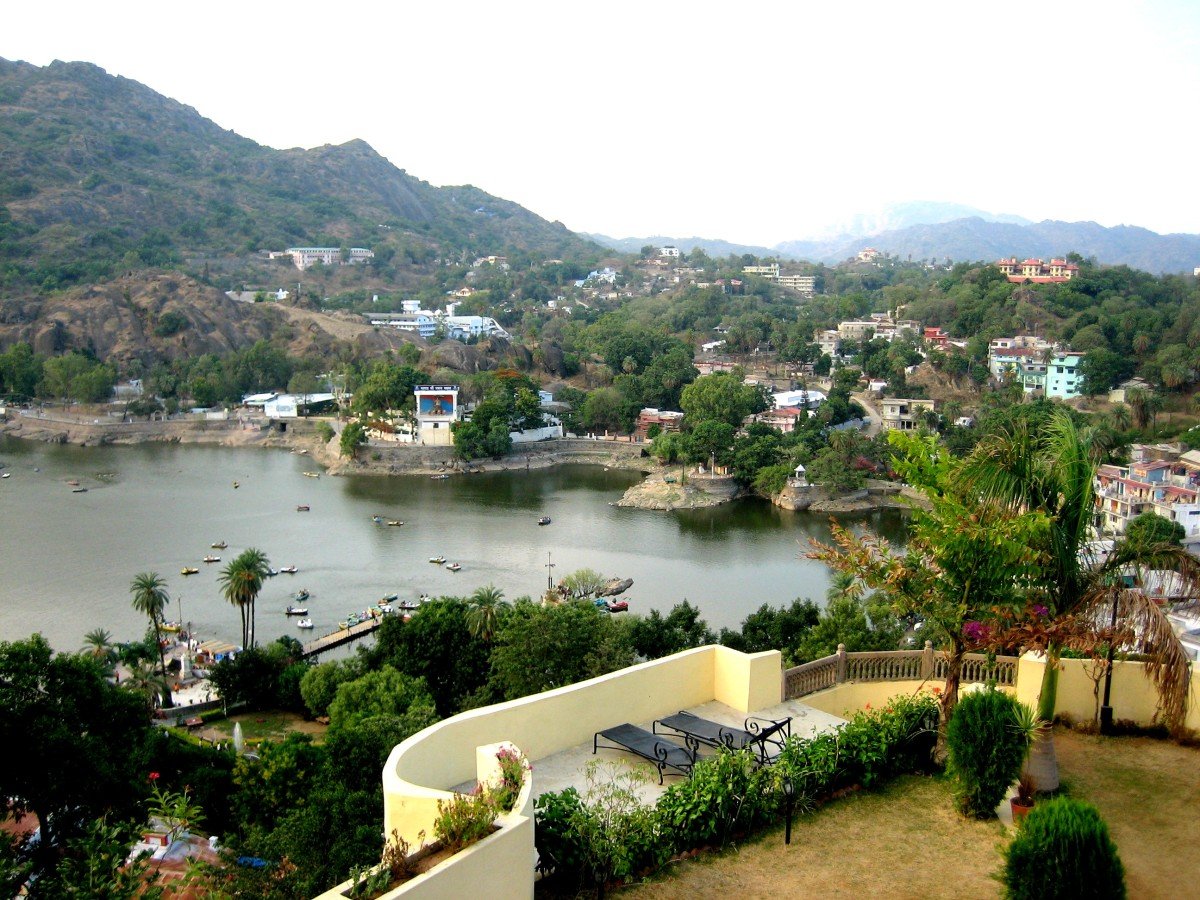
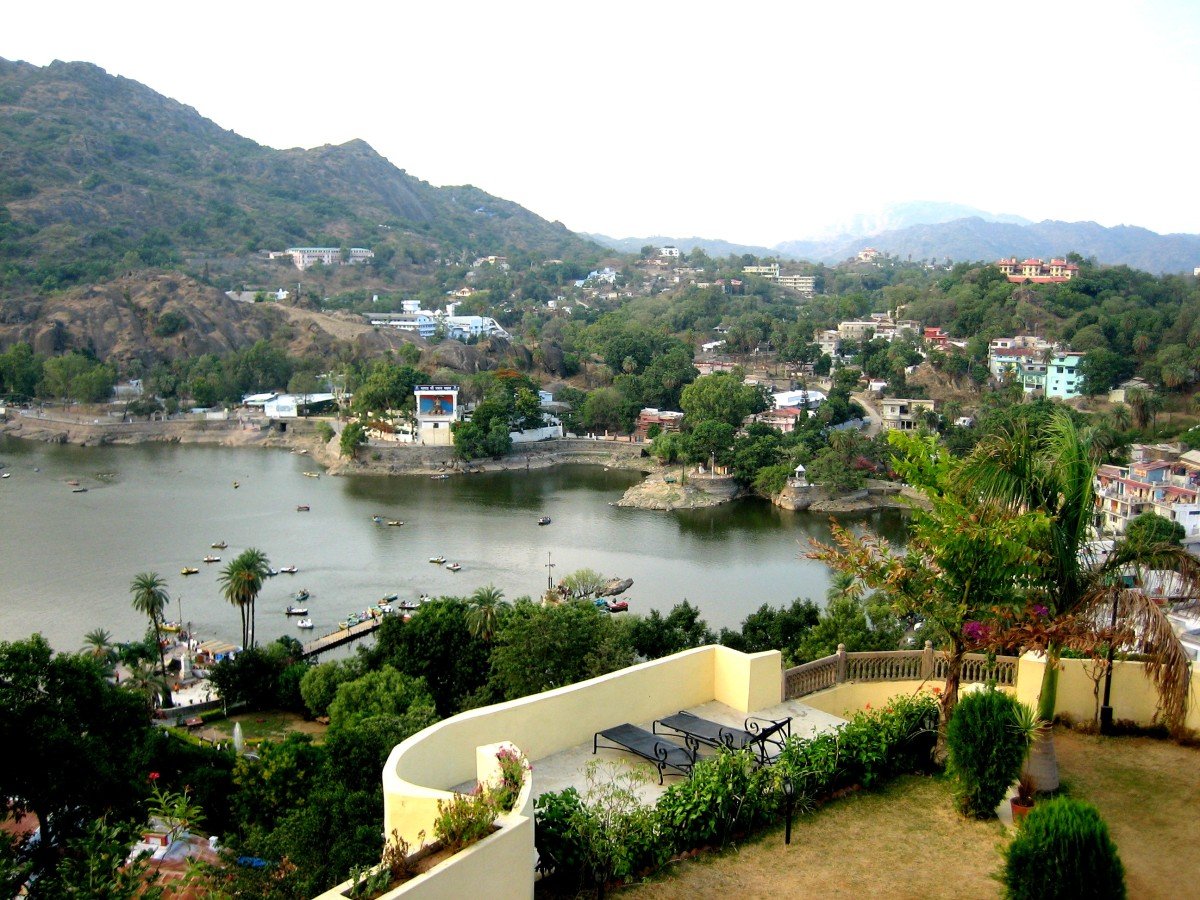
The Temple's Lake Facing Steps: The steps leading down from the temple to the lake's edge are perhaps the most photogenic spot. From here, you can capture the temple's architecture in the foreground while getting a wide shot of Nakki Lake and the hills in the background. T...The Temple's Lake Facing Steps: The steps leading down from the temple to the lake's edge are perhaps the most photogenic spot. From here, you can capture the temple's architecture in the foreground while getting a wide shot of Nakki Lake and the hills in the background. This spot is perfect for framing the temple in its natural, serene context.
Tip: Visit during the early morning for soft, diffused light and fewer crowds. Framing the Deity's Idol (from a respectful distance): While photography inside the main sanctum may be restricted, capturing the entrance or a respectful, wide-angle shot of the hall (mandapa) can be rewarding. The focus here is on the intricate Mewar carvings on the pillars and the beautiful idol. Ensure you adhere strictly to the temple rules regarding photography inside the inner shrine.
The Frescoed Walls: The brightly colored frescoes on the temple's exterior walls are excellent subjects for close-up and detail photography. Focus on the expressions of the depicted deities and mythological figures, and the unique color palette used by the artisans. These detailed shots can serve as beautiful cultural mementos.
Sunset Reflections over Nakki Lake: Since the temple is right by the water, the surroundings offer a prime spot to capture the famous Mount Abu sunset. Position yourself near the temple complex to include a silhouette of a portion of the structure against the vibrant, dramatic colors of the setting sun reflecting on Nakki Lake's surface.Photo Gallery

Things To Do
-
Perform Darshan and Offer Prayers: The main purpose of the visit is to seek the blessings of Lord Raghunathji (Lord Vishnu). Devotees can stand before the exquisitely carved idol, offer flowers, prasad (holy food), and perform silent prayers or mantra recitation. The act of darshanRs.viewing the deityRs.is considered a deeply spiritual and purifying experience. Take your time to absorb the divine energy emanating from the inner sanctum.
Witness the Daily Aartis: The temple hosts regular morning and evening aartis. Attending these rituals is a magnificent cultural and spiritual experience. The rhythmic chants, the sound of bells, the fragrance of incense, and the flickering lamps create a powerful and uplifting atmosphere. The morning aarti often happens around the time the temple opens (5:00 AM - 6:00 AM), while the evening aa...Perform Darshan and Offer Prayers: The main purpose of the visit is to seek the blessings of Lord Raghunathji (Lord Vishnu). Devotees can stand before the exquisitely carved idol, offer flowers, prasad (holy food), and perform silent prayers or mantra recitation. The act of darshanRs.viewing the deityRs.is considered a deeply spiritual and purifying experience. Take your time to absorb the divine energy emanating from the inner sanctum.
Witness the Daily Aartis: The temple hosts regular morning and evening aartis. Attending these rituals is a magnificent cultural and spiritual experience. The rhythmic chants, the sound of bells, the fragrance of incense, and the flickering lamps create a powerful and uplifting atmosphere. The morning aarti often happens around the time the temple opens (5:00 AM - 6:00 AM), while the evening aarti is held before closing (around 7:00 PM - 8:00 PM). Confirming the exact timings locally is recommended.
Study the Mewar Architecture and Art: Spend time specifically examining the detailed architecture.
Pay attention to:
The Carvings: Look closely at the intricate sculptures on the pillars and the entrance, which are characteristic of the Mewar style.
The Frescoes: Observe the colorful wall paintings depicting scenes from the Hindu epics and local history. Note the vibrant colors and the artistic techniques used by the 14th-century artisans.
The Domes and Spire: Appreciate the structural design, including the shape and decoration of the domes and the shikhara, which is typical of ancient North Indian temple architecture.
Photography and Serene Views: The temple's setting offers fantastic photographic opportunities.
Temple Exterior: Capture the temple's unique facade with its domes and entrance arch.
Nakki Lake Views: The temple's location offers one of the best perspectives to photograph Nakki Lake, especially capturing the reflections in the water during golden hour (sunrise/sunset).
Candid Shots: Capture the quiet moments of devotion, the gentle flow of local life, and the surrounding natural beauty (with respect to privacy).
Meditate and Reflect: The temple's atmosphere is profoundly peaceful, a welcome contrast to the marketplace nearby. Find a quiet spot within the courtyard or on the steps overlooking the lake for a few moments of silent meditation. This is a perfect place for spiritual seekers to engage in mindfulness and introspection amidst a historical and natural setting.
Explore the Nakki Lake Circuit: The visit to Shri Raghunath Temple should be an integral part of the Nakki Lake circuit.
Immediately after the temple, you can proceed to:
Nakki Lake: Enjoy boating, shikara rides, or simply walk the perimeter.
Nakki Lake Market: Explore the nearby market for local handicrafts, Rajasthani textiles, and souvenirs.
Toad Rock: A short walk from the temple, this famous rock formation offers a picturesque viewpoint.
Interact with Local Devotees: Engaging in polite conversation with the temple priests or local devotees can enrich your experience. They often share local legends, the temple's history, and the spiritual significance of various rituals and structures within the complex, providing insights that go beyond guidebooks.
Information
-
Why Famous:
Veneration of Lord Raghunathji: The temple's primary fame rests on its dedication to Lord Raghunathji, an incarnation of Lord Vishnu. Vaishnavites revere this temple as a major pilgrimage site, believing the deity protects the devotees from suffering and natural c...
Veneration of Lord Raghunathji: The temple's primary fame rests on its dedication to Lord Raghunathji, an incarnation of Lord Vishnu. Vaishnavites revere this temple as a major pilgrimage site, believing the deity protects the devotees from suffering and natural calamities. This deep spiritual significance ensures a continuous flow of pilgrims throughout the year.
Proximity to Nakki Lake: Its location is a key factor. Situated directly on the banks of Nakki Lake, it is easily accessible and offers stunning, picturesque views. Tourists often combine a visit to the temple with boating or strolling around the lake, making it a mandatory stop on the Mount Abu circuit. The blend of spiritual calm with the vibrant tourist activity around the lake makes it uniquely famous.
Mewar Architectural Marvel: The temple is renowned for its preservation of 14th-century Mewar architectural style. The delicate frescos, intricate carvings on the marble structure, and the overall design provide a vital glimpse into the ancient art and cultural heritage of Rajasthan. History and architecture enthusiasts frequent the site to study this unique blend of styles. -
Architecture:
Mewar Style of Architecture: The temple is a classic example of the Mewar style, a regional architectural school prominent in Rajasthan. This style is known for its intricate detailing, decorative elements, and use of local materials, primarily marble and sandstone. The st...Mewar Style of Architecture: The temple is a classic example of the Mewar style, a regional architectural school prominent in Rajasthan. This style is known for its intricate detailing, decorative elements, and use of local materials, primarily marble and sandstone. The structure features a blend of palatial and temple architectural elements, setting it apart from other shrines in the area.
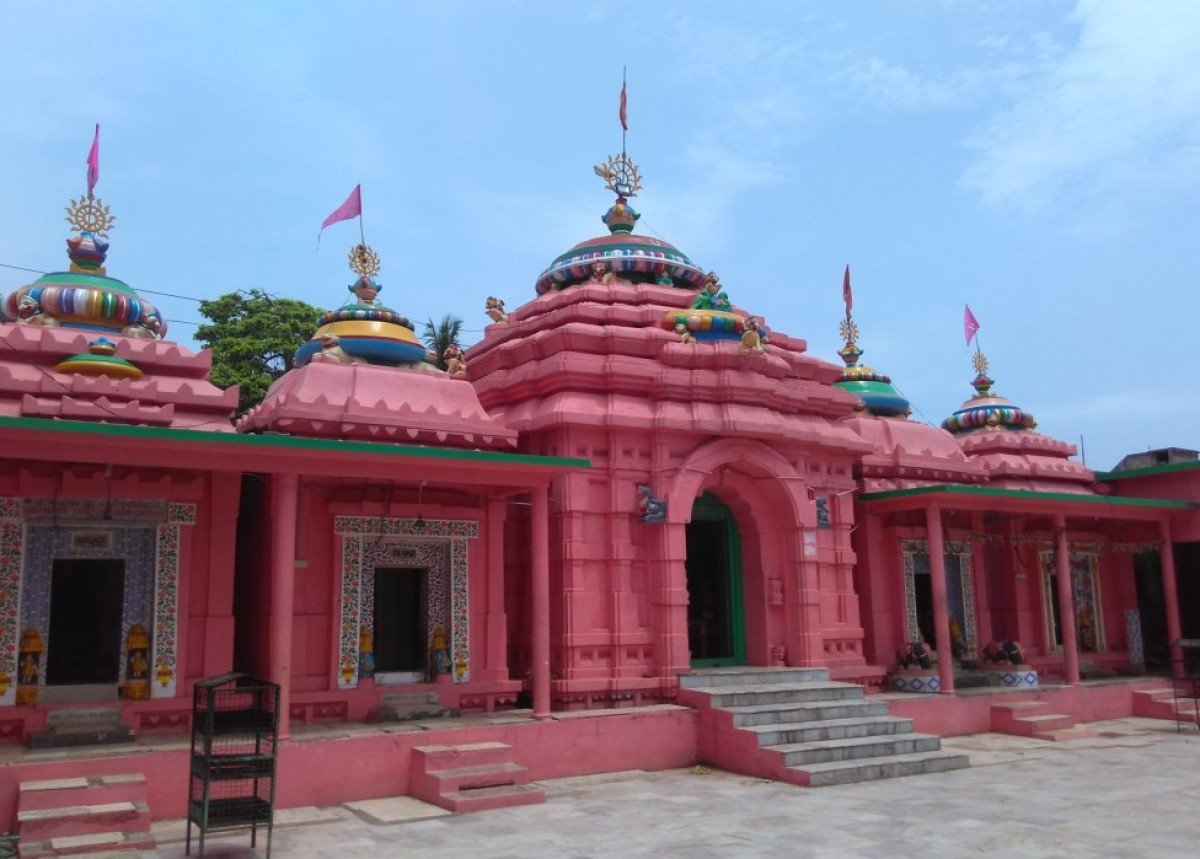
Facade and Entrance: The entrance is marked by a large structure with a prominent central dome and two smaller domes on either side, resembling a traditional palace entrance (pol). The front wall is adorned with life-size frescoes and paintings of deities and figures from Hindu mythology, such as Jay, Vijay (gatekeepers of Vaikuntha), Hanuman, and Garud.
Interior and Sanctum: The temple's walls and pillars are adorned with finely sculpted carvings and detailed wall inscriptions that narrate stories and reflect the region's cultural legacy. The primary deity, the idol of Shri Raghunathji (Lord Rama/Vishnu), is exquisitely crafted, often noted for its remarkable detail and spiritual aura.
Dimension (Approximate Context): While exact structural blueprints are rarely public, the temple complex is a moderately sized structure suitable for an intimate worship experience. It stands prominently on the shores of Nakki Lake, and its design emphasizes verticality, typical of temple architecture, with the central shikhara (spire) or dome rising above the main shrine. The floor area is modest compared to grand temple complexes, focusing on the sanctity of the main shrine and its surrounding ambulatory path. The overall dimensions speak more to its 14th-century heritage rather than modern large-scale construction. -
How To Reach:
By Air: The nearest major airport is Maharana Pratap Airport in Udaipur (UDR), approximately 185 KMS away. This airport is well-connected to major Indian cities like Delhi, Mumbai, Jaipur, and Ahmedabad. From Udaipur, you can hire a private taxi or take a pre-booked cab di...By Air: The nearest major airport is Maharana Pratap Airport in Udaipur (UDR), approximately 185 KMS away. This airport is well-connected to major Indian cities like Delhi, Mumbai, Jaipur, and Ahmedabad. From Udaipur, you can hire a private taxi or take a pre-booked cab directly to Mount Abu. This journey takes about 3. 5 to 4 hours. A closer, though smaller and less connected, option is Sardar Vallabhbhai Patel International Airport in Ahmedabad (AMD), which is about 220 KMS away and takes about 4 to 5 hours by road.
By Train: The closest railway station is Abu Road Railway Station (ABR), situated approximately 28 KMS from Mount Abu town. Abu Road is a major railway junction on the Western Railway line, offering excellent connectivity to most major cities in India, including Delhi, Mumbai, Kolkata, Chennai, and Jaipur. Upon arrival at Abu Road, numerous options are available for the ascent to Mount Abu (the hill station):
Pre-paid Taxi/Private Cab: Easily available outside the station, this is the most comfortable option.
Shared Taxis/Jeeps: A more budget-friendly option, especially popular with local travelers.
Local State Transport Buses: Regular bus service is available from the bus stand near the railway station.
By Road: Mount Abu is well-connected by road, being accessible through National Highway NH 27 and a subsequent winding mountain road.
Driving: You can drive your private vehicle or hire a taxi from nearby major cities.
Key road distances are: Udaipur (163 KMS), Jodhpur (250 KMS), and Ahmedabad (220 KMS). The journey up the hill (the last 28 KMS from Abu Road) is scenic but has sharp turns, requiring careful driving.
Bus Service: Regular state-run and private buses connect Mount Abu with various cities in Rajasthan and Gujarat, including Udaipur, Jaipur, and Ahmedabad. The Mount Abu Bus Station is located in the town center, a short distance from the temple.
By Local Transport (to the Temple): Shri Raghunath Temple is centrally located near Nakki Lake and the main market.
Walking: If your accommodation is near the Nakki Lake area, the temple is easily reachable by a short walk (less than 10 minutes from the main market/bus stand).
Auto-rickshaw/Tuk-Tuk: Local auto-rickshaws are plentiful in Mount Abu and can drop you very close to the temple entrance.
Shared Rickshaws: These are also available for short rides within the main town area. -
Weather and Best Time to Visit:
Seasonal Preference:
Winter (The Best Time): The period from October to March is universally considered the best time to visit Mount Abu and the temple. The weather is pleasan...
Seasonal Preference:
Winter (The Best Time): The period from October to March is universally considered the best time to visit Mount Abu and the temple. The weather is pleasantly cool and comfortable, with daytime temperatures ranging from 12Rs.C to 29Rs.C. The clear skies and crisp mountain air make sightseeing and walking around the Nakki Lake area highly enjoyable. This is the peak tourist season, meaning the temple is bustling but the overall experience is ideal for outdoor activities.
Seasonal Preference:
Monsoon (The Scenic Time): The monsoon season, from July to September, is a beautiful time to visit. The Aravalli hills turn lush green, and the natural scenery is at its most vibrant. While there can be occasional heavy rainfall, the atmosphere is misty, tranquil, and less crowded than winter. The temperatures are moderate (20Rs.C to 35Rs.C). Visitors during this time enjoy the natural beauty and a more serene spiritual experience at the temple.
Seasonal Preference:
Summer (The Hot Time): The summer months of April to June are the hottest, with temperatures soaring up to 40Rs.C during the day, although they are still relatively cooler than the surrounding plains of Rajasthan. Visits during this time should be restricted to the early mornings and late afternoons to avoid the scorching midday sun. The temple offers a slight refuge, but overall exploration can be challenging due to the heat.
Best Part of the Day: The ideal time of day to visit Shri Raghunath Temple is in the early morning (5:00 AM to 8:00 AM). This offers the quietest, most spiritual experience, allowing you to witness the first aarti and enjoy the beautiful views of Nakki Lake without the disturbance of large crowds. The light is perfect for photography. The late afternoon (4:00 PM to 6:00 PM) is the second-best choice, offering the beauty of the sunset from the lake's edge near the temple. -
Near Tourist Places:
Nearby Place Name Type Approximate Distance from Raghunath Temple Nakki Lake Natural/Recreational 0. 1 KMS (Right next to it) Toad Rock Viewpoint/Natural Formation 1. 0 KMS Mount Abu Market (Nakki Lake Market) Shopping/Local Bazaar 0. 5 KMS Dilwara Jain Temples Religious/Architectural 3. 5 KMS Sunset Point Viewpoint 2. 5 KMS Brahma Kumaris Peace Park Spiritual Center 5. 0 KMS Achalgarh Fort & Temple Historical/Religious 10. 0 KMS Mount Abu Wildlife Sanctuary Nature/Wildlife 5. 0 KMS (Starting Point) Trevor's Tank Nature/Crocodile Breeding 5. 5 KMS Adhar Devi Temple (Arbuda Devi) Religious/Cave Temple 3. 0 KMS Guru Shikhar Highest Peak/Viewpoint 15. 0 KMS
Tourism Tips
-
Health & Safety Guidelines:
Footwear: You will be required to remove your footwear before entering the temple premises. Wear slip-on shoes for convenience.
Hydration: Always carry a water bottle, especiall...Health & Safety Guidelines:
Footwear: You will be required to remove your footwear before entering the temple premises. Wear slip-on shoes for convenience.
Hydration: Always carry a water bottle, especially if visiting between March and October, as the day can get warm.
Modesty: As it is a place of worship, please dress modestly. Shoulders and knees should ideally be covered as a sign of respect.
Photography: Be respectful of the sanctity of the main shrine; flash photography is generally prohibited, and ask for permission before photographing people, especially priests or devotees.
Packing Essentials:
Warm Clothes (Winter): If traveling between November and February, pack heavy woolen clothes, jackets, and thermal wear, as the temperatures can drop significantly, especially in the evenings.
Comfortable
Footwear: Essential for walking around Nakki Lake and the town center.
Rain Gear (Monsoon): If visiting during the monsoon (July to September), carry an umbrella or raincoat to handle sudden showers.
Sun Protection: A hat, sunglasses, and sunscreen are essential for daytime visits, even in winter.
Accommodation and Booking:
Variety: Mount Abu offers a wide range of accommodation, from luxury resorts and heritage hotels to mid-range hotels and budget guesthouses.
Location Preference: For easy access to the temple, choose accommodation near Nakki Lake or the main market area.
Peak Season Booking: Book your accommodation well in advance, especially if traveling during the peak season (October to March), festivals like Diwali, or long weekends, as places fill up quickly and prices rise.
Cultural and General Tips:
Respect Silence: Maintain a quiet and peaceful demeanor inside the temple to respect other devotees and the spiritual atmosphere.
Temple Etiquette: Always walk clockwise (pradakshina) around the main shrine if a path is provided. Do not touch the idols or sacred objects.
Local Transport: Negotiate the fare with auto-rickshaw drivers before starting the journey.
Local Cuisine: Try the local Rajasthani and Gujarati vegetarian food available in the eateries near Nakki Lake.
Reviews
FAQs
Mount Abu Itineray And Cost:-
Shri Raghunath Temple Tourism:-
Other Places In Mount Abu :-
Other States In India :-
Information about New and Updated Locations() of Rajasthan Has Been Added :-
Card subtitle
Note:-
Information provided here in good Faith and for reference only.
Near Places

Abu View Point
Some quick example text to build on the card title and make up the bulk of the card's content.
Go somewhere
Achaleshwar Mahadev Temple
Some quick example text to build on the card title and make up the bulk of the card's content.
Go somewhere
Achalgarh Fort
Some quick example text to build on the card title and make up the bulk of the card's content.
Go somewhere
Achalgarh Jain Temples
Some quick example text to build on the card title and make up the bulk of the card's content.
Go somewhere
Achalgarh Village
Some quick example text to build on the card title and make up the bulk of the card's content.
Go somewhere
Adhar Devi Temple
Some quick example text to build on the card title and make up the bulk of the card's content.
Go somewhere
Arbuda Devi Cave
Some quick example text to build on the card title and make up the bulk of the card's content.
Go somewhere
Arbuda Devi Temple
Some quick example text to build on the card title and make up the bulk of the card's content.
Go somewhere
Bailey's Walk
Some quick example text to build on the card title and make up the bulk of the card's content.
Go somewhere
Brahma Kumaris Spiritual University & Museum
Some quick example text to build on the card title and make up the bulk of the card's content.
Go somewhere
Brahma Kumaris University
Some quick example text to build on the card title and make up the bulk of the card's content.
Go somewhere
Champaa Cave
Some quick example text to build on the card title and make up the bulk of the card's content.
Go somewhere
Dattatreya Temple
Some quick example text to build on the card title and make up the bulk of the card's content.
Go somewhere
Dilwara Jain Temples
Some quick example text to build on the card title and make up the bulk of the card's content.
Go somewhere
Flaggy - Christ Statue
Some quick example text to build on the card title and make up the bulk of the card's content.
Go somewhere
Gaumukh Temple
Some quick example text to build on the card title and make up the bulk of the card's content.
Go somewherein Other Cities