Rankala Lake
General information
-
Ideal Duration:
2-3 Hours:Place Type:
Natural/Recreational Site:Entry Fees:
Free Entry to the Lake and Surroundings: There is generally no entry fee to visit the lake, walk the promenade, or enjoy the Chaupati. This makes it an incredibly accessible public space for everyone.
Boating Charges: Fees apply for recreati...Free Entry to the Lake and Surroundings: There is generally no entry fee to visit the lake, walk the promenade, or enjoy the Chaupati. This makes it an incredibly accessible public space for everyone.
Boating Charges: Fees apply for recreational activities like boating. Typically, charges range from Rs.50 to Rs.150 per person depending on the type (pedal or row) and duration of the boat ride. These fees are subject to change and are collected by private operators.
Parking and Other Minor Fees: Nominal fees may be charged for vehicle parking in designated areas around the lake perimeter, which helps in maintaining the cleanliness and order of the area. There may also be small charges for specific facilities like public restrooms. The absence of a main entry fee ensures the democratic nature of this primary city space, prioritizing public access and recreation over revenue generation.
:Timing:
Regular Timings: Open 24 hours for public access to the surrounding area. The main period of activity, especially the Chaupati stalls and boating, is from 9:00 AM to 10:00 PM (times can be flexible).
Ideal Visit Time: The Ideal Visit Time is...Regular Timings: Open 24 hours for public access to the surrounding area. The main period of activity, especially the Chaupati stalls and boating, is from 9:00 AM to 10:00 PM (times can be flexible).
Ideal Visit Time: The Ideal Visit Time is undoubtedly the late afternoon and evening, specifically between 4:30 PM and 7:30 PM, to witness the famous sunset and experience the bustling food Chaupati. Early mornings, around 6:00 AM to 8:00 AM, are best for quiet walks, jogging, and bird-watching.
Peak Activity Hours: The peak hours are from 6:00 PM to 8:00 PM on weekends, when crowds gather for food and relaxation. The place is serene and less crowded during the mid-day hours (11:00 AM to 4:00 PM).
Boating Hours: Boating facilities generally operate from late morning until sunset, around 10:00 AM to 6:30 PM, depending on the season and weather conditions.
:Special Events:
Rankala Mahotsav: This is a notable local festival, sometimes featuring cultural programs and traditional sports, usually organized by local bodies. While dates vary, it celebrates the lake's importance to the city.
Navratri and Temple Rituals:<...Rankala Mahotsav: This is a notable local festival, sometimes featuring cultural programs and traditional sports, usually organized by local bodies. While dates vary, it celebrates the lake's importance to the city.
Navratri and Temple Rituals: During the nine days of Navratri (September/October), the small temple near the lake and the local community around the Rankala area often organize special prayers, aartis, and devotional singing events, drawing a significant number of local devotees. These celebrations showcase the city's rich religious fervor.
New Year's Eve Gathering: The lake is a popular spot for locals to gather on New Year's Eve, creating a festive and communal atmosphere, often with light displays and food stalls extending their hours. This non-religious event highlights its status as a social center.
Cultural Performances: On occasion, local cultural groups perform traditional folk dances or music on the main Chaupati promenade, offering spontaneous entertainment that reflects Kolhapuri arts.
:Best Photo Spots:
Sunset Point near the Shalini Palace: The western bank of the lake, closest to the Shalini Palace, offers the most dramatic and picturesque views of the sunset, with the palace silhouette in the frame. This spot is essential for landscape and architectural photography.
...Sunset Point near the Shalini Palace: The western bank of the lake, closest to the Shalini Palace, offers the most dramatic and picturesque views of the sunset, with the palace silhouette in the frame. This spot is essential for landscape and architectural photography.
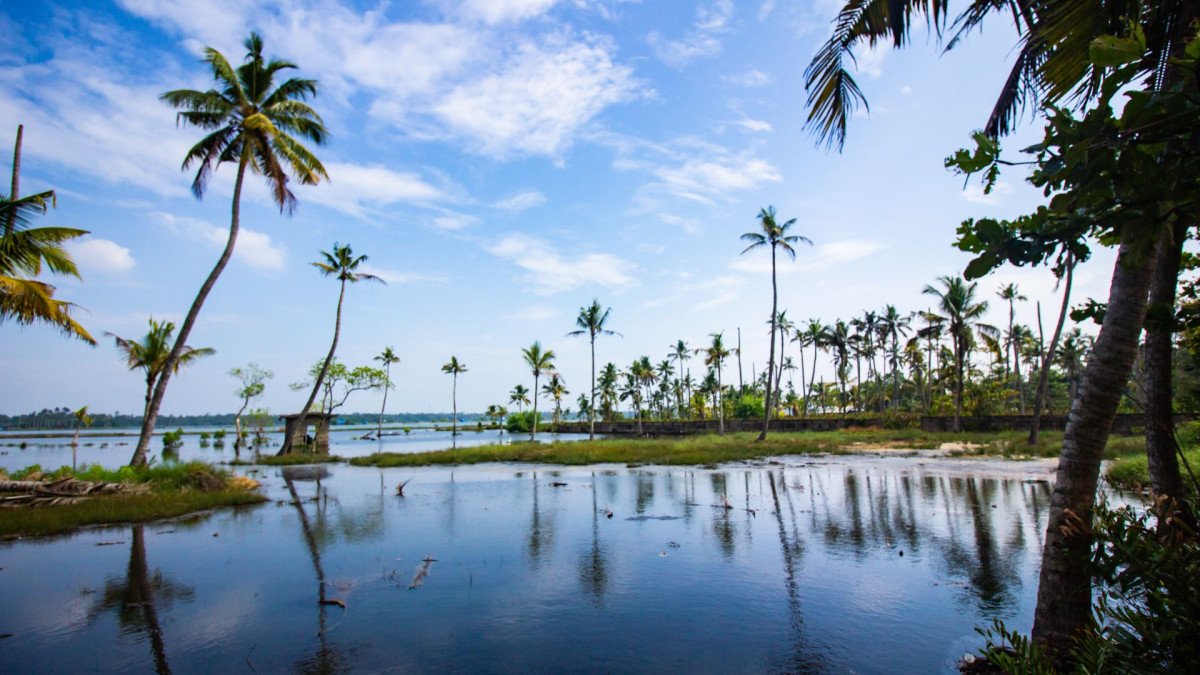
The Boating Perspective: Taking a boat out onto the lake provides a unique, unobstructed view of the entire Kolhapur skyline and the surrounding hills, making it ideal for wide-angle and panoramic shots. The lake's surface offers stunning reflections, especially on calm days.
Padmaraje Garden's Greenery: For macro photography or nature-themed shots, the quieter Padmaraje Garden provides lush green backdrops, diverse flora, and better opportunities for bird photography in a less-crowded environment.
The Chaupati Crowd: The main food street, or Chaupati, is an excellent spot for street photography, capturing the vibrant local culture, the bustling energy of the vendors, and the genuine expressions of people enjoying their evening.
:Photo Gallery
Things To Do
-
Enjoying the Evening Chaupati Experience (Approx ): The Rankala Chaupati is a bustling food paradise, and an evening visit must include sampling authentic Kolhapuri street food. Try the famous Kolhapuri Bhel, spicy Misal Pav, roasted corn, and various sweet treats from the numerous stalls. The lively atmosphere with local families and music creates a unique cultural experience that is as important as the natural view. Spending an hour or more here is essential to soak in the city's evening social life.
Boating and Water Activities (Approx ): Visitors can hire pedal boats or rowboats to venture onto the tranquil water of the 60-acre lake. Boating offers a unique perspective of the surrounding landscape, the Shalini Palace, and the sunset, providing a peaceful and romantic activity away from the crowded banks. Safety measures a...Enjoying the Evening Chaupati Experience (Approx ): The Rankala Chaupati is a bustling food paradise, and an evening visit must include sampling authentic Kolhapuri street food. Try the famous Kolhapuri Bhel, spicy Misal Pav, roasted corn, and various sweet treats from the numerous stalls. The lively atmosphere with local families and music creates a unique cultural experience that is as important as the natural view. Spending an hour or more here is essential to soak in the city's evening social life.
Boating and Water Activities (Approx ): Visitors can hire pedal boats or rowboats to venture onto the tranquil water of the 60-acre lake. Boating offers a unique perspective of the surrounding landscape, the Shalini Palace, and the sunset, providing a peaceful and romantic activity away from the crowded banks. Safety measures and life jackets are provided by the operators.
Photography, Walking, and Jogging (Approx ): The well-maintained path around the lake is perfect for a leisurely walk, a refreshing jog, or an early morning cycle ride. The scenic beauty, particularly the reflections on the water at sunrise and sunset, makes it a prime location for photography enthusiasts. Capturing the silhouette of the Shalini Palace against the twilight sky is a must-do.
Visiting the Temples (Approx ): Explore the small, traditional Shiva temple situated on the lake's banks, which is still an active place of worship. This offers a moment of spiritual calm and a chance to admire the simple, traditional Maratha-style architecture of the shrine. It is a vital part of the lake's local identity.
:
Information
-
Why Famous:
Sunset Views and Evening Chaupati Culture: Rankala Lake is famous for its stunning sunset views over the water, which draw large crowds daily. This natural spectacle, combined with the vibrant evening atmosphere of the Rankala Chaupati, where numerous food stalls and vendor...Sunset Views and Evening Chaupati Culture: Rankala Lake is famous for its stunning sunset views over the water, which draw large crowds daily. This natural spectacle, combined with the vibrant evening atmosphere of the Rankala Chaupati, where numerous food stalls and vendors offer local Kolhapuri delicacies, is its primary draw. It's a key recreational and social hub for the city.
Proximity to Shalini Palace: The majestic Shalini Palace overlooks the lake, adding a regal and historical backdrop to the natural beauty, making it a unique combination of nature and heritage.
Recreational Activities: Its fame is also due to the activities it offers, particularly boating, jogging, and walking along the well-maintained perimeter, making it a complete family and tourist destination. The fact that it was a film shooting location for the early Marathi film industry further cemented its fame. The lake is considered the lung of Kolhapur city, a place where people unwind, socialize, and experience the local street food culture in a scenic setting. The evening light reflecting on the water, with the silhouette of the palace, is iconic.
: -
Architecture:
Architecture of the Lake's Periphery: The lake itself is a natural water body, so its 'architecture' is defined by the surrounding structures and landscape design, primarily developed under Maharajah Shri Shahu Chhatrapati.
The Chaupati Design:Architecture of the Lake's Periphery: The lake itself is a natural water body, so its 'architecture' is defined by the surrounding structures and landscape design, primarily developed under Maharajah Shri Shahu Chhatrapati.
The Chaupati Design: The surrounding walkway, often referred to as Rankala Chaupati, is the main architectural element, designed for public recreation and viewing. It is a long, well-maintained promenade that encircles a substantial part of the lake.
The Landscape Dimensions: While the lake surface is about 60 acres, the total developed area including the walkways, gardens like Padmaraje Garden, and public seating spaces is significantly larger, spanning several kilometers of perimeter. The design emphasizes natural integration with built areas. The adjacent structures, like the historic Shalini Palace (Indo-Saracenic style) and the small Shiva temple, serve as architectural anchors and viewing points. The use of local stone and robust construction for the pathways reflects the regional building style. The benches and lighting fixtures along the promenade are modern additions designed to enhance the public experience while maintaining a clean, open aesthetic. The overall architectural idea focuses on a large, open public space.
Viewing Decks and Parapets: Specific viewing decks and parapet walls are built using stone to offer safe and picturesque vantage points over the water, particularly popular during the sunset hours. These elements are functional and robust, providing safety without obstructing the panoramic views of the lake. The sheer scale of the 60-acre water body dominates the design, making the land-based structures subservient to the natural feature.
: -
How To Reach:
By Air (Approx ): The nearest airport is Kolhapur Airport (KLH), also known as Chhatrapati Rajaram Maharaj Airport, which is approximately 10-12 KMS from the city center and thus the lake. This airport has limited connectivity, mainly to major cities like Mumbai, Bengaluru,...By Air (Approx ): The nearest airport is Kolhapur Airport (KLH), also known as Chhatrapati Rajaram Maharaj Airport, which is approximately 10-12 KMS from the city center and thus the lake. This airport has limited connectivity, mainly to major cities like Mumbai, Bengaluru, and Hyderabad. From the airport, visitors can easily hire a pre-paid taxi or a local auto-rickshaw directly to Rankala Lake. The journey takes about 30-40 minutes. For broader connectivity, the next closest major airport is Pune International Airport (PNQ), about 240 KMS away, which requires a subsequent bus or taxi journey to Kolhapur.
By Train (Approx ): The main railway station is Kolhapur's Chhatrapati Shahu Maharaj Terminus (KOP). The station is well-connected to major cities in Maharashtra and across India, including Mumbai, Pune, Bengaluru, and Delhi. The station is approximately 5-6 KMS from Rankala Lake. From the station, travelers can take an auto-rickshaw or a local city bus, and the ride is typically around 15-20 minutes.
By Road (Approx ): Kolhapur is excellently connected by the National Highway 48 (NH 48), part of the Golden Quadrilateral, which links Mumbai to Bengaluru. Frequent and comfortable bus services (both state-run and private) are available from cities like Pune, Mumbai, Goa, and Belgaum. The lake is easily accessible from any point in the city.
By Local Transport (Approx ): Within the city, local transport like auto-rickshaws (negotiate the fare or use ride-hailing apps), local city buses, and taxis are abundant. Rankala Lake is a well-known landmark, making navigation simple.
: -
Weather and Best Time to Visit:
Different Types of Seasons: Winter (October to February) is the Best Time to Visit. The weather is cool and pleasant, ideal for walking, boating, and enjoying the evening Chaupati atmosphere without the humidity. Monsoon (June to September) is also beautiful, as the surrou...Different Types of Seasons: Winter (October to February) is the Best Time to Visit. The weather is cool and pleasant, ideal for walking, boating, and enjoying the evening Chaupati atmosphere without the humidity. Monsoon (June to September) is also beautiful, as the surrounding greenery is lush, but heavy rains can disrupt outdoor activities like boating. Summer (March to May) is hot and should be avoided, with visits restricted to early mornings or late evenings.
Different Parts of the Day: The Ideal Time is late afternoon, from 4:00 PM onwards, to enjoy the transition from day to evening. This time allows for a boat ride before sunset and then an evening enjoying the street food and cultural buzz of the Chaupati. Early morning, from 6:00 AM to 8:00 AM, is perfect for fitness enthusiasts (joggers, walkers) and those seeking peaceful solitude. Mid-day is generally too hot and crowded. The famous sunset occurs between 6:00 PM and 7:00 PM (time varies by month).
: -
Near Tourist Places:
Shalini Palace (Next to the Lake): 0. 5 KMS;
Shree Mahalaxmi Temple (Ambabai Mandir): 4. 5 KMS;
Town Hall Museum: 4 KMS;
Temlabai Mandir: 5 KMS;
New Palace (Chhatrapati Shahu Museum): 3 KMS;
Bhavani Mandap: 4. 5 KMS;
Khasbag Maidan: 3. 5 KMS;
Panhala Fort: 20 KMS;
Jyotiba Temple: 22 KMS;
Gaganbawada:
55 KMS:
Tourism Tips
-
Health & Safety (Approx ): It is important to be cautious of the crowded areas, especially on weekends and holidays. The lake is generally safe, but avoid venturing into the deeper parts of the water. Drink only bottled water from reliable vendors. Be mindful of traffic w...Health & Safety (Approx ): It is important to be cautious of the crowded areas, especially on weekends and holidays. The lake is generally safe, but avoid venturing into the deeper parts of the water. Drink only bottled water from reliable vendors. Be mindful of traffic when walking near the main road. The area can be quite busy in the evenings.
Packing Essentials (Approx ): Carry comfortable walking shoes for the long promenade. A light jacket is recommended for cool winter evenings. Bring your camera, a portable charger, and cash for the local food stalls, as card payment options are limited. Sunscreen and a hat are necessary if visiting during the day.
Accommodation (Approx ): Since the lake is close to the city center, numerous accommodation options are available, ranging from luxury hotels like the historic Shalini Palace (if operational) to budget guesthouses. It's advisable to book hotels in the Rajarampuri or Station Road areas for easy access to all tourist spots.
Other Tips (Approx ): Plan your visit for the evening to maximize the experience. Be prepared to bargain gently with auto-rickshaw drivers. Try to learn a few basic words in Marathi to connect with local vendors. Do not feed the fish or litter the lake premises; use designated bins to help preserve the lake's ecological health.
:
Reviews
FAQs
Kolhapur Itineray And Cost:-
Other Places In Kolhapur :-
Other States In India :-
Information about New and Updated Locations() of Maharashtra Has Been Added :-
Card subtitle
Note:-
Information provided here in good Faith and for reference only.
Near Places

Amber Khana
Some quick example text to build on the card title and make up the bulk of the card's content.
Go somewhere
Bhavani Mandap
Some quick example text to build on the card title and make up the bulk of the card's content.
Go somewhere
Binkhambi Ganesh Mandir
Some quick example text to build on the card title and make up the bulk of the card's content.
Go somewhere
Chandra Kant Mandare Art Gallery
Some quick example text to build on the card title and make up the bulk of the card's content.
Go somewhere
Dajipur Wildlife Sanctuary
Some quick example text to build on the card title and make up the bulk of the card's content.
Go somewhere
Dargah of Hazrat Pir Syed Shah Badruddin
Some quick example text to build on the card title and make up the bulk of the card's content.
Go somewhere
Dream World Water Park
Some quick example text to build on the card title and make up the bulk of the card's content.
Go somewhere
Gaganbawada
Some quick example text to build on the card title and make up the bulk of the card's content.
Go somewhere
Katyayani Temple
Some quick example text to build on the card title and make up the bulk of the card's content.
Go somewhere
Khasbag Maidan
Some quick example text to build on the card title and make up the bulk of the card's content.
Go somewhere
Kopeshwar Temple
Some quick example text to build on the card title and make up the bulk of the card's content.
Go somewhere
Narsinhwadi Datta Mandir
Some quick example text to build on the card title and make up the bulk of the card's content.
Go somewhere
New Palace Museum
Some quick example text to build on the card title and make up the bulk of the card's content.
Go somewhere
Panchganga Ghat
Some quick example text to build on the card title and make up the bulk of the card's content.
Go somewhere
Panhala Fort
Some quick example text to build on the card title and make up the bulk of the card's content.
Go somewhere
Radhanagari Dam
Some quick example text to build on the card title and make up the bulk of the card's content.
Go somewherein Other Cities