

Sahasralinga Talav
General information
-
Ideal Duration:
1-2 HoursPlace Type:
Ancient Water Reservoir, Historical Landmark, MonuEntry Fees:
General Entry: Free for all visitors.
Fee Context: As a large, ruined, and protected monument under the ASI (Monument of National Importance), entry is generally free to encourage public access and appreciation of the historical site. There...General Entry: Free for all visitors.
Fee Context: As a large, ruined, and protected monument under the ASI (Monument of National Importance), entry is generally free to encourage public access and appreciation of the historical site. There are no ticket windows or entry barriers.
Parking Fees: Nominal parking fees may be charged by local bodies for vehicle parking near the entrance area. Rs.10-20 for two-wheelers, Rs.30-50 for four-wheelers.
Guide Fees: Local guides may charge a nominal fee (Rs.200-500) for a detailed tour and storytelling, which is highly recommended for understanding the site's complexity.Timing:
Regular Timings: Open Daily from 8:00 AM to 6:00 PM.
Ideal Visit Time: Visit during the very early morning (8:00 AM - 10:00 AM) or late evening (4:30 PM - 6:00 PM). Early morning offers cooler air and the best light to view the scattered ru...Regular Timings: Open Daily from 8:00 AM to 6:00 PM.
Ideal Visit Time: Visit during the very early morning (8:00 AM - 10:00 AM) or late evening (4:30 PM - 6:00 PM). Early morning offers cooler air and the best light to view the scattered ruins. Late evening is perfect for the sunset view over the large water body (if it contains water) or the vast open grounds, creating a serene and historical atmosphere.
Time Management: As the site is less ornate than Rani ki Vav, you can visit this first in the morning or as your final stop in the evening to maximize the day's sightseeing.Special Events:
Religious Festivals: Though ruined, the site becomes active during Hindu festivals dedicated to Lord Shiva, particularly during Maha Shivaratri (usually in February or March). Locals gather to offer prayers at the remaining shrines, bringing the ancient site to life with a ...Religious Festivals: Though ruined, the site becomes active during Hindu festivals dedicated to Lord Shiva, particularly during Maha Shivaratri (usually in February or March). Locals gather to offer prayers at the remaining shrines, bringing the ancient site to life with a spiritual atmosphere.
ASI Conservation Awareness: The Archaeological Survey of India (ASI) occasionally organizes public awareness programs or small events related to the conservation of this Monument of National Importance, sometimes featuring guided walks by archaeologists.Best Photo Spots:
View from the Embankment: The raised embankment offers a vantage point to capture the full, expansive view of the tank's pentagonal shape and the surrounding mounds of earth that delineate its original vast scale.
The Octagonal Rauza: The cl...View from the Embankment: The raised embankment offers a vantage point to capture the full, expansive view of the tank's pentagonal shape and the surrounding mounds of earth that delineate its original vast scale.
The Octagonal Rauza: The close-up of the octagonal tomb structure provides an excellent contrast of medieval Islamic and Hindu architectural styles, offering a powerful photo motif of historical fusion.
Architectural Fragments: Close-up shots of the numerous stone fragments, ruined pillars, and carved bases scattered across the site, which often contain fine details that survived the centuries.
Sunrise/Sunset Silhouettes: The flat, open landscape around the Talav is perfect for capturing the silhouettes of the ruins against a dramatic, colorful sky, emphasizing the historical weight and isolation of the site.Photo Gallery
Things To Do
-
Historical Exploration: Walk the perimeter of the Talav to appreciate its enormous scale and its original function as the main water source for the capital city. Imagine the hustle and bustle of the water collection and religious activities that once took place there.
Ruin Photography: The site is a collection of picturesque ruins, perfect for photography. Capture the scattered stone fragments, the remains of the 84-pillared temple base, and the contrast of the ancient ruins against the open sky, especially during sunrise or sunset.
Legendary Spot Identification: Seek out the remnants of the water inlets where the Saraswati river once fed the lake and the place associated with the legend of Jasma Odan and Mayo, using a local guide for storytelling and context.
Medi...Historical Exploration: Walk the perimeter of the Talav to appreciate its enormous scale and its original function as the main water source for the capital city. Imagine the hustle and bustle of the water collection and religious activities that once took place there.
Ruin Photography: The site is a collection of picturesque ruins, perfect for photography. Capture the scattered stone fragments, the remains of the 84-pillared temple base, and the contrast of the ancient ruins against the open sky, especially during sunrise or sunset.
Legendary Spot Identification: Seek out the remnants of the water inlets where the Saraswati river once fed the lake and the place associated with the legend of Jasma Odan and Mayo, using a local guide for storytelling and context.
Meditation and Reflection: Due to its generally low foot traffic and vast open space, the Talav is an excellent place for peaceful contemplation. The silent ruins invite reflection on the rise and fall of the mighty Solanki empire.
Birdwatching: The current water body, though smaller and often dry, attracts various local and migratory birds, making it a quiet spot for birdwatching and enjoying the natural side of Patan.
Connect with Rani ki Vav: Since the Talav and Rani ki Vav were both major water-related royal projects, try to draw parallels in the engineering and patronage of the two sites, which are located very close to each other.
Sketching and Painting: The ruined stone architecture and the expansive landscape provide excellent subjects for artists who wish to sketch or paint the historical remains.
Information
-
Why Famous:
Engineering Brilliance: It is famous for showcasing the advanced hydraulic and water conservation engineering of the Solanki period, including a sophisticated network of inlets, outlets, and the Rudra-Kupa filtration system to manage the flow of the Saraswati river water.Engineering Brilliance: It is famous for showcasing the advanced hydraulic and water conservation engineering of the Solanki period, including a sophisticated network of inlets, outlets, and the Rudra-Kupa filtration system to manage the flow of the Saraswati river water.
The Thousand Lingams: The tank’s name and historical account of having over a thousand Shiva lingams around its banks made it an unprecedented religious and civic complex, symbolizing King Siddharaj Jaysinh's devotion and patronage of art and religion.
The Curse of Jasma Odan: The legendary curse and the subsequent self-sacrifice to fill the lake are a powerful part of local folklore and history, adding a mystical layer to the otherwise purely utilitarian structure, which remains a key reason for its fame. -
Architecture:
Hydraulic Engineering: The tank was a masterpiece of hydraulic engineering. It was designed to receive water from the Saraswati River via an elaborate canal system. A reservoir called Rudra-Kupa was constructed within the canal to regulate the gushing water flow, a system ...Hydraulic Engineering: The tank was a masterpiece of hydraulic engineering. It was designed to receive water from the Saraswati River via an elaborate canal system. A reservoir called Rudra-Kupa was constructed within the canal to regulate the gushing water flow, a system likened to Lord Shiva checking the flow of the Ganga river.
Architectural Ruins: Originally, the Talav was surrounded by temples, most of which are now in ruins or have been converted into later structures. Remains of an 84-pillared Shiva temple basement and an octagonal tomb (Rauza) built later by a Muslim ruler can still be seen. The tank was initially rectangular but later expanded to a large, possibly pentagonal shape.
Dimension and Capacity: The size of the earthwork is estimated to reflect a diameter of roughly a kilometer. The inner tank is believed to have spanned about 17 hectares and was designed to hold approximately 4. 2 million cubic meters of water when full, making it a gigantic reservoir for its time. -
How To Reach:
By Air: Nearest airport is Ahmedabad (AMD), 125 KMS away. Hire a private taxi or take a bus from the airport to Patan.
By Train: Patan Railway Station (PTN) is the nearest station (approx. 5 KMS). From here, take an auto-rickshaw. The la...By Air: Nearest airport is Ahmedabad (AMD), 125 KMS away. Hire a private taxi or take a bus from the airport to Patan.
By Train: Patan Railway Station (PTN) is the nearest station (approx. 5 KMS). From here, take an auto-rickshaw. The larger hub of Mehsana Junction (50 KMS) offers more train options and is a popular transit point.
By Road: The site is easily accessible via NH-68. Regular GSRTC buses and private vehicles connect Patan to Ahmedabad (125 KMS) and Mehsana. The road journey is smooth and takes about 3 hours from Ahmedabad.
By Local Transport: Located very close to Rani ki Vav (about 1 KM), a short auto-rickshaw ride is the most convenient option from the city center. You can walk between the Talav and the stepwell, especially in pleasant weather. -
Weather and Best Time to Visit:
Best Season:
Winter (November to February): The weather is cool and dry (10°C to 25°C), perfect for walking the large, open-air grounds of the ruined tank. Clear skies enhance the experience and photography.
S...Best Season:
Winter (November to February): The weather is cool and dry (10°C to 25°C), perfect for walking the large, open-air grounds of the ruined tank. Clear skies enhance the experience and photography.
Shoulder Season:
Monsoon (July to September): If the tank has water, this can be a beautiful time, but the area can become muddy, and humidity is high. Check local reports on water levels.
Best Time of Day: Sunset Time (5:00 PM - 6:00 PM) This time is highly recommended for the vast, open grounds. The atmosphere is calm, the heat has subsided, and the setting sun casts long shadows and provides a warm glow over the ancient ruins. -
Near Tourist Places:
Rani ki Vav (1 KM), Patan Patola Heritage Museum (1. 5 KM), Panchasara Jain Temple (3 KM), Trikam Barot Ni Vav (3. 5 KM), Tran Darwaja (4 KM), Patan City Museum (2. 5 KM), Modhera Sun Temple (30 KM), Rudra Mahalaya (27 KM), Bindu Sarovar (25 KM), Shankheshwar Jain Temple (50 KM).
Tourism Tips
-
Health & Safety: The site is spread over a large area with uneven ground and loose stone fragments; wear sturdy shoes and watch your step, especially around the mounds and embankments. The area is open, so carry water and stay hydrated.
Local ...Health & Safety: The site is spread over a large area with uneven ground and loose stone fragments; wear sturdy shoes and watch your step, especially around the mounds and embankments. The area is open, so carry water and stay hydrated.
Local Guides: Although entry is free, consider hiring a local guide near Rani ki Vav to understand the complex history, engineering, and the dramatic legends associated with the Talav, as official signage is limited.
Sun Protection: Due to the lack of shade, carry a wide-brimmed hat, sunglasses, and sunscreen, even in the winter months, especially if visiting during the midday.
Environment: The site is a protected national monument; do not litter or disturb the ruins. Help maintain the site's tranquility and historical integrity.
Accommodation: Patan itself has basic stays. For better-quality hotels, base yourself in Mehsana or Ahmedabad and visit Patan as a day trip. Always pre-book during peak season.
Reviews
FAQs
Patan Itineray And Cost:-
Sahasralinga Talav Tourism:-
Other Places In Patan :-
Other States In India :-
Information about New and Updated Locations() of Gujarat Has Been Added :-
Card subtitle
Note:-
Information provided here in good Faith and for reference only.
Near Places
Aghar Darwaja
Some quick example text to build on the card title and make up the bulk of the card's content.
Go somewhere
Bagvada Darwaja
Some quick example text to build on the card title and make up the bulk of the card's content.
Go somewhere
Bindu Sarovar
Some quick example text to build on the card title and make up the bulk of the card's content.
Go somewhere
Hemchandracharya Jain Gnan Mandir
Some quick example text to build on the card title and make up the bulk of the card's content.
Go somewhere
Khan Sarovar
Some quick example text to build on the card title and make up the bulk of the card's content.
Go somewhere
Kund of Bahubali
Some quick example text to build on the card title and make up the bulk of the card's content.
Go somewhere
Panchasara Jain Temple
Some quick example text to build on the card title and make up the bulk of the card's content.
Go somewhere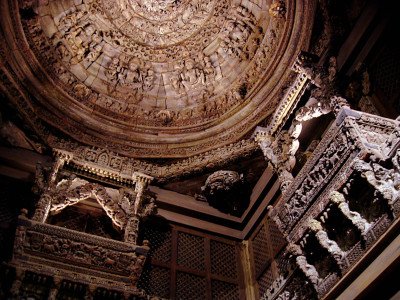
Panchasara Parshwanath Jain Derasar
Some quick example text to build on the card title and make up the bulk of the card's content.
Go somewhere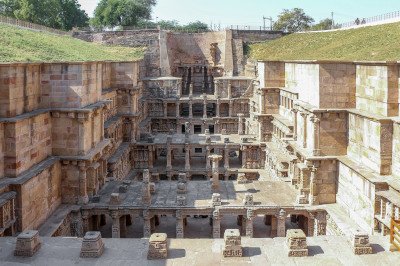
Patan City Museum
Some quick example text to build on the card title and make up the bulk of the card's content.
Go somewhere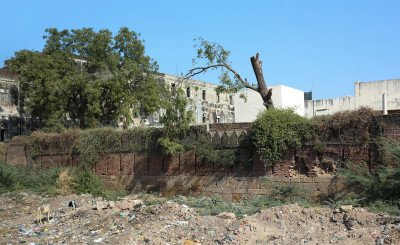
Patan Fort
Some quick example text to build on the card title and make up the bulk of the card's content.
Go somewhere
Patan Patola Heritage Museum
Some quick example text to build on the card title and make up the bulk of the card's content.
Go somewhere
Rani ki Vav
Some quick example text to build on the card title and make up the bulk of the card's content.
Go somewhere
Regional Science Centre/Museum Patan
Some quick example text to build on the card title and make up the bulk of the card's content.
Go somewhere
Rudra Mahalaya
Some quick example text to build on the card title and make up the bulk of the card's content.
Go somewhere
Sadarambapa Statue
Some quick example text to build on the card title and make up the bulk of the card's content.
Go somewhere
Sahasralinga Talav
Some quick example text to build on the card title and make up the bulk of the card's content.
Go somewherein Other Cities