

Panchasara Jain Temple
General information
-
Ideal Duration:
1 HourPlace Type:
Jain Temple, Active Religious Site, ArchitecturalEntry Fees:
General Entry: Free for all visitors.
Fee Context: As an active place of worship, entry to the main temple complex is free for all devotees and visitors. This is common for major religious shrines in India.
Don...General Entry: Free for all visitors.
Fee Context: As an active place of worship, entry to the main temple complex is free for all devotees and visitors. This is common for major religious shrines in India.
Donations: Visitors are welcome to make a donation (Dan), which is used for the temple's maintenance, religious services, and community work. Donations are entirely voluntary.
Photography: Photography is generally allowed in the outer halls but often restricted or completely forbidden inside the inner sanctum (Garbhagriha). Always ask a temple official before taking photos, especially near the main idol.
Shoes/Bags: Visitors must remove their shoes and any leather articles (belts, bags) before entering the main temple premises.Timing:
Regular Timings: Generally open from 6:00 AM to 8:00 PM, with breaks during the afternoon for rest or cleaning (12:00 PM - 3:00 PM). The exact timing can vary with the season and religious calendar.
Ideal Visit Time: Early morning (6:00 AM ...Regular Timings: Generally open from 6:00 AM to 8:00 PM, with breaks during the afternoon for rest or cleaning (12:00 PM - 3:00 PM). The exact timing can vary with the season and religious calendar.
Ideal Visit Time: Early morning (6:00 AM - 9:00 AM) is the most auspicious and peaceful time, coinciding with the first daily rituals and providing a serene, spiritual atmosphere. Late afternoon (4:00 PM - 6:00 PM) is also a good option. Avoid the midday break.
Time Management: As it is located inside the old city lanes, plan the visit to be the first or last stop of the city center tour, combining it with the Tran Darwaja visit.Special Events:
Paryushan Parva: This is the most significant annual Jain festival, typically held in August or September. The temple is the center of extensive religious activities, including fasting, spiritual discourses, and processions.
Jain New Year: ...Paryushan Parva: This is the most significant annual Jain festival, typically held in August or September. The temple is the center of extensive religious activities, including fasting, spiritual discourses, and processions.
Jain New Year: The temple is a hub of activity during the Jain New Year (shortly after Diwali), with special prayers, blessings, and community gatherings.
Acharya Hemachandra Jayanti: Celebrations related to the birth anniversary of the great Jain scholar Acharya Hemachandra (who was associated with Patan) are often held here.Best Photo Spots:
The Marble Dome Interior: The best photo is from inside the main hall, looking up to capture the intricate, lotus-like carving of the central dome and the surrounding marble pillars.
The Idol's Sanctum: A respectful wide shot of the main san...The Marble Dome Interior: The best photo is from inside the main hall, looking up to capture the intricate, lotus-like carving of the central dome and the surrounding marble pillars.
The Idol's Sanctum: A respectful wide shot of the main sanctum (Garbhagriha) with the idol of Lord Parshwanath (usually from the outer hall and only where permitted), capturing the spiritual intensity.
The Pols Entrance: A photo that frames the grand temple entrance at the end of the narrow, traditional old city lane (Pol), contrasting the scale of the temple with the domestic architecture.
The White Stone Texture: Close-up shots of the detailed carvings on the white marble walls and pillars, emphasizing the craftsmanship.Photo Gallery
Things To Do
-
Religious Observation: Witness the daily rituals (Puja, Aarti) and prayers performed by the monks and devotees, which offers a powerful glimpse into Jain devotion and practice.
Architecture Appreciation: Spend time focusing on the intricate marble carvings of the pillars, ceilings, and walls. Look for the fine details of the figural and floral motifs.
Quiet Contemplation: The inner halls and corners of the temple complex are perfect for quiet meditation, offering a profound sense of peace and spirituality away from the outside world.
Walk the Pols: Use the visit to the temple as a starting point to explore the labyrinthine residential lanes (Pols) of the old city, observing the traditional Gujarati house architecture and community life.
Read MoreReligious Observation: Witness the daily rituals (Puja, Aarti) and prayers performed by the monks and devotees, which offers a powerful glimpse into Jain devotion and practice.
Architecture Appreciation: Spend time focusing on the intricate marble carvings of the pillars, ceilings, and walls. Look for the fine details of the figural and floral motifs.
Quiet Contemplation: The inner halls and corners of the temple complex are perfect for quiet meditation, offering a profound sense of peace and spirituality away from the outside world.
Walk the Pols: Use the visit to the temple as a starting point to explore the labyrinthine residential lanes (Pols) of the old city, observing the traditional Gujarati house architecture and community life.
Circumambulation (Pradakshina): Perform the ritual walk around the main shrine, observing the smaller peripheral shrines and carvings along the way.
Photography of Detail: Focus on the intricate carving details of the marble pillars, the delicate stone filigree work, and the stunning dome structure (check rules on photography first).
Find the Local Scholar: Since Patan is a city of Jain learning, inquire if any local Jain scholars or monks are available for a brief discussion on the history of Jainism in the city.
Information
-
Why Famous:
Jainism's Center: It is famous as one of the most sacred and architecturally significant Jain temples in a city that historically served as a capital and a major center for Jain scholars like Acharya Hemachandra.
The Marble Grandeur: The tem...Jainism's Center: It is famous as one of the most sacred and architecturally significant Jain temples in a city that historically served as a capital and a major center for Jain scholars like Acharya Hemachandra.
The Marble Grandeur: The temple is renowned for its sheer use of high-quality, intricately carved white marble, creating a dazzling and spiritual atmosphere inside, especially under the light of the inner dome.
The Idol of Parshwanath: The central idol of Lord Parshwanath is highly revered, and the temple is a key destination on the Shwetambar Jain pilgrimage circuit of North Gujarat. -
Architecture:
Marble and Carving: The architecture is typical of a large, traditional Shwetambar Jain Derasar, built primarily with gleaming white marble and intricately carved sandstone. The exterior and interior are adorned with delicate carving work, often more dense and finer in deta...Marble and Carving: The architecture is typical of a large, traditional Shwetambar Jain Derasar, built primarily with gleaming white marble and intricately carved sandstone. The exterior and interior are adorned with delicate carving work, often more dense and finer in detail than its Hindu counterparts, adhering to the intricate styles of Jain architecture.
Mandapa and Sanctum: The temple structure features a central main sanctum (Garbhagriha) housing the idol of Lord Parshwanath, preceded by multiple pillared halls (Mandapas) designed for congregation and circumambulation (Pradakshina).
Pillars and Domes: The halls are supported by multiple richly carved marble columns and feature highly ornate ceilings and domes, often resembling a lotus flower opening in the center. The five pinnacles are a signature feature.
Dimension: It is a large complex. While exact dimensions are not public, the size of the main hall and the height of the current Shikhara (spire) make it a dominating feature within the dense old city structure. -
How To Reach:
By Air: Nearest airport is Ahmedabad (AMD), 125 KMS away. Take a taxi to Patan city.
By Train: Patan Railway Station (PTN) is the nearest station (approx. 2 KMS). The temple is located deep inside the old city. From the station, take an ...By Air: Nearest airport is Ahmedabad (AMD), 125 KMS away. Take a taxi to Patan city.
By Train: Patan Railway Station (PTN) is the nearest station (approx. 2 KMS). The temple is located deep inside the old city. From the station, take an auto-rickshaw to the nearest accessible point (e. g. , Tran Darwaja or a main intersection), and then walk the last distance through the narrow Pols.
By Road: Patan is well-connected by road. Buses or private cars can reach the periphery of the old city. Parking is a challenge due to the narrow lanes.
By Local Transport: An auto-rickshaw or even a shared chhakda to the main city center market area is the most practical choice. You must walk through the Pols to reach the temple. -
Weather and Best Time to Visit:
Best Season:
Winter (November to February): The cool climate is best for navigating the narrow, crowded lanes of the old city on foot.
Shoulder Season:
Monsoon (July to September)...Best Season:
Winter (November to February): The cool climate is best for navigating the narrow, crowded lanes of the old city on foot.
Shoulder Season:
Monsoon (July to September): The white marble is often scrubbed and cleaned during this period, giving it a dazzling appearance, but the path can be wet.
Best Time of Day: Early Morning (6:00 AM - 9:00 AM) The best time to experience the spiritual sanctity, see the temple rituals, and avoid the heat and the peak congestion of the old city market. -
Near Tourist Places:
Tran Darwaja (500 meters), Siddhraj Jaysinh Statue (1 KM), Regional Science Centre (2 KMS), Patan Patola Heritage Museum (2 KMS), Patan City Museum (2 KMS), Rani ki Vav (3 KMS), Sahasralinga Talav (3. 5 KMS), Trikam Barot Ni Vav (4 KMS), Patan Fort (1 KM), Tomb of Shaikh Farid (3. 5 KMS).
Tourism Tips
-
Health & Safety: Exercise extreme caution while walking through the narrow, crowded Pols (lanes). Watch out for two-wheelers and local traffic. The temple itself is safe.
Dress Code: Dress modestly. Jain temples are strict about religious...Health & Safety: Exercise extreme caution while walking through the narrow, crowded Pols (lanes). Watch out for two-wheelers and local traffic. The temple itself is safe.
Dress Code: Dress modestly. Jain temples are strict about religious etiquette. Women are generally expected to cover their shoulders and knees. You must remove leather items before entering the premises.
Footwear: Wear socks, as the marble can be very hot in the summer midday sun and you will need to walk barefoot on the temple floor.
Photography Rule: Always assume photography is restricted, especially near the main deity, unless explicitly told otherwise by the temple authority.
Food: Only pure vegetarian food is consumed near the temple. Be mindful of food choices in the immediate vicinity.
Reviews
FAQs
Patan Itineray And Cost:-
Panchasara Jain Temple Tourism:-
Other Places In Patan :-
Other States In India :-
Information about New and Updated Locations() of Gujarat Has Been Added :-
Card subtitle
Note:-
Information provided here in good Faith and for reference only.
Near Places
Aghar Darwaja
Some quick example text to build on the card title and make up the bulk of the card's content.
Go somewhere
Bagvada Darwaja
Some quick example text to build on the card title and make up the bulk of the card's content.
Go somewhere
Bindu Sarovar
Some quick example text to build on the card title and make up the bulk of the card's content.
Go somewhere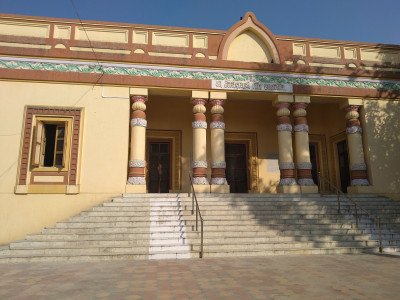
Hemchandracharya Jain Gnan Mandir
Some quick example text to build on the card title and make up the bulk of the card's content.
Go somewhere
Khan Sarovar
Some quick example text to build on the card title and make up the bulk of the card's content.
Go somewhere
Kund of Bahubali
Some quick example text to build on the card title and make up the bulk of the card's content.
Go somewhere
Panchasara Jain Temple
Some quick example text to build on the card title and make up the bulk of the card's content.
Go somewhere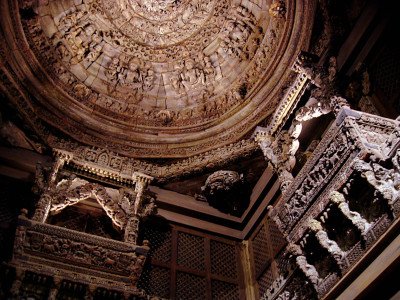
Panchasara Parshwanath Jain Derasar
Some quick example text to build on the card title and make up the bulk of the card's content.
Go somewhere
Patan City Museum
Some quick example text to build on the card title and make up the bulk of the card's content.
Go somewhere
Patan Fort
Some quick example text to build on the card title and make up the bulk of the card's content.
Go somewhere
Patan Patola Heritage Museum
Some quick example text to build on the card title and make up the bulk of the card's content.
Go somewhere
Rani ki Vav
Some quick example text to build on the card title and make up the bulk of the card's content.
Go somewhere
Regional Science Centre/Museum Patan
Some quick example text to build on the card title and make up the bulk of the card's content.
Go somewhere
Rudra Mahalaya
Some quick example text to build on the card title and make up the bulk of the card's content.
Go somewhere
Sadarambapa Statue
Some quick example text to build on the card title and make up the bulk of the card's content.
Go somewhere
Sahasralinga Talav
Some quick example text to build on the card title and make up the bulk of the card's content.
Go somewherein Other Cities