

Siddhraj Jaysinh Statue
General information
-
Ideal Duration:
15-20 MinutesPlace Type:
Historical Monument, Public Art, City LandmarkEntry Fees:
General Entry: Free for all visitors.
Fee Context: As a piece of public art located on a traffic circle, there are no entry fees or time restrictions for viewing.
Photography/Videography: Free. General phot...General Entry: Free for all visitors.
Fee Context: As a piece of public art located on a traffic circle, there are no entry fees or time restrictions for viewing.
Photography/Videography: Free. General photography is allowed without restriction.
Crowd Caution: While free, be cautious of traffic and avoid standing in the road to take photos.
Maintenance: The statue is maintained by the local municipal body.Timing:
Regular Timings: Open 24 Hours a day, as it is a public monument on a traffic circle.
Ideal Visit Time: Early morning (7:00 AM - 8:00 AM) is the absolute best time for clear, traffic-free viewing and photos before the city fully wakes up. L...Regular Timings: Open 24 Hours a day, as it is a public monument on a traffic circle.
Ideal Visit Time: Early morning (7:00 AM - 8:00 AM) is the absolute best time for clear, traffic-free viewing and photos before the city fully wakes up. Late evening (8:00 PM - 10:00 PM) is also good for viewing the illumination and avoiding the heat.
Avoid Mid-Day: Mid-day is extremely hot and busy with heavy traffic, making a quiet viewing experience virtually impossible.Special Events:
King's Birth Anniversary: On the king's birth anniversary (Jayanti), the local government or community groups organize small public functions, including garland-laying ceremonies at the statue.
Patan Heritage Day: During local heritage festi...King's Birth Anniversary: On the king's birth anniversary (Jayanti), the local government or community groups organize small public functions, including garland-laying ceremonies at the statue.
Patan Heritage Day: During local heritage festivals (e. g. , in January or February), the statue may be cleaned and decorated as a key point of the city's historical pride.Best Photo Spots:
The Full Monumental Shot: Capture the entire statue and its pedestal, emphasizing its height and dominance over the traffic circle, especially against a clear blue sky.
The Royal Detail: A close-up of the king's face, crown, or royal symbols...The Full Monumental Shot: Capture the entire statue and its pedestal, emphasizing its height and dominance over the traffic circle, especially against a clear blue sky.
The Royal Detail: A close-up of the king's face, crown, or royal symbols, focusing on the artistry of the bronze/stone work.
Statue and Flag: If a flag is flying nearby, a photo capturing the statue and the flag together is a powerful symbol of historical and national pride.
Night Illumination: A photograph of the statue after sunset when it is dramatically illuminated, highlighting the figure against the night sky.Photo Gallery
Things To Do
-
Photography: Take a photo of the statue, using it as a starting point for a tour of Patan's other Solanki-era sites that the king commissioned (Sahasralinga Talav, etc. ).
Study the Pedestal: Read the inscriptions on the pedestal to understand the official history and the king's legacy as celebrated by the modern city.
Use as a Meeting Point: Given its prominent and central location, use the statue as a convenient and unmissable spot to meet up with companions or local guides.
Observe the Traffic Circle: Spend a few minutes observing the surrounding area, which is a key intersection, to understand the local flow of life and transport.
Historical Context Setting: Use the statue as a quick visual reference point to place the other ...Photography: Take a photo of the statue, using it as a starting point for a tour of Patan's other Solanki-era sites that the king commissioned (Sahasralinga Talav, etc. ).
Study the Pedestal: Read the inscriptions on the pedestal to understand the official history and the king's legacy as celebrated by the modern city.
Use as a Meeting Point: Given its prominent and central location, use the statue as a convenient and unmissable spot to meet up with companions or local guides.
Observe the Traffic Circle: Spend a few minutes observing the surrounding area, which is a key intersection, to understand the local flow of life and transport.
Historical Context Setting: Use the statue as a quick visual reference point to place the other major monuments (Rani ki Vav, Sahasralinga Talav) in the context of the king's reign.
Local Food Stop: The area around the railway station and the circle is usually a good place to find local food stalls and tea vendors.
Connect to Rani ki Vav: Reflect on the fact that this king's mother, Queen Udayamati, commissioned the other major site, Rani ki Vav, thus placing both monuments in the context of one powerful royal family.
Information
-
Why Famous:
Embodiment of the Golden Age: It is famous as the physical representation of the city's Golden Age under the Solanki dynasty, commemorating the king who ushered in a period of unprecedented prosperity, scholarship, and monumental construction.
M...Embodiment of the Golden Age: It is famous as the physical representation of the city's Golden Age under the Solanki dynasty, commemorating the king who ushered in a period of unprecedented prosperity, scholarship, and monumental construction.
Major Benefactor: The king is famous for his patronage of arts, architecture, and religion, and the statue is a tribute to his creation of the Sahasralinga Talav and his support for Acharya Hemachandra, the great Jain scholar.
Public Icon: As a key traffic circle landmark, it is a universally recognized public symbol of Patan, often serving as a directional marker for locals and tourists. -
Architecture:
Statuary Art: The statue is usually a large, life-size or larger-than-life representation of King Siddharaj Jaysinh on horseback or standing majestically, typically cast in bronze or stone. He is depicted in royal attire, often carrying a symbol of kingship or authority.Statuary Art: The statue is usually a large, life-size or larger-than-life representation of King Siddharaj Jaysinh on horseback or standing majestically, typically cast in bronze or stone. He is depicted in royal attire, often carrying a symbol of kingship or authority.
Pedestal Design: The statue is mounted on a tall, stone or concrete pedestal that provides historical context through inscriptions in Gujarati and sometimes English, detailing the king's name, reign, and major achievements.
Aesthetic: The style is generally realistic, monumental, and modern, designed to project an image of power, wisdom, and military might, consistent with the king's historical reputation.
Dimension: The total height, including the pedestal, is substantial, often reaching 10-15 feet, ensuring it dominates the public space it occupies. -
How To Reach:
By Air: Nearest airport is Ahmedabad (AMD), 125 KMS away. Take a taxi directly to the location near the Patan Railway Station.
By Train: Excellent accessibility. The statue is very close to Patan Railway Station (PTN), often within a short...By Air: Nearest airport is Ahmedabad (AMD), 125 KMS away. Take a taxi directly to the location near the Patan Railway Station.
By Train: Excellent accessibility. The statue is very close to Patan Railway Station (PTN), often within a short 1-2 minute walk from the exit, making it the perfect first stop upon arrival. Mehsana Junction (50 KMS) is the main regional railway hub.
By Road: Located on a key arterial road near the railway station. It is easily reachable by bus to the nearby Bus Stand (2 KMS) followed by a short auto-rickshaw ride.
By Local Transport: An auto-rickshaw or a shared chhakda from anywhere in Patan will drop you at the Statue Circle (Patan Circle), as it is a major landmark. -
Weather and Best Time to Visit:
Best Season:
Winter (November to February): The weather is most pleasant for an open-air viewing at a traffic circle.
Best Time of Day: Early Morning (7:00 AM - 8:00 AM) The traffic is minimal, the air is coo...Best Season:
Winter (November to February): The weather is most pleasant for an open-air viewing at a traffic circle.
Best Time of Day: Early Morning (7:00 AM - 8:00 AM) The traffic is minimal, the air is cool, and the morning light is ideal for photography. This allows for a quick stop before proceeding to other sites.
Time of the Day: Evening (8:
00 PM onwards): The traffic reduces, and the statue's lighting makes for a majestic view. -
Near Tourist Places:
Regional Science Centre (500 meters), Tran Darwaja (1 KM), Panchasara Jain Temple (1. 5 KMS), Sadarambapa Statue (2 KMS), Patan Fort (1 KM), Trikam Barot Ni Vav (3 KMS), Rani ki Vav (4 KMS), Sahasralinga Talav (5 KMS), Patan Patola Heritage Museum (3 KMS), Tomb of Shaikh Farid (4 KMS).
Tourism Tips
-
Health & Safety: The statue is located on a busy traffic circle; visitors must exercise extreme caution regarding traffic flow. Do not stand in the road for photos.
Public Etiquette: As a public space, avoid leaving any trash. Be quick an...Health & Safety: The statue is located on a busy traffic circle; visitors must exercise extreme caution regarding traffic flow. Do not stand in the road for photos.
Public Etiquette: As a public space, avoid leaving any trash. Be quick and respectful, as this is a busy local junction.
Photography: Use a telephoto lens or a high-zoom camera to capture details without having to stand too close to the traffic.
Location Marker: Use this location as a reliable point of reference for all local transport, as all drivers know the king's statue.
Parking: Parking can be a challenge. It is best to reach the spot by auto-rickshaw or park in a nearby designated area.
Reviews
FAQs
Patan Itineray And Cost:-
Siddhraj Jaysinh Statue Tourism:-
Other Places In Patan :-
Other States In India :-
Information about New and Updated Locations() of Gujarat Has Been Added :-
Card subtitle
Note:-
Information provided here in good Faith and for reference only.
Near Places
Aghar Darwaja
Some quick example text to build on the card title and make up the bulk of the card's content.
Go somewhere
Bagvada Darwaja
Some quick example text to build on the card title and make up the bulk of the card's content.
Go somewhere
Bindu Sarovar
Some quick example text to build on the card title and make up the bulk of the card's content.
Go somewhere
Hemchandracharya Jain Gnan Mandir
Some quick example text to build on the card title and make up the bulk of the card's content.
Go somewhere
Khan Sarovar
Some quick example text to build on the card title and make up the bulk of the card's content.
Go somewhere
Kund of Bahubali
Some quick example text to build on the card title and make up the bulk of the card's content.
Go somewhere
Panchasara Jain Temple
Some quick example text to build on the card title and make up the bulk of the card's content.
Go somewhere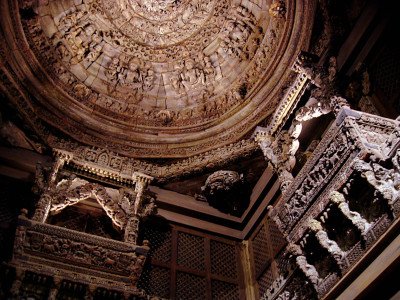
Panchasara Parshwanath Jain Derasar
Some quick example text to build on the card title and make up the bulk of the card's content.
Go somewhere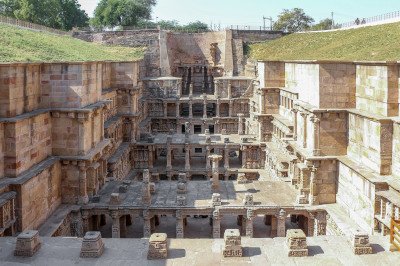
Patan City Museum
Some quick example text to build on the card title and make up the bulk of the card's content.
Go somewhere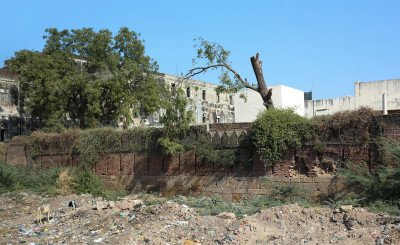
Patan Fort
Some quick example text to build on the card title and make up the bulk of the card's content.
Go somewhere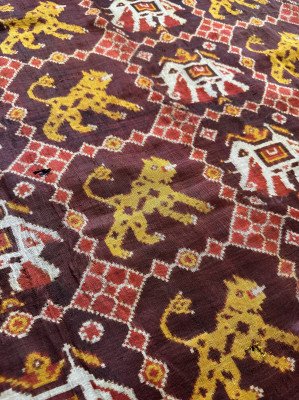
Patan Patola Heritage Museum
Some quick example text to build on the card title and make up the bulk of the card's content.
Go somewhere
Rani ki Vav
Some quick example text to build on the card title and make up the bulk of the card's content.
Go somewhere
Regional Science Centre/Museum Patan
Some quick example text to build on the card title and make up the bulk of the card's content.
Go somewhere
Rudra Mahalaya
Some quick example text to build on the card title and make up the bulk of the card's content.
Go somewhere
Sadarambapa Statue
Some quick example text to build on the card title and make up the bulk of the card's content.
Go somewhere
Sahasralinga Talav
Some quick example text to build on the card title and make up the bulk of the card's content.
Go somewherein Other Cities