

Khan Sarovar
General information
-
Ideal Duration:
1 HourPlace Type:
Water Reservoir, Historical Landmark, Local ParkEntry Fees:
No Entry Fee: There is no entry fee for visiting the Khan Sarovar or the surrounding public park, making it a free and easily accessible public space for both locals and tourists throughout the day.
Parking Fees: A nominal parking fee (aroun...No Entry Fee: There is no entry fee for visiting the Khan Sarovar or the surrounding public park, making it a free and easily accessible public space for both locals and tourists throughout the day.
Parking Fees: A nominal parking fee (around Rs.10 to Rs.20) may be charged for vehicle parking in the designated lots near the park entrance, which is used for the maintenance of the public amenities.
Event Fees: If a large fair or organized event is being held in the adjacent park, there may be a specific entry or booth fee associated with the event, separate from the sarovar itself. :Timing:
Regular Timings: The sarovar itself is open 24 hours, but the surrounding Park area generally operates from 6:00 AM to 10:00 PM. It's best to confirm the park's closing time.
Ideal Visit Time: Early morning (6:00 AM to 9:00 AM) is excellent...Regular Timings: The sarovar itself is open 24 hours, but the surrounding Park area generally operates from 6:00 AM to 10:00 PM. It's best to confirm the park's closing time.
Ideal Visit Time: Early morning (6:00 AM to 9:00 AM) is excellent for jogging, bird watching, and experiencing the cool, tranquil atmosphere. Late afternoon/sunset (4:00 PM to 6:30 PM) is ideal for family visits and enjoying the best light for photography.
Avoid the Night: While technically open, it is less safe and practical to visit the tank's edges late at night, and the park is closed. :Special Events:
Local Fairs and Melas: The large open space near the sarovar is occasionally used to host local community fairs (Melas) or bazaars, especially during festivals like Uttarayan (Kite Festival) in January, adding a vibrant atmosphere of local celebration.
Read MoreLocal Fairs and Melas: The large open space near the sarovar is occasionally used to host local community fairs (Melas) or bazaars, especially during festivals like Uttarayan (Kite Festival) in January, adding a vibrant atmosphere of local celebration.
Chhath Puja (If celebrated locally): If there is a community of people celebrating Chhath Puja in October or November, the banks of the sarovar may be used for the ritualistic sun worship, offering a unique cultural spectacle.
Community Clean-up Drives: Local environmental groups often organize clean-up and awareness drives at the sarovar, particularly on World Environment Day or other civic occasions, highlighting its ecological role. :Best Photo Spots:
The Symmetrical Ghat Steps: Capture the long lines of the stone steps descending towards the water, emphasizing the geometry and the vastness of the tank, a classic shot of the reservoir.
Reflection in the Water: A photograph taken on a stil...The Symmetrical Ghat Steps: Capture the long lines of the stone steps descending towards the water, emphasizing the geometry and the vastness of the tank, a classic shot of the reservoir.
Reflection in the Water: A photograph taken on a still day to capture the clear reflection of the sky or surrounding structures in the water, creating a stunning mirror image, especially at sunrise or sunset.
Close-up of Reused Carvings: Focus on the intricate, older carvings on the incorporated pillars, highlighting the contrast between the detailed artwork and the plain stone of the tank structure.
Park Life View: A candid photo of local families or birdwatchers enjoying the surrounding park, with the historical sarovar in the background, capturing the blend of heritage and modern daily life. :Photo Gallery
Things To Do
-
Leisurely Walk and Relaxation: Enjoy a tranquil walk along the edge of the sarovar, especially in the cooler parts of the day, utilizing the surrounding park area for relaxation and fresh air.
Historical Photography: Capture the vast expanse of the water body and the symmetrical, imposing stone steps leading down to the water, focusing on the blend of functional masonry and reused carved pillars.
Bird Watching: Bring binoculars and spend time observing the local and seasonal migratory birds that visit the sarovar. It is an excellent spot for nature photography within the city limits.
Picnicking and Socializing: Utilize the adjacent park area for a casual picnic with family or friends. This is a popular local activity, offering a slice of everyday life in Patan....Leisurely Walk and Relaxation: Enjoy a tranquil walk along the edge of the sarovar, especially in the cooler parts of the day, utilizing the surrounding park area for relaxation and fresh air.
Historical Photography: Capture the vast expanse of the water body and the symmetrical, imposing stone steps leading down to the water, focusing on the blend of functional masonry and reused carved pillars.
Bird Watching: Bring binoculars and spend time observing the local and seasonal migratory birds that visit the sarovar. It is an excellent spot for nature photography within the city limits.
Picnicking and Socializing: Utilize the adjacent park area for a casual picnic with family or friends. This is a popular local activity, offering a slice of everyday life in Patan.
Historical Observation: Try to identify the difference between the simple, functional Mughal stonework and the intricately carved Solanki-era components that were incorporated into the structure. This comparative study is fascinating.
Jogging and Exercise: The perimeter path is suitable for jogging and morning exercise, a favorite activity for the local community, demonstrating the monument's current community utility.
Sunset Viewing: The sarovar offers a beautiful, peaceful location to watch the sunset over the water, which is a popular romantic and reflective evening activity. :
Information
-
Why Famous:
Mughal Legacy in Patan: It is famous as one of the few surviving and major constructions from the Mughal era in Patan, specifically built by Mirza Aziz Kokah, providing a different historical perspective from the dominant Solanki monuments.
Reso...Mughal Legacy in Patan: It is famous as one of the few surviving and major constructions from the Mughal era in Patan, specifically built by Mirza Aziz Kokah, providing a different historical perspective from the dominant Solanki monuments.
Resourcefulness in Construction: The sarovar is famous for its visible reuse of stone components, including intricately carved Hindu pillars, sourced from older structures. This architectural recycling makes it a celebrated example of historical resource management.
Urban Oasis: Today, its fame is enhanced by its role as a peaceful public park and a natural habitat, offering a much-needed green and serene space within the busy city, making it a beloved local spot.
Water Heritage: It stands as a famous symbol of Patan’s centuries-old tradition of sophisticated water conservation and management, a critical skill in the region's climate. : -
Architecture:
Material and Form: The reservoir is a large, man-made tank constructed entirely of robust stone masonry, primarily sandstone. It is approximately square in shape, with substantial dimensions. Historical records suggest it measures about 1228 feet by 1273 feet, covering a v...Material and Form: The reservoir is a large, man-made tank constructed entirely of robust stone masonry, primarily sandstone. It is approximately square in shape, with substantial dimensions. Historical records suggest it measures about 1228 feet by 1273 feet, covering a vast area.
Steps and Platforms: A key architectural feature is the comprehensive system of stone steps and platforms (Ghats) that line all four sides, allowing easy access to the water at different levels. This is a common design for large water bodies in Gujarat.
Reused Components: The most distinctive architectural element is the evidence of reused architectural components, notably pillars and stone carvings that clearly pre-date the Mughal construction. Many pillars exhibit Hindu craftsmanship and motifs, which were likely incorporated from the ruins of older temples, a common practice in later constructions. This blend of simple, utilitarian Mughal architecture with intricately carved Hindu/Jain pillars is a fascinating study in syncretism and resourcefulness.
Outflow System: The presence of an ancient, functioning outflow channel to regulate water flow during heavy rainfall highlights the advanced hydraulic engineering skills of the builders. : -
How To Reach:
By Air: The nearest major airport is Ahmedabad (AMD, 125 KMS). From the airport, a taxi can bring you directly to Patan.
By Train: Patan Railway Station (PTN) is approximately 2 KMS away. An auto-rickshaw or cycle-rickshaw can quickly reac...By Air: The nearest major airport is Ahmedabad (AMD, 125 KMS). From the airport, a taxi can bring you directly to Patan.
By Train: Patan Railway Station (PTN) is approximately 2 KMS away. An auto-rickshaw or cycle-rickshaw can quickly reach the sarovar.
By Road: The Khan Sarovar is located near the main Patan Bus Stand on a major road, making it highly accessible by all state and private bus services. It is a well-known spot, making navigation simple.
By Local Transport: It is a major city landmark. Auto-rickshaws and local taxis are the most convenient and affordable means of local transport to reach the sarovar from any part of Patan. : -
Weather and Best Time to Visit:
Different Types of Seasons: Winter (October to March) is perfect for enjoying the park and the water body comfortably. Summer (April to June) is hot; the heat can be intense near the water, making only early morning and late evening visits pleasant. Monsoon (July to Septe...Different Types of Seasons: Winter (October to March) is perfect for enjoying the park and the water body comfortably. Summer (April to June) is hot; the heat can be intense near the water, making only early morning and late evening visits pleasant. Monsoon (July to September) is a beautiful time to visit as the tank fills up, offering a full, picturesque view, but can be humid.
Different Parts of the Day: Sunrise provides the most peaceful atmosphere and beautiful soft light, favored by walkers and photographers. Late afternoon is the busiest and most vibrant time due to local visitors enjoying the park. : -
Near Tourist Places:
Patan Bus Stand (500 Meters), Aghar Darwaja (1 KM), Patan Fort (1. 5 KMS), Patan Patola Heritage Museum (2. 5 KMS), Rani ki Vav (3 KMS), Sahastralinga Talav (3. 5 KMS), Panchasara Jain Derasar (2. 5 KMS), Hemchandracharya Jain Gnan Mandir (2 KMS), Bagvada Darwaja (3 KMS), Trikam Barot Ni Vav (2 KMS). :
Tourism Tips
-
Health & safety: Be mindful of the large, steep steps leading down to the water, especially if wet. Supervise children closely near the water's edge, as there are no railings.
Packing: Carry a hat, water bottle, and binoculars for bird watc...Health & safety: Be mindful of the large, steep steps leading down to the water, especially if wet. Supervise children closely near the water's edge, as there are no railings.
Packing: Carry a hat, water bottle, and binoculars for bird watching. If planning a picnic, ensure you carry a blanket and dispose of all trash responsibly in the designated bins.
Accommodation: Numerous mid-range and budget hotels are available near the Patan Bus Stand, which is a short walk from the sarovar.
Other Different Topics heading: Carry repellent during the evening as mosquitoes can be an issue near the water. The surrounding area is excellent for experiencing local life; look for nearby tea stalls or local food vendors for a local flavor. :
Reviews
FAQs
Patan Itineray And Cost:-
Other Places In Patan :-
Other States In India :-
Information about New and Updated Locations() of Gujarat Has Been Added :-
Card subtitle
Note:-
Information provided here in good Faith and for reference only.
Near Places
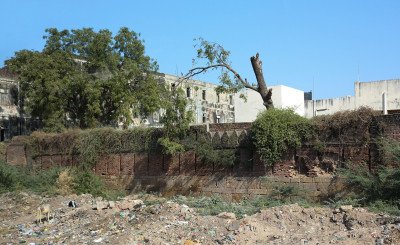
Aghar Darwaja
Some quick example text to build on the card title and make up the bulk of the card's content.
Go somewhere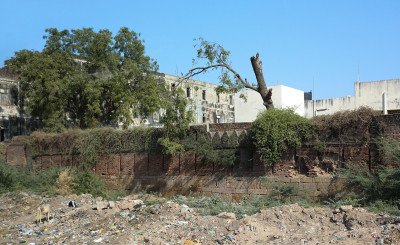
Bagvada Darwaja
Some quick example text to build on the card title and make up the bulk of the card's content.
Go somewhere
Bindu Sarovar
Some quick example text to build on the card title and make up the bulk of the card's content.
Go somewhere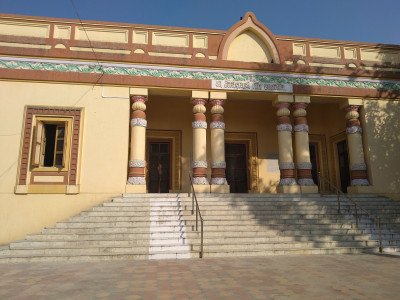
Hemchandracharya Jain Gnan Mandir
Some quick example text to build on the card title and make up the bulk of the card's content.
Go somewhere
Khan Sarovar
Some quick example text to build on the card title and make up the bulk of the card's content.
Go somewhere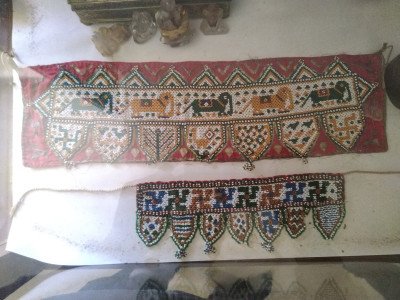
Kund of Bahubali
Some quick example text to build on the card title and make up the bulk of the card's content.
Go somewhere
Panchasara Jain Temple
Some quick example text to build on the card title and make up the bulk of the card's content.
Go somewhere
Panchasara Parshwanath Jain Derasar
Some quick example text to build on the card title and make up the bulk of the card's content.
Go somewhere
Patan City Museum
Some quick example text to build on the card title and make up the bulk of the card's content.
Go somewhere
Patan Fort
Some quick example text to build on the card title and make up the bulk of the card's content.
Go somewhere
Patan Patola Heritage Museum
Some quick example text to build on the card title and make up the bulk of the card's content.
Go somewhere
Rani ki Vav
Some quick example text to build on the card title and make up the bulk of the card's content.
Go somewhere
Regional Science Centre/Museum Patan
Some quick example text to build on the card title and make up the bulk of the card's content.
Go somewhere
Rudra Mahalaya
Some quick example text to build on the card title and make up the bulk of the card's content.
Go somewhere
Sadarambapa Statue
Some quick example text to build on the card title and make up the bulk of the card's content.
Go somewhere
Sahasralinga Talav
Some quick example text to build on the card title and make up the bulk of the card's content.
Go somewherein Other Cities