Patan Fort
General information
-
Ideal Duration:
45 Minutes - 1 HourPlace Type:
Historical Ruins, Archaeological Site, FortificatiEntry Fees:
No Entry Fee: There is no formal entry fee to access the fort ruins, as the area is largely an open, public historical space integrated into the city. This makes it a free, accessible monument for all to explore, emphasizing its community heritage status.
Read MoreNo Entry Fee: There is no formal entry fee to access the fort ruins, as the area is largely an open, public historical space integrated into the city. This makes it a free, accessible monument for all to explore, emphasizing its community heritage status.
Parking: A nominal fee (around Rs.10 to Rs.20) for vehicle parking may apply in the nearby designated parking areas, if any, which is standard for public city areas.
Commercial Filming: Large-scale commercial filming or drone operations over the protected ruins require mandatory permission from the Archaeological Survey of India (ASI) and the local government, which involves a formal application and a significant fee to protect the historical site from damage. :Timing:
Regular Timings: Open 24 hours a day, as it is an open ruin and historical area, but the best time for safe exploration is during daylight hours.
Ideal Visit Time: Early morning (7:00 AM to 9:00 AM) or late afternoon (4:00 PM to 6:00 PM) are...Regular Timings: Open 24 hours a day, as it is an open ruin and historical area, but the best time for safe exploration is during daylight hours.
Ideal Visit Time: Early morning (7:00 AM to 9:00 AM) or late afternoon (4:00 PM to 6:00 PM) are the most comfortable times to walk the area, avoiding the intense heat of the day. The light is also best for photography during these times.
Avoid Night: It is advisable to avoid visiting after dark as the area may not be well-lit and can pose safety risks due to uneven ground and isolated spots. :Special Events:
Local Cultural Gatherings: The open spaces within and around the fort ruins are sometimes used for smaller, local cultural gatherings, folk music performances, or open-air plays that celebrate Patan's history, especially during community festivals.
Read MoreLocal Cultural Gatherings: The open spaces within and around the fort ruins are sometimes used for smaller, local cultural gatherings, folk music performances, or open-air plays that celebrate Patan's history, especially during community festivals.
Heritage Walk Starting Point: Local history and tourism organizations often use the fort as the starting point for organized heritage walks during specific heritage weeks or tourist seasons, emphasizing the site's role as the city's historical epicenter.
Shivratri Mela: If there is a small ancient shrine of Lord Shiva within or near the ruins, it may become a site for a local Mela (fair) during Shivratri in February or March, attracting local devotees. :Best Photo Spots:
The Elevated Rubble Mound View: Climb to the highest accessible point of the ruins and capture a wide-angle shot of the surrounding city, using the historical rubble as a powerful foreground element.
Wall Fragments Close-up: Focus on the sur...The Elevated Rubble Mound View: Climb to the highest accessible point of the ruins and capture a wide-angle shot of the surrounding city, using the historical rubble as a powerful foreground element.
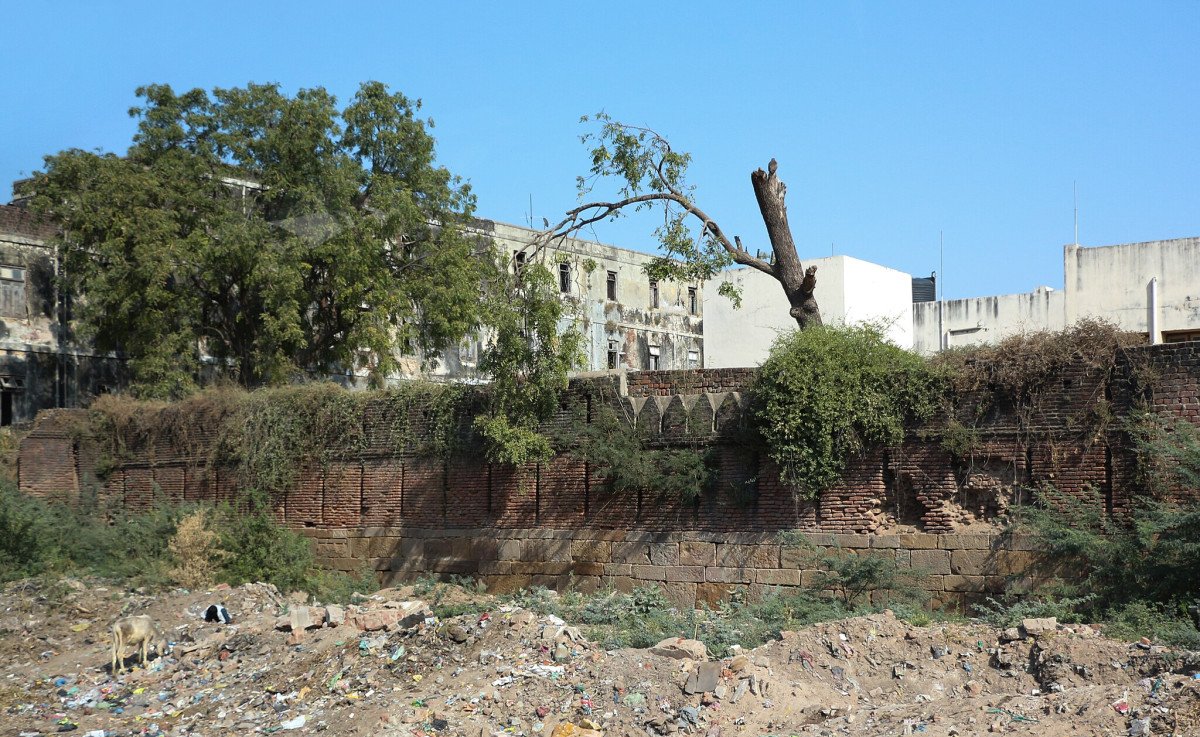
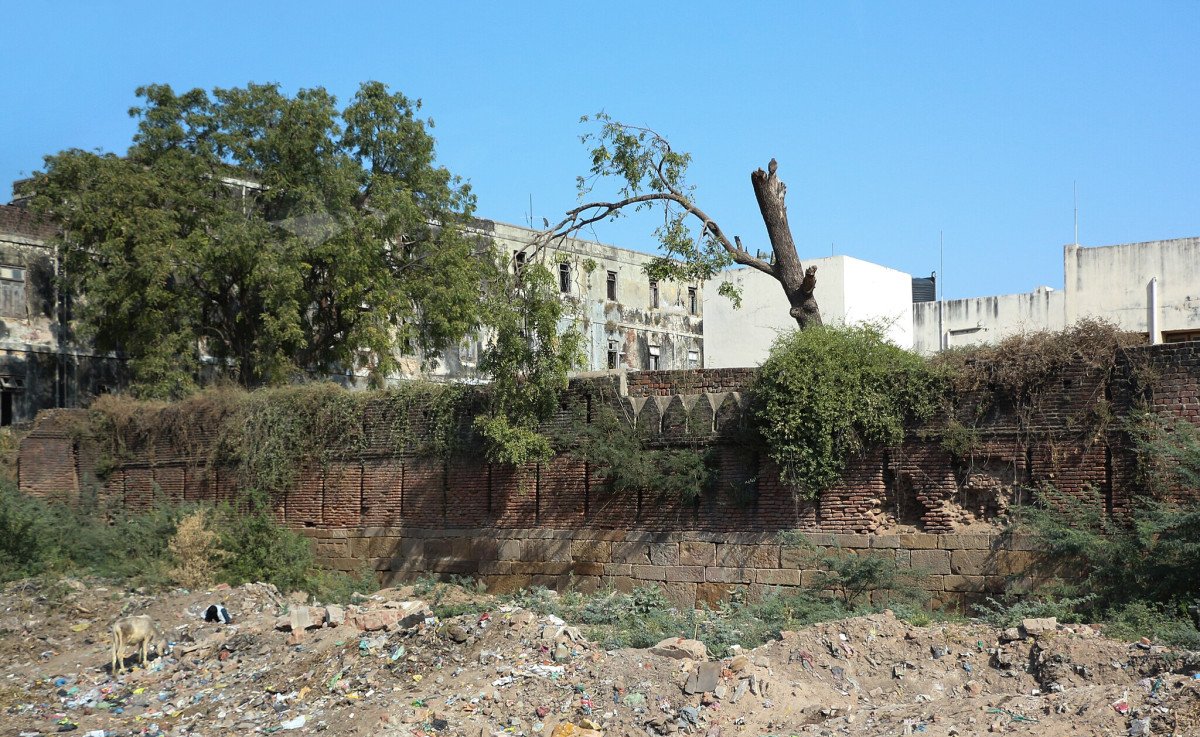
Wall Fragments Close-up: Focus on the surviving sections of the thick stone defense walls, capturing the texture of the masonry and the evidence of wear and tear over centuries.
Historical Silhouette: Photograph the fort ruins in silhouette against the backdrop of a dramatic sunset or sunrise sky, enhancing the melancholic and profound historical atmosphere.
View towards Khan Sarovar: Capture the view towards Khan Sarovar or the nearby landmarks from the fort's location, demonstrating the strategic, elevated position of the citadel. :Photo Gallery
Things To Do
-
Historical Imagination and Visualization: The primary activity is to walk the perimeter of the ruins, visualizing the grandeur of the original palace, the strength of the walls, and the life of the medieval city that once existed here.
Amateur Archaeology Observation: Carefully observe the exposed masonry, rubble, and earth layers to identify different periods of construction and destruction, providing a hands-on historical insight.
Sunset/Sunrise Photography: Use the elevated parts of the ruins as a vantage point for photography, capturing the modern city with the historical fragments in the foreground, particularly at sunrise or sunset.
Connecting the Gates: Walk from the fort site towards the visible city gates like Aghar Darwaja or Bagvada Darwaja to understa...Historical Imagination and Visualization: The primary activity is to walk the perimeter of the ruins, visualizing the grandeur of the original palace, the strength of the walls, and the life of the medieval city that once existed here.
Amateur Archaeology Observation: Carefully observe the exposed masonry, rubble, and earth layers to identify different periods of construction and destruction, providing a hands-on historical insight.
Sunset/Sunrise Photography: Use the elevated parts of the ruins as a vantage point for photography, capturing the modern city with the historical fragments in the foreground, particularly at sunrise or sunset.
Connecting the Gates: Walk from the fort site towards the visible city gates like Aghar Darwaja or Bagvada Darwaja to understand the historical defense perimeter of the city.
Reading Historical Texts: Bring a copy of historical texts (if available) related to the Solanki period and read them at the site to fully immerse yourself in the fort's context and history.
Local Community Interaction: Since the fort area is integrated into local life, spend time observing the activities of the nearby residents, which often include grazing cattle or local games, juxtaposing the past with the present. :
Information
-
Why Famous:
Origin of Patan: It is famous as the original site of the capital city Anhilpur Patan, marking the political and military birthplace of the Solanki dynasty, which heralded a golden age in Gujarat’s history, making it a critical site for state identity.
Read MoreOrigin of Patan: It is famous as the original site of the capital city Anhilpur Patan, marking the political and military birthplace of the Solanki dynasty, which heralded a golden age in Gujarat’s history, making it a critical site for state identity.
Symbol of Decline: The ruins are famous for symbolizing the eventual decline and destruction of the great medieval city, serving as a powerful, melancholic reminder of the fleeting nature of power and the ravages of history.
Archaeological Potential: The fort area is a famous site of continuous archaeological interest, with researchers believing that much is still buried beneath the earth, potentially revealing further secrets of the ancient capital's life and structures.
Panoramic City View: The elevated remnants of the fort often provide a decent, famous view of the surrounding modern city and landscape, offering a historical perspective on urban development. :Architecture:
Rubble and Earthwork Remnants: The current 'fort' architecture is primarily characterized by the ruins of thick stone walls, sections of defense bastions, and large earth mounds that mark the original perimeter and interior structures. The original construction was likely o...Rubble and Earthwork Remnants: The current 'fort' architecture is primarily characterized by the ruins of thick stone walls, sections of defense bastions, and large earth mounds that mark the original perimeter and interior structures. The original construction was likely of heavy, locally sourced sandstone and brick masonry, designed for maximum military protection.
Dimension of the Citadel: While the precise dimensions of the original fort are challenging to ascertain from the ruins, historical accounts suggest the citadel was vast, covering a significant area of the city. The remaining wall sections are characterized by thick, formidable construction (Dimensions: wall thickness up to 10 feet in some parts) designed to withstand sieges, featuring simple, un-ornamented, military-functional architecture.
Remnants of Gates: Look for sections of remaining fortifications that would have once connected to the main city gates like the Aghar Darwaja and Bagvada Darwaja, offering a crucial architectural connection point for understanding the entire city defense network.
Pillared Structures: Scattered remnants of broken pillars and stone foundations may be visible within the fort area, suggesting the presence of royal palaces, administrative buildings, or barracks that once stood within the compound. :How To Reach:
By Air: The nearest major airport is Ahmedabad (AMD, 125 KMS). From the airport, a taxi or bus is required to reach Patan.
By Train: Patan Railway Station (PTN) is approximately 1. 5 KMS away. An auto-rickshaw can quickly bring you to the ...By Air: The nearest major airport is Ahmedabad (AMD, 125 KMS). From the airport, a taxi or bus is required to reach Patan.
By Train: Patan Railway Station (PTN) is approximately 1. 5 KMS away. An auto-rickshaw can quickly bring you to the fort area, which is a known landmark.
By Road: Located near the main Patan Bus Stand, the fort area is easily accessible by all major roads and is a short distance from the bus depot. State Transport buses offer good connectivity.
By Local Transport: Auto-rickshaws are the most common and practical way to reach the site. It is located close to the central city area, making it a quick ride from any point in Patan. :Weather and Best Time to Visit:
Different Types of Seasons: Winter (October to March) is the most favorable season for exploring the open-air ruins, as the weather is cool and pleasant. Summer (April to June) is extremely hot, so restrict visits to very early morning. Monsoon (July to September) makes th...Different Types of Seasons: Winter (October to March) is the most favorable season for exploring the open-air ruins, as the weather is cool and pleasant. Summer (April to June) is extremely hot, so restrict visits to very early morning. Monsoon (July to September) makes the ruins look green and picturesque, but the ground can be slippery and muddy, requiring careful walking.
Different Parts of the Day: Sunrise and Sunset provide the most atmospheric lighting for photography and a cooler, more contemplative experience of the historical site. :Near Tourist Places:
Khan Sarovar (1 KM), Aghar Darwaja (1. 5 KMS), Patan Bus Stand (500 Meters), Patan Railway Station (1. 5 KMS), Panchasara Jain Derasar (2 KMS), Hemchandracharya Jain Gnan Mandir (2 KMS), Bagvada Darwaja (2 KMS), Patan Patola Heritage Museum (2 KMS), Rani ki Vav (3 KMS), Sahastralinga Talav (3. 5 KMS). :Tourism Tips
-
Health & safety: Be cautious of the uneven ground, scattered rubble, and steep sections of the ruins. Wear sturdy, closed-toe shoes. Carry water, especially during the hotter months, as there are limited facilities on site.
Packing: A hat,...Health & safety: Be cautious of the uneven ground, scattered rubble, and steep sections of the ruins. Wear sturdy, closed-toe shoes. Carry water, especially during the hotter months, as there are limited facilities on site.
Packing: A hat, sunscreen, and a camera are essential. Consider carrying a historical map of Anhilpur Patan to visualize the original layout of the citadel.
Accommodation: Stay in the central city area of Patan for easy access to the fort and other historical sites. Budget-friendly lodging is widely available.
Other Different Topics heading: Be respectful of the surrounding residential area. Do not climb on the fragile sections of the remaining walls, as this can cause further deterioration to the ancient structure. :
Reviews
FAQs
Patan Itineray And Cost:-
Other Places In Patan :-
Other States In India :-
Information about New and Updated Locations() of Gujarat Has Been Added :-
Card subtitle
Note:-
Information provided here in good Faith and for reference only.
Near Places
Aghar Darwaja
Some quick example text to build on the card title and make up the bulk of the card's content.
Go somewhere
Bagvada Darwaja
Some quick example text to build on the card title and make up the bulk of the card's content.
Go somewhere
Bindu Sarovar
Some quick example text to build on the card title and make up the bulk of the card's content.
Go somewhere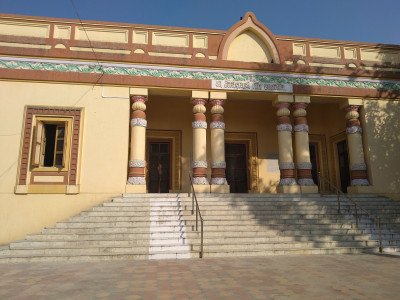
Hemchandracharya Jain Gnan Mandir
Some quick example text to build on the card title and make up the bulk of the card's content.
Go somewhere
Khan Sarovar
Some quick example text to build on the card title and make up the bulk of the card's content.
Go somewhere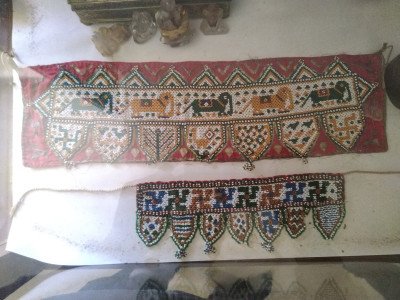
Kund of Bahubali
Some quick example text to build on the card title and make up the bulk of the card's content.
Go somewhere
Panchasara Jain Temple
Some quick example text to build on the card title and make up the bulk of the card's content.
Go somewhere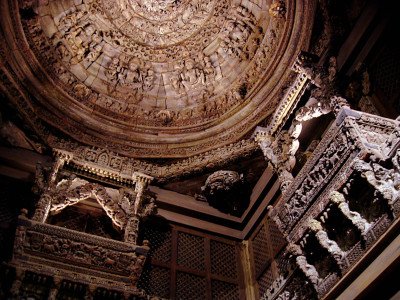
Panchasara Parshwanath Jain Derasar
Some quick example text to build on the card title and make up the bulk of the card's content.
Go somewhere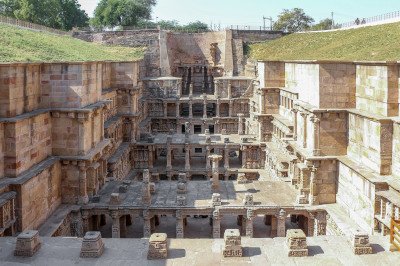
Patan City Museum
Some quick example text to build on the card title and make up the bulk of the card's content.
Go somewhere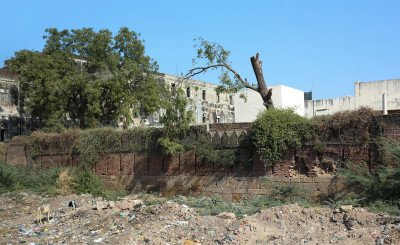
Patan Fort
Some quick example text to build on the card title and make up the bulk of the card's content.
Go somewhere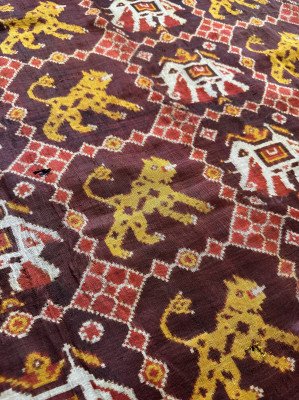
Patan Patola Heritage Museum
Some quick example text to build on the card title and make up the bulk of the card's content.
Go somewhere
Rani ki Vav
Some quick example text to build on the card title and make up the bulk of the card's content.
Go somewhere
Regional Science Centre/Museum Patan
Some quick example text to build on the card title and make up the bulk of the card's content.
Go somewhere
Rudra Mahalaya
Some quick example text to build on the card title and make up the bulk of the card's content.
Go somewhere
Sadarambapa Statue
Some quick example text to build on the card title and make up the bulk of the card's content.
Go somewhere
Sahasralinga Talav
Some quick example text to build on the card title and make up the bulk of the card's content.
Go somewherein Other Cities