Patan City Museum
General information
-
Ideal Duration:
1 HourPlace Type:
Museum, Archaeological Site Support, Cultural CentEntry Fees:
For Indian Citizens: The fee is usually included with the ticket to Rani ki Vav (Rs.40), or a separate, nominal fee may be charged (around Rs.20), making it highly accessible and affordable for domestic tourists.
For Foreign Nationals: The fee i...For Indian Citizens: The fee is usually included with the ticket to Rani ki Vav (Rs.40), or a separate, nominal fee may be charged (around Rs.20), making it highly accessible and affordable for domestic tourists.
For Foreign Nationals: The fee is typically included with the Rani ki Vav ticket (Rs.600). If separate, it remains a nominal, low-cost addition to the main site fee.
Camera Fees: There is generally no separate fee for still photography with handheld cameras (without flash), but tripods, large professional equipment, and commercial filming require special permission and a significant fee from the ASI, as per their rules for all protected monuments.
Concessionary Entry: Free entry is often provided for recognized students, researchers, and media personnel upon presentation of valid ID and a request letter, encouraging academic use. :Timing:
Regular Timings: Open from 9:00 AM to 5:00 PM (or sometimes 5:30 PM). It is important to note that the museum is usually Closed on Fridays, which is a standard policy for many government-run museums in India.
Ideal Visit Time: Visit the mus...Regular Timings: Open from 9:00 AM to 5:00 PM (or sometimes 5:30 PM). It is important to note that the museum is usually Closed on Fridays, which is a standard policy for many government-run museums in India.
Ideal Visit Time: Visit the museum immediately after exploring the Rani ki Vav, ideally between 11:00 AM and 2:00 PM. This not only provides a pleasant, air-conditioned break from the midday heat but also offers the essential context while the stepwell's details are fresh in your mind.
Check Holiday Closure: Always confirm operating days, especially around National Holidays and Fridays. :Special Events:
World Heritage Day Events: On April 18, the museum participates in World Heritage Day with special guided tours, educational lectures by archaeologists, and free entry, promoting public awareness of conservation.
Museum Week Exhibitions: The...World Heritage Day Events: On April 18, the museum participates in World Heritage Day with special guided tours, educational lectures by archaeologists, and free entry, promoting public awareness of conservation.
Museum Week Exhibitions: The museum often hosts special temporary thematic exhibitions during Museum Week or other cultural periods, focusing on a specific aspect of Patan’s history, such as its coinage or a specific Jain theme.
Lecture Series: Occasionally, the museum organizes lecture series by visiting scholars on the art, architecture, and history of the Solanki dynasty, which are important events for local academics and students. :Best Photo Spots:
The Sculpture Gallery Highlights: Focus on capturing the best-preserved sculptures with good, even lighting inside the display cases, particularly any large central figures.
Patola Exhibit Close-up: Take a detailed photograph of the Patola f...The Sculpture Gallery Highlights: Focus on capturing the best-preserved sculptures with good, even lighting inside the display cases, particularly any large central figures.
Patola Exhibit Close-up: Take a detailed photograph of the Patola fabric samples, highlighting the intricate geometric patterns and the precision of the double-ikat weave.
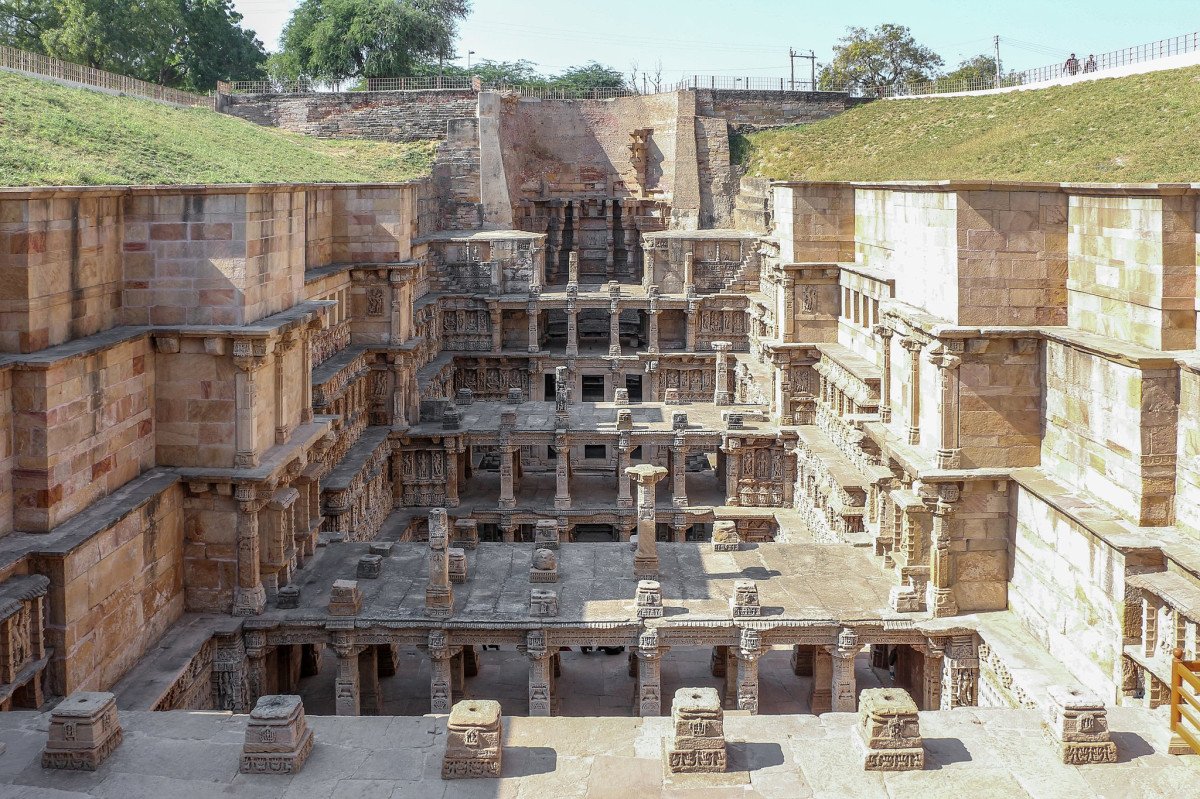
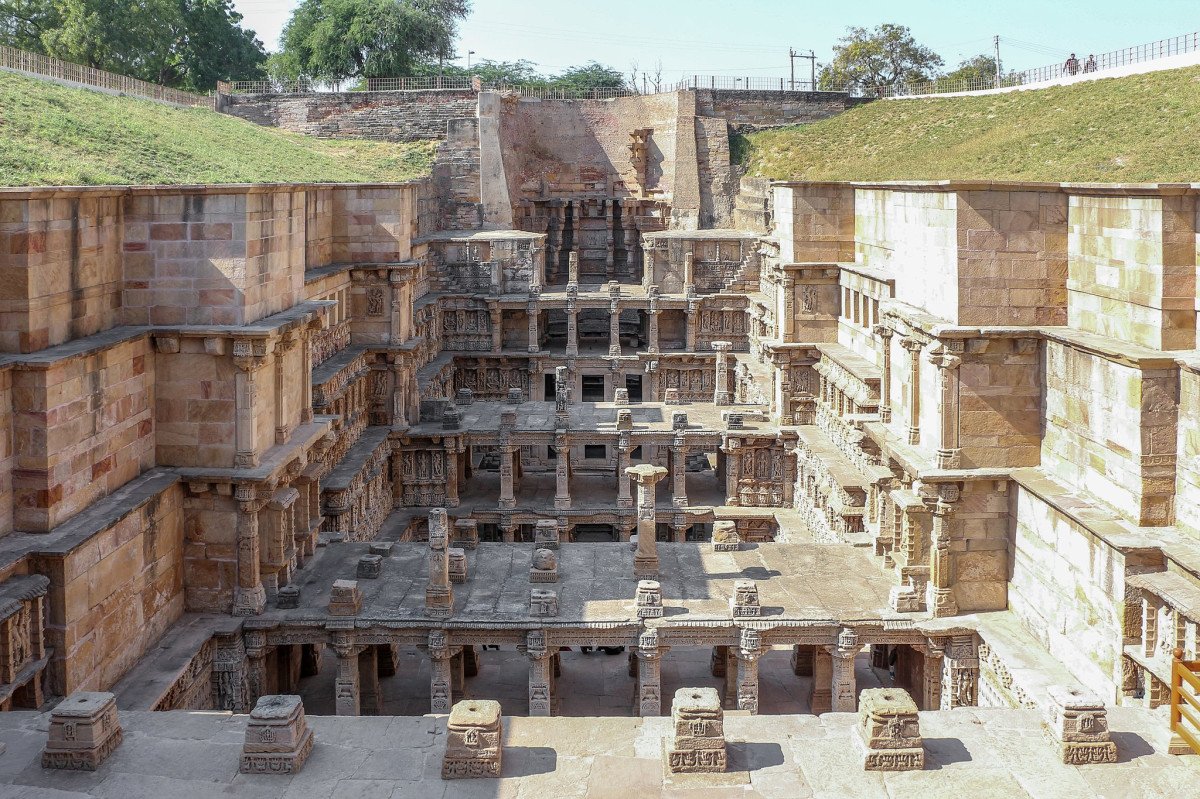
Framed View of Rani ki Vav: A photograph from a window or viewpoint inside the museum that frames the ancient Rani ki Vav structure outside, contrasting the modern museum space with the ancient monument.
Artifact Display Arrangement: A wide shot of one of the display galleries, capturing the clean arrangement of the artifacts and the overall learning environment. :Photo Gallery
Things To Do
-
In-depth Artifact Study: Spend time reading the detailed informational plaques for the sculptures and artifacts to understand their mythological context, dating, and significance.
Comparative Study: Compare the exhibited loose sculptures with those still in place on the walls of Rani ki Vav to appreciate the full scale of the stepwell's art.
Learning about Patola: Focus on the textile section to learn about the intricate double-ikat weaving technique of the Patola saree, preparing you for a visit to a local weaver's workshop.
Photography of Exhibits: Photograph the exhibits (where allowed, usually without flash) as a visual guide to Patan’s history, focusing on the quality of the stone carving and the detail of the metalwork.
Inter...In-depth Artifact Study: Spend time reading the detailed informational plaques for the sculptures and artifacts to understand their mythological context, dating, and significance.
Comparative Study: Compare the exhibited loose sculptures with those still in place on the walls of Rani ki Vav to appreciate the full scale of the stepwell's art.
Learning about Patola: Focus on the textile section to learn about the intricate double-ikat weaving technique of the Patola saree, preparing you for a visit to a local weaver's workshop.
Photography of Exhibits: Photograph the exhibits (where allowed, usually without flash) as a visual guide to Patan’s history, focusing on the quality of the stone carving and the detail of the metalwork.
Interactive Learning: If any interactive screens or video presentations are available, use them to gain a quick, engaging overview of the city's history and the Rani ki Vav's excavation story.
Shopping for Souvenirs: Check the small gift shop near the exit, which often sells government-approved books, postcards, and high-quality, authentic local craft replicas related to the exhibits. :
Information
-
Why Famous:
Extension of Rani ki Vav: It is famous because it complements the experience of the UNESCO World Heritage Site, providing vital context, original recovered sculptures, and historical details that enhance the appreciation of the stepwell's artistry.
Read MoreExtension of Rani ki Vav: It is famous because it complements the experience of the UNESCO World Heritage Site, providing vital context, original recovered sculptures, and historical details that enhance the appreciation of the stepwell's artistry.
Archaeological Treasure: It is famous for housing the actual artifacts, original loose sculptures, and pottery recovered during the excavations of the stepwell and other local sites, acting as a tangible link to Patan’s medieval past.
Patola Textile Showcase: The museum is known for its exhibit on the Patola silk weaving tradition, offering an accessible introduction to this complex and expensive craft, which is a key part of Patan's cultural identity.
Scholarly Resource: It serves as a famous and essential resource for archaeologists, art historians, and cultural researchers studying the Solanki period of Gujarat. :Architecture:
Modern Museum Building: The museum occupies a modern, purpose-built structure designed for conservation and display. The architecture is simple and functional, prioritizing good lighting, climate control, and security for the artifacts, contrasting sharply with the ancient ...Modern Museum Building: The museum occupies a modern, purpose-built structure designed for conservation and display. The architecture is simple and functional, prioritizing good lighting, climate control, and security for the artifacts, contrasting sharply with the ancient stepwell outside.
Gallery Design: The interior design follows modern museum standards, featuring well-lit display cases, informational plaques in multiple languages (usually Gujarati and English), and clear pathways for visitor flow. The use of glass enclosures is a common architectural feature to protect the fragile artifacts from dust and touch.
Focus on Preservation: A key architectural and technical consideration is the controlled environment. The building's material composition and systems are designed to minimize humidity and temperature fluctuations, which is vital for the preservation of organic materials like textiles and paper manuscripts. The layout is typically linear, guiding the visitor through the history of Patan chronologically or thematically.
Exhibition Space Dimensions: While the exact size varies, the museum is generally spread over a single or two floors, with the total exhibition space optimized to display the recovered artifacts effectively, often measuring around 500 to 1000 square meters. :How To Reach:
By Air: The nearest major airport is Ahmedabad (AMD, 125 KMS). From there, hire a private taxi or take a bus to Patan.
By Train: Patan Railway Station (PTN) is approximately 2 KMS away. The museum is located at the Rani ki Vav complex.By Air: The nearest major airport is Ahmedabad (AMD, 125 KMS). From there, hire a private taxi or take a bus to Patan.
By Train: Patan Railway Station (PTN) is approximately 2 KMS away. The museum is located at the Rani ki Vav complex.
By Road: Patan is well-connected by road. State Transport buses are frequent. The museum is accessible via the main road leading to Rani ki Vav.
By Local Transport: Take an auto-rickshaw to Rani ki Vav. The museum is signposted and located right near the entrance/exit area of the stepwell complex, making it a simple destination for local transport. :Weather and Best Time to Visit:
Different Types of Seasons: Winter (October to March) is the overall best time to visit Patan. The interior of the museum is climate-controlled and pleasant year-round. Summer (April to June) is best utilized for the museum visit during the hottest hours of the day. Monso...Different Types of Seasons: Winter (October to March) is the overall best time to visit Patan. The interior of the museum is climate-controlled and pleasant year-round. Summer (April to June) is best utilized for the museum visit during the hottest hours of the day. Monsoon (July to September) is pleasant for travel, but ensure you visit on a day other than Friday.
Different Parts of the Day: Midday (11:00 AM to 2:00 PM) is the perfect time to visit the museum, as it is protected from the intense sun and provides a good break between outdoor explorations. :Near Tourist Places:
Rani ki Vav (100 Meters), Trikam Barot Ni Vav (500 Meters), Sahastralinga Talav (1 KM), Kund of Bahubali (500 Meters), Panchasara Jain Derasar (2 KMS), Hemchandracharya Jain Gnan Mandir (2 KMS), Patan Patola Heritage Museum (3 KMS), Khan Sarovar (3 KMS), Aghar Darwaja (2 KMS), Patan Fort (2. 5 KMS). :Tourism Tips
-
Health & safety: Do not touch the exhibits, and maintain a respectful distance from the display cases. Follow all instructions given by the museum staff.
Packing: Leave large bags at the museum's counter (if available) or at your accommodat...Health & safety: Do not touch the exhibits, and maintain a respectful distance from the display cases. Follow all instructions given by the museum staff.
Packing: Leave large bags at the museum's counter (if available) or at your accommodation, as they may not be allowed inside the galleries. Carry your ID card, especially if seeking a student discount.
Accommodation: Staying in the central city area of Patan allows for easy access to all key historical sites, including the museum.
Other Different Topics heading: Research the Solanki dynasty and the history of Rani ki Vav before your visit to fully appreciate the context of the artifacts. Budget at least 1 hour for a thorough museum tour. :
Reviews
FAQs
Patan Itineray And Cost:-
Patan City Museum Tourism:-
Other Places In Patan :-
Other States In India :-
Information about New and Updated Locations() of Gujarat Has Been Added :-
Card subtitle
Note:-
Information provided here in good Faith and for reference only.
Near Places
Aghar Darwaja
Some quick example text to build on the card title and make up the bulk of the card's content.
Go somewhere
Bagvada Darwaja
Some quick example text to build on the card title and make up the bulk of the card's content.
Go somewhere
Bindu Sarovar
Some quick example text to build on the card title and make up the bulk of the card's content.
Go somewhere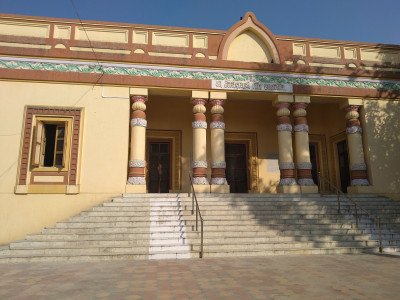
Hemchandracharya Jain Gnan Mandir
Some quick example text to build on the card title and make up the bulk of the card's content.
Go somewhere
Khan Sarovar
Some quick example text to build on the card title and make up the bulk of the card's content.
Go somewhere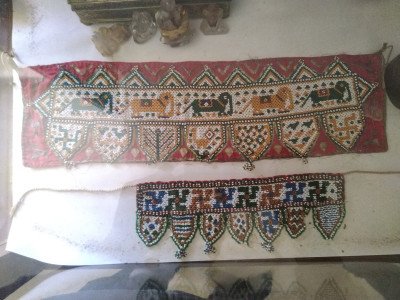
Kund of Bahubali
Some quick example text to build on the card title and make up the bulk of the card's content.
Go somewhere
Panchasara Jain Temple
Some quick example text to build on the card title and make up the bulk of the card's content.
Go somewhere
Panchasara Parshwanath Jain Derasar
Some quick example text to build on the card title and make up the bulk of the card's content.
Go somewhere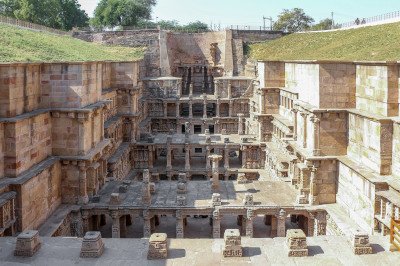
Patan City Museum
Some quick example text to build on the card title and make up the bulk of the card's content.
Go somewhere
Patan Fort
Some quick example text to build on the card title and make up the bulk of the card's content.
Go somewhere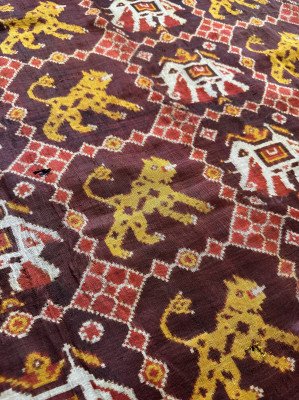
Patan Patola Heritage Museum
Some quick example text to build on the card title and make up the bulk of the card's content.
Go somewhere
Rani ki Vav
Some quick example text to build on the card title and make up the bulk of the card's content.
Go somewhere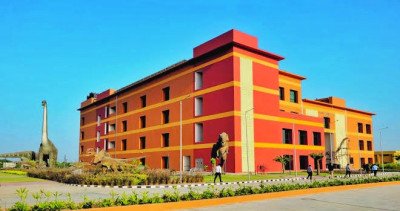
Regional Science Centre/Museum Patan
Some quick example text to build on the card title and make up the bulk of the card's content.
Go somewhere
Rudra Mahalaya
Some quick example text to build on the card title and make up the bulk of the card's content.
Go somewhere
Sadarambapa Statue
Some quick example text to build on the card title and make up the bulk of the card's content.
Go somewhere
Sahasralinga Talav
Some quick example text to build on the card title and make up the bulk of the card's content.
Go somewherein Other Cities