

Sadarambapa Statue
General information
-
Ideal Duration:
10-15 MinutesPlace Type:
Spiritual Monument, Community Landmark, Public ArtEntry Fees:
General Entry: Free for all visitors.
Fee Context: As a public monument in a community space, there is no entry fee. It is entirely open and accessible.
Donations: A collection box may be present for temple...General Entry: Free for all visitors.
Fee Context: As a public monument in a community space, there is no entry fee. It is entirely open and accessible.
Donations: A collection box may be present for temple/maintenance funds, and contributing is voluntary.
Photography/Videography: Free. General photography is allowed, but always be mindful and respectful of any local people who are praying or meditating nearby.
Shoes: If the statue is housed on a raised platform or a small shrine is present, you may be expected to remove your shoes.Timing:
Regular Timings: Open 24 Hours a day, but the best time for a visit is during daylight hours.
Ideal Visit Time: Early morning (7:00 AM - 9:00 AM) is ideal for a quiet, respectful visit when the local community performs their morning rituals ...Regular Timings: Open 24 Hours a day, but the best time for a visit is during daylight hours.
Ideal Visit Time: Early morning (7:00 AM - 9:00 AM) is ideal for a quiet, respectful visit when the local community performs their morning rituals and the light is softest. Late evening is also a peaceful option.
Time Management: As it is a small, quick-stop monument, plan for a 15-minute visit as a segment of the city center tour.
Avoid Prayer Times: Avoid visiting late at night unless you are familiar with the area.Special Events:
Sadarambapa Jayanti/Punyatithi: The most significant event is the annual birth (Jayanti) or death anniversary (Punyatithi) of the saint, which involves community prayers, sermons, charitable activities, and large community feasts (Bhojan).
Local...Sadarambapa Jayanti/Punyatithi: The most significant event is the annual birth (Jayanti) or death anniversary (Punyatithi) of the saint, which involves community prayers, sermons, charitable activities, and large community feasts (Bhojan).
Local Society Festivals: The local neighborhood (Chamunda Society) often uses the statue as a focal point for smaller, community-centric festivals like Navratri or Diwali celebrations, including a small Aarti (lamp worship) ceremony.Best Photo Spots:
The Peaceful Portrait: A close-up portrait of the statue that captures its spiritual expression, often best taken in soft morning or evening light.
The Community Frame: A wide shot that captures the statue, its small platform, and the reside...The Peaceful Portrait: A close-up portrait of the statue that captures its spiritual expression, often best taken in soft morning or evening light.
The Community Frame: A wide shot that captures the statue, its small platform, and the residential buildings of the surrounding society, emphasizing its integration into the daily life of the community.
The Morning Offering: If present, a discreet photo of a local devotee offering flowers or lighting a lamp at the base of the statue, capturing the act of devotion.
The White Marble Contrast: If the statue is white marble, a photo against a clear sky or the backdrop of green plants.Photo Gallery
Things To Do
-
Photography of Devotion: Capture the statue and the small shrine area, focusing on the offerings and the devotional atmosphere (always be respectful and discreet).
Quiet Observation: Spend a few minutes in silent contemplation, reflecting on the statue's role as a symbol of local spiritual life.
Local Interaction: If appropriate, engage with the local residents about the history of Sadarambapa and the significance of the statue to their community.
Use as a Landmark: Use the location as a good starting point for exploring the quiet, local residential areas and streets of Patan.
Community Event Inquiry: Check if there are any upcoming local events related to the saint's anniversary.
Local Food: The...Photography of Devotion: Capture the statue and the small shrine area, focusing on the offerings and the devotional atmosphere (always be respectful and discreet).
Quiet Observation: Spend a few minutes in silent contemplation, reflecting on the statue's role as a symbol of local spiritual life.
Local Interaction: If appropriate, engage with the local residents about the history of Sadarambapa and the significance of the statue to their community.
Use as a Landmark: Use the location as a good starting point for exploring the quiet, local residential areas and streets of Patan.
Community Event Inquiry: Check if there are any upcoming local events related to the saint's anniversary.
Local Food: The surrounding residential area may have small, excellent home-style food stalls or vendors, offering authentic local flavors.
Respectful Visit: Approach the statue with the same respect you would for any religious monument, maintaining silence and decorum.
Information
-
Why Famous:
Symbol of Local Devotion: It is famous as a powerful symbol of local spiritual identity and devotion, representing the continuous tradition of Bhakti (devotional) movements in Gujarat.
Social Service Legacy: The saint is famous for his local...Symbol of Local Devotion: It is famous as a powerful symbol of local spiritual identity and devotion, representing the continuous tradition of Bhakti (devotional) movements in Gujarat.
Social Service Legacy: The saint is famous for his local social or religious work, and the statue is a focal point for the community to remember and uphold that legacy of service and simple living.
Community Anchor: It is a key geographical and cultural anchor for the local neighborhood (e. g. , Chamunda Society), making it a well-known local point of reference. -
Architecture:
Statuary Art: The statue is generally a life-size or large-scale figure, usually made of bronze or white marble, depicting Sadarambapa in a meditative, blessing, or simple pose, often dressed in the attire of a saint (Sadhu) or common man, emphasizing humility and spiritual ...Statuary Art: The statue is generally a life-size or large-scale figure, usually made of bronze or white marble, depicting Sadarambapa in a meditative, blessing, or simple pose, often dressed in the attire of a saint (Sadhu) or common man, emphasizing humility and spiritual power.
Pedestal Inscription: The pedestal is typically modest compared to a royal monument, but it contains inscriptions detailing the saint’s name, the dates of his life, and a brief summary of his contributions to society, often in Gujarati.
Aesthetic: The style is simple, devotional, and realistic, intended to evoke a feeling of peace and respect among the followers. The focus is on the spiritual expression and the recognizable features of the saint.
Dimension: The statue is typically large enough to be easily visible, often reaching a height of 8-10 feet with its pedestal. -
How To Reach:
By Air: Nearest airport is Ahmedabad (AMD), 125 KMS away. Take a taxi to Patan, and then a local auto-rickshaw to the Chamunda Society area.
By Train: Patan Railway Station (PTN) is the nearest station (approx. 2 KMS). From the station, t...By Air: Nearest airport is Ahmedabad (AMD), 125 KMS away. Take a taxi to Patan, and then a local auto-rickshaw to the Chamunda Society area.
By Train: Patan Railway Station (PTN) is the nearest station (approx. 2 KMS). From the station, take an auto-rickshaw to the specific society.
By Road: The location is in a residential area, so it's accessible by local roads. Use a local guide or navigation app to find the specific Chamunda Society area.
By Local Transport: An auto-rickshaw or a local shared vehicle will know the location. Clearly state Sadarambapa Statue or Chamunda Society to the driver. -
Weather and Best Time to Visit:
Best Season:
Winter (November to February): The weather is most comfortable for a stop in a residential area.
Shoulder Season:
Monsoon (July to September): The area may be lus...Best Season:
Winter (November to February): The weather is most comfortable for a stop in a residential area.
Shoulder Season:
Monsoon (July to September): The area may be lush and green, but a sudden shower can make the visit difficult.
Best Time of Day: Early Morning (7:00 AM - 9:00 AM) Peaceful, quiet, and the best time to witness the simple, daily rituals of devotion by the local community. -
Near Tourist Places:
Siddhraj Jaysinh Statue (1 KM), Tran Darwaja (1. 5 KMS), Panchasara Jain Temple (2 KMS), Regional Science Centre (2 KMS), Trikam Barot Ni Vav (3 KMS), Patan City Museum (3 KMS), Patan Patola Heritage Museum (3. 5 KMS), Rani ki Vav (4 KMS), Sahasralinga Talav (5 KMS), Patan Fort (2 KMS).
Tourism Tips
-
Health & Safety: The area is a residential neighborhood and is generally safe, but common sense precautions should be taken, especially after dark.
Local Respect: This is a non-tourist, community-centric monument. Be extremely respectful of...Health & Safety: The area is a residential neighborhood and is generally safe, but common sense precautions should be taken, especially after dark.
Local Respect: This is a non-tourist, community-centric monument. Be extremely respectful of the residents' privacy and the religious significance of the statue. Avoid loud conversations.
Photography: Take photos quickly and discreetly. Do not photograph local residents without explicit permission, especially if they are praying.
Parking: Very limited on-street parking may be available; an auto-rickshaw is highly recommended.
Gifts/Offerings: If you wish to participate, you can buy a small garland of flowers from a local vendor.
Reviews
FAQs
Patan Itineray And Cost:-
Sadarambapa Statue Tourism:-
Other Places In Patan :-
Other States In India :-
Information about New and Updated Locations() of Gujarat Has Been Added :-
Card subtitle
Note:-
Information provided here in good Faith and for reference only.
Near Places
Aghar Darwaja
Some quick example text to build on the card title and make up the bulk of the card's content.
Go somewhere
Bagvada Darwaja
Some quick example text to build on the card title and make up the bulk of the card's content.
Go somewhere
Bindu Sarovar
Some quick example text to build on the card title and make up the bulk of the card's content.
Go somewhere
Hemchandracharya Jain Gnan Mandir
Some quick example text to build on the card title and make up the bulk of the card's content.
Go somewhere
Khan Sarovar
Some quick example text to build on the card title and make up the bulk of the card's content.
Go somewhere
Kund of Bahubali
Some quick example text to build on the card title and make up the bulk of the card's content.
Go somewhere
Panchasara Jain Temple
Some quick example text to build on the card title and make up the bulk of the card's content.
Go somewhere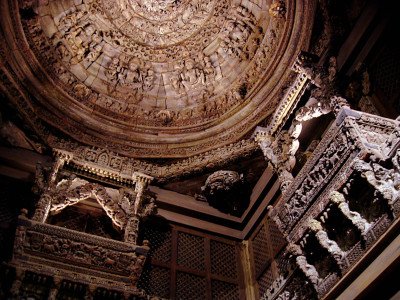
Panchasara Parshwanath Jain Derasar
Some quick example text to build on the card title and make up the bulk of the card's content.
Go somewhere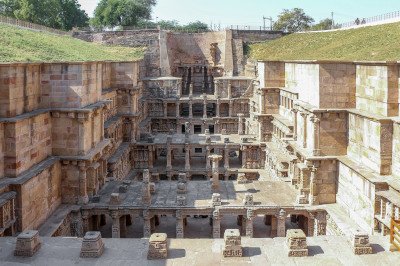
Patan City Museum
Some quick example text to build on the card title and make up the bulk of the card's content.
Go somewhere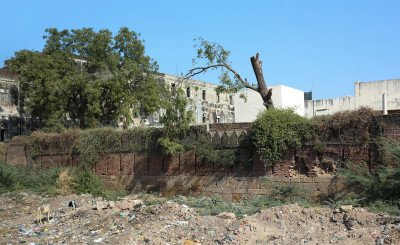
Patan Fort
Some quick example text to build on the card title and make up the bulk of the card's content.
Go somewhere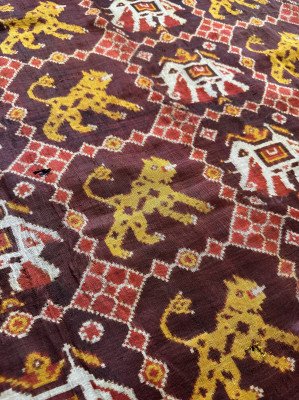
Patan Patola Heritage Museum
Some quick example text to build on the card title and make up the bulk of the card's content.
Go somewhere
Rani ki Vav
Some quick example text to build on the card title and make up the bulk of the card's content.
Go somewhere
Regional Science Centre/Museum Patan
Some quick example text to build on the card title and make up the bulk of the card's content.
Go somewhere
Rudra Mahalaya
Some quick example text to build on the card title and make up the bulk of the card's content.
Go somewhere
Sadarambapa Statue
Some quick example text to build on the card title and make up the bulk of the card's content.
Go somewhere
Sahasralinga Talav
Some quick example text to build on the card title and make up the bulk of the card's content.
Go somewherein Other Cities