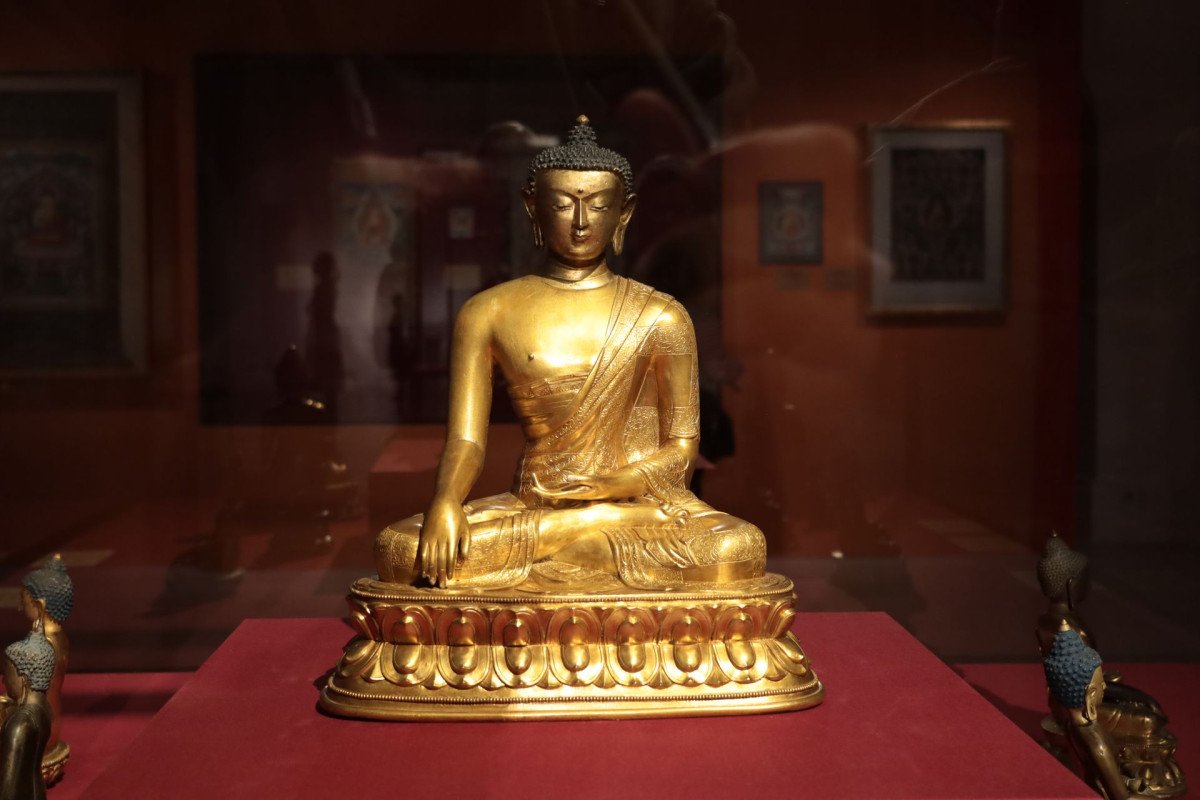
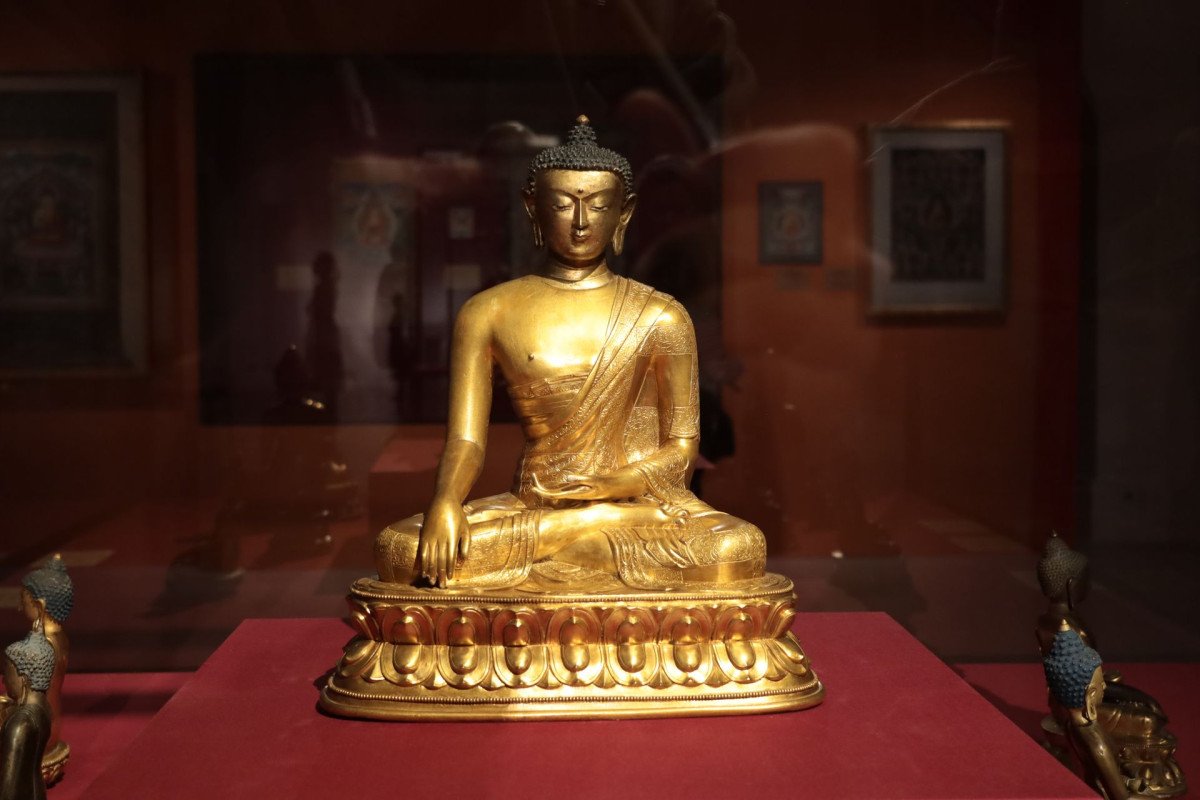
Museum of Tribal Arts and Artifacts
General information
-
Ideal Duration:
1. 5-2. 5 HoursPlace Type:
Culture, Art, Anthropology, MuseumEntry Fees:
Indian Citizen (Adult): Minimal fee (typically around Rs.10-20);
often free on government holidays:
Foreign National: Higher fee (check locally, but often around Rs.50-100):
Students:...Indian Citizen (Adult): Minimal fee (typically around Rs.10-20);
often free on government holidays:
Foreign National: Higher fee (check locally, but often around Rs.50-100):
Students: Free entry is often provided for school students and concessional rates for college students:
Photography/Videography Fee: Generally free for non-commercial photography, but check the latest rules:
Parking Fee: Free parking is usually available within the SCSTRTI campus:Timing:
Regular Timings:Typically 10:00 AM to 5:
30 PM (Monday to Sunday):
Ideal Visit Time:Weekdays, preferably in the morning (opening time), are best for quiet viewing and engaging with the guide staff;Regular Timings:Typically 10:00 AM to 5:
30 PM (Monday to Sunday):
Ideal Visit Time:Weekdays, preferably in the morning (opening time), are best for quiet viewing and engaging with the guide staff;
avoid weekends for a less crowded experience:
Closed Day:
Remains closed only on State Government holidays:Special Events:
Tribal Annual Festivals and Craft Programmes:The museum regularly organizes vibrant cultural events, particularly during the winter months, featuring dance, music, and craft demonstrations by tribal artists from across Odisha:
Foundation Day Cele...Tribal Annual Festivals and Craft Programmes:The museum regularly organizes vibrant cultural events, particularly during the winter months, featuring dance, music, and craft demonstrations by tribal artists from across Odisha:
Foundation Day Celebration:The museum's anniversary (August) is marked by special exhibitions, lectures, and cultural programmes celebrating tribal heritage:
Workshops and Seminars:The SCSTRTI hosts numerous academic workshops and seminars on tribal development, language, and culture, open to scholars and interested public:Best Photo Spots:
Outdoor Huts and Shrines:The recreated tribal village offers authentic, rustic backgrounds, especially at sunrise or sunset, for capturing the cultural landscape:
Intricate Ornaments and Adornments:The close-up shots of the detailed metal, be...Outdoor Huts and Shrines:The recreated tribal village offers authentic, rustic backgrounds, especially at sunrise or sunset, for capturing the cultural landscape:
Intricate Ornaments and Adornments:The close-up shots of the detailed metal, bead, and shell ornaments in the first gallery provide stunning macro photo opportunities:
Life-Size Dioramas of Tribal Life:The well-lit indoor dioramas are excellent for illustrating tribal activities like weaving, dancing, and hunting for educational or documentary photography:
Weapons and Instruments:The gallery showcasing traditional tribal weapons and musical instruments provides a unique historical and cultural backdrop for still-life shots:Photo Gallery
Things To Do
-
Explore the Five Galleries:Systematically visit each of the five main halls, paying attention to the unique personal adornments, textiles, musical instruments, and weapons of the various tribes:
Walk Through the Tribal Village:Spend time in the outdoor area to see the authentically recreated tribal huts and shrines, providing context for the indoor artifacts:
Use the Audio-Visual Tour:Inquire about issuing a tablet-PC at the reception for an audio-visual, self-guided tour that provides in-depth context on the exhibits:
Attend Cultural Demonstrations:Check for schedules of annual festivals, dance performances, or crafts demonstrations, which are regularly organized on the premises to promote tribal arts:
Buy Souvenirs:Purchase authent...Explore the Five Galleries:Systematically visit each of the five main halls, paying attention to the unique personal adornments, textiles, musical instruments, and weapons of the various tribes:
Walk Through the Tribal Village:Spend time in the outdoor area to see the authentically recreated tribal huts and shrines, providing context for the indoor artifacts:
Use the Audio-Visual Tour:Inquire about issuing a tablet-PC at the reception for an audio-visual, self-guided tour that provides in-depth context on the exhibits:
Attend Cultural Demonstrations:Check for schedules of annual festivals, dance performances, or crafts demonstrations, which are regularly organized on the premises to promote tribal arts:
Buy Souvenirs:Purchase authentic tribal handicrafts and publications from the souvenir shop to support the local communities and the museum:
Study the PVTG Gallery:Dedicatedly explore the newest gallery that focuses on the Particularly Vulnerable Tribal Groups:
Observe Tribal Practices:The life-size dioramas depicting hunting, gathering, and rituals are excellent for understanding daily tribal life:
Information
-
Why Famous:
Best Tribal Museum in India:It is famous for being recognized by UNESCO in 2010 as one of the best tribal museums in the country due to its comprehensive and well-preserved collection:
Showcase of 60+ Tribes:The museum uniquely documents the ...Best Tribal Museum in India:It is famous for being recognized by UNESCO in 2010 as one of the best tribal museums in the country due to its comprehensive and well-preserved collection:
Showcase of 60+ Tribes:The museum uniquely documents the cultural diversity of the vast number of tribal groups in Odisha, offering an unparalleled anthropological resource:
Anthropological Research Hub:It is integral to the SCSTRTI, serving not just as a display center but as a vital research and training institute for tribal affairs and culture, making it a living repository of anthropological knowledge: -
Architecture:
Building Style:The museum is part of the Scheduled Castes and Scheduled Tribes Research and Training Institute (SCSTRTI) campus; the main building, inaugurated in 2001, is a modern, structured complex designed to house diverse exhibits:
Exhibit ...Building Style:The museum is part of the Scheduled Castes and Scheduled Tribes Research and Training Institute (SCSTRTI) campus; the main building, inaugurated in 2001, is a modern, structured complex designed to house diverse exhibits:
Exhibit Design:Architecture includes both indoor galleries utilizing glass display cases, dioramas, and life-size sculptures, and an outdoor component with recreated traditional tribal villages (huts of the Santal, Bonda, Kondh, Gadaba, and Saora tribes) to showcase their living styles:
Special Gallery:A dedicated new building houses the PVTG (Particularly Vulnerable Tribal Groups) Gallery, emphasizing the livelihoods and cultural beliefs of Odisha's 13 most vulnerable tribal communities: -
How To Reach:
By Air:Nearest airport is Biju Patnaik International Airport (BBI), approx. 6. 1 KMS away;
use app-based taxis or local auto-rickshaws:
By Train:The nearest station is Bhubaneswar Railway Station (BBS), appr...By Air:Nearest airport is Biju Patnaik International Airport (BBI), approx. 6. 1 KMS away;
use app-based taxis or local auto-rickshaws:
By Train:The nearest station is Bhubaneswar Railway Station (BBS), approx. 5. 2 KMS away;
take an auto-rickshaw (ask for CRPF Square):
By Road:Located near CRPF Square on the main road, making it easily accessible by city bus (Mo Bus) or auto-rickshaw from major city points like Baramunda ISBT (2.
7 KMS away):
By Local Transport:Auto-rickshaws are the most common and convenient way to reach, ensure to negotiate the price or use the app-based cab services for a hassle-free journey: -
Weather and Best Time to Visit:
Different Types of Seasons:Best in Winter (October to March) for pleasant weather; the outdoor tribal village exhibits are best enjoyed when the temperature is moderate:
Different Parts of the Day:Morning (around 10:00 AM) is ideal for good ...Different Types of Seasons:Best in Winter (October to March) for pleasant weather; the outdoor tribal village exhibits are best enjoyed when the temperature is moderate:
Different Parts of the Day:Morning (around 10:00 AM) is ideal for good lighting for the outdoor exhibits and fewer crowds inside the galleries: -
Near Tourist Places:
ISKCON Temple (1. 5 KMS), Odisha State Museum (5. 3 KMS), Khandagiri Caves (7 KMS), Udayagiri Caves (7 KMS), Lingaraja Temple (8 KMS), Ekamra Haat (4 KMS), Regional Museum of Natural History (7. 5 KMS), Nicco Park (5 KMS), Shri Ram Mandir (3 KMS), Saraswati Temple (2 KMS):
Tourism Tips
-
Health & Safety:Wear comfortable walking shoes for the indoor and outdoor sections; stay hydrated and carry an umbrella/hat in the summer months:
Packing:A camera is essential; carry a small backpack; be respectful of the tribal artifacts ...Health & Safety:Wear comfortable walking shoes for the indoor and outdoor sections; stay hydrated and carry an umbrella/hat in the summer months:
Packing:A camera is essential; carry a small backpack; be respectful of the tribal artifacts and cultural displays:
Accommodation:Stay near Nayapalli or Jayadev Vihar for proximity to the museum and good hotel options:
Other Different Topics:Allow ample time (2-3 hours) to appreciate the detail; guides are often available (anthropology background), so utilize their knowledge for a deeper understanding of the exhibits:
Reviews
FAQs
Bhubaneswar Itineray And Cost:-
Museum of Tribal Arts and Artifacts Tourism:-
Other Places In Bhubaneswar :-
Other States In India :-
Information about New and Updated Locations() of Odisha Has Been Added :-
Card subtitle
Note:-
Information provided here in good Faith and for reference only.
Near Places
Ananta Vasudeva Temple
Some quick example text to build on the card title and make up the bulk of the card's content.
Go somewhere
Balaram Temple
Some quick example text to build on the card title and make up the bulk of the card's content.
Go somewhere
BDA City Centre
Some quick example text to build on the card title and make up the bulk of the card's content.
Go somewhere
Bhubaneswar Zoo
Some quick example text to build on the card title and make up the bulk of the card's content.
Go somewhere
Biju Patnaik Park
Some quick example text to build on the card title and make up the bulk of the card's content.
Go somewhere
Bindusagar Lake
Some quick example text to build on the card title and make up the bulk of the card's content.
Go somewhere
Brahmeswara Temple
Some quick example text to build on the card title and make up the bulk of the card's content.
Go somewhere
Chausathi Jogini Temple
Some quick example text to build on the card title and make up the bulk of the card's content.
Go somewhere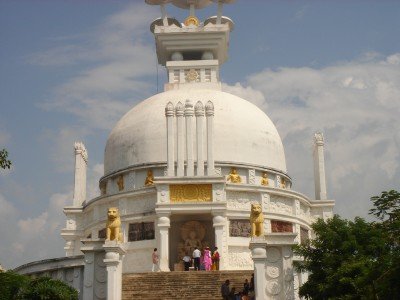
Daya River Battlefield
Some quick example text to build on the card title and make up the bulk of the card's content.
Go somewhere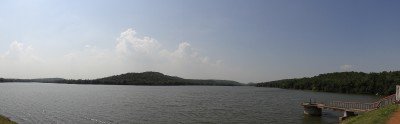
Deras Dam
Some quick example text to build on the card title and make up the bulk of the card's content.
Go somewhere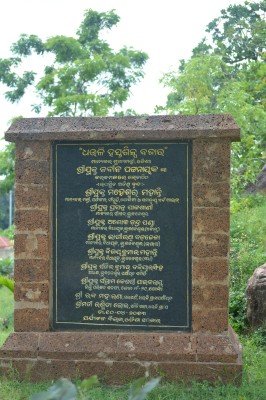
Dhauli Shanti Stupa
Some quick example text to build on the card title and make up the bulk of the card's content.
Go somewhere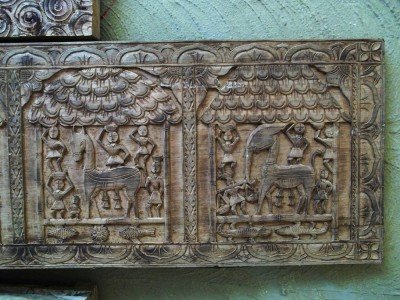
Ekamra Haat
Some quick example text to build on the card title and make up the bulk of the card's content.
Go somewhere
Ekamra Kanan Botanical Gardens
Some quick example text to build on the card title and make up the bulk of the card's content.
Go somewhere
Ganesh Temple
Some quick example text to build on the card title and make up the bulk of the card's content.
Go somewhere
Gokarneshwar Temple
Some quick example text to build on the card title and make up the bulk of the card's content.
Go somewhere
ISKCON Temple, Bhubaneswar
Some quick example text to build on the card title and make up the bulk of the card's content.
Go somewherein Other Cities