

Rajarani Temple
General information
-
Ideal Duration:
1-2 Hours:Place Type:
Historic Temple/Architectural Marvel:Entry Fees:
Entry Fee for Indians: The entry fee for Indian citizens and visitors from SAARC and BIMSTEC countries (Aged 15 and above) is approximately Rs.25 per person (it may still be Rs.5 in some older reports, but ASI rates have been revised). Children below the age of 15 typically hav...Entry Fee for Indians: The entry fee for Indian citizens and visitors from SAARC and BIMSTEC countries (Aged 15 and above) is approximately Rs.25 per person (it may still be Rs.5 in some older reports, but ASI rates have been revised). Children below the age of 15 typically have free entry.
Entry Fee for Foreign Nationals: Foreign tourists are charged a higher entry fee, typically around Rs.300 per person. This fee is often inclusive of facilities like drinking water.
Festival Surcharge: Note that during the famous Rajarani Music Festival in January, there might be a separate or higher ticket price for the evening concert entry, sometimes ranging from Rs.100 to Rs.500 depending on the seating or day, which is separate from the regular daytime temple entry fee.
Photography/Videography Fees: Standard photography with a mobile phone or simple camera is usually free, but professional-level photography equipment (tripods, large lenses) or video shooting might require a separate fee or special permission from the Archaeological Survey of India (ASI).
:Timing:
Regular Timings: The temple is open to visitors every day of the week (no weekly holiday), typically from 6:30 AM in the morning until 7:30 PM in the evening, allowing for both early morning and late evening visits.
Ideal Visit Time: The bes...Regular Timings: The temple is open to visitors every day of the week (no weekly holiday), typically from 6:30 AM in the morning until 7:30 PM in the evening, allowing for both early morning and late evening visits.
Ideal Visit Time: The best time for a visit is in the early morning (from 6:30 AM to 8:00 AM) to enjoy the tranquility, the soft light for photography, and to avoid the mid-day heat and large tour groups. The late afternoon (4:30 PM to 6:30 PM) is also a good choice, especially for the beautiful golden hour lighting.
Festival Timings: During the Rajarani Music Festival in January, the temple grounds will be open for the performances in the evening, usually starting around 6:00 PM and lasting a few hours, offering a unique night-time experience of the temple.
Avoid Midday Sun: It is highly advisable to avoid visiting between 11:00 AM and 3:00 PM, particularly during the Summer and Monsoon months, as the direct sun can make walking around the open complex uncomfortable and the bright light is not ideal for appreciating the sculptures.
:Special Events:
Rajarani Music Festival: The signature event is the annual Rajarani Music Festival, held typically from the 18th to the 20th of January. Organized by the Department of Tourism, Government of Odisha, in collaboration with the Odissi Research Centre, the festival showcases th...Rajarani Music Festival: The signature event is the annual Rajarani Music Festival, held typically from the 18th to the 20th of January. Organized by the Department of Tourism, Government of Odisha, in collaboration with the Odissi Research Centre, the festival showcases the richness of Indian classical music, including Hindustani, Carnatic, and Odissi styles, against the illuminated backdrop of the temple.
Cultural Performances: On special religious or cultural occasions, or sometimes as part of tourism promotion, the temple complex may host occasional dance or music performances by local artists, particularly showcasing the classical Odissi dance form, which is deeply linked to the temple sculptures.
Hindu Festivals: While the temple is deity-less, local communities still gather here during major Hindu festivals like Shivaratri or Dushera to celebrate the cultural significance of the space, often involving small traditional rituals or gatherings outside the main sanctum.
:Best Photo Spots:
The Distinctive Sandstone Color: The unique yellow-red hue of the Rajarani sandstone is best captured in the low, warm light of early morning or late afternoon (the golden hour). This light dramatically emphasizes the texture and color of the stone, making it the perfect ti...The Distinctive Sandstone Color: The unique yellow-red hue of the Rajarani sandstone is best captured in the low, warm light of early morning or late afternoon (the golden hour). This light dramatically emphasizes the texture and color of the stone, making it the perfect time for wide shots of the full structure.
Close-ups of Sculptures: The myriad of intricate carvings—the Alasa Kanyas, the mithunas, and the figures of the Dikpalas—provide endless opportunities for detailed, close-up photography. Focus on the expressions and the flow of movement in the figures.
Framing the Shikhara: The curvilinear main spire (Shikhara) is a masterpiece. Frame it from the surrounding garden, perhaps using the branches of a tree or a section of the lower wall as a foreground element to add depth and scale.
The Jagamohana Doorway: The detailed lintels and door jambs of the entrance hall (Jagamohana) with their rich ornamentation offer excellent photo compositions, showcasing the transition from the exterior carvings to the interior space. (Approx.
):Photo Gallery
Things To Do
-
Study the Architectural Details: Dedicate ample time to slowly walking around the temple's base and main structure. The main activity is the detailed observation of the sculptural program, noting the transition from the base moldings to the intricate carvings on the wall sections, including the figures of the Dikpalas (directional deities), and celestial figures.
Examine the Mithuna Sculptures: Specifically focus on the famous mithuna (amorous couple) figures and the various poses of the Alasa Kanyas (beautiful female figures). These carvings are the artistic highlight and represent the cultural and social milieu of the time. Use the assistance of a good guide or a reference book to understand the symbolism behind these erotic and graceful depictions.
Attend the Rajarani Music Festival: If vis...Study the Architectural Details: Dedicate ample time to slowly walking around the temple's base and main structure. The main activity is the detailed observation of the sculptural program, noting the transition from the base moldings to the intricate carvings on the wall sections, including the figures of the Dikpalas (directional deities), and celestial figures.
Examine the Mithuna Sculptures: Specifically focus on the famous mithuna (amorous couple) figures and the various poses of the Alasa Kanyas (beautiful female figures). These carvings are the artistic highlight and represent the cultural and social milieu of the time. Use the assistance of a good guide or a reference book to understand the symbolism behind these erotic and graceful depictions.
Attend the Rajarani Music Festival: If visiting in the month of January (usually 18th to 20th), make sure to attend the evening performances of the Rajarani Music Festival. The experience of listening to live classical music with the temple as a backdrop is incomparable and a unique cultural opportunity.
Photography Session: The temple is extremely photogenic due to its distinct color and the richness of its carvings. The best light for photography is early morning or late afternoon (golden hour) to highlight the texture of the Rajarani sandstone. Capture close-up shots of the sculptures and wide-angle views of the overall spire.
Relax in the Garden: The temple complex is maintained by the Archaeological Survey of India (ASI) and features a small, well-kept garden. Take a moment to sit and appreciate the tranquility and the temple's beauty from a distance.
Visit Nearby Temples: Combine the visit with other nearby historical temples, such as Mukteswara Temple and Parsurameswar Temple, which are a short distance away and showcase different stages of Kalinga architecture.
Hire a Local Guide: To fully appreciate the history, architectural intricacies, and the stories behind the carvings, consider hiring a local, authorized guide available at the entrance.
:
Information
-
Why Famous:
Iconic Kalinga Architecture: It is highly famous for its exquisite and highly refined example of the Kalinga School of temple architecture, specifically the Pancharatha style. The temple's design and intricate construction influenced many later temples in Central India, cem...Iconic Kalinga Architecture: It is highly famous for its exquisite and highly refined example of the Kalinga School of temple architecture, specifically the Pancharatha style. The temple's design and intricate construction influenced many later temples in Central India, cementing its status as a key monument in Indian architectural history.
The 'Temple of Love' Tag: The temple's popular nickname, the 'Temple of Love', stems from the abundant and finely detailed carvings of amorous couples (mithunas) and beautiful female figures (Alasa Kanyas), which are central to its decorative scheme and attract many visitors interested in ancient Indian art and social history.
The Deity-less Sanctum Mystery: The absence of a dedicated main deity in the sanctum (Vimana) is an unusual feature for a major temple, which has fueled historical and religious debate, adding an air of mystery and intellectual intrigue that contributes significantly to its fame among scholars and history buffs.
Venue for the Rajarani Music Festival: The temple is internationally recognized as the beautiful, atmospheric venue for the annual Rajarani Music Festival, which promotes Odissi, Hindustani, and Classical music. This event, organized by the Department of Tourism, Government of Odisha, draws tourists and musicians every January, enhancing its cultural renown.
: -
Architecture:
Kalinga Pancharatha Style: The Rajarani Temple is a magnificent example of the mature Kalinga School of Architecture, specifically built in the Pancharatha style, which is characterized by the five projections (rathas) on the plan of the main tower (Shikhara) and the sanctum...Kalinga Pancharatha Style: The Rajarani Temple is a magnificent example of the mature Kalinga School of Architecture, specifically built in the Pancharatha style, which is characterized by the five projections (rathas) on the plan of the main tower (Shikhara) and the sanctum.
It comprises two main structures: the tall, curvilinear sanctuary (Vimana or deula) and a hall (Jagamohana) with a stepped pyramidal roof, though the Jagamohana here is less elaborate than other temples of the time.
Superstructure and Crowning Elements: The Vimana is particularly notable for its cluster of miniature replica towers that surround the main spire, giving the structure a sense of volume and height. The superstructure is crowned by an Amalaka (a segmented or notched stone disk) which is then surmounted by a Kalasa (ornamental vase) as the final crowning element. The overall spire of the temple is approximately 18 meters high.
Figurative and Decorative Carvings: The temple's exterior walls are richly decorated with exquisite carvings, a distinguishing feature of its architecture. These carvings are organized into horizontal bands and depict various scenes, including figures of the eight Guardian Deities (Dikpalas), beautiful female figures (Alasa Kanyas) in various moods and poses, and the famous erotic sculptures (mithunas), which are believed to symbolize fertility and prosperity.
Use of Rajarani Stone: Its unique appearance is due to the exclusive use of dull yellow-red sandstone, locally called Rajarani stone, which is not found everywhere in Odisha. The high quality of the stone allowed for the intricate and detailed sculpting work that has survived for centuries.
: -
How To Reach:
By Air: The nearest airport is Biju Patnaik International Airport (BBI), located approximately 6. 5 KMS away. From the airport, a taxi or a ride-sharing service is the quickest and most comfortable way to reach the temple. The journey usually takes about 20 minutes.By Air: The nearest airport is Biju Patnaik International Airport (BBI), located approximately 6. 5 KMS away. From the airport, a taxi or a ride-sharing service is the quickest and most comfortable way to reach the temple. The journey usually takes about 20 minutes.
By Train: The closest major railway station is the Bhubaneswar Railway Station (BBS), situated around 4. 5 KMS from the temple. The station is a central hub for the East Coast Railway and is well-connected. Auto-rickshaws and taxis are readily available outside the station, and the ride to the temple is short.
By Road - Intercity: The Baramunda Bus Stand, the central intercity bus terminal, is about 10 KMS away. Travelers arriving by bus should take a local taxi or auto-rickshaw for a direct route to the temple, which is centrally located on Tankapani Road.
By Local Transport: The temple's location on Tankapani Road makes it easily accessible by local transport. Mo Bus routes operate close to the area. Auto-rickshaws are the most common and flexible mode of transport; always negotiate the fare or ensure the driver uses the meter. The temple is also close to other major attractions, making it a good stop in a day of sightseeing via local hired transport.
: -
Weather and Best Time to Visit:
Best Time to Visit - Seasonally: The prime time to visit the Rajarani Temple is during the Winter months, from October to March. The weather is cool, dry, and ideal for spending time outdoors studying the architecture. This period includes the famous Rajarani Music Festiva...Best Time to Visit - Seasonally: The prime time to visit the Rajarani Temple is during the Winter months, from October to March. The weather is cool, dry, and ideal for spending time outdoors studying the architecture. This period includes the famous Rajarani Music Festival in January. The Monsoon season (July to September) is tolerable, but sudden downpours can interrupt sightseeing. The Summer (April to June) is intensely hot, and should be avoided for comfortable daytime visits.
Best Time to Visit - Parts of the Day: The best time for a visit is the early morning (6:30 AM to 8:30 AM), when the light is perfect for photography, and the temple is tranquil before the crowds arrive. The late afternoon (4:00 PM to 6:00 PM) is also highly recommended for the sunset light illuminating the sandstone. Avoid the scorching mid-day sun, especially during warmer months, as the entire complex is open to the sky.
: -
Near Tourist Places:
1. Mukteswara Temple (Approx. 1. 2 KMS), 2. Parasurameswar Temple (Approx. 1. 5 KMS), 3. Vaital Deula (Approx. 2 KMS), 4. Odisha State Museum (Approx. 2. 5 KMS), 5. Ram Mandir (Approx. 4. 7 KMS), 6. Lingaraj Temple (Approx. 4. 5 KMS), 7. Sishupalgarh (Approx. 5 KMS), 8. Dhauli Shanti Stupa (Approx. 8 KMS), 9. Udayagiri and Khandagiri Caves (Approx. 10 KMS), 10. Biju Patnaik Park (Approx. 3.
5 KMS):
Tourism Tips
-
Health & Safety: Wear comfortable walking shoes as the stone pathways can be uneven and the main temple platform is exposed stone. Carry a sun hat, sunglasses, and water, especially if visiting outside of the cooler Winter season. Photography is allowed but be respectful o...Health & Safety: Wear comfortable walking shoes as the stone pathways can be uneven and the main temple platform is exposed stone. Carry a sun hat, sunglasses, and water, especially if visiting outside of the cooler Winter season. Photography is allowed but be respectful of the site and avoid touching the ancient carvings.
Packing: Minimal packing is needed. A good camera for the intricate sculptures is a must. During the music festival in January, carry a light shawl or jacket for the cool evening air. Use a small backpack to keep essentials.
Accommodation: Numerous hotels and guesthouses are available in the surrounding area due to its central location in Bhubaneswar. Options range from mid-range family hotels to more upscale accommodations on Tankapani Road and nearby areas. Other Different Topics Heading - Respect the Heritage: The temple is a nationally protected monument under the ASI. Do not climb, sit on, or deface the carvings or walls. Although there is no deity, maintain a respectful demeanor as a historical and cultural site. Consider hiring an official guide to gain deeper insights into the complex symbolism and history of the sculptures.
:
Reviews
FAQs
Bhubaneswar Itineray And Cost:-
Other Places In Bhubaneswar :-
Other States In India :-
Information about New and Updated Locations() of Odisha Has Been Added :-
Card subtitle
Note:-
Information provided here in good Faith and for reference only.
Near Places
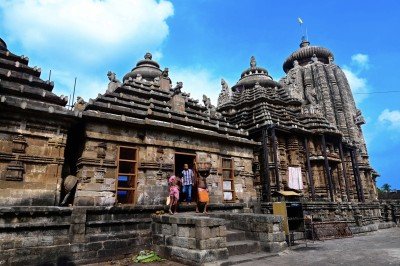
Ananta Vasudeva Temple
Some quick example text to build on the card title and make up the bulk of the card's content.
Go somewhere
Balaram Temple
Some quick example text to build on the card title and make up the bulk of the card's content.
Go somewhere
BDA City Centre
Some quick example text to build on the card title and make up the bulk of the card's content.
Go somewhere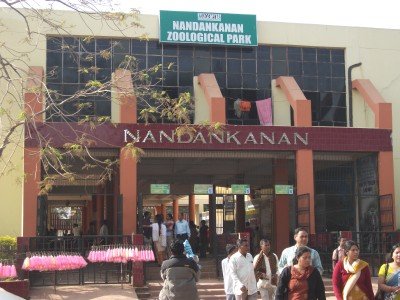
Bhubaneswar Zoo
Some quick example text to build on the card title and make up the bulk of the card's content.
Go somewhere
Biju Patnaik Park
Some quick example text to build on the card title and make up the bulk of the card's content.
Go somewhere
Bindusagar Lake
Some quick example text to build on the card title and make up the bulk of the card's content.
Go somewhere
Brahmeswara Temple
Some quick example text to build on the card title and make up the bulk of the card's content.
Go somewhere
Chausathi Jogini Temple
Some quick example text to build on the card title and make up the bulk of the card's content.
Go somewhere
Daya River Battlefield
Some quick example text to build on the card title and make up the bulk of the card's content.
Go somewhere
Deras Dam
Some quick example text to build on the card title and make up the bulk of the card's content.
Go somewhere
Dhauli Shanti Stupa
Some quick example text to build on the card title and make up the bulk of the card's content.
Go somewhere
Ekamra Haat
Some quick example text to build on the card title and make up the bulk of the card's content.
Go somewhere
Ekamra Kanan Botanical Gardens
Some quick example text to build on the card title and make up the bulk of the card's content.
Go somewhere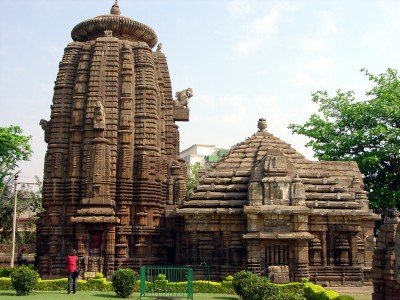
Ganesh Temple
Some quick example text to build on the card title and make up the bulk of the card's content.
Go somewhere
Gokarneshwar Temple
Some quick example text to build on the card title and make up the bulk of the card's content.
Go somewhere
ISKCON Temple, Bhubaneswar
Some quick example text to build on the card title and make up the bulk of the card's content.
Go somewherein Other Cities