Museum of Natural History
General information
-
Ideal Duration:
2-3 HoursPlace Type:
Education, Nature, Science, MuseumEntry Fees:
Indian Citizens (Adult): Minimal fee (typically around Rs.10-20):
Foreign Nationals: Higher fee (check locally, but often around Rs.50-100):
Students: Concessional rates or Free entry for school/college groups wit...Indian Citizens (Adult): Minimal fee (typically around Rs.10-20):
Foreign Nationals: Higher fee (check locally, but often around Rs.50-100):
Students: Concessional rates or Free entry for school/college groups with valid ID/official letter:
Photography/Videography Fee: Generally nominal or included, but commercial shoots may require a separate, higher permit fee:
Parking Fee: Nominal fee for car and two-wheeler parking is usually charged at the premises:Timing:
Regular Timings:Typically 10:00 AM to 6:
00 PM (Tuesday to Sunday):
Ideal Visit Time:Early morning (opening time) on a weekday is best to avoid school groups and large crowds, allowing for a quiet and focused e...Regular Timings:Typically 10:00 AM to 6:
00 PM (Tuesday to Sunday):
Ideal Visit Time:Early morning (opening time) on a weekday is best to avoid school groups and large crowds, allowing for a quiet and focused exploration of the detailed exhibits:
Closed Day:Usually remains closed on Mondays and select National Holidays:Special Events:
World Environment Day Celebrations:The museum is a major hub for activities, exhibitions, and lectures during World Environment Day (June 5), drawing significant crowds and special guests:
Wildlife Week Programs:Special events, including film...World Environment Day Celebrations:The museum is a major hub for activities, exhibitions, and lectures during World Environment Day (June 5), drawing significant crowds and special guests:
Wildlife Week Programs:Special events, including film screenings, quizzes, and competitions, are organized during Wildlife Week (the first week of October) to promote animal conservation:
Anniversary Lecture Series:The museum often hosts a series of distinguished lectures and seminars on its anniversary (2004 opening) featuring top naturalists and scientists:Best Photo Spots:
Life-Size Dioramas:The expansive dioramas, especially the ones featuring the Royal Bengal Tiger or large birds, offer dynamic and colorful backgrounds for photography:
The Main Entrance Facade:The modern, distinctive architecture of the main ...Life-Size Dioramas:The expansive dioramas, especially the ones featuring the Royal Bengal Tiger or large birds, offer dynamic and colorful backgrounds for photography:
The Main Entrance Facade:The modern, distinctive architecture of the main museum building, often framed by the surrounding greenery, is excellent for architectural and group shots:
The Skeleton Gallery:The large, dramatic skeletons of whales or other marine creatures provide unique, high-contrast, and educational photo opportunities:
Outdoor Landscaping and Signage:The well-maintained grounds and informative, attractive signboards make for good introductory and contextual shots for travel blogs or educational projects:Photo Gallery
Things To Do
-
Explore the Biodiversity Gallery:Spend time understanding the flora and fauna exhibits, particularly the rare specimens from the Chandaka-Dampara Wildlife Sanctuary:
Attend Educational Workshops:The museum frequently hosts environmental awareness programs, nature camps, and lectures;
inquire about any ongoing academic events:
Observe the Dioramas Closely:Study the intricate details of the animal and bird dioramas to appreciate the effort in recreating their natural ecological settings, a fantastic learning activity for all ages:
Visit the Library/Reading Room:Access specialized books and publications on natural history and environmental science for deeper study:
Take a Guided Tour:Inquire about guide...Explore the Biodiversity Gallery:Spend time understanding the flora and fauna exhibits, particularly the rare specimens from the Chandaka-Dampara Wildlife Sanctuary:
Attend Educational Workshops:The museum frequently hosts environmental awareness programs, nature camps, and lectures;
inquire about any ongoing academic events:
Observe the Dioramas Closely:Study the intricate details of the animal and bird dioramas to appreciate the effort in recreating their natural ecological settings, a fantastic learning activity for all ages:
Visit the Library/Reading Room:Access specialized books and publications on natural history and environmental science for deeper study:
Take a Guided Tour:Inquire about guided tours to gain expert insights into the exhibits, which can enhance the learning experience significantly:
Document the Geological Section:Photograph and study the exhibits on rocks, minerals, and fossils, which offer a unique perspective on the state's subterranean wealth:
Engage with Interactive Displays:Look for interactive and audio-visual displays designed to make complex scientific information fun and easy to grasp:
Relax in the Garden:Spend some time in the well-maintained exterior landscape, which complements the natural themes inside:
Information
-
Why Famous:
Focus on Regional Biodiversity:It is famous for being a one-of-a-kind regional museum in Eastern India that specifically curates and showcases the rich biodiversity of Odisha and its surrounding geographical areas, including the unique ecosystems of the Andaman and Nicobar I...Focus on Regional Biodiversity:It is famous for being a one-of-a-kind regional museum in Eastern India that specifically curates and showcases the rich biodiversity of Odisha and its surrounding geographical areas, including the unique ecosystems of the Andaman and Nicobar Islands:
Impressive Dioramas:The museum is renowned for its scientifically accurate, life-size dioramas that depict animals in their natural habitats, offering visitors a highly immersive and educational experience, making complex ecological concepts accessible to the general public, especially children:
Conservation Hub:It is a significant institution functioning under the Ministry of Environment and Forests, actively promoting wildlife conservation and ecological awareness, which makes it a crucial resource beyond mere display: -
Architecture:
Building Style:The museum building is a modern, aesthetically pleasing structure with a focus on functional design to house large scientific exhibits and dioramas, unlike traditional monumental architecture:
Exhibition Space Dimension:It util...Building Style:The museum building is a modern, aesthetically pleasing structure with a focus on functional design to house large scientific exhibits and dioramas, unlike traditional monumental architecture:
Exhibition Space Dimension:It utilizes a multi-story layout with large, open galleries, ensuring ample space for life-size exhibits; the building facilitates a linear flow through the various ecological zones, with well-lit, high-ceiling halls to accommodate the tall animal dioramas, such as the impressive skeleton displays, creating an immersive, informational, and informal learning environment, a core part of its architecture being its ability to display nature convincingly within a controlled environment:
External Features:The surrounding area is well-landscaped, providing a natural extension to the exhibits and an outdoor space for visitors: -
How To Reach:
By Air:Nearest airport is Biju Patnaik International Airport (BBI), approx. 7 KMS away; easily hire pre-paid taxis or app-based cabs from the airport to the museum:
By Train:The nearest station is Bhubaneswar Railway Station (BBS), approx. ...By Air:Nearest airport is Biju Patnaik International Airport (BBI), approx. 7 KMS away; easily hire pre-paid taxis or app-based cabs from the airport to the museum:
By Train:The nearest station is Bhubaneswar Railway Station (BBS), approx. 6 KMS away; auto-rickshaws and cycle-rickshaws are readily available outside the station:
By Road:The museum is located near Acharya Vihar Square on Sachivalaya Marg, a main road; local Mo Bus service is available, or one can hire an auto-rickshaw or taxi from any part of the city:
By Local Transport:It is centrally located; auto-rickshaws are abundant; ensure to negotiate the fare or use meter/app-based rides for convenience and fair pricing: -
Weather and Best Time to Visit:
Different Types of Seasons:The best season is the Winter (October to March) when the weather is cool and pleasant for a museum visit; Monsoon (July to September) is also acceptable, though humidity is high; avoid the scorching heat of Summer (April to June):Different Types of Seasons:The best season is the Winter (October to March) when the weather is cool and pleasant for a museum visit; Monsoon (July to September) is also acceptable, though humidity is high; avoid the scorching heat of Summer (April to June):
Different Parts of the Day:The best time to visit is immediately after the museum opens (10:00 AM) or in the late afternoon (after 3:
00 PM) to avoid the midday sun and potential rush: -
Near Tourist Places:
Nicco Park (1. 2 KMS), Odisha State Museum (3. 9 KMS), Udayagiri Caves (6 KMS), Mukteswara Temple (6. 1 KMS), Lingaraja Temple (6. 5 KMS), Rajarani Temple (7 KMS), Nandankanan Zoological Park (9. 1 KMS), Dhauli Giri Hills (11. 7 KMS), ISKCON Temple (3. 5 KMS), Museum of Tribal Arts & Artifacts (7.
5 KMS):
Tourism Tips
-
Health & Safety:Carry a water bottle and wear comfortable shoes; note the designated emergency exits and follow all safety instructions, especially around fragile exhibits;
the museum is generally safe and well-managed:
Read MoreHealth & Safety:Carry a water bottle and wear comfortable shoes; note the designated emergency exits and follow all safety instructions, especially around fragile exhibits;
the museum is generally safe and well-managed:
Packing:Carry an ID proof (required for entry/concessions), a camera (photography generally allowed), and a notebook for educational visits; avoid carrying large bags/backpacks, as locker facilities might be limited:
Accommodation:Stay near Jayadev Vihar or Saheed Nagar for easy access; the museum is close to several mid-range and luxury hotels:
Other Different Topics:Allow at least 2-3 hours for a comprehensive visit; respect the exhibits (do not touch); check the official website for temporary exhibitions or special event schedules before visiting:Reviews
FAQs
Bhubaneswar Itineray And Cost:-
Museum of Natural History Tourism:-
Other Places In Bhubaneswar :-
Other States In India :-
Information about New and Updated Locations() of Odisha Has Been Added :-
Card subtitle
Note:-
Information provided here in good Faith and for reference only.
Near Places
Ananta Vasudeva Temple
Some quick example text to build on the card title and make up the bulk of the card's content.
Go somewhere
Balaram Temple
Some quick example text to build on the card title and make up the bulk of the card's content.
Go somewhere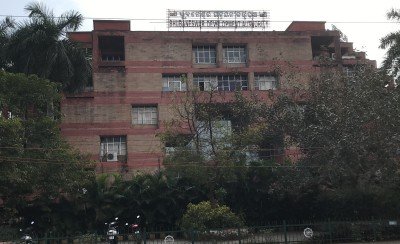
BDA City Centre
Some quick example text to build on the card title and make up the bulk of the card's content.
Go somewhere
Bhubaneswar Zoo
Some quick example text to build on the card title and make up the bulk of the card's content.
Go somewhere
Biju Patnaik Park
Some quick example text to build on the card title and make up the bulk of the card's content.
Go somewhere
Bindusagar Lake
Some quick example text to build on the card title and make up the bulk of the card's content.
Go somewhere
Brahmeswara Temple
Some quick example text to build on the card title and make up the bulk of the card's content.
Go somewhere
Chausathi Jogini Temple
Some quick example text to build on the card title and make up the bulk of the card's content.
Go somewhere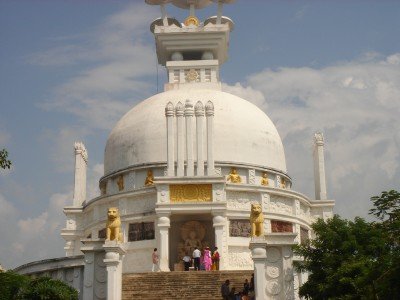
Daya River Battlefield
Some quick example text to build on the card title and make up the bulk of the card's content.
Go somewhere
Deras Dam
Some quick example text to build on the card title and make up the bulk of the card's content.
Go somewhere
Dhauli Shanti Stupa
Some quick example text to build on the card title and make up the bulk of the card's content.
Go somewhere
Ekamra Haat
Some quick example text to build on the card title and make up the bulk of the card's content.
Go somewhere
Ekamra Kanan Botanical Gardens
Some quick example text to build on the card title and make up the bulk of the card's content.
Go somewhere
Ganesh Temple
Some quick example text to build on the card title and make up the bulk of the card's content.
Go somewhere
Gokarneshwar Temple
Some quick example text to build on the card title and make up the bulk of the card's content.
Go somewhere
ISKCON Temple, Bhubaneswar
Some quick example text to build on the card title and make up the bulk of the card's content.
Go somewherein Other Cities